
September 23, 2026 · 4 min read
The world economy is in constant flux, a dynamic force that shapes societies, reinvents industries, and often leaves indelible marks on the very landscapes we inhabit. Every major shift – from technological revolutions to environmental crises, from political realignments to changing trade routes – sets off a ripple effect, fundamentally altering how companies operate and how governments govern.
But where can we truly see these profound structural transformations in action? Beyond the headlines and economic reports, the most vivid stories unfold in overlooked corners of the world: places where entire industries vanished, where communities were forced to adapt, or where visionary projects attempted to forge a new path. These lesser-known spots offer tangible, often surprising, insights into the resilience and vulnerability of human enterprise.
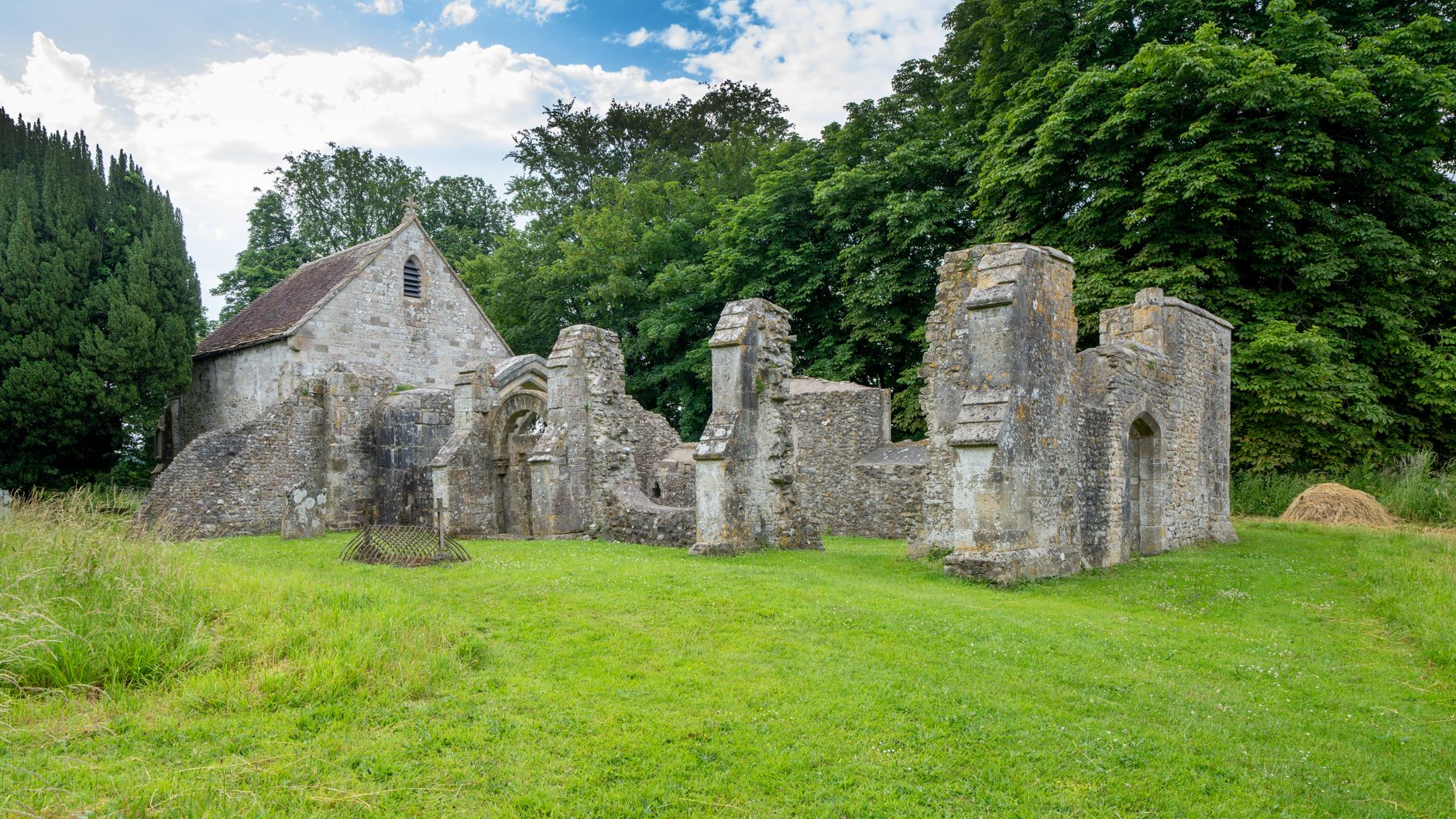
1. The Village Frozen in Time
Tyneham, Dorset, UK
A perfectly preserved English village, evacuated by government order during WWII, remains a ghost of its former self, never to be reoccupied.
In 1943, the British War Office requisitioned Tyneham and its surrounding lands for D-Day training, promising residents they could return after the war. That promise was never kept. Today, the village stands largely as it was left, its schoolhouse and church intact, a stark physical testament to an entire community uprooted by governmental decree and strategic necessity, showcasing an abrupt, forced structural transformation.

2. Floating Resilience of Lake Titicaca
Lake Titicaca, Peru
Entire islands made of reeds, where a pre-Incan people have maintained their unique way of life for centuries, adapting to modern pressures.
The Uros people constructed their islands from totora reeds, a practice born from a need for defense and isolation. This self-sustaining economy, centered on fishing and reed use, has endured for generations. Today, while still deeply traditional, the Uros navigate the complexities of tourism, showcasing a gradual structural transformation as they balance cultural preservation with economic opportunity from visitors.
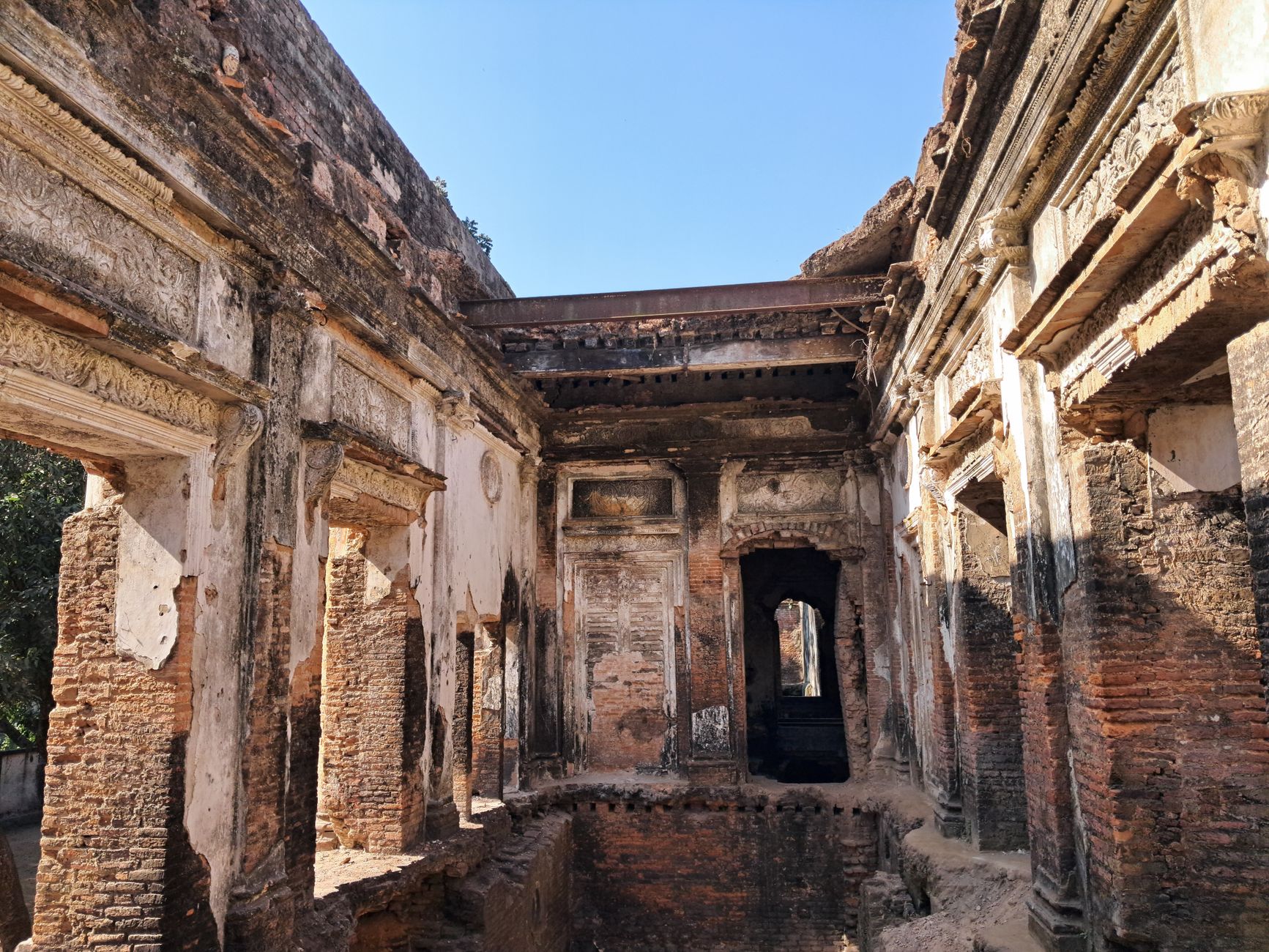
3. Andaman's Abandoned Colonial Capital
Ross Island, Andaman and Nicobar Islands, India
Once a thriving British administrative capital, this island now lies in elegant ruins, slowly being reclaimed by the jungle and deer.
During the British Raj, Ross Island served as the administrative headquarters for the Andaman and Nicobar Islands, a self-sufficient township with grand colonial buildings, a church, and even a bakery. However, disease outbreaks and the eventual shift of power after Indian independence led to its abandonment. Today, it stands as an eerie, beautiful reminder of a bygone colonial economy and governmental structure, where nature now holds sway over once-bustling streets.

4. The Silk Road's Enduring Legacy
Khiva, Uzbekistan
This meticulously preserved ancient city, once a vital Silk Road trading post, showcases adaptation after global trade routes shifted.
Khiva thrived for centuries as a bustling hub for caravans trading goods between East and West. Its economic life was intricately tied to the flow of merchants and commodities along the Silk Road. With the advent of maritime trade and later modern transportation, its strategic importance diminished. Yet, Khiva didn't disappear; it transformed, preserving its stunning architecture and cultural heritage, becoming a living museum and a key tourist destination, demonstrating a shift from mercantile power to cultural economy.
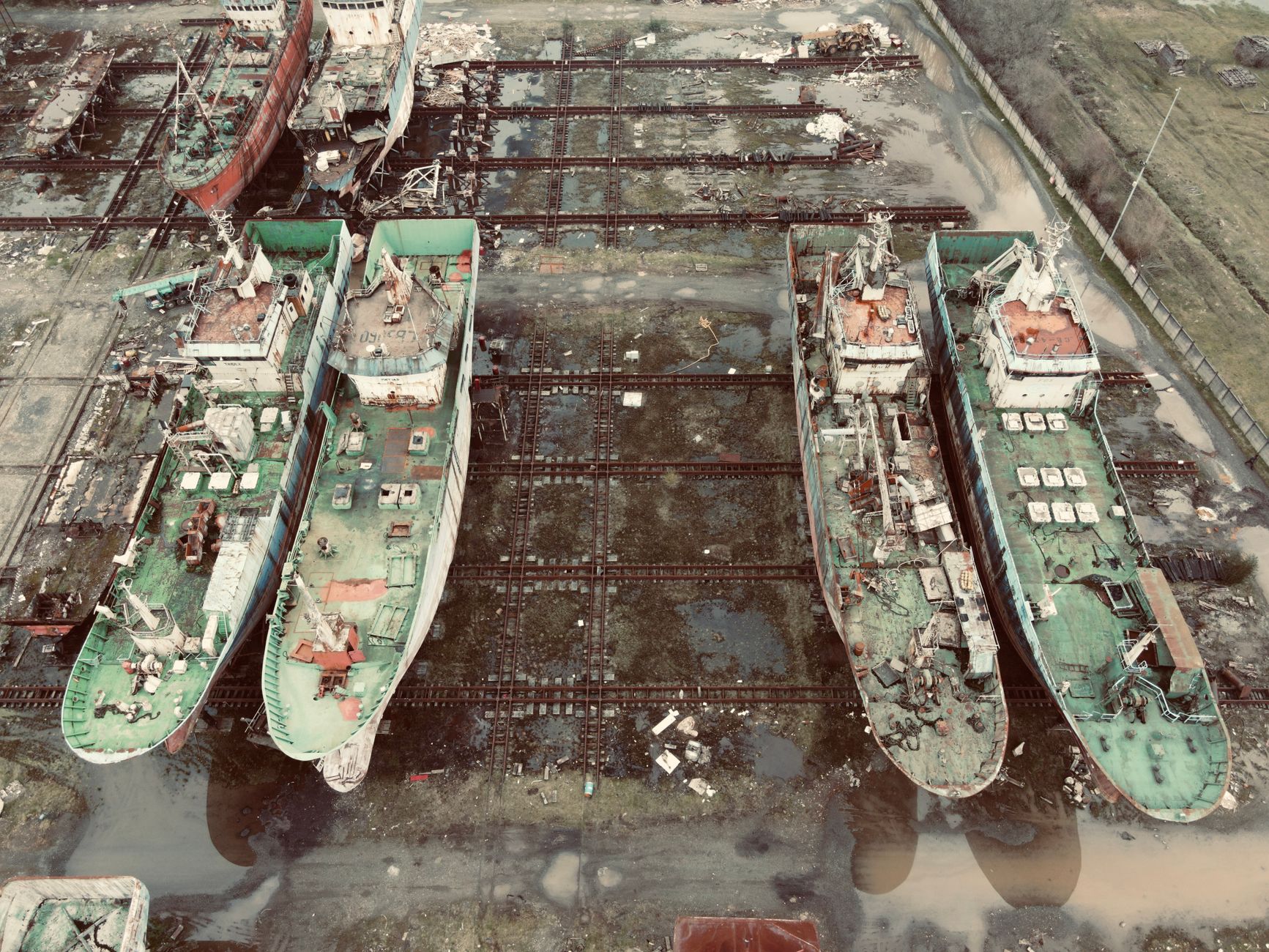
5. The Port City Stranded by a Vanished Sea
Moynaq, Uzbekistan
A former fishing port now sits miles from water, a stark monument to one of the 20th century's biggest environmental and economic disasters.
Moynaq was once a vibrant port on the Aral Sea, its economy entirely dependent on fishing and canning. However, massive Soviet-era irrigation projects diverted the sea's feeder rivers, causing the Aral to shrink dramatically. The fishing industry collapsed, leaving behind a 'ship graveyard' in the sand and a community grappling with dust storms and economic devastation. Moynaq embodies a forced structural transformation, a harsh lesson in the long-term impacts of governmental environmental policy.
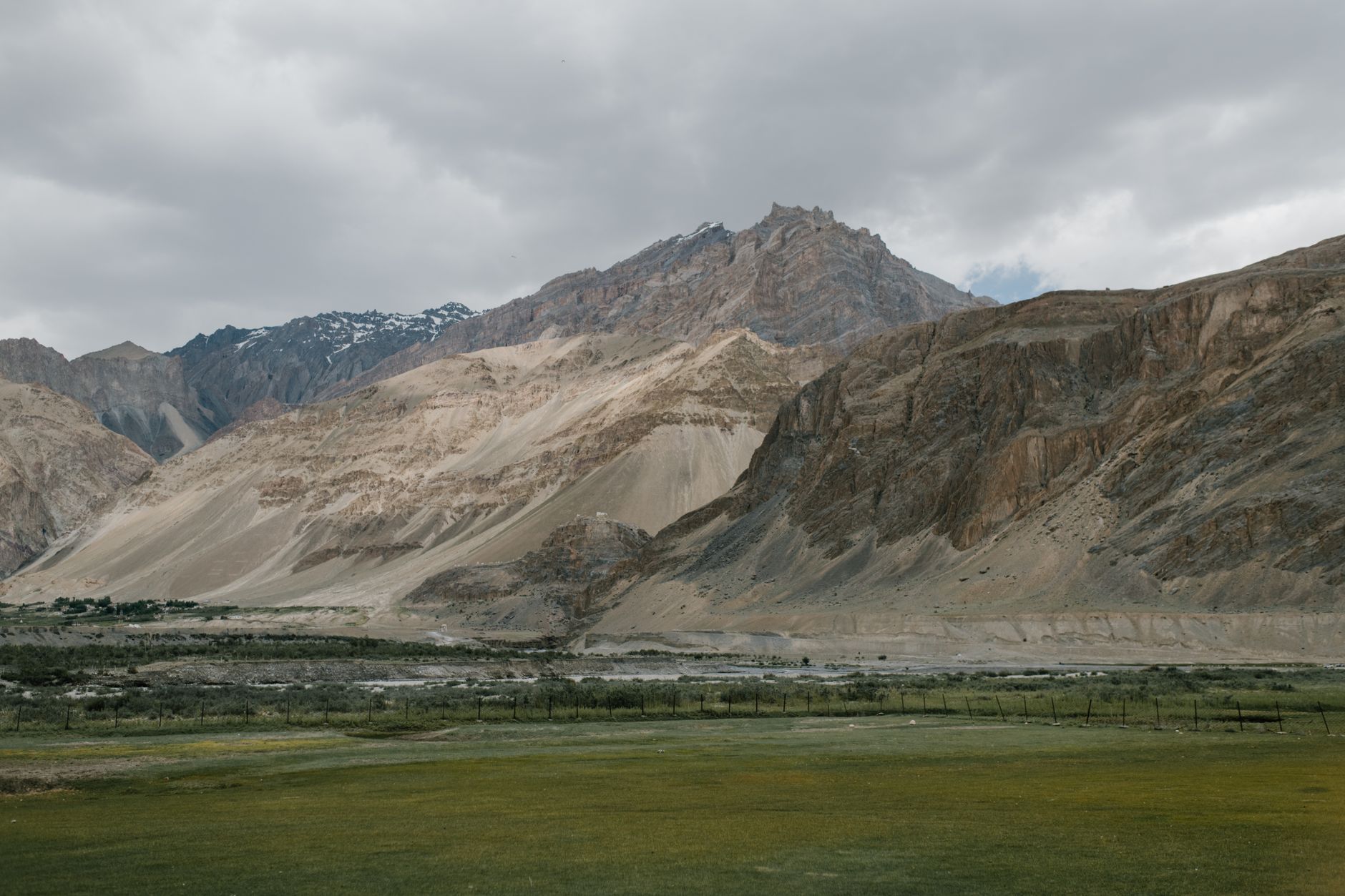
6. Himalayan Isolation Meets Modernity
Zanskar Valley, Ladakh, India
High in the Himalayas, ancient Buddhist communities confront new roads and the modern world, balancing tradition with economic development.
Historically, the Zanskar Valley was one of the most isolated regions in the Himalayas, its communities largely self-sufficient, relying on subsistence agriculture and centuries-old monastic traditions. The recent construction of motorable roads has begun to connect these remote villages to the outside world, bringing both opportunities for economic growth through tourism and trade, and challenges to their unique cultural identity. This represents a profound, ongoing structural transformation, driven by infrastructure and globalization.
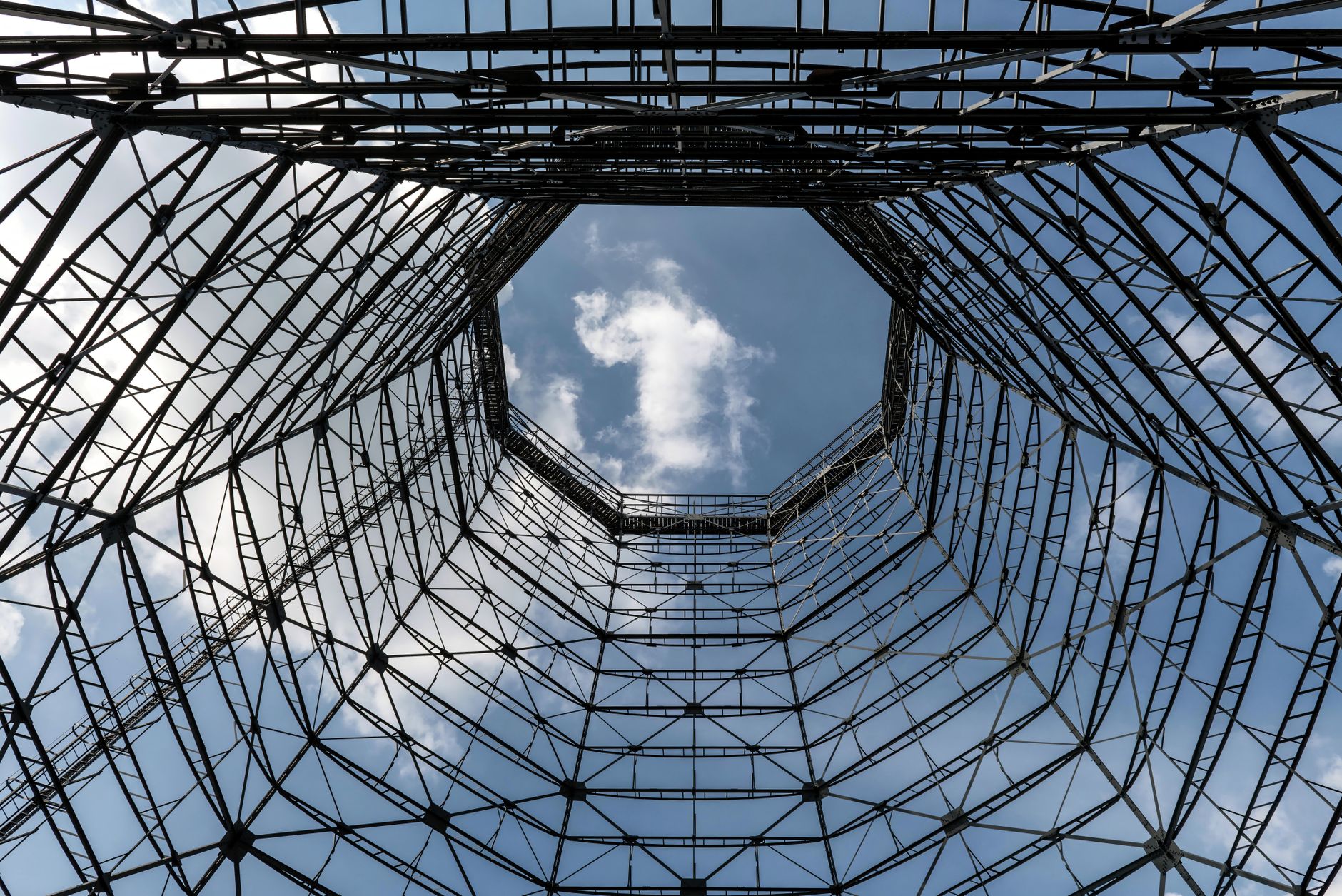
7. From Coal Mine to Cultural Icon
Zollverein Coal Mine Industrial Complex, Essen, Germany
Once the largest and most modern coal mining complex globally, this colossal industrial site has been reborn as a vibrant cultural and design hub.
Zollverein was the beating heart of the Ruhr region's industrial economy, employing thousands and fueling Germany's post-war recovery. As the coal industry declined, the complex faced obsolescence. Rather than demolition, the German government and local entities spearheaded a visionary transformation, converting it into a UNESCO World Heritage site housing museums, design schools, and event spaces. It stands as a powerful example of successful post-industrial structural transformation and economic diversification.
Frequently asked questions
How do governments influence economic change in specific regions?
Governments often drive structural transformation through policy decisions, infrastructure projects, and resource management. These actions can profoundly reshape local economies, sometimes leading to booms, other times to unforeseen challenges or even abandonment, as seen in historical examples.
Can companies adapt to major economic shifts?
Absolutely. Companies must continuously adapt to structural economic transformations by innovating, diversifying their services, or even completely reinventing their business models. Places like former industrial centers turned cultural hubs demonstrate this resilience and strategic pivot.
What are some signs of ongoing structural transformation in an economy?
Signs include shifts in dominant industries, changes in labor markets, significant infrastructure development or decay, demographic movements, and the emergence of new technologies. These shifts are often visible in the physical landscape of towns and regions, reflecting underlying economic currents.
How can I learn more about the untold stories of these places?
To truly grasp the depth of these transformations, there's nothing like experiencing them firsthand. The AllTours.ai app lets you point your phone camera at any landmark or landscape, and it will narrate its history, geology, and culture in your language, bringing these hidden stories to life.
Related guides
Photography via Pexels. AllTours.ai is an AI audio tour guide — point your camera at any landscape and hear its story.