October 15, 2026 · 4 min read
Tokyo in autumn is a city transformed, not just by crimson leaves but by a distinctive culinary shift. As the summer heat fades, a new palette of flavors emerges, drawing from the season's bounty. This isn't merely about new menus; it's a centuries-old tradition of celebrating shun, the peak season for ingredients.
From the deep umami of freshly harvested mushrooms to the delicate sweetness of seasonal fruits, Tokyo's kitchens embrace fall with a reverence that’s palpable in every bite. Navigating this rich landscape of seasonal dishes can be an adventure, revealing hidden culinary gems and profound cultural connections.
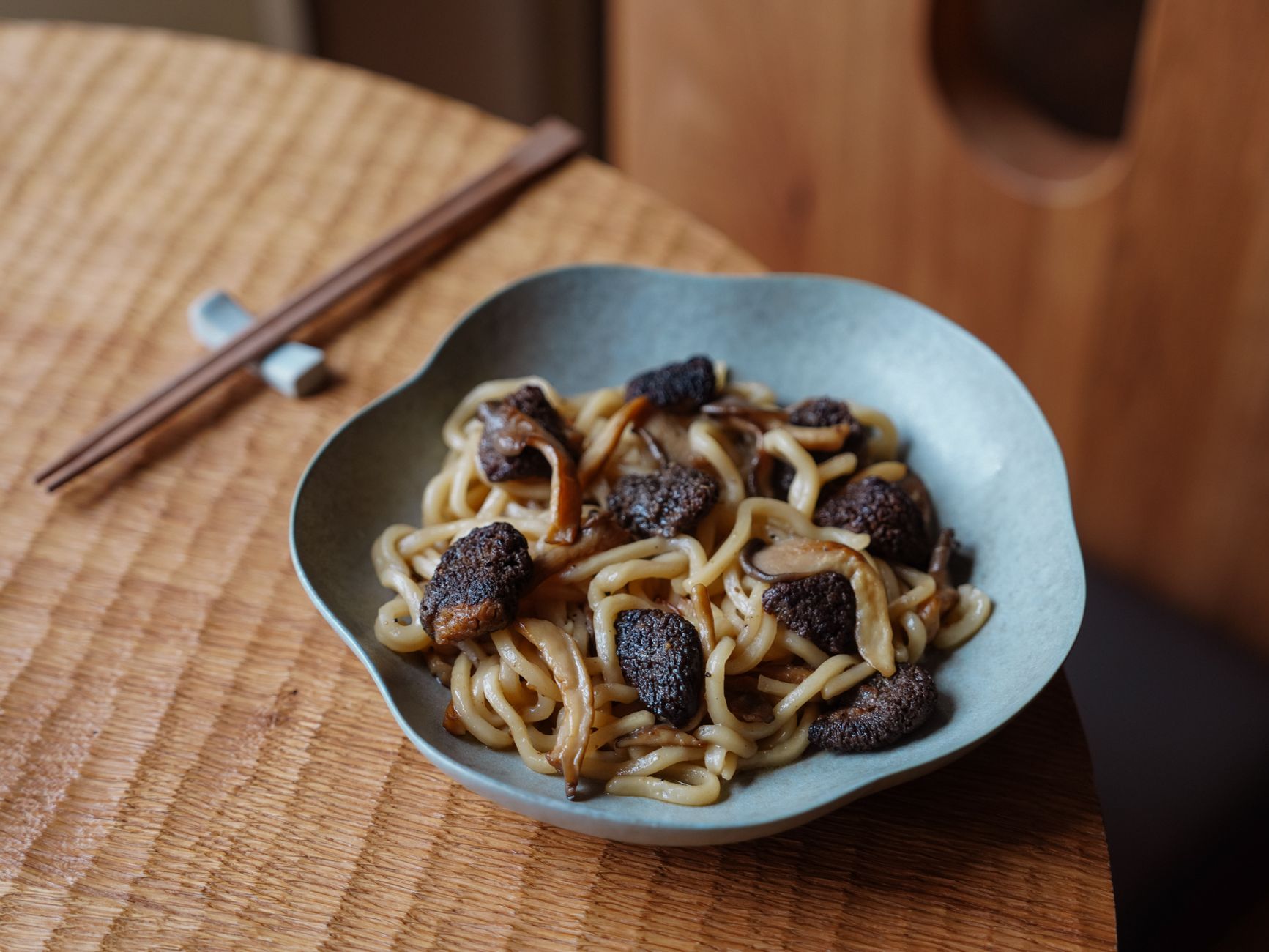
1. The Prized Pine Mushroom
Kappo Yoshihama, Ningyocho, Japan
Matsutake mushrooms were once a common forest find, but today their scarcity makes them a luxury, harvested with ancestral knowledge.
The revered matsutake mushroom, with its distinctive spicy-aromatic scent, symbolizes autumn’s peak. Historically, these prized fungi form a symbiotic relationship with specific pine tree roots, making their cultivation nearly impossible. At Kappo Yoshihama in historic Ningyocho, chefs showcase matsutake through delicate preparations like dobin mushi (steamed in a teapot) or grilled, allowing its potent aroma to take center stage. This humble district, once a theater hub, now offers a quieter glimpse into Tokyo's culinary past.
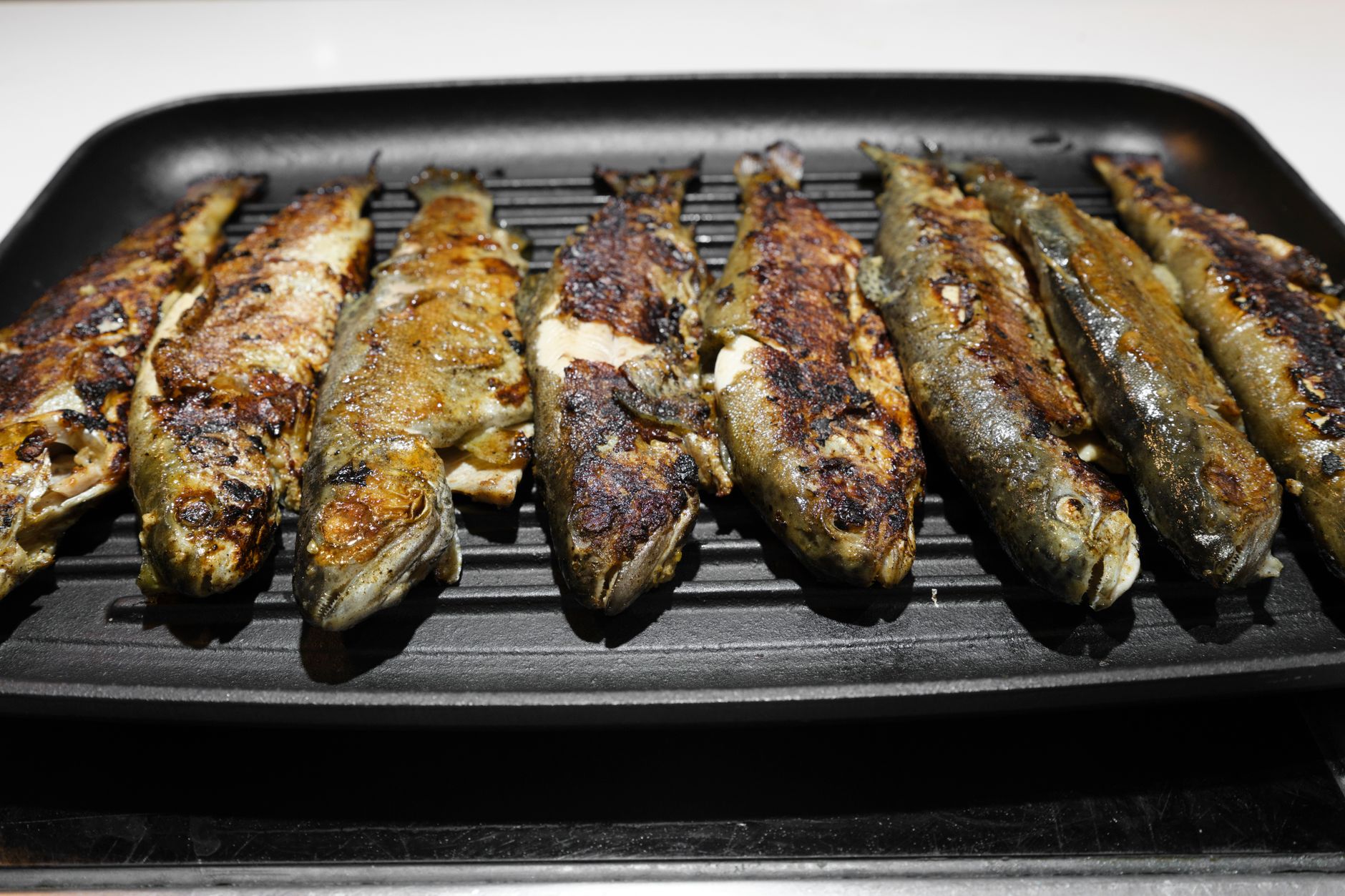
2. Autumn's Silver Swordfish
Izakaya Maru-chan, Nakano, Japan
The "autumn swordfish" (sanma) arrives in Tokyo with a distinct silver gleam, its seasonal migration once dictating entire fishing village economies.
Sanma, or Pacific saury, is a quintessential autumn fish, celebrated for its rich, oily flesh. Its arrival marks a significant moment in the fishing calendar, with villages along the coast historically relying on its vast schools. At Izakaya Maru-chan in the vibrant Nakano Broadway area, you'll find shioyaki sanma – simply grilled with salt – a preparation that highlights the fish's natural flavors. This unpretentious izakaya captures the spirit of local Tokyo, where simple, seasonal ingredients shine.
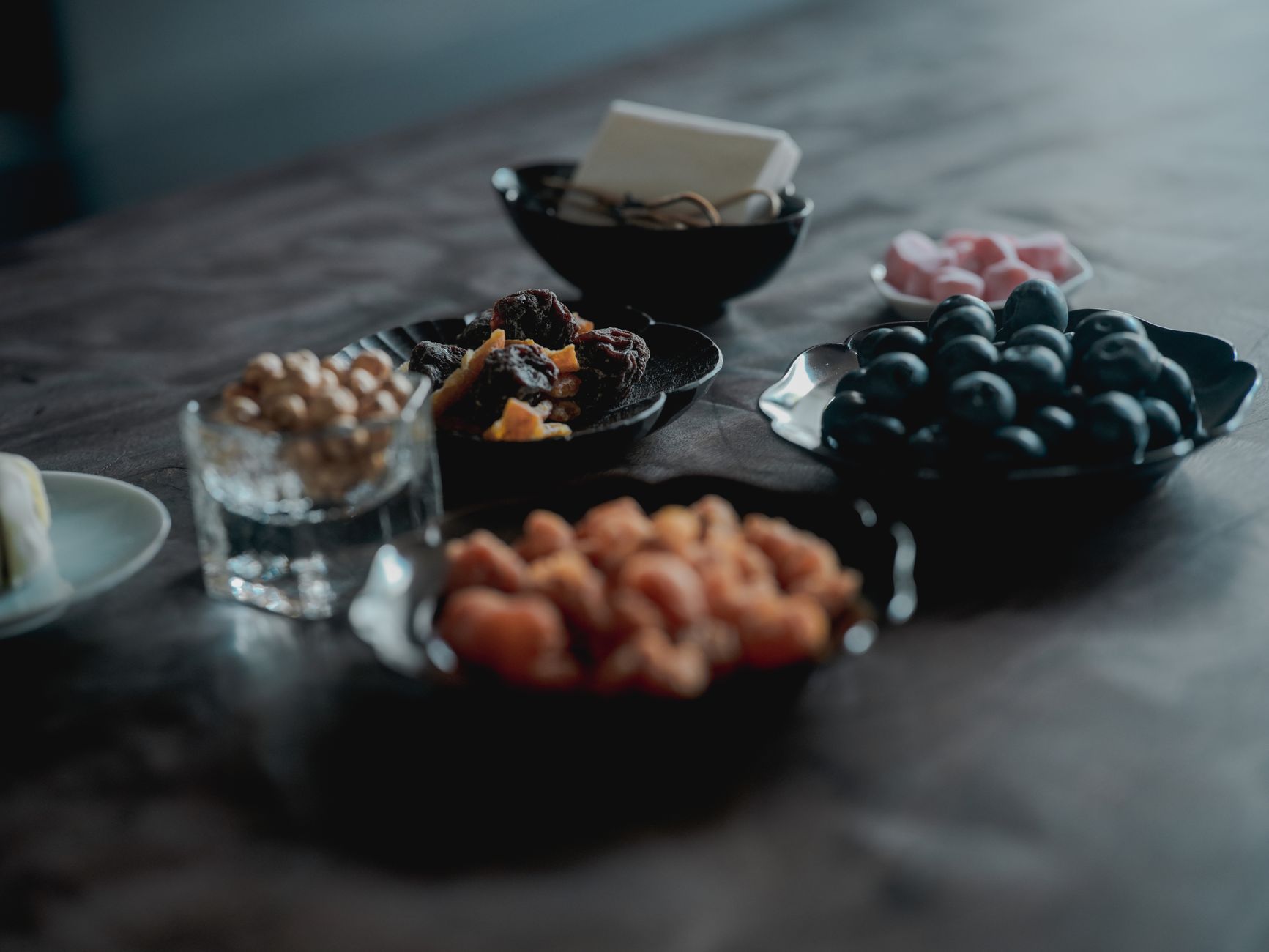
3. Ancient Chestnut Sweets
Kameya Mannendō, Jiyugaoka, Japan
Japanese chestnuts, kuri, have been a dietary staple since the Jōmon period, predating rice cultivation in some regions.
Long before rice became Japan's staple, kuri (chestnuts) were a crucial food source for early inhabitants, providing sustenance during the ancient Jōmon period. At Kameya Mannendō in Jiyugaoka, a district known for its charming cafes and boutiques, these historical nuts are transformed into exquisite wagashi (traditional Japanese sweets). Try their kuri manju or seasonal kuri kinton, delicate confections that perfectly capture the earthy sweetness of autumn.
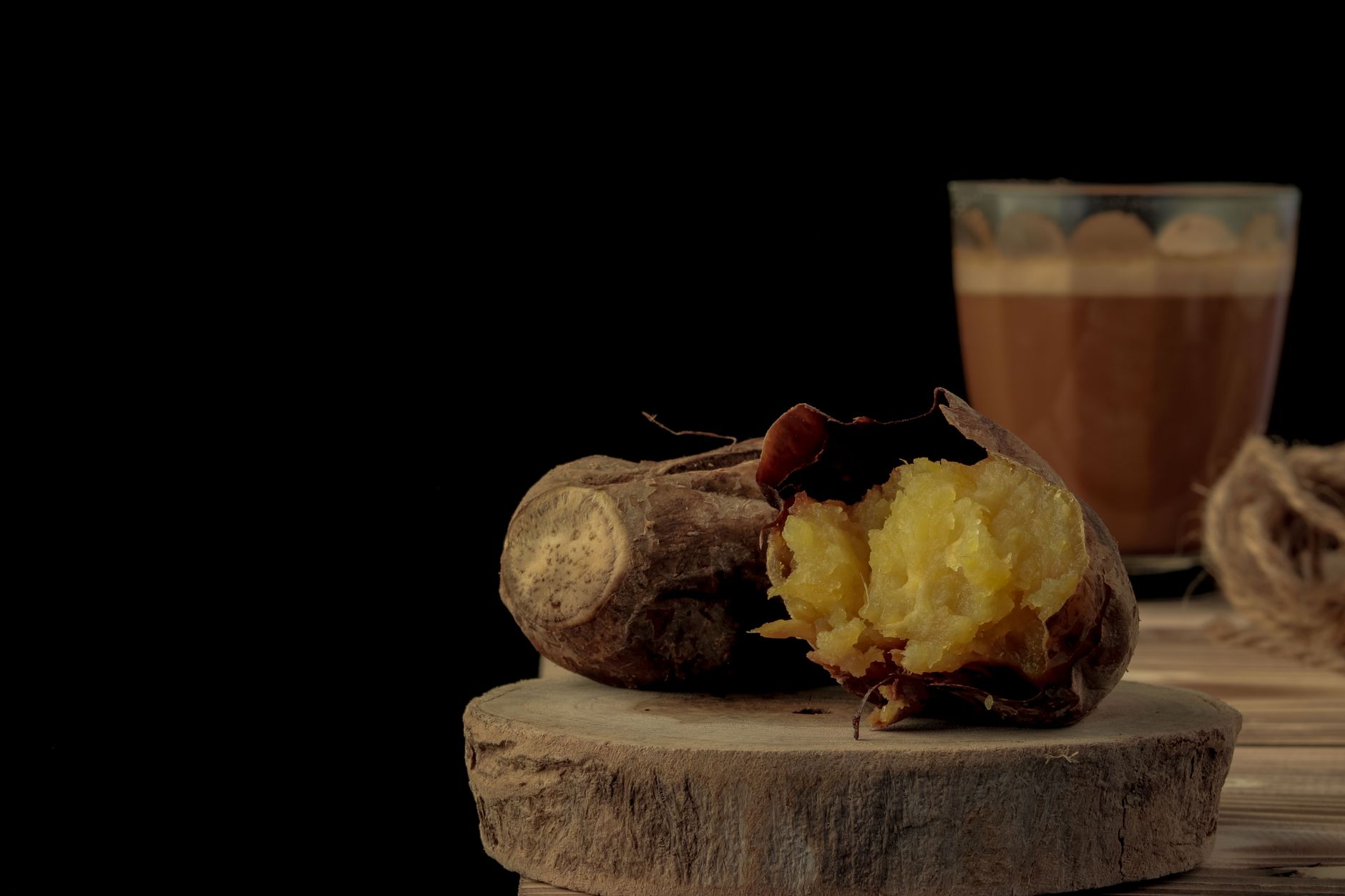
4. Life-Saving Sweet Potato
Sugamo Jizō-dōri Shopping Street, Tokyo, Japan
The satsumaimo, a sweet potato, saved countless lives during famines in Japan, flourishing in poor soils where other crops failed.
The humble satsumaimo (sweet potato) holds a significant place in Japanese history, having been introduced from the Ryukyu Islands and later proving vital in sustaining populations during severe famines due to its hardiness. Along Sugamo Jizō-dōri, often called "Grandma's Harajuku," you can find traditional yakimo (roasted sweet potato) vendors. Their trucks, with their distinctive melodious calls, offer perfectly baked sweet potatoes that are creamy, naturally sweet, and a comforting taste of Tokyo's autumn.
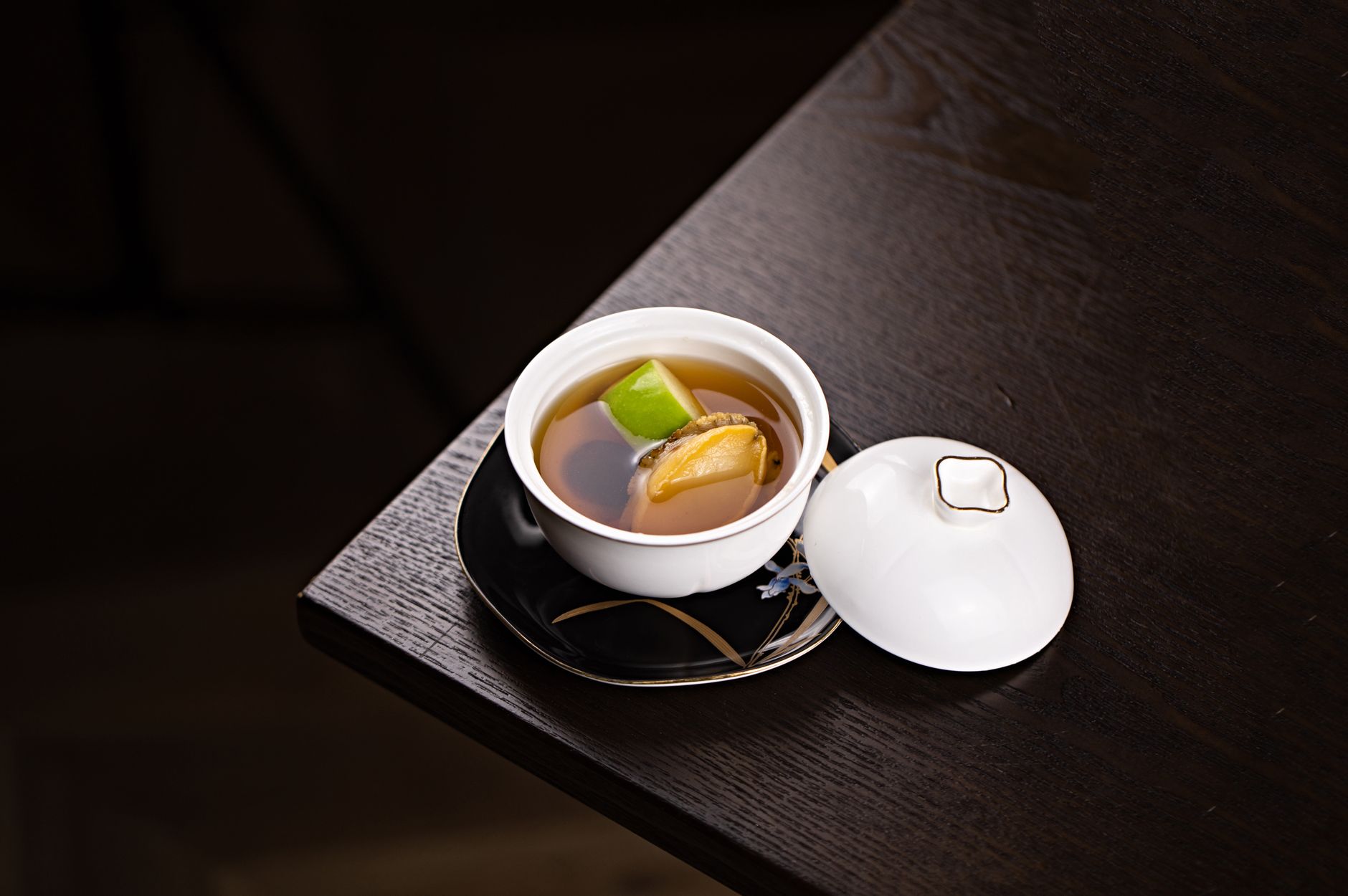
5. The Living Fossil's Nut
Shinjuku Kappo Nakajima, Shinjuku, Japan
The ginkgo tree, a "living fossil," produces nuts that are a seasonal delicacy, believed to have existed on Earth for over 200 million years.
The ginkgo tree, an ancient species that has survived mass extinctions, offers its distinct, slightly bitter nuts – ginnan – as an autumn treat. These vibrant green nuts are often found in chawanmushi, a savory steamed egg custard. At Shinjuku Kappo Nakajima, renowned for its excellent washoku in the heart of Shinjuku, you can experience a refined chawanmushi that subtly incorporates ginnan, showcasing their unique texture and flavor within a delicate, warm dish.
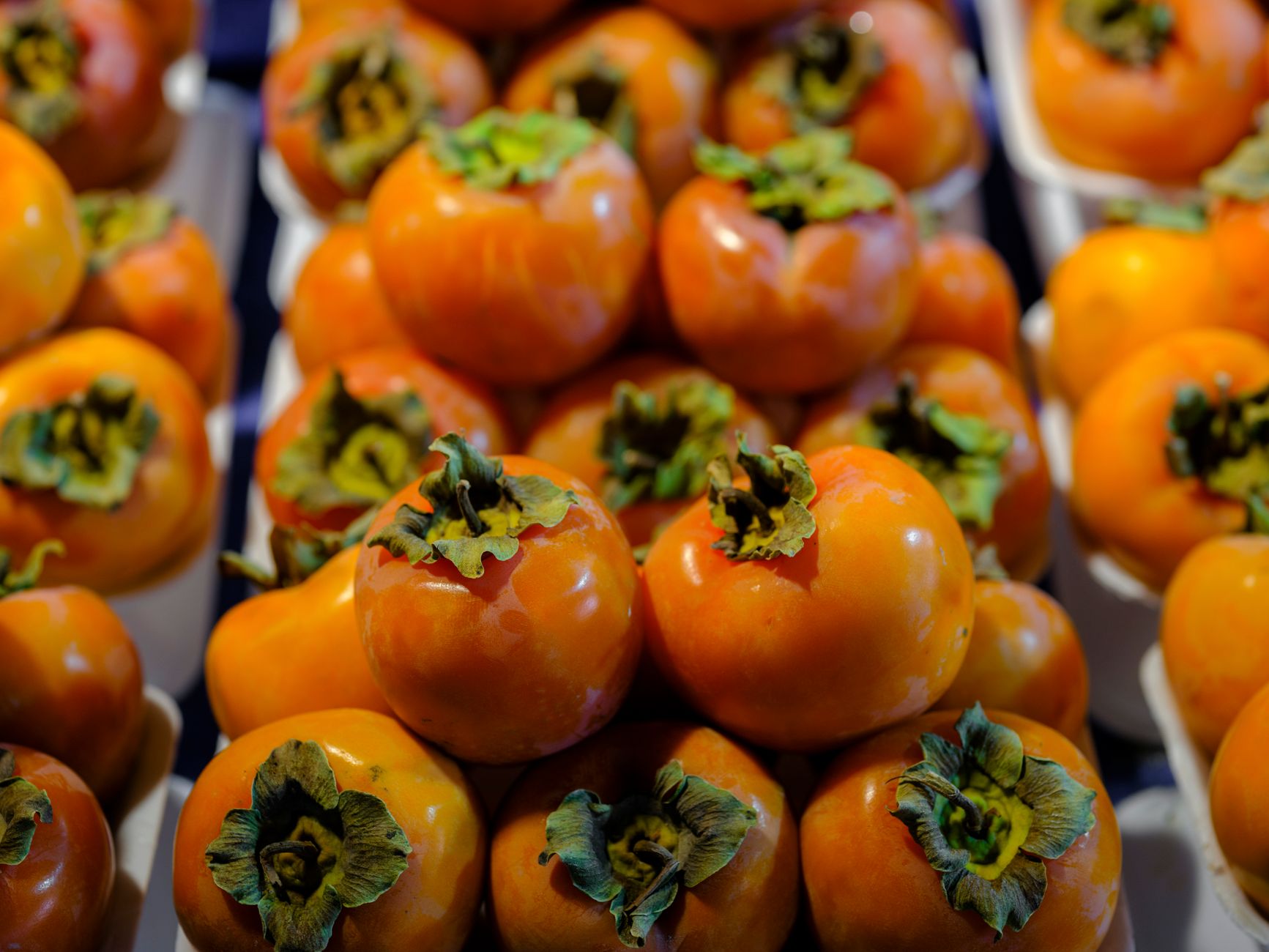
6. Persimmon's Secret Uses
Nihonbashi Fukunaga, Nihonbashi, Japan
The persimmon, kaki, was historically used not just for its fruit, but its tannin-rich juice was a natural insect repellent and wood preservative.
Beyond its sweet, vibrant fruit, the kaki (persimmon) held a surprising historical utility: its tannin-rich juice, kakishibu, was traditionally used as a natural dye, insecticide, and even a wood preservative. In autumn, fresh kaki are abundant. At Nihonbashi Fukunaga, a charming wagashi shop tucked away in the historic Nihonbashi district, you can find seasonal sweets that beautifully incorporate fresh persimmon, offering a taste of its delicate sweetness and smooth texture in traditional confections.
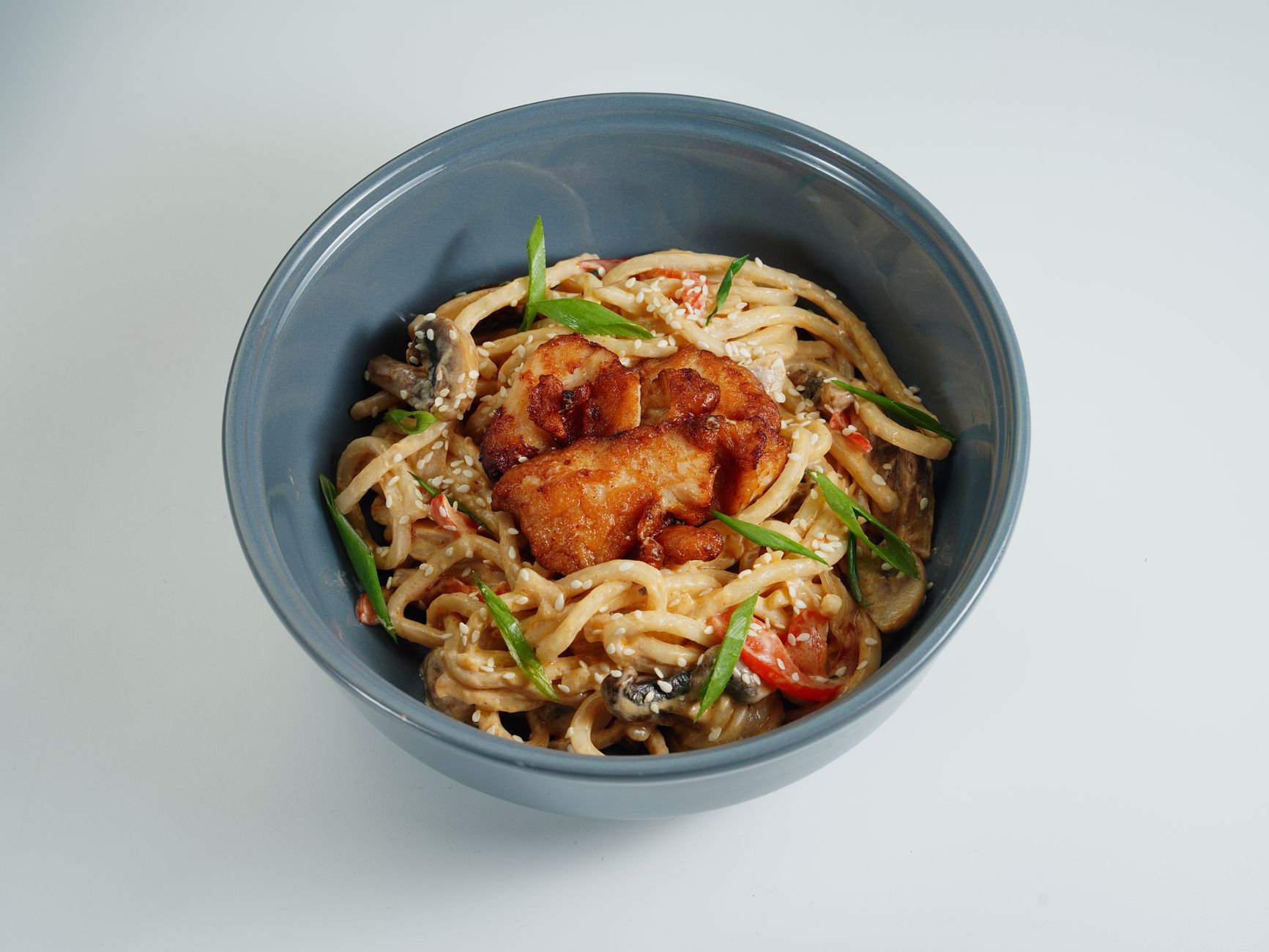
7. Umami's Forest Treasure
Honke Sarashina Sohonten, Azabu-Juban, Japan
The cultivation of shiitake mushrooms involves a precise, centuries-old method of inoculating logs, a practice perfected by Japanese farmers.
Shiitake mushrooms, a cornerstone of Japanese cuisine, are not just for flavoring; autumn brings a superior quality. Their cultivation method, involving inoculating oak logs, is a refined art passed down through generations, ensuring their distinct umami. At Honke Sarashina Sohonten in Azabu-Juban, a soba restaurant with a history stretching back to the Edo period, seasonal shiitake often feature in their warm soba dishes. The rich broth and earthy mushrooms make for a comforting and deeply flavorful autumn meal.
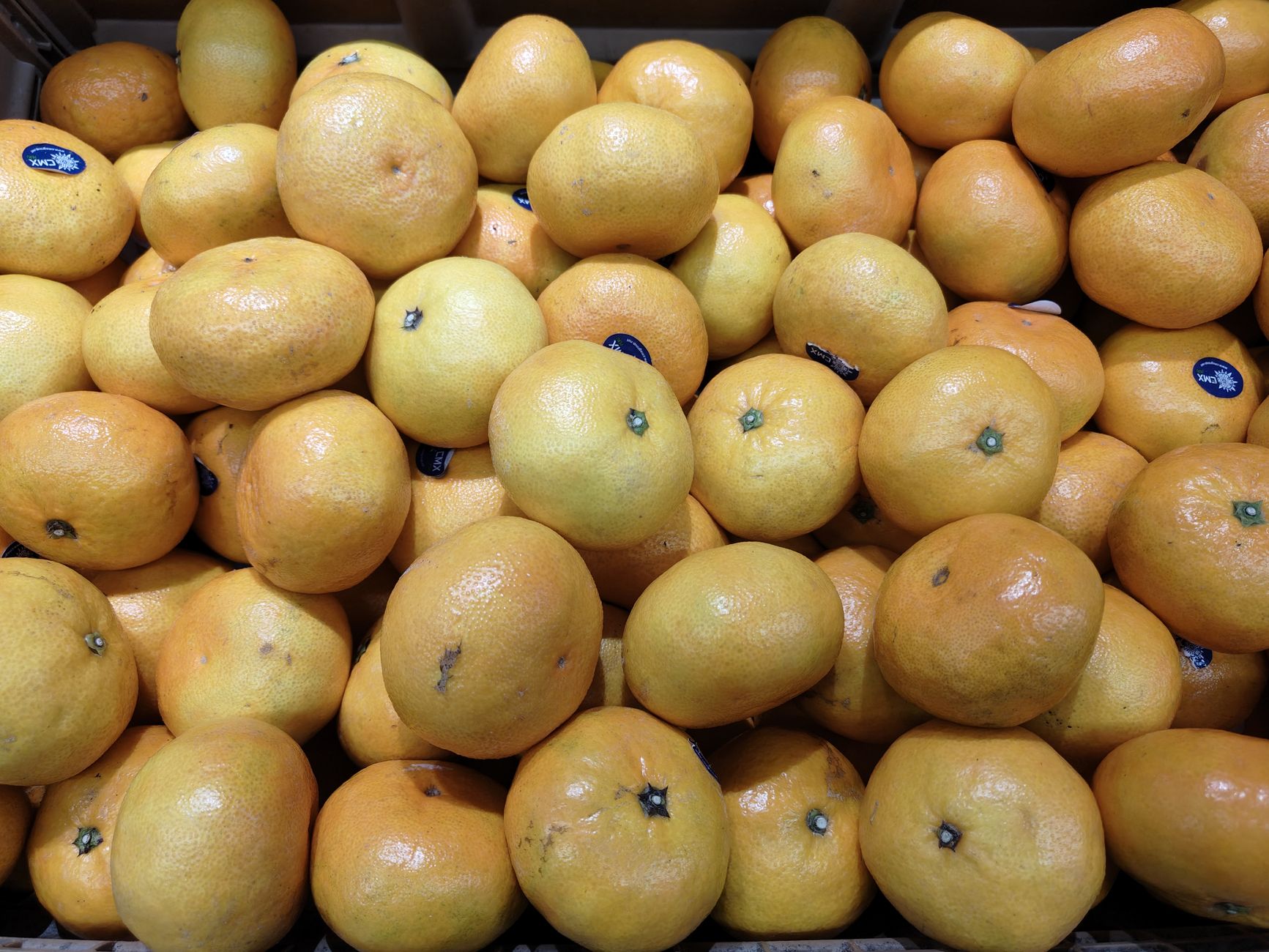
8. The Post-Bath Refreshment
Near Daikokuyu Sento, Sumida, Japan
The mikan became a post-bath ritual snack in Japan due to its refreshing properties and easy peeling, a tradition deeply embedded in public bathhouse culture.
The sweet, easy-to-peel mikan (mandarin orange) holds a special place in Japanese culture, particularly as a refreshing post-bath snack. This tradition, rooted in the communal experience of public bathhouses, highlights the fruit's cooling properties after a hot soak. While not a dish, finding a vendor near a historic sento like Daikokuyu in Sumida offers a glimpse into this charming custom. Enjoy a juicy mikan after experiencing a traditional Japanese bath, embodying a simple, seasonal pleasure.
Frequently asked questions
What are the best autumn vegetables to try in Tokyo?
Autumn in Tokyo brings a bounty of vegetables. Look for kuri (chestnuts), satsumaimo (sweet potatoes), various mushrooms like matsutake and shiitake, and ginnan (ginkgo nuts). These are often prepared simply to highlight their natural flavors.
Where can I find seasonal autumn dishes in Tokyo?
Seasonal dishes are widespread. Traditional izakayas, kaiseki restaurants, soba shops, and even street food vendors will feature autumn ingredients. Department store food halls (depachika) also offer excellent seasonal bentos and sweets.
Is it expensive to eat seasonal food in Tokyo?
The cost varies greatly. While prized ingredients like matsutake can be very expensive, many seasonal items like sanma (Pacific saury), satsumaimo, and mikan are quite affordable. You can enjoy delicious autumn flavors across all price points.
How can AllTours.ai enhance my culinary exploration in Tokyo?
AllTours.ai allows you to point your phone camera at a restaurant, market, or even a specific dish, and instantly receive narrated insights into its history, ingredients, and cultural significance. It's like having a local expert guide explaining the stories behind every autumn flavor you encounter.
Related guides
Photography via Pexels. AllTours.ai is an AI audio tour guide — point your camera at any landscape and hear its story.