September 18, 2026 · 4 min read
Beyond popular restaurants and Michelin stars, the truest taste of a place often lies in its everyday dishes, those born from necessity, ancient traditions, or quirky local legends. These are the foods that tell a deeper story, connecting you not just to a cuisine, but to the very soul of a culture, its landscape, and its past.
So, what do you think of eating when you travel? If your answer involves authentic narratives and flavors that surprise, prepare to journey far from the well-trodden tourist paths. We've unearthed seven fascinating culinary experiences, each with a unique, verifiable history that transforms a simple meal into an unforgettable lesson in humanity.
1. The Fish-Shaped Treat's Royal Impersonation
Taiyaki Naniwaya Souhonten, Azabu-Juban, Tokyo, Japan
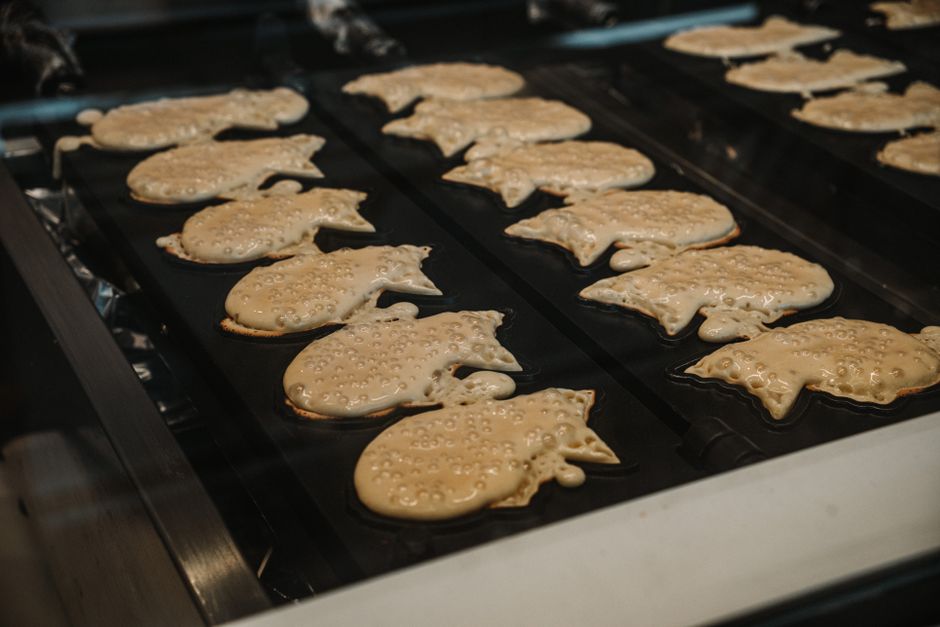
This iconic fish-shaped cake was originally a delicious, affordable stand-in for a more expensive seafood dish.
Founded in 1909, when sea bream (tai) was a luxury item, the founder of Naniwaya Souhonten decided to craft a sweet, baked treat in the shape of the auspicious fish. The hope was that by making a cheaper version, people could still enjoy the good fortune associated with "tai." It quickly became a beloved street food, and this historic shop continues to serve its crispy-on-the-outside, sweet red bean-filled pastries with the same century-old recipe.
2. Matera's Cave-Forged Loaf
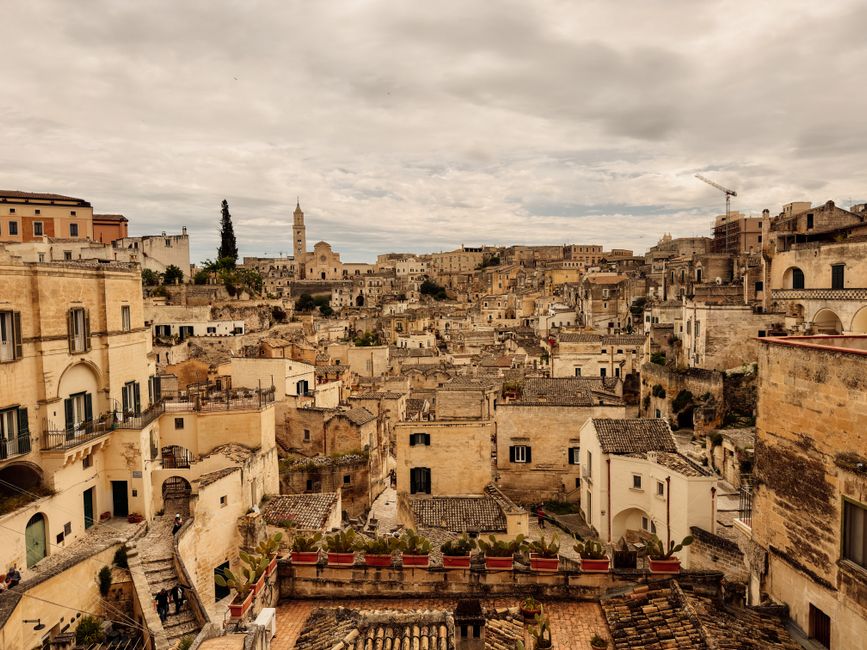
Matera, Basilicata, Italy
This bread's unusual horn shape and long shelf life are born from its origins in caves and shared community ovens.
Matera, famous for its ancient Sassi cave dwellings, developed a bread-making tradition spanning millennia. Families would prepare their dough at home, then mark it and carry it to communal wood-fired ovens. The distinctive "horn" shape (cornetto) made it easy to transport through narrow alleys, and the bread's dense crust and crumb allowed it to stay fresh for days, a crucial feature for cave dwellers with limited access to daily baking. Today, Pane di Matera is a PGI-protected product.
3. The Magi's Turban Cake
Colmar, Alsace, France
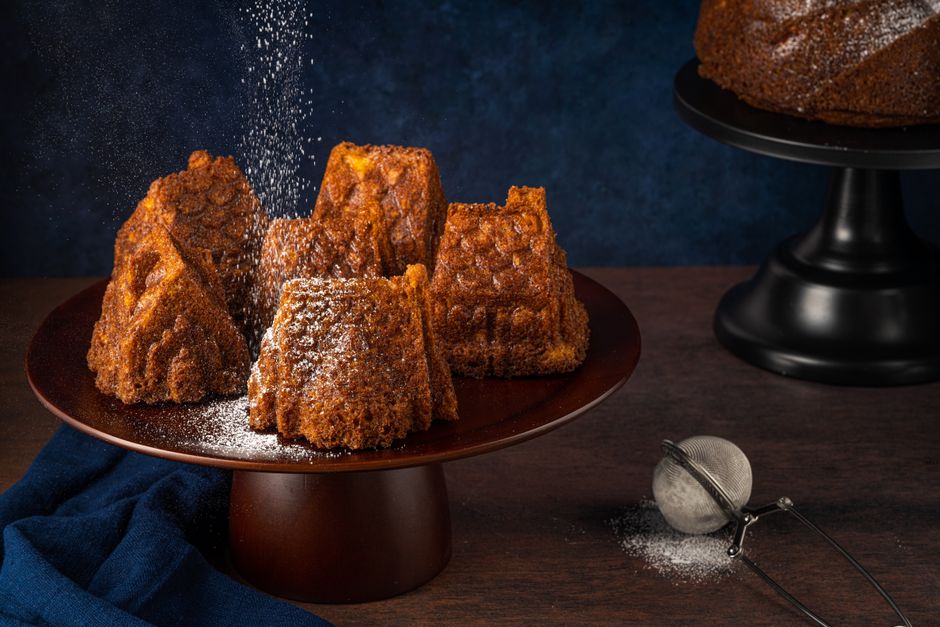
This distinctive brioche-like cake is baked in a pan whose fluted shape traces back to a legendary gift from the Magi.
The Kougelhopf (or Gugelhupf) is a celebratory brioche, often studded with raisins or almonds. Local legend in Alsace claims that one of the Three Wise Men, passing through the region, left behind his turban, inspiring the unique, fluted baking mold. Historically, it was a cake reserved for special occasions like weddings and festivals, reflecting the region's rich Franco-German cultural fusion and its deep-rooted baking traditions.

4. Viking Survival: The Pungent Shark
Húsavík, Iceland
Taste a dish born from Viking necessity, where toxic shark meat is rendered edible through a surprising, multi-month fermentation process.
Hákarl, made from Greenland or basking shark, is poisonous when fresh due to high levels of urea. Over a thousand years ago, Vikings developed a method to bury the shark in gravelly soil, pressing it with stones to drain fluids, then hanging it to dry for several months. This fermentation breaks down the toxins, creating a pungent, ammonia-rich delicacy that remains a bold testament to their ingenuity and resilience in a harsh environment.
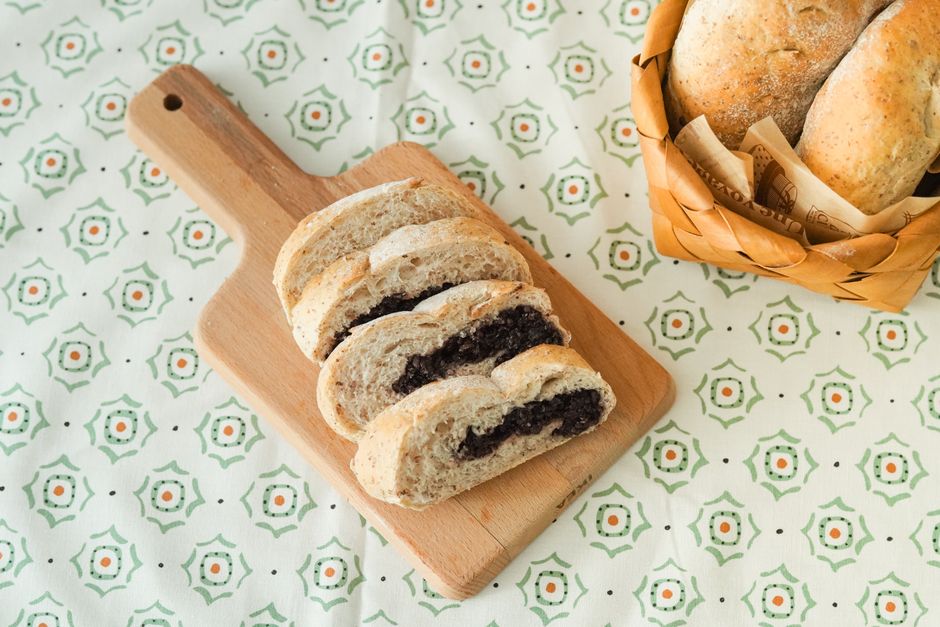
5. The Modern Pastry of Ancient Silla
Gyeongju, South Korea
This seemingly simple red bean pastry is a 20th-century invention that quickly became a beloved symbol of ancient Silla's capital.
Invented in 1939 by baker Choi Yeong-hwa in Hwangnam-dong, Gyeongju, Hwangnam-ppang is a small, round pastry generously filled with sweet red bean paste. Despite its relatively recent origin, its strong association with Gyeongju, the millennia-old capital of the Silla Kingdom, has elevated it to a popular souvenir and culinary emblem. Each delicate pastry is often embossed with a chrysanthemum pattern, subtly connecting it to the city's rich historical artistry.

6. Newfoundland's Salty Sea Feast
St. John's, Newfoundland, Canada
The ultimate comfort food here is a direct link to the island's centuries-old cod fishing industry and the resilience of its communities.
Jiggs Dinner, a hearty boiled meal featuring salt beef, root vegetables, and pease pudding, emerged from the practicalities of preserving food on long fishing voyages and in isolated settlements. Salt cod was a historical staple, and the entire dish reflects a culinary heritage rooted in resourcefulness. It’s a warm, filling testament to the islanders' ability to thrive in a challenging environment, using accessible and long-lasting ingredients.
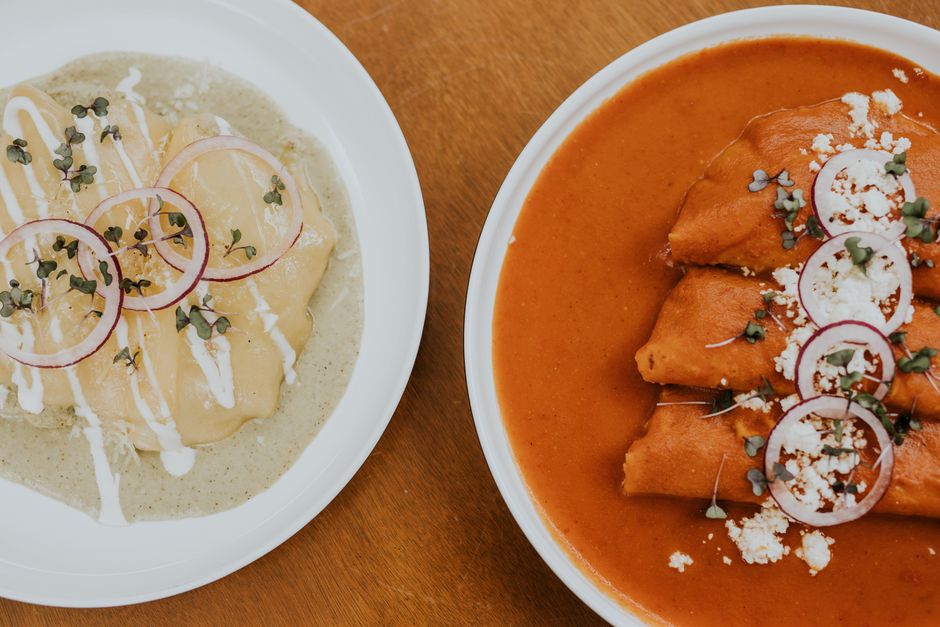
7. Oaxaca's Culinary Language of Mole
Oaxaca, Mexico
The complex mole sauces here are not just food, but a culinary language with ingredients tracing back to pre-Hispanic civilizations.
Oaxaca is famed as "the land of seven moles," each a complex, rich sauce made from dozens of ingredients, including various chiles, spices, nuts, seeds, and often chocolate. Many of these ingredients were cultivated by indigenous communities for thousands of years before European arrival. The intricate process of making mole, often a communal, multi-day affair, reflects a deep cultural heritage and a sophisticated culinary art form that continues to evolve.
Frequently asked questions
How can I find authentic local food when traveling?
To find truly authentic local food, avoid tourist traps. Look for busy spots where locals eat, especially markets or small, unpretentious eateries. Ask hotel staff or local residents for their personal recommendations, rather than relying solely on online reviews.
What are some common food etiquette tips for international travel?
Food etiquette varies widely, but common courtesies include waiting to be seated, not beginning to eat until everyone is served, and being mindful of noise levels. In some cultures, slurping is polite, while in others, it's rude. A quick online search for "food etiquette [country]" can provide specific guidance.
Is it safe to eat street food in other countries?
Generally, yes, but exercise caution. Look for vendors with high turnover, meaning food is cooked fresh and not sitting out long. Observe hygiene practices: clean hands, fresh ingredients, and hot food served hot. Trust your instincts; if a stall looks questionable, move on.
How does AllTours.ai help me discover the stories behind places and food?
AllTours.ai uses AI to turn your phone camera into a personal audio tour guide. Simply point your camera at any landmark, landscape, or even a local market, and the app will narrate its history, geology, and culture in your language. It reveals the hidden stories and significance of what you're seeing, enhancing your travel experience.
Related guides
Photography via Pexels. AllTours.ai is an AI audio tour guide — point your camera at any landscape and hear its story.