September 10, 2026 · 4 min read
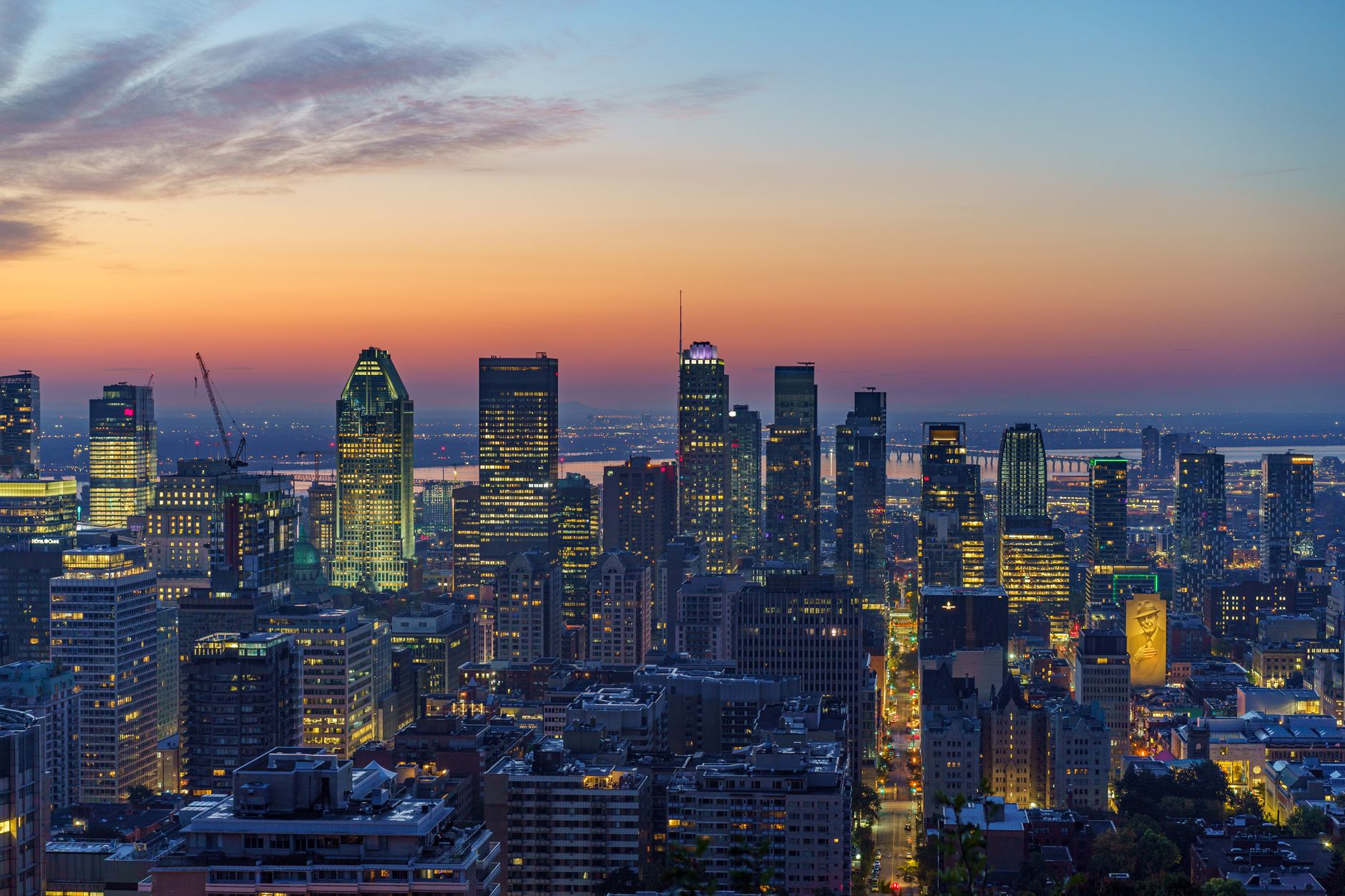
Montréal, with its vibrant culture and historic charm, holds a name that immediately evokes a sense of elevation and majesty: "Royal Mountain." But beyond this iconic Canadian city, the prefixes "Mont," "Monte," and "Mons" are scattered across maps worldwide, each marking a place shaped by its hills or peaks. These names aren't just labels; they are linguistic fossils, preserving ancient observations, unique geological features, and forgotten human endeavors.
This listicle journeys beyond the obvious to uncover the less-known tales behind these "mountain" names. From a Roman landfill that became a landmark to a country named for its dark forests, prepare to discover the surprising origins and hidden histories that connect these elevated places across the globe.
1. Rome's Mountain of Potsherds
Rome, Italy
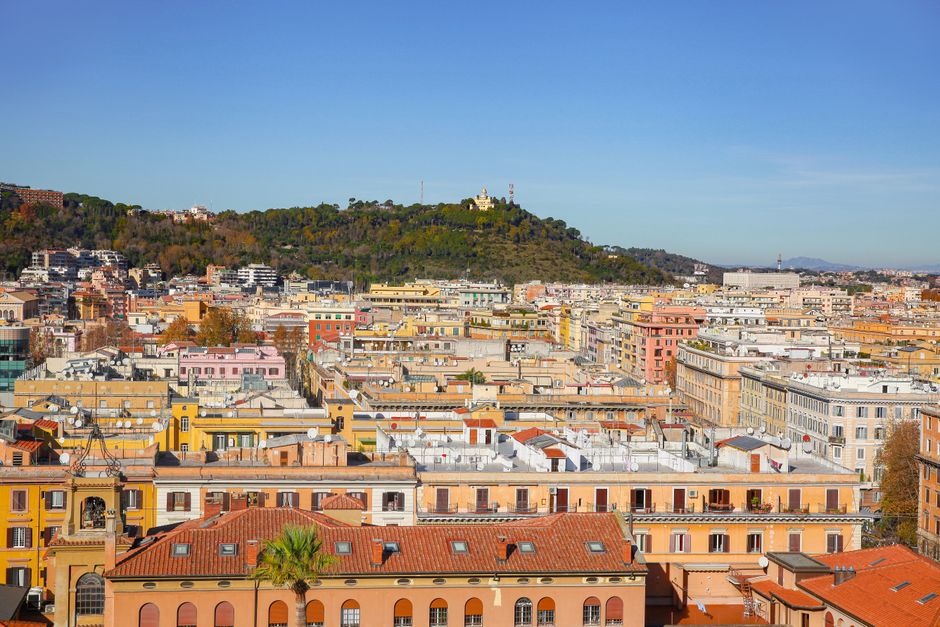
This "mountain" in Rome isn't natural, but an ancient landfill made entirely of broken olive oil amphorae.
For centuries, ancient Romans discarded broken olive oil amphorae here, creating a colossal artificial hill that once stood 35 meters high. Monte Testaccio, or "Mount of Shards," offers a rare glimpse into the sheer scale of Roman consumption and trade, a silent testament to daily life and commerce, now home to quirky restaurants built into its base.
2. The Zapotec's Flattened Mountain
Oaxaca, Mexico
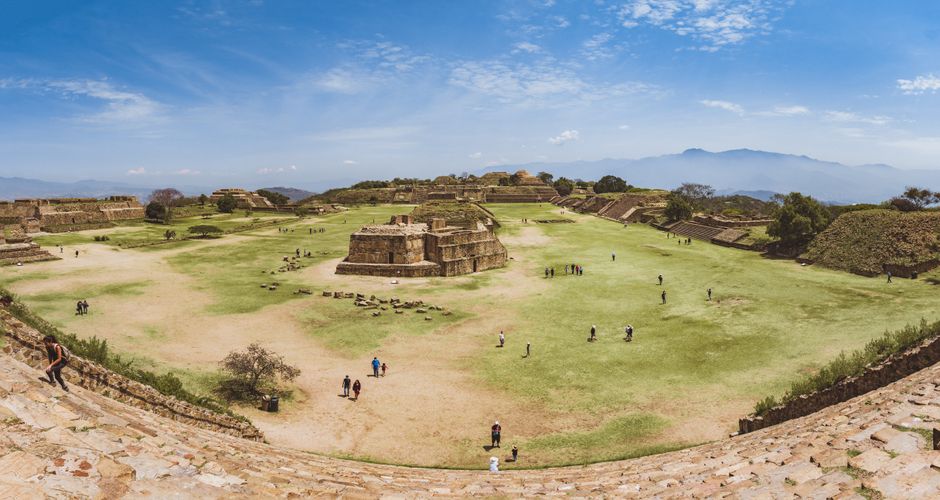
An entire mountaintop was leveled by an ancient civilization to build their sacred city.
Perched majestically above the Oaxaca Valley, Monte Albán ("White Mountain") was the capital of the Zapotec civilization for over a thousand years. Its most astonishing feat is the vast Main Plaza, created by literally flattening the mountaintop. This monumental effort speaks to the Zapotec's engineering prowess and their deep connection to the cosmos, transforming a natural peak into a meticulously planned urban and ceremonial center.
3. The Land of the Black Mountain
Montenegro
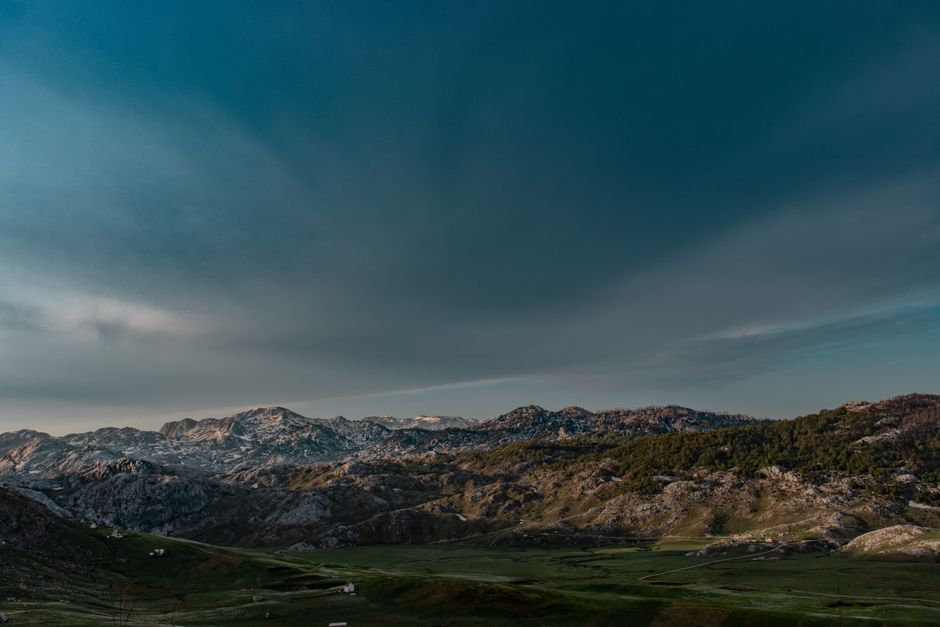
This entire country's name translates to "Black Mountain," inspired by its dense, dark forests.
The Venetian Republic named this rugged Balkan nation "Montenegro" in the 15th century, a direct translation of the local Slavic "Crna Gora." Seafarers approaching its coastline were struck by the imposing, dark appearance of its Dinaric Alps, heavily forested with ancient, dense woodlands that absorbed light. This evocative name captures the dramatic landscape that defined its history, from fierce independence to secluded monasteries clinging to cliffs.
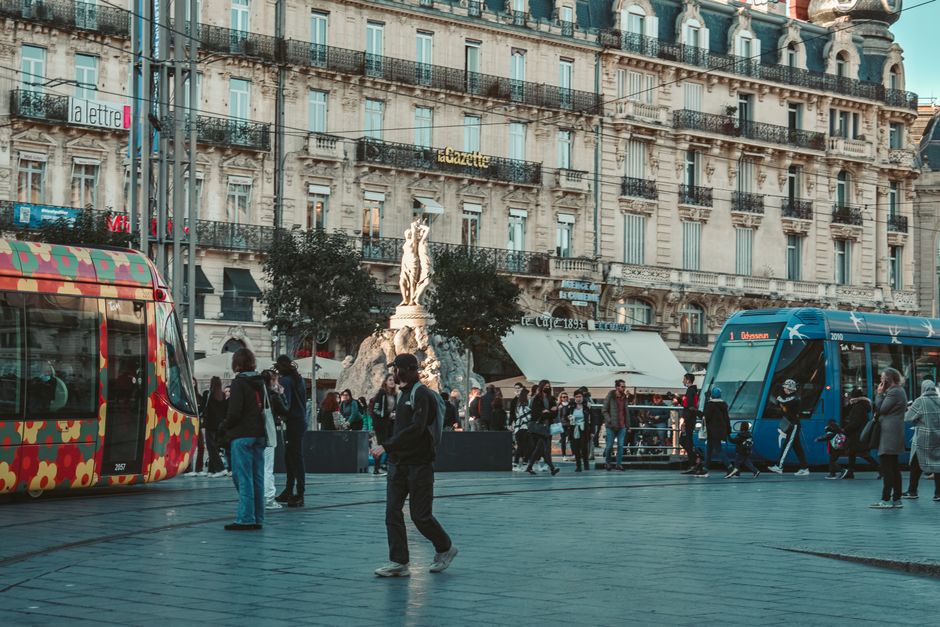
4. France's "Pestle Hill" City
Montpellier, France
One theory suggests this city's name doesn't mean "beautiful mountain" but "pestle hill" or "peeling hill."
Unlike its grand "Mont" cousins, the name Montpellier might stem from the Latin "mons pessulanus" (pestle hill) or "mons pellarus" (peeling hill), referring to its distinct rounded shape or perhaps ancient lime extraction. This less romantic origin hints at a practical past, where the city's strategic elevation, rather than its beauty, was paramount. It became a significant medieval trading hub and intellectual center, especially for medicine, long before its modern reputation as a vibrant Mediterranean city.
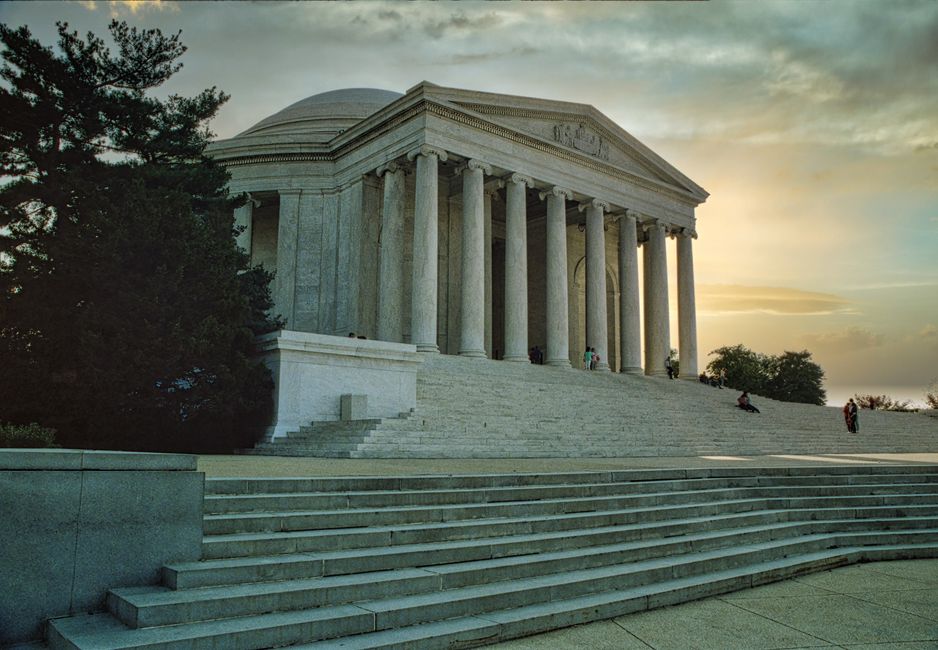
5. Jefferson's "Little Mountain"
Charlottesville, Virginia, USA
Thomas Jefferson designed his iconic home on a "little mountain," reflecting his belief in agrarian self-sufficiency and Enlightenment ideals.
Monticello, meaning "little mountain" in Italian, was more than just a home for Thomas Jefferson; it was a living laboratory for his architectural, agricultural, and philosophical experiments. Perched atop a carefully leveled peak, the estate was a self-sustaining plantation, a testament to his vision of an ideal American landscape and society. The name itself reflects his deep appreciation for classical forms and the natural world, integrated into the very fabric of his private world.
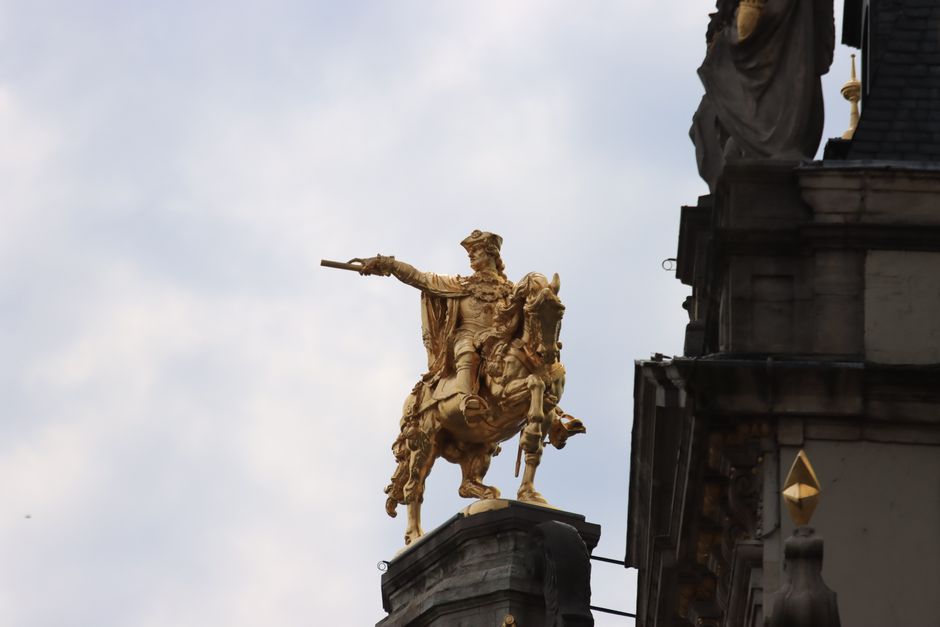
6. Belgium's "Mountain" of Strategic Significance
Hainaut, Belgium
This city, named for a "mountain," sits on a modest hill that proved strategically vital in countless European conflicts.
The name "Mons" comes directly from the Latin "montes," meaning "mountains" or "hills." While the elevation is hardly mountainous by modern standards, its slight rise provided a crucial defensive advantage for centuries. It was the site of the first major British engagement in World War I, and its strategic position near coalfields and trade routes made it a coveted prize throughout history, underscoring how even a small hill could shape the destiny of nations.
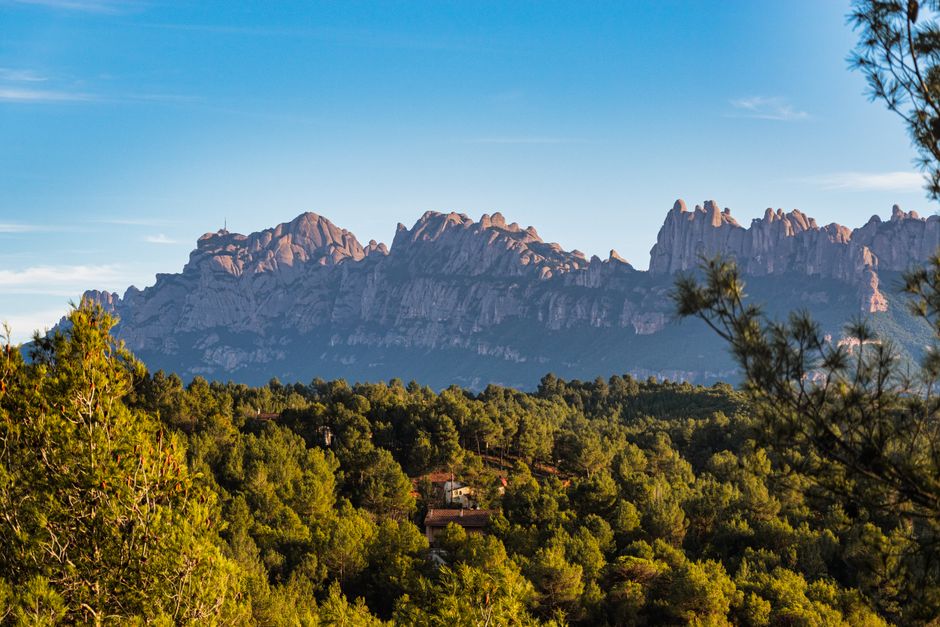
7. Catalonia's Sawtooth Mountain
Catalonia, Spain
Named for its dramatically jagged, "sawtooth" peaks, this mountain range is steeped in both geological wonder and spiritual legend.
Montserrat, meaning "serrated mountain" in Catalan, is instantly recognizable for its unique, multi-peaked rock formations, carved by millennia of erosion. This striking geological profile not only lends the range its name but also creates an otherworldly backdrop for the Benedictine monastery nestled within its contours. The sheer cliffs and distinctive shapes have long inspired reverence, making it a place where natural grandeur and human spirituality intertwine.
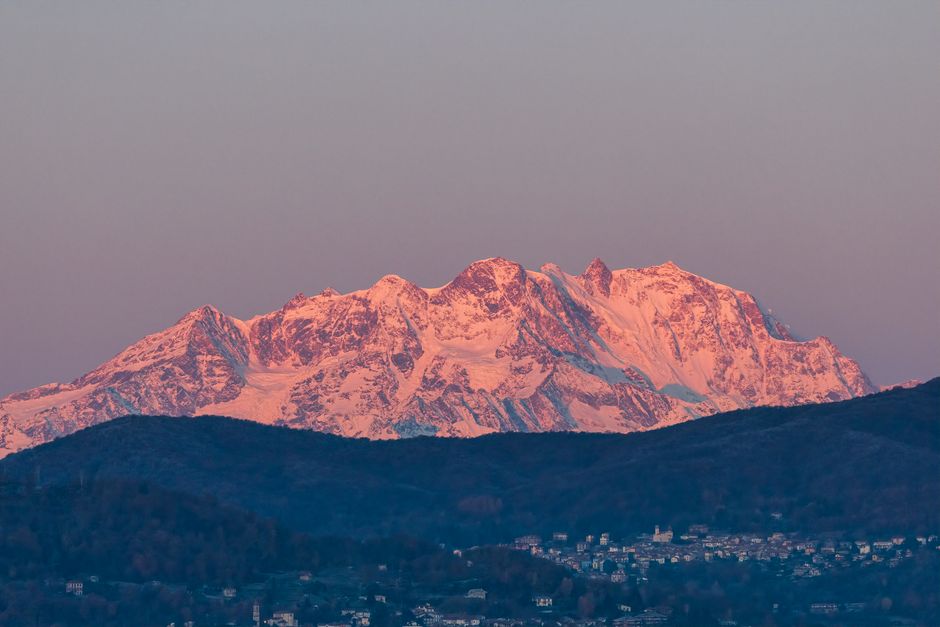
8. The Pink Mountain's Glacial Glow
Pennine Alps, Switzerland/Italy
Despite its name, "Pink Mountain" refers not to flora but to the stunning alpenglow on its glaciers at dawn and dusk.
Monte Rosa, the second-highest mountain in the Alps, derives its name from the Arpitan word "roisa," meaning "glacier," rather than the Italian "rosa" for pink. However, the Italian interpretation has become widely accepted due to the magnificent spectacle of alpenglow, when the sun's low angle bathes its expansive ice and snowfields in a breathtaking rosy hue. This natural phenomenon transforms the colossal peak into a vibrant, living canvas, a stark contrast to its icy reality.
Frequently asked questions
Who named Montréal and when?
The hill that gives Montréal its name was first documented by French explorer Jacques Cartier in 1535. Upon seeing the prominent hill during his second voyage to North America, he named it "Mont Royal" in honor of King Francis I of France.
Are there other cities or places named "Mont" or "Mons" that share a similar origin?
Absolutely. The prefixes "Mont" (French/Catalan) and "Monte" (Italian/Spanish/Portuguese) both mean "mountain" or "hill," while "Mons" (Latin/Walloon) means "mountain." Many places across Europe and the Americas share this origin, reflecting their geographical features, from Monte Albán in Mexico to Mons in Belgium.
How does AllTours.ai help me explore places like these?
AllTours.ai is an AI audio tour guide app that brings these stories to life. Simply point your phone camera at a landmark or landscape, and the app instantly narrates its history, geology, and culture in your preferred language. It's like having a local expert by your side, unveiling the hidden narratives of every "Mont" and "Mons" you encounter.
Related guides
Photography via Pexels. AllTours.ai is an AI audio tour guide — point your camera at any landscape and hear its story.