July 26, 2026 · 4 min read
The thought of traveling internationally often conjures images of long journeys, extensive itineraries, and weeks away from home. But what if you only have a precious 4 to 5 days off from work? For many US travelers, this short window can feel like too little time to justify the effort of crossing borders. The good news is, you absolutely can make an international trip worth it, even with just a few days.
The key is to focus on destinations that offer a concentrated burst of culture, history, or natural beauty, without demanding extensive travel once you arrive. Forget the usual tourist traps; we've curated a list of incredible, often overlooked places that promise a deeply rewarding experience in a short timeframe, each with a unique story waiting to be discovered.
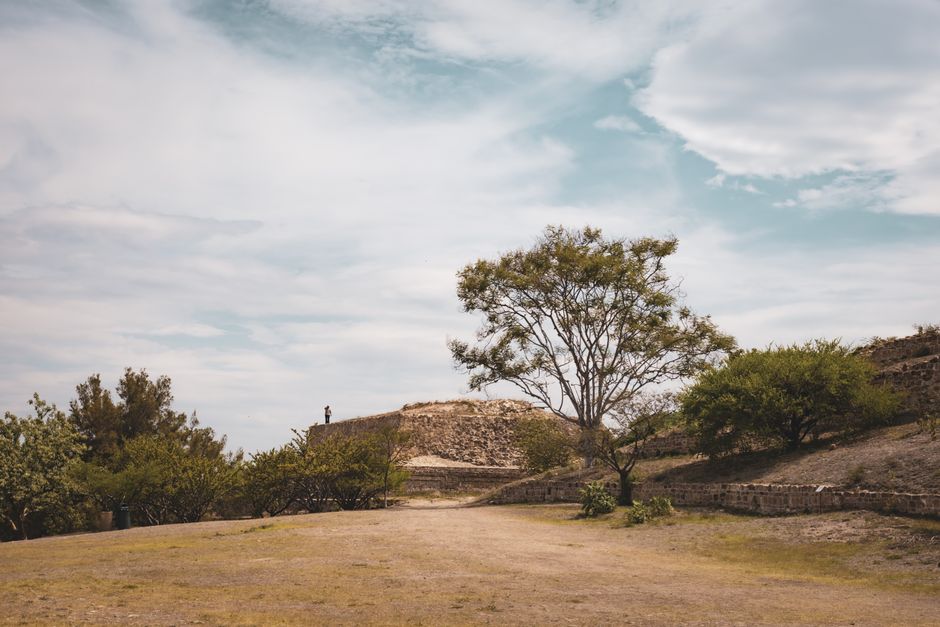
1. Where Zapotec Kings Ruled
Oaxaca City, Mexico
Just outside the city, the ancient Zapotec capital of Monte Albán features a main plaza built not on natural ground, but on a flattened mountain peak.
The Zapotec civilization engineered a colossal platform for their ceremonial center, creating a stunning urban landscape high above the valley floor. Visitors today can walk among pyramids, a ball court, and intricate carvings that tell tales of astronomical observation and ritual sacrifice. Beyond the ruins, Oaxaca City itself is a UNESCO World Heritage site, famous for its vibrant indigenous cultures, artisanal crafts, and world-renowned culinary scene, especially mezcal.
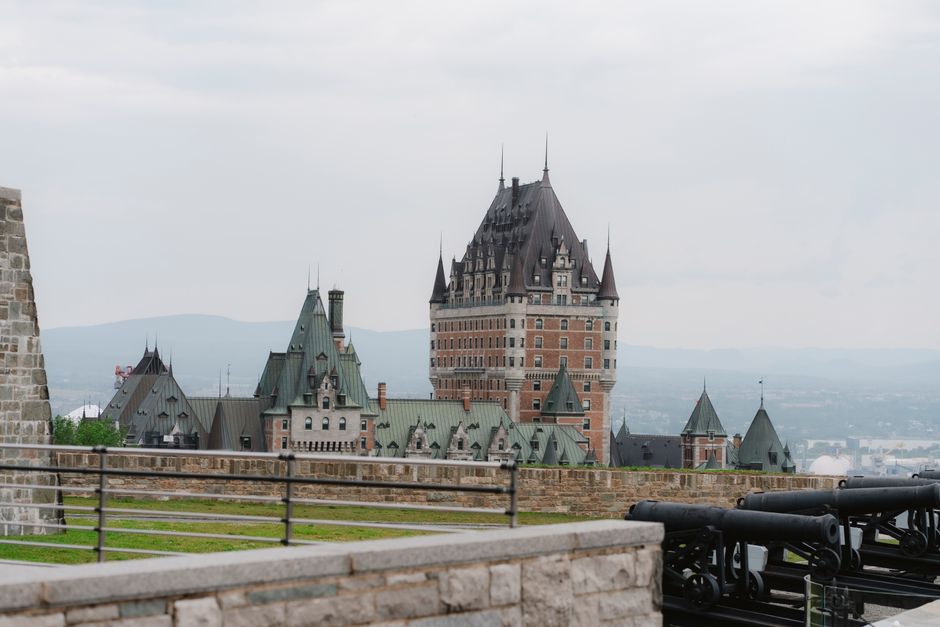
2. North America's Walled Wonder
Quebec City, Canada
Quebec City holds the unique distinction as the only fortified city walls remaining in North America, north of Mexico.
Step back in time within the ramparts of Old Quebec, a UNESCO World Heritage site where cobblestone streets and 17th-century architecture evoke a European charm. Walk the battlements that once defended against colonial forces, or explore the historic Plains of Abraham, site of a pivotal battle between French and British empires. The city's rich French-Canadian culture, vibrant arts scene, and delicious poutine offer a distinctly European flavor just a short flight from the US.
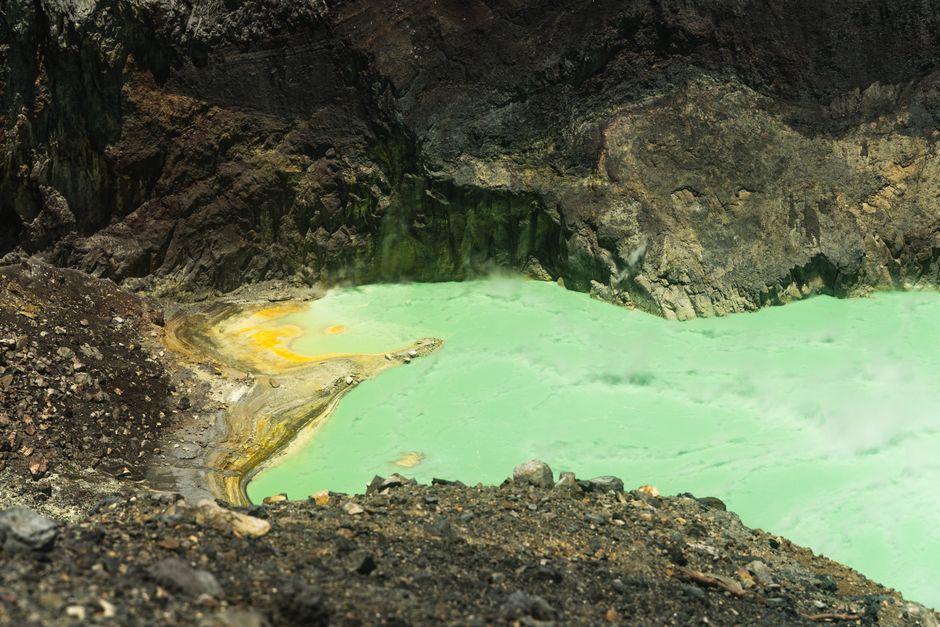
3. The Nature Island's Boiling Heart
Morne Trois Pitons National Park, Dominica
Dominica is home to the world's second-largest boiling lake, a stark, bubbling fumarole nestled within a UNESCO World Heritage volcanic landscape.
This Caribbean gem, often called "The Nature Island," offers a raw, untamed beauty far removed from typical resort destinations. Trek through lush rainforests to witness the surreal Boiling Lake, a testament to the island's intense geothermal activity. Beyond its volcanic wonders, Dominica protects the last remaining indigenous Kalinago territory in the Caribbean, offering a glimpse into a resilient culture that pre-dates European arrival.
4. Stew Cooked by a Volcano
Furnas, São Miguel, Azores, Portugal
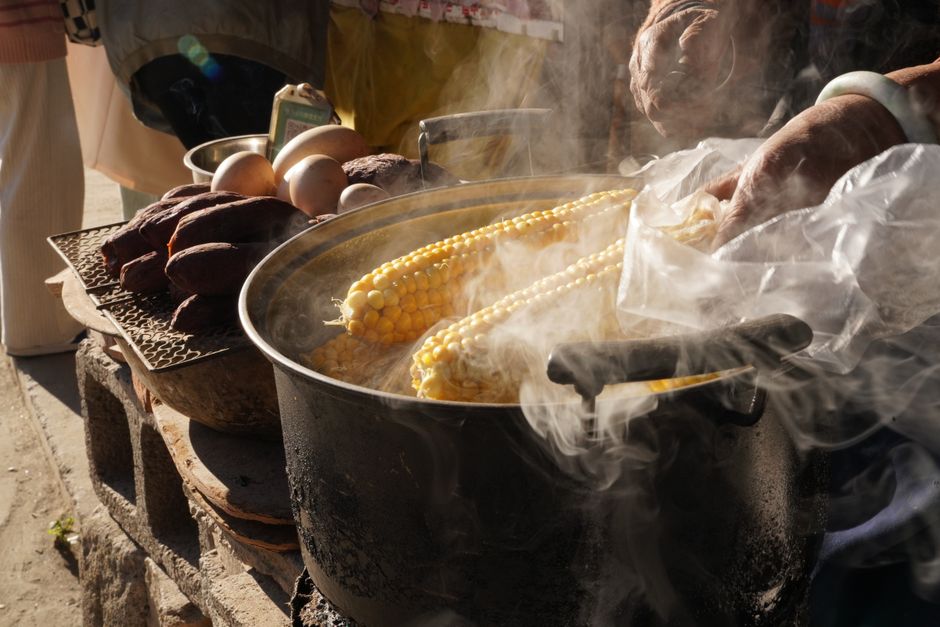
In Furnas, local restaurants cook a traditional stew, "Cozido das Furnas," by burying pots deep into volcanic soil, harnessing natural geothermal heat.
São Miguel, the largest island of the Azores archipelago, is a dramatic landscape of crater lakes, hot springs, and lush hills. The Furnas Valley is a geothermal wonderland where steam vents hiss from the earth, and you can literally watch your lunch being unearthed from the ground, slow-cooked by the volcano. This unique culinary tradition highlights the island's powerful geology, which also fuels relaxing thermal baths and vibrant botanical gardens.
5. Temples Older Than the Pyramids
Gozo, Malta
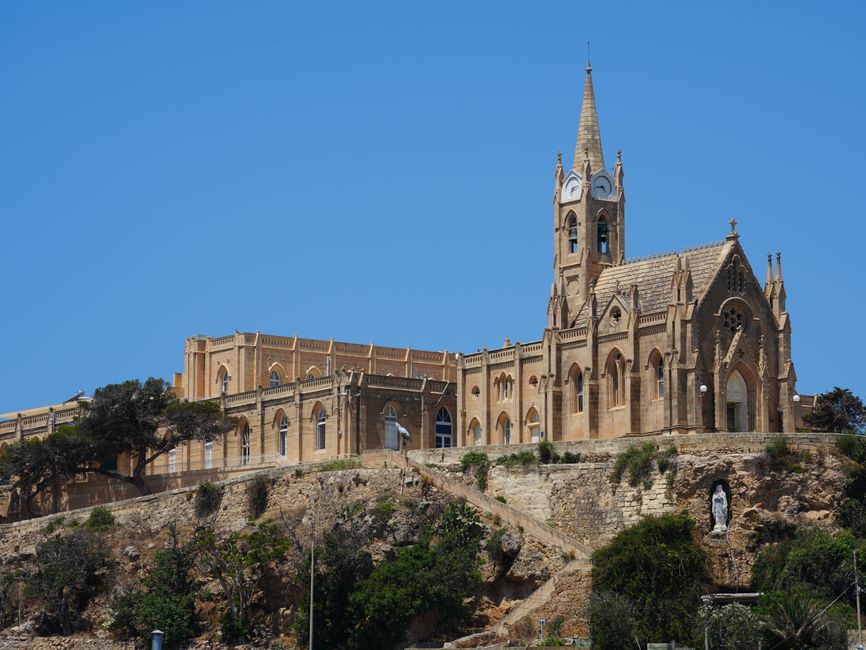
Gozo is home to the Ġgantija Temples, megalithic structures that predate Egypt's pyramids and Stonehenge by over a thousand years.
This smaller sister island of Malta offers an astonishing dive into deep history. The Ġgantija Temples, a UNESCO World Heritage site, stand as monumental testaments to a sophisticated Stone Age civilization. Beyond these ancient wonders, Gozo presents a tranquil Mediterranean escape with rugged coastlines, hidden coves, and a unique pastoral charm. Explore its Citadel, a fortified city watching over the island for centuries, and uncover layers of Phoenician, Roman, Arab, and knightly influences.
6. Where Oceans Collide Visibly
Glass Window Bridge, Eleuthera, Bahamas
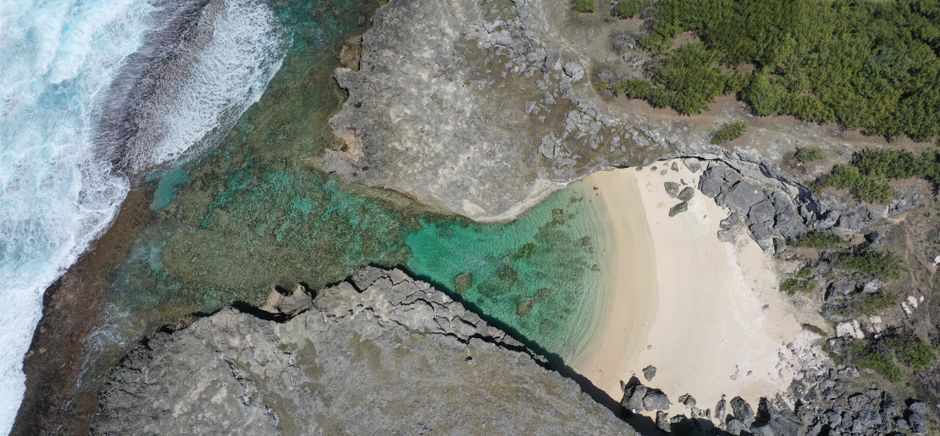
At the Glass Window Bridge, a narrow strip of rock separates the deep blue, tempestuous Atlantic Ocean from the calm, turquoise Caribbean Sea with stark visual contrast.
Eleuthera is a long, slender island in the Bahamas known for its pristine pink sand beaches and understated elegance. The Glass Window Bridge is a geological marvel where you can stand between two vastly different marine worlds. This unique spot highlights the powerful forces of nature that shaped the island. Explore hidden caves, swim in sapphire holes, and discover a legacy of British Loyalists who settled here after the American Revolution, adding a distinct historical layer to its natural beauty.
7. The Peninsula of Ancient Sagas
Snaefellsnes Peninsula, Iceland
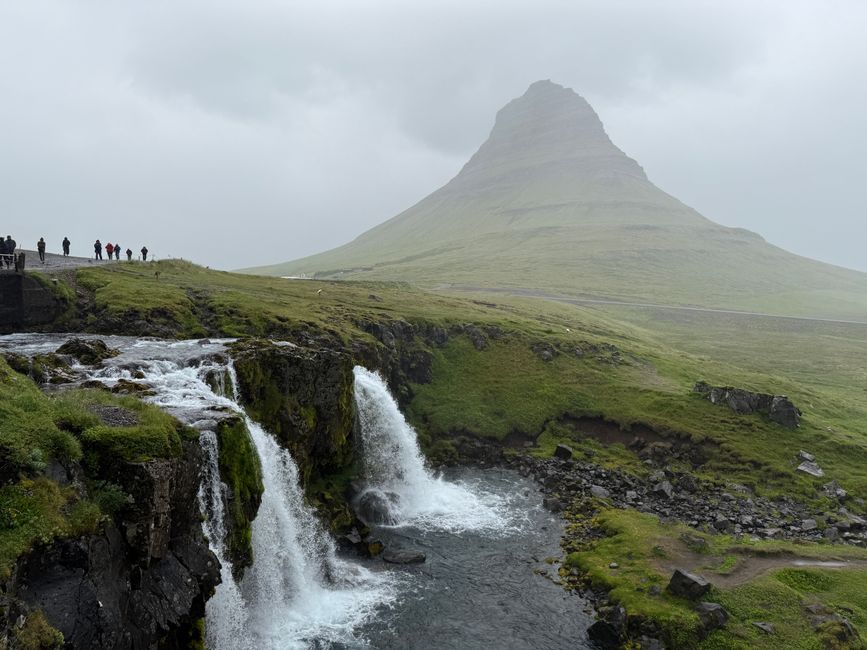
The Snæfellsnes Peninsula is often called "Iceland in Miniature" due to its condensed array of the island's iconic landscapes, and it's also where Jules Verne imagined his "Journey to the Center of the Earth" began.
This rugged peninsula on Iceland's west coast offers an incredible density of natural wonders: black sand beaches at Djúpalónssandur, dramatic basalt columns, the iconic Kirkjufell mountain, and the Snæfellsjökull glacier. It's a place steeped in Viking sagas and folklore, where every rock formation seems to tell an ancient tale. The area's geological diversity and literary connection make it an intensely rewarding short trip, showcasing Iceland's raw power and mystical allure.
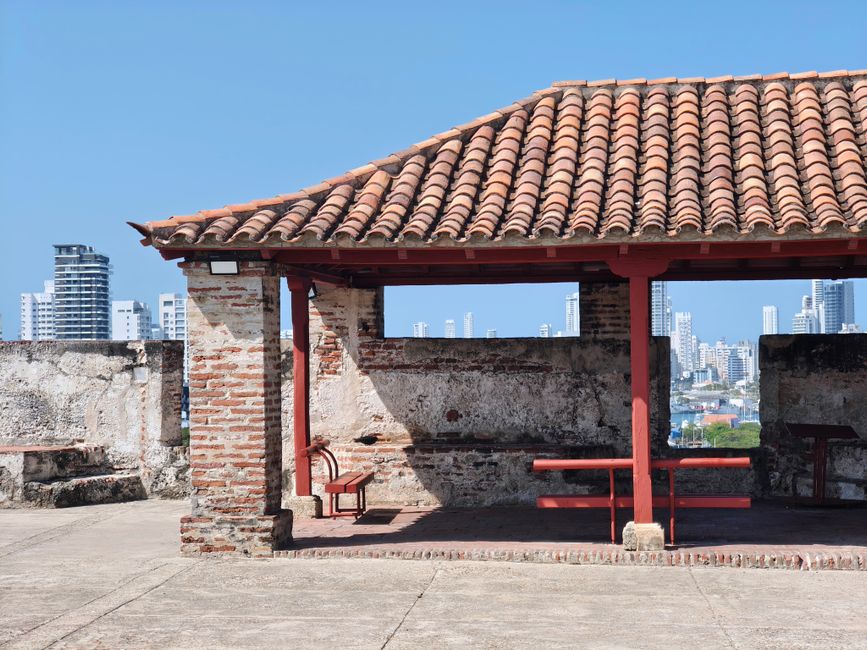
8. The Walled City's Pirate Past
Cartagena, Colombia
Cartagena's formidable walls, a UNESCO World Heritage site, were built to repel relentless pirate attacks and protect the Spanish Empire's vast treasures.
This vibrant Caribbean port city boasts an Old Town encased by historic ramparts, a living testament to centuries of colonial history and defense. Wander through colorful streets, past balconies overflowing with bougainvillea, and imagine tales of Sir Francis Drake and other buccaneers. Beyond the historical fortifications, Cartagena pulses with Afro-Caribbean culture, delicious street food, and a literary legacy famously tied to Gabriel García Márquez, whose magical realism seems to seep into its very stones.
Frequently asked questions
Is 4-5 days enough time for an international trip?
Absolutely. While it means focusing on one region or city, a 4-5 day trip allows for a deep dive into a specific culture, history, or natural wonder without needing extensive time off. Smart planning and choosing destinations with shorter travel times from the US make it very feasible.
What are the best tips for maximizing a short international trip?
To make the most of a short trip, choose direct flights whenever possible and pack light to avoid checked baggage delays. Focus on one primary area to explore deeply rather than trying to see too many places. Research key attractions and transportation options beforehand to save time on the ground.
What kinds of places are best for short international trips from the US?
Destinations with rich, concentrated experiences are ideal. Think historic cities, unique natural parks, or islands with distinct cultures that don't require extensive travel within the country. Regions with good flight connections from major US hubs are also a plus for maximizing your time.
How can I learn more about the places I'm visiting?
AllTours.ai is designed for exactly this! Simply point your phone camera at a landmark, landscape, or even a local dish, and our AI will narrate its history, geology, and culture in your language, turning every moment into a discovery.
Related guides
Photography via Pexels. AllTours.ai is an AI audio tour guide — point your camera at any landscape and hear its story.