September 12, 2026 · 4 min read
The United Kingdom is often imagined through its famous landmarks: London's bustling streets, Edinburgh's historic castle, or the tranquil Lakes. While these are undeniably iconic, the true heartbeat of the UK, its ancient stories, and vibrant local cultures often reside just beyond the well-trodden paths.
For first-time visitors wondering which areas of the UK should be prioritized for a genuinely authentic and memorable short visit, the answer lies in seeking out the lesser-known. These places offer vivid narratives of human ingenuity, geological wonders, and enduring traditions, far from the usual tourist crowds.
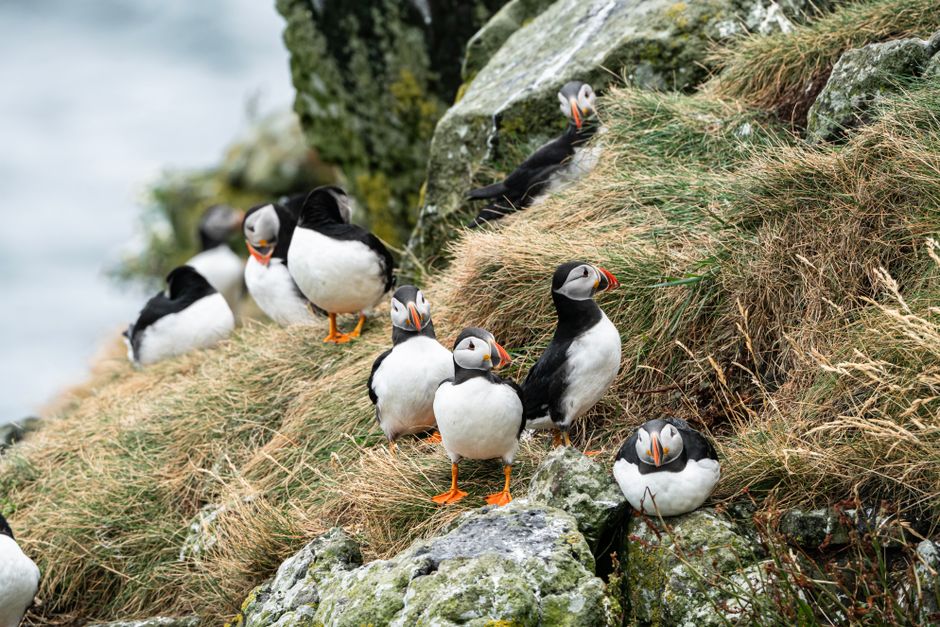
1. Rathlin Island: The Spider's Patience
Rathlin Island, Northern Ireland
This remote island, shaped by volcanic activity, is where Robert the Bruce learned perseverance from a persistent spider.
Rathlin, Northern Ireland's only inhabited offshore island, tells a tale of myth, history, and raw nature. Legend has it that Robert the Bruce, exiled from Scotland, found refuge here and was inspired to continue his fight for Scottish independence by watching a spider repeatedly try, and eventually succeed, in spinning its web. Beyond this story, Rathlin is a haven for seabirds, including puffins, and offers a unique glimpse into a small, resilient island community.
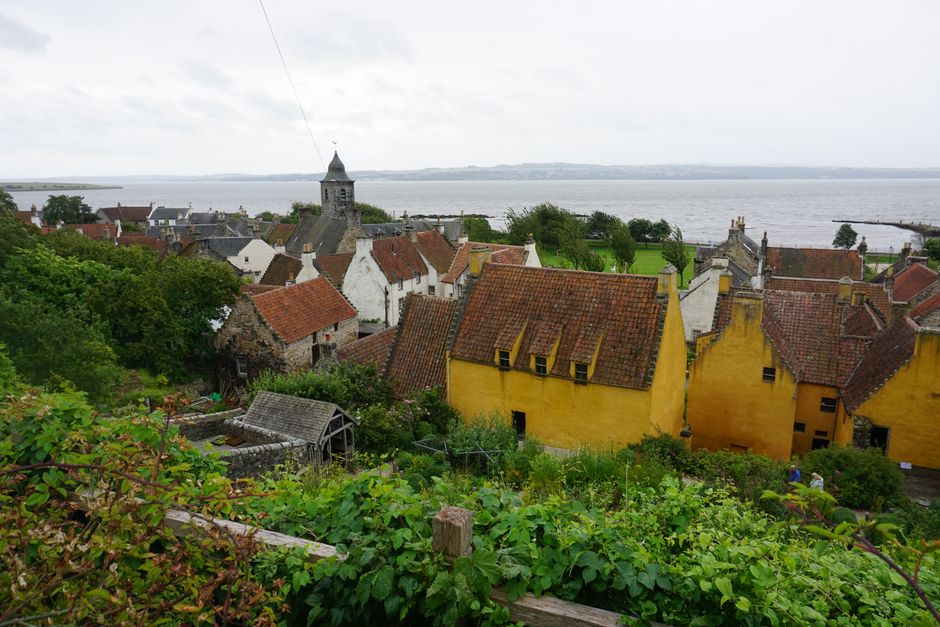
2. Culross: A Scottish Time Capsule
Culross, Scotland
Step into Scotland's most complete 17th-century burgh, where time seems to have stopped, painted in vibrant yellow harling.
Culross, on the Fife coast, feels like a living museum. This royal burgh, meticulously preserved by the National Trust for Scotland, features cobbled streets and houses with distinctive yellow harling (a traditional Scottish render). It’s not just its aesthetic appeal; Culross was once a thriving port known for coal mining and salt panning. Walking its narrow lanes reveals a rich history of trade, industry, and daily life from centuries past, even serving as a filming location for period dramas.
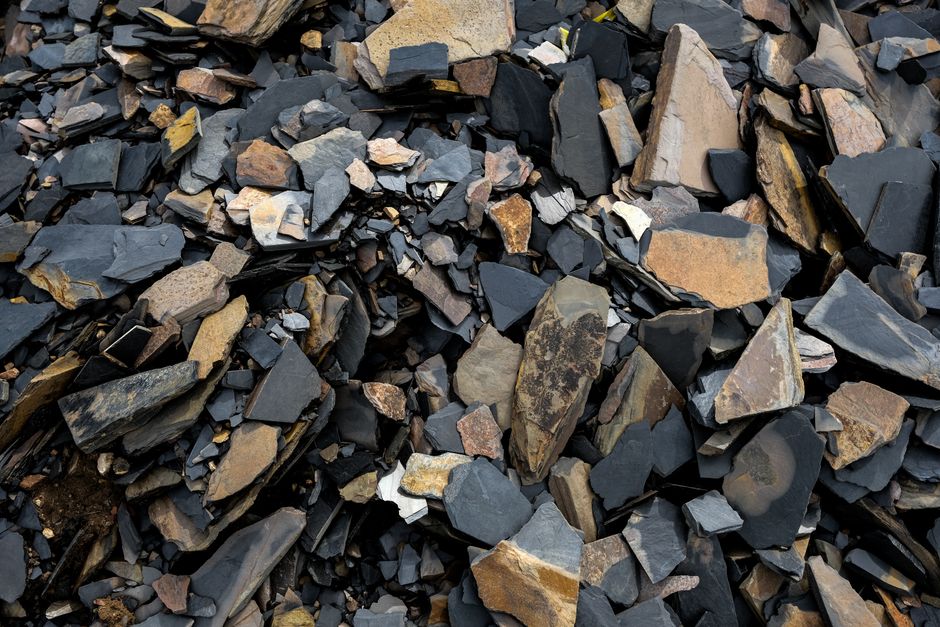
3. Blaenau Ffestiniog: The Slate Mountains
Blaenau Ffestiniog, Wales
Dubbed the 'Slate Capital of the World', this town is carved directly from the very industry that defined it, now a UNESCO World Heritage site.
Blaenau Ffestiniog stands as a stark monument to Wales' industrial past. The landscape here is dramatic, sculpted by centuries of slate quarrying, creating vast 'mountains' of waste slate. This industry didn't just provide roofing for the world; it shaped the community, language, and very identity of the region. Visitors can explore deep underground mines, experience a unique heritage railway, and witness a landscape unlike anywhere else, testament to human endeavor.

4. Charmouth: Fossil Hunter's Paradise
Charmouth, England
On the stunning Jurassic Coast, this beach is a prime spot for finding real fossils, just as pioneering paleontologist Mary Anning did.
Charmouth, part of England's UNESCO World Heritage Jurassic Coast, is renowned for its fossil-rich beaches. The cliffs here are constantly eroding, revealing ammonites, belemnites, and even larger marine reptile fossils. This was the stomping ground of Mary Anning, a working-class woman who made significant paleontological discoveries in the early 19th century, challenging scientific norms of her time. A visit here offers a tangible connection to Earth's ancient past and a chance to discover a piece of history yourself.
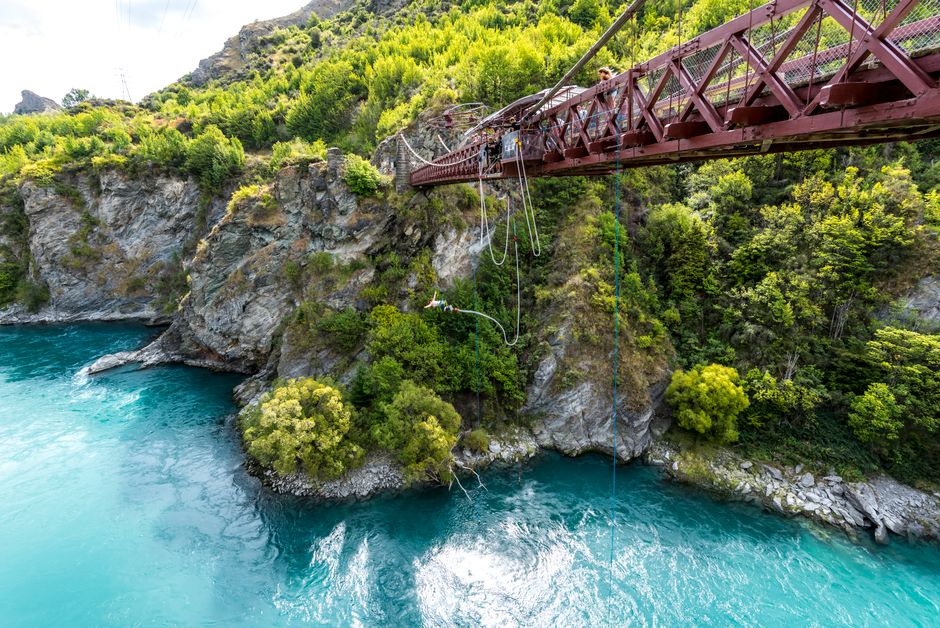
5. Ironbridge Gorge: Cradle of Industry
Ironbridge Gorge, England
This tranquil valley is where the modern industrial world was born, home to the world's first cast iron bridge.
The Ironbridge Gorge, a UNESCO World Heritage site, is a pivotal location in human history. In the 18th century, Abraham Darby perfected the smelting of iron with coke here, sparking the Industrial Revolution. The iconic Iron Bridge, built in 1779, was the first major structure in the world to be made entirely of cast iron, a symbol of innovation. The gorge now hosts ten museums, preserving the stories of the people and technologies that changed the world.
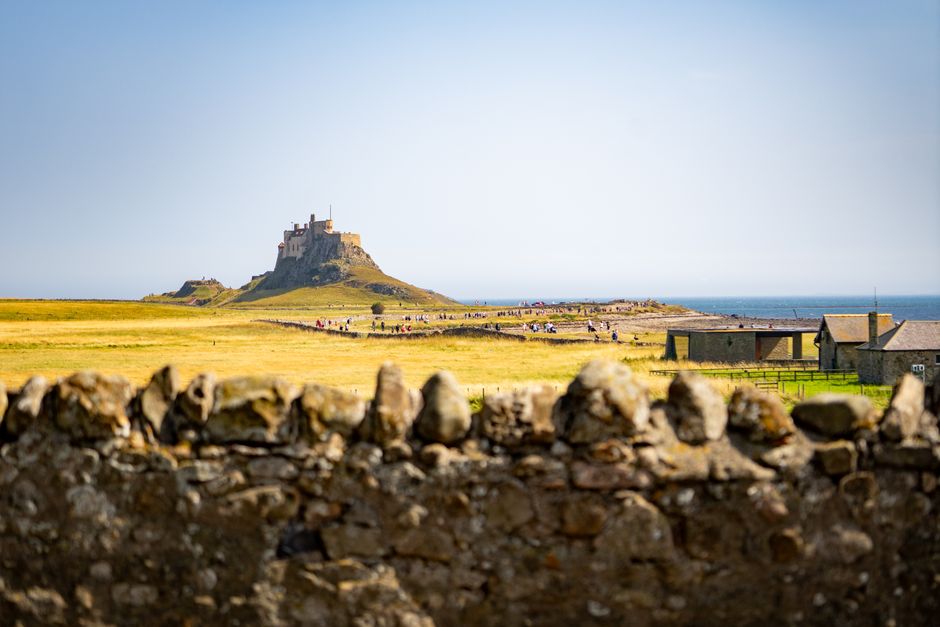
6. Lindisfarne: Holy Island's Tides and Vikings
Lindisfarne, England
Accessible only by a tidal causeway, this ancient island was a cradle of Christianity and the site of the first major Viking raid on England.
Lindisfarne, also known as Holy Island, holds immense historical and spiritual significance. In the 7th century, it became a crucial centre for early English Christianity, home to saints like Cuthbert and the creation of the illuminated Lindisfarne Gospels. However, in 793 AD, it faced a brutal Viking raid, marking a turning point in British history. The island's unique tidal access adds to its mystique, requiring careful planning to visit its priory ruins and castle.
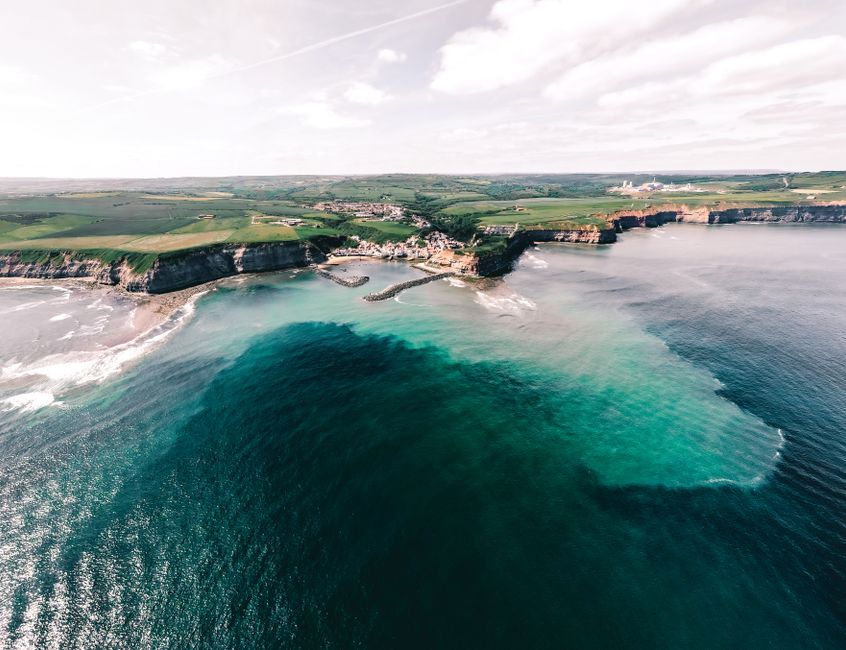
7. Staithes: Captain Cook's Apprenticeship
Staithes, England
This picturesque fishing village with its winding ginnels was where a young James Cook began his seafaring career before exploring the world.
Staithes, nestled on the North Yorkshire coast, is a stunning labyrinth of cottages and narrow streets (known as 'ginnels') leading down to a charming harbour. It was here that a teenage James Cook had his first taste of the sea, working as an apprentice in a grocer's shop, gazing out at the boats. The village has a rich history of fishing and smuggling, its unique geology of alum cliffs, and a strong artistic community, offering a glimpse into traditional coastal life.
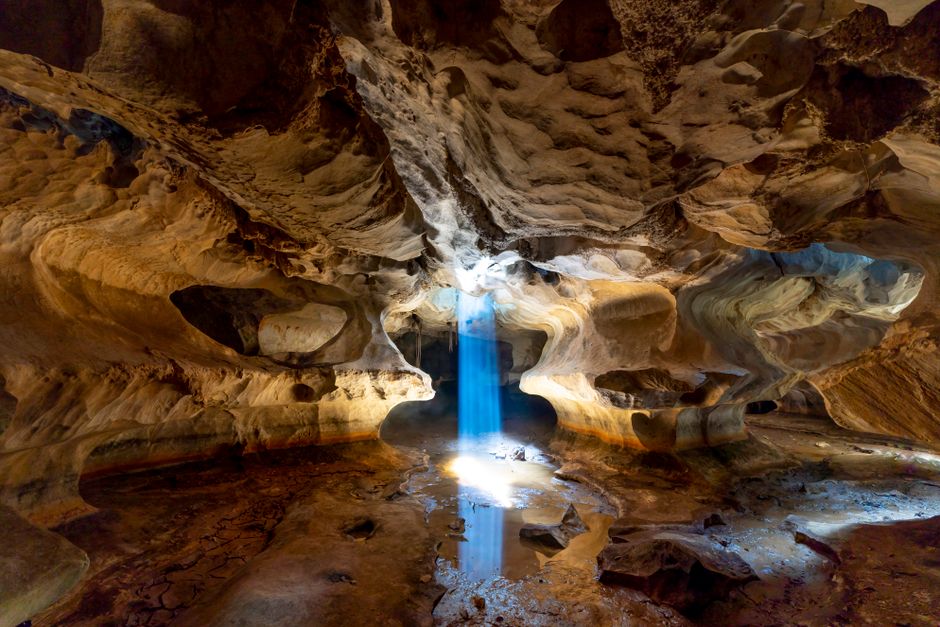
8. Wookey Hole: The Witch's Caves
Wookey Hole, England
Explore ancient limestone caves steeped in a legend of a witch turned to stone, with evidence of human habitation dating back 50,000 years.
Wookey Hole offers a fascinating journey deep underground into a complex of spectacular limestone caves. The most famous resident is the 'Wookey Hole Witch', a stalagmite formation said to be a witch turned to stone by a medieval monk. Beyond the folklore, archaeological finds indicate continuous human presence for millennia, from Stone Age hunters to Iron Age farmers. The caves are also the source of the River Axe and historically powered England's first paper mill, adding layers of history and geology.
Frequently asked questions
What's the best way to get around these less-known UK spots?
For many of these unique locations, especially those in rural or coastal areas, renting a car offers the most flexibility. Public transport can be limited, though some places are accessible by train or local bus services if you plan your itinerary carefully in advance.
Are these authentic experiences suitable for families with children?
Absolutely! Many of these spots, like fossil hunting in Charmouth, exploring slate mines in Blaenau Ffestiniog, or discovering the legends of Wookey Hole, offer engaging and educational experiences for all ages. It's a great way to spark curiosity about history, geology, and nature.
What should I pack for an authentic UK trip to these areas?
Given the unpredictable British weather, layers are key. Waterproof outerwear, comfortable walking shoes, and a small backpack for essentials like water and snacks are highly recommended. Don't forget your camera for the stunning landscapes and perhaps a good guidebook or app.
How can AllTours.ai enhance my visit to these places?
AllTours.ai deepens your exploration by providing instant audio narratives. Simply point your phone camera at a landmark, a historical ruin, or a unique geological feature, and the app will narrate its history, geology, and culture in your preferred language, bringing these authentic UK stories vividly to life.
Related guides
Photography via Pexels. AllTours.ai is an AI audio tour guide — point your camera at any landscape and hear its story.