July 27, 2026 · 4 min read
Imagine a world where the everyday rituals of life were starkly different. What customs were common 100 years ago but seem strange today? A century is a mere blink in geological time, yet it holds a chasm of cultural change. From social graces to medical practices, the early 20th century was a tapestry of traditions that would often baffle or even shock us now.
These aren't just abstract ideas; they were lived experiences, deeply embedded in specific places and communities. To truly grasp them, we need to look beyond the grand narratives and focus on the overlooked corners of the world, where the echoes of these peculiar pasts linger. Join us on a journey to uncover eight such places, each a window into a bygone era.
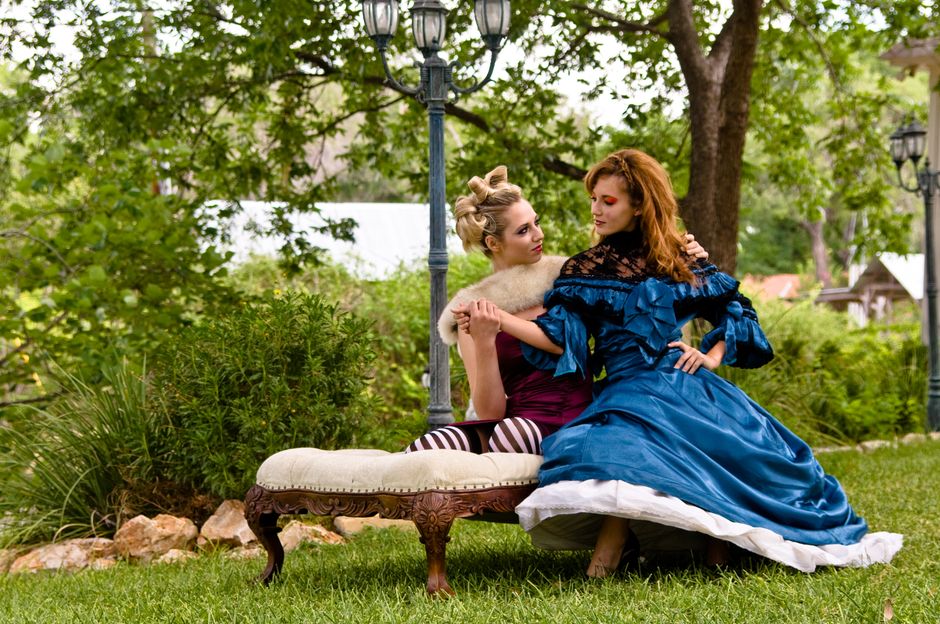
1. The Solemn Farewell Photo
Oakwood Cemetery, Raleigh, USA
Families would pose with their recently deceased loved ones for photographs, a common practice that feels deeply unsettling today.
In the early 20th century, especially in America's South, post-mortem photography served as a final memento. Families dressed their deceased in their best clothes, sometimes even attempting to make them appear alive, a custom that now feels chillingly morbid. These photos were often displayed proudly in homes, a stark contrast to modern mourning rituals where such a practice is almost unthinkable.
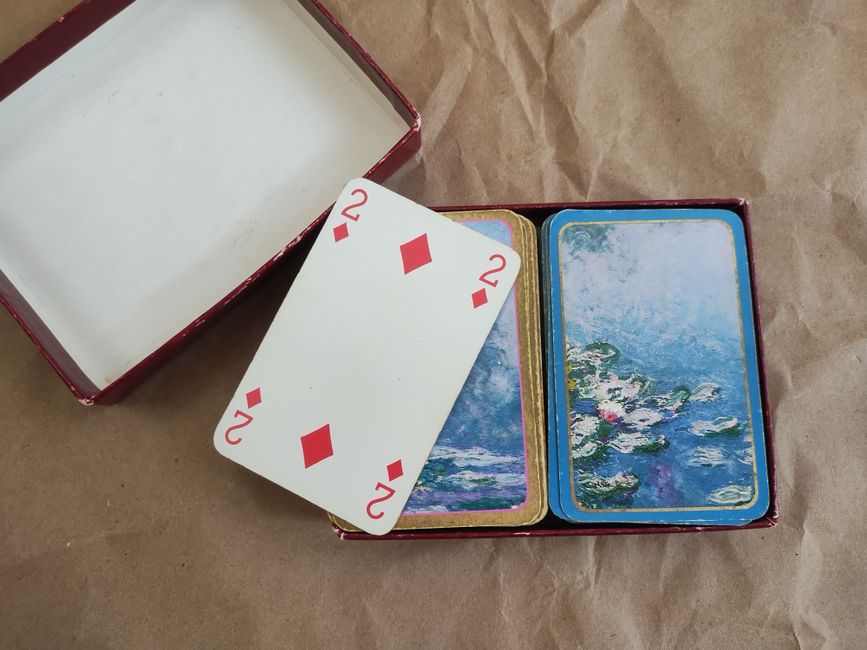
2. The Silent Language of Calling Cards
The Dower House, Fettercairn, Scotland
The intricate, unspoken rules of 'paying calls' with small, engraved cards dictated social standing and relationships in ways unimaginable today.
A century ago, a visit to a neighbor or acquaintance was a formal affair involving calling cards, specific timings, and strict protocol. In places like rural Scotland, failing to leave the correct card, or calling at an inappropriate hour, could lead to social ostracization. These tiny pieces of card stock held immense power, conveying everything from congratulations to condolences without a single spoken word, a lost art of social navigation.

3. Water Cures for Every Ailment
Priessnitz Spa, Jeseník, Czech Republic
Doctors once prescribed cold water baths, wraps, and compresses as a universal cure for ailments ranging from depression to tuberculosis.
In the early 1900s, the 'water cure' movement, pioneered by figures like Vincenz Priessnitz, held immense sway across Europe. Patients at spas in places like Jeseník would undergo rigorous daily routines of cold water plunges, wet sheet wraps, and even drinking vast quantities of spring water, believing it purged toxins and healed nearly every malady. This intense hydrotherapy, though sometimes beneficial, often ignored germ theory, a stark contrast to modern medicine.
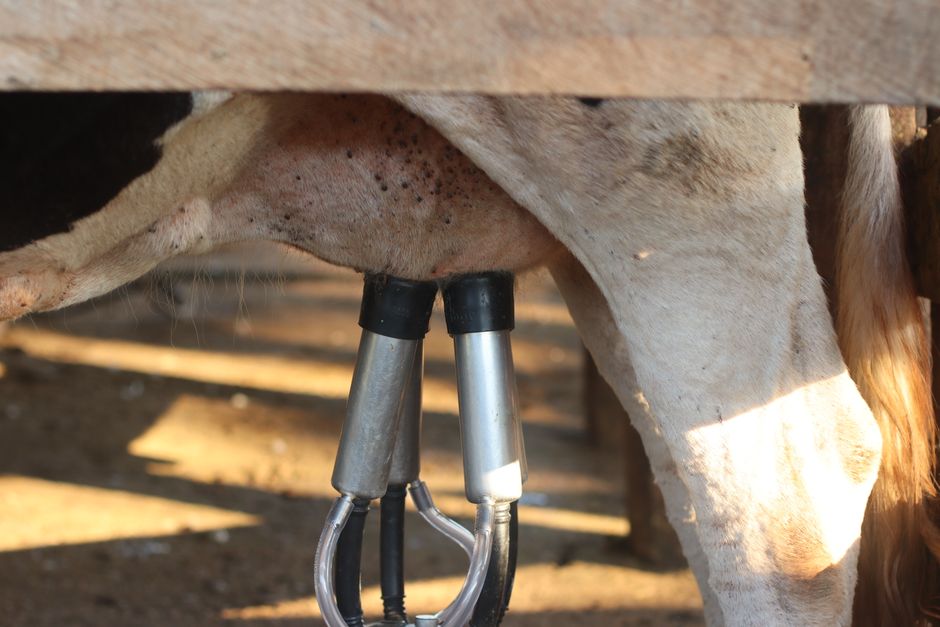
4. Your Milk, Fresh from the Cow
Lisbon, Portugal
Fresh milk was delivered directly to homes by herders leading cows through city streets, milking them on demand.
Imagine waking up in early 20th-century Lisbon to the sound of cowbells outside your window. Herders would guide their small dairy herds through the cobbled streets, stopping at homes to milk a cow directly into a customer's pitcher. This practice, ensuring absolute freshness, was a common sight, bypassing modern refrigeration and pasteurization entirely, a custom that would be utterly baffling, and unhygienic, in today's urban environment.
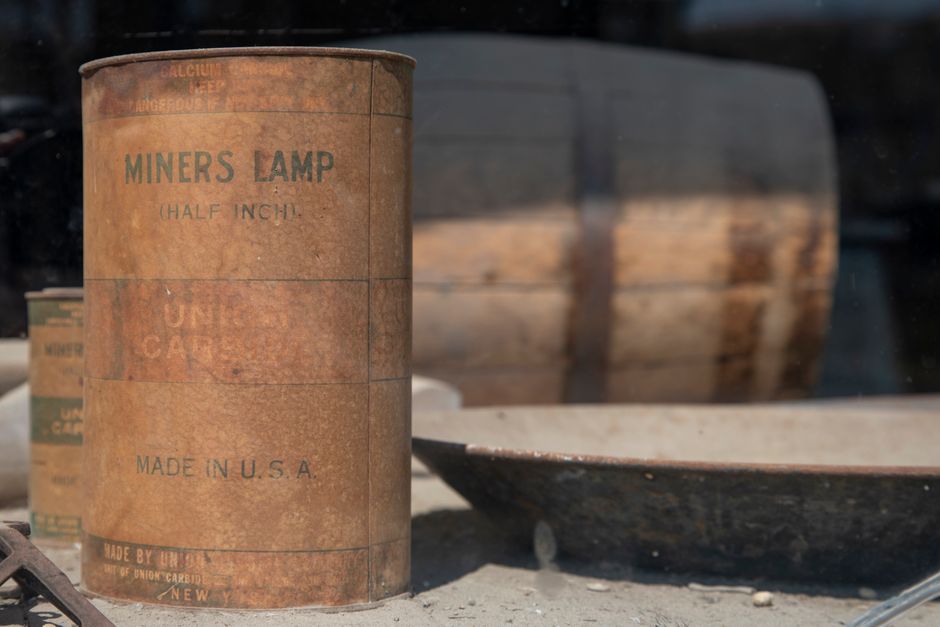
5. Wearing Your Labor on Your Sleeve
Blaenavon World Heritage Site, Wales, UK
In industrial towns, the specific attire and appearance dictated by one's profession were inescapable, a constant public declaration of social standing and labor.
In coal mining communities like Blaenavon in South Wales a century ago, a miner's soot-stained clothes and blackened face were not just work attire, but a public badge of identity. Their wives and children wore simpler, practical garments reflecting their roles in a demanding, dangerous industry. This visual coding of class and occupation was far more rigid and immediately apparent than today, where work uniforms are often confined to the workplace itself.
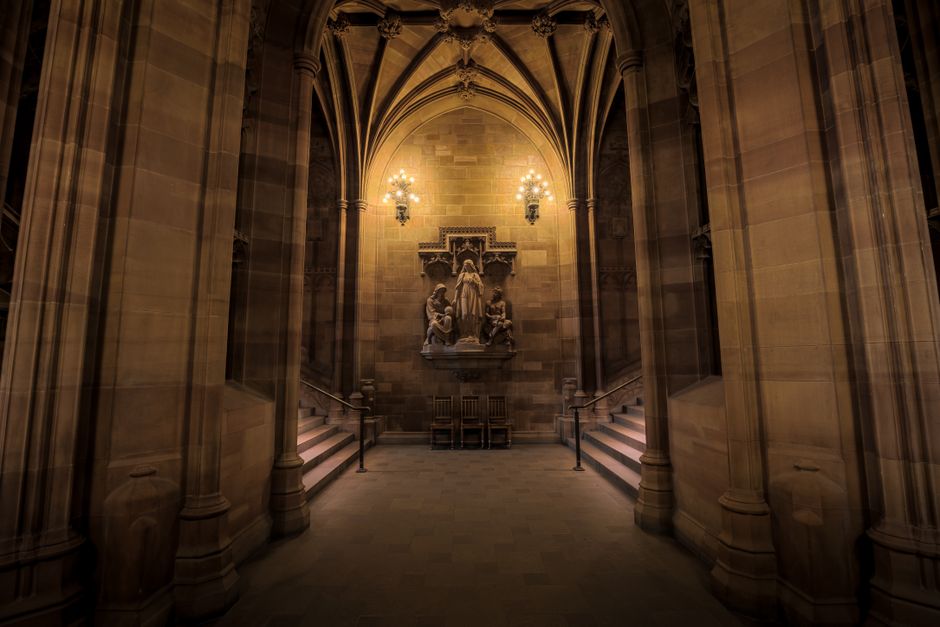
6. The Chained Pursuit of Knowledge
Chetham's Library, Manchester, England
To access knowledge in public libraries, readers were often chained to desks and expected to adhere to silent, rigid decorum.
Before the advent of widespread personal books and digital information, public reading rooms were vital centers of learning. In early 20th-century institutions like Chetham's Library in Manchester, strict rules dictated everything from posture to silence. Patrons often sat at large communal tables, sometimes even chained to books to prevent theft, making the pursuit of knowledge a solemn, often austere, public spectacle far removed from today's casual browsing.

7. Amateur Naturalists & Their Collections
Lyme Regis Museum, Dorset, England
Amateur naturalists and even children routinely collected and displayed animal specimens, fossils, and botanical items, a practice now heavily restricted for conservation.
A century ago, the study of natural history was a popular pursuit, and collecting specimens was common, even for children. Along England's Jurassic Coast, like near Lyme Regis, aspiring paleontologists freely chipped fossils from cliffs, while others collected bird eggs or insect specimens for home display. This hands-on, unregulated approach to the natural world, driven by curiosity, contrasts sharply with today's strict conservation laws and ethical guidelines against amateur collecting.
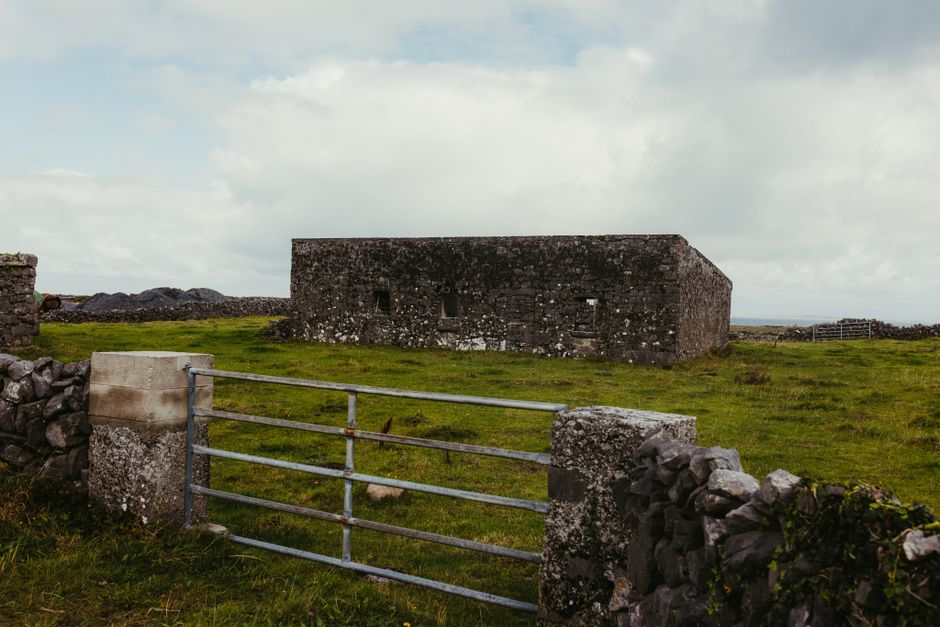
8. Warding Off Evil with Witch Stones
Aran Islands, Ireland
Locals often hung 'witch stones' or other protective charms above doorways and beds to ward off evil spirits and ensure good fortune.
In remote communities like the Aran Islands off Ireland's west coast, beliefs in folklore and protective charms were still strong a century ago. Islanders would hang holed stones, known as 'witch stones,' over their doors or beds, believing they offered protection against malevolent spirits, illness, and bad luck. This enduring faith in ancient superstitions, deeply woven into daily life, stands in stark contrast to the scientific rationalism that largely dominates modern thought.
Frequently asked questions
What was daily life like in the early 20th century?
Daily life 100 years ago was generally simpler, slower-paced, and more community-focused. Most homes lacked modern conveniences like widespread electricity or indoor plumbing, and daily routines were often dictated by manual labor, local seasons, and social traditions.
How did people travel 100 years ago?
While early automobiles were emerging, trains and ships were the primary modes of long-distance travel. Within towns, horse-drawn carriages, bicycles, and walking were common, making journeys more time-consuming and often reserved for necessity or special occasions.
What were some common superstitions a century ago?
Many superstitions persisted from earlier eras, including beliefs in charms for good luck (like horseshoes), avoiding black cats or broken mirrors, and specific rituals to ward off illness or bad fortune. These often varied greatly by region and local folklore.
How can I learn more about historical customs while traveling?
Many historical sites and museums offer insights into past customs. For a deeper, more personalized experience, consider using an AI audio tour guide like AllTours.ai. Simply point your phone camera at any landmark or landscape, and the app will narrate its history, geology, and culture in your language, bringing these fascinating bygone eras to life right where they happened.
Related guides
Photography via Pexels. AllTours.ai is an AI audio tour guide — point your camera at any landscape and hear its story.