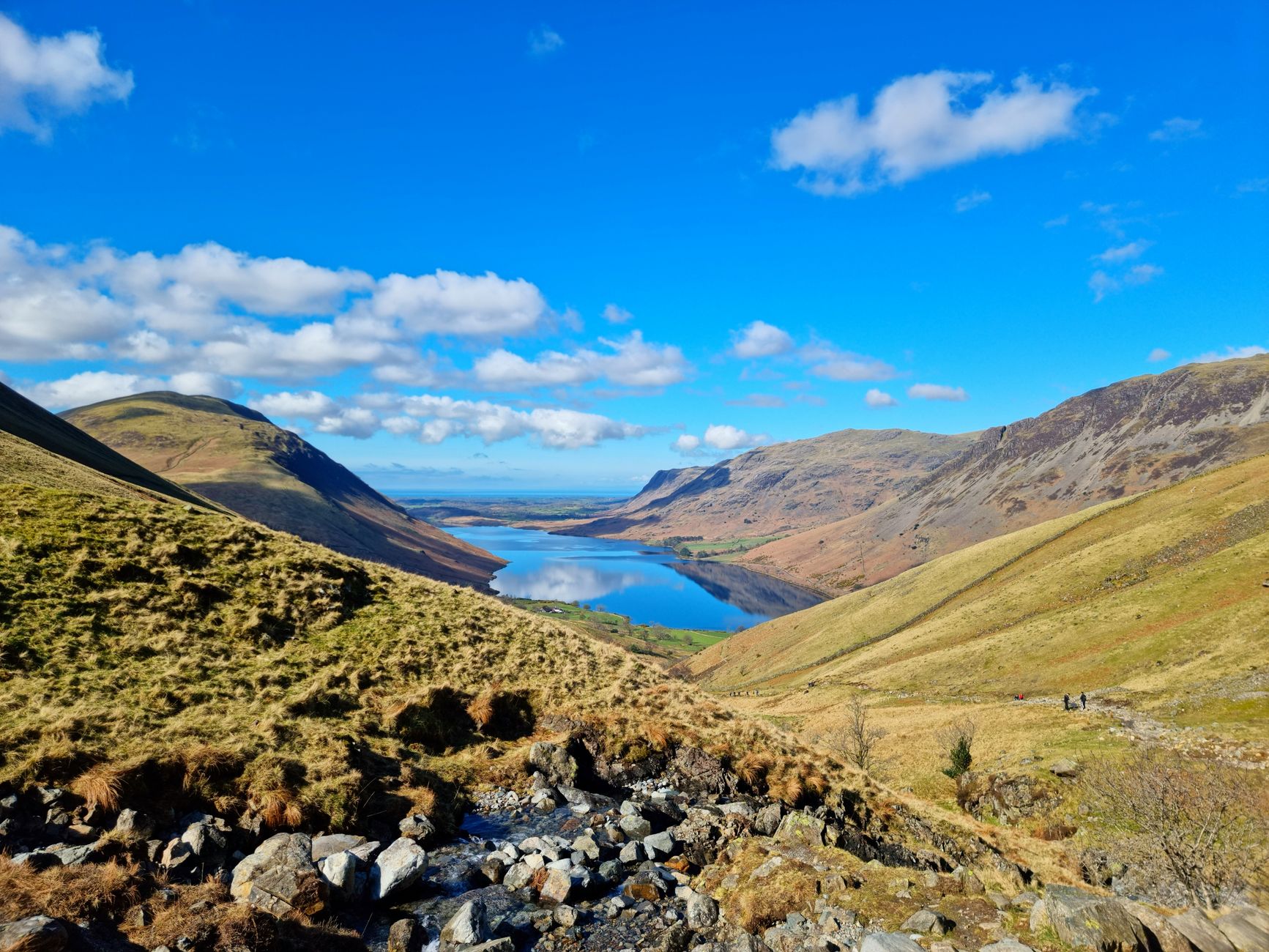
October 3, 2026 · 4 min read
As the Lake District transitions from the verdant greens of summer to a symphony of golds, reds, and russets, its ancient landscapes take on a new, breathtaking character. The air turns crisp, the crowds thin, and the true, untamed beauty of England's largest National Park reveals itself in spectacular fashion.
Beyond the obvious beauty of the autumn leaves, these fells and valleys hold layers of fascinating history, unique geology, and captivating cultural tales. To truly appreciate this seasonal transformation, a deeper look is required. Here are some of the most rewarding autumn walks in the Lake District, each offering stunning views and a surprising story waiting to be uncovered.
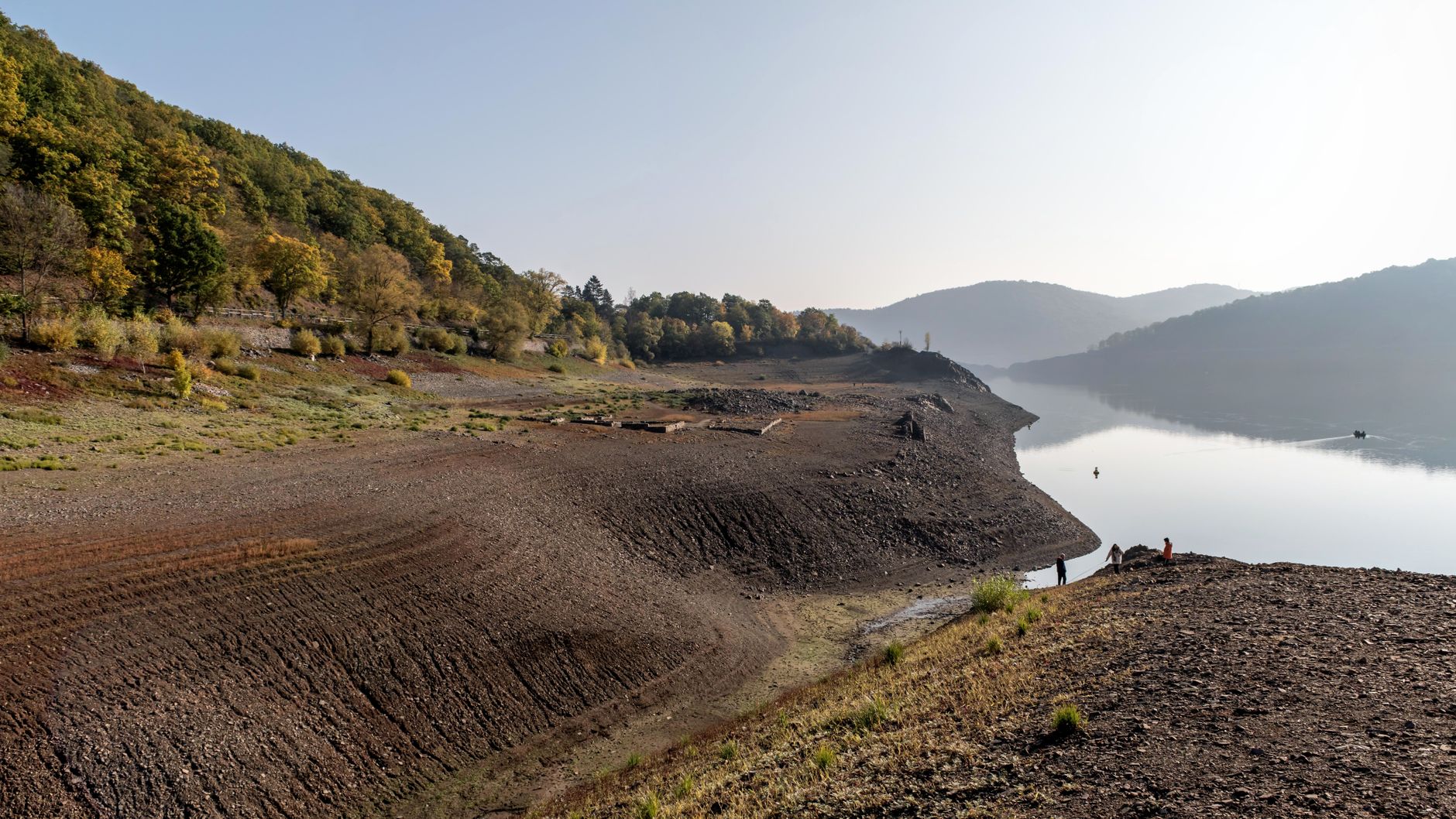
1. Haweswater Reservoir: The Drowned Village Beneath the Waves
Haweswater, England
Beneath the calm autumn surface of Haweswater lies the ghost of a village, Mardale Green, deliberately submerged in the 1930s.
When Manchester needed more water, the valley of Mardale was chosen for a new reservoir. The residents of Mardale Green and their ancient chapel were forced to leave, their homes demolished and buried under the rising waters. Today, when water levels are exceptionally low, traces of the forgotten village can still emerge from the depths, a poignant reminder of human impact on the landscape.
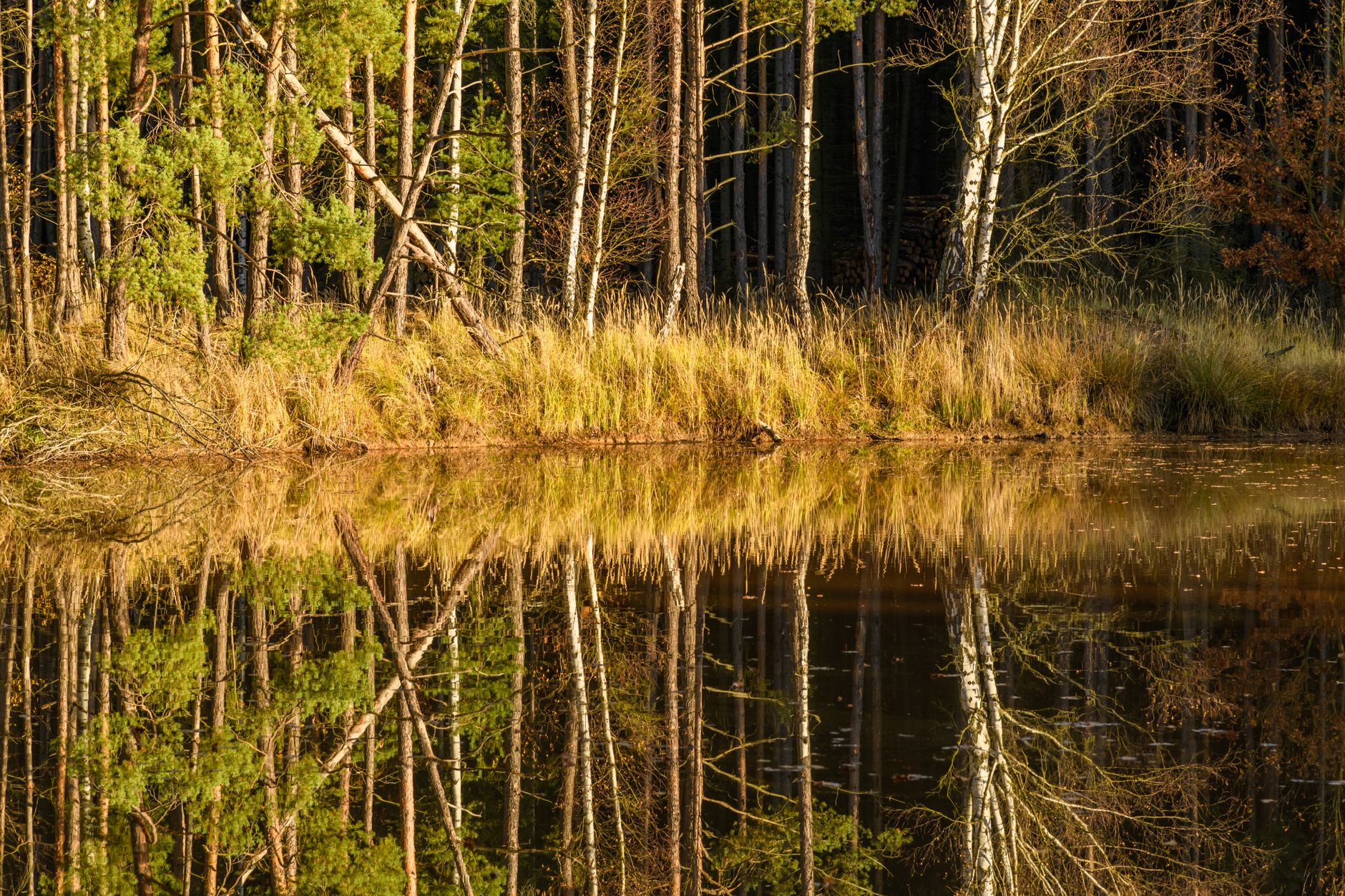
2. Ennerdale Water: England's Wildest Heart
Ennerdale, England
Ennerdale is the Lake District's most remote and wildest lake, deliberately left free of public roads as part of an ambitious rewilding project.
Unlike its busier neighbours, Ennerdale is embraced by wild, regenerating forests and fells, offering a truly untamed autumn experience. The Wild Ennerdale partnership works to restore natural processes, allowing native woodlands to expand and encouraging wildlife like red squirrels and rare butterflies to thrive. Walking its shores offers a glimpse into how the Lake District might once have been, untouched by tarmac and crowds.
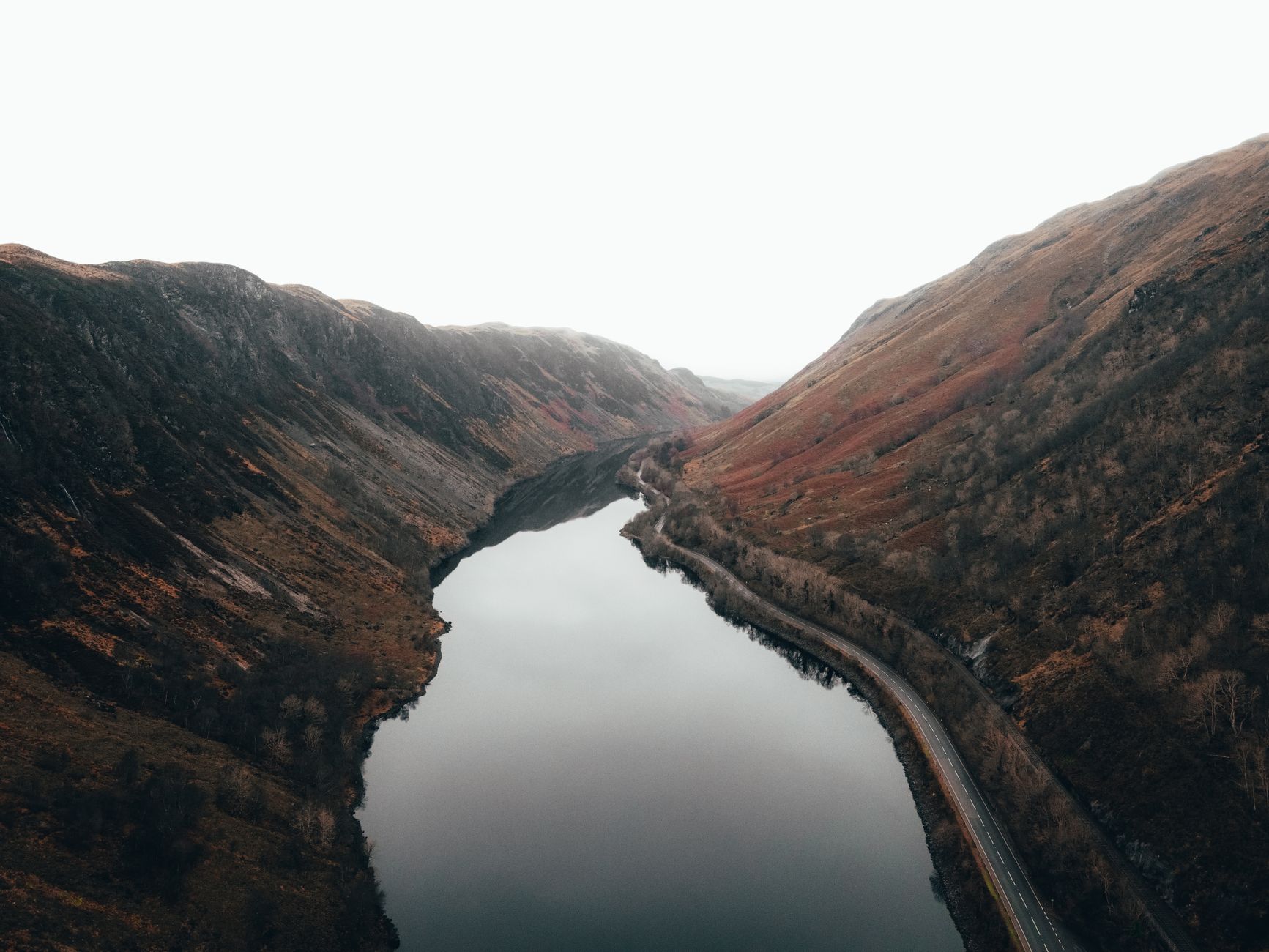
3. Kentmere Valley: Echoes of Gunpowder and Industry
Kentmere, England
The tranquil Kentmere Valley, known for its stunning autumn hues, was once a hub of a dangerous industry, producing gunpowder for Britain's mines and military.
Tucked away in the eastern fells, Kentmere seems idyllic, yet remnants of its industrial past are scattered among the bracken and ancient walls. From the 18th to the early 20th century, gunpowder mills operated here, harnessing the valley's waterpower. The isolated location was chosen for safety, given the explosive nature of the work. Today, the valley offers peaceful autumn walks, with the only "explosions" being the vibrant reds and golds of the surrounding trees.
4. Seathwaite, Borrowdale: The Rain King's Domain
Seathwaite, Borrowdale, England
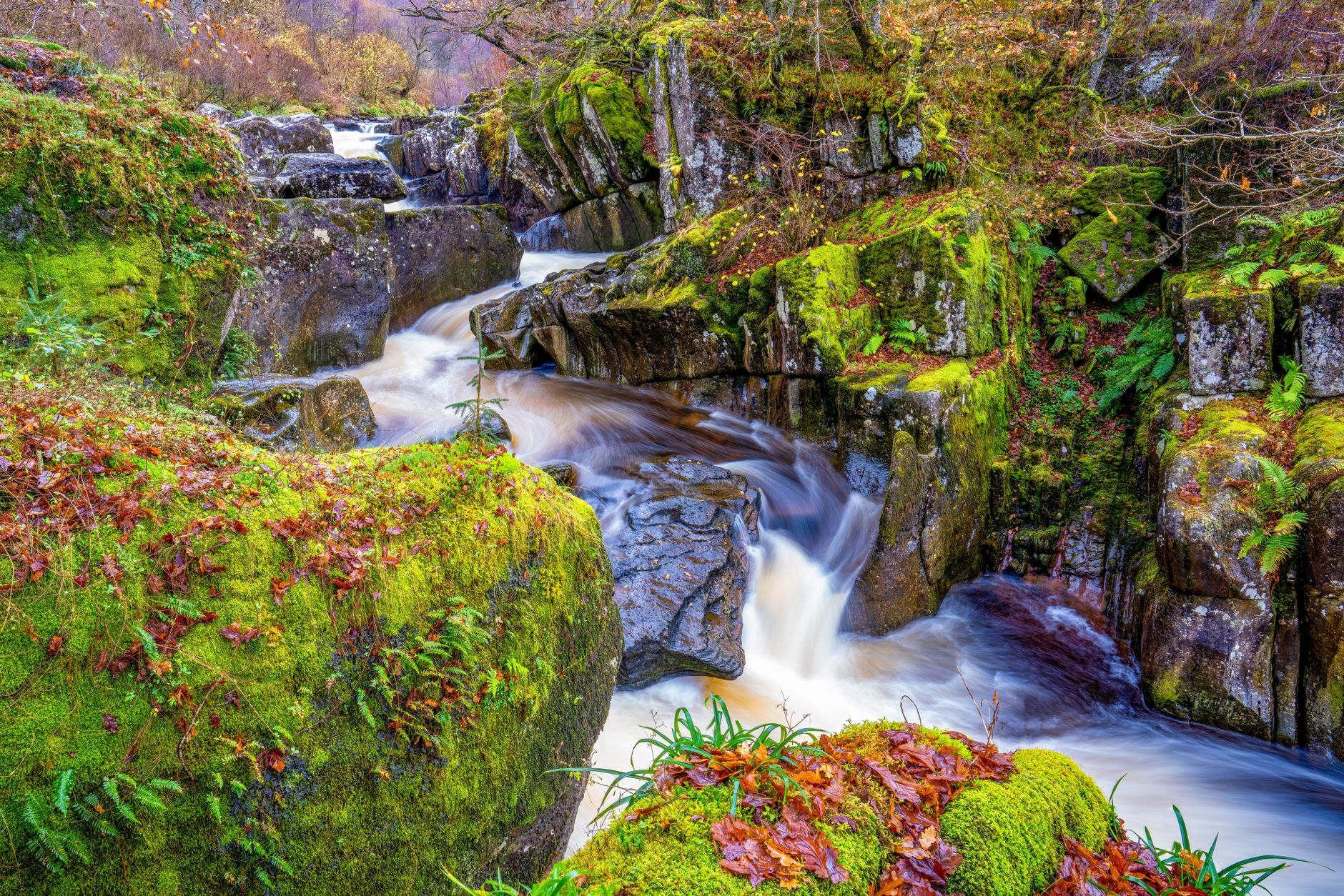
Seathwaite in Borrowdale holds the record as the wettest inhabited place in England, a fact that contributes to its uniquely lush and ancient autumn woodlands.
Tucked deep within the Borrowdale valley, Seathwaite typically receives over 3,500 mm of rain annually, creating a microclimate perfect for mosses, ferns, and ancient yew trees. This constant moisture feeds the vibrant autumn foliage, making the area around Seatoller and the path towards Sty Head Pass a riot of colour. The local farmers and residents have adapted to this extreme weather, maintaining a hardy way of life amidst some of England's most dramatic and verdant scenery.
5. Buttermere Valley: The Buttermere Maid's Tragic Tale
Buttermere, England
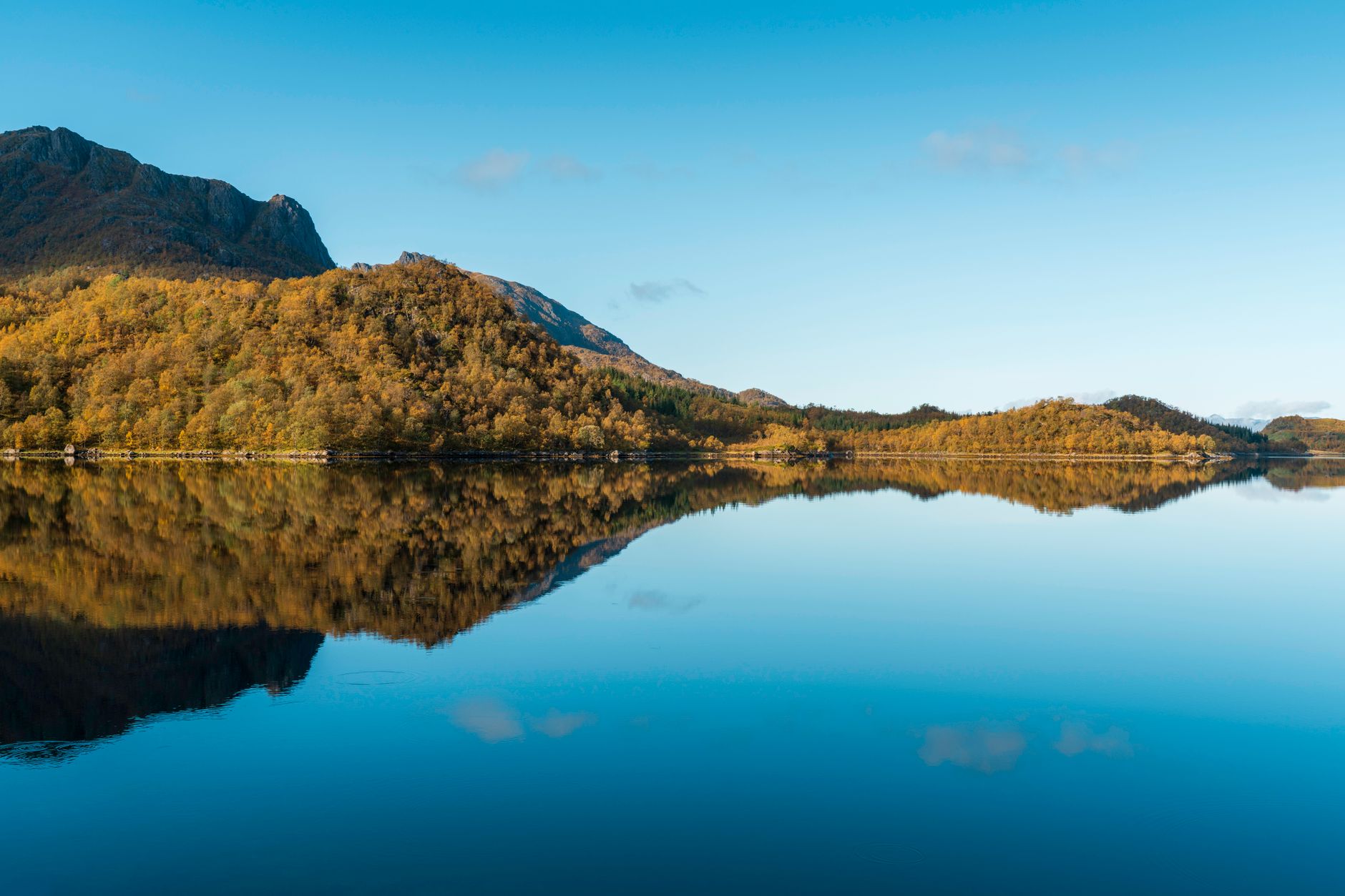
The stunningly picturesque Buttermere Valley hides the tragic true story of the "Buttermere Maid," Mary Robinson, a local beauty who became embroiled in a scandal that gripped Georgian England.
Mary Robinson, famed for her beauty and working at the local Fish Inn, was duped into marriage by a notorious conman, John Hatfield, who impersonated a nobleman. Her story, widely publicized and eventually ending in Hatfield's execution, brought fame and infamy to this serene valley. Today, walking around Buttermere provides breathtaking autumn views of the surrounding fells, Fleetwith Pike and Haystacks, and a quiet reflection on the dramatic human stories etched into the landscape.
6. Hardknott Roman Fort: A Remote Imperial Outpost
Hardknott Pass, England
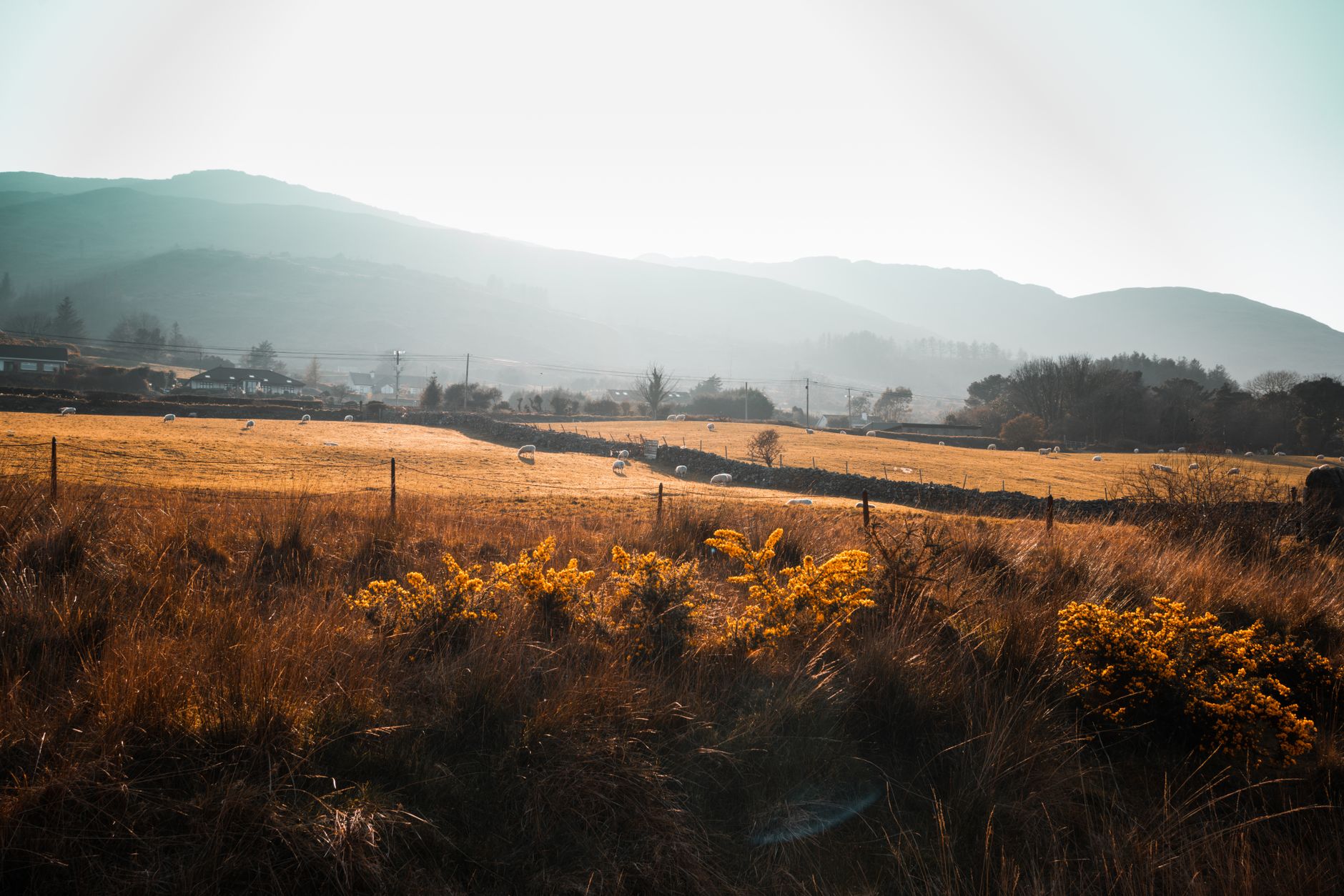
Perched precariously on a mountain shoulder above England's steepest road, Hardknott Roman Fort is one of the most dramatically situated Roman remains in the entire empire.
Built in the 2nd century AD, this isolated fort, known as Mediobogdum, guarded the Roman road linking Ravenglass to Ambleside. Its remote location on Hardknott Pass, a winding and challenging route even today, speaks volumes about the Roman ambition and engineering prowess. An autumn walk up to the fort offers incredible panoramic views of Eskdale and the surrounding fells, painting a vivid picture of what life must have been like for the legionaries stationed at this windswept outpost.
7. Stickle Tarn (Langdale Valley): A Glacial Gem with a Climber's Legacy
Great Langdale, England
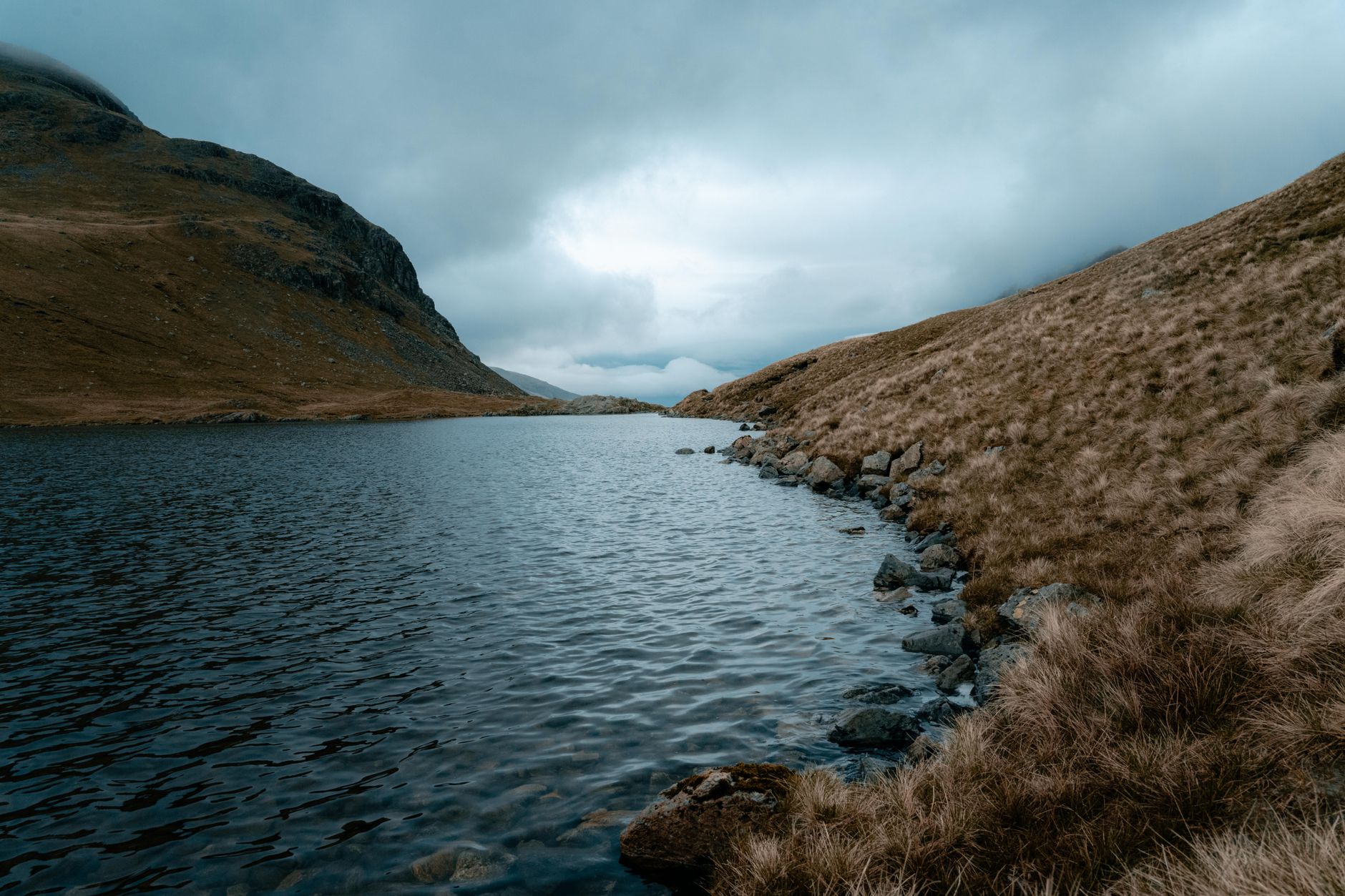
Tucked beneath the formidable Langdale Pikes, Stickle Tarn is a classic glacial corrie lake, famous as a training ground for early British mountaineers.
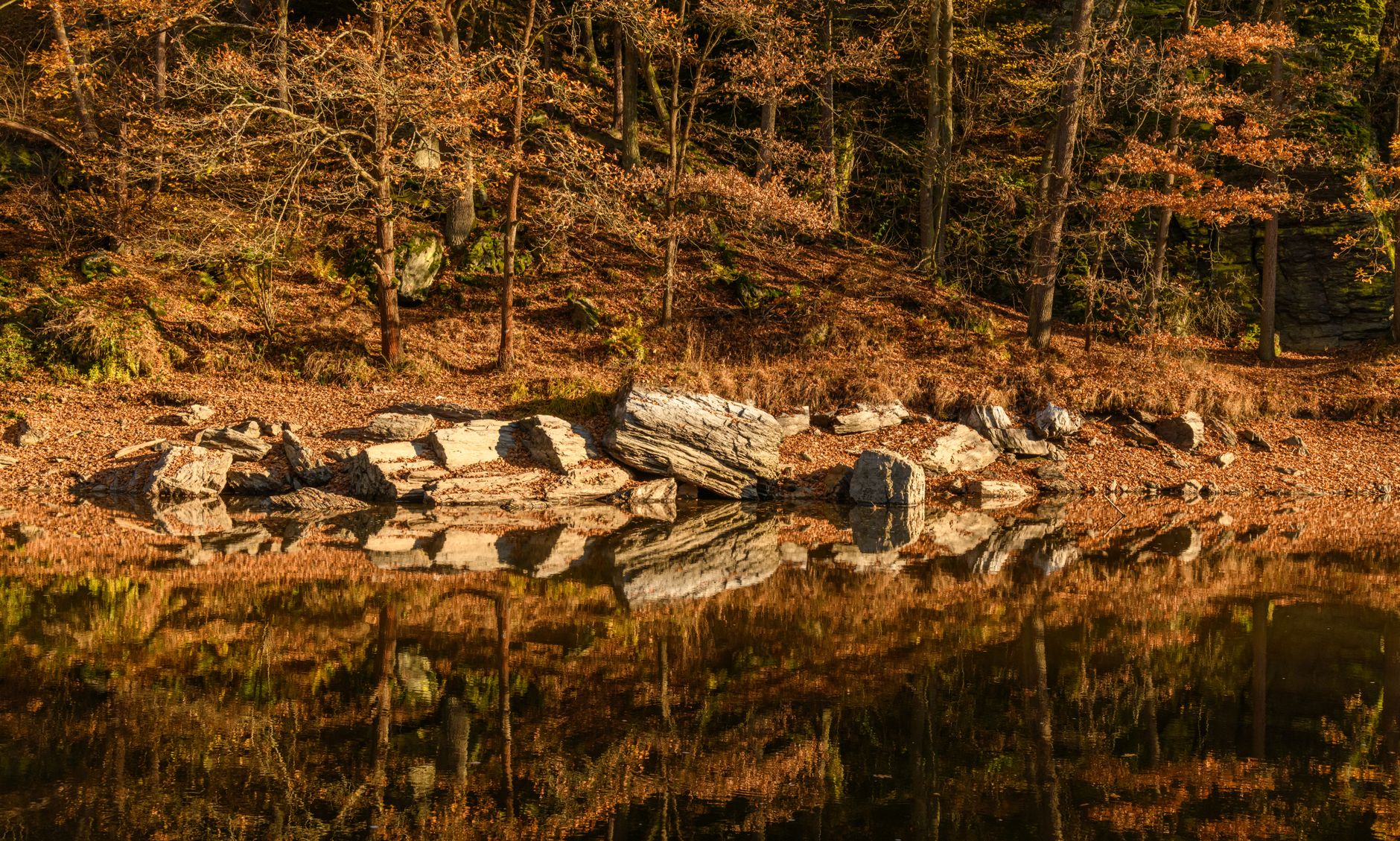
The walk up to Stickle Tarn is rewarded with spectacular views of the surrounding crags, which glow with rich autumn colours. Geologically, the tarn is a textbook example of a tarn formed in a cirque by glacial erosion. For generations, this dramatic basin has drawn climbers to its challenging rock faces, offering a rich history of early mountaineering. Its clear waters reflect the golden bracken and russet fells, making it a truly iconic Lake District autumn destination.
8. Watendlath Tarn: Beatrix Potter's Hidden Inspiration
Watendlath, England
The remote hamlet of Watendlath, accessible via a narrow, winding road, is a timeless corner of the Lake District that directly inspired Beatrix Potter's beloved stories.
This picturesque valley, with its ancient packhorse bridge spanning a stream that flows into the tarn, captured Potter's imagination. She visited often, sketching and drawing inspiration for tales like those of Jeremy Fisher, who might have fished in these very waters. An autumn walk here reveals a landscape little changed, with vibrant bracken, golden trees, and the quiet beauty that fueled a literary legacy, far from the bustle of more famous tourist spots.
Frequently asked questions
When is the best time for autumn walks in the Lake District?
The optimal time for experiencing the vibrant fall foliage in the Lake District is typically from late September through October, sometimes extending into early November. This period offers cooler, crisp air and fewer crowds than the summer months, making for more enjoyable walks.
Are the autumn walks in the Lake District suitable for all fitness levels?
The Lake District offers a wide range of walks, from gentle lakeside strolls to challenging mountain ascents, meaning there's something for every fitness level. Many of the valleys and tarns mentioned have accessible paths, while the fells require more experience and appropriate gear.
What should I wear and bring for autumn walks in the Lake District?
Layered clothing is key, as weather can change quickly. Waterproof and windproof outer layers are essential, along with sturdy, waterproof walking boots. Always carry a map, compass (or GPS app), water, snacks, and a fully charged phone.
How can AllTours.ai enhance my Lake District autumn walk?
AllTours.ai transforms your walk into an immersive journey. Simply point your phone camera at a landmark or landscape, and the app instantly narrates its unique history, geology, and cultural significance in your preferred language, revealing the hidden stories of the Lake District's stunning autumn scenery.
Related guides
Photography via Pexels. AllTours.ai is an AI audio tour guide — point your camera at any landscape and hear its story.