August 20, 2026 · 4 min read
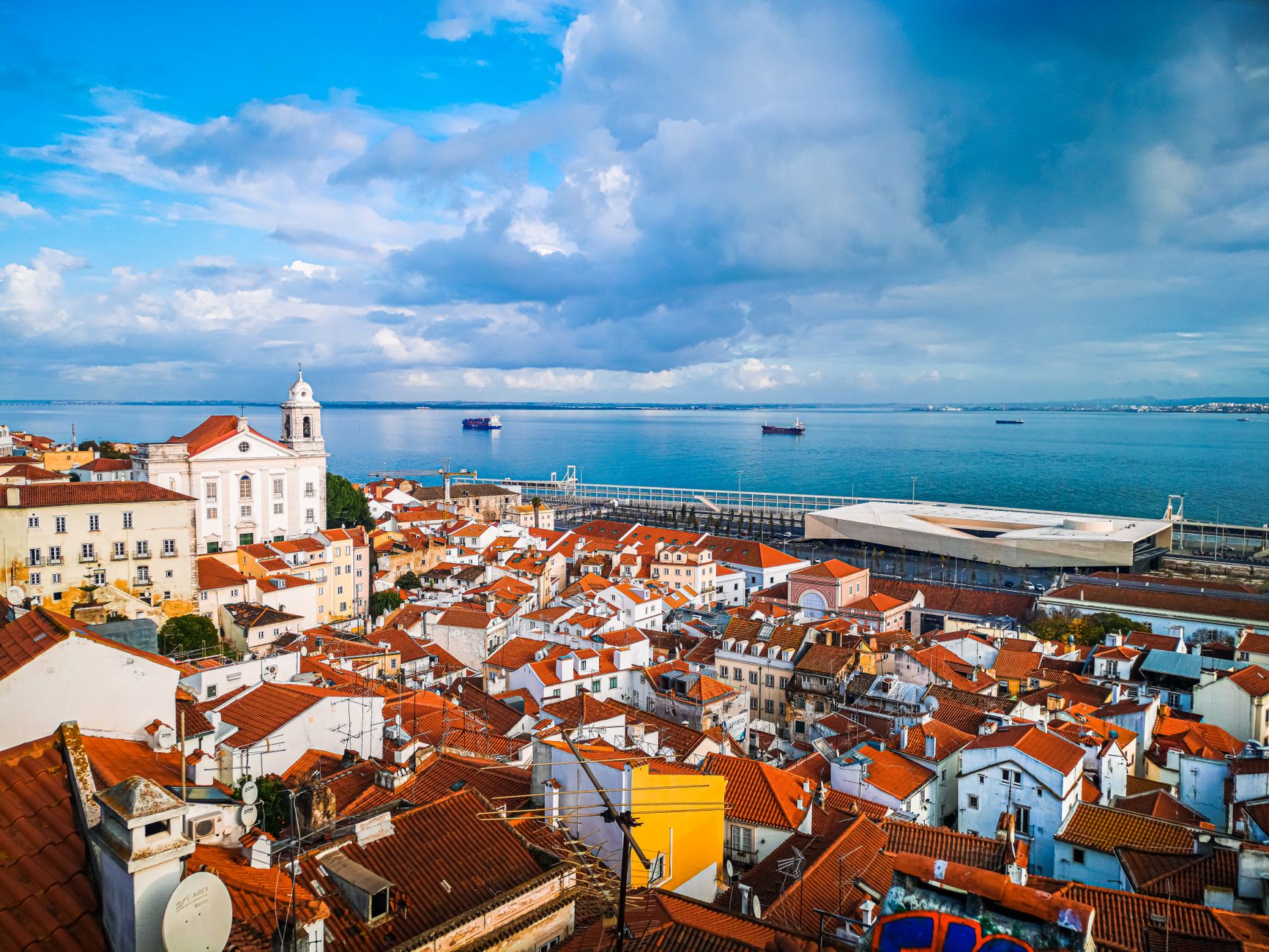
Lisbon captivates with its sun-drenched hills, melancholic Fado, and iconic yellow trams. Millions flock to its well-trodden paths, from the bustling Praça do Comércio to the historic Torre de Belém. Yet, beyond these famous landmarks lies a city brimming with untold stories and quiet wonders.
This list invites you to peel back the layers of Portugal's capital, venturing into genuinely underrated places in Lisbon where local life thrives and history whispers from every azulejo-clad wall. Prepare to discover charming neighborhoods, secret viewpoints, and sites that reveal a deeper, more intimate side of Lisbon.
1. The Tile Palace's War Gallery
Palácio dos Marqueses de Fronteira, Lisbon, Portugal
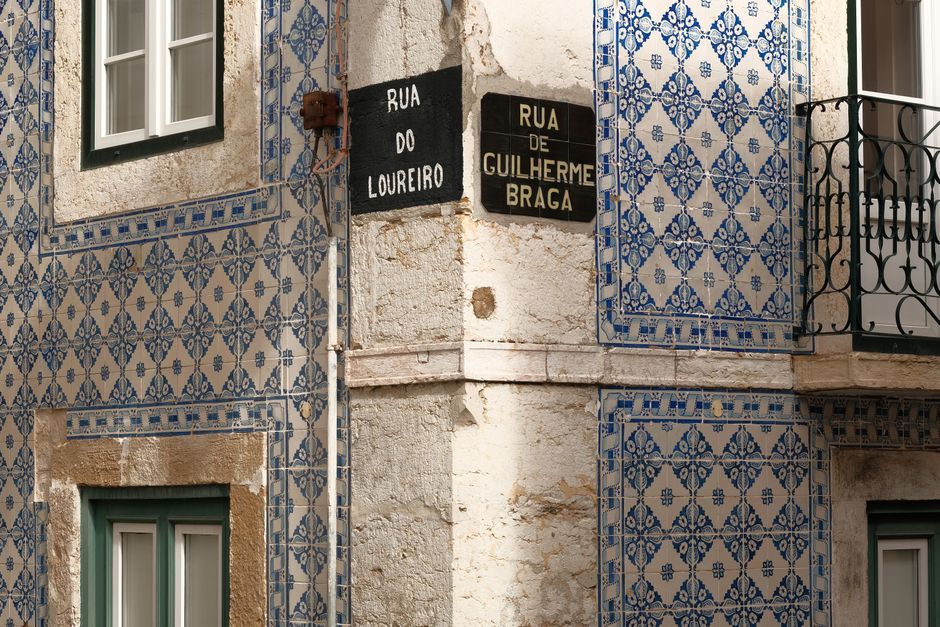
This 17th-century palace features an astonishing 'Battle Gallery' where life-sized tile panels depict a historic Portuguese restoration war.
While its formal gardens and intricate azulejos are renowned, the Palácio dos Marqueses de Fronteira holds a particularly striking secret: a gallery dedicated to the War of the Portuguese Restoration. Here, monumental tile panels vividly narrate the conflict, offering a rare artistic and historical record. The palace remains a private residence, with some areas open to the public, providing a glimpse into noble Portuguese life and exceptional artistry.

2. A City of the Dead with a Tram Line
Cemitério dos Prazeres, Lisbon, Portugal
Lisbon's most beautiful cemetery is a city of the dead, where the oldest operating tram line still passes through its gates.
Often overlooked by guidebooks, Cemitério dos Prazeres (Cemetery of Pleasures) offers stunning views over the Tagus River and a remarkable collection of elaborate mausoleums, many of which are miniature architectural marvels. It’s also famously unique for being traversed by Tram 28, whose tracks run directly through its main entrance. Wandering its serene avenues reveals a fascinating cross-section of Portuguese history, art, and memorial traditions.
3. The Fable Museum Monastery
Igreja de São Vicente de Fora, Lisbon, Portugal
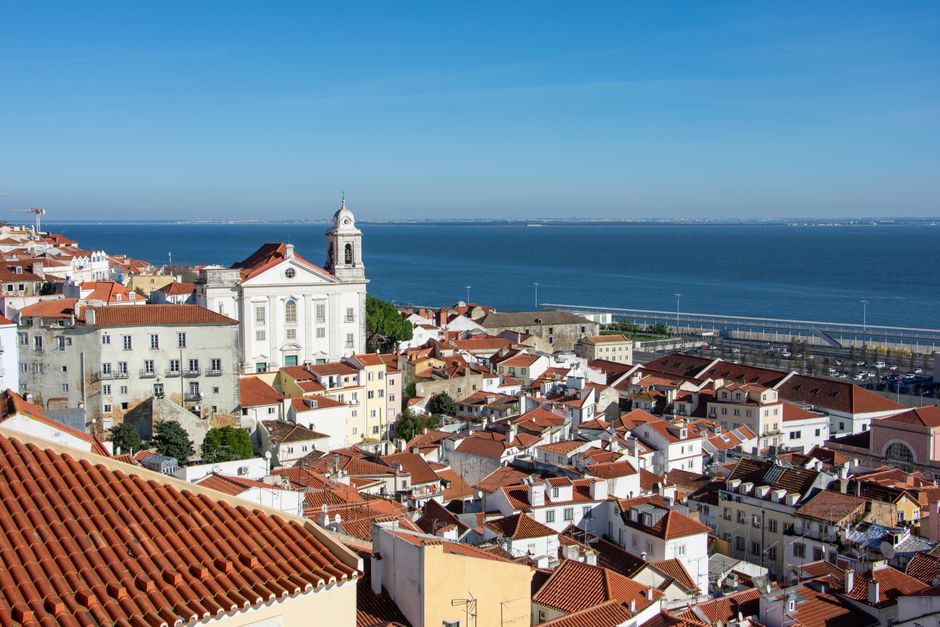
This monastery holds a 'fable museum' in its cloisters, depicted entirely in 18th-century azulejo tiles.
Beyond its grand Baroque façade and the Royal Pantheon of the Braganza monarchs, the Monastery of São Vicente de Fora hides a whimsical treasure: a series of 38 azulejo panels illustrating the fables of Jean de La Fontaine. These vibrant, detailed tile works from the 18th century transform the cloisters into an open-air art gallery, blending moral tales with exquisite Portuguese craftsmanship. It's a delightful and unexpected cultural experience.
4. Lisbon Before the Quake
Museu Nacional do Azulejo, Lisbon, Portugal
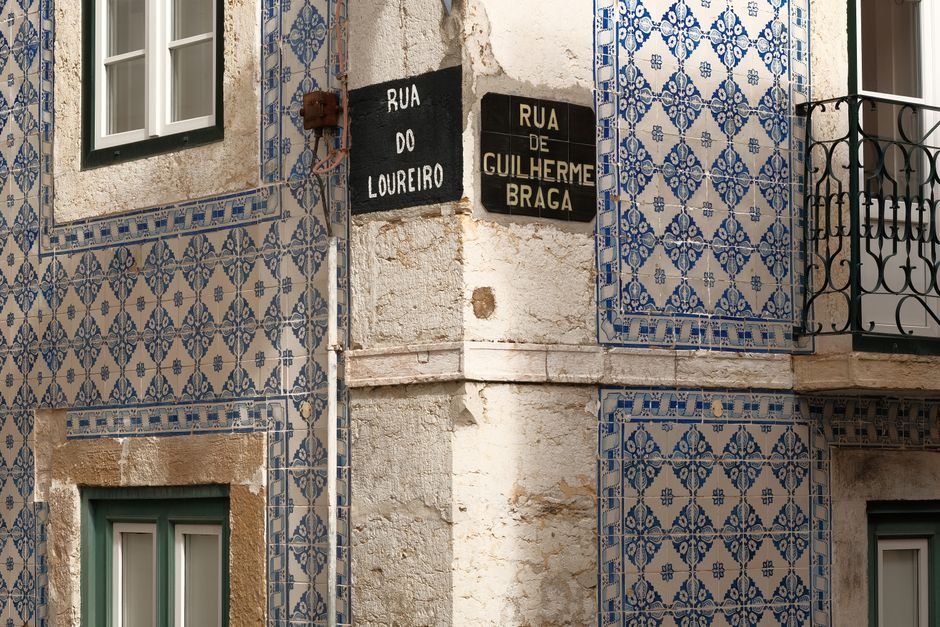
This museum, housed in a former convent, showcases a single, massive 23-meter-long azulejo panel depicting Lisbon before the 1755 earthquake.
Housed in the beautiful Madre de Deus Convent, the National Azulejo Museum traces the history of Portuguese tile art. Its standout piece is 'The Great Panorama of Lisbon,' a sprawling blue and white tile panel from 1738. This remarkable work offers a detailed visual record of Lisbon's waterfront and cityscape as it appeared just decades before the devastating 1755 earthquake, providing an invaluable historical snapshot of a lost era.
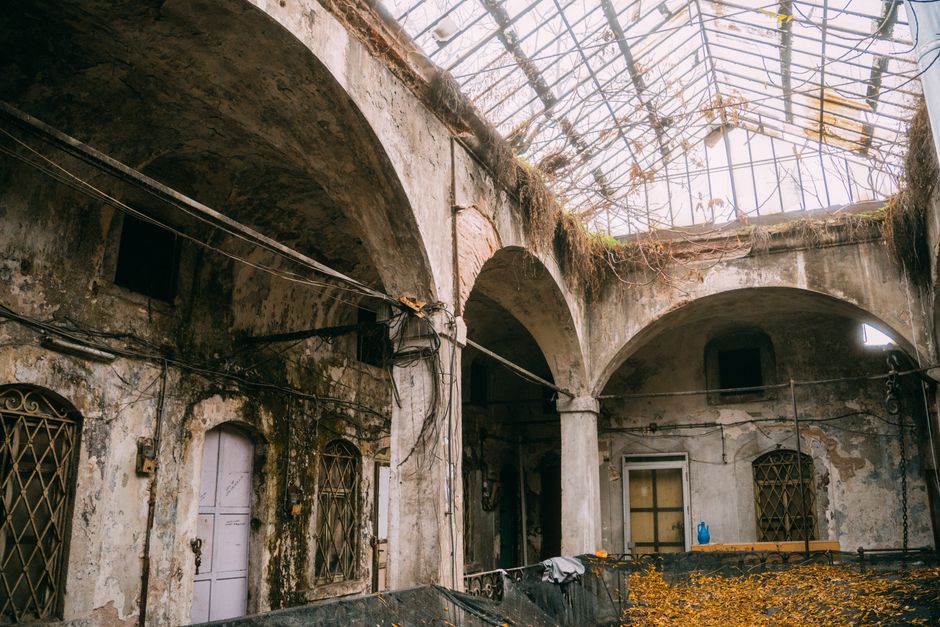
5. The Royal Elephant's Park
Tapada das Necessidades, Lisbon, Portugal
This sprawling green space was once a royal hunting ground where an elephant once roamed freely, gifted to a king.
Less manicured than some of Lisbon's other parks, Tapada das Necessidades offers a wilder, more romantic charm. Once a royal estate and hunting preserve, it's famous for having housed an elephant, gifted to King João V in the 18th century, which roamed its grounds. Today, visitors can explore its exotic plant collections, discover abandoned greenhouses, and enjoy panoramic views in a quiet, almost forgotten corner of the city.
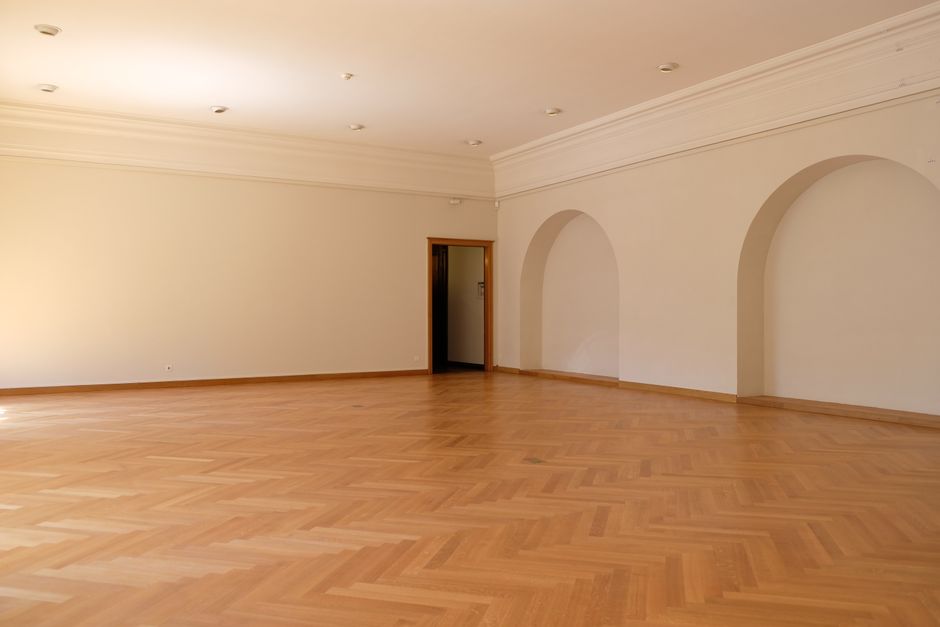
6. The Ophthalmologist's Art Home
Casa-Museu Dr. Anastácio Gonçalves, Lisbon, Portugal
This former residence of a renowned ophthalmologist is now a museum of Portuguese decorative arts, built in a unique Romantic style.
Hidden behind a modest façade, the Casa-Museu Dr. Anastácio Gonçalves is a charming house museum that was once the home of a prominent ophthalmologist and art collector. The building itself is an architectural gem, designed in a distinct Romantic style. Inside, visitors can explore a meticulously preserved collection of 19th and early 20th-century Portuguese painting, sculpture, and decorative arts, offering an intimate glimpse into a bygone era of Lisbon's intellectual elite.
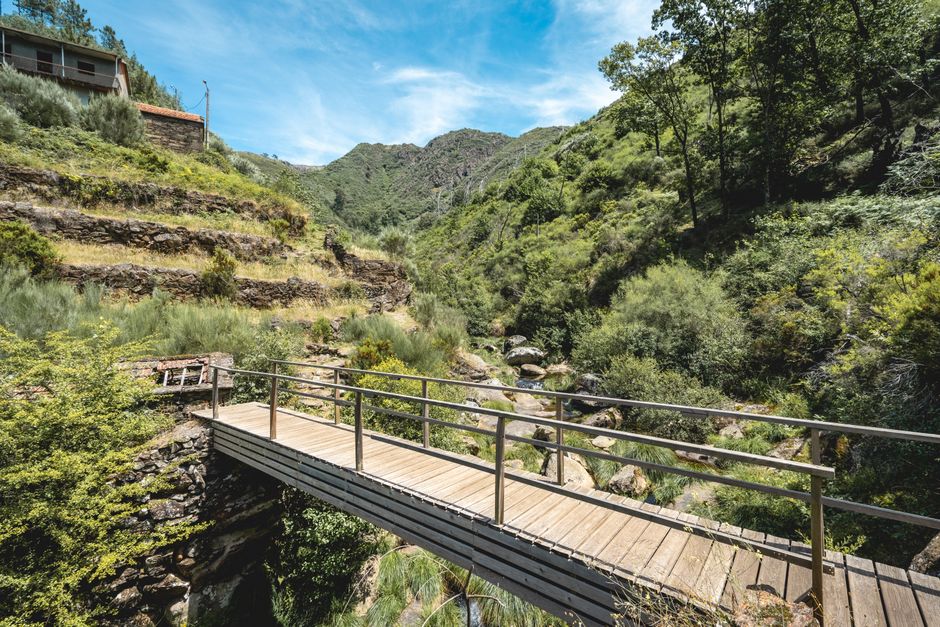
7. Walking on an Earthquake Survivor
Aqueduto das Águas Livres and Mãe d'Água das Amoreiras, Lisbon, Portugal
Walk atop an 18th-century aqueduct that withstood the great Lisbon earthquake, leading to a monumental underground reservoir.
The Aqueduto das Águas Livres, with its towering arches, is a marvel of 18th-century engineering. Remarkably, it survived the 1755 earthquake almost unscathed. Visitors can walk along its impressive 'water path' (Passeio das Águas) and explore the Mãe d'Água das Amoreiras, a colossal reservoir that once collected and distributed Lisbon's water. This complex offers a fascinating perspective on Lisbon's resilience and ingenuity.

8. The Cork Nativity Church
Basílica da Estrela, Lisbon, Portugal
The magnificent dome of the Basílica da Estrela, visible from afar, was the first church in the world to feature a nativity scene with figures of cork and terracotta.
The Basílica da Estrela, with its iconic dome and twin bell towers, is a prominent landmark, yet many miss its most unique feature. Inside, visitors can marvel at a monumental nativity scene crafted from cork and terracotta by sculptor Joaquim Machado de Castro, a pioneering work of its kind. This Baroque and Neoclassical church also offers stunning views from its dome, a quiet alternative to more crowded viewpoints, blending architectural grandeur with artistic innovation.
Frequently asked questions
What is the best time to visit Lisbon to avoid crowds?
To experience Lisbon's charm with fewer crowds, consider visiting during the shoulder seasons: April to May or September to October. The weather is pleasant, and tourist numbers are lower than the peak summer months, allowing for a more relaxed exploration of the city's attractions.
How can I best navigate Lisbon's hilly terrain to reach these underrated spots?
Lisbon's hills are part of its character, but navigating them can be tiring. Utilize the city's excellent public transport, including trams (especially Tram 28 for historic areas), funiculars (like Glória or Bica), and the metro. Comfortable walking shoes are essential for exploring the charming, sometimes cobbled, streets.
Are these 'underrated' places in Lisbon safe and easily accessible for tourists?
Yes, generally all the mentioned places are safe and accessible. While some might be slightly off the main tourist circuit, they are still within city limits and reachable by public transport or a short walk. Always exercise standard travel precautions, especially in crowded areas or when venturing out late at night.
How can the AllTours.ai app enhance my visit to these Lisbon sites?
The AllTours.ai app brings these underrated places to life by providing instant audio narratives. Simply point your phone camera at a landmark or landscape, and the app will narrate its fascinating history, geological features, and cultural significance in your preferred language, offering a deeper, more personal understanding of each location.
Related guides
Photography via Pexels. AllTours.ai is an AI audio tour guide — point your camera at any landscape and hear its story.