August 4, 2026 · 4 min read
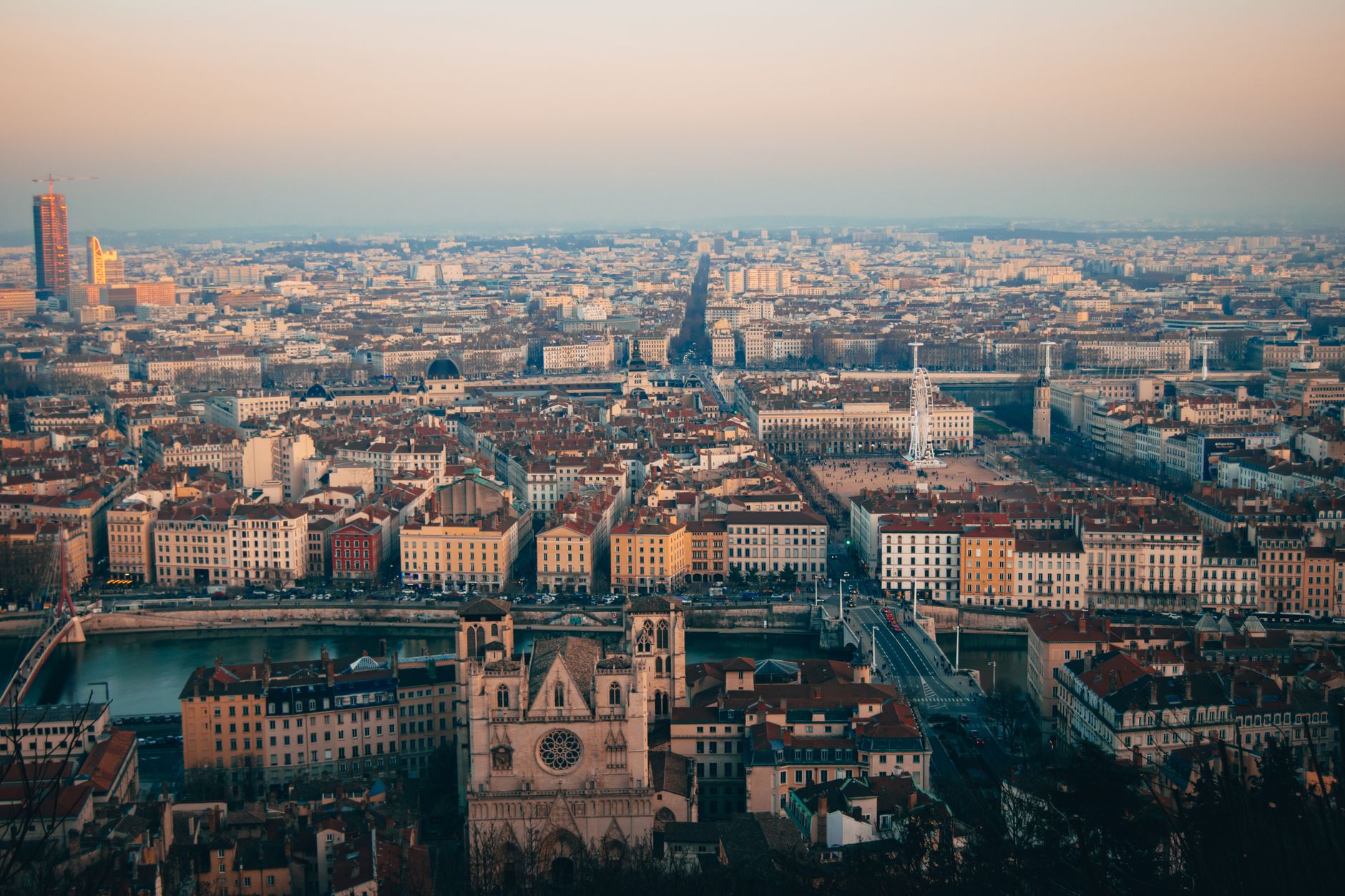
Lyon often draws travelers with its world-renowned culinary scene, a vibrant tapestry of Michelin stars and bustling food markets. But beyond the famous bouchons and well-trodden paths of Vieux Lyon lies a city rich with hidden histories, secret passages, and ancient echoes waiting to be discovered.
For those who crave genuine exploration, Lyon offers a treasure trove of lesser-known sites. From the clandestine routes of silk workers to the intimate stages of Roman Lugdunum and the truly authentic eateries, these underrated places reveal the city's deeper, more captivating character. Join us on a journey to uncover the true charm of France's culinary capital.
1. The Silk Workers' Secret Passage
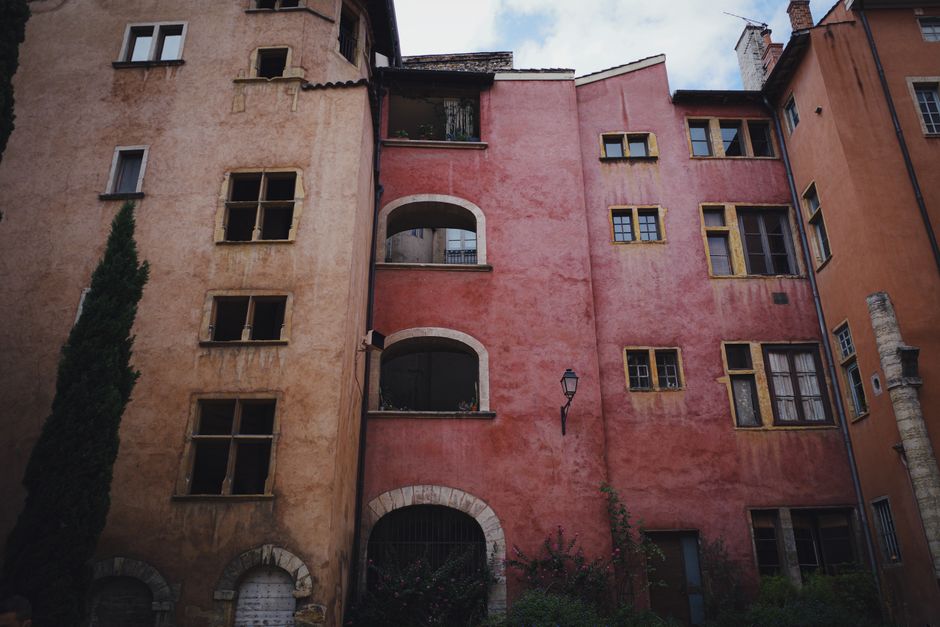
Cour des Voraces, France
This unassuming courtyard was a battleground for Lyon's silk workers and a clandestine route for WWII resistance fighters.
The Cour des Voraces, or 'Courtyard of the Greedy', earned its name during the 19th-century Canut revolts, where silk workers fought for better conditions. Its imposing staircase and multiple exits were strategic during these uprisings. Later, during World War II, this complex traboule served as a vital hidden passage for the French Resistance, allowing them to evade German patrols in the Croix-Rousse district.
2. Lyon's Second Roman Stage
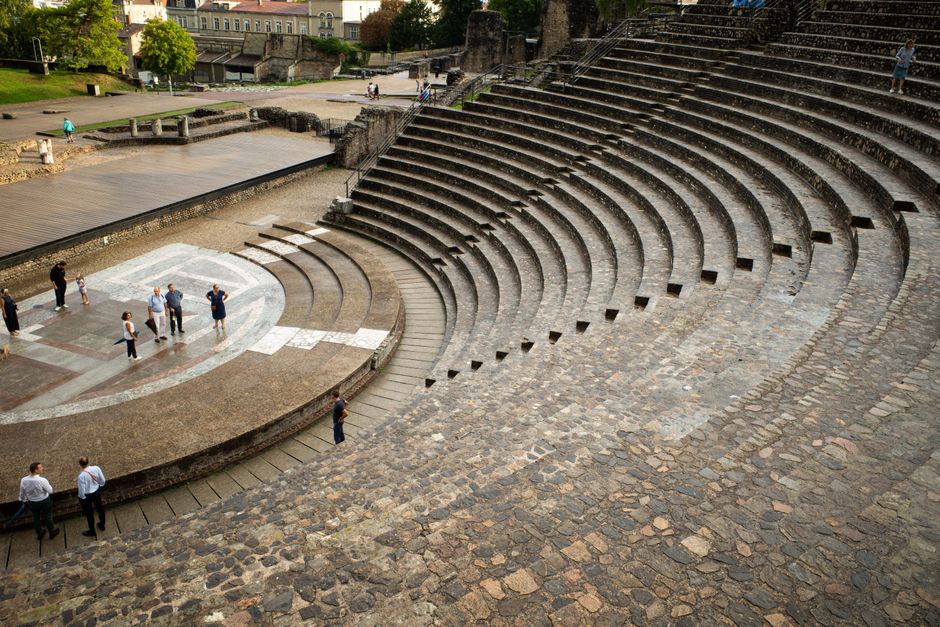
Odéon Antique de Lyon, France
Adjacent to the famous Roman theatre, this smaller, circular odeon hosted intimate performances and poetry readings for ancient Lugdunum's elite.
While the Grand Théâtre de Fourvière draws crowds, the Odéon Antique often goes unnoticed, despite being part of the same complex. Built around the same time, this smaller, semicircular structure with a diameter of 73 meters was dedicated to musical performances, poetry readings, and public orations. Its more intimate setting offers a vivid glimpse into the cultural life of Roman Lugdunum, where citizens gathered for intellectual and artistic pursuits rather than gladiatorial spectacles.
3. A Taste of Old Lyon
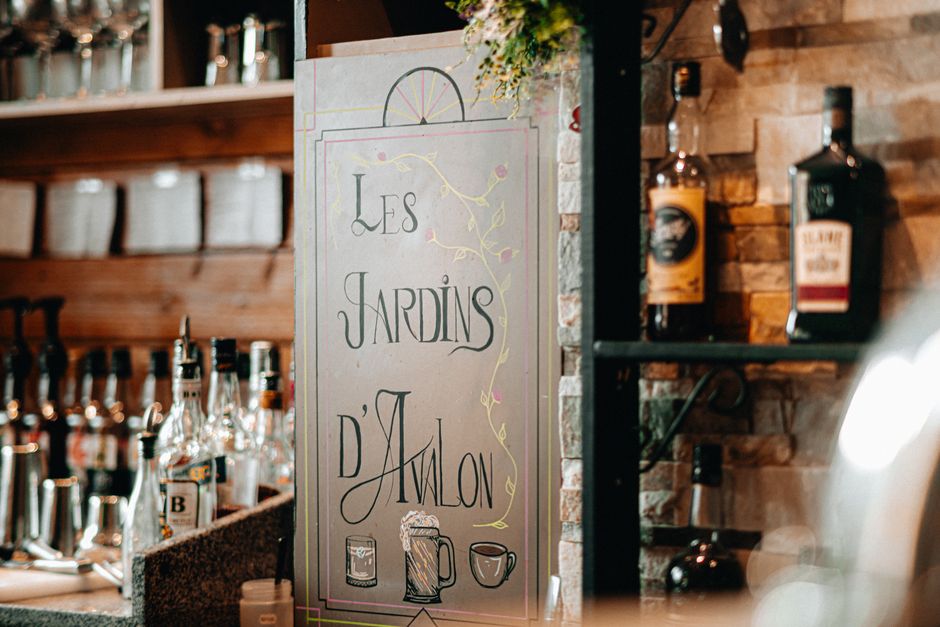
Le Musée (Bouchon), France
Step into a time capsule at Le Musée, a bouchon preserving the hearty, traditional Lyonnaise cuisine that fueled silk workers for centuries.
Unlike the more touristy establishments, Le Musée in Vieux Lyon prides itself on its authentic, no-frills approach to Lyonnaise gastronomy. This family-run bouchon serves classic dishes like quenelles de brochet and tablier de sapeur, prepared with recipes passed down through generations. Its rustic charm and convivial atmosphere offer a genuine taste of the city's culinary heritage, reminiscent of the simple, satisfying meals enjoyed by the canuts.
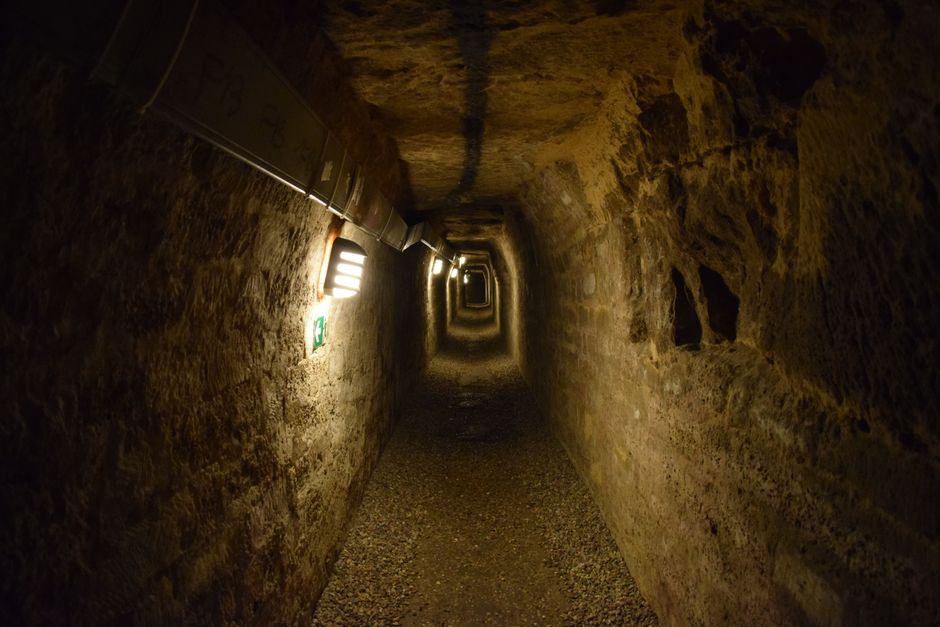
4. The Ancient Crypt of the Martyrs
Crypte de Saint-Irénée, France
Beneath a quiet church lies one of France's oldest Christian crypts, a burial site for early martyrs and a testament to Lyon's profound ancient history.
The Crypte de Saint-Irénée, located on the slopes of Fourvière, is a remarkably preserved relic of early Christianity in Gaul. Dating back to the 5th century, it is believed to house the remains of Saint Irenaeus, one of Lyon's first bishops, and other martyrs from the Roman persecutions of the 2nd century. Its ancient stone walls and sarcophagi evoke a powerful sense of history, offering a rare glimpse into the origins of Christianity in France, far from the bustling tourist paths.
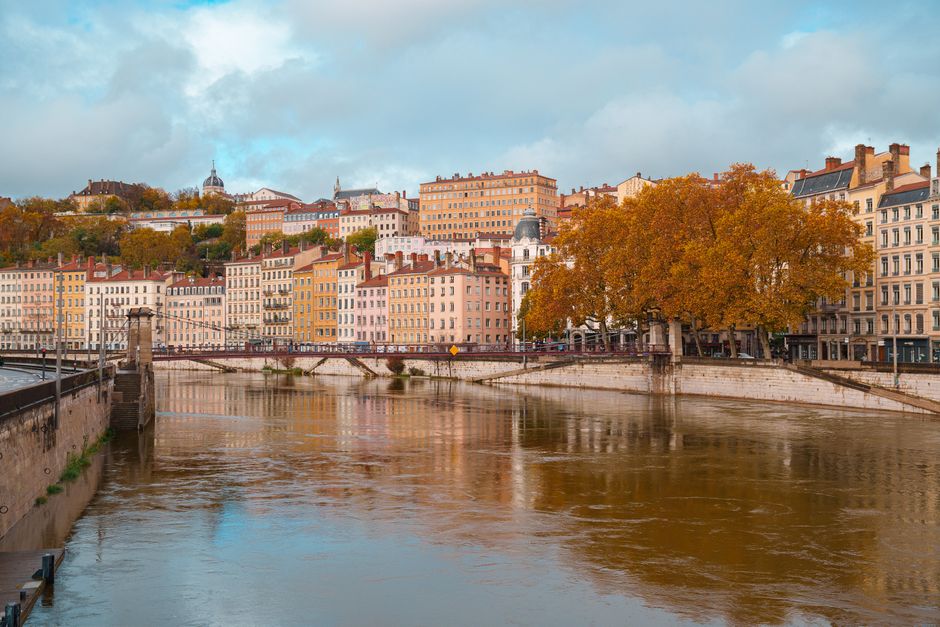
5. The Steep Road of Renaissance Secrets
Montée du Gourguillon, France
This steep, cobbled lane, one of Lyon's oldest, winds through hidden courtyards and Renaissance facades, whispering tales of merchants and silk weavers.
The Montée du Gourguillon is a picturesque and historic street in Vieux Lyon, often overshadowed by the more famous Rue Saint-Jean. As one of the city's steepest and oldest thoroughfares, it connects the Saône riverbanks to the Fourvière hill. Lined with beautifully preserved Renaissance buildings and secret traboules, it offers an authentic journey through Lyon's past. The climb reveals unexpected views and quiet courtyards, far from the main tourist bustle, preserving the atmosphere of bygone eras.
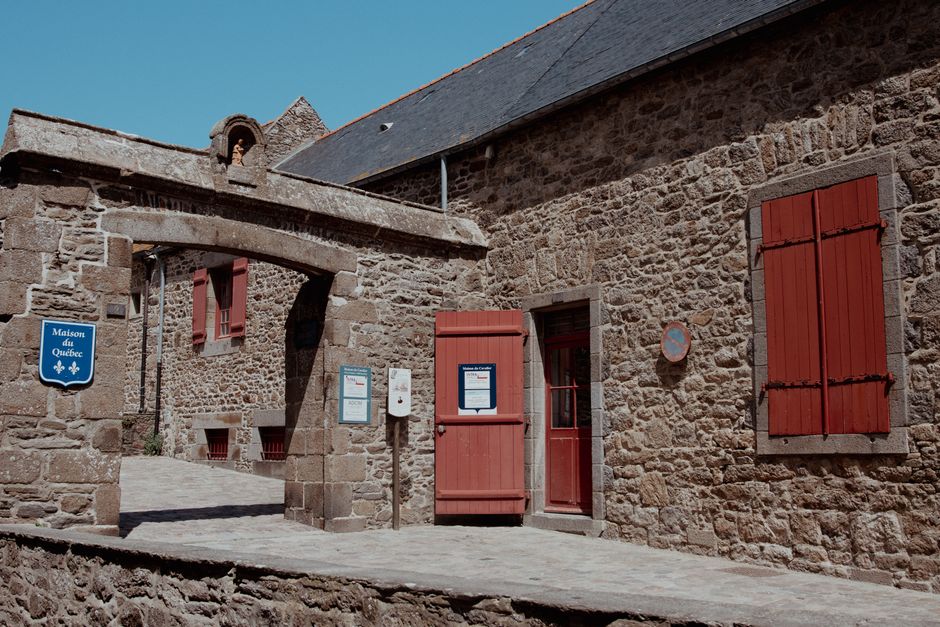
6. The Legacy of Silk Weavers
Maison des Canuts, France
Discover the intricate world of Lyon's silk industry at this historic workshop, where ancient Jacquard looms still operate, bringing centuries of craftsmanship to life.
Located in the heart of the Croix-Rousse district, the Maison des Canuts is a living museum dedicated to Lyon's rich silk-weaving heritage. This working museum demonstrates the complex process of silk production, from raw thread to intricate patterns, using original Jacquard looms. Visitors can witness the incredible skill of the canuts (silk workers) and understand the economic and social impact of this industry on the city, offering a tangible connection to Lyon's industrial past.
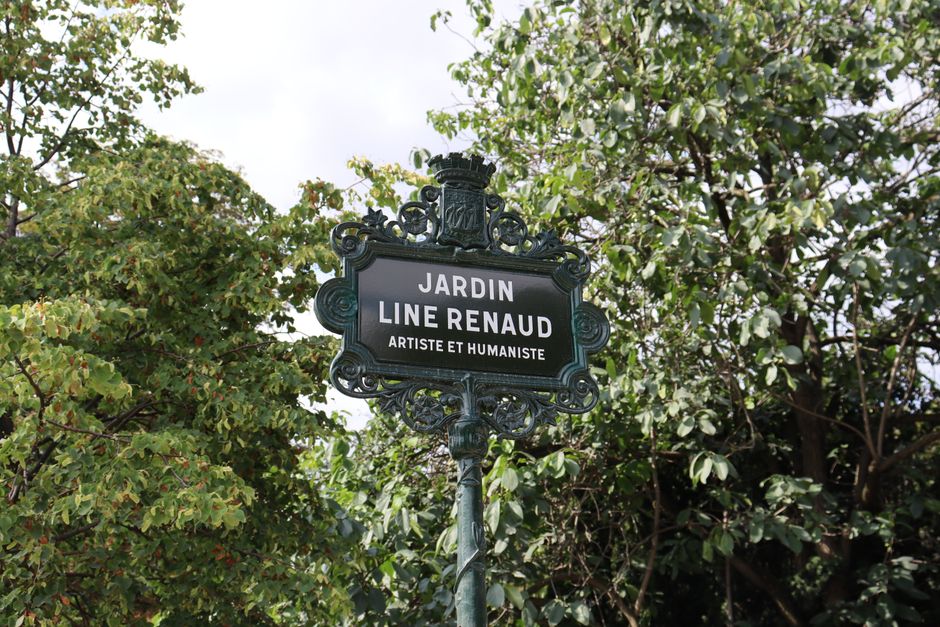
7. Roman Foundations Beneath the City
Jardin archéologique de la rue des Farges, France
Uncover the foundations of ancient Roman homes and workshops in this small, open-air garden, a quiet testament to Lyon's origins as Lugdunum.
Tucked away near the Fourvière hill, the Jardin archéologique de la rue des Farges is an understated site revealing archaeological excavations of Roman Lugdunum. This tranquil garden showcases the preserved foundations of Gallo-Roman houses, workshops, and public buildings, offering a glimpse into the daily life of the city's ancient inhabitants. It's a peaceful spot to connect with Lyon's deep Roman roots, away from the more prominent ruins, providing a unique perspective on the city's layered history.
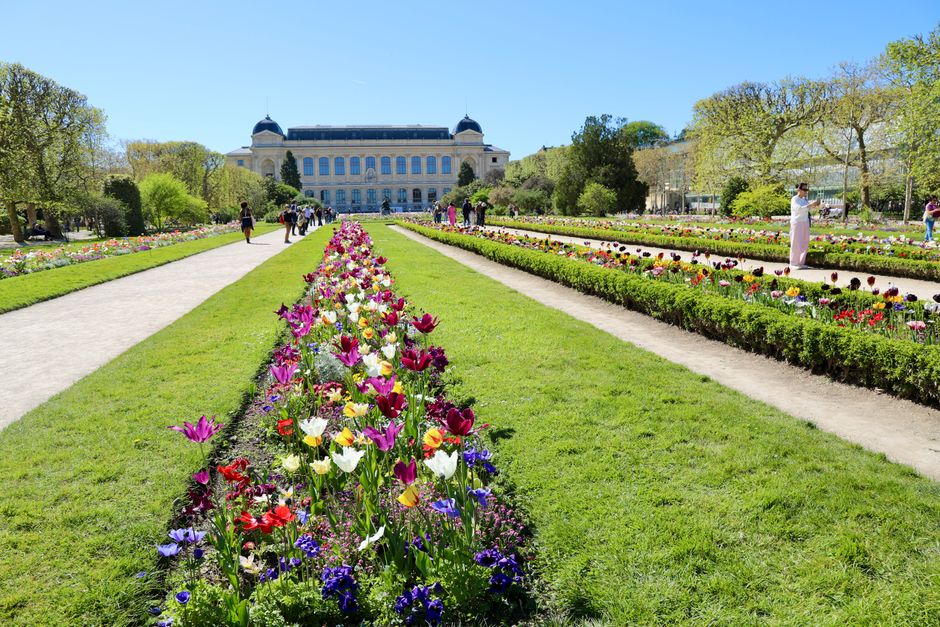
8. A Local's Panoramic Retreat
Jardin des Chartreux, France
Escape the crowds to this tranquil park offering stunning, less-photographed views of the Saône River and the rooftops of Vieux Lyon.
Perched above the Saône, the Jardin des Chartreux provides a peaceful alternative to the bustling viewpoints of Fourvière. This charming public garden, named after the former Carthusian monastery it once belonged to, offers breathtaking panoramic vistas of the Presqu'île, the Saône river, and the historic rooftops of Vieux Lyon. It's a favorite spot for locals seeking quiet contemplation or a romantic sunset, offering a fresh perspective on the city's iconic landmarks without the throngs of tourists.
Frequently asked questions
What are "traboules" in Lyon?
Traboules are unique hidden passageways, primarily found in Vieux Lyon and Croix-Rousse, that run through courtyards and buildings, connecting streets. They were originally used by silk workers (canuts) to transport goods quickly and later by the French Resistance during WWII.
Are Lyon's Roman ruins worth visiting?
Absolutely. Lyon, as ancient Lugdunum, was a major Roman capital in Gaul. The Fourvière hill boasts impressive Roman theatres and an odeon, offering a profound insight into the city's origins. Lesser-known sites like the Jardin archéologique de la rue des Farges also reveal fascinating daily life.
What makes a "bouchon" authentic in Lyon?
An authentic bouchon is a traditional Lyonnaise restaurant characterized by its convivial atmosphere, hearty local cuisine (often offal-based), and simple, rustic decor. They typically serve dishes like saucisson de Lyon, quenelles, and gratin dauphinois, paired with local Beaujolais or Côtes du Rhône wines.
How can the AllTours app help me explore Lyon's hidden gems?
The AllTours app uses AI to transform your phone into an audio tour guide. Simply point your camera at any landmark, traboule entrance, or even a dish in a bouchon, and it will narrate its history, geology, or cultural significance in your language, uncovering stories you might otherwise miss.
Related guides
Photography via Pexels. AllTours.ai is an AI audio tour guide — point your camera at any landscape and hear its story.