October 6, 2026 · 4 min read
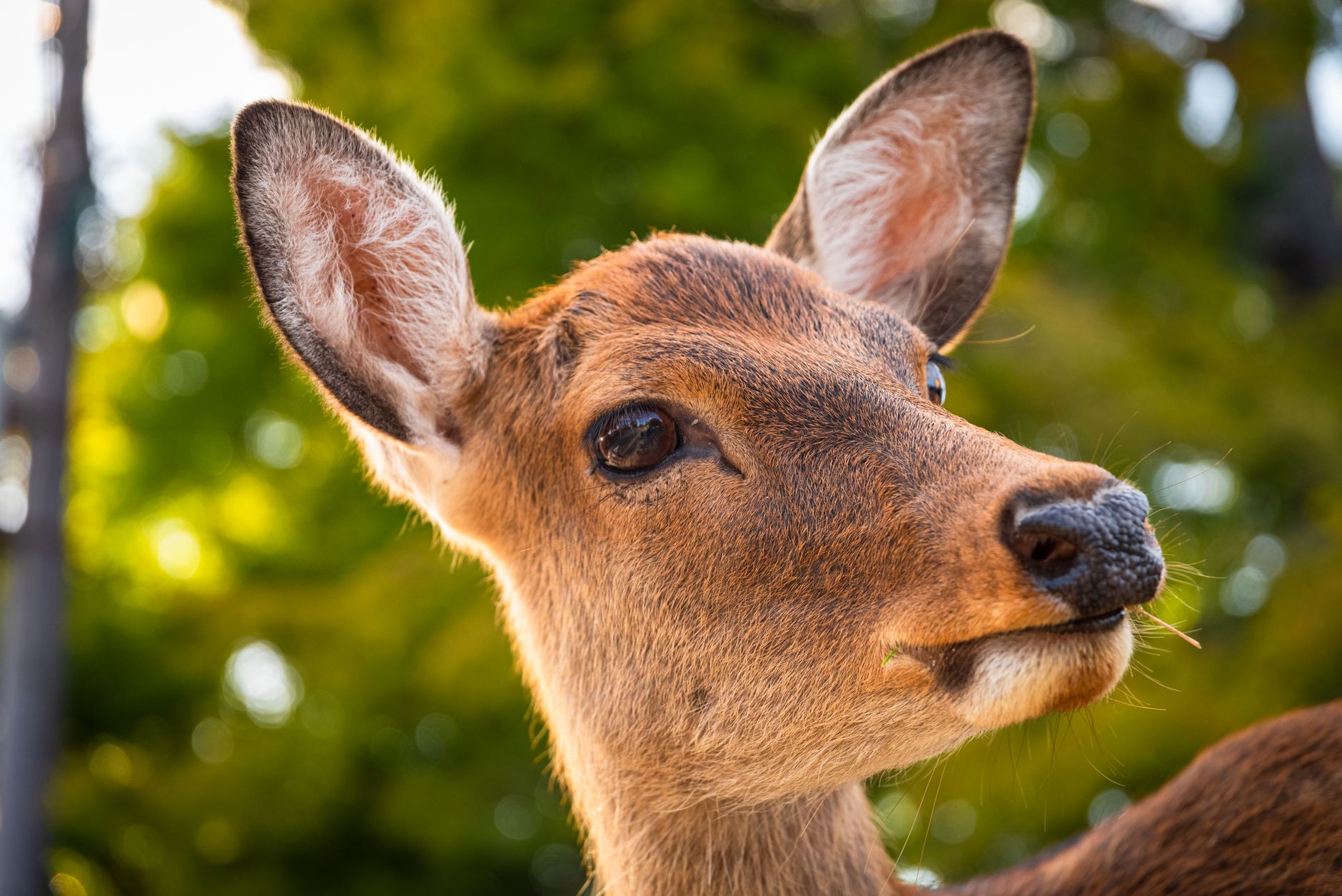
Nara is synonymous with its friendly, free-roaming deer, captivating visitors from around the globe. While Nara Park offers immediate charm, the sheer number of visitors can sometimes make peaceful interaction a challenge. But what if you could step away from the throngs and discover a quieter, more intimate side of this ancient capital?
Beyond the bustling main attractions lie a collection of hidden gems – serene temples, historic gardens, and primeval forests – where the atmosphere is calm, and the deer are just as curious. These lesser-known spots offer a unique opportunity to connect with Nara's iconic wildlife and rich history in a truly tranquil setting.
1. The Sacred, Untouched Forest
Kasugayama Primeval Forest, Nara, Japan
This ancient, untouched forest has been sacred for over a millennium, forbidding logging or hunting within its UNESCO-protected boundaries.
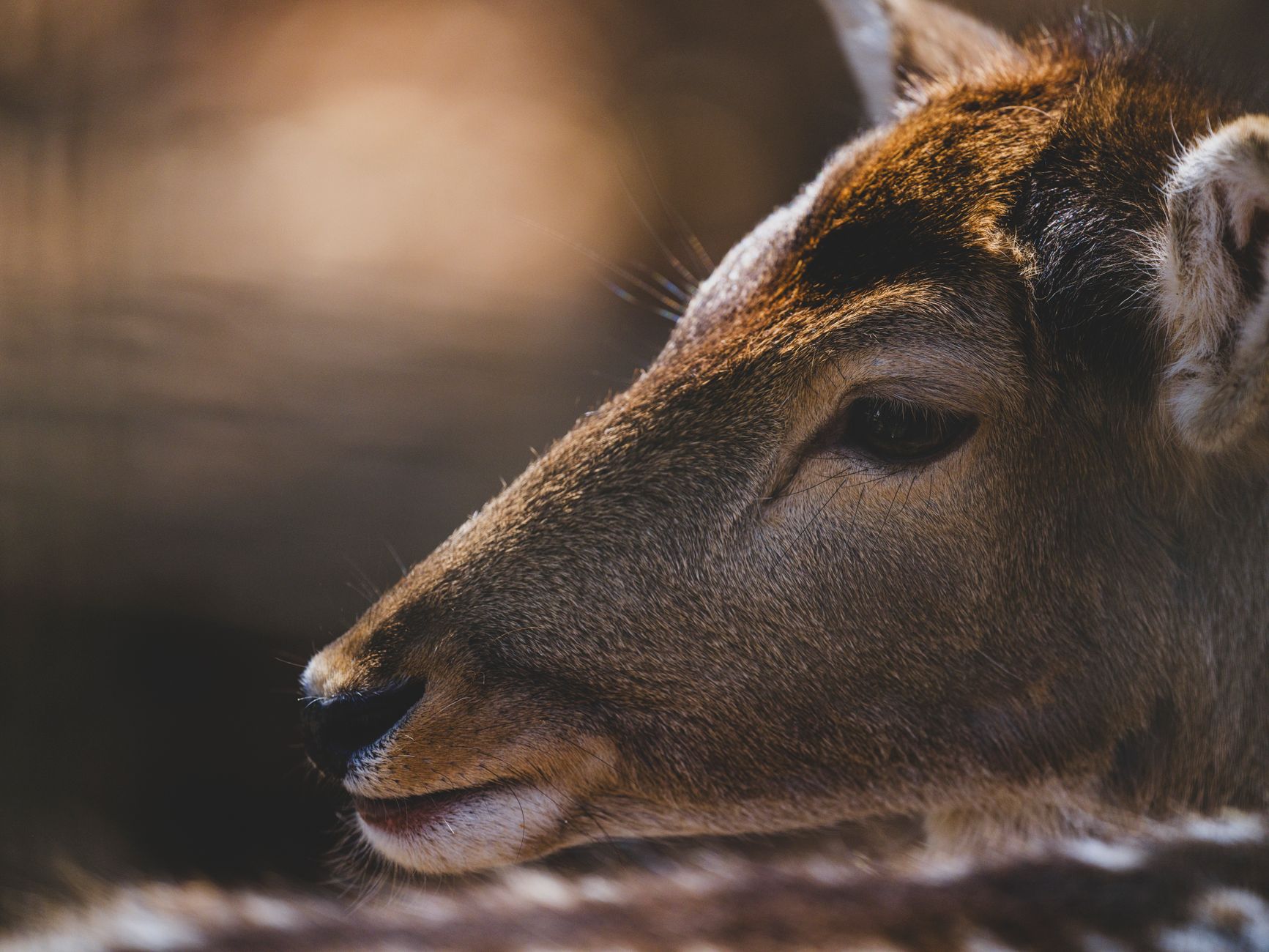
Delve into the quiet paths of Kasugayama, a UNESCO World Heritage site where nature reigns supreme. For centuries, this primeval forest has been a sacred preserve of Kasuga Taisha Shrine, its trees untouched by human hand. Here, you'll encounter deer grazing peacefully amidst towering cedars and ancient moss-covered stones, often far from the bustling main trails. The air itself feels ancient, a testament to Nara's deep spiritual roots.
2. Guardians of Clay
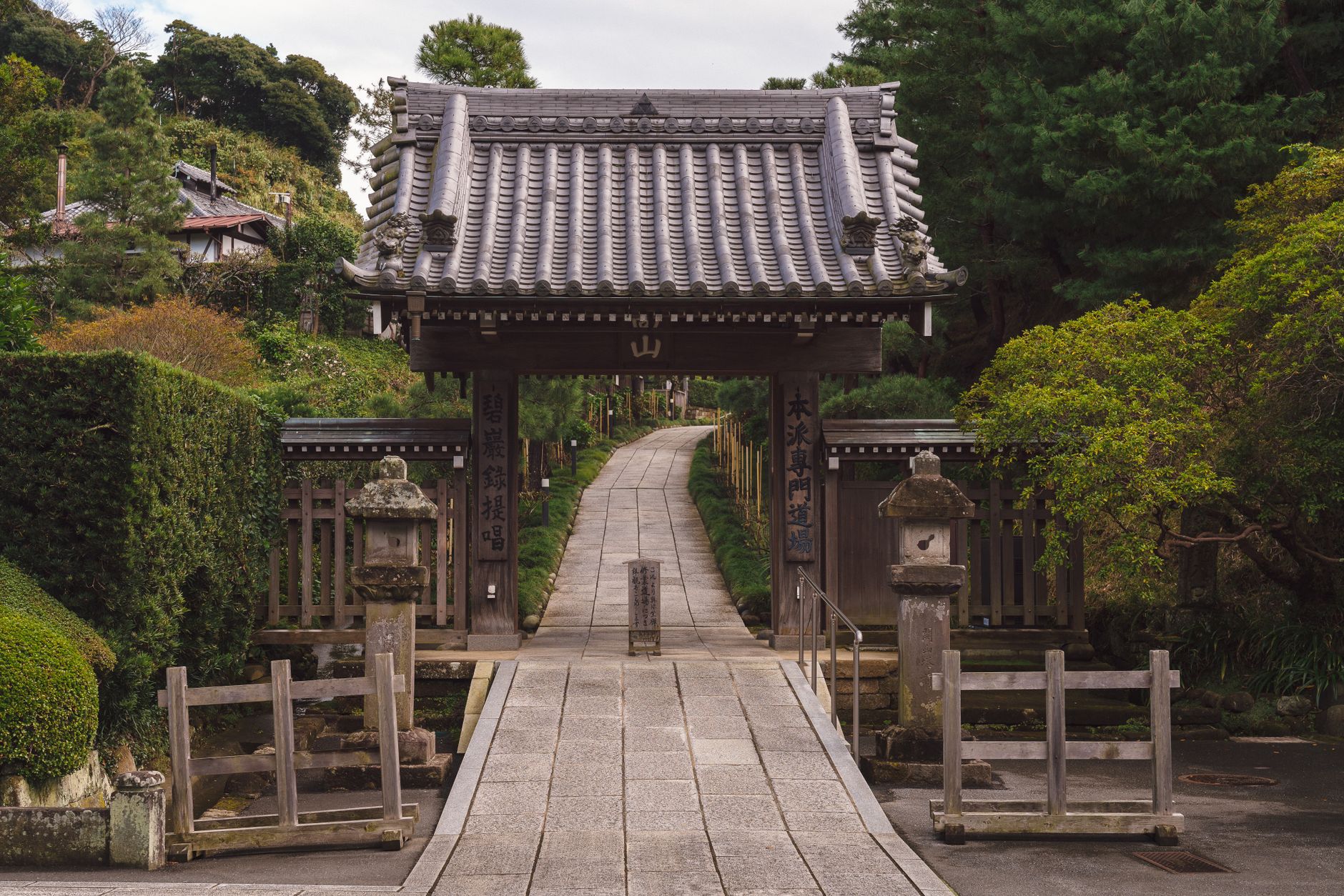
Shin-Yakushi-ji Temple, Nara, Japan
Its main hall houses a circle of fearsome, detailed 8th-century clay statues, the Twelve Divine Generals, each a unique masterpiece.
Tucked away from the central hubbub, Shin-Yakushi-ji offers a profound spiritual experience. This temple, founded in the 8th century, is renowned for its magnificent main hall, one of the oldest wooden structures in Japan. Inside, a captivating circle of twelve fierce clay statues, the Divine Generals, guard the central Buddha. The temple grounds are often quiet, providing a serene setting where deer frequently wander, adding to the timeless atmosphere.
3. A Garden of Ancient Poetry
Manyo Botanical Garden, Nara, Japan
This unique garden meticulously cultivates all 300 plant species mentioned in Japan's oldest poetry anthology, the Manyoshu.
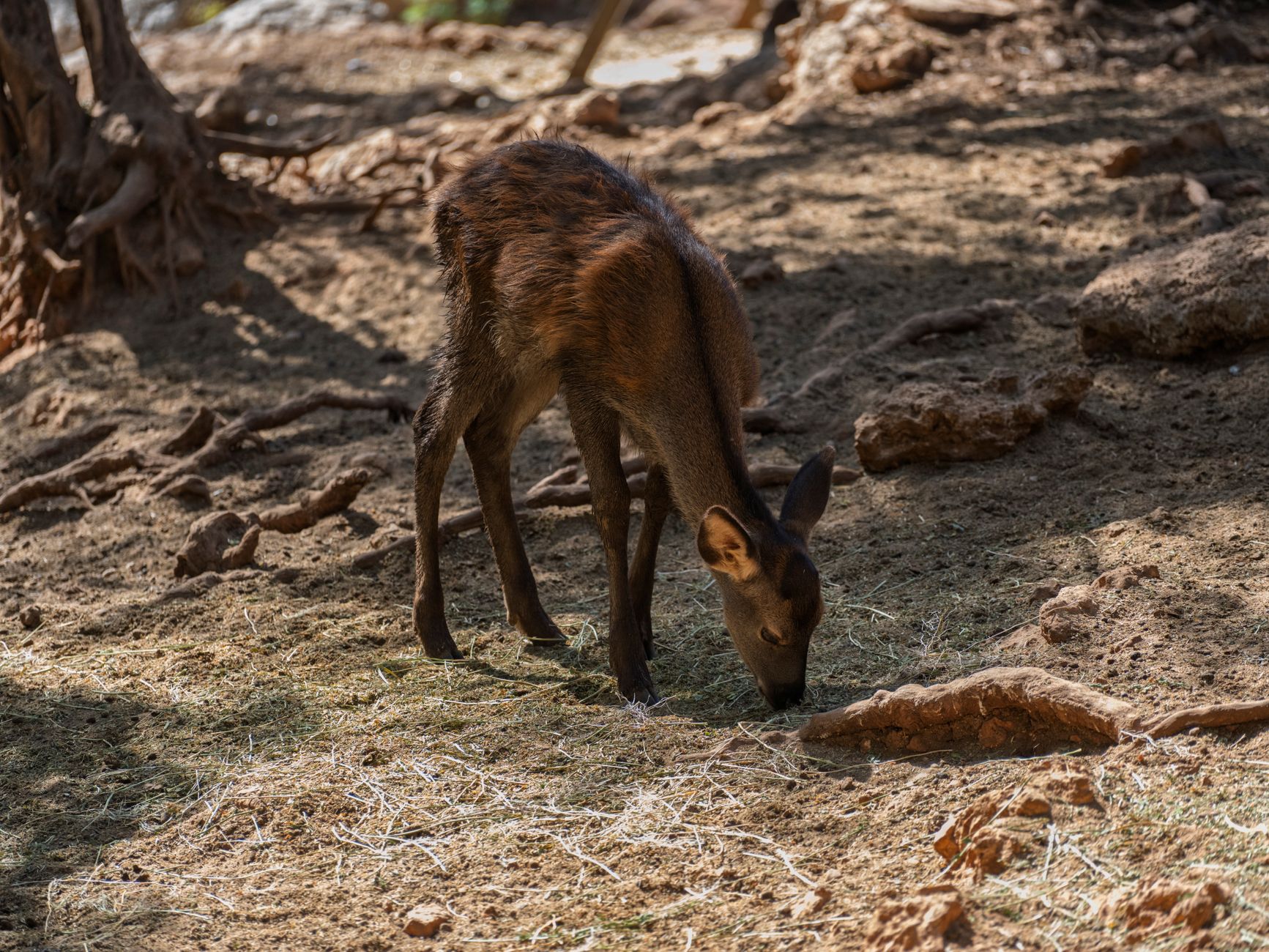
A tranquil annex of Kasuga Taisha Shrine, the Manyo Botanical Garden is a living literary museum. Each plant within its carefully curated sections is specifically referenced in the Manyoshu, Japan's earliest collection of poetry, dating back over a thousand years. Stroll among these historic flora, and you might find deer delicately nibbling on grasses, blending seamlessly with the poetic landscape. It's a peaceful escape where culture, nature, and wildlife intertwine.
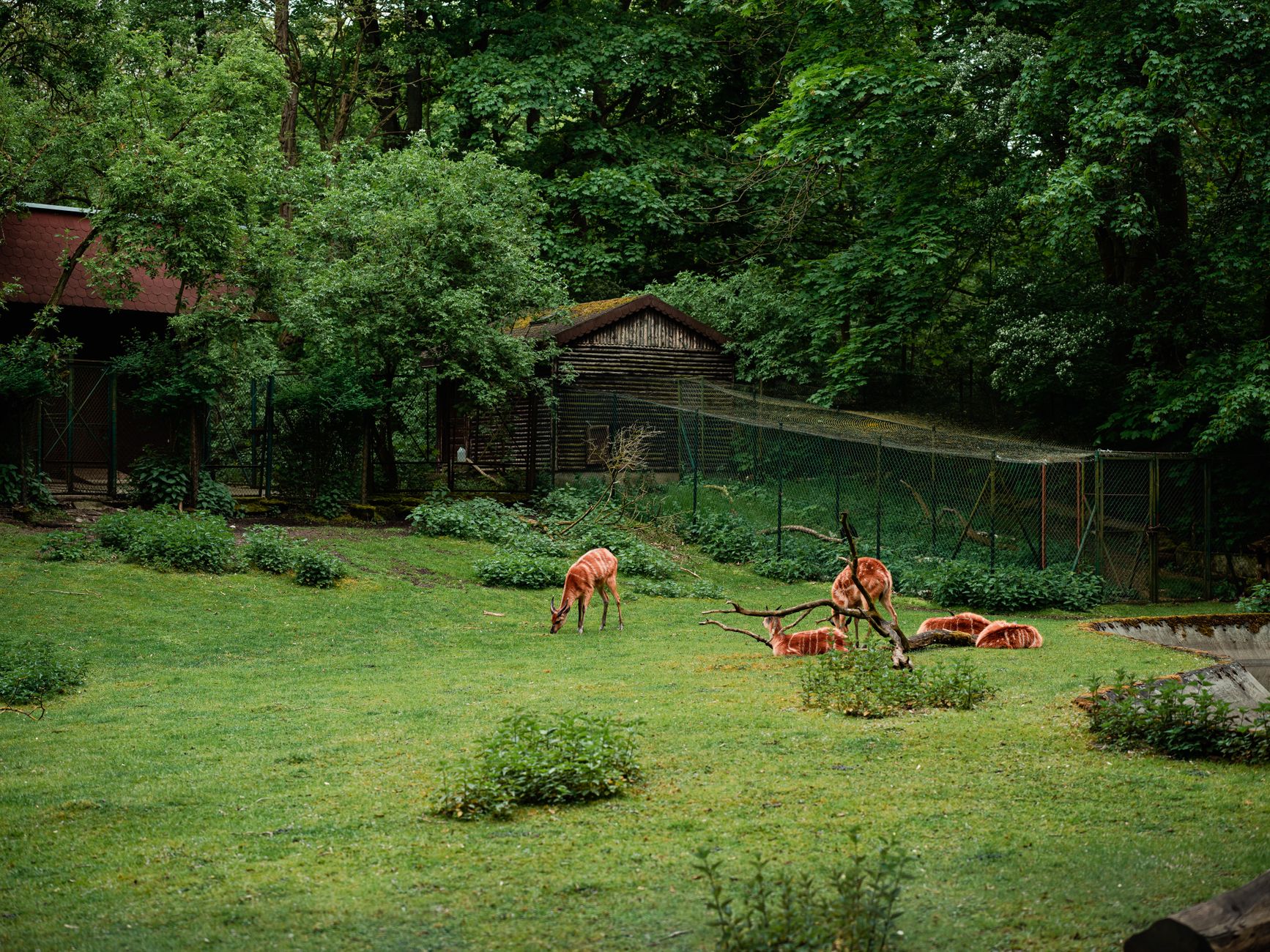
4. The Triple Harmony Garden
Yoshikien Garden, Nara, Japan
This picturesque garden uniquely combines three distinct Japanese garden styles: pond, moss, and tea ceremony, within its tranquil confines.
Often overshadowed by its neighbor, Isuien, Yoshikien Garden offers a more intimate and serene experience. What makes it special is its clever integration of three traditional garden styles: a pond garden, a moss garden, and a tea ceremony garden, each with its own distinct charm. Its tranquil pathways and meticulously maintained landscapes provide a quiet refuge. Deer from the nearby park occasionally venture into its peaceful confines, offering a truly magical encounter away from the usual crowds.
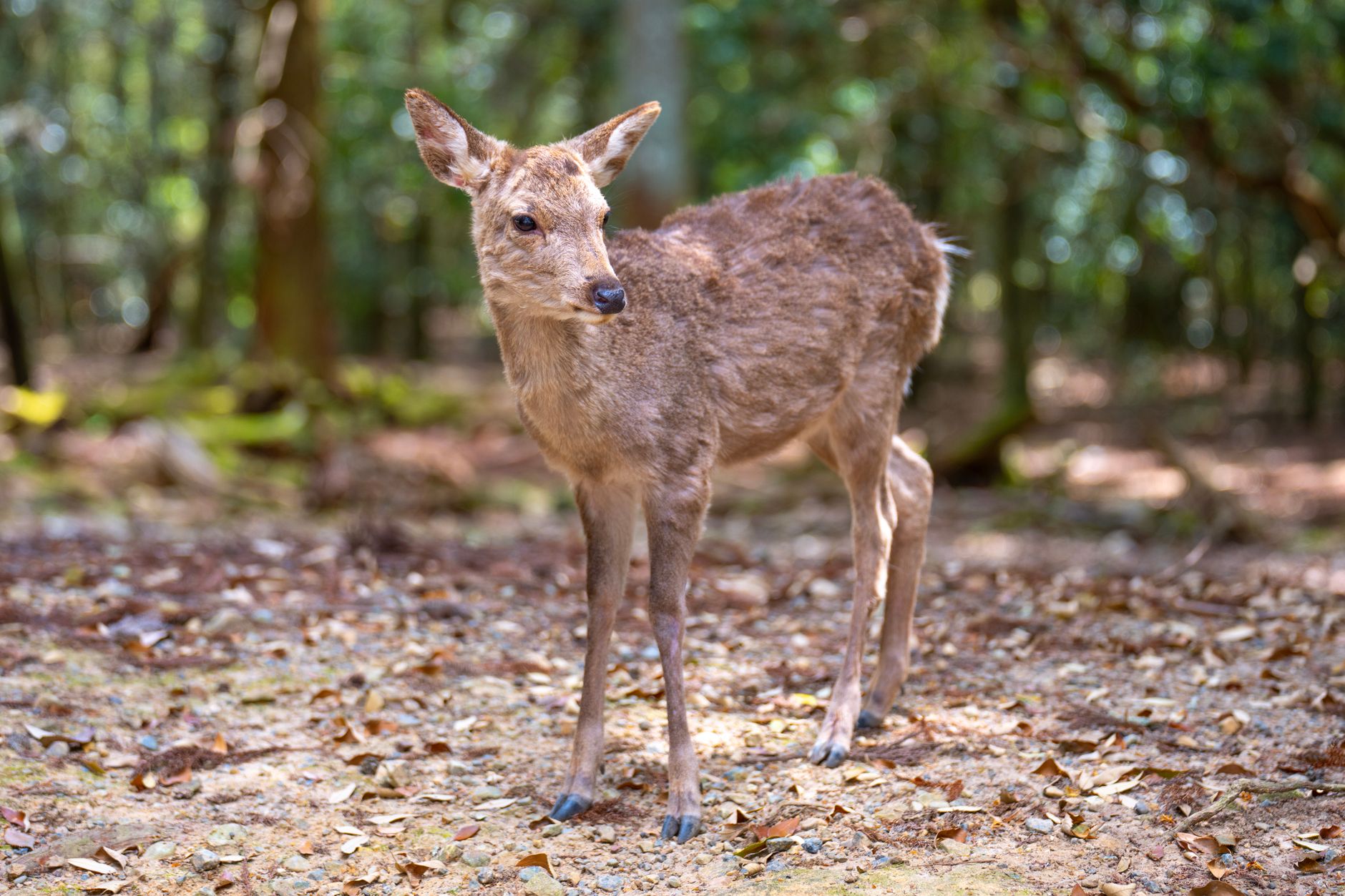
5. The Fire Ritual Hall
Nigatsu-do Hall, Nara, Japan
For over 1,250 years, this wooden hall has been the stage for the dramatic Omizutori fire and water ritual, held annually in March.
Perched on the hillside above Todai-ji, Nigatsu-do Hall is a breathtaking structure that offers panoramic views of Nara. While part of the Todai-ji complex, its elevated position means fewer crowds, especially early morning or late afternoon. The hall is famed for hosting the ancient Omizutori ceremony every March, involving huge flaming torches. Deer often congregate on the quiet pathways leading up to the hall, making for peaceful encounters against a stunning backdrop.
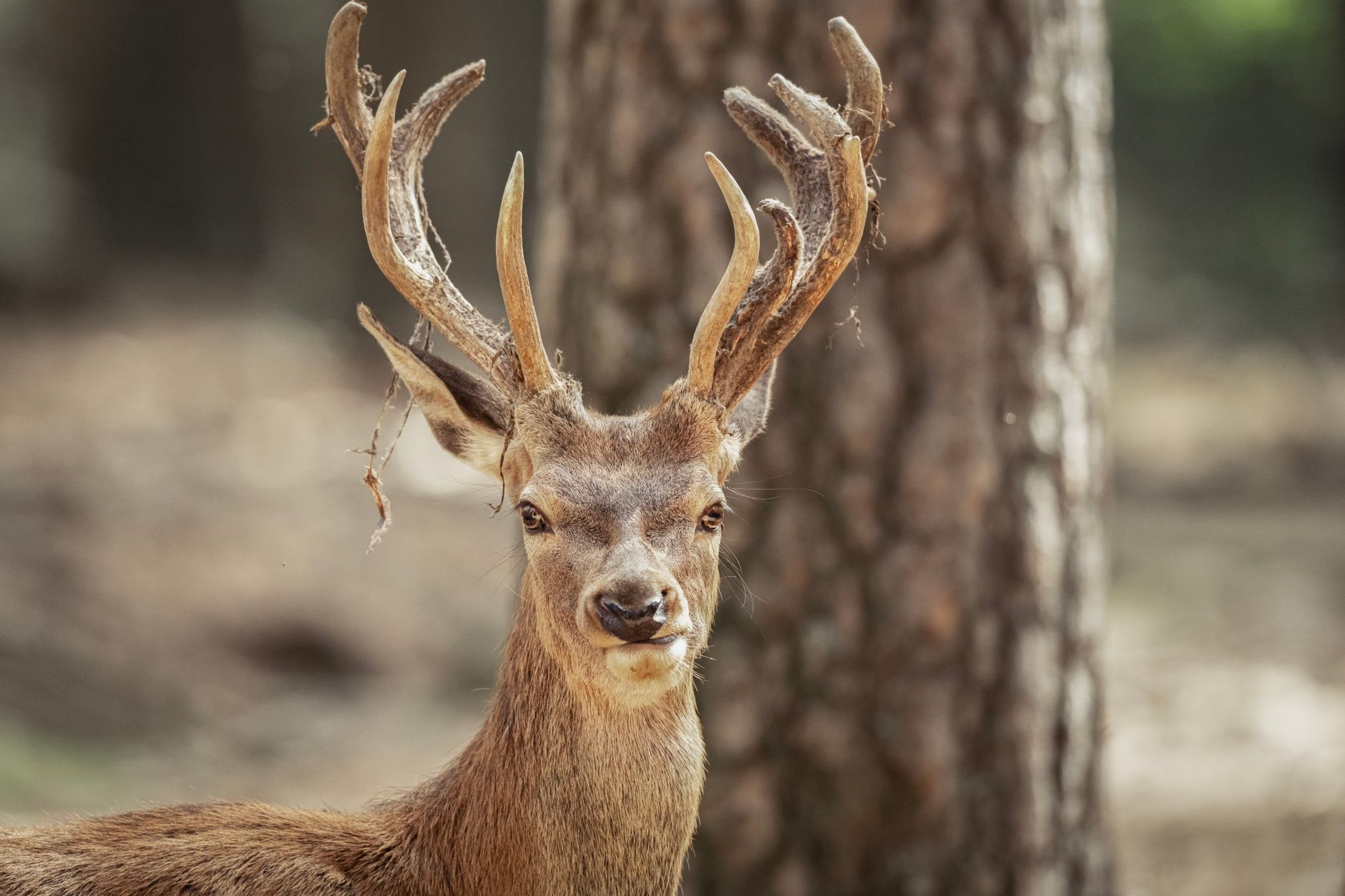
6. The Burning Mountain's Secret
Mount Wakakusa, Nara, Japan
This gentle mountain is annually set ablaze in a spectacular winter festival, concealing ancient kofun (burial mounds) beneath its grassy slopes.
For those seeking a wider perspective and a bit of a climb, Mount Wakakusa offers expansive views and a different kind of deer interaction. While famous for its annual 'Yamayaki' burning festival in January, it's a serene place for a walk during other seasons. The lower slopes are often dotted with deer grazing freely. Reaching the summit reveals not only stunning vistas but also several ancient burial mounds, adding a layer of historical intrigue to your tranquil encounter.
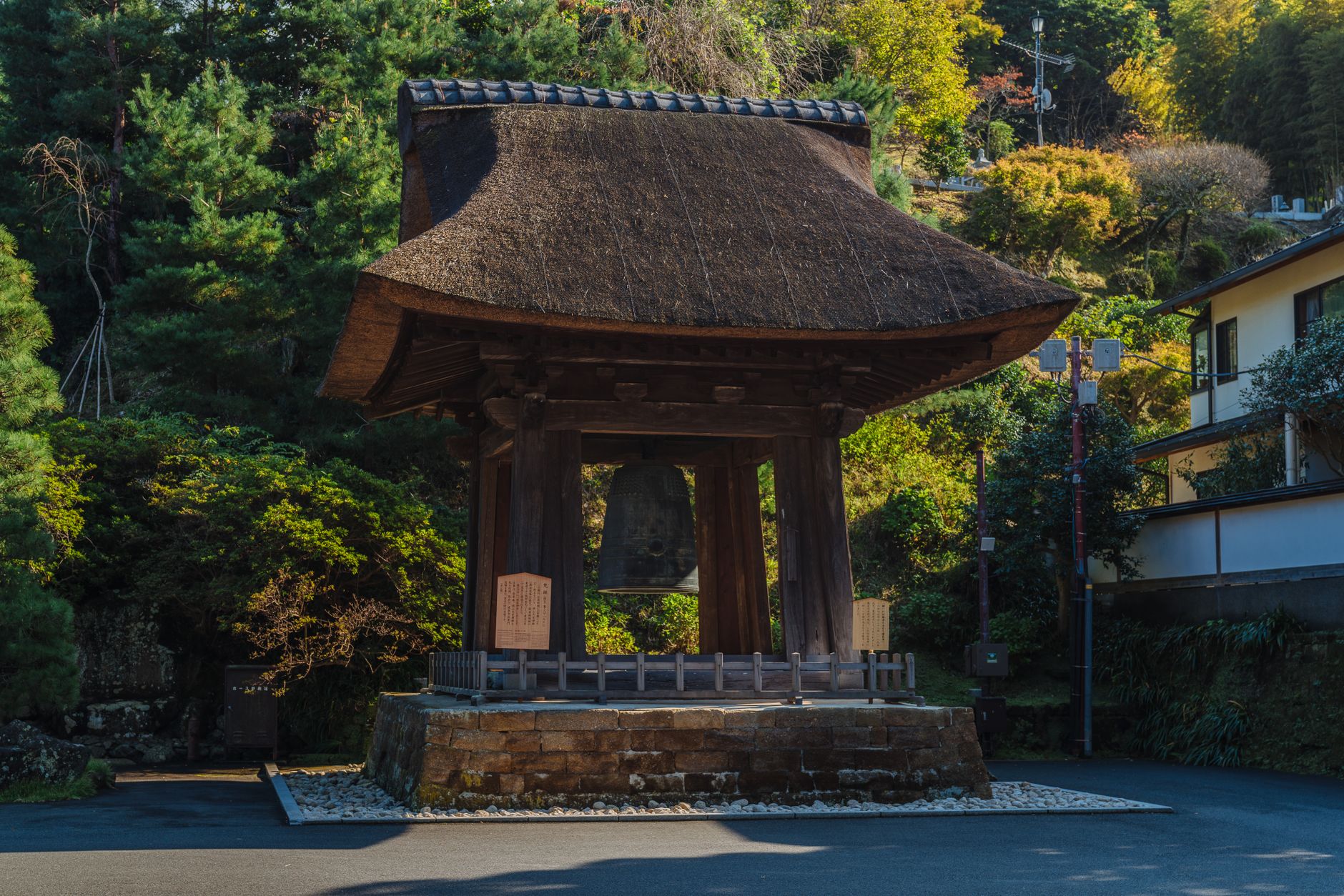
7. Japan's First Buddhist Temple
Gangō-ji Temple, Nara, Japan
This UNESCO World Heritage site is considered Japan's first true Buddhist temple, preserving original roof tiles from the 6th century.
Step back in time at Gangō-ji, a World Heritage site often overlooked by visitors rushing to Todai-ji. Originally founded in the 6th century, it was one of the powerful Seven Great Temples of Nara. While much of its original grandeur is gone, its quiet grounds and surviving structures, including a small pagoda and Zen garden, exude a profound sense of history. You can find sections of its original roof tiles, dating back to its founding. The surrounding residential streets are calm, and deer frequently wander onto its serene property, seeking quiet grazing spots.
Frequently asked questions
Are Nara's deer truly wild?
While they roam freely, Nara's deer are considered wild animals that have become accustomed to human presence, largely due to centuries of revered status. They are not pets and should be treated with respect and a safe distance.
Can I feed the deer in these less crowded areas?
Deer crackers (shika senbei) are sold throughout Nara. While you can offer them to deer, it's best to do so in moderation and observe their behavior. Avoid feeding them human food, as it can be harmful to their digestive systems.
What's the best time of day to see deer in these hidden gems?
Early mornings or late afternoons are generally best. The deer are often more active during these times, and the crowds are minimal, enhancing the peaceful atmosphere for both you and the wildlife.
How can AllTours.ai enhance my visit to these Nara sites?
AllTours.ai uses your phone camera to identify landmarks and natural features, instantly narrating their history, geology, and culture in your language. It’s like having a personal expert guide pointing out stories you'd otherwise miss in these tranquil Nara locations, bringing every detail to life.
Related guides
Photography via Pexels. AllTours.ai is an AI audio tour guide — point your camera at any landscape and hear its story.