November 1, 2026 · 4 min read
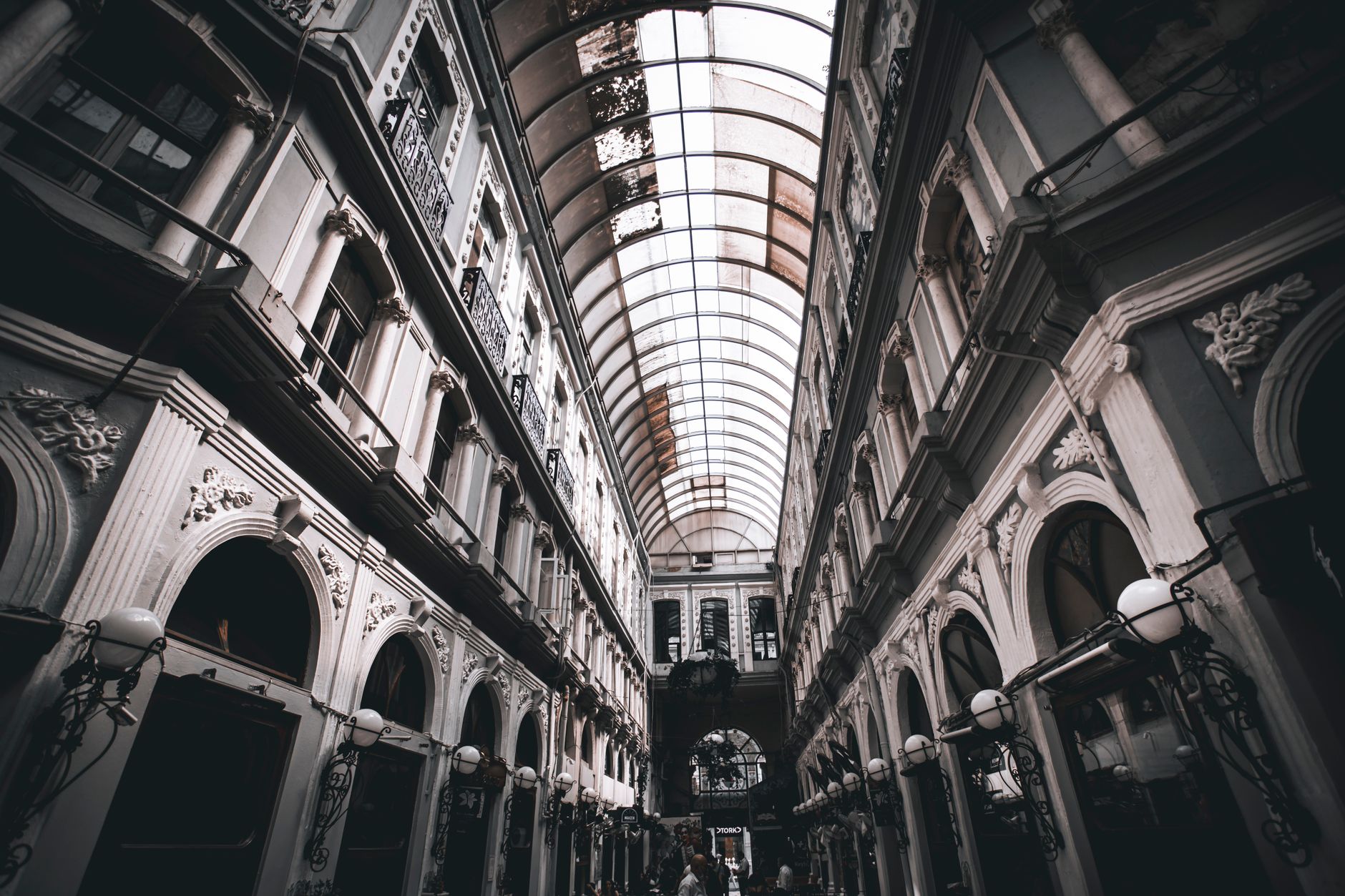
Autumn in Paris brings a crispness to the air, painting the city's parks in fiery hues. While the grand boulevards and iconic landmarks draw crowds, the true magic of a Parisian autumn often hides behind unassuming facades: the city's historic covered passages. These elegant arcades, remnants of 19th-century urban planning, offer a cozy retreat from the elements, each a micro-universe brimming with unique shops, charming cafes, and captivating stories.
More than just sheltered walkways, these passages are time capsules. They reveal layers of history, from early consumerism and architectural innovation to forgotten industries and diverse cultural enclaves. Exploring them on a cool autumn day provides a unique glimpse into a Paris that often goes unnoticed, inviting you to slow down and uncover the hidden narratives etched into their ornate ceilings and mosaic floors.
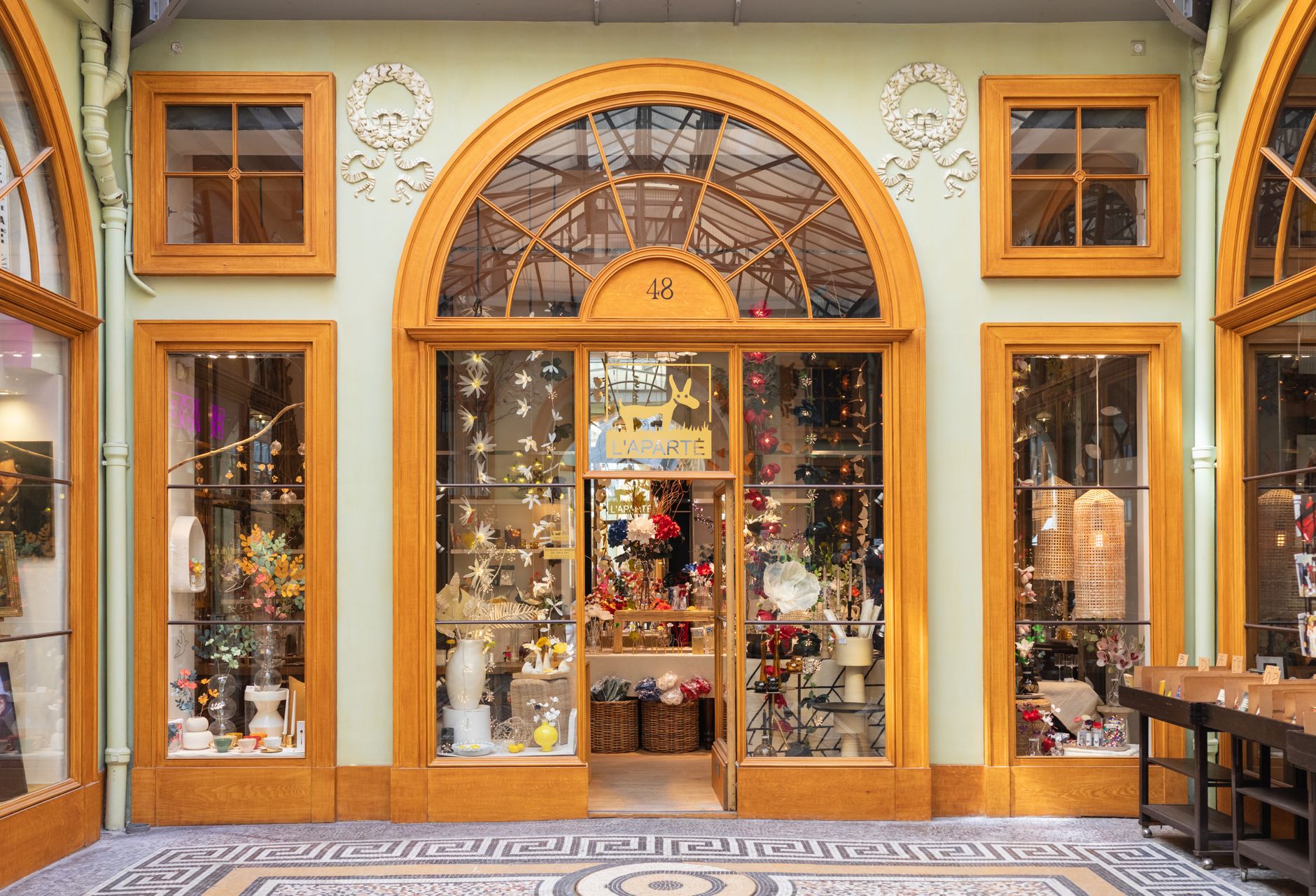
1. The Birthplace of Postcards: Passage des Panoramas
Passage des Panoramas, Paris, France
This passage was an early hub for innovative businesses, including the printing of the world's first picture postcards.
Opened in 1800, Passage des Panoramas is one of Paris's oldest covered passages and a testament to early commercial ingenuity. It housed the famous 'panoramas' – large circular paintings offering immersive views of distant cities, a popular form of entertainment before cinema. Later, the passage became a significant center for stamp and coin collectors, and remarkably, was home to the pioneering printer who developed and popularized the picture postcard in the late 19th century.
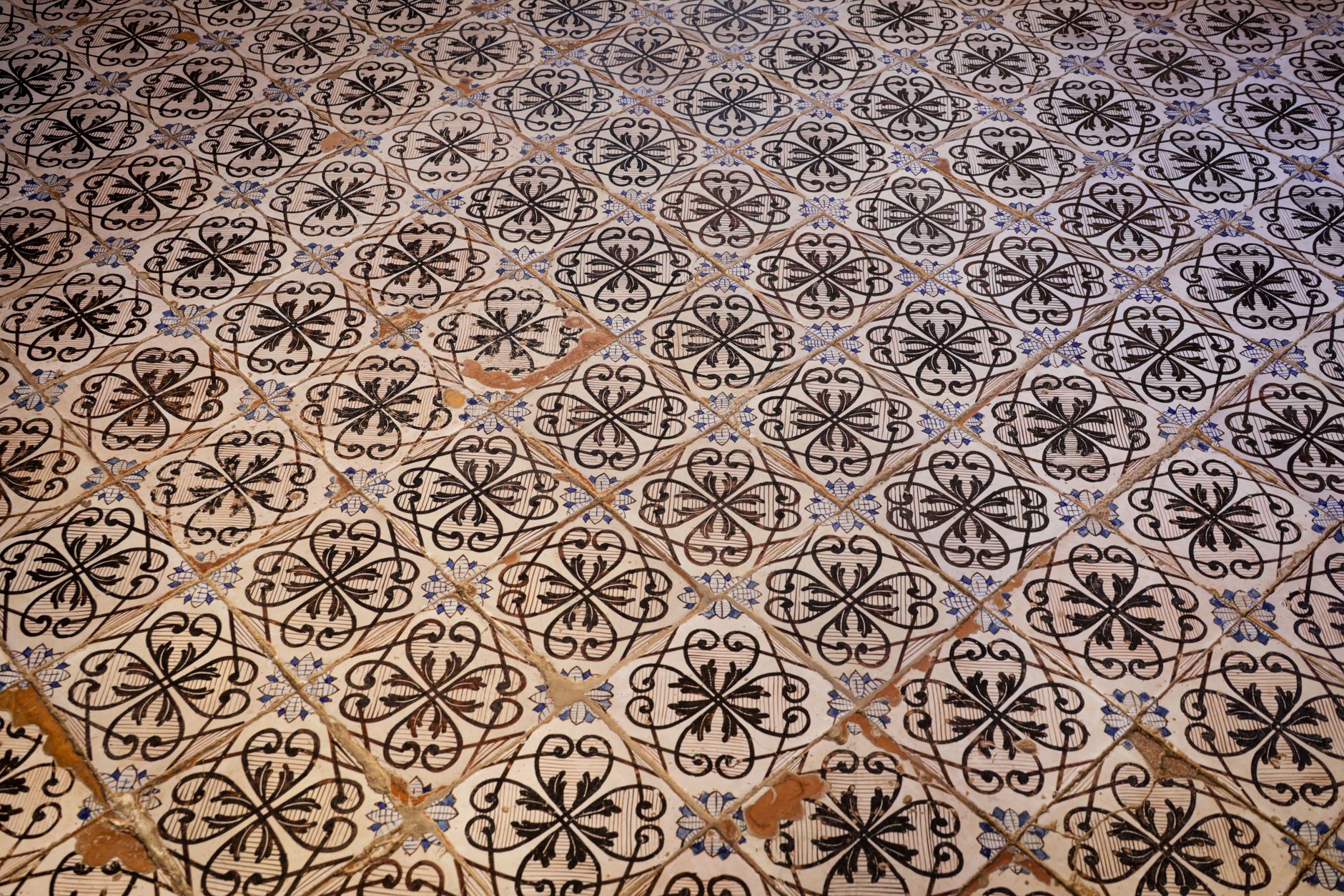
2. The Elegant Showcase: Galerie Vivienne
Galerie Vivienne, Paris, France
Once a rival to the Palais-Royal, this passage was a fashionable hub for high society and political intrigue.
Opened in 1823, Galerie Vivienne dazzles with its neoclassical architecture, intricate mosaic floors, and impressive glass roof. It quickly became one of Paris's most elegant and sought-after shopping destinations, attracting aristocrats and politicians alike. While no longer a political hotspot, it retains its luxurious charm, housing haute couture boutiques, antique bookshops, and a renowned wine merchant, reminding visitors of its opulent past.
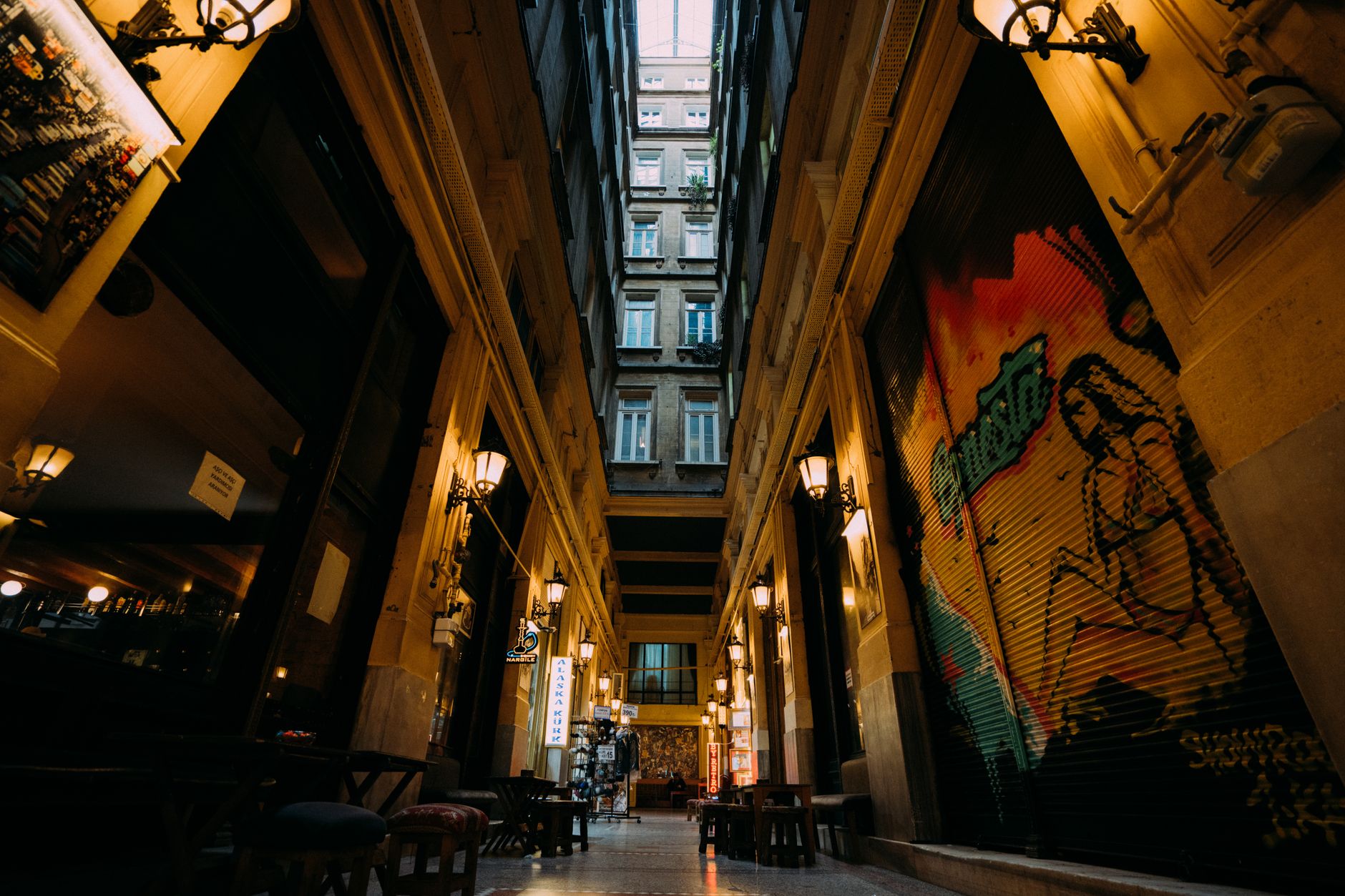
3. The Tallest and Brightest: Passage du Grand Cerf
Passage du Grand Cerf, Paris, France
Boasting the tallest glass roof of all Parisian passages, it was originally built on the site of a historic inn.
Opened in 1825, Passage du Grand Cerf stands out with its exceptional height and abundant natural light, thanks to its impressive glass ceiling. Built on the former site of the 'Grand Cerf' inn, a well-known stop for travelers, this passage has evolved into a haven for artisan workshops, designers, and unique boutiques. Its airy feel and artistic focus offer a distinct contrast to some of the city's more ornate passages, highlighting creativity and craftsmanship.
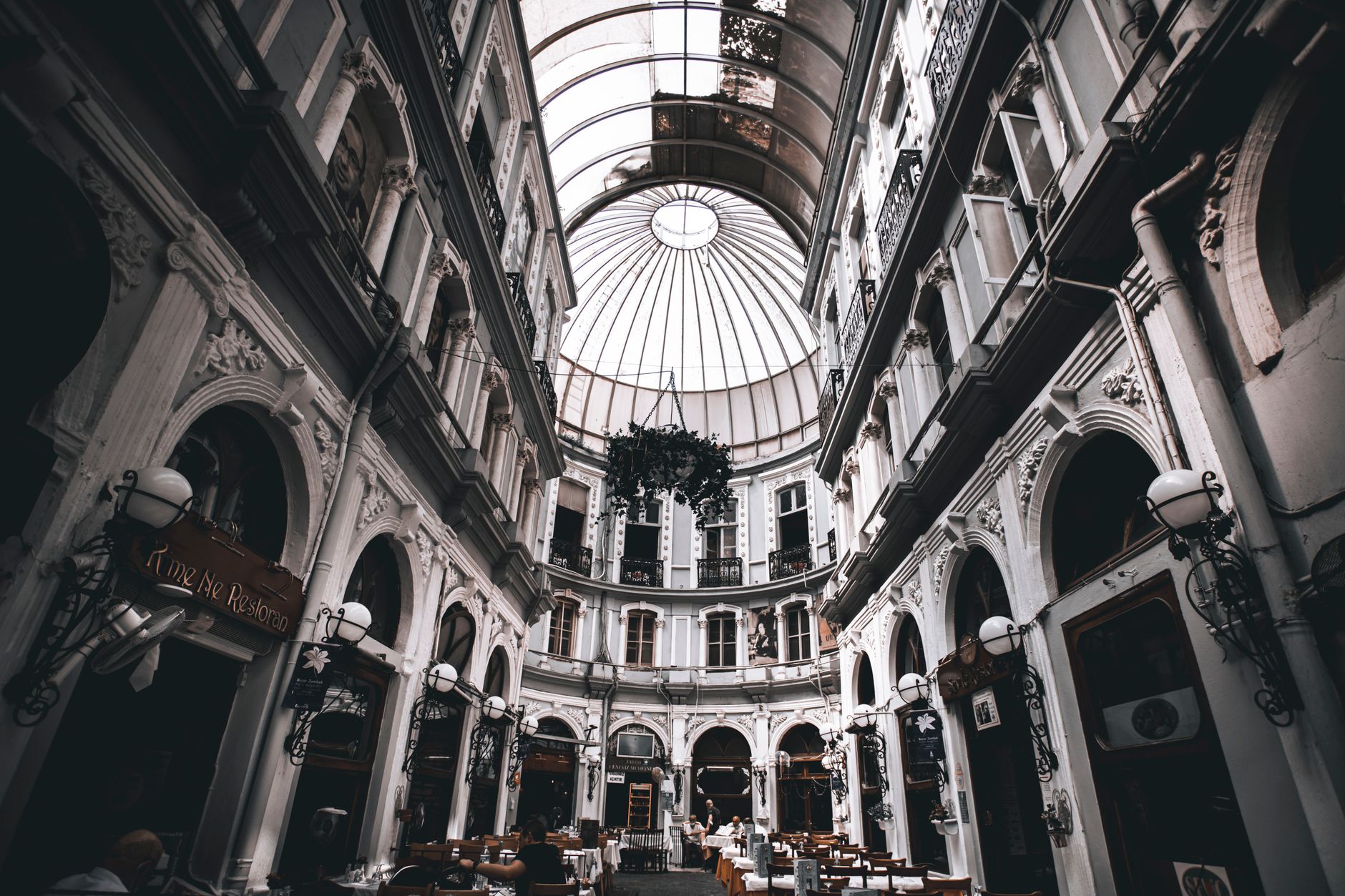
4. Paris's First Heated Arcade: Passage Jouffroy
Passage Jouffroy, Paris, France
This passage was a marvel of 19th-century engineering, being the first in Paris to be entirely built of metal and glass, and the first to feature underfloor heating.
Inaugurated in 1845, Passage Jouffroy represented a leap in architectural innovation. Its fully glazed roof and metal structure were revolutionary, but even more groundbreaking was its pioneering use of underfloor heating, a luxury for shoppers in its era. It is also home to the famous Musée Grévin, a wax museum that opened in 1882, making it a destination for entertainment as well as commerce. The passage still retains its original charm with old-world toy shops and bookstores.
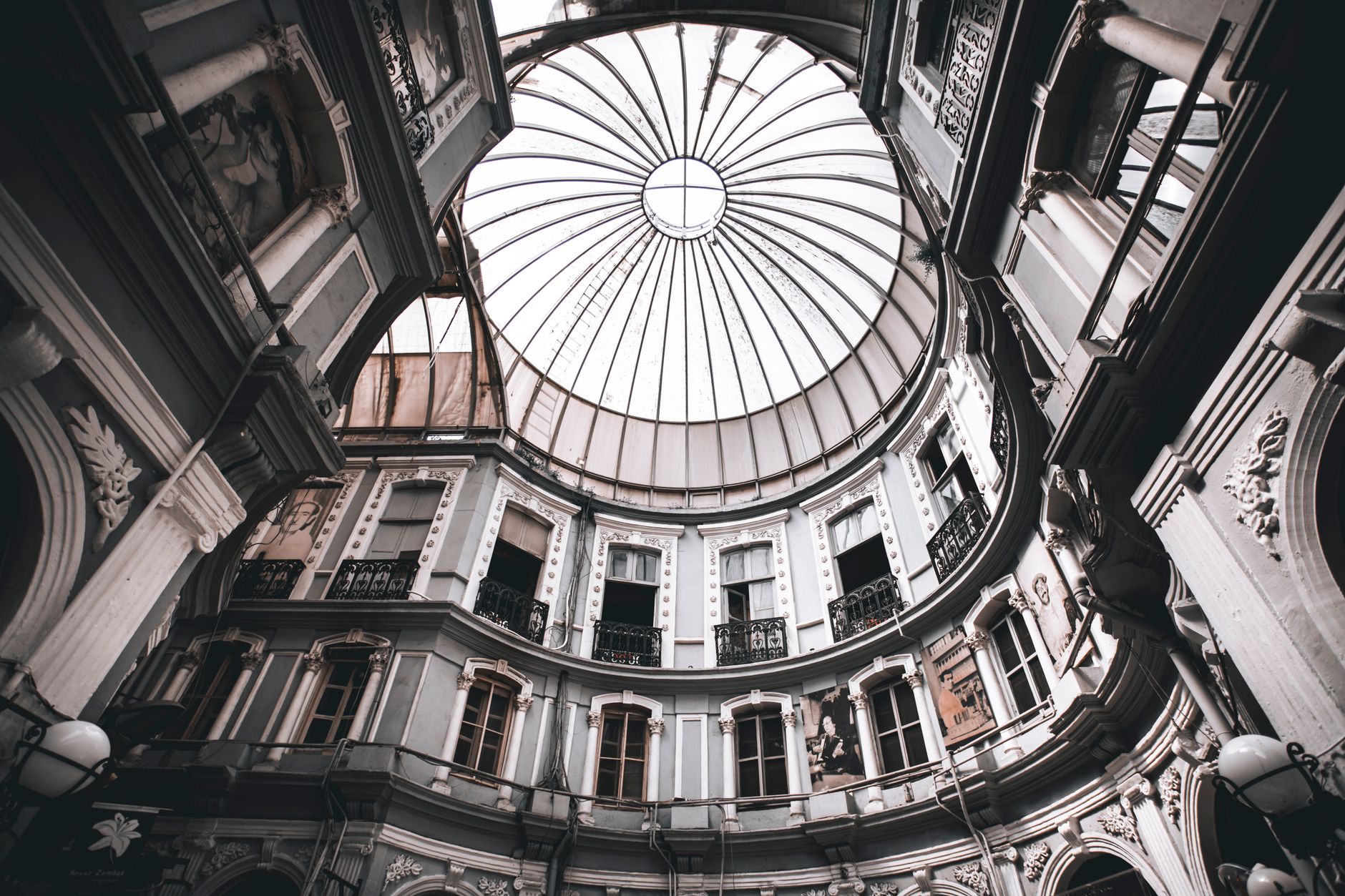
5. The Textile Trade's Legacy: Passage du Caire
Passage du Caire, Paris, France
The longest and perhaps oldest surviving covered passage, it was built to commemorate Napoleon's Egyptian campaign, influencing its name and decor.
Dating back to 1798, Passage du Caire is considered the longest and arguably the oldest surviving covered passage in Paris. Its name and Egyptian-themed details, like the statues of Hathor, celebrate Napoleon Bonaparte's campaign in Egypt. Historically, it was a bustling center for the textile industry, and while many textile wholesalers remain, the passage offers a glimpse into Paris's industrial past, a stark contrast to the city's more luxurious arcades.
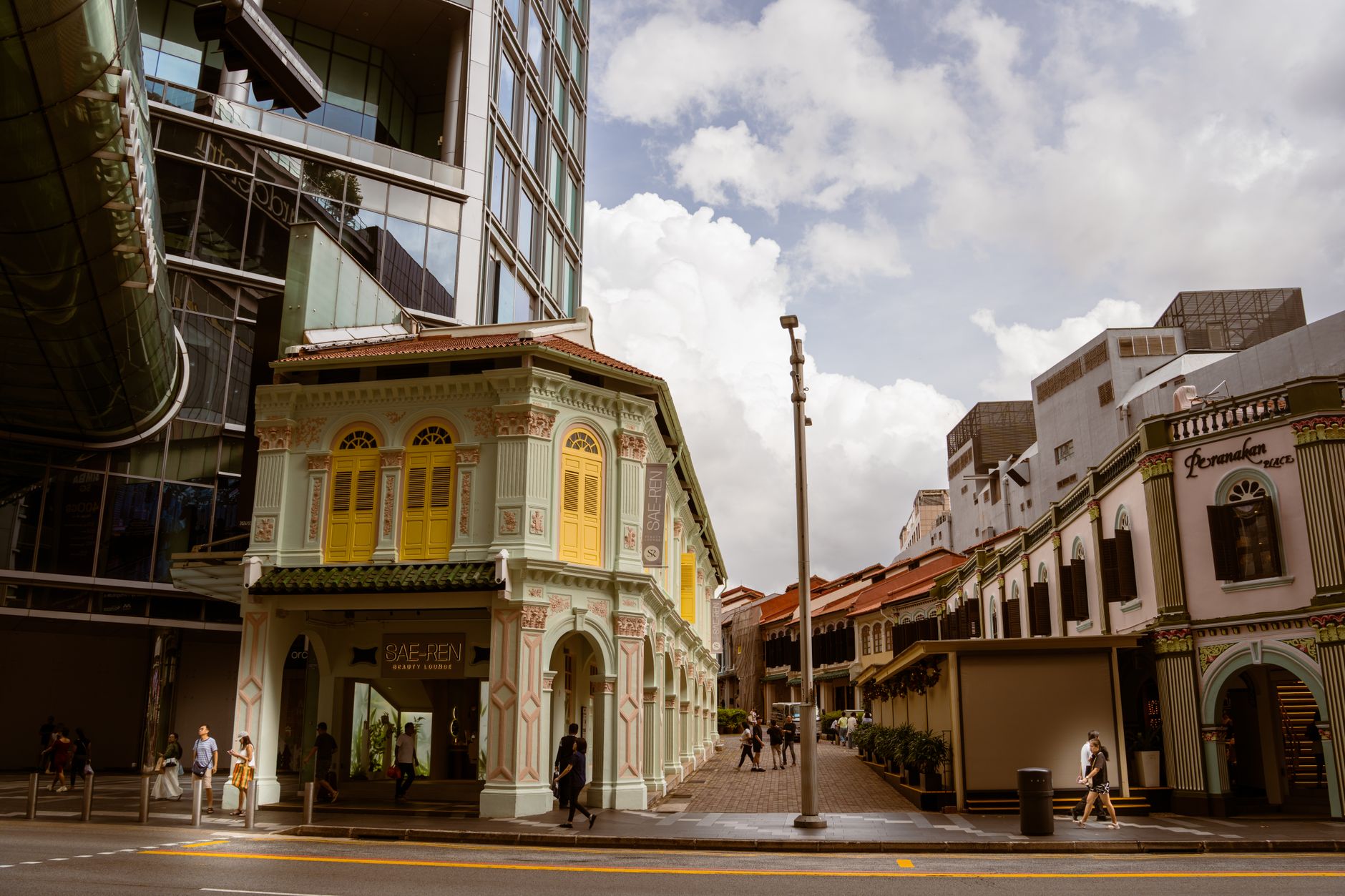
6. The Parisian 'Little India': Passage Brady
Passage Brady, Paris, France
This passage offers a vibrant sensory experience, housing a concentrated hub of Indian, Pakistani, and Mauritian culture and cuisine.
Opened in 1828, Passage Brady is famously known as Paris's 'Little India,' a truly unique cultural enclave within the city. Unlike its more elegant counterparts, Passage Brady is a kaleidoscope of vibrant colors, aromatic spices, and lively sounds. It hosts numerous Indian, Pakistani, and Mauritian restaurants, grocery stores, and textile shops, offering an authentic taste of South Asian culture right in the heart of Paris. It’s a wonderful place to experience a different side of the city's culinary landscape.
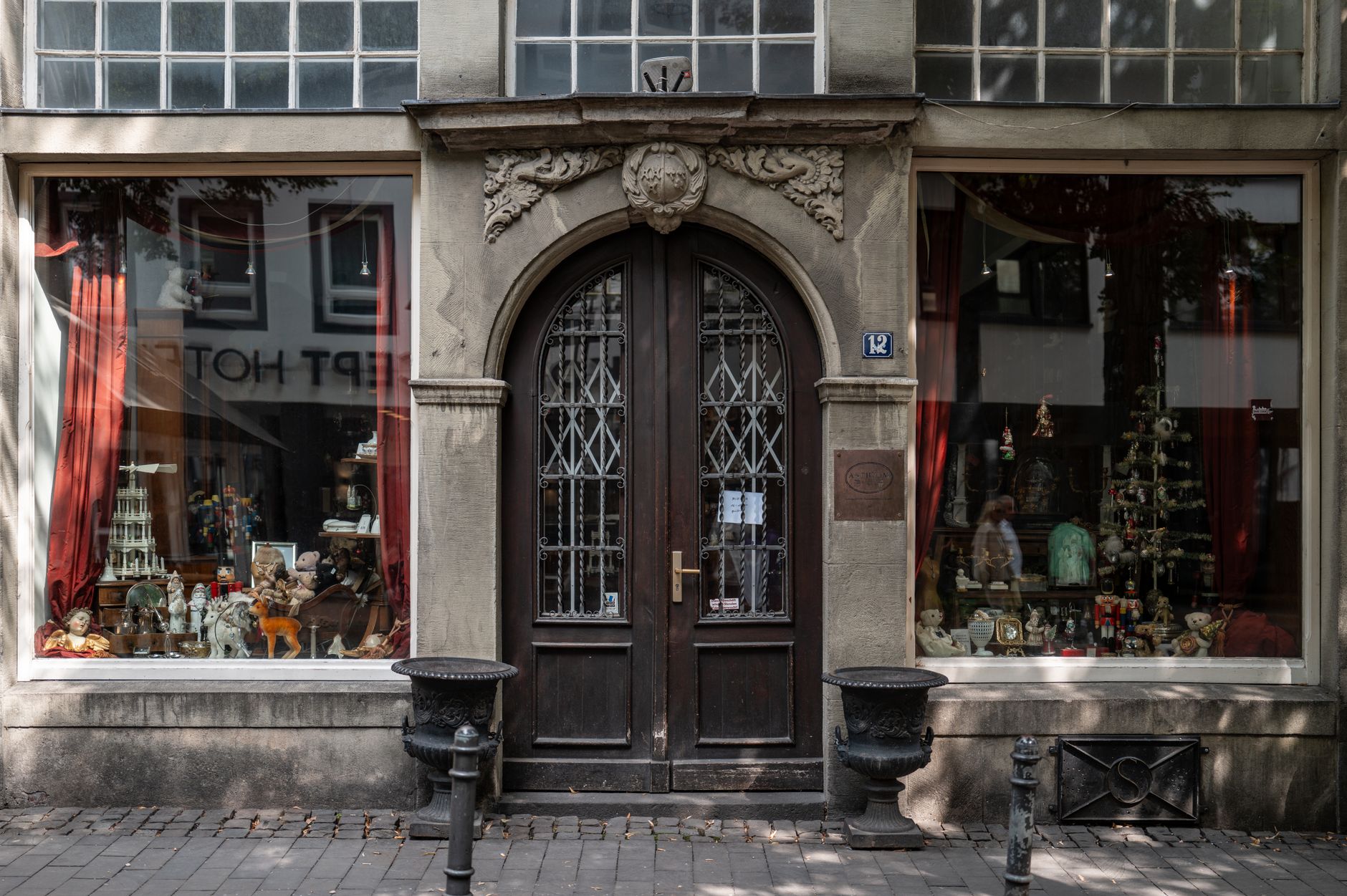
7. The Collector's Quiet Retreat: Passage Verdeau
Passage Verdeau, Paris, France
Often overlooked, this quiet passage is a haven for antique dealers and collectors, preserving a distinctly old-world atmosphere.
Opened in 1847, Passage Verdeau offers a peaceful contrast to its more bustling neighbors. Its tranquil ambiance makes it a favorite among antique lovers, housing numerous dealers specializing in old books, prints, and collectibles. The passage has retained much of its original character, with its beautiful glass roof and classic architecture. It provides a serene escape and a unique opportunity to browse treasures from bygone eras.
8. Luxury in Black and White: Galerie Véro-Dodat
Galerie Véro-Dodat, Paris, France
This opulent passage was one of the first Parisian locations to be lit by gas, a true sign of its early 19th-century luxury.
Inaugurated in 1826, Galerie Véro-Dodat exudes a refined elegance with its striking black and white marble checkerboard floor, neoclassical statues, and painted ceilings. It was built with the specific intention of attracting a wealthy clientele, and its early adoption of gas lighting showcased its cutting-edge luxury. Today, it continues to host upscale boutiques, art galleries, and antique shops, maintaining its reputation as a sophisticated Parisian gem.
Frequently asked questions
What is the best time of year to visit Paris's covered passages?
Autumn is particularly ideal, as the crisp weather makes these glass-roofed arcades a welcome escape. Their cozy atmosphere and the soft, diffused light filtering through the glass create a perfect setting for exploration. They also offer shelter on rainy or colder days.
Are Paris's covered passages free to enter?
Yes, almost all of Paris's covered passages are free to enter and explore. They are public thoroughfares, much like streets, but with the added charm of a roof and unique shops. Some may have specific opening hours, typically aligning with business hours.
What kind of shops can I find in these passages?
The shops vary widely from passage to passage. You might find antique dealers, rare bookshops, stamp and coin collectors, art galleries, artisan workshops, fashion boutiques, cafes, restaurants, and even specialized food stores. Each passage has its own distinct character and offerings.
How can AllTours.ai enhance my exploration of these passages?
With AllTours.ai, you can simply point your phone camera at a passage or any landmark within it. The app will then narrate its rich history, architectural details, and cultural significance in your preferred language, transforming your visit into an immersive storytelling experience.
Related guides
Photography via Pexels. AllTours.ai is an AI audio tour guide — point your camera at any landscape and hear its story.