September 29, 2026 · 4 min read
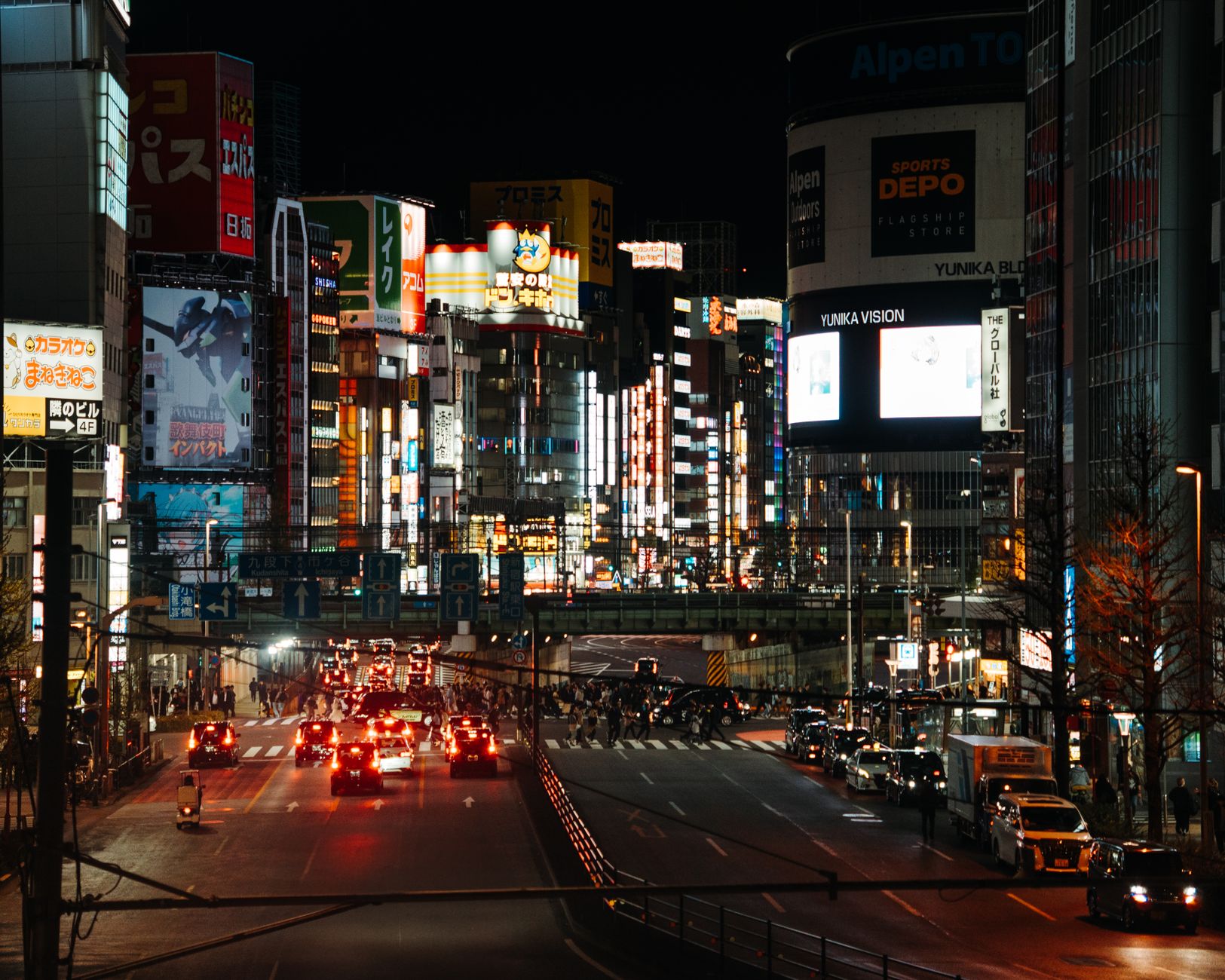
Shinjuku, a dazzling heart of Tokyo, often conjures images of towering skyscrapers, bustling train stations, and the vibrant chaos of Kabukicho. Yet, beyond the well-trodden paths lies a mosaic of unexpected histories, cultural pockets, and surprising urban oases waiting to be discovered.
For the curious traveler eager to peel back the layers of this dynamic district, there's more to explore than meets the eye. From alleys steeped in post-war lore to serene gardens with imperial connections, Shinjuku offers a treasure trove of unique experiences that reveal its multifaceted soul.
1. Savor History at Omoide Yokocho
Shinjuku, Japan
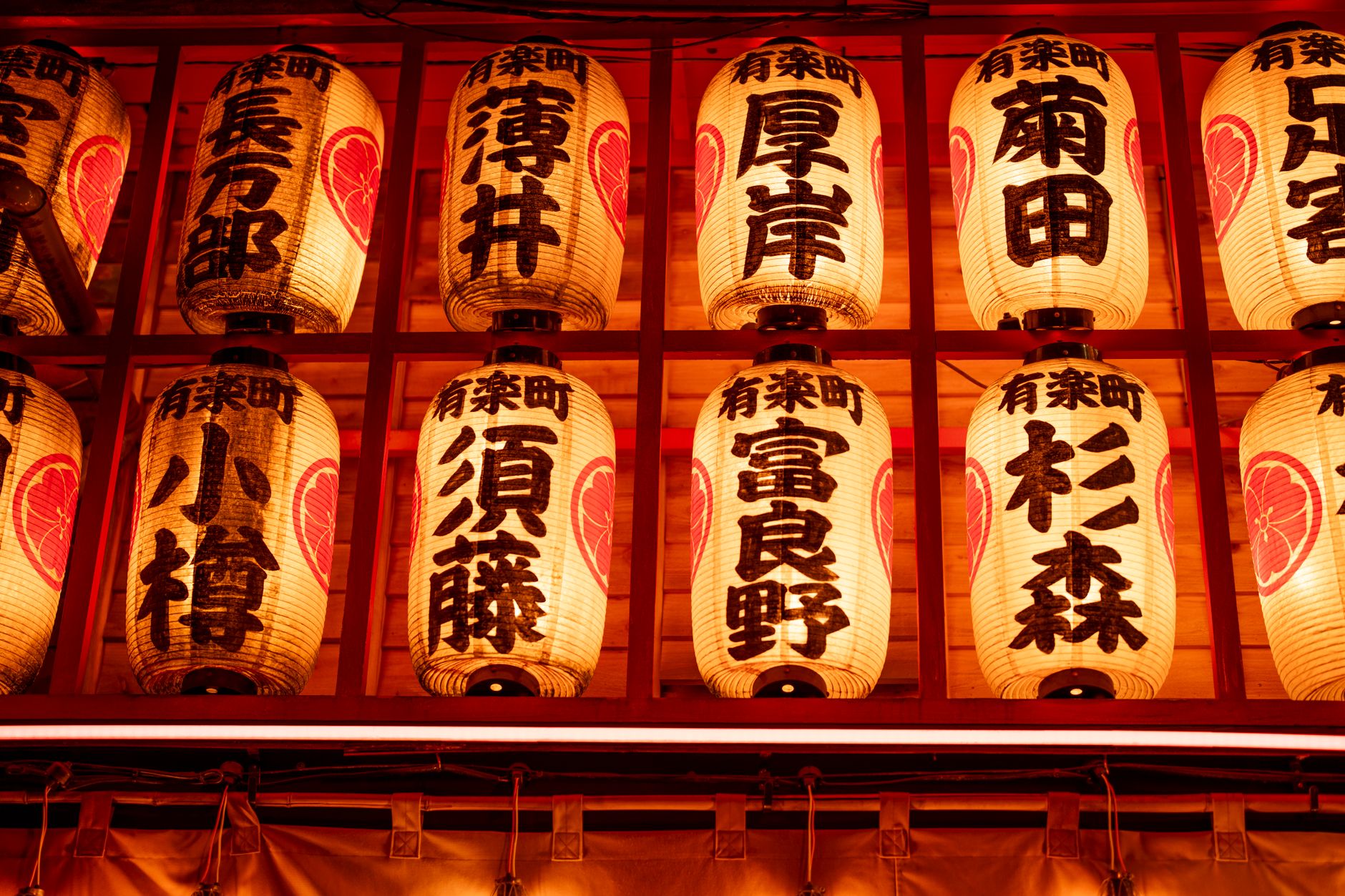
Did you know this bustling alley of tiny eateries started as a post-war black market for cheap food and drink?
Nestled near Shinjuku Station, Omoide Yokocho, or 'Memory Lane,' is a nostalgic maze of narrow passageways lined with yakitori stalls and ramen shops. It originated in the immediate post-war period as an illicit marketplace, a place where people found sustenance amidst scarcity. Today, it retains its gritty, old-Tokyo charm, with smoke curling from grills and the chatter of diners spilling out from tiny establishments, offering a taste of Tokyo's resilient past.
2. Experience Rakugo at Shinjuku Suehirotei
Shinjuku, Japan
This unassuming theater is one of Tokyo's last bastions of traditional *rakugo* storytelling, a comedic art form dating back to the Edo period.
Shinjuku Suehirotei stands as a living testament to Japan's performing arts. Since 1897, this traditional wooden theater has hosted daily *rakugo* performances, where a single storyteller, seated on a cushion, captivates audiences with humorous tales and vivid characterizations using only a fan and a hand towel. Experiencing a show here offers a rare, authentic glimpse into a centuries-old comedic tradition that continues to thrive amidst modern Tokyo.
3. Uncover Hanazono Shrine's Secrets
Shinjuku, Japan
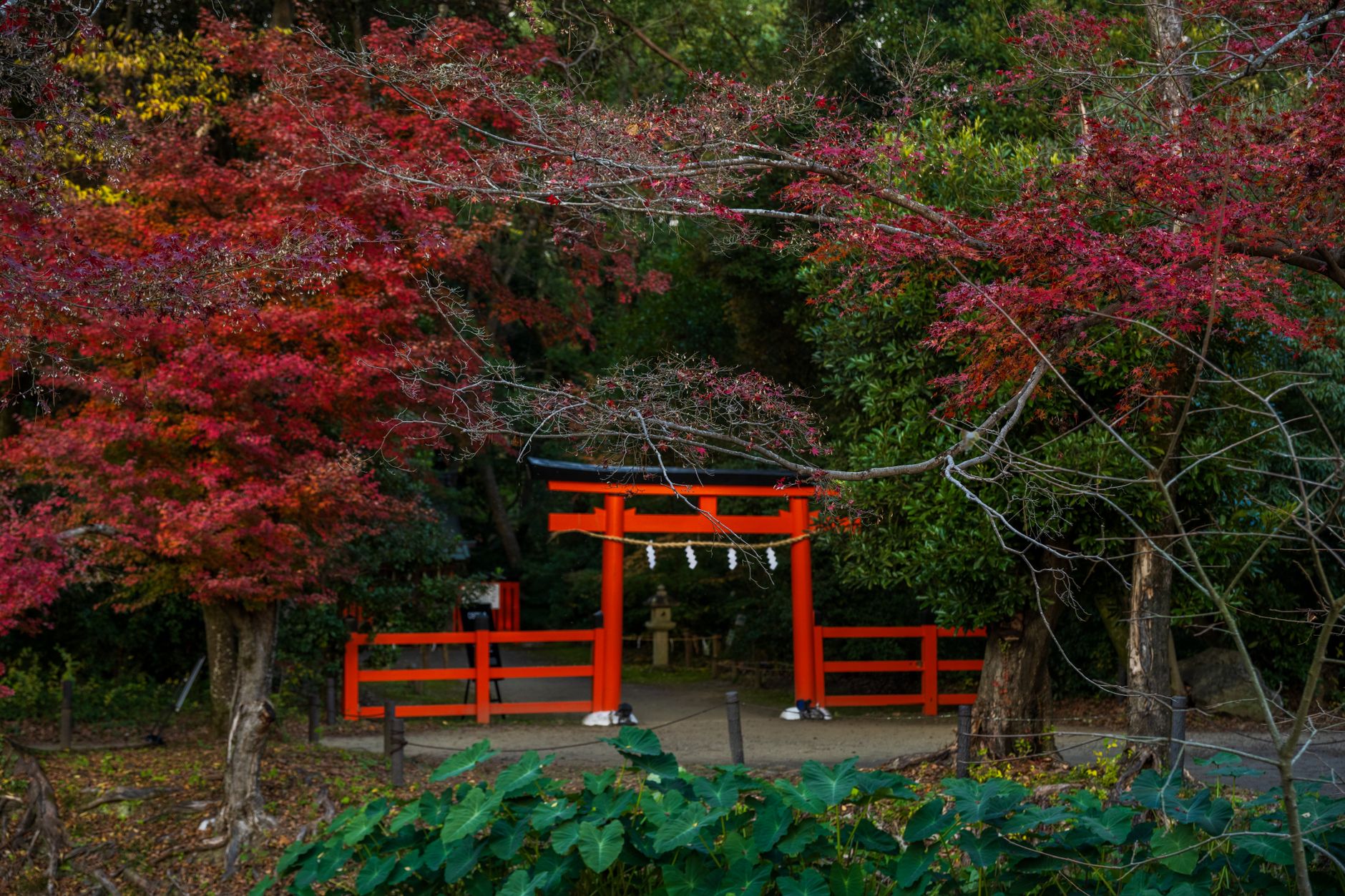
Amidst the urban sprawl, this shrine once served as a spiritual guardian for the red-light district and was frequented by kabuki actors for good fortune.
Hanazono Shrine, a vibrant oasis of calm, dates back to the 17th century. Historically, it was the guardian shrine for the bustling Kabukicho area, drawing patrons and performers alike. Its grounds often host lively festivals, and on Sundays, a charming antique market springs up, offering unique finds. Exploring its serene pathways and vermillion gates reveals a hidden spiritual heart beating quietly within Shinjuku's energetic core.
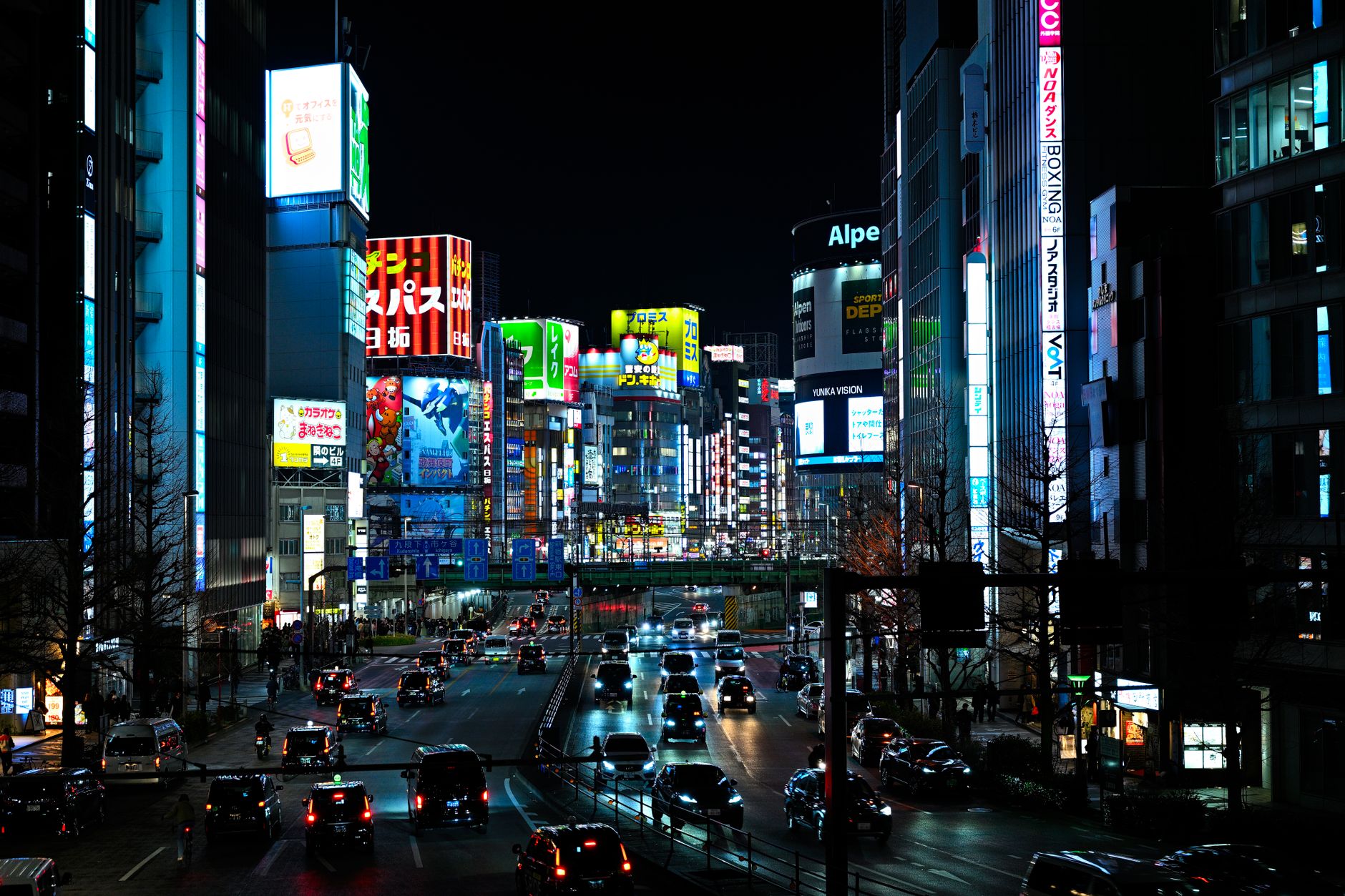
4. Dive into Shinjuku Ni-chome's History
Shinjuku, Japan
This vibrant district, home to thousands of bars, became Asia's largest LGBTQ+ hub through decades of quiet community building and resilience.
Shinjuku Ni-chome is more than just a nightlife district; it's a profound cultural landmark. From humble beginnings in the post-war era, it organically evolved into Asia's largest and most diverse LGBTQ+ neighborhood. Its myriad of tiny bars, clubs, and cafes provide a unique sense of community and acceptance. Visiting Ni-chome offers a fascinating look into a resilient subculture that built its own haven against the backdrop of a sprawling metropolis.
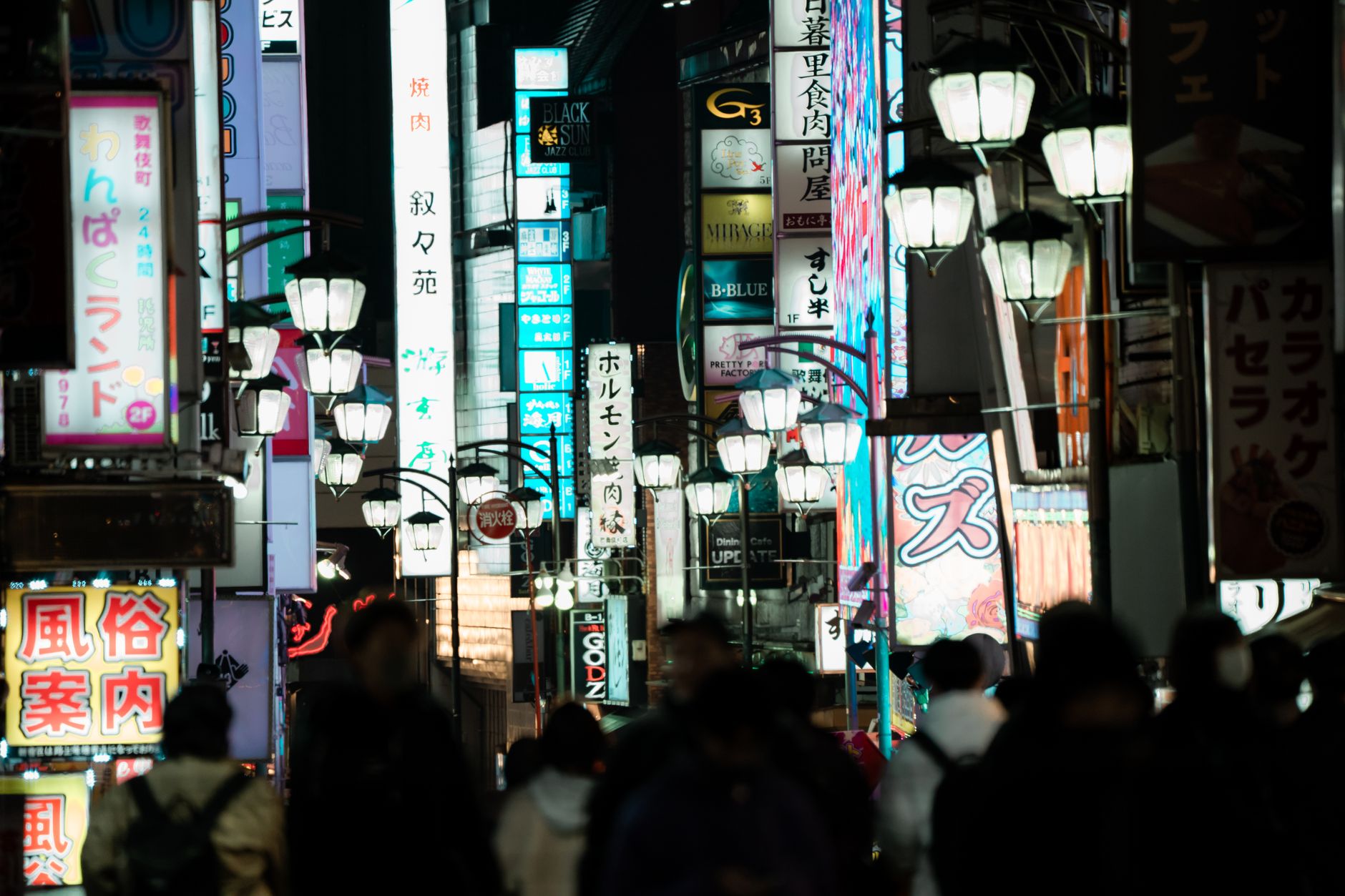
5. Wander the Iconic Golden Gai
Shinjuku, Japan
Each of Golden Gai's tiny bars was once a haunt for struggling writers, artists, and actors in post-war Tokyo, forming a unique bohemian enclave.
Golden Gai is a network of six narrow alleys packed with over 200 tiny shanty-style bars, each with its own distinct personality. In the post-war decades, it became a legendary gathering spot for Tokyo's intellectual and artistic crowd, a place where creatives exchanged ideas over drinks. Despite numerous redevelopment threats, Golden Gai has fiercely maintained its unique character, offering an intimate, almost clandestine, nightlife experience unlike anywhere else in the city.
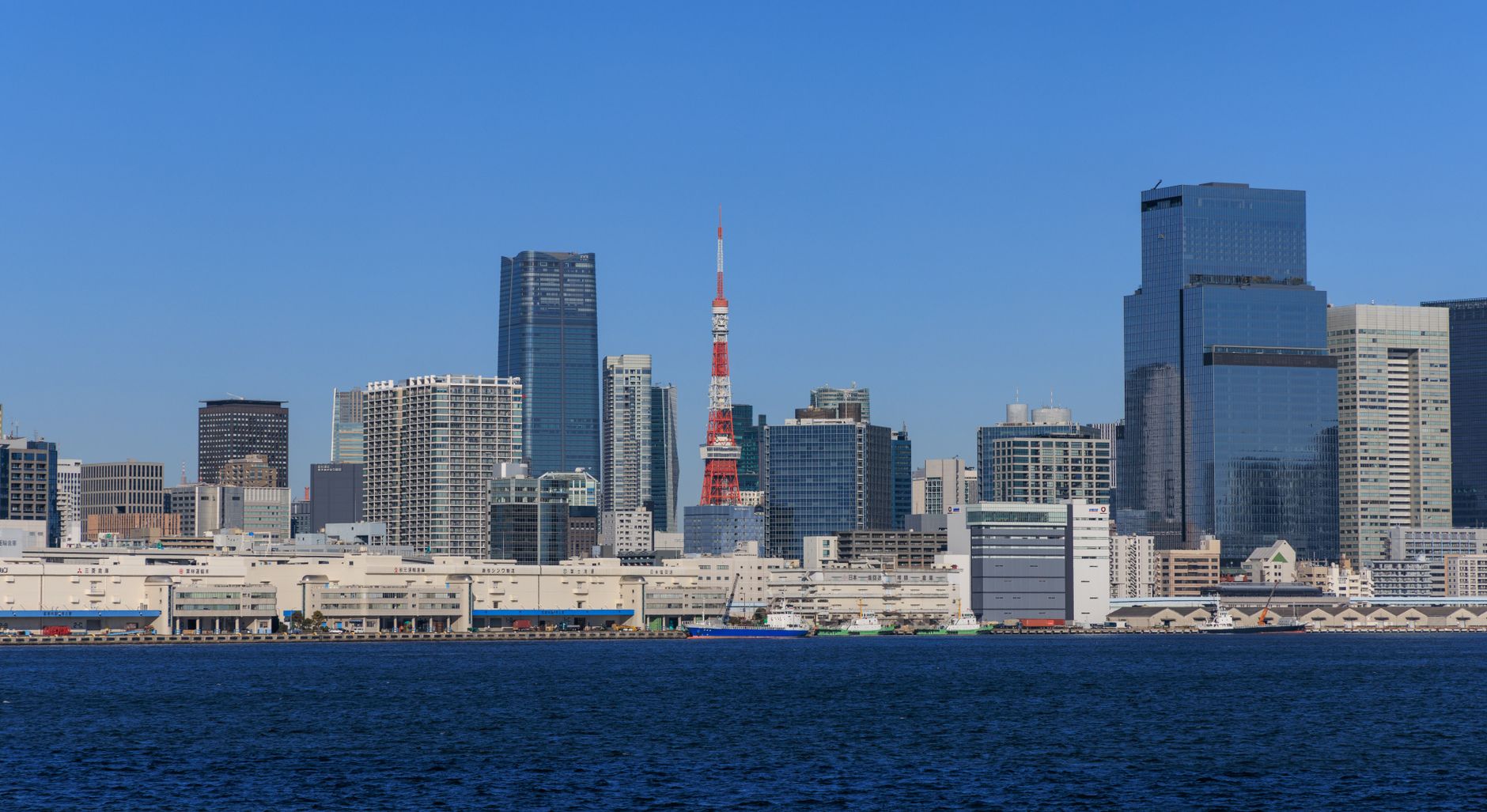
6. Explore Tokyo Opera City Tower
Shinjuku, Japan
Beyond its modern facade, this tower houses a world-class concert hall whose perfect acoustics were designed by a renowned acoustician and feature a unique pyramidal ceiling.
Often overshadowed by the more famous Tokyo Metropolitan Government Building, Tokyo Opera City Tower offers a different kind of cultural elevation. Opened in 1997, it's a complex dedicated to performing arts and contemporary art, featuring a stunning concert hall renowned for its acoustic excellence. Its art gallery and diverse restaurants make it a sophisticated alternative for panoramic views and cultural immersion, attracting those seeking refined experiences.
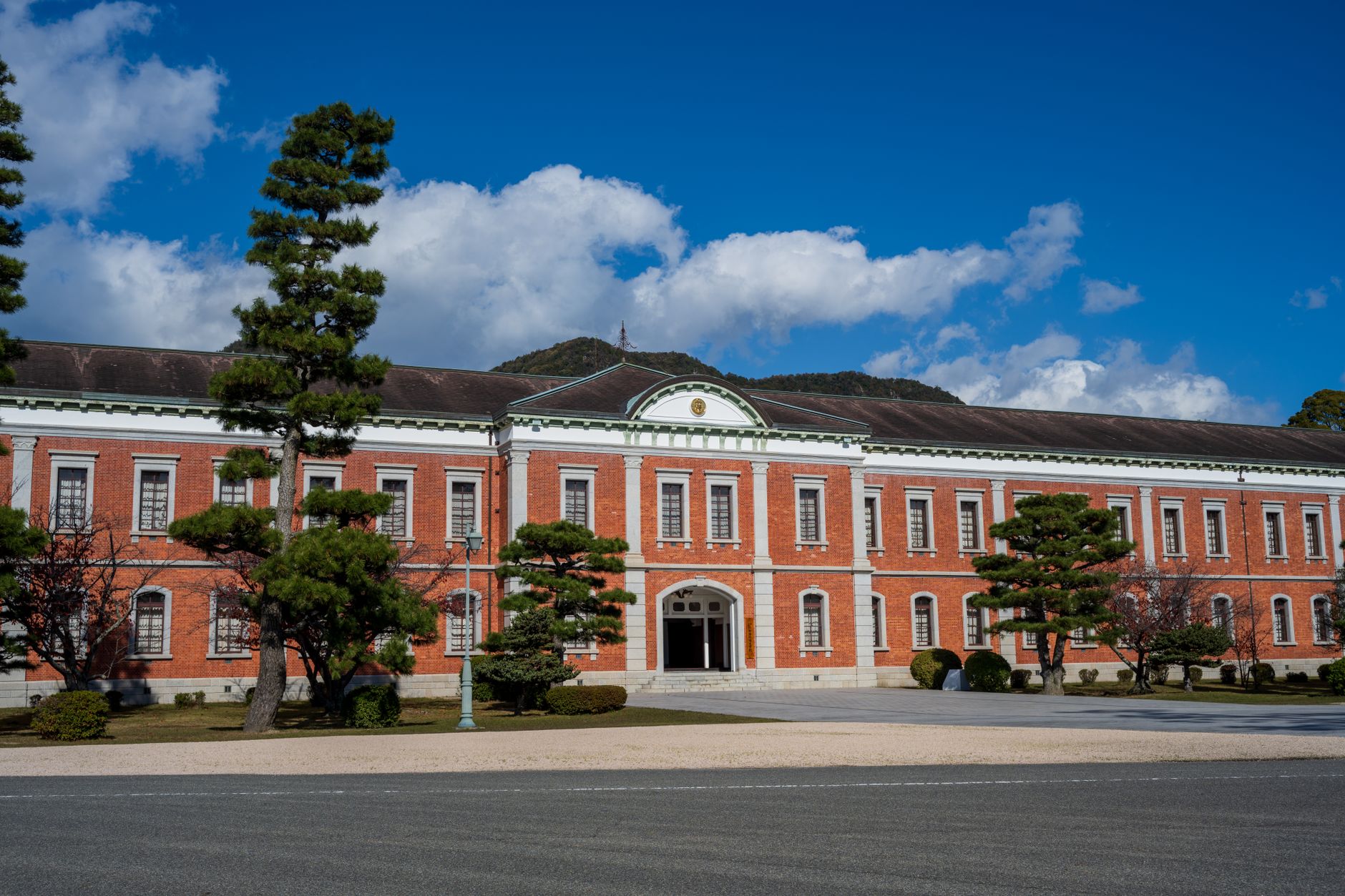
7. Journey Through Shinjuku's Past at the Historical Museum
Shinjuku, Japan
Before the skyscrapers, Shinjuku was a crucial Edo-period post town, a history often overlooked but meticulously preserved in this local museum.
For a deep dive into the district's lesser-known origins, the Shinjuku Historical Museum is an essential stop. It traces Shinjuku's evolution from a rural Edo-period post town on the Kōshū Kaidō route to the bustling metropolis it is today. Exhibits showcase artifacts from daily life, wartime experiences, and the development of its iconic urban landscape, providing a rich, contextual understanding of the area's incredible transformation.
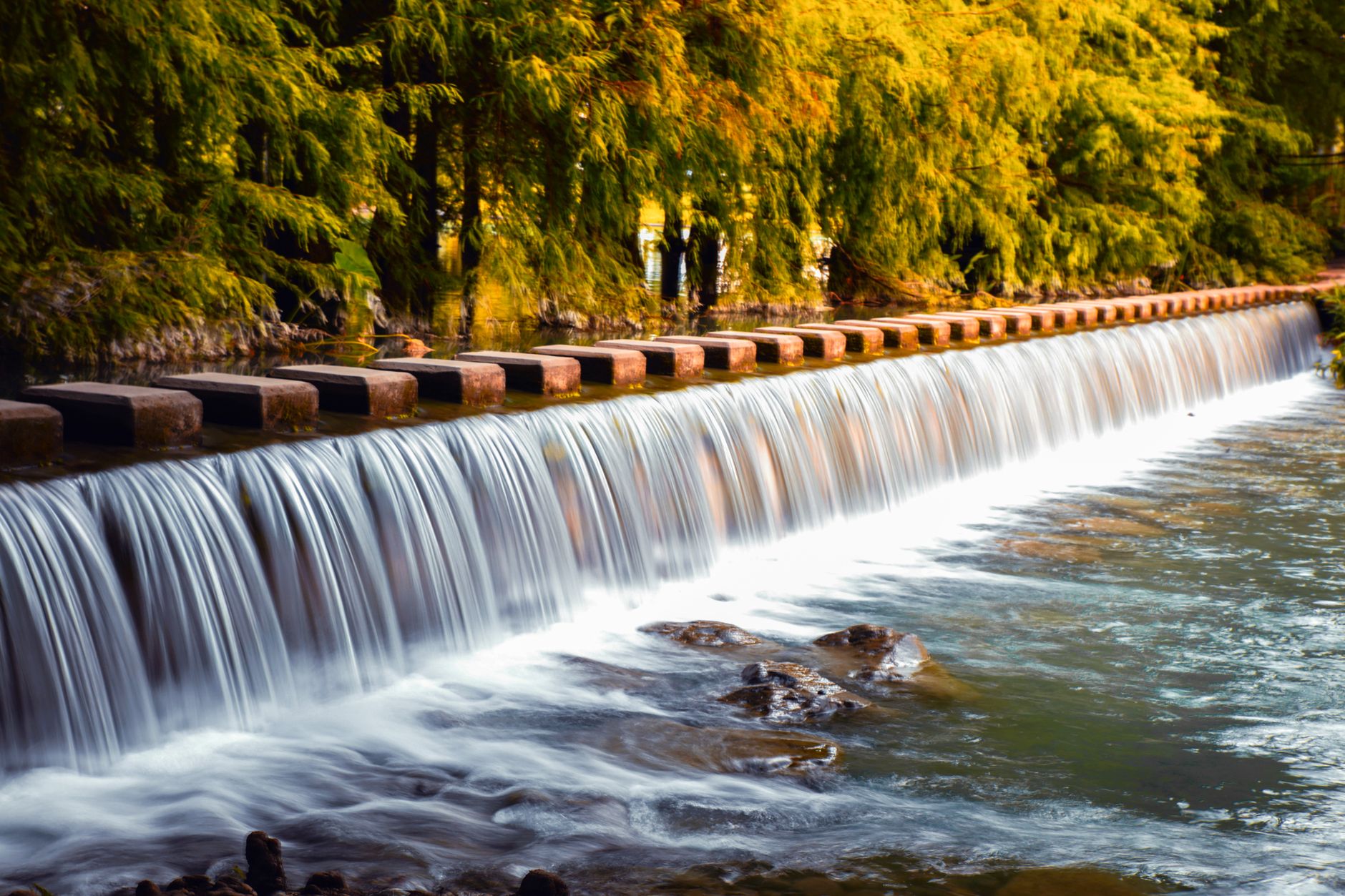
8. Find Serenity at Shinjuku Central Park Waterfall
Shinjuku, Japan
Hidden in Shinjuku Central Park is a man-made waterfall, a surprising natural feature in a dense urban park, designed as a tranquil escape.
Shinjuku Central Park, an expansive green space amidst the skyscraper district, holds a delightful surprise: a multi-tiered waterfall and a serene Kumogata Pond. This surprising aquatic feature was integrated into the park's design to provide a calming natural element within the concrete jungle. It offers a peaceful spot for reflection and a refreshing contrast to the surrounding urban energy, often overlooked by visitors rushing through the area.
Frequently asked questions
What is the best time to visit Shinjuku?
Shinjuku is vibrant year-round. Spring (March-May) brings cherry blossoms to Shinjuku Gyoen, while autumn (September-November) offers pleasant weather and beautiful foliage. Evenings are always lively, especially in entertainment districts like Kabukicho and Golden Gai.
Is Shinjuku walkable, or do I need public transport?
Many of Shinjuku's key attractions are concentrated around Shinjuku Station and are easily walkable. However, given its size, using the Tokyo Metro or JR lines can be efficient for reaching areas like Shinjuku Gyoen National Garden or Tokyo Opera City, which are slightly further afield.
What is Shinjuku known for besides nightlife and shopping?
Beyond its famous nightlife and extensive shopping, Shinjuku is known for its impressive skyscraper district, including the Tokyo Metropolitan Government Building with free observation decks. It also boasts significant green spaces like Shinjuku Gyoen National Garden and cultural hubs such as Shinjuku Ni-chome and traditional theaters.
How can AllTours.ai enhance my Shinjuku visit?
AllTours.ai transforms your exploration of Shinjuku. Simply point your phone camera at a landmark or street, and the app instantly narrates its unique history, geology, and culture in your language, bringing to life the stories behind the places you discover, from ancient shrines to modern skyscrapers.
Related guides
Photography via Pexels. AllTours.ai is an AI audio tour guide — point your camera at any landscape and hear its story.