September 28, 2026 · 4 min read
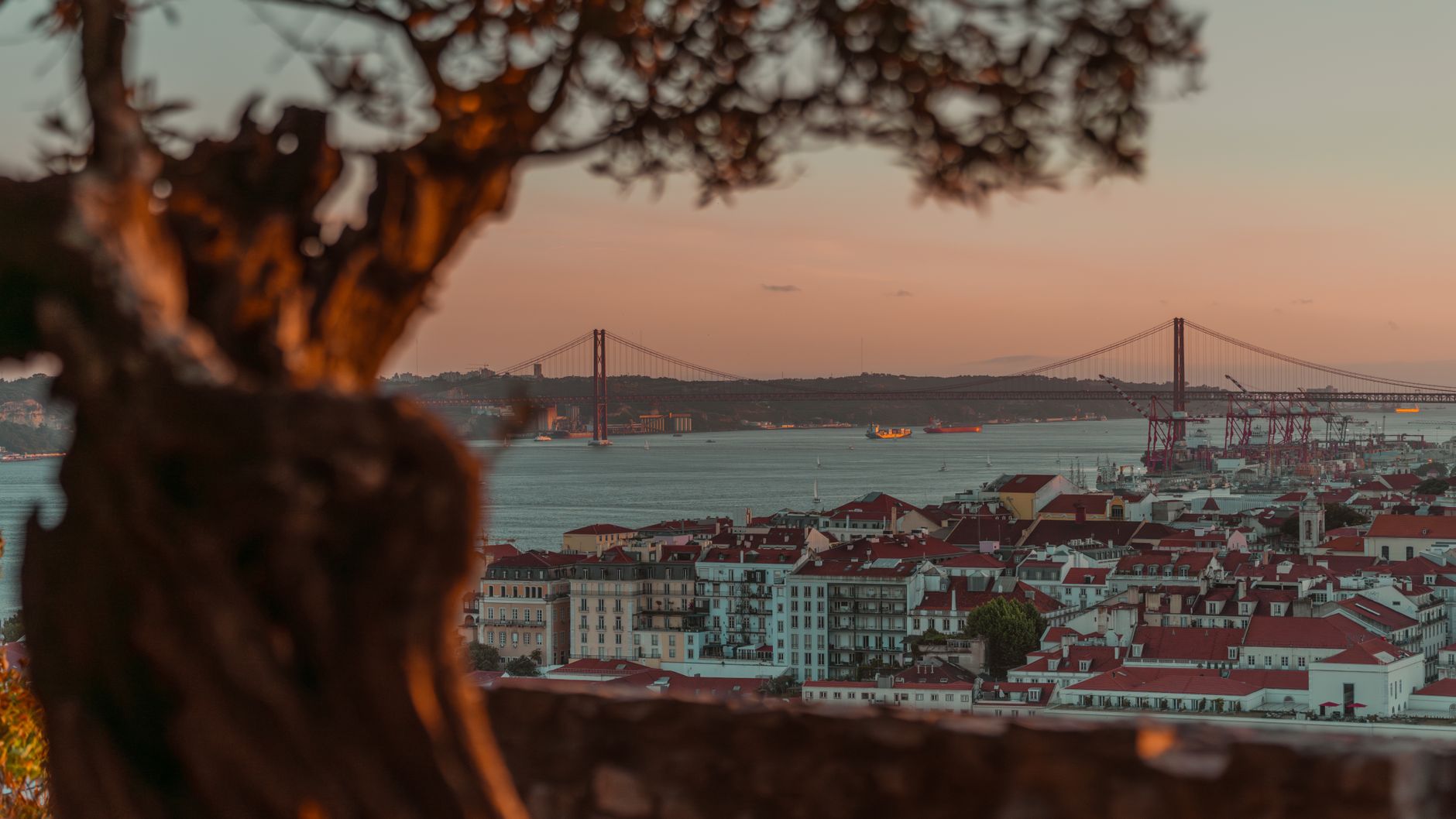
Lisbon often conjures images of Alfama's Fado-filled alleys, Belém's iconic tower, or the bustling nightlife of Bairro Alto. These vibrant districts certainly hold their charm, but the true pulse of Portugal's capital beats strongest in its lesser-known corners, where history whispers from every cobblestone and local life unfolds authentically.
To genuinely understand Lisbon, one must venture beyond the well-trodden paths. We've curated a list of underrated neighborhoods that promise surprising stories, unique historical sites, and the kind of local eateries that truly define Portuguese cuisine, far from the tourist crowds. Prepare to see a different, deeper side of this captivating city.
1. Campo de Ourique: The Poet's Final Rest
Campo de Ourique, Lisbon, Portugal
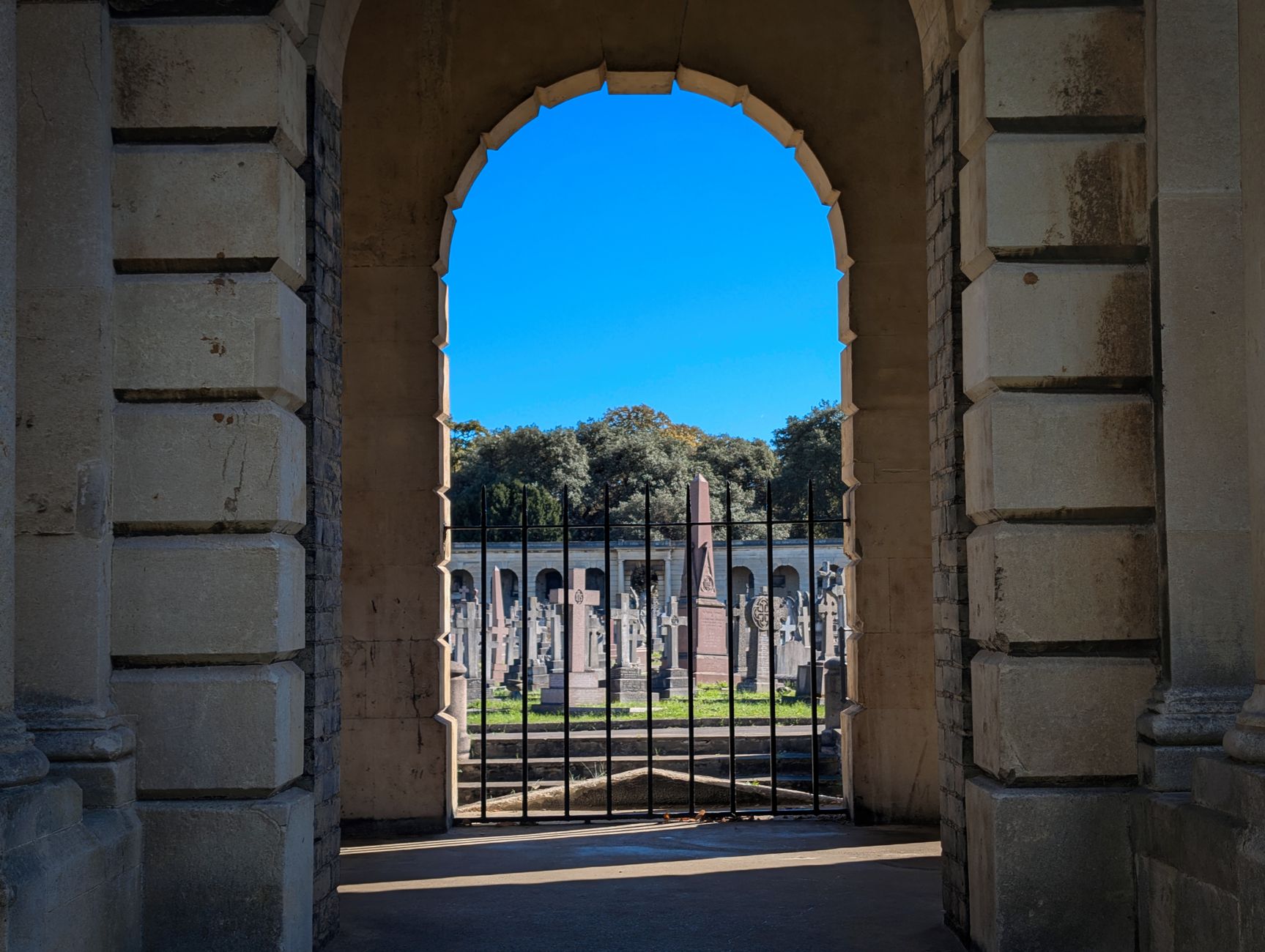
The Prazeres Cemetery in Campo de Ourique, with its 'city of the dead' layout, houses the ornate mausoleums of many prominent Portuguese figures, including the poet Fernando Pessoa.
This tranquil, elevated cemetery offers a unique architectural experience, resembling a miniature city with avenues of elaborate, personalized tombs. Beyond Pessoa's resting place, visitors can glimpse the artistry and societal values embedded in Lisbon's past elite, far from the city's usual bustle.
2. Alcântara: Industrial Echoes Beneath the Bridge
Alcântara, Lisbon, Portugal
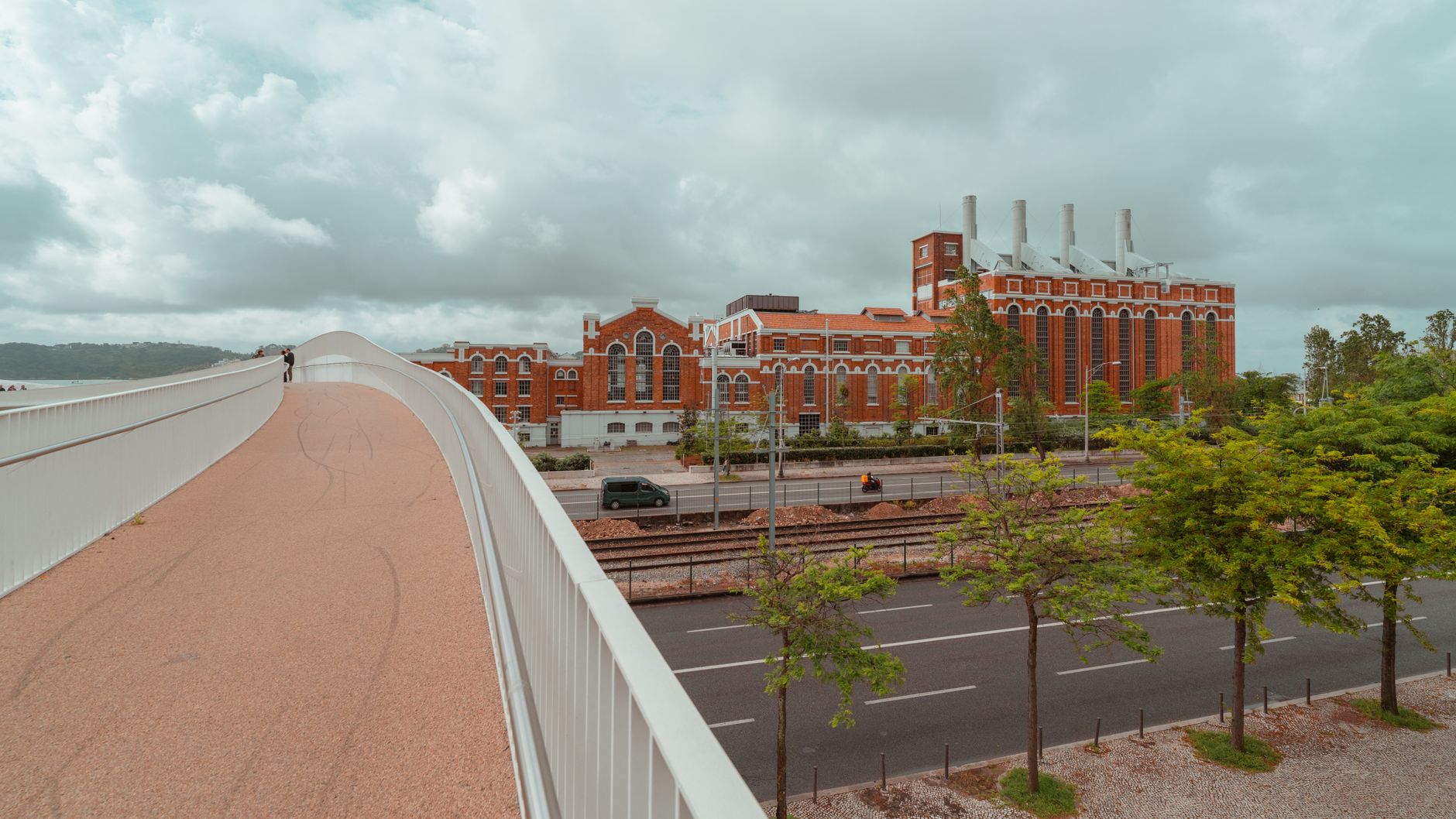
Before its creative rebirth, Alcântara was Lisbon's industrial heartland, powered by textile factories and docks that fueled the city's 19th-century economy.
While LX Factory draws crowds, the true essence of Alcântara lies in its older, quieter streets where the colossal pillars of the 25 de Abril Bridge loom. Here, remnants of a working-class past and abandoned factory shells tell a hidden story of Lisbon's labor history and its transformation from industry to innovation.
3. Penha de França: Lisbon's Hidden Horizon
Penha de França, Lisbon, Portugal
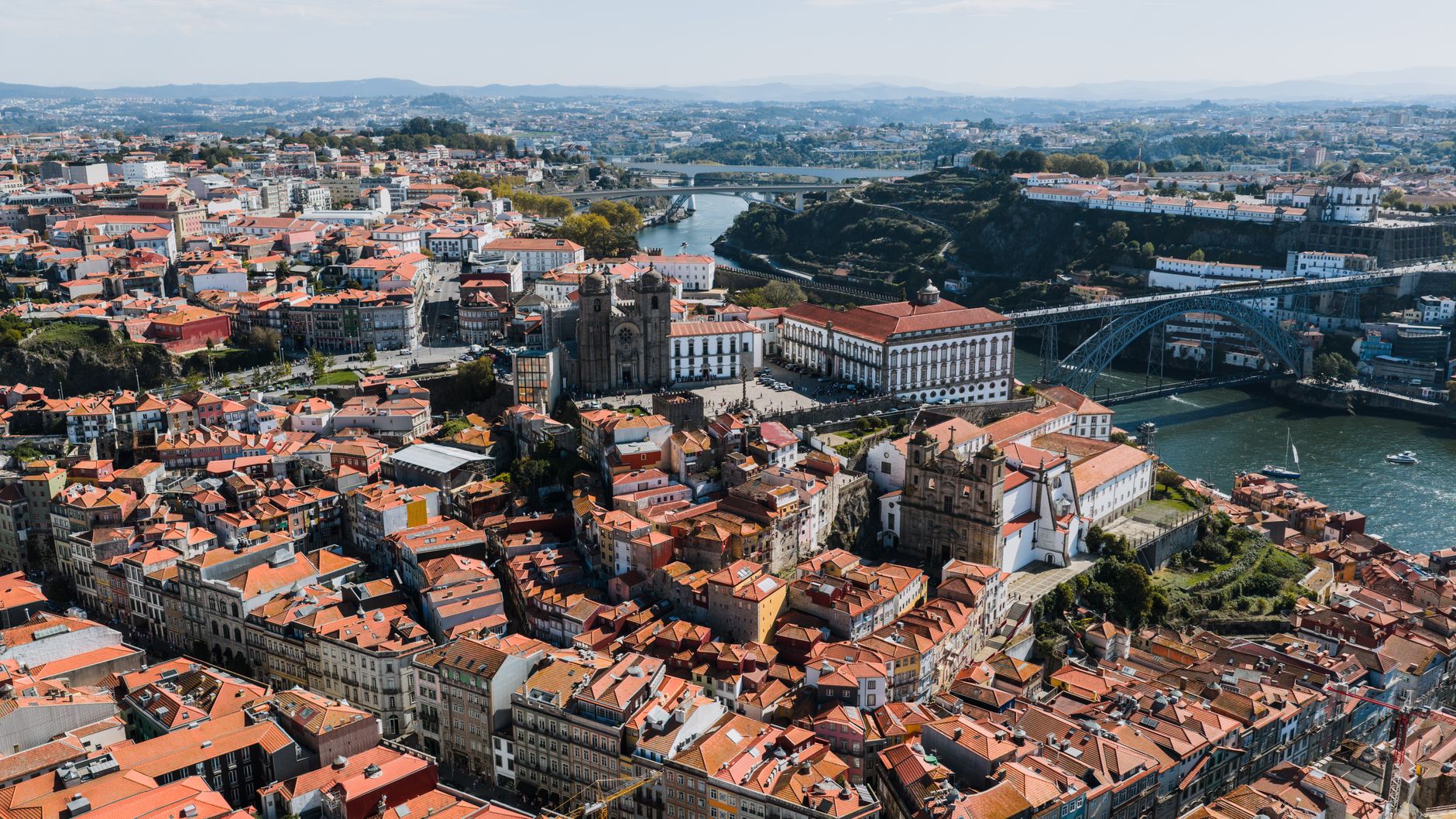
The Miradouro da Penha de França offers a sweeping panoramic view of Lisbon that extends beyond the typical tourist postcards, revealing the city's vast eastern and northern sprawl.
This residential district provides a genuine glimpse into everyday Lisbon life, with local markets and quiet cafes. Its elevated viewpoint, far less crowded than others, allows visitors to truly appreciate the city's complex topography and discover neighborhoods rarely seen by outsiders, offering a fresh perspective on the capital.

4. Marvila: From Warehouses to Craft Breweries
Marvila, Lisbon, Portugal
Marvila, once a neglected industrial zone on the Tagus riverfront, has rapidly transformed into Lisbon's unexpected hub for craft breweries, art studios, and innovative urban projects.
This eastern district is a testament to Lisbon's dynamic evolution, where sprawling warehouses and factories now house a vibrant scene of independent businesses. It offers a raw, authentic contrast to the historic center, showcasing how the city repurposes its industrial heritage into a thriving, creative community often missed by conventional guides.
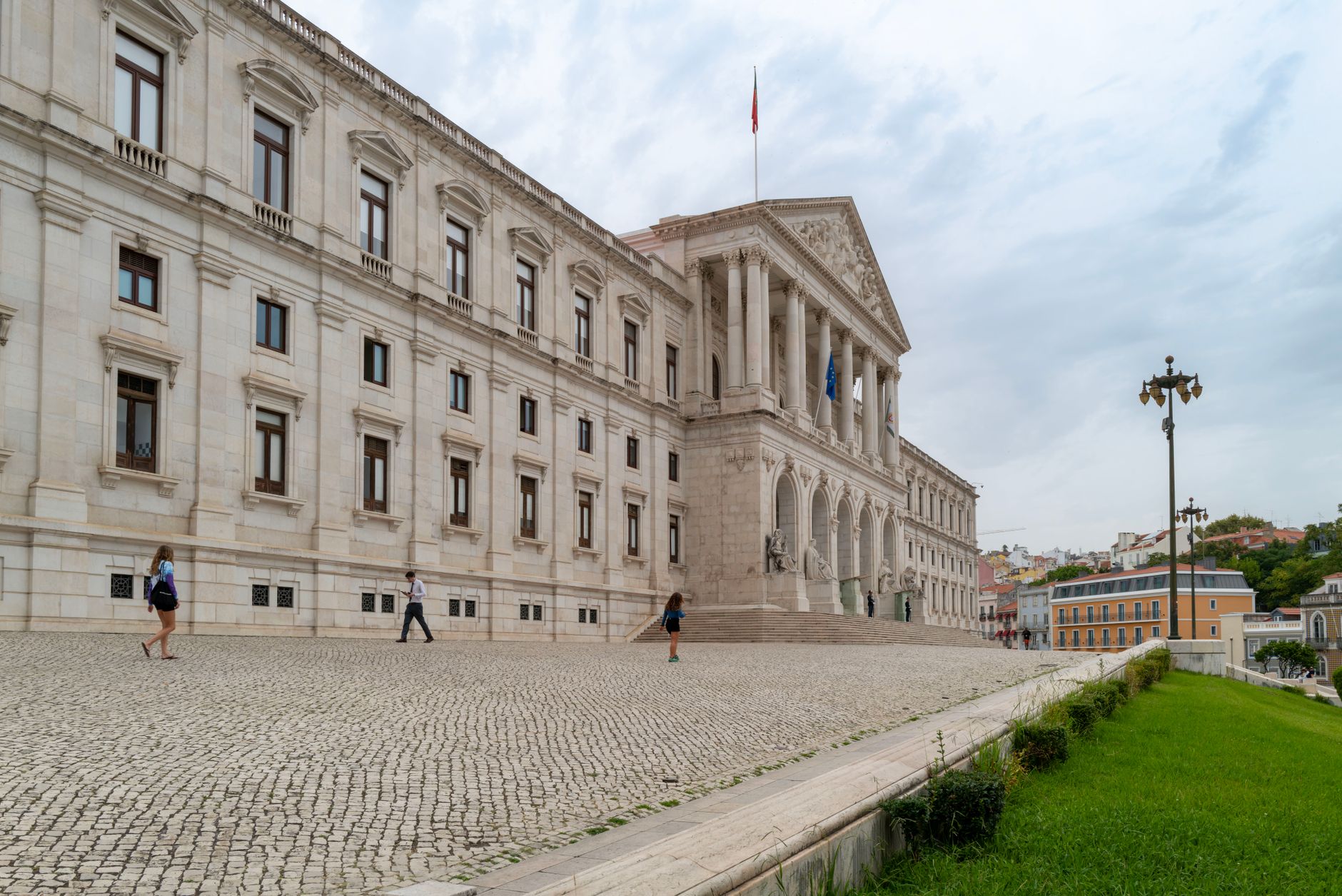
5. Ajuda: The Unfinished Royal Dream
Ajuda, Lisbon, Portugal
The Ajuda National Palace, started in the wake of the 1755 earthquake, was intended to be Portugal's grandest royal residence, yet it remains famously unfinished, a permanent testament to changing times and ambitions.
Situated on a hill overlooking the Tagus, Ajuda offers a quieter, more aristocratic side of Lisbon. Exploring its palace and the serene Ajuda Botanical Garden reveals a grand vision born from disaster, a story of resilience and aspiration that still shapes the district's elegant, understated character, far from the city's bustling core.
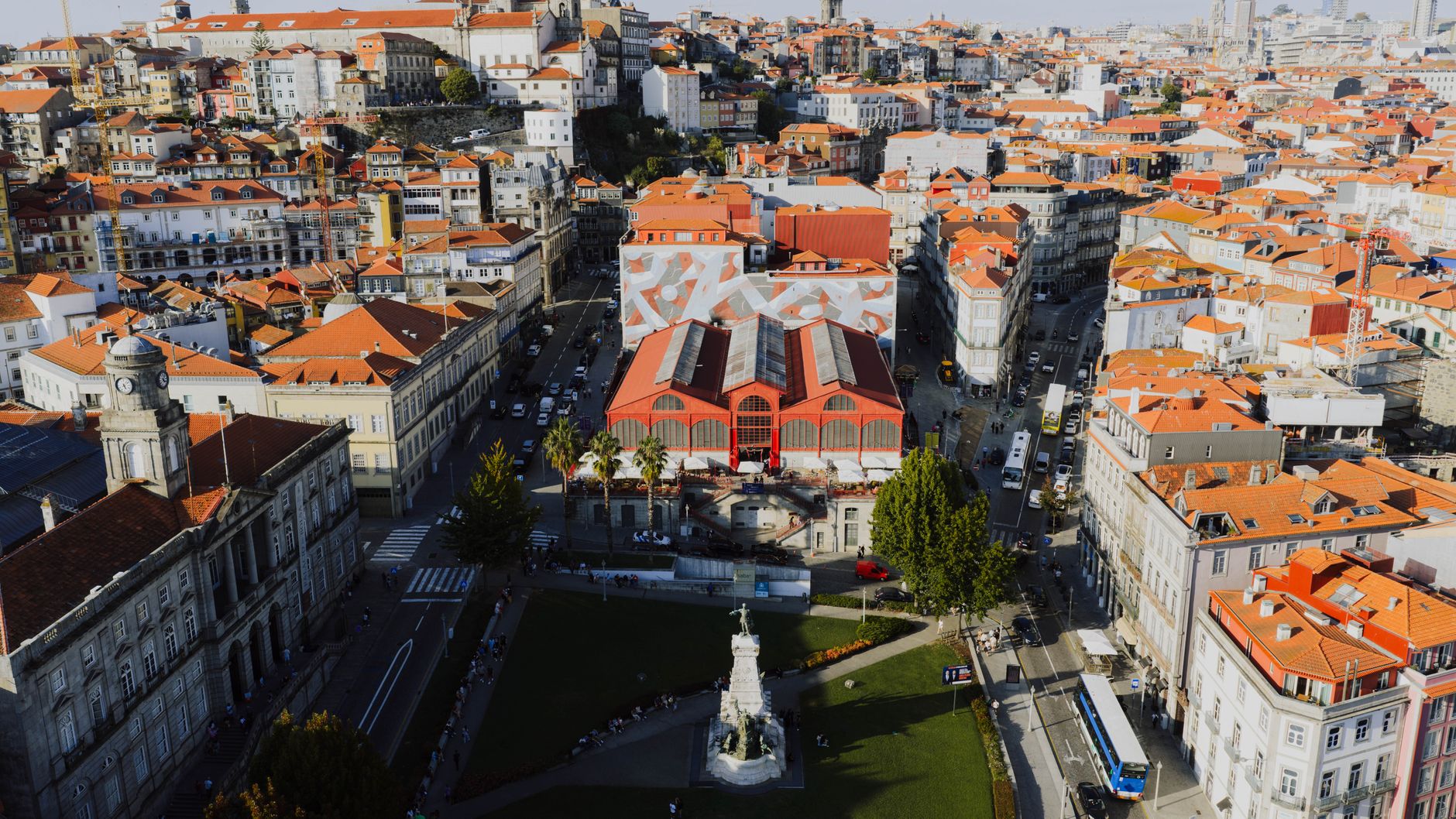
6. São Vicente: A Timeless Market's Embrace
São Vicente, Lisbon, Portugal
The Feira da Ladra, Lisbon's legendary 'thieves' market,' has been a continuous tradition in São Vicente since the 12th century, originally set up outside the city walls.
While the São Vicente de Fora Monastery is a landmark, the true pulse of this neighborhood beats around the Feira da Ladra on market days. It's a bustling, eclectic labyrinth of stalls selling everything from antiques to quirky bric-a-brac, offering a centuries-old glimpse into Lisbon's informal commerce and vibrant community life that feels authentically timeless.
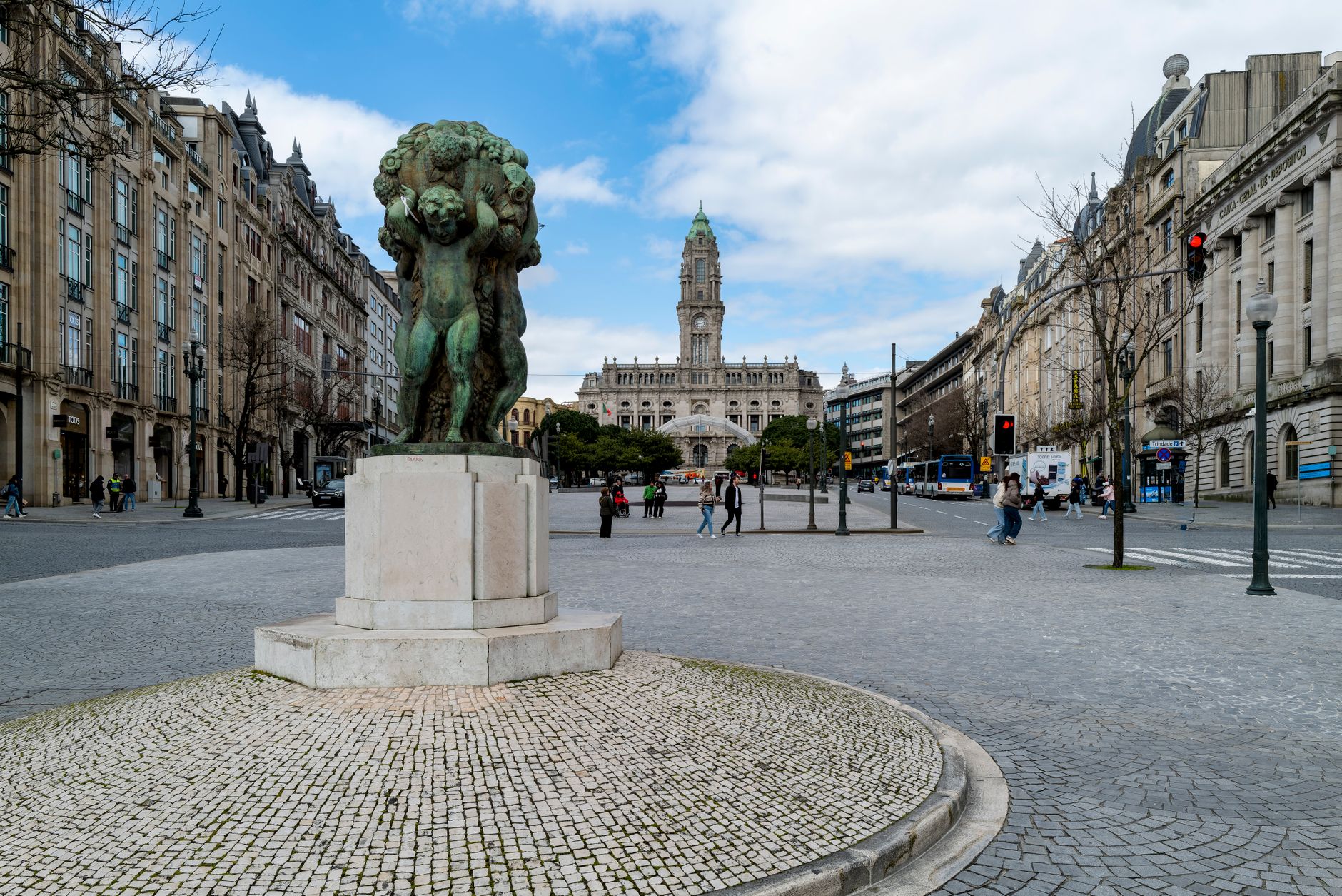
7. Intendente: From Gritty Past to Global Hub
Intendente, Lisbon, Portugal
Once notorious as a neglected and rough red-light district, Largo do Intendente has undergone a dramatic revitalization, emerging as a vibrant symbol of multicultural Lisbon.
This square and its surrounding streets perfectly encapsulate Lisbon's ability to reinvent itself. Historic buildings, once dilapidated, now house a diverse array of restaurants, independent shops, and creative spaces. It's a lively, inclusive area that tells a compelling story of urban renewal, reflecting the city's modern, diverse identity away from the postcard views.
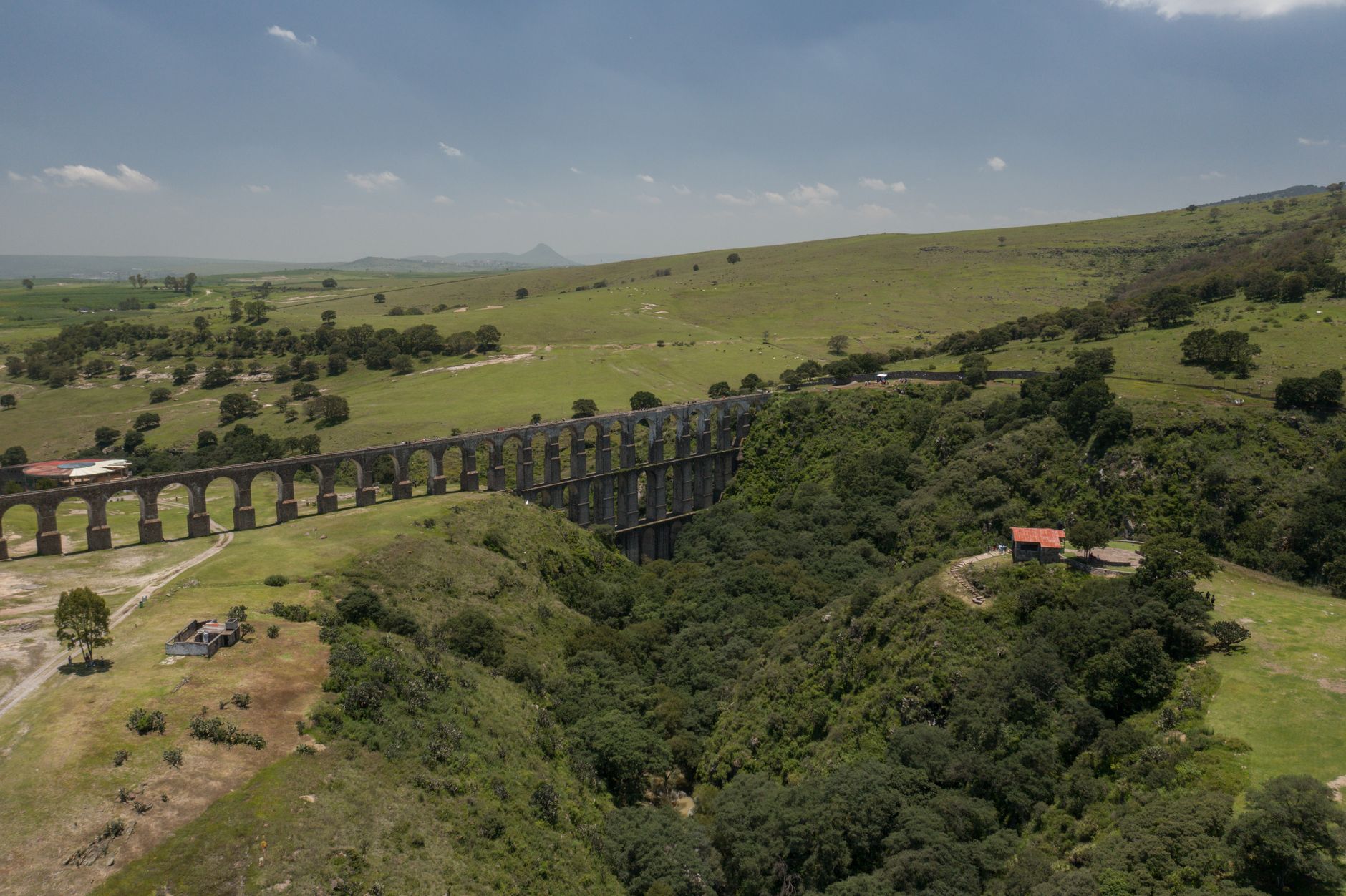
8. Campolide: Engineering Marvels Above the City
Campolide, Lisbon, Portugal
Campolide is uniquely bisected by the monumental Águas Livres Aqueduct, an 18th-century engineering marvel that features Europe's longest stone arch and survived the 1755 earthquake.
Often admired from a distance, Campolide offers a chance to walk beneath or even along parts of this impressive aqueduct (when accessible), which still supplies water to Lisbon. This quiet residential area provides a fascinating contrast between modern urban life and a majestic piece of history, showcasing the ingenuity that kept Lisbon alive.
Frequently asked questions
What are some genuinely local, less touristy neighborhoods in Lisbon?
While popular areas like Alfama are charming, neighborhoods like Campo de Ourique, Penha de França, Marvila, and Ajuda offer a more authentic glimpse into Lisbon daily life. They feature local markets, quiet residential streets, and historic sites often overlooked by visitors.
Where can I find unique historical sites in Lisbon away from the main attractions?
Beyond the famous landmarks, Lisbon hides fascinating historical spots. Explore the Prazeres Cemetery in Campo de Ourique, the industrial remnants of Alcântara, or the unfinished grandeur of the Ajuda National Palace for stories that delve deeper into the city's past.
Are there good places to eat authentic Portuguese food in Lisbon's less-known areas?
Absolutely. Districts like Intendente, Penha de França, and São Vicente are rich with tascas and small restaurants serving traditional Portuguese dishes at local prices. Marvila also offers a modern take with its burgeoning craft brewery and food scene, providing diverse culinary experiences.
How can I learn more about the history and culture of these specific Lisbon neighborhoods as I explore?
As you wander through these fascinating districts, pointing your phone camera at a landmark or even just the streetscape with the AllTours.ai app will instantly narrate its history, geology, and culture in your preferred language. It's like having a local expert by your side, unveiling the stories behind every hidden gem.
Related guides
Photography via Pexels. AllTours.ai is an AI audio tour guide — point your camera at any landscape and hear its story.