November 14, 2026 · 4 min read
Kyoto casts a powerful spell, drawing millions to its iconic temples and bustling geisha districts. Yet, beyond the well-trodden paths lies a quieter, more authentic Kyoto, waiting to reveal its deeper stories. These are the neighborhoods where local life unfolds at a gentler pace, where centuries-old traditions are still woven into the fabric of daily existence, and where every corner seems to whisper tales of the past.
For those seeking to truly understand the soul of this ancient capital, venturing into its underrated neighborhoods offers an unparalleled experience. Here, you’ll find hidden temples, family-run shops, and a glimpse into the everyday rhythms that define Kyoto away from the tourist rush. Prepare to be surprised by the rich history, unique culture, and profound tranquility that characterize these lesser-known gems.
1. Sagano-Toriimoto's Thatched History
Kyoto, Japan
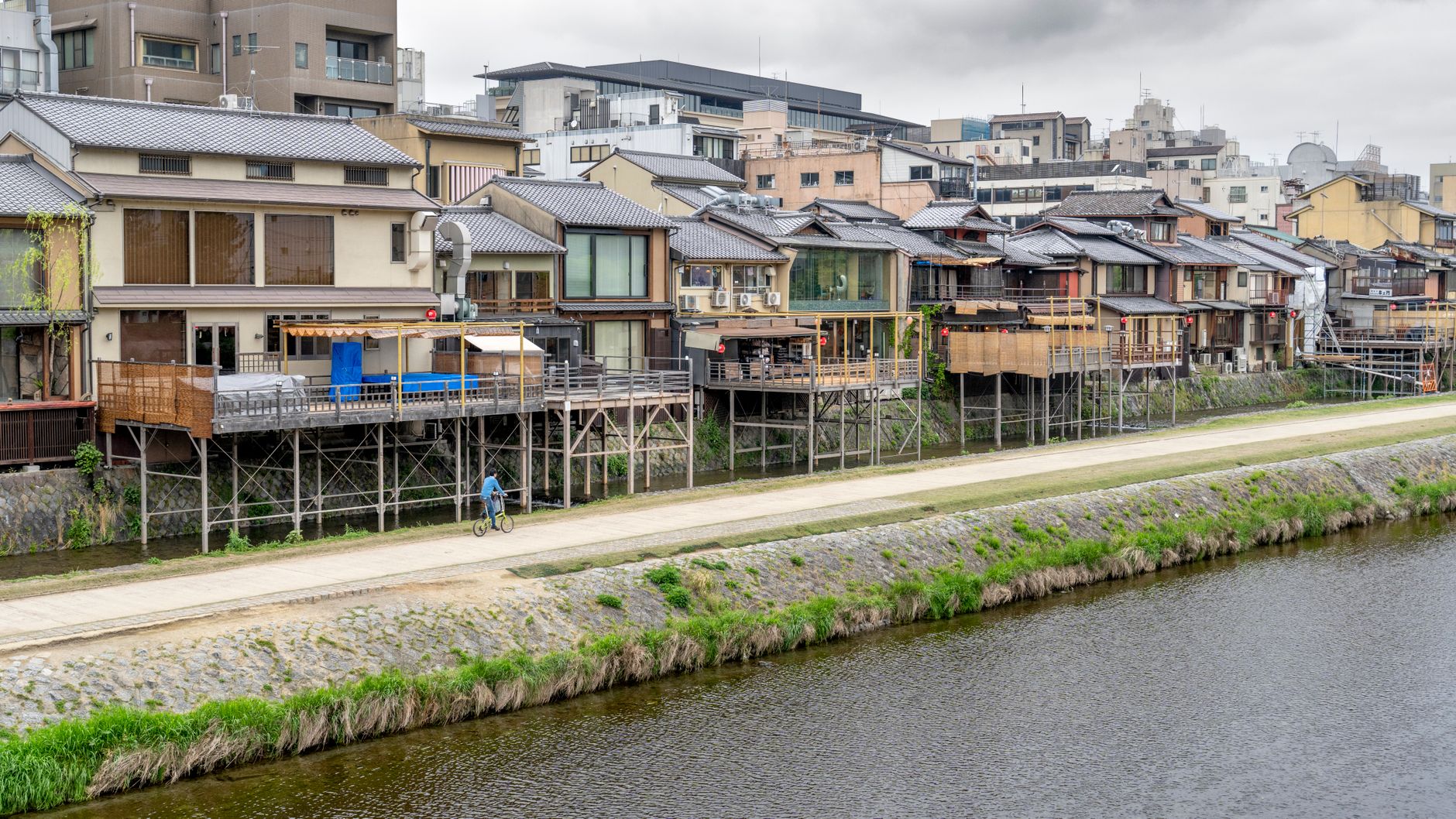
Sagano-Toriimoto preserves a streetscape of thatched-roof homes that once served as lodgings and shops for pilgrims visiting nearby temples.
Tucked away in the quieter part of Arashiyama, this street feels like a journey back to the Edo period. The traditional kayabuki-yane (thatched-roof) houses, many now housing charming cafes or craft shops, line a gentle slope leading to Adashino Nenbutsu-ji Temple. This preserved district offers a serene contrast to the bustling bamboo groves, showcasing the architectural style and daily life of ancient Kyoto's rural outskirts.
2. Ohara's Mountain Serenity
Kyoto, Japan
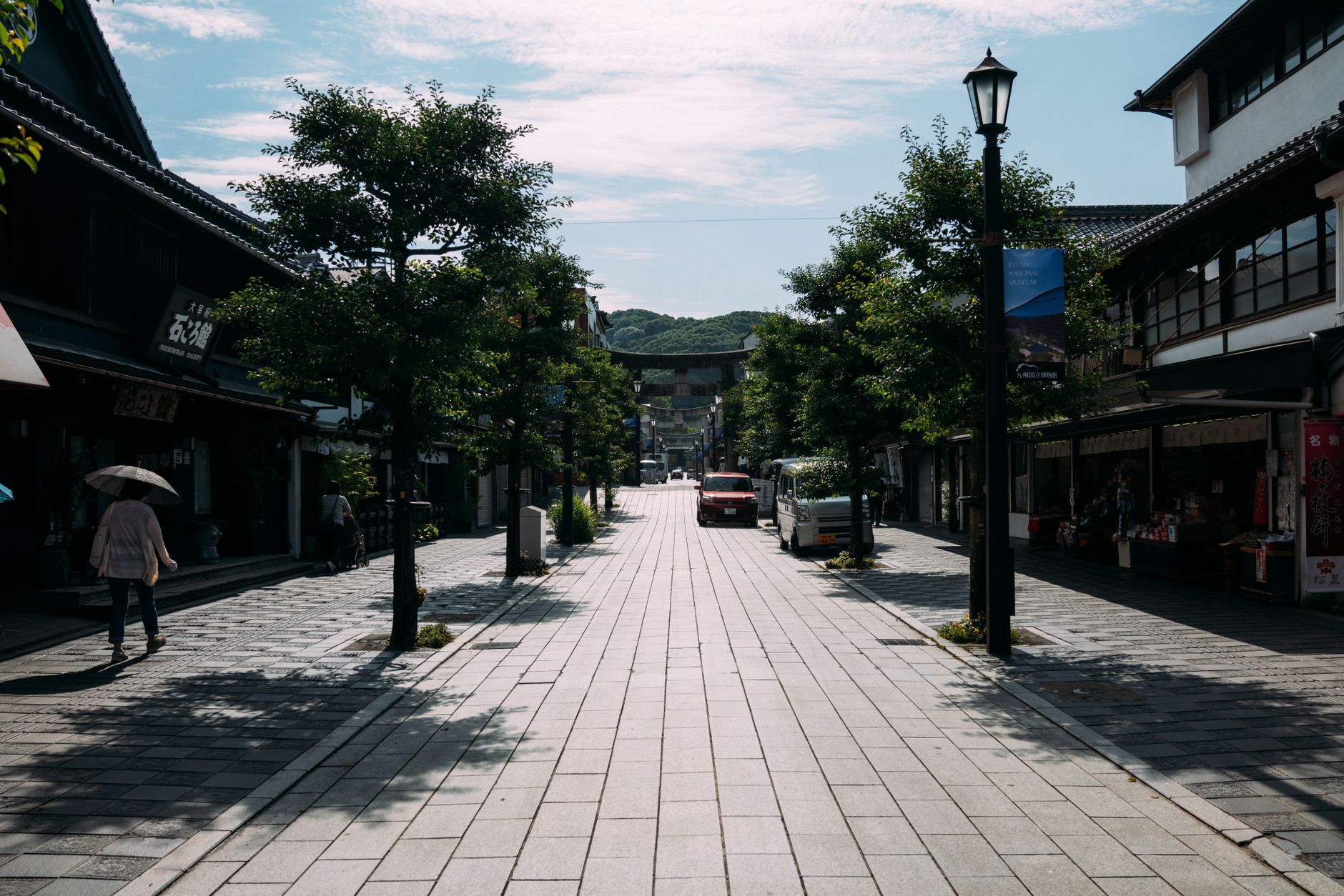
The remote village of Ohara was historically known for its "Ohara-me," women who carried produce and firewood from the mountains down to Kyoto city markets.
Nestled in the northern mountains, Ohara offers a refreshing escape from urban Kyoto. Beyond the famed Sanzen-in Temple, the village itself is a patchwork of rice fields, small farms, and winding paths. The Ohara-me, distinctive in their striped kimonos and head wraps, were a crucial part of Kyoto's economy for centuries, ensuring a steady supply of mountain goods and embodying a unique cultural identity tied to the land.
3. Fushimi's Liquid Gold Heritage
Kyoto, Japan
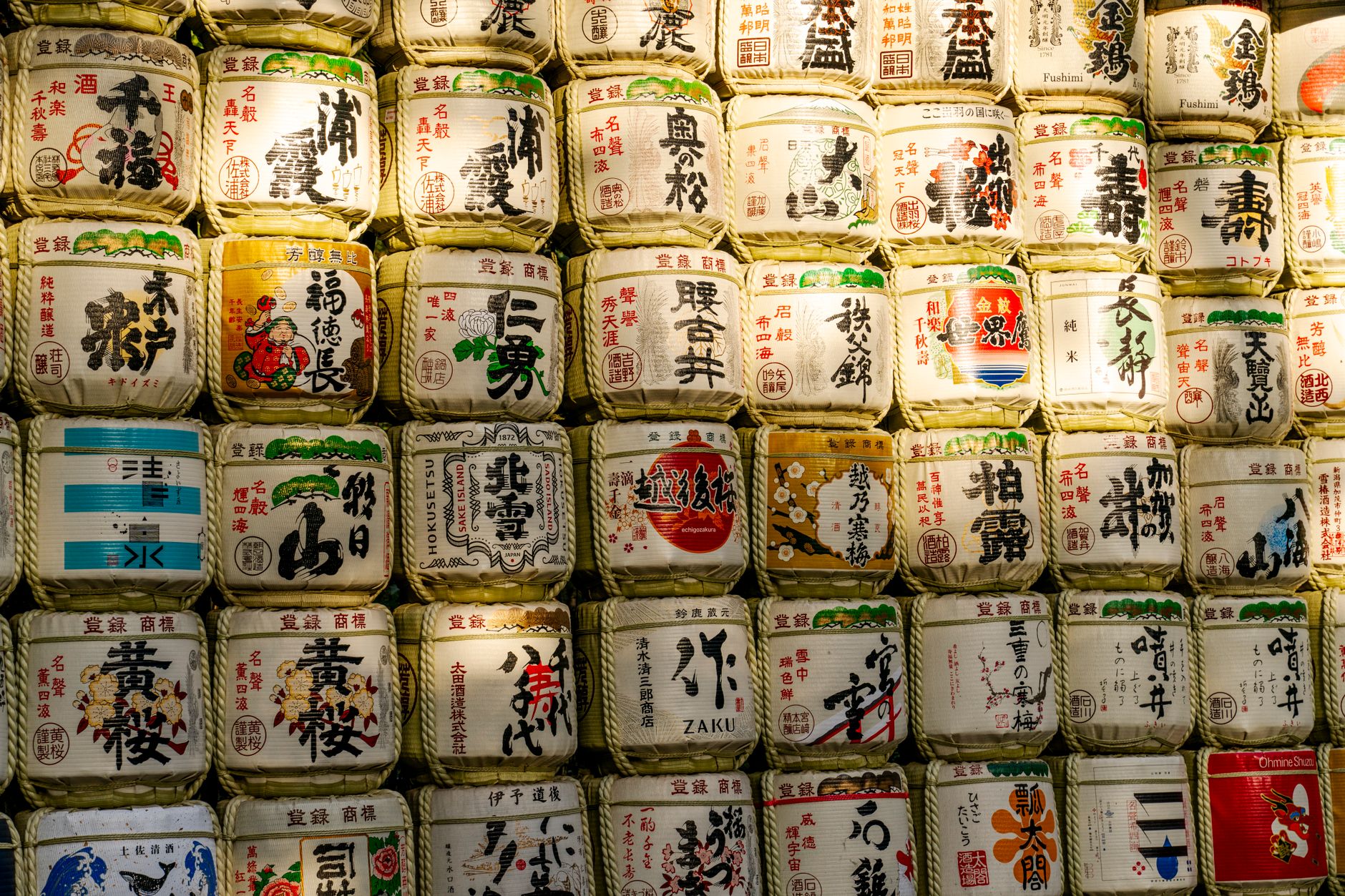
Fushimi's rise as Japan's second-largest sake brewing region is attributed to its exceptionally soft, pure underground spring water, known as "fushimizu" (伏水).
While Fushimi Inari Taisha draws global attention, the rest of Fushimi Ward boasts a profound legacy as Kyoto's sake heartland. Over 20 breweries, many dating back centuries, line the canals and streets, each tapping into the region's legendary groundwater. This natural abundance has shaped Fushimi's distinct sake profile – smooth and slightly sweet – and visitors can explore museums, enjoy tastings, and even take traditional boat cruises along the historic waterways.
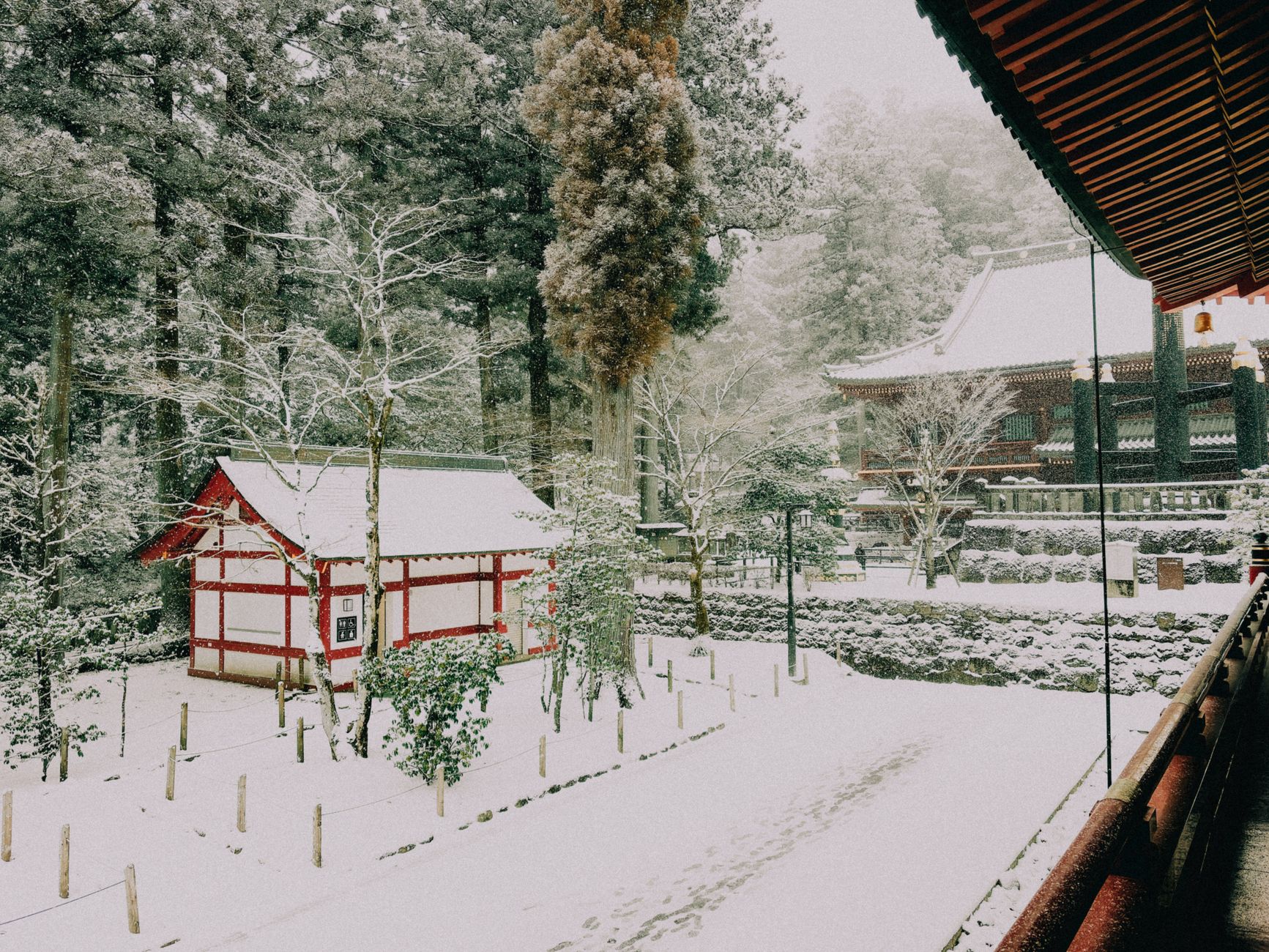
4. Kurama & Kibune: Myths and Mountains
Kyoto, Japan
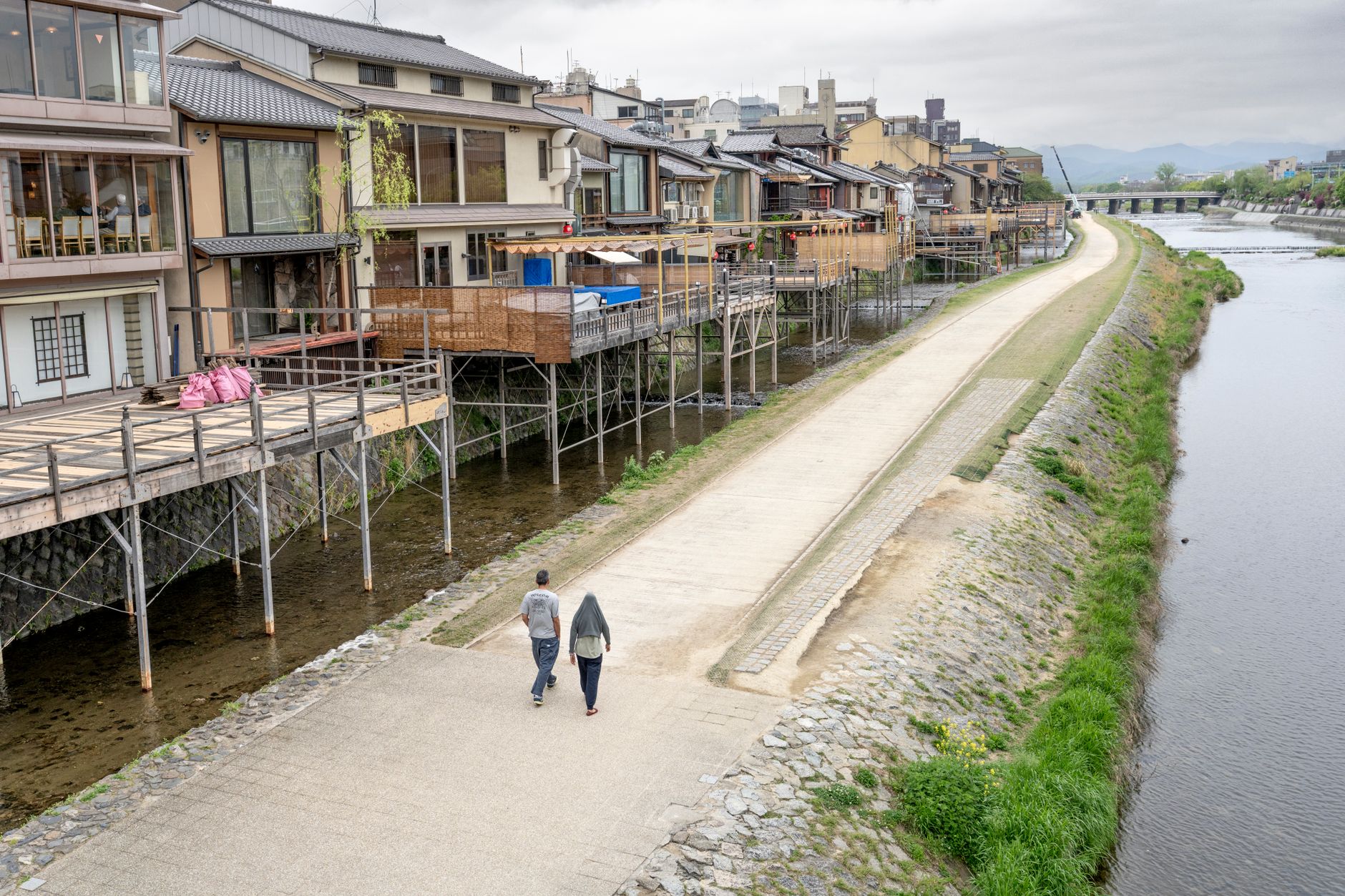
Mount Kurama is steeped in legends of the mythical tengu (long-nosed mountain spirits) and served as the fabled training ground for the legendary warrior Minamoto no Yoshitsune.
North of Kyoto, these twin mountain villages offer a spiritual and natural retreat. Kurama-dera Temple, perched dramatically on the mountainside, combines Buddhist and Shinto beliefs amidst ancient cedar trees. A scenic path connects it to Kibune, home to Kifune Shrine, dedicated to the god of water and rain. In summer, Kibune is famous for kawadoko dining, where restaurants serve meals on platforms built directly over the Kibune River.

5. Nishijin's Woven Legacy
Kyoto, Japan
The Nishijin district has been the center of Kyoto's exquisite textile weaving for over 1,200 years, producing the luxurious Nishijin-ori brocade.
Walk through Nishijin, and you're treading on centuries of artisanal history. This district, characterized by its traditional wooden machiya houses, was once bustling with thousands of looms crafting fabrics for the Imperial Court and elite samurai. While the industry has scaled down, some workshops and museums still preserve the intricate techniques of Nishijin-ori, offering a rare glimpse into a craft that defines Kyoto's aesthetic heritage.
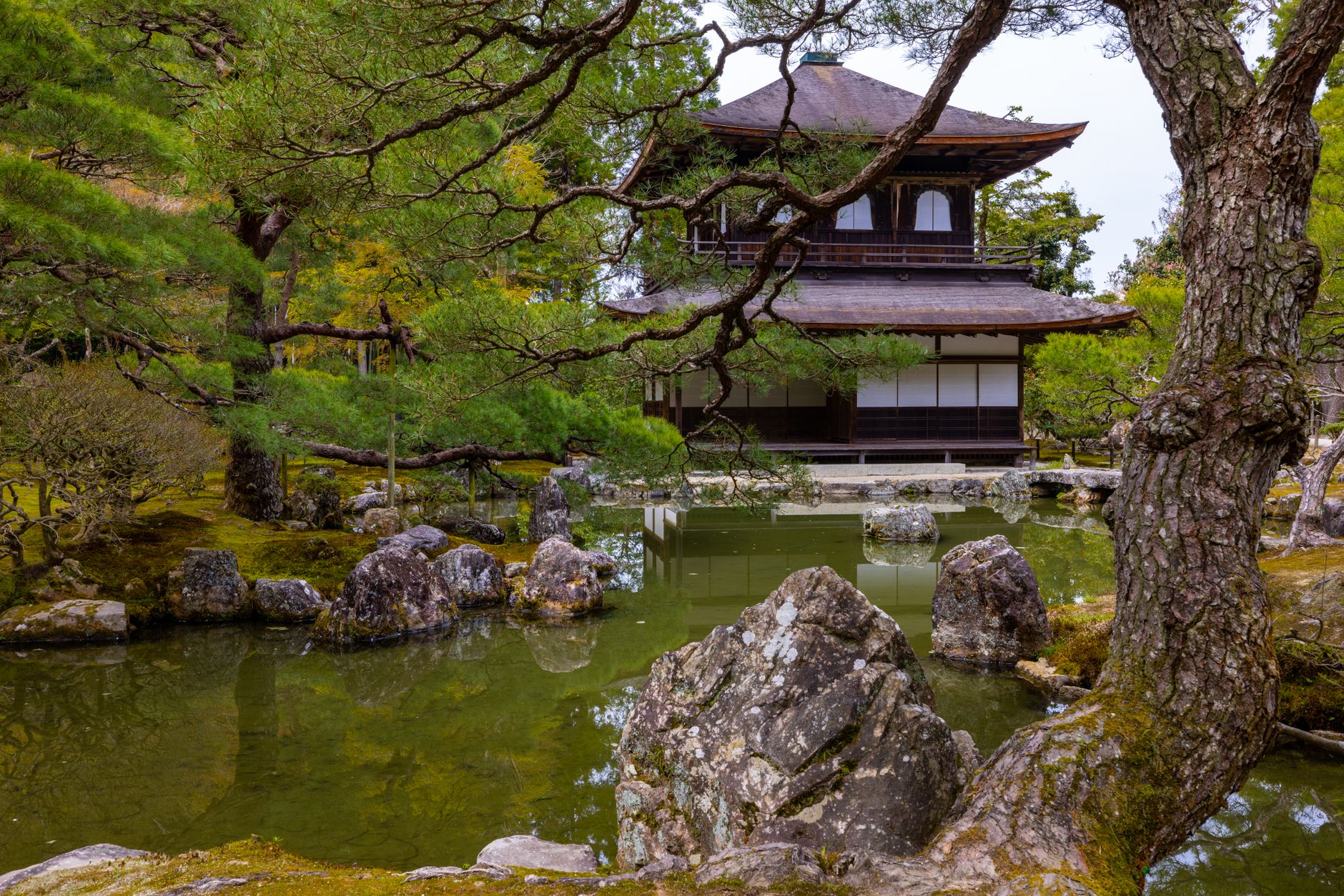
6. Takao's Ancient Art Scroll
Kyoto, Japan
Kozan-ji Temple in Takao is home to Japan's oldest extant manga, the "Chōjū-jinbutsu-giga" (Caricatures of Birds, Beasts, and Humans), dating back to the 12th century.
Tucked in the picturesque mountains northwest of Kyoto, Takao is renowned for its autumn foliage and three historic temples. Among them, Kozan-ji is a UNESCO World Heritage site, not just for its serene setting, but for its invaluable cultural treasures. The famous handscrolls depict anthropomorphic animals engaging in human activities, offering a humorous and surprisingly modern glimpse into ancient Japanese society and artistic expression.
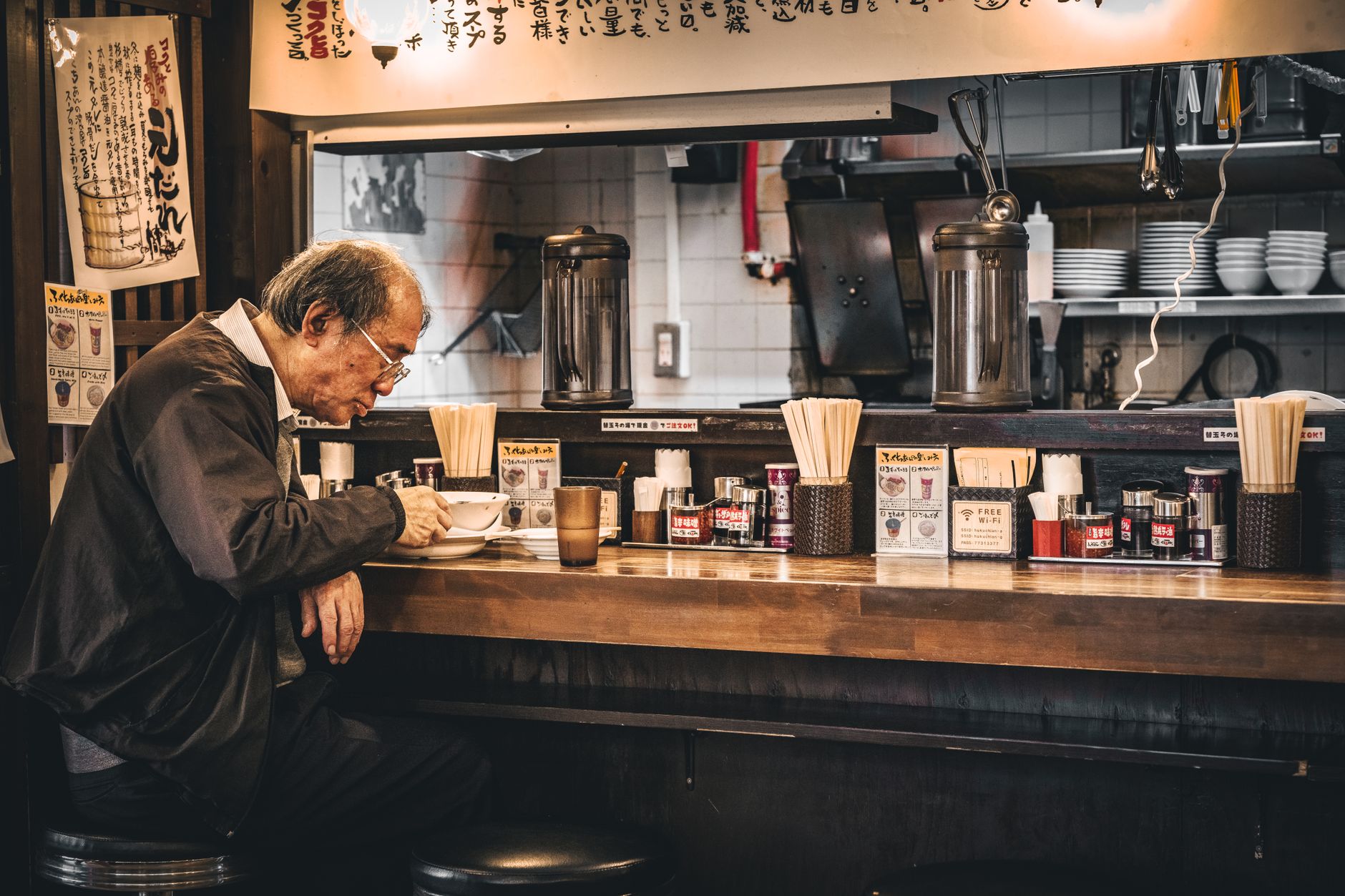
7. Ichijoji's Culinary Crossroads
Kyoto, Japan
Ichijoji earned its reputation as Kyoto's unofficial "ramen street" due to an unusual concentration of highly-rated and fiercely competitive ramen shops.
Far from the tourist crowds, Ichijoji in Sakyo Ward offers a vibrant, local experience centered around its surprising culinary scene. What began with a few popular eateries evolved into a ramen pilgrimage destination, drawing food enthusiasts from across Japan. Beyond the steaming bowls, the neighborhood also features Mandaraji Temple with its unique moss garden and a quiet, intellectual atmosphere owing to nearby universities.
Frequently asked questions
What's the best time to visit Kyoto's lesser-known areas?
Spring (March-May) and autumn (October-November) offer pleasant weather and beautiful scenery, but these areas are less crowded than major attractions even during peak seasons. Summer can be hot and humid, while winter offers a quiet, often snowy, charm.
Are these neighborhoods accessible by public transport?
Most of Kyoto's underrated neighborhoods are accessible by bus or train, though some of the more remote ones like Ohara or Takao might require a combination of bus and a short walk. Local buses are extensive and reliable, making exploration straightforward.
What kind of local experiences can I expect in these areas?
You can expect a quieter pace, interactions with local shopkeepers, visits to smaller, more serene temples, and opportunities to observe daily Japanese life away from the tourist bustle. Many areas offer craft workshops, local eateries, and unique historical insights.
How can AllTours.ai help me explore these hidden gems?
AllTours.ai enhances your exploration by providing rich, contextual information about your surroundings. Simply point your phone camera at a landmark, a traditional house, or even a local shop, and the app will narrate its history, cultural significance, and geological facts in your preferred language, transforming your visit into a deeply informed journey.
Related guides
Photography via Pexels. AllTours.ai is an AI audio tour guide — point your camera at any landscape and hear its story.