September 9, 2026 · 5 min read
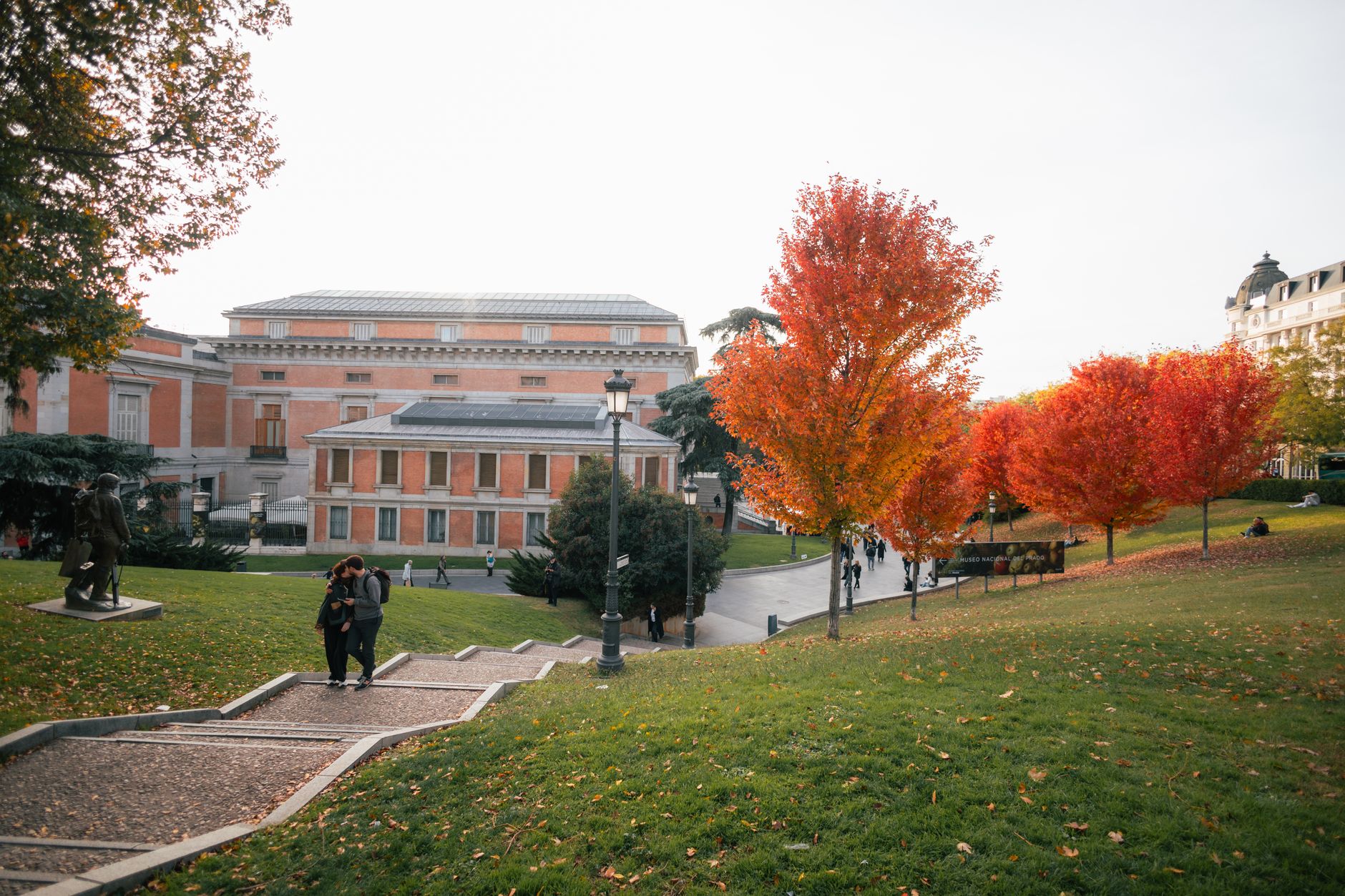
Madrid is often celebrated for its grand plazas and bustling streets, but beneath its urban energy lies a network of green spaces that truly come alive when autumn paints the city in hues of gold, crimson, and amber. Beyond the most famous landmarks, hidden gardens and historical parks offer a tranquil escape, each with a unique story waiting to be discovered.
Forget the summer crowds and embrace the crisp air. These lesser-known havens and familiar favorites, viewed through a new lens, invite you to wander through their tree-lined avenues and uncover surprising chapters of Madrid's past, from royal hunting grounds to civil war bunkers, all set against a breathtaking autumnal backdrop.
1. The Duchess's Whimsy and a Wartime Secret
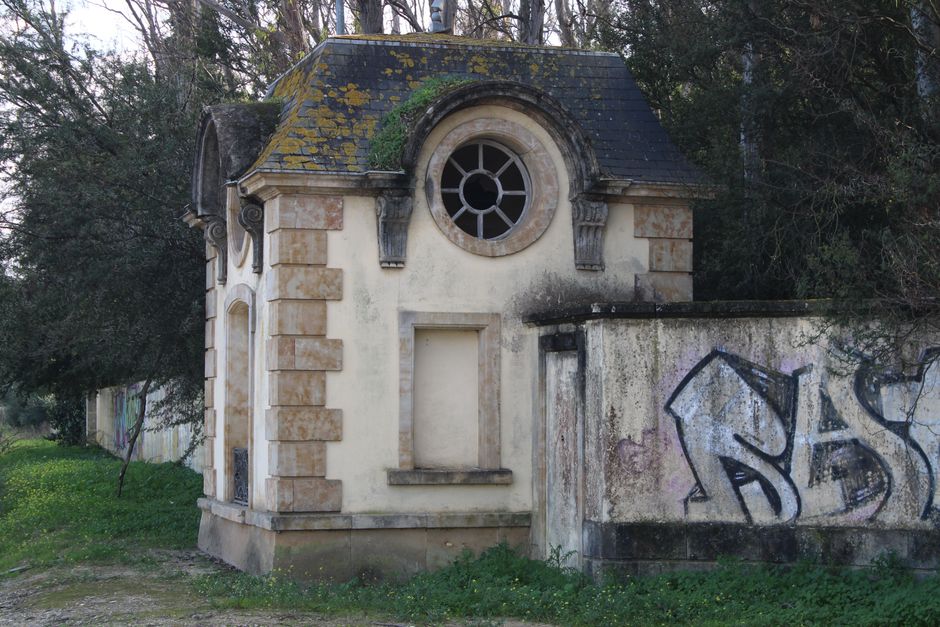
Parque de El Capricho, Spain
This exquisite 18th-century garden, designed for a Duchess's romantic escapades, later concealed a crucial Republican bunker during the Spanish Civil War.
Parque de El Capricho, meaning 'The Whim Park,' was created by the Duchess of Osuna as a private paradise filled with follies, mazes, and picturesque landscapes. However, beneath its idyllic charm, a well-preserved underground bunker served as the headquarters for the Republican Army's Central Front during the Civil War, a stark contrast to its original playful intent. Wandering through its autumn-colored groves reveals both aristocratic fantasy and a poignant piece of Spain's recent history.
2. An Agricultural Legacy Beyond Almonds
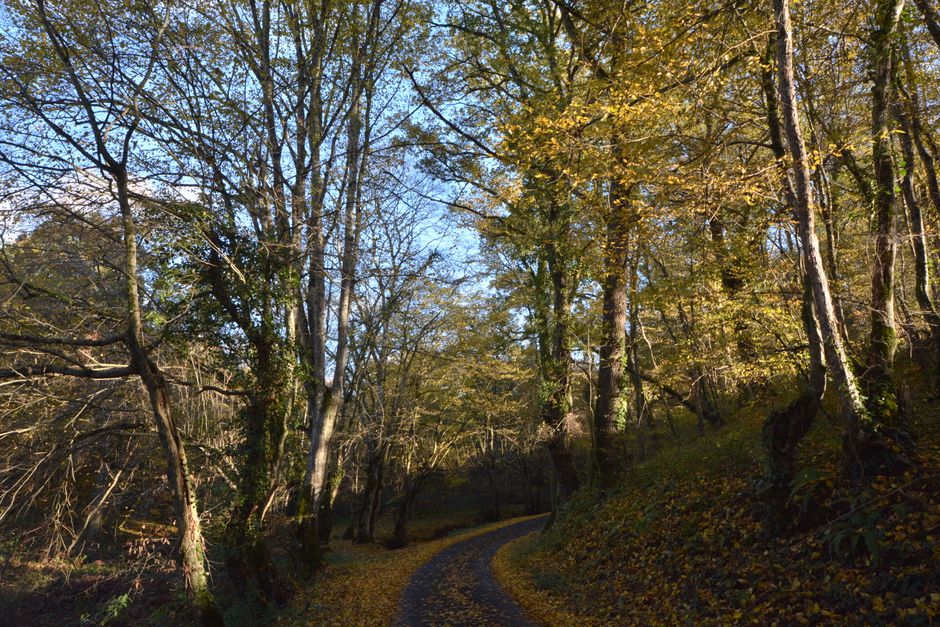
Parque de la Quinta de los Molinos, Spain
While known for its spring almond blossoms, this park was an experimental agricultural estate gifted by a Count, featuring diverse Mediterranean species and a hidden palace.
The Quinta de los Molinos was a private estate gifted by the Count of Romanones to his godson, an agricultural engineer, in the early 20th century. Far from just a decorative garden, it was envisioned as an experimental farm, cultivating a wide array of Mediterranean trees and plants, many of which display striking autumn colors. Beyond the famous almond groves, explore the stately palace and the varied arboretum that tell a story of agricultural innovation within Madrid.
3. Fragments of a Divided Europe in Madrid
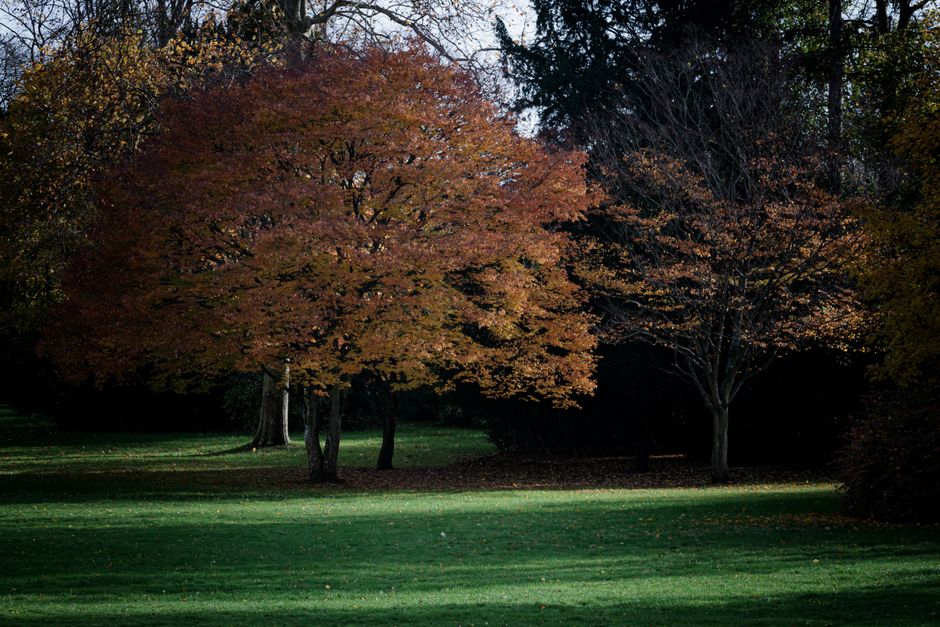
Parque de Berlín, Spain
This suburban park in Madrid uniquely houses three genuine fragments of the Berlin Wall, gifted to the city to commemorate European unity.
Nestled in the Chamartín district, Parque de Berlín offers more than just green space; it's a profound cultural landmark. The park proudly displays three authentic sections of the Berlin Wall, complete with original graffiti, standing as a tangible reminder of a divided past and a symbol of freedom and reconciliation. In autumn, the surrounding trees provide a colorful backdrop to these powerful historical artifacts, inviting contemplation on European history.
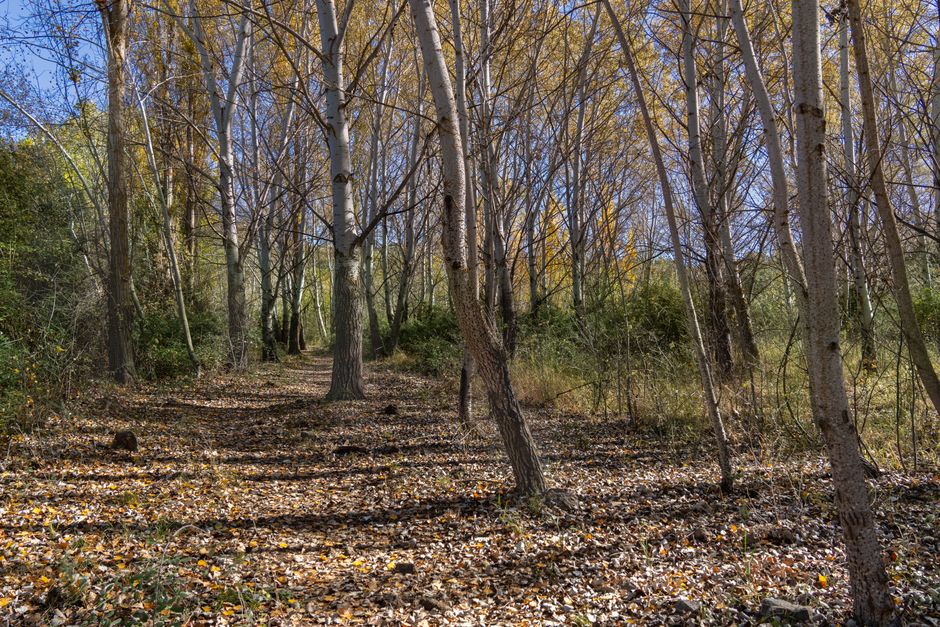
4. Philip II's Royal Orchard
Huerta de la Partida (Casa de Campo), Spain
Within the vast Casa de Campo, the Huerta de la Partida marks the precise spot where King Philip II cultivated fruit trees to supply his nearby royal palace in the 16th century.
While Casa de Campo is immense, the Huerta de la Partida offers a specific historical anchor. This area was once the royal orchard of King Philip II, meticulously maintained to provide fresh produce for the court at the Royal Palace. Today, it's a serene, less-trafficked section of the park, where you can walk among trees that echo centuries of royal provision, imagining the gardeners who once tended these very grounds for a king.

5. Panoramic Views and Ancient Walls
Jardines de Las Vistillas, Spain
These gardens, famed for their panoramic views of Madrid, were once part of the city's ancient Arab wall and later hosted informal bullfights for centuries.
The Jardines de Las Vistillas offer some of the most breathtaking sunsets over the Manzanares River and the Sierra de Guadarrama mountains. Historically, this site was part of Madrid's original Arab fortifications. Later, its open spaces became a popular, albeit unofficial, arena for bullfights and public celebrations for centuries before being transformed into the elegant terraced gardens we see today. The autumn light here is particularly stunning, highlighting both the natural beauty and deep urban history.
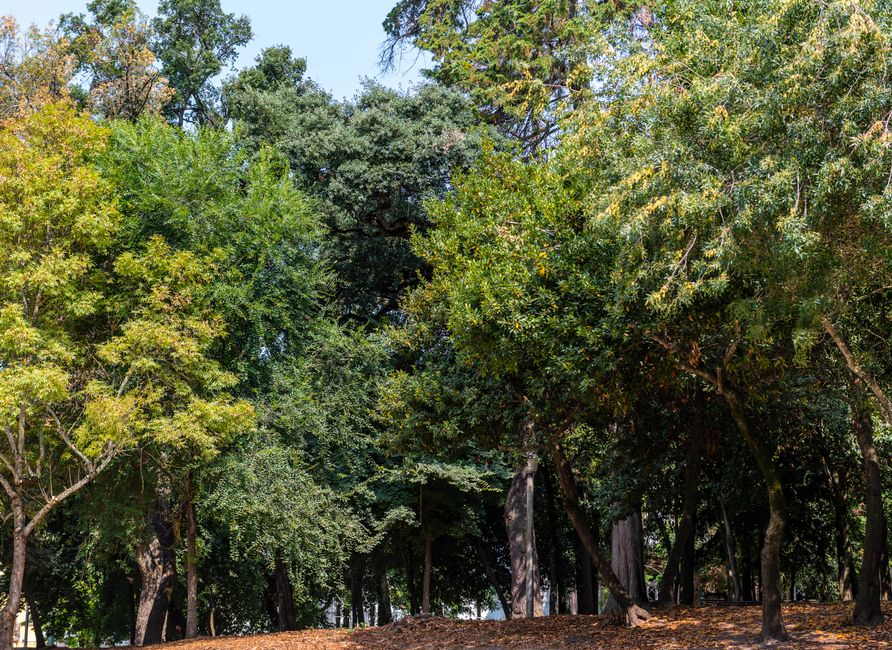
6. Madrid's Royal Water Source
Parque Fuente del Berro, Spain
This peaceful park, once a royal country estate, contains remnants of one of Madrid's most vital historical water sources, supplying the city centuries ago.
Tucked away in the Salamanca district, Parque Fuente del Berro was originally a private estate with its own natural spring, which became a crucial component of Madrid's early water supply system, the Canal de Isabel II. Today, while the grand estate is gone, the park retains a quiet charm, with mature trees displaying their autumn finery around waterfalls and ponds. It’s a perfect spot for a tranquil walk, connecting you to the hidden infrastructure that sustained the city.
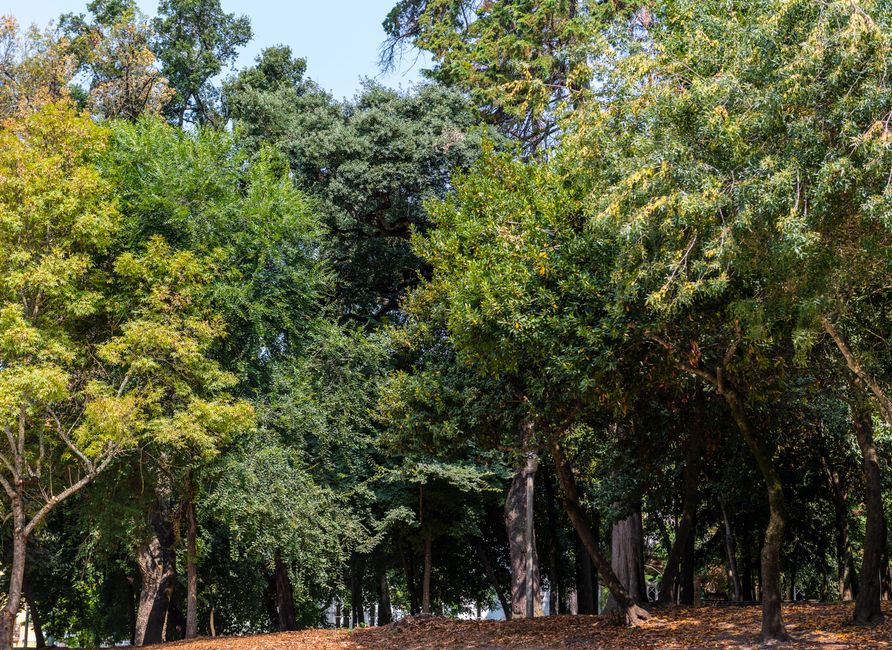
7. From Barracks to Botanical Wonders
Parque del Oeste, Spain
This expansive park, home to the Temple of Debod, was largely transformed from military barracks and a municipal dump into a grand urban green space in the early 20th century.
Parque del Oeste, meaning 'Western Park,' is a testament to urban transformation. What was once largely a military camp and a dumping ground was meticulously redeveloped into a beautiful public park at the turn of the 20th century. Its varied terrain, including the famous Rose Garden (Rosaleda) and the Temple of Debod, offers diverse landscapes. In autumn, its mature trees, particularly around the avenues, put on a magnificent display of color, inviting leisurely exploration of its surprising origins.
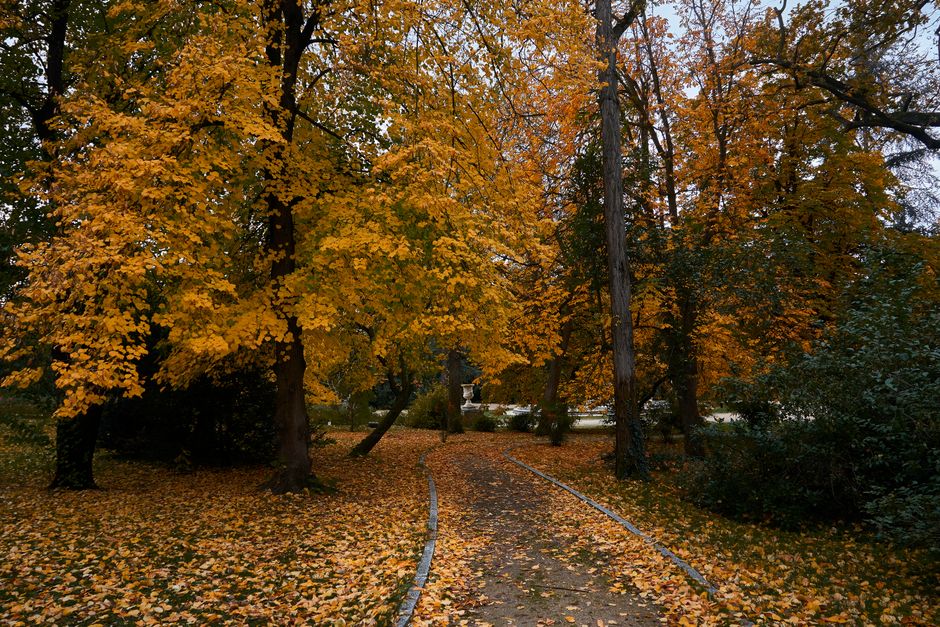
8. Enlightenment's Living Laboratory
Real Jardín Botánico, Spain
Established by King Charles III, this Royal Botanical Garden was a pivotal hub for Spain's Enlightenment-era scientific expeditions, cataloging plants from newly explored territories.
More than just beautiful gardens, the Real Jardín Botánico was a living scientific institution during the Age of Enlightenment. It served as a vital center for classifying and studying plant species brought back from Spain's numerous scientific expeditions, particularly from the Americas. Walking through its distinct terraces in autumn, with leaves turning golden around ancient trees and diverse plant collections, you're treading through centuries of botanical discovery and scientific endeavor.
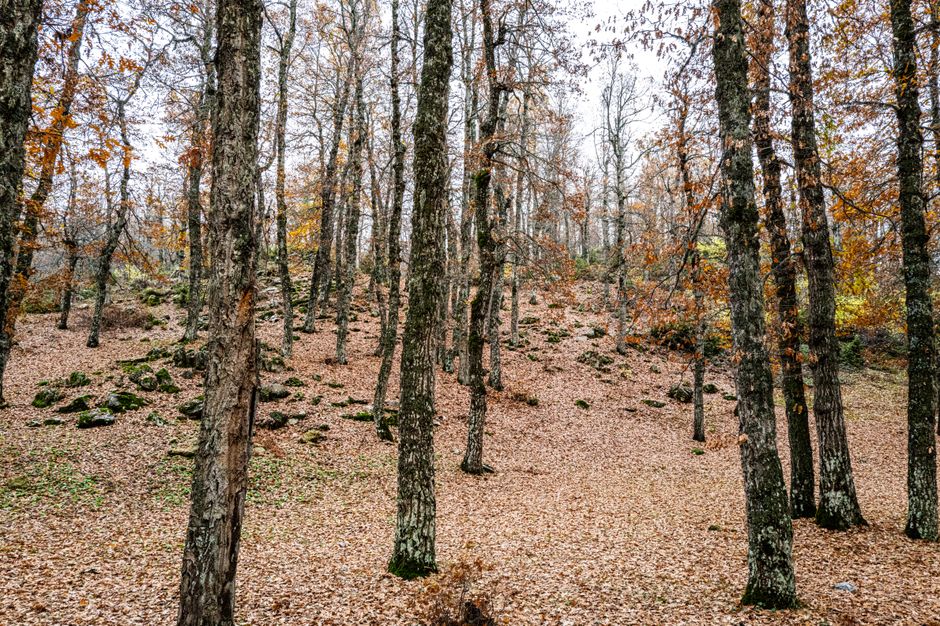
9. The Royal Hunting Ground, Democratized
Casa de Campo, Spain
Once the exclusive hunting preserve of Spanish royalty, this enormous park was controversially opened to the public by the Second Republic in 1931, democratizing centuries of private land.
Casa de Campo, Madrid's largest urban park, boasts a fascinating political history. For centuries, it was the private hunting estate of the Spanish monarchy, off-limits to ordinary citizens. In a revolutionary act, the Second Republic declared it public property in 1931, making it accessible to all Madrileños. Its vast expanses of oak forests and diverse landscapes offer expansive views and vibrant autumn colors, reflecting a profound shift from royal privilege to public enjoyment.
Frequently asked questions
When is the best time to see autumn foliage in Madrid?
The peak autumn foliage in Madrid typically occurs from late October through mid-November. This period offers the most vibrant reds, oranges, and yellows across the city's parks and gardens, depending on the year's weather patterns.
Are Madrid's parks free to enter?
Most of Madrid's large public parks, like Retiro, Casa de Campo, and Parque del Oeste, are free to enter. Some specialized gardens, such as the Real Jardín Botánico or Parque de El Capricho (which sometimes has limited access days), may have an entrance fee or require advance booking.
Can I cycle in Madrid's autumn parks?
Many of Madrid's larger parks, including Casa de Campo and sections of Parque del Retiro, have designated cycling paths, making them perfect for an autumn bike ride. Always check park-specific rules regarding cycling to ensure a safe and enjoyable experience for everyone.
How can AllTours.ai enhance my visit to these parks?
AllTours.ai transforms your exploration by narrating the history, geology, and culture of the places you visit. Simply point your phone camera at a landmark or landscape in a Madrid park, and the app will provide immersive audio stories in your language, bringing the surprising facts and hidden histories of each spot to life as you wander.
Related guides
Photography via Pexels. AllTours.ai is an AI audio tour guide — point your camera at any landscape and hear its story.