July 20, 2026 · 4 min read
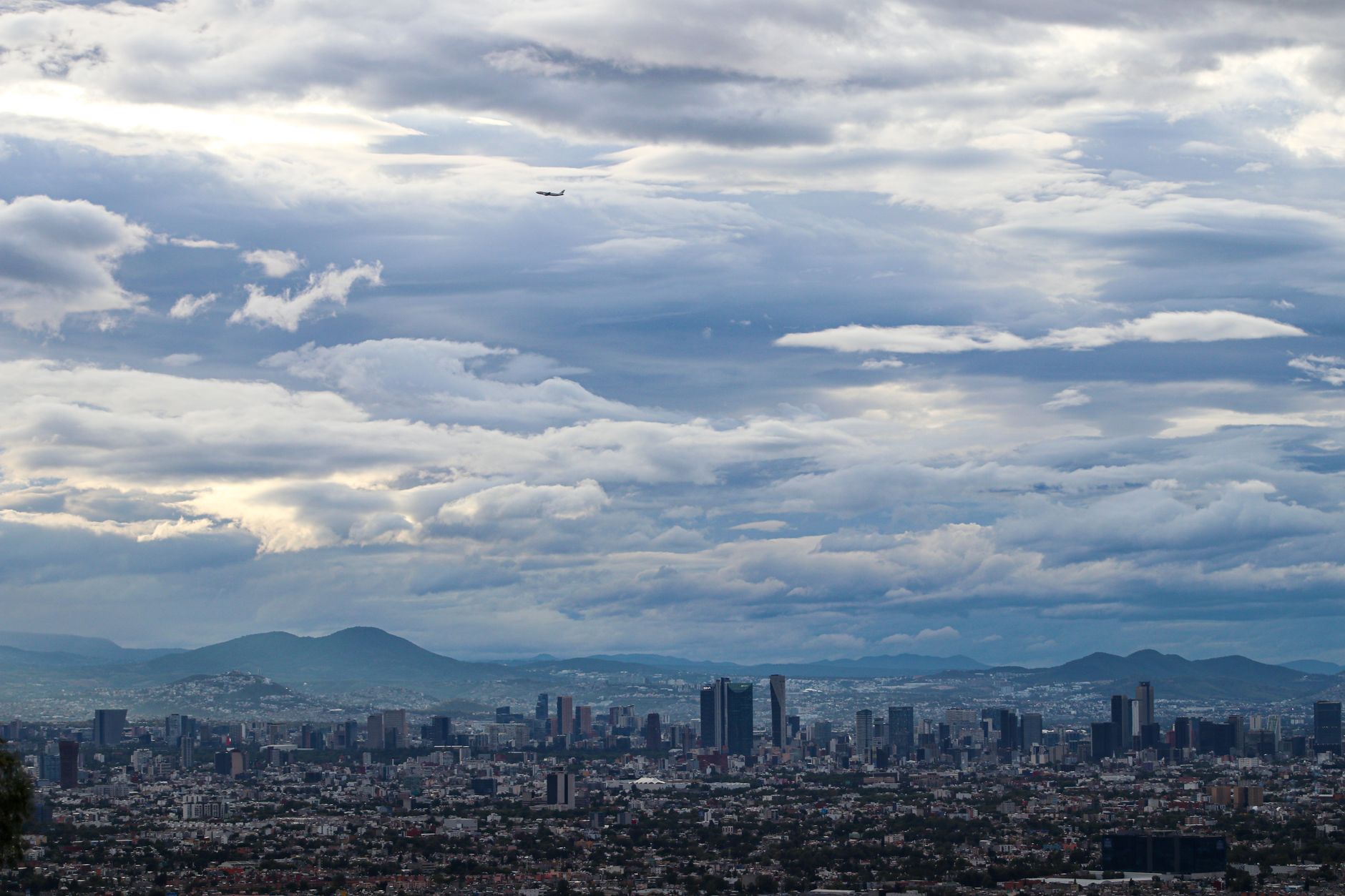
Mexico City, a metropolis built atop ancient civilizations, often draws visitors to its grand Zócalo. But beyond the bustling main square lies a city brimming with layers of untold stories, volcanic secrets, and artistic whispers.
To truly grasp the spirit of CDMX, one must venture into its less-trodden paths, where each corner reveals a surprising piece of its rich tapestry – from accidental archaeological finds to murals that spoke volumes in silence.
1. Templo Mayor's Accidental Reveal
Mexico City, Mexico
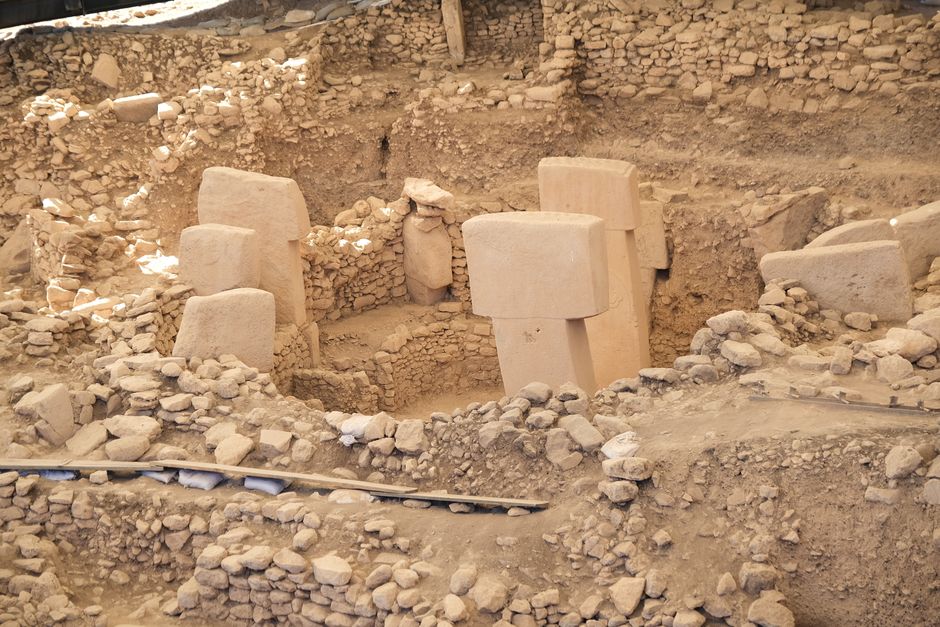
The most significant Aztec temple in Mexico City was rediscovered not by archaeologists, but by utility workers digging trenches for power lines.
For centuries, the heart of the Aztec empire lay buried beneath colonial Mexico City, its precise location a mystery. In 1978, employees of the electrical company unearthed a massive stone monolith depicting Coyolxauhqui, the Aztec moon goddess, sparking an immediate archaeological excavation. This accidental find revealed the immense Templo Mayor, allowing a direct glimpse into Tenochtitlan's ceremonial center, a place once thought lost forever.
2. The Censor's Brush at Hotel del Prado
Mexico City, Mexico
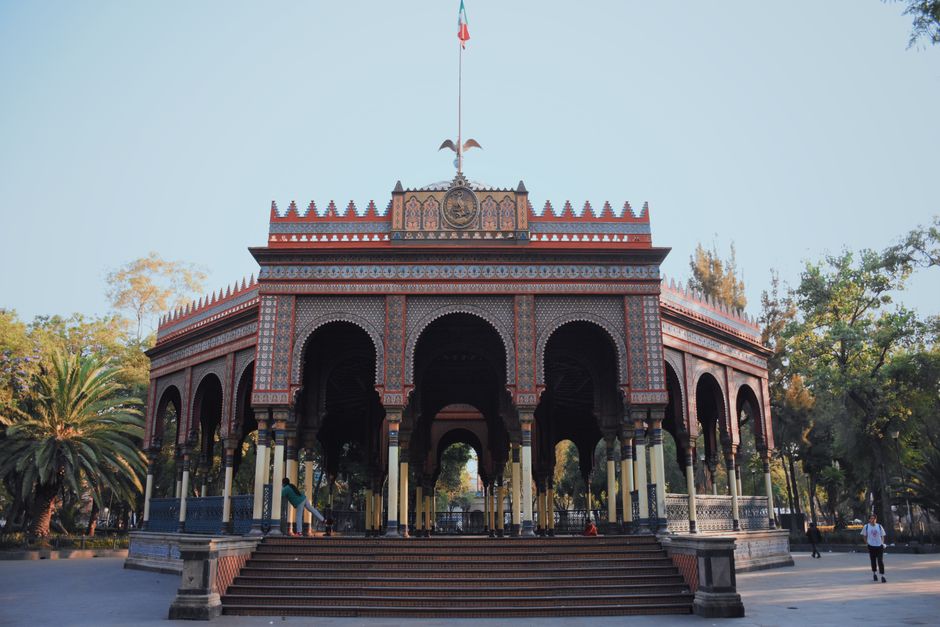
Diego Rivera's famous mural, 'Dream of a Sunday Afternoon in Alameda Park,' once featured a controversial figure that had to be painted out for nearly a decade.
This sprawling mural, originally located in the Hotel del Prado dining room, depicts centuries of Mexican history alongside Rivera himself, Frida Kahlo, and La Catrina. However, a small figure of Ignacio Ramírez, a 19th-century intellectual, holding a sign that read 'God Does Not Exist,' caused an uproar. For ten years, the offensive phrase was painted over, only to be restored after Rivera himself publicly defended artistic freedom and secularism, showcasing the mural's enduring power as a historical and political statement.
3. Diego Rivera's Volcanic Vision
Mexico City, Mexico
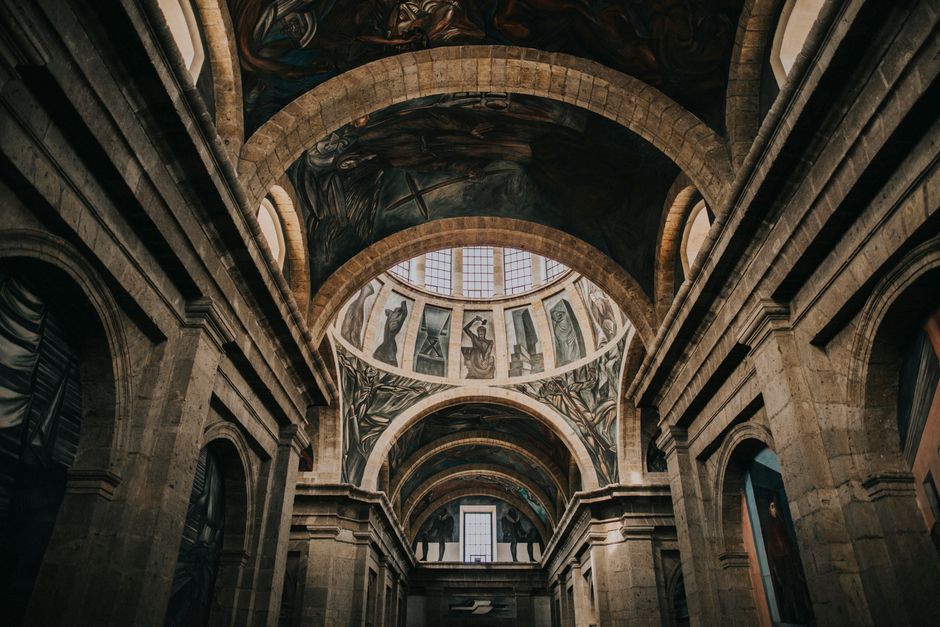
The Museo Anahuacalli is a fortress-like museum built from black volcanic stone, designed by Diego Rivera to house his vast collection of pre-Hispanic art and serve as a 'City of the Arts.'
Conceived by Rivera as a temple to the indigenous cultures of Mexico, this striking structure rises from the pedregal, a volcanic landscape in Coyoacán. Its design draws heavily from Mesoamerican architecture, creating a dramatic backdrop for over 50,000 pre-Hispanic pieces Rivera collected throughout his life. He envisioned it not just as a museum, but a comprehensive cultural center for Mexican art and thought, a testament to his deep reverence for the country's ancient heritage.
4. Tlatelolco's Three Layers of Time
Mexico City, Mexico
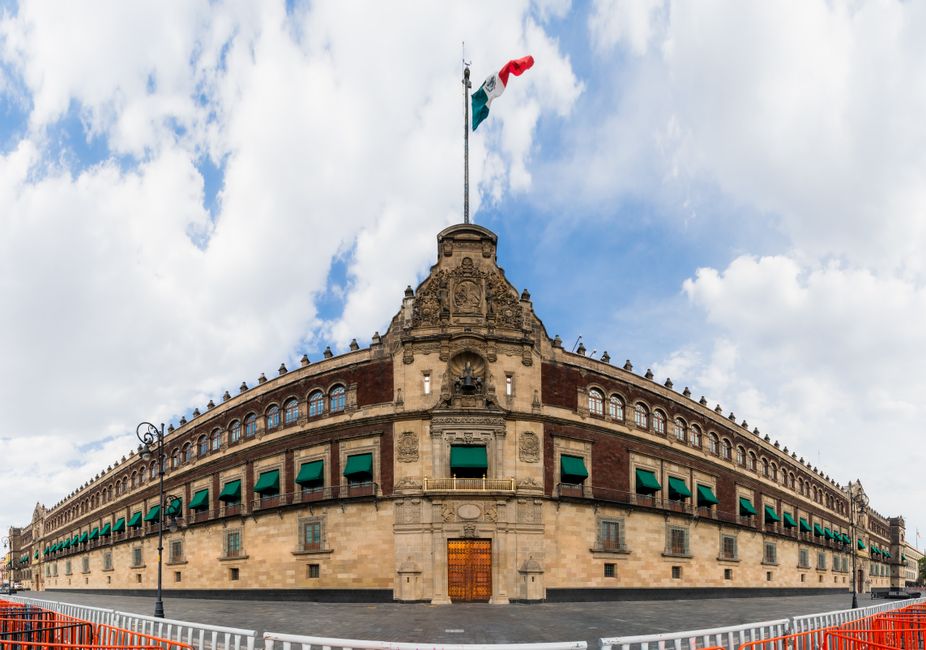
Plaza de las Tres Culturas dramatically showcases three distinct historical periods of Mexico in one single public square: pre-Hispanic, colonial, and modern.
This unique plaza is a living timeline. At its base lie the excavated ruins of the ancient Tlatelolco market and temple complex, once a rival city-state to Tenochtitlan. Above them stands the Santiago de Tlatelolco church and convent, built by the Spanish conquistadors using stones from the destroyed Aztec structures. Surrounding these are modern tower blocks and the foreign ministry building, completing a poignant tableau of conquest, resilience, and contemporary Mexico, a site also infamous for the 1968 student massacre.
5. Frida Kahlo's Enduring Presence
Mexico City, Mexico
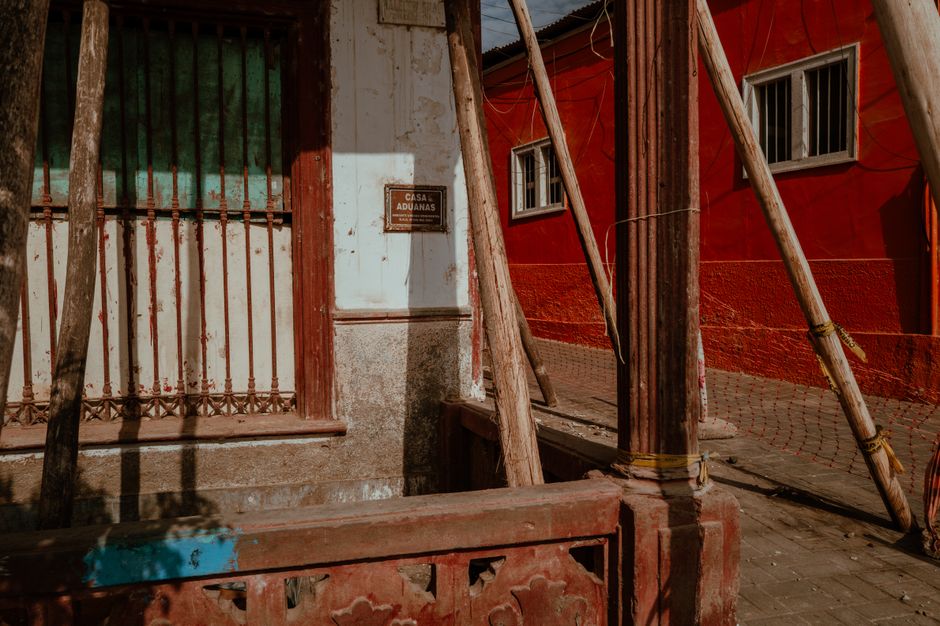
Inside the vibrant Casa Azul, Frida Kahlo's ashes rest in an ancient urn shaped like a frog, near her bed, symbolizing her connection to Mexican folklore and her land.
While famous as the Frida Kahlo Museum, Casa Azul offers a profoundly intimate look into the artist's life, her vibrant personal spaces, and her artistic influences. The house, where she was born, lived, and died, remains largely as she left it. Visitors can see her studio, her garden, and the blue walls that inspired her. The presence of her ashes, contained within a pre-Columbian-inspired urn, serves as a powerful, tangible link to her spirit and her enduring legacy in Mexican art and culture.
6. The Mummies of San Ángel
Mexico City, Mexico
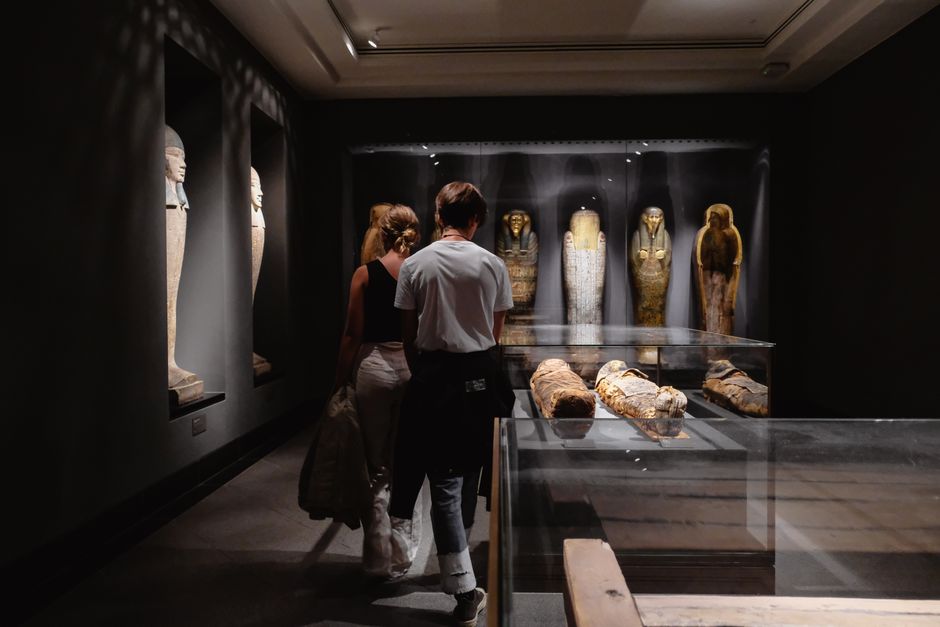
Beneath the beautiful Baroque church of El Carmen in the charming San Ángel neighborhood, a crypt holds the naturally mummified remains of 12 people from centuries past.
The Museo del Carmen, housed in a former Carmelite monastery, is known for its exquisite colonial art and architecture. However, its most chilling secret lies below: a crypt where, due to the dry, mineral-rich soil and specific climate conditions, a dozen bodies from the 17th and 18th centuries were naturally preserved. These accidental mummies, some still clothed, offer a rare, eerie glimpse into the lives and funerary practices of colonial Mexico, a stark contrast to the vibrant art above.
7. Ancient Flavors at Mercado de San Juan
Mexico City, Mexico
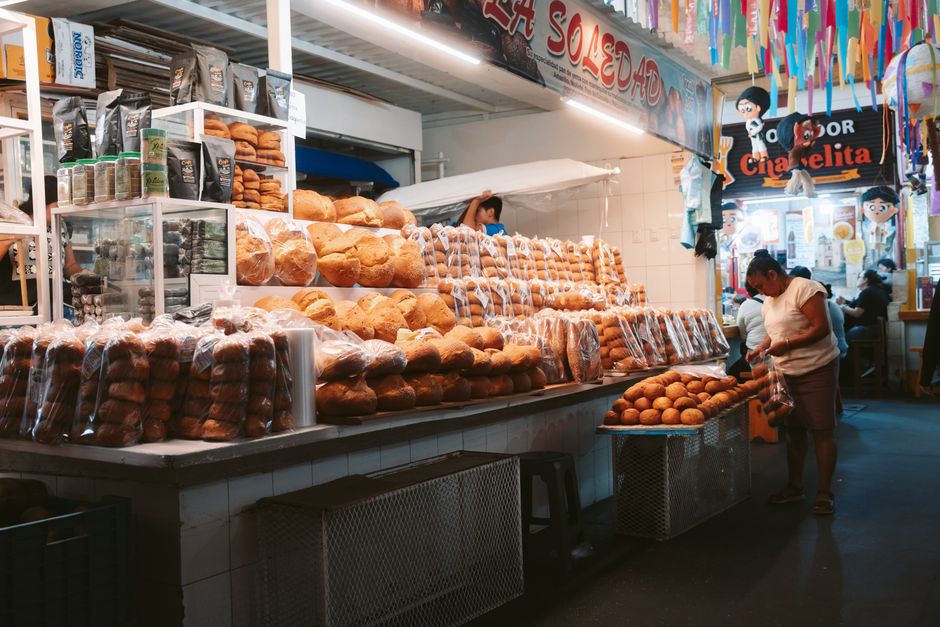
More than just a market for exotic meats, Mercado de San Juan is a living testament to Mexico's pre-Hispanic culinary traditions, where insects and unusual game have been consumed for millennia.
While modern tastes might find its offerings unusual, this bustling market is a cultural treasure trove. Here, you can find everything from venison and wild boar to escamoles (ant larvae), maguey worms, and even lion or crocodile meat, all prepared and sold with a deep connection to indigenous hunting and gathering practices. It’s a sensory explosion and a direct link to the diverse diet of ancient Mesoamerican civilizations, offering a daring culinary adventure into Mexico's past.
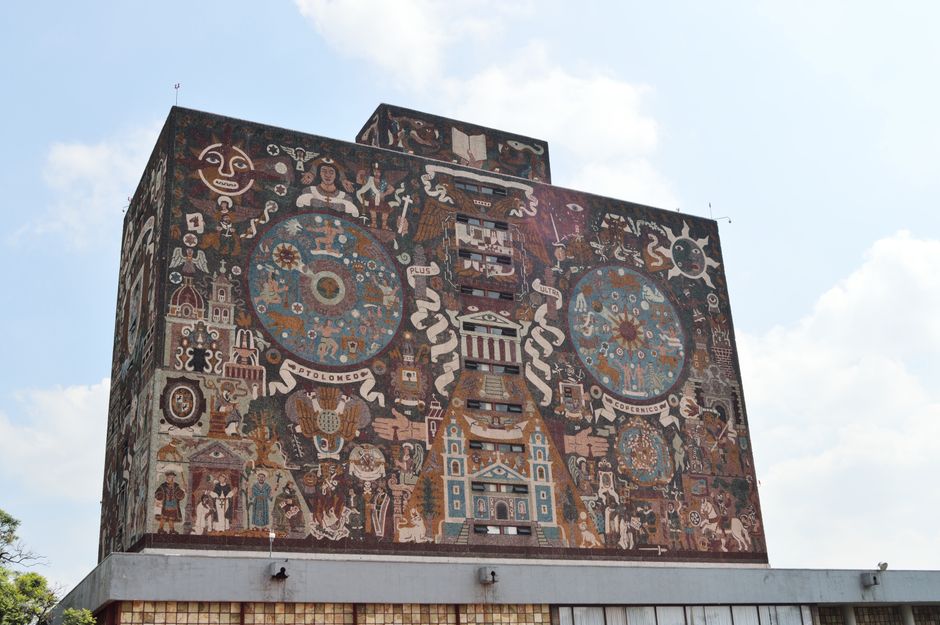
8. UNAM's Story-Telling Library
Mexico City, Mexico
The Central Library of the National Autonomous University of Mexico (UNAM) is not just a repository of books, but a colossal mosaic mural covering all four of its exterior walls, telling the story of Mexico's cultural past and present.
Designed by Juan O'Gorman, the library's exterior is entirely covered in a magnificent, four-sided mural created from millions of colored stones. Each wall depicts a different epoch of Mexican history—pre-Hispanic, colonial, and modern—culminating in a vision of the university's role in the nation's future. It's a UNESCO World Heritage site and a monumental piece of public art, a testament to Mexico's rich narrative told through an architectural masterpiece.
Frequently asked questions
Is Mexico City safe for tourists?
Like any major global city, Mexico City has areas that are safer than others. Popular tourist areas like Roma, Condesa, Coyoacán, and the historic center are generally safe during the day, especially with common precautions. It's always wise to be aware of your surroundings, avoid walking alone at night, and use reputable transportation services.
What's the best way to get around Mexico City?
Mexico City has an extensive and affordable public transportation system, including the Metro, Metrobus, and RTP buses. Ride-sharing apps like Uber and Didi are also widely available and convenient. For exploring specific neighborhoods or sites, walking is often the best way to soak in the atmosphere.
What is the best time of year to visit Mexico City?
The spring months (March to May) offer pleasant temperatures and less rain, making them ideal for exploring. The fall (September to November) is also popular, especially around Día de Muertos (Day of the Dead). The rainy season typically runs from May to October, with afternoon showers common but usually brief.
How can AllTours.ai help me explore these hidden gems?
AllTours.ai uses your phone's camera to identify landmarks and landscapes around you. Simply point your camera, and the app will provide instant audio narration about the history, geology, and culture of what you're seeing, in your preferred language. It's like having a personal expert guide reveal the fascinating stories behind every hidden gem.
Related guides
Photography via Pexels. AllTours.ai is an AI audio tour guide — point your camera at any landscape and hear its story.