July 16, 2026 · 4 min read
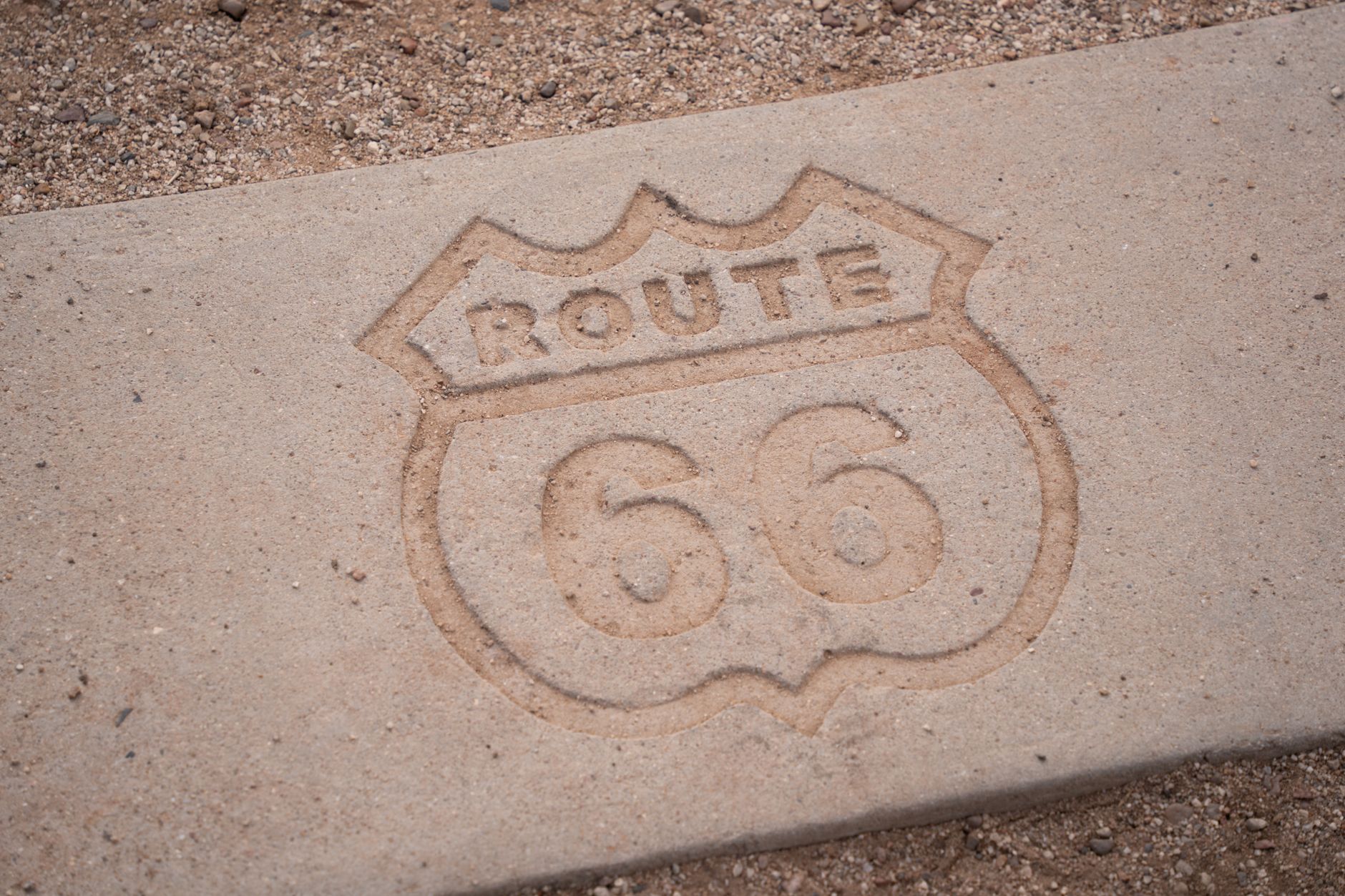
Route 66 is more than just a highway; it’s a living museum of American ingenuity, kitsch, and forgotten dreams. While some iconic stops draw crowds, the true magic often lies in the overlooked nooks and crannies—the places with stories so unique, they stick with you long after the dust settles. These are the spots that truly answer the question: What was your favorite quirky roadside attraction on Route 66?
We’ve scoured the Mother Road for those genuinely surprising, lesser-known gems, each with a specific piece of history, geology, or culture that makes them unforgettable. These aren't just photo ops; they're windows into the heart of a bygone era, waiting for curious travelers to uncover their tales.
1. The Bewildering Head of Fanning
Fanning, Illinois, USA
This colossal concrete head, 'Giganticus Headicus,' guards a small art gallery, its origin as mysterious as its gaze.
Standing at over 14 feet tall, Giganticus Headicus is a towering concrete sculpture created by local artist Bob Waldmire in 2002. It serves as a striking, if bewildering, landmark for the nearby Henry's Ra66it Ranch. Waldmire, a staunch environmentalist and Route 66 advocate, intended the head to be a thought-provoking piece, a silent observer to the highway's ebb and flow, embodying the quirky, independent spirit of the road's artists.
2. The Bridge That Bends Mid-River
Granite City, Illinois / St. Louis, Missouri, USA
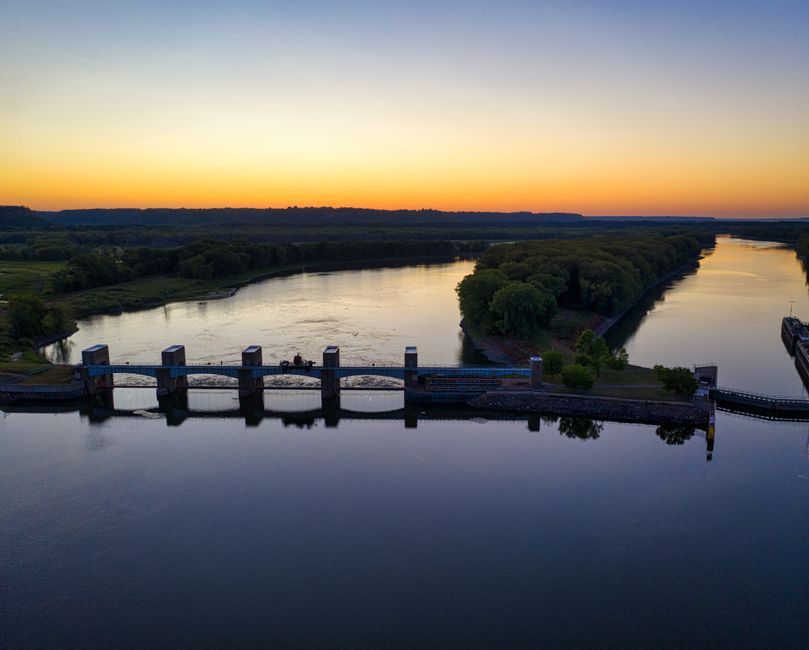
The Chain of Rocks Bridge features an inexplicable, abrupt 22-degree bend halfway across the Mississippi River.
Once a crucial part of Route 66, the Chain of Rocks Bridge is a marvel of early 20th-century engineering, but with a bizarre twist. Opened in 1929, this mile-long bridge takes a dramatic 22-degree turn in the middle of the river. This sharp bend was not an aesthetic choice but a navigation requirement for river traffic, making it a challenging drive for early motorists. Now a pedestrian and cycling path, it offers unique views and a tangible connection to the road's past.
3. Tall Paul, The Gemini Giant's Lesser-Known Cousin
Atlanta, Illinois, USA
One of the famed 'Muffler Men' of Route 66, this giant holds a hot dog, a relic of a forgotten restaurant chain.
While many know the Gemini Giant, 'Tall Paul' in Atlanta, Illinois, is another iconic fiberglass 'Muffler Man' from the 1960s. Originally holding an axe, he was repurposed for the Bunyon's restaurant chain, holding a hot dog. These towering figures, often between 18 and 25 feet tall, were promotional tools for roadside businesses across America. Tall Paul stands as a testament to this unique era of oversized advertising, a silent sentinel of a bygone fast-food empire.
4. The Twin Arrows in the Desert
Winslow, Arizona, USA
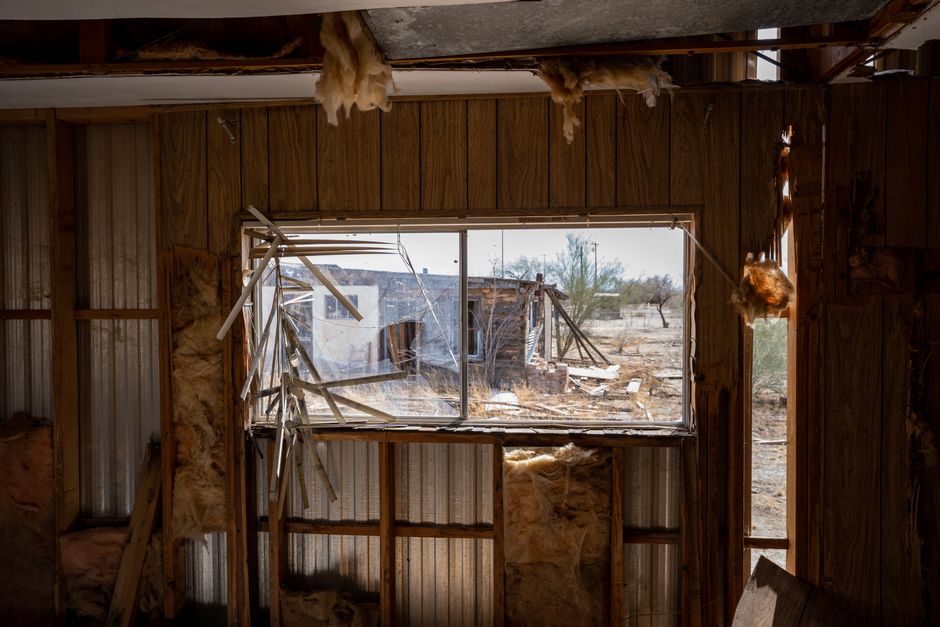
Two colossal arrows, once marking a thriving trading post, now stand as decaying monuments to Route 66's decline.
The Twin Arrows Trading Post was a vibrant stop for travelers on Route 66, known for its enormous wooden arrows seemingly shot into the ground. Built in the 1950s, it offered souvenirs, gas, and a diner. After Interstate 40 bypassed this stretch of the Mother Road, the trading post slowly faded into disrepair. Today, the arrows, though broken and weathered, remain a hauntingly beautiful reminder of the road's transient nature and the businesses it left behind.
5. Lucille's Gas Station: The Mother Road's Mother
Hydro, Oklahoma, USA
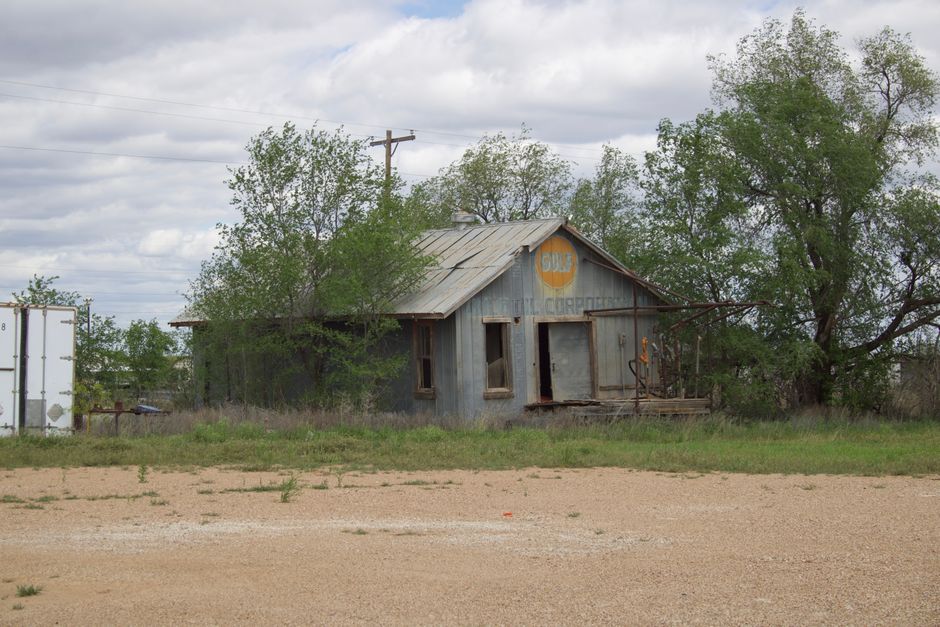
This historic gas station was run for decades by Lucille Hamons, a beloved figure known as the 'Mother of the Mother Road.'
Lucille's Service Station, a two-story sandstone building, has been a fixture on Route 66 since 1929. Lucille Hamons operated the gas station and grocery store for over 50 years, becoming an icon of hospitality and a lifeline for travelers. She was known for her kindness and unwavering dedication, earning her the affectionate nickname. Though she passed away in 2000, her station remains beautifully preserved, a genuine piece of living history and a tribute to the human spirit of Route 66.
6. The Original Brick Road of Auburn
Auburn, Illinois, USA
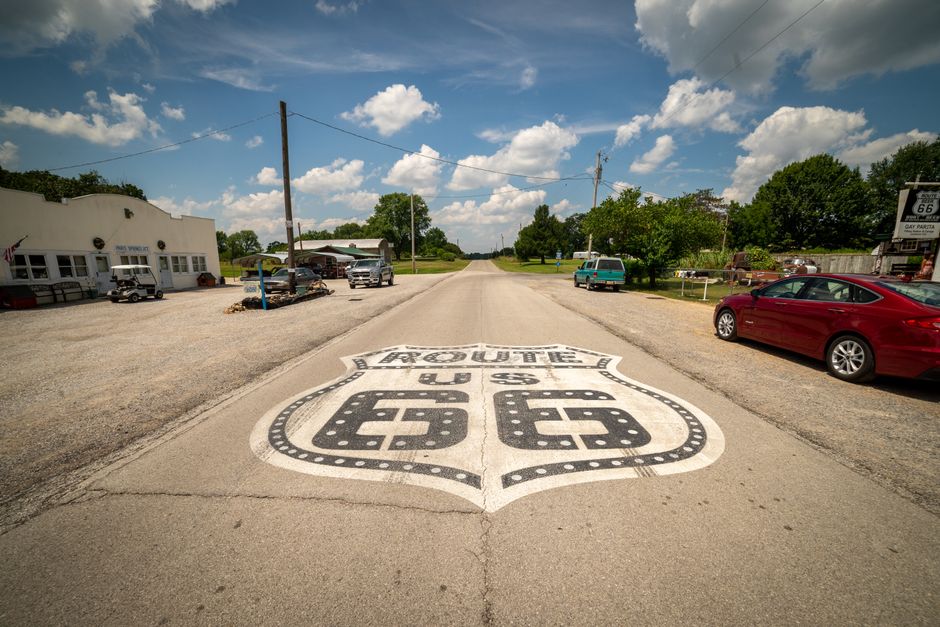
Drive on an authentic, perfectly preserved mile-long stretch of the original 1930s brick paving of Route 66.
South of Auburn, Illinois, lies a remarkable and often overlooked segment of the original Route 66: a mile of perfectly preserved brick road. Built in the 1930s, this section offers a tangible connection to the road's early days, allowing drivers to experience the texture and sound of travel as it once was. It's a rare chance to truly feel the history beneath your tires, a stark contrast to modern asphalt, and a testament to the durability of early road construction.
7. Bowlin's Continental Divide Trading Post
Continental Divide, New Mexico, USA
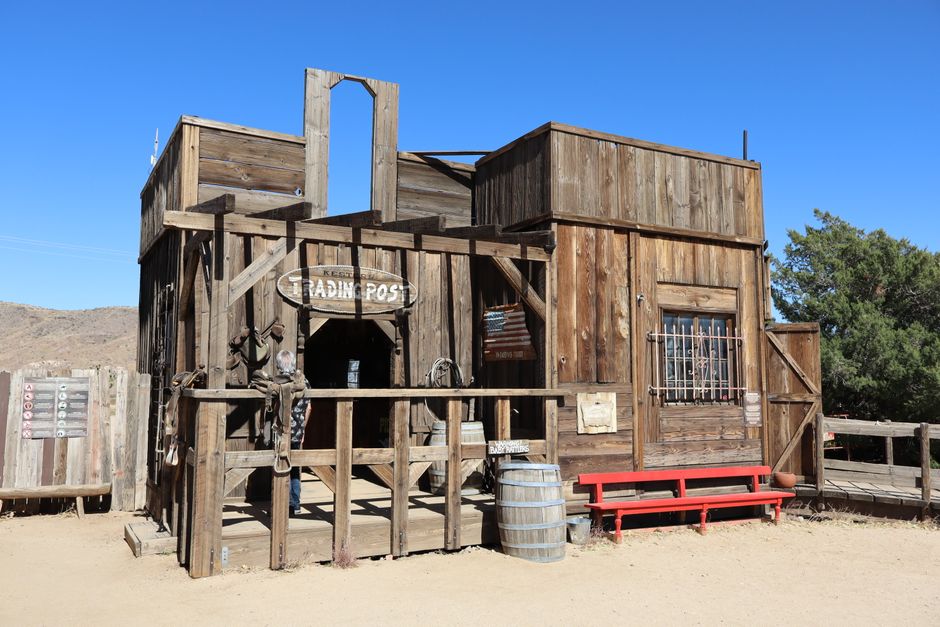
Perched on the Continental Divide, this trading post offered Native American crafts and a unique geographic landmark to early travelers.
More than just a souvenir shop, Bowlin's Continental Divide Trading Post sits directly on the Continental Divide, where rainfall either flows towards the Pacific or Atlantic Ocean. Established by the Bowlin family in the 1930s, it became a popular stop for tourists seeking authentic Native American jewelry, pottery, and blankets. It embodies the intersection of natural wonder and cultural exchange that defined many stops on the western half of Route 66, reminding travelers of the vast, diverse landscape they traversed.
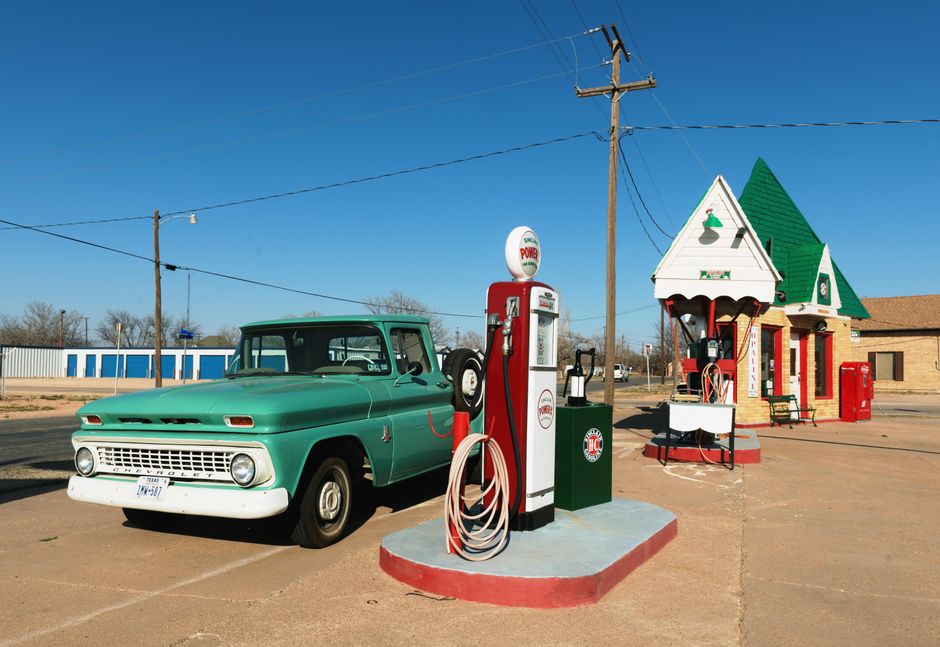
8. The Deliberately Leaning Water Tower of Groom
Groom, Texas, USA
This water tower was intentionally installed at a precarious angle as a quirky marketing stunt.
Just off Route 66 in Groom, Texas, stands a water tower that appears to be on the verge of toppling over. This isn't an accident; it was deliberately erected at an angle by Ralph Britten in 1980 as a unique advertising gimmick for his truck stop and tourist attraction. Even after the truck stop closed, the leaning water tower remained, becoming an enduring symbol of Route 66's playful and eccentric spirit, a visual gag that still makes drivers do a double-take.
Frequently asked questions
What is the best time of year to drive Route 66?
Spring (April-May) and Fall (September-October) are generally considered the best times. The weather is milder, avoiding the intense summer heat and potential winter snows, making for more comfortable driving and sightseeing.
How long does it take to drive the entire length of Route 66?
Driving the full 2,400 miles of historic Route 66 typically takes about 2 to 3 weeks if you want to stop and explore the numerous attractions without rushing. A faster pace might cut it to 10-14 days, but you'd miss many hidden gems.
Is Route 66 still worth driving, even though parts are bypassed?
Absolutely! While Interstate 40 has replaced much of the original road, significant, well-preserved sections of historic Route 66 remain. These stretches offer an unparalleled nostalgic journey, filled with unique roadside attractions, vintage diners, and a genuine slice of Americana that modern highways can't replicate.
How can the AllTours.ai app enhance my Route 66 road trip?
The AllTours.ai app transforms your road trip by providing instant audio tours of the places you see. Simply point your phone camera at any landmark, landscape, or quirky attraction, and the app will narrate its history, geology, and culture in your language, uncovering the deeper stories behind every stop on Route 66.
Related guides
Photography via Pexels. AllTours.ai is an AI audio tour guide — point your camera at any landscape and hear its story.