September 1, 2026 · 4 min read
The United States is a mosaic of environments, from sun-baked deserts to icy tundras, towering mountains to expansive prairies. This incredible variety is a dream for road trippers, offering a new world around every bend. But beyond the well-trodden paths of famous national parks, a deeper layer of unique landscapes and climates awaits, each with its own surprising story.
For those who crave the thrill of discovery and the rich narratives etched into the land, the U.S. offers an unparalleled journey. We're diving into some of the continent's most fascinating, yet often overlooked, corners to reveal what truly makes the diversity of landscapes and climates in the U.S. so unique for adventurous travelers.
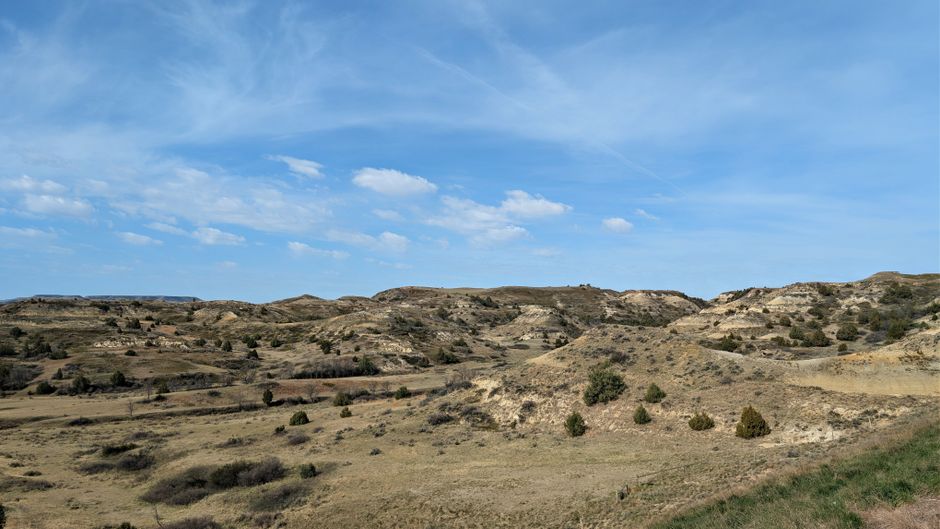
1. Where the Wild West Forged a President
Medora, North Dakota, USA
A former president's cattle ranching history shaped conservation in these rugged badlands.
Theodore Roosevelt's deep connection to the rugged North Dakota Badlands, where he sought solace and rebuilt his spirit after personal tragedy, directly influenced his groundbreaking conservation policies. These striking badlands, with their petrified forests and free-roaming bison herds, are a testament to his legacy, offering a glimpse into a landscape that once tested and shaped a future president and remains wild to this day.
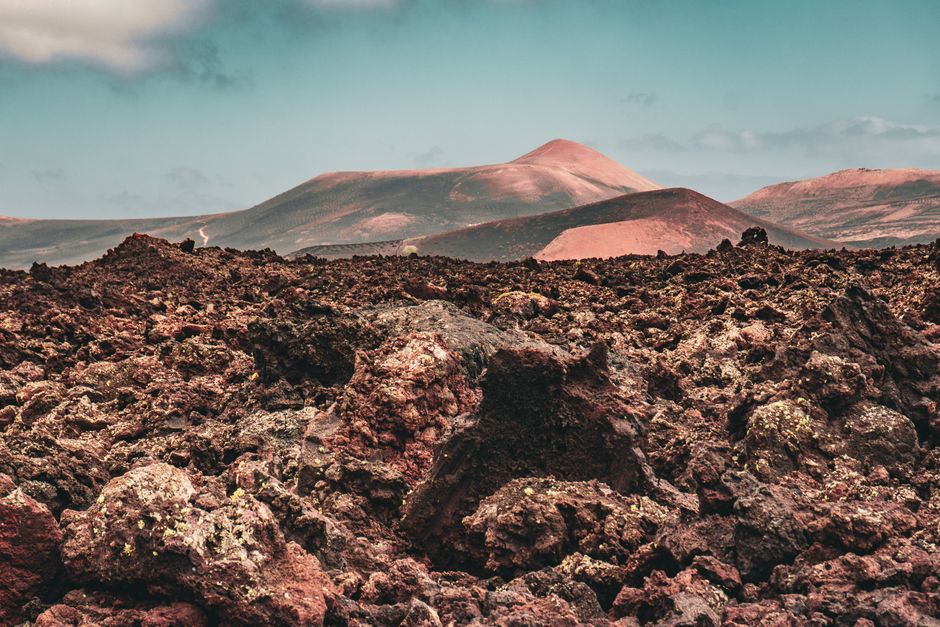
2. Moonscapes on Earth
Arco, Idaho, USA
This vast lava field was so alien that NASA used it to train Apollo astronauts for lunar missions.
Craters of the Moon National Monument and Preserve is a surreal landscape of vast lava flows, cinder cones, and lava tubes that looks eerily like the moon's surface. So much so that NASA brought Apollo astronauts here in the 1960s to train for lunar missions, helping them understand volcanic geology and collect samples in an alien environment. Exploring its barren, ancient volcanic fields truly feels like stepping onto another planet.
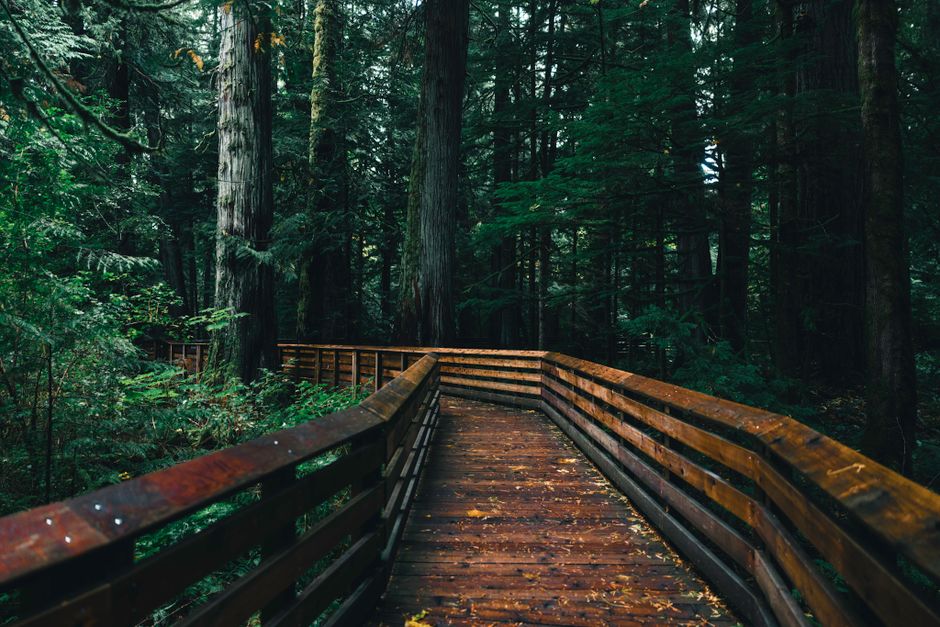
3. A Primeval Forest of Champions
Hopkins, South Carolina, USA
Congaree harbors the largest concentration of champion trees in North America, some of the tallest in the world.
Congaree National Park protects the largest intact tract of old-growth bottomland hardwood forest in the U.S., harboring the largest concentration of champion trees in North America. This includes some of the tallest bald cypress and loblolly pines in the world. This ancient floodplain forest, frequently inundated by the Congaree River, hosts a unique ecosystem accessible via boardwalks through its towering 'tree islands,' offering a truly primeval experience unlike any other in the South.
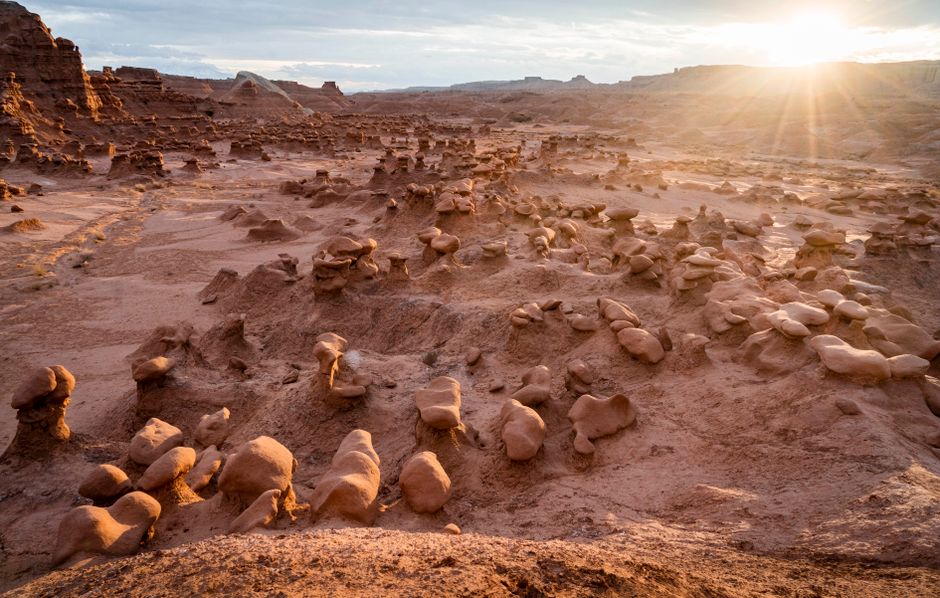
4. The Land of Stone Goblins
Green River, Utah, USA
Thousands of mushroom-shaped hoodoos populate this valley, giving it an otherworldly and playful feel.
In Goblin Valley State Park, wind and water have sculpted the soft Entrada Sandstone into thousands of strange, mushroom-shaped pinnacles and formations, resembling a whimsical army of stone goblins. Unlike the grand canyons of its neighbors, Goblin Valley invites visitors to wander freely among these unique geological 'figures,' offering a playful and otherworldly experience in the heart of Utah's desert landscape.
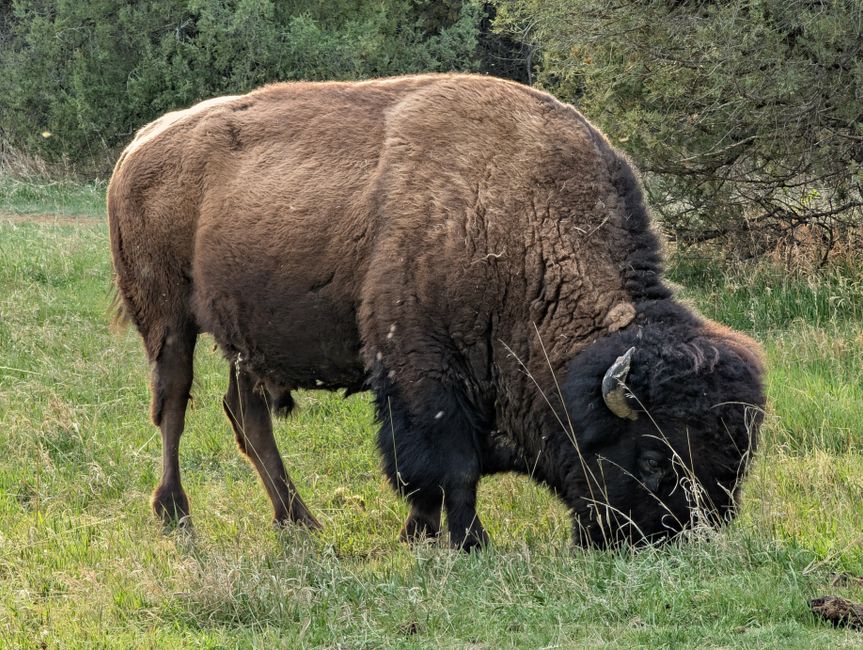
5. Echoes of the Great American Prairie
Strong City, Kansas, USA
One of the last remaining fragments of the vast tallgrass prairie that once covered much of North America.
The Tallgrass Prairie National Preserve protects a mere 4% of the original tallgrass prairie, a vital ecosystem that once stretched from Canada to Texas. It's a living museum of what North America looked like before widespread settlement, home to bison herds and an incredible diversity of grasses and wildflowers. This landscape is crucial to American history and ecology, often overlooked in favor of mountains or coasts.
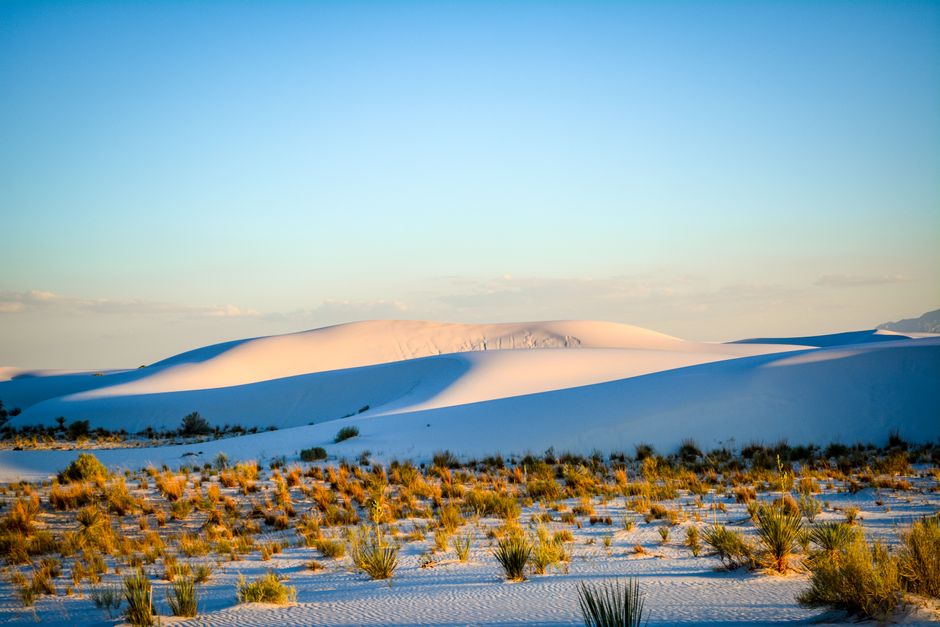
6. A Sea of White Dunes
Alamogordo, New Mexico, USA
The world's largest gypsum dune field, created by a vanished ancient lake, is unlike any other desert.
Unlike typical sand dunes made of quartz, the vast, dazzling white dunes of White Sands National Park are composed of gypsum crystals, washed down from surrounding mountains over millennia. This unique geology is a remnant of a prehistoric sea, creating a surreal, ever-shifting landscape where you can sled down pure white slopes and explore an ecosystem adapted to extreme conditions in the Chihuahuan Desert.

7. Lake Superior's Sculpted Shores
Bayfield, Wisconsin, USA
Sea caves carved into sandstone cliffs, accessible by kayak in summer or as stunning ice caves in winter.
Along the rugged coast of Lake Superior, the Apostle Islands National Lakeshore boasts spectacular sea caves carved into sandstone cliffs by centuries of wave action. These intricate formations, accessible by kayak in summer or as stunning ice caves in winter (when the lake freezes solid), reveal a dramatic interplay of water and rock, offering a unique Great Lakes coastal experience far from typical ocean beaches.
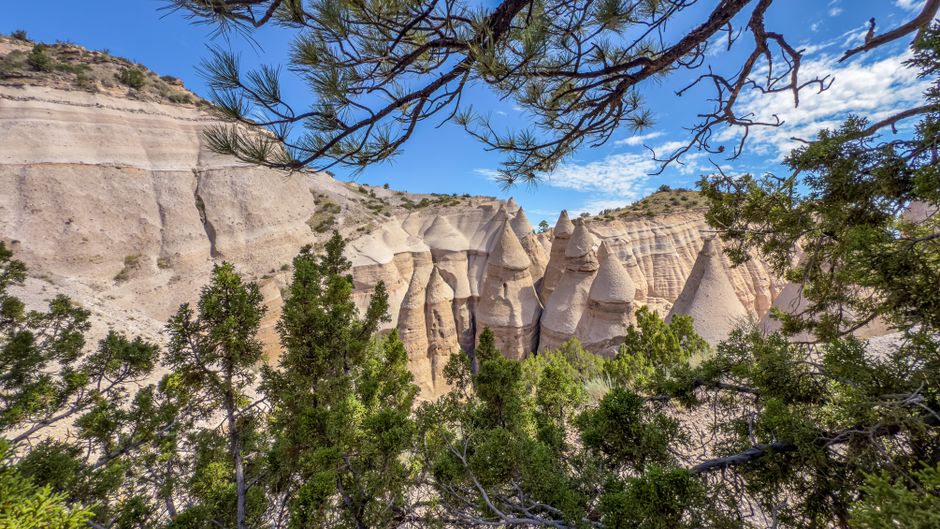
8. Nature's Balancing Act: Tent Rocks
Cochiti Pueblo, New Mexico, USA
Unique cone-shaped tent rock formations with 'hats' of harder rock, formed by ancient volcanic eruptions.
Kasha-Katuwe Tent Rocks National Monument features fascinating cone-shaped tent rock formations, some topped with 'hats' of harder volcanic rock, which are the result of ancient volcanic ash and pumice deposits eroded over millions of years. Located on Cochiti Pueblo tribal land, the monument offers a unique geological hike through a landscape that feels both alien and sacred, showcasing the surprising diversity of New Mexico's geology.
Frequently asked questions
How do I find truly unique and less crowded places in the U.S.?
Go beyond major national parks; state parks, national monuments, and national forests often hold incredible, less-trafficked natural wonders. Research regional guides, local recommendations, and obscure travel blogs to uncover hidden gems.
What's the best way to experience the diverse climates of the U.S. on a single trip?
Plan a cross-country road trip, moving from one distinct region to another. For example, start in the temperate Pacific Northwest, drive through the arid desert Southwest, then across the Great Plains to the humid South, allowing plenty of time to experience each climate zone.
Are these lesser-known spots accessible for road trippers?
Many are easily accessible by car, often just a short drive off major interstates or scenic byways. Some might require navigating gravel roads or taking short hikes to reach the main attractions, but generally, they are designed for public access. Always check local conditions and road advisories before you go.
How can an AI audio tour app enhance a road trip to these unique places?
An AI audio tour app like AllTours.ai uses your phone's camera to identify landmarks and landscapes, then narrates their history, geology, and culture in your language. It's like having a local expert with you, providing deep, context-rich stories about the very places you're looking at, bringing even the most obscure sites to life.
Related guides
Photography via Pexels. AllTours.ai is an AI audio tour guide — point your camera at any landscape and hear its story.