September 16, 2026 · 4 min read
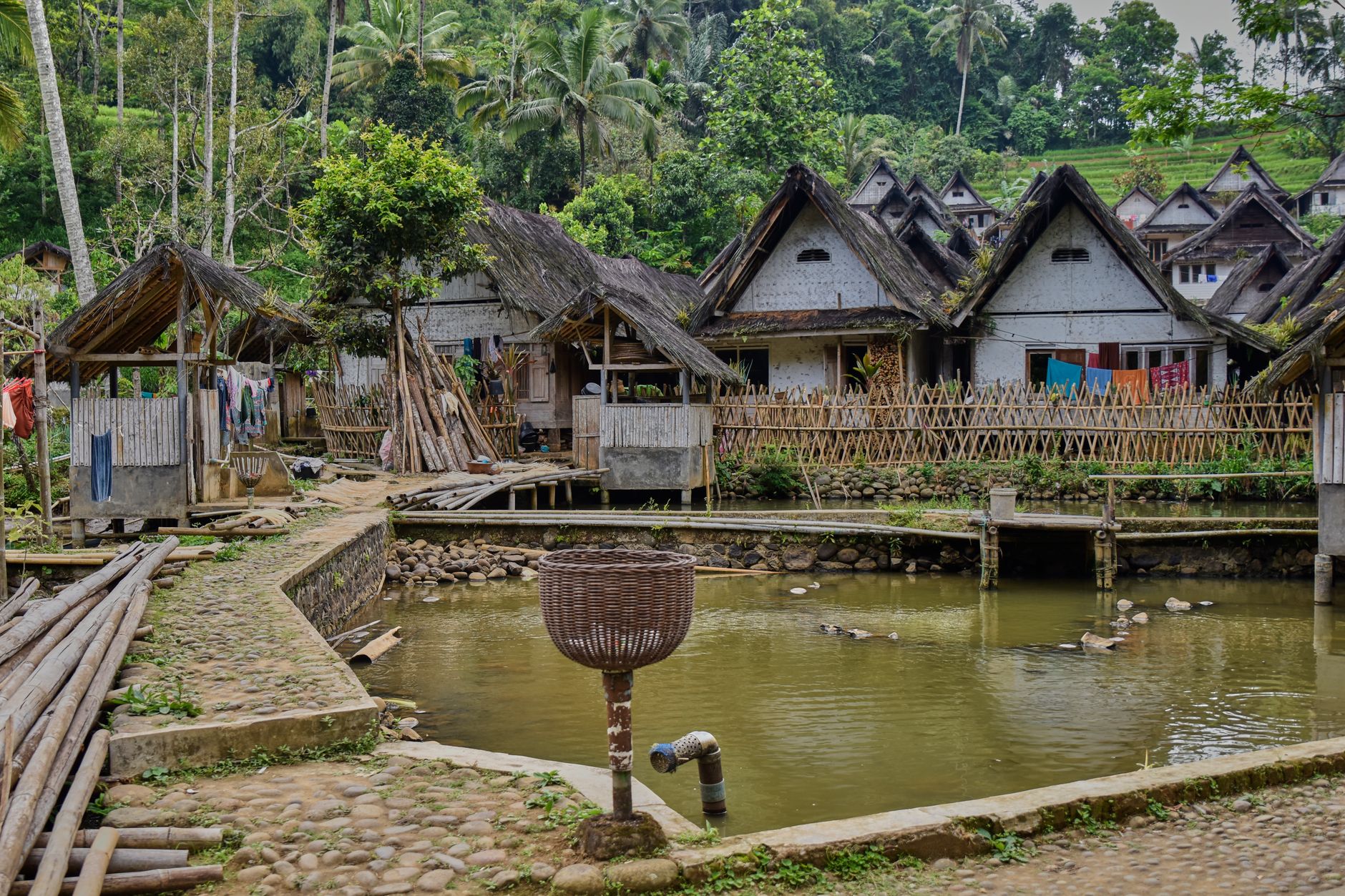
The question of how societies provide for everyone, especially those who choose not to engage with traditional market economies, often sparks complex discussions. Beyond the theoretical debates, history and present-day offer fascinating real-world examples of communities that have forged alternative paths.
These aren't just abstract ideas; they are places you can visit, touch, and learn from. We're venturing beyond the well-trodden tourist paths to discover lesser-known communities that have, in various forms, addressed how to account for individual needs outside of conventional economic participation, creating robust systems of collective support and shared living.
1. Where Faith Forged a Collective Future
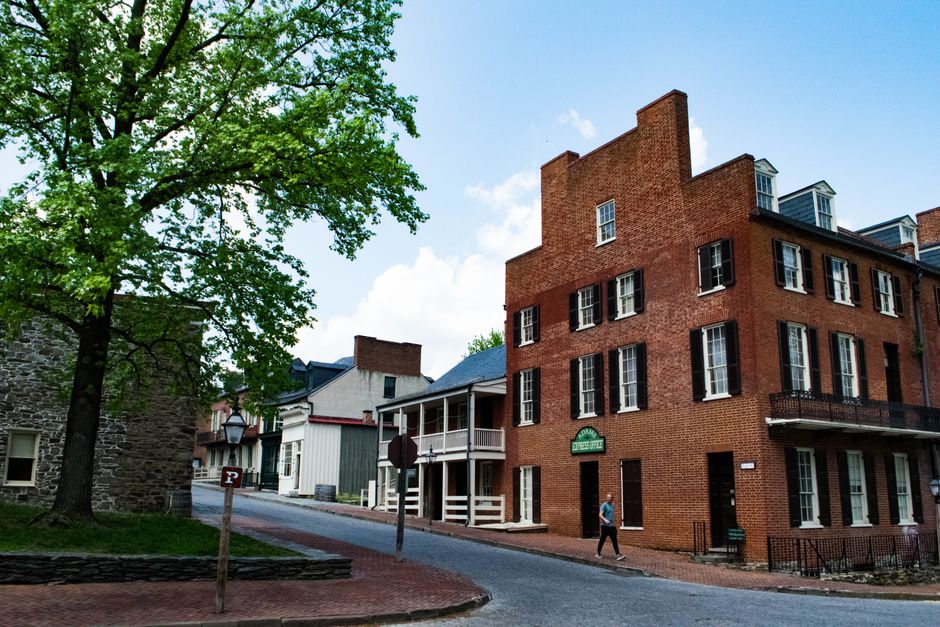
Amana Colonies, Iowa, USA
A 19th-century religious community in Iowa once shared all property and labor, operating a remarkably self-sufficient economy for decades.
Founded by German Pietists, the Amana Colonies lived under a system of Christian communism from 1855 to 1932. All property was held in common, and members received housing, food, and necessities in exchange for their labor. This collective approach ensured every individual's needs were met, fostering thriving industries from flour mills to woolen factories, long before modern welfare states emerged.

2. The Lake Where Women Hold the Keys
Lugu Lake (Yunnan/Sichuan border), China
In the Himalayan foothills, the Mosuo people live in a matriarchal society where property is inherited by women, and traditional marriage is replaced by "walking marriages."
The Mosuo are often called China's last matriarchal society. Unlike many cultures, women are the heads of households, managing finances and property. Men often live with their mothers and visit partners in "walking marriages," where children are raised communally within the mother's household, ensuring care and resources for all, independent of a male breadwinner.
3. The Perfectionist's Industrial Utopia
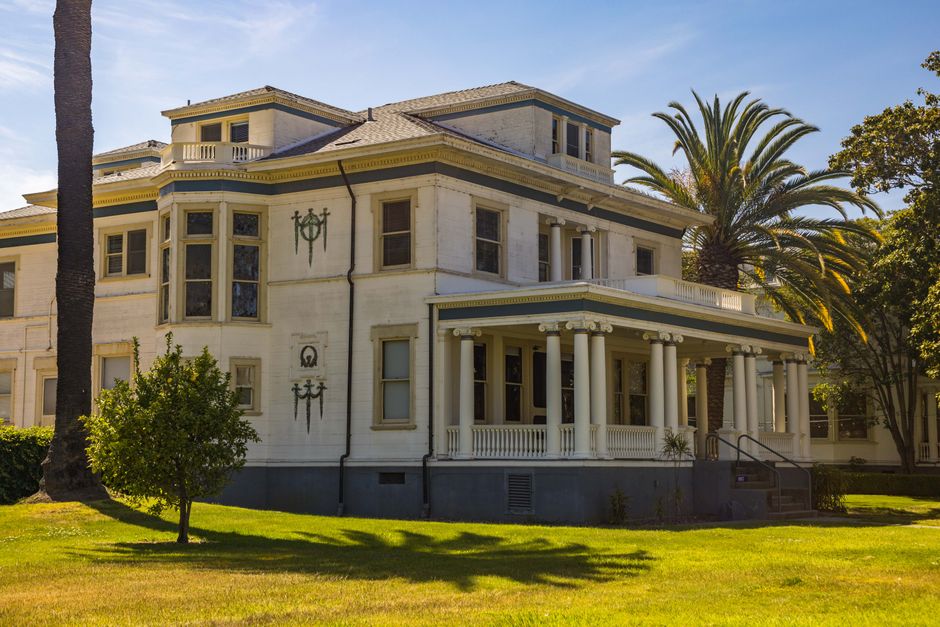
Oneida, New York, USA
A radical 19th-century utopian community in upstate New York practiced "complex marriage" and communal child-rearing, sustaining itself through innovative manufacturing.
Founded by John Humphrey Noyes in 1848, the Oneida Community believed in "Bible Communism," sharing property and practicing a unique form of group marriage. While controversial, their communal structure provided for all members. They found remarkable economic success through the manufacturing of animal traps and, famously, silverware, demonstrating how shared resources could support a non-traditional social system.

4. Growing Miracles in Sandy Soil
Findhorn, Scotland
This Scottish spiritual community, famous for growing abnormally large vegetables in poor soil, is a living laboratory for sustainable living and alternative economic models.
Established in 1962, Findhorn began as a small caravan park where founders claimed guidance from nature spirits to grow giant plants in sandy, infertile ground. Today, it’s a thriving ecovillage with diverse income streams, from education to sustainable building. Its communal ethos ensures members contribute their skills and are supported by the collective, demonstrating a path where spiritual values and ecological principles inform economic participation.
5. Ancient Weaves of Reciprocal Support
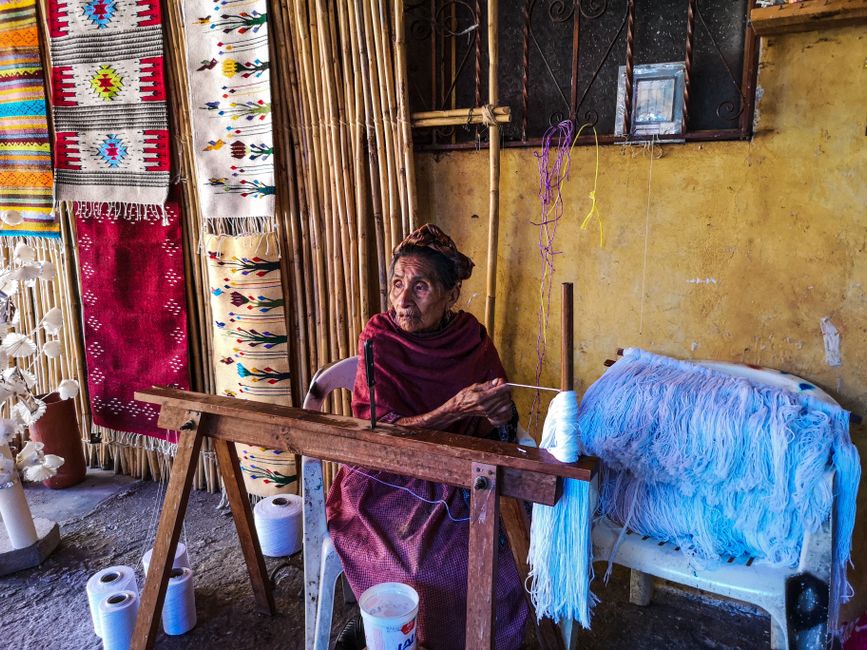
Teotitlán del Valle, Oaxaca, Mexico
Indigenous Zapotec communities in Oaxaca maintain ancient traditions of tequio (communal labor) and guelaguetza (reciprocal exchange), ensuring community welfare outside formal markets.
In villages like Teotitlán del Valle, the Zapotec people have preserved systems that predate colonial influence. Tequio obligates every household to contribute labor to community projects, from building schools to maintaining irrigation. Guelaguetza involves reciprocal gift-giving and support during life events. These practices create a robust social safety net, where participation isn't always monetized but ensures everyone's basic needs and social standing are met.
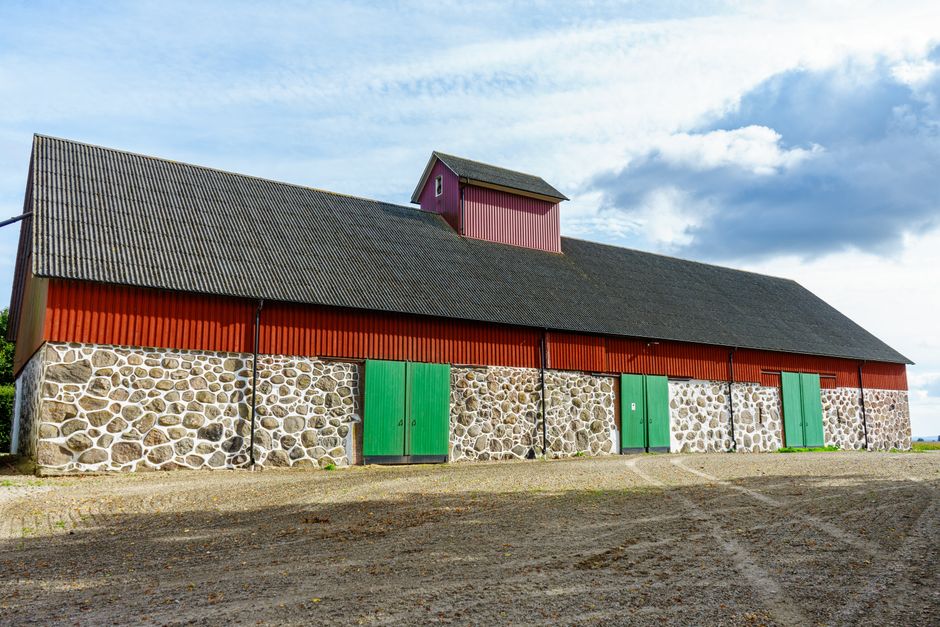
6. Simplicity, Celibacy, and Shared Craft
Hancock Shaker Village, Massachusetts, USA
A celibate religious community in 19th-century America, known for its innovative design and craftsmanship, where members lived communally and shared all property and labor.
The Shakers, formally known as the United Society of Believers in Christ's Second Appearing, lived in self-sufficient villages across the US. At places like Hancock, they practiced communal ownership of property, shared labor, and celibacy. This structure meant that individuals, regardless of their ability to generate personal wealth, were fully provided for, and their collective efforts produced high-quality goods, embodying a unique form of economic non-participation for personal gain.
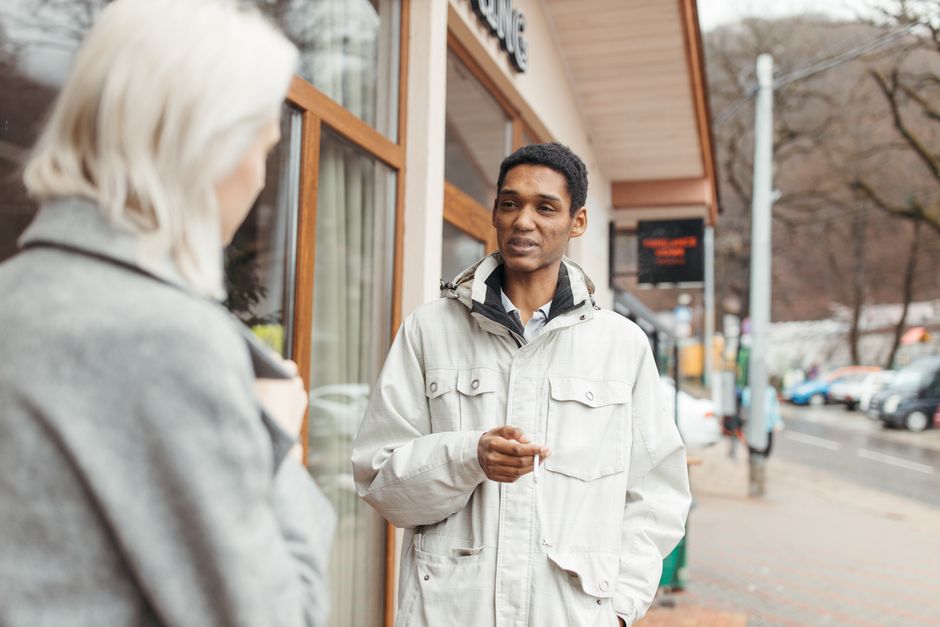
7. A Modern Collective's Daily Life
Ulster Park, New York, USA
Discover a modern Christian community where members share all income and property, providing for every individual's needs from birth to old age.
The Bruderhof are a network of intentional Christian communities worldwide, with a significant presence in places like Ulster Park. Living by New Testament principles, members commit to sharing all possessions and income. This means that housing, food, education, and healthcare are provided collectively, ensuring that no one is left behind, regardless of their ability to contribute to a conventional market economy.
Frequently asked questions
What defines "economic non-participation" in these contexts?
In these communities, "economic non-participation" often refers to individuals not engaging in a capitalist wage-labor system or private ownership of production. Instead, their needs are met through communal sharing of resources, labor, or traditional reciprocal systems, rather than individual income or market transactions.
Are these communities truly socialist?
The term "socialism" has many interpretations. While not all these communities would identify as socialist in a political sense, they all demonstrate principles of collective ownership, communal resource allocation, and social support systems that address individual needs outside of purely market-driven economies, reflecting aspects often associated with socialist ideals.
Do these models still exist today?
Absolutely. While some, like the original Amana or Oneida communities, are historical, their sites now serve as museums. Others, such as the Mosuo, Findhorn, Bruderhof, and Zapotec communities, continue to thrive and adapt their unique communal or alternative economic systems in the modern world.
How can AllTours.ai help me explore these unique places?
AllTours.ai uses AI to transform your phone camera into a personal guide. Simply point your camera at any landmark or landscape in these fascinating locations, and the app will narrate its history, geology, and cultural significance in your language, bringing these stories of alternative living to life.
Related guides
Photography via Pexels. AllTours.ai is an AI audio tour guide — point your camera at any landscape and hear its story.