October 16, 2026 · 5 min read
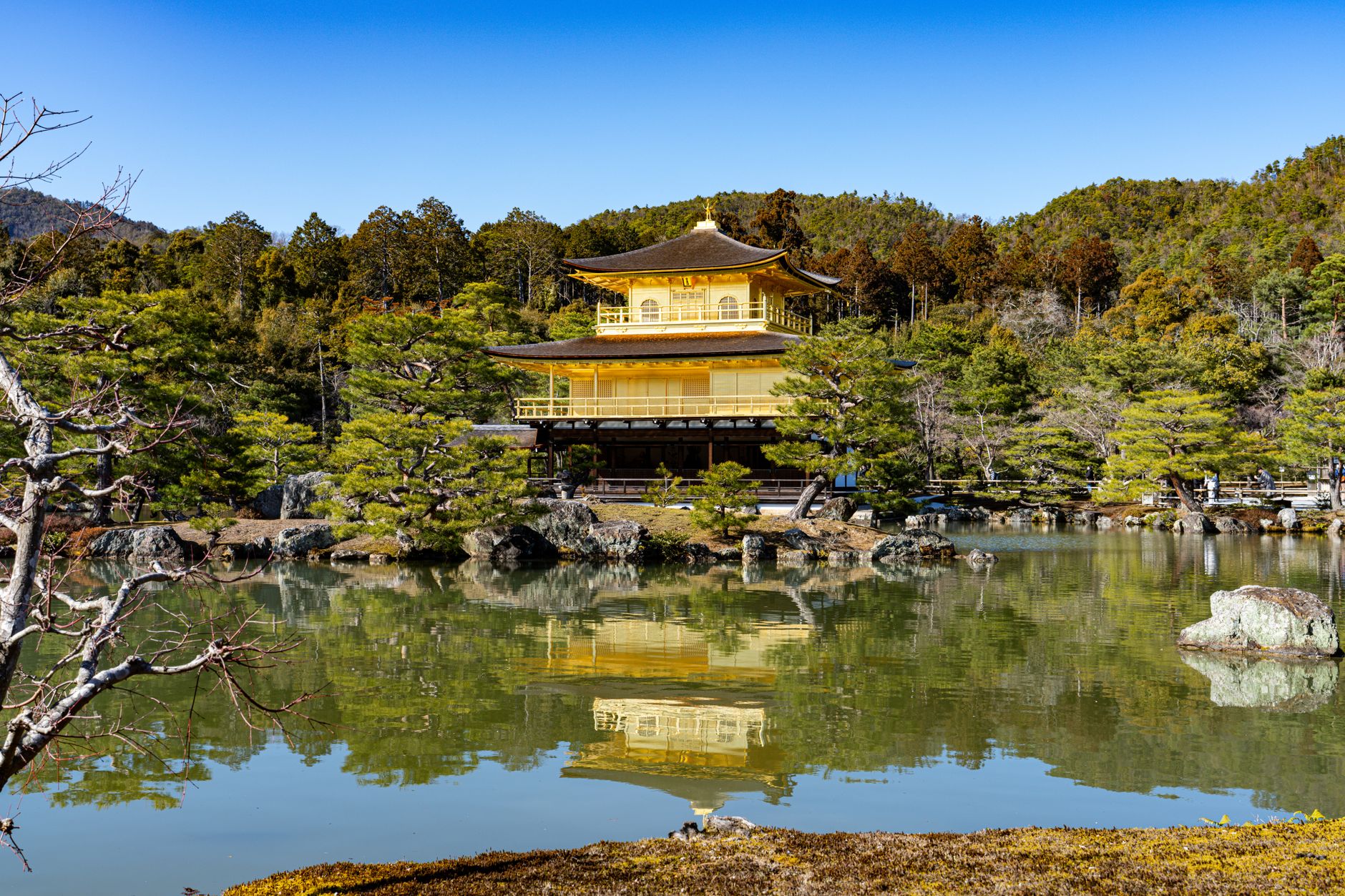
Kyoto in autumn is a spectacle of crimson and gold, a city painted with nature's most dramatic hues. Yet, this beauty often draws throngs, making a truly tranquil experience feel elusive. Beyond the well-trodden paths of its most famous temples, a different Kyoto awaits – one where quiet contemplation among fiery maples is still possible.
These are the hidden autumn gardens of Kyoto, places steeped in unique histories, artistic legacies, and profound cultural significance, often overlooked by guides. They offer not just stunning fall foliage, but a chance to connect with Japan's past in a genuinely serene setting, far from the bustling crowds.
1. The Frame Garden of Historical Reflection
Hosen-in, Japan
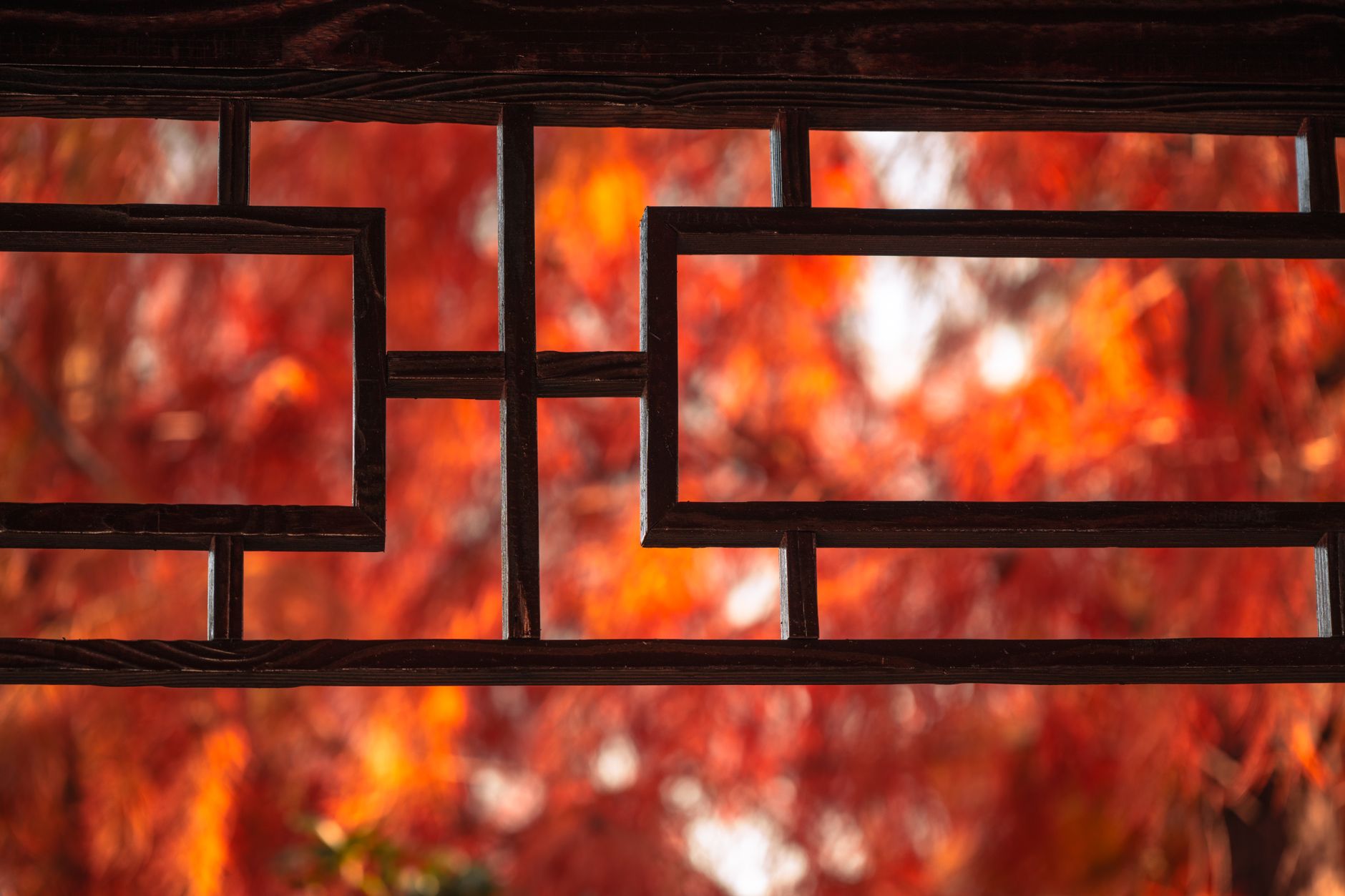
This temple garden features a chilling 'blood ceiling' repurposed from a famous castle, offering a unique historical connection.
Hosen-in, nestled in the Ohara district, is renowned for its 'frame garden' where the meticulous landscape is viewed through a large picture window, creating a living artwork. But its most poignant feature lies above: a ceiling made from floorboards salvaged from Fushimi Castle, stained with the blood of samurai who committed seppuku during a siege in 1600. Visitors can sit and reflect on this stark reminder of history while gazing upon the tranquil garden outside, a powerful contrast between violence and peace.
2. The Samurai-Scholar's Retreat
Shisendo, Japan
This meticulously crafted garden was the quiet refuge of a samurai-turned-scholar, designed for poetic contemplation.
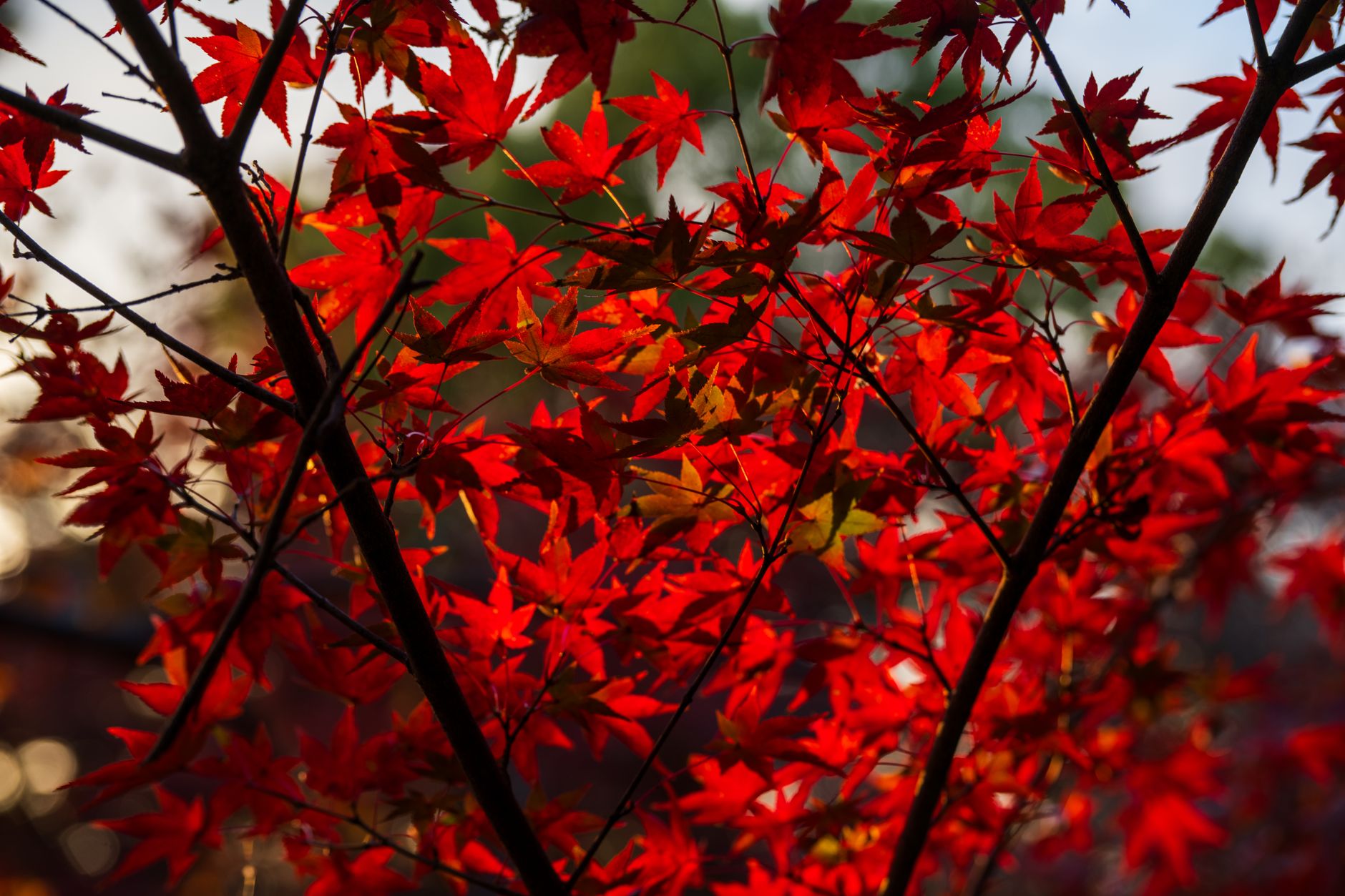
Shisendo was built by Ishikawa Jōzan, a samurai who left military service to pursue scholarship and poetry. His garden is a masterpiece of early Edo period design, featuring a dry landscape (karesansui) of raked gravel and moss, punctuated by vibrant maples. The name 'Shisendo' means 'Hall of the Immortal Poets,' and it once housed portraits of 36 Chinese poets. The garden's design encourages quiet reflection, with the sound of a sōzu (deer scarer) often breaking the stillness, a perfect backdrop for autumn's fiery display.
3. Nene's Enduring Legacy
Entoku-in, Japan
This garden was the final residence of Nene, the influential wife of Japan's great unifier, Toyotomi Hideyoshi.
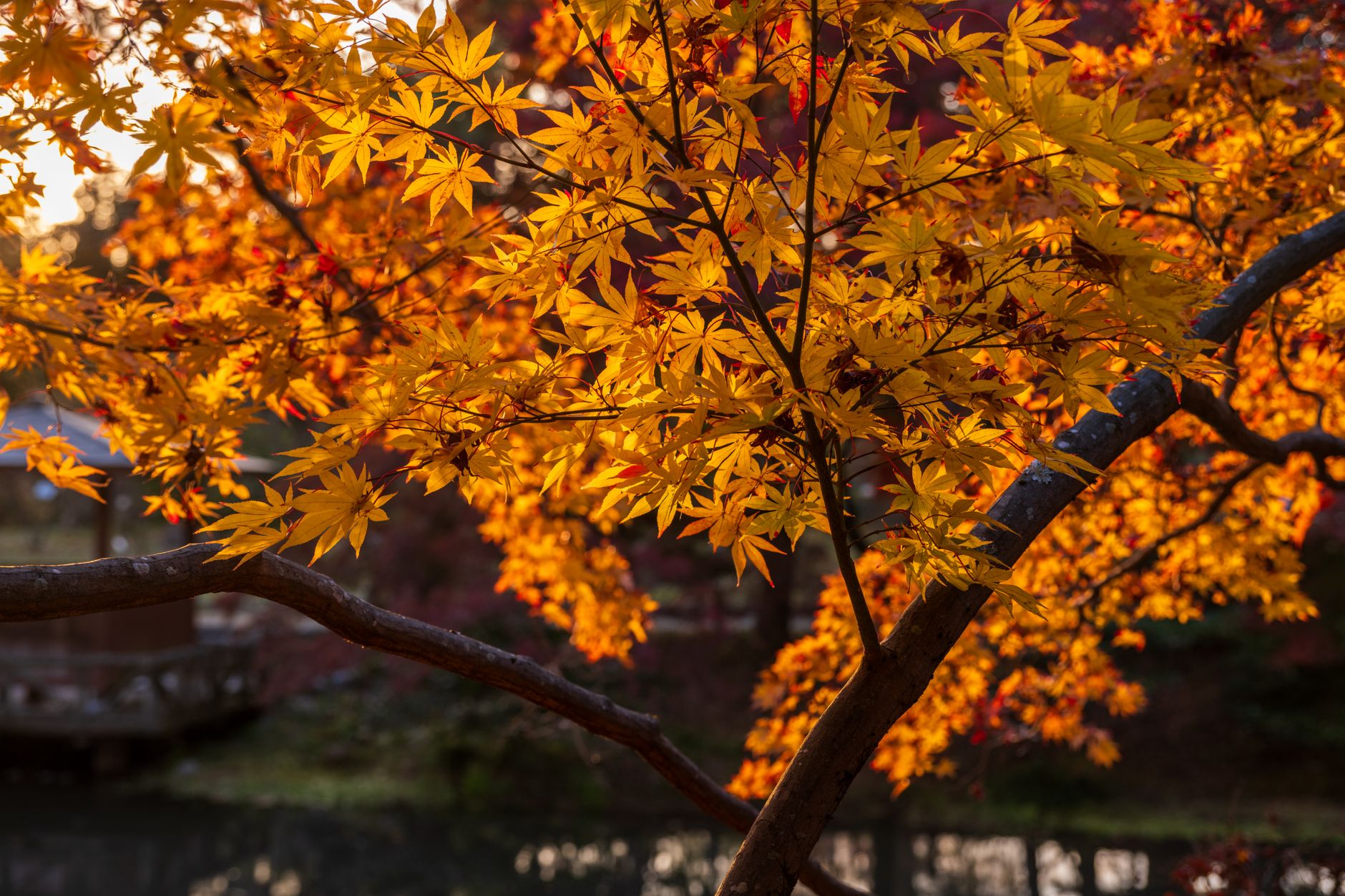
While Kodai-ji is well-known, its sub-temple Entoku-in offers a more intimate experience. It served as the retirement villa for Kita-no-Mandokoro, better known as Nene, after her husband Toyotomi Hideyoshi's death. The garden, originally designed by Kobori Enshu, features a karesansui (dry landscape) and a pond garden, both displaying stunning autumn colors. Visitors can walk through the same corridors where one of Japan's most powerful women spent her later years, reflecting on her pivotal role in history amidst the seasonal beauty.
4. Empress's Tragic Sanctuary
Jakkoin, Japan
Hidden in the mountains, this secluded temple became the refuge of a tragic empress after the devastating Genpei War.
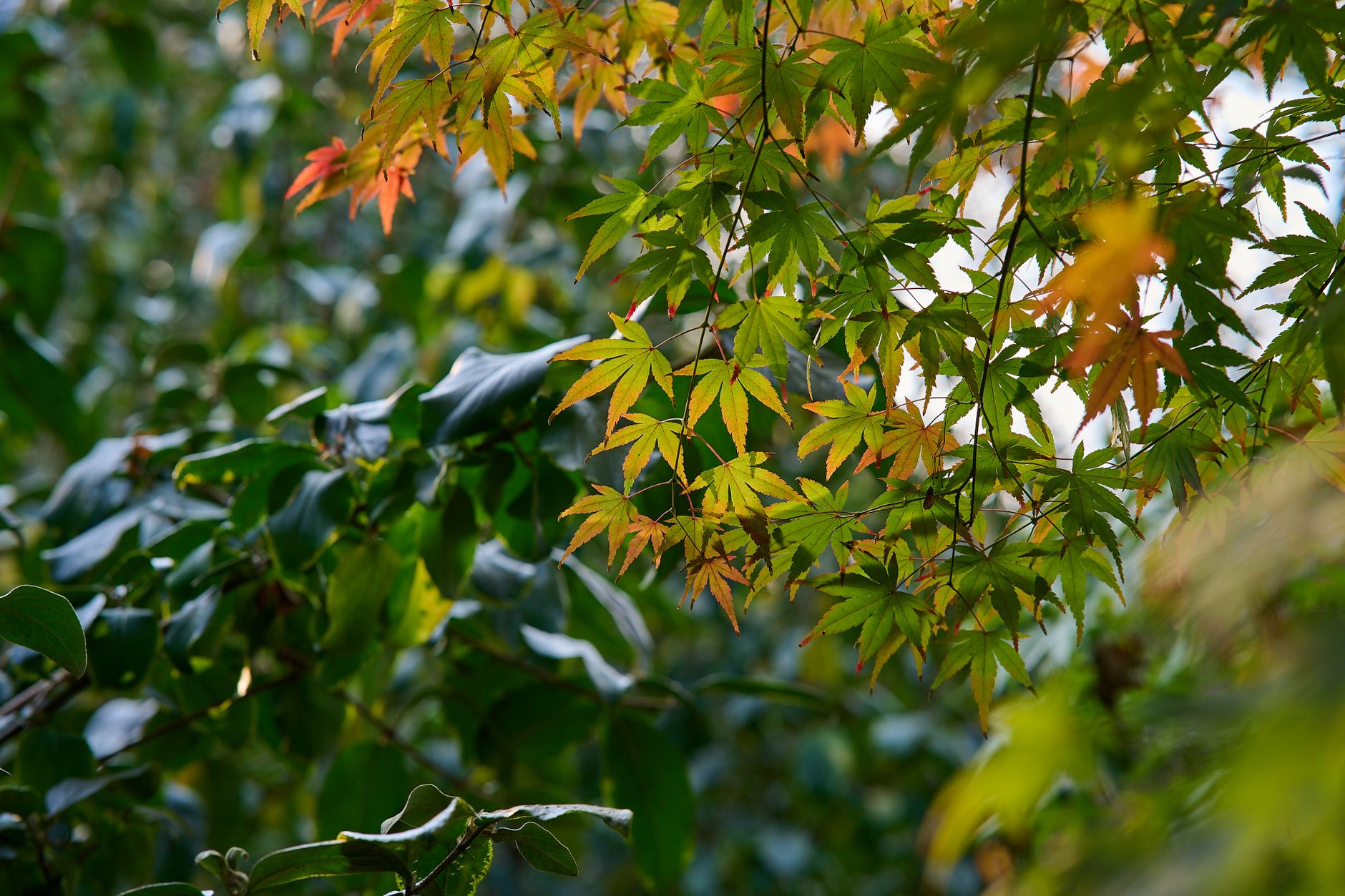
Jakkoin, located in the serene mountains north of Kyoto's city center, holds a profound historical narrative. It was here that Empress Kenreimon-in, mother of Emperor Antoku and sole survivor of the Taira clan after the Battle of Dan-no-ura, spent her remaining years as a nun. The temple's moss garden, surrounded by ancient trees that blaze with color in autumn, offers a sense of deep tranquility. It stands as a poignant reminder of imperial tragedy and the search for peace amidst profound loss, far removed from urban clamor.
5. The Windows of Enlightenment and Confusion
Genko-an, Japan
This temple offers two distinct windows: one perfectly circular, representing enlightenment, and another square, symbolizing human confusion.
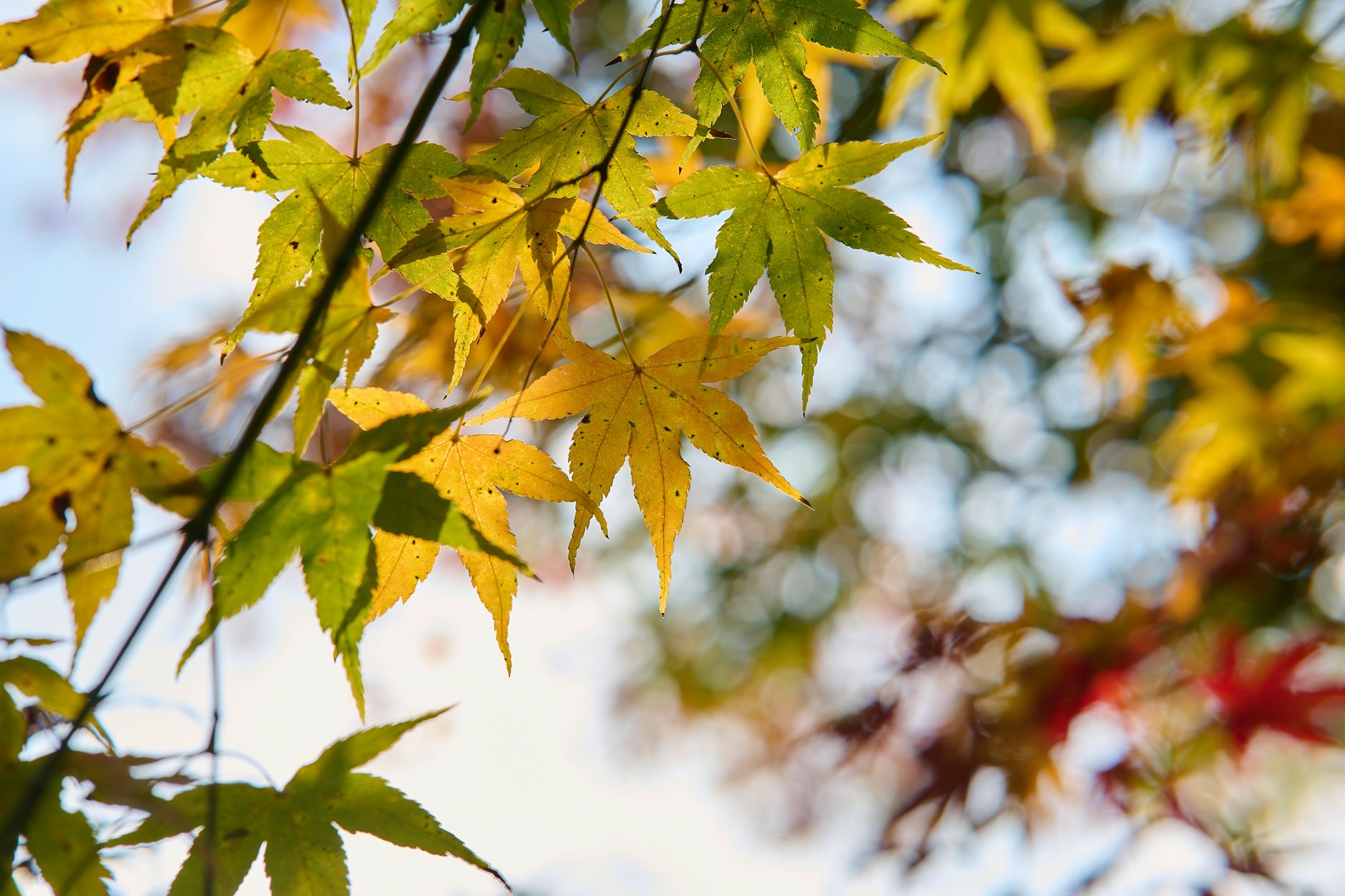
Genko-an, a Zen temple, is famous for its philosophical windows. The circular 'Window of Enlightenment' (Satori no Mado) offers a panoramic view of the autumn garden, symbolizing the wholeness of Zen. Beside it, the square 'Window of Confusion' (Mayoi no Mado) represents the complexities of human life. Both frame breathtaking views of the fiery maples outside, inviting contemplation on life's dualities. Like Hosen-in, it also incorporates 'blood ceilings' from Fushimi Castle, adding another layer of historical depth to its meditative spaces.
6. Imperial Views from the Mountain Peak
Yoshimine-dera, Japan
Perched on a mountain, this ancient temple boasts imperial connections, unique 'pine of happiness' trees, and sweeping Kyoto views.
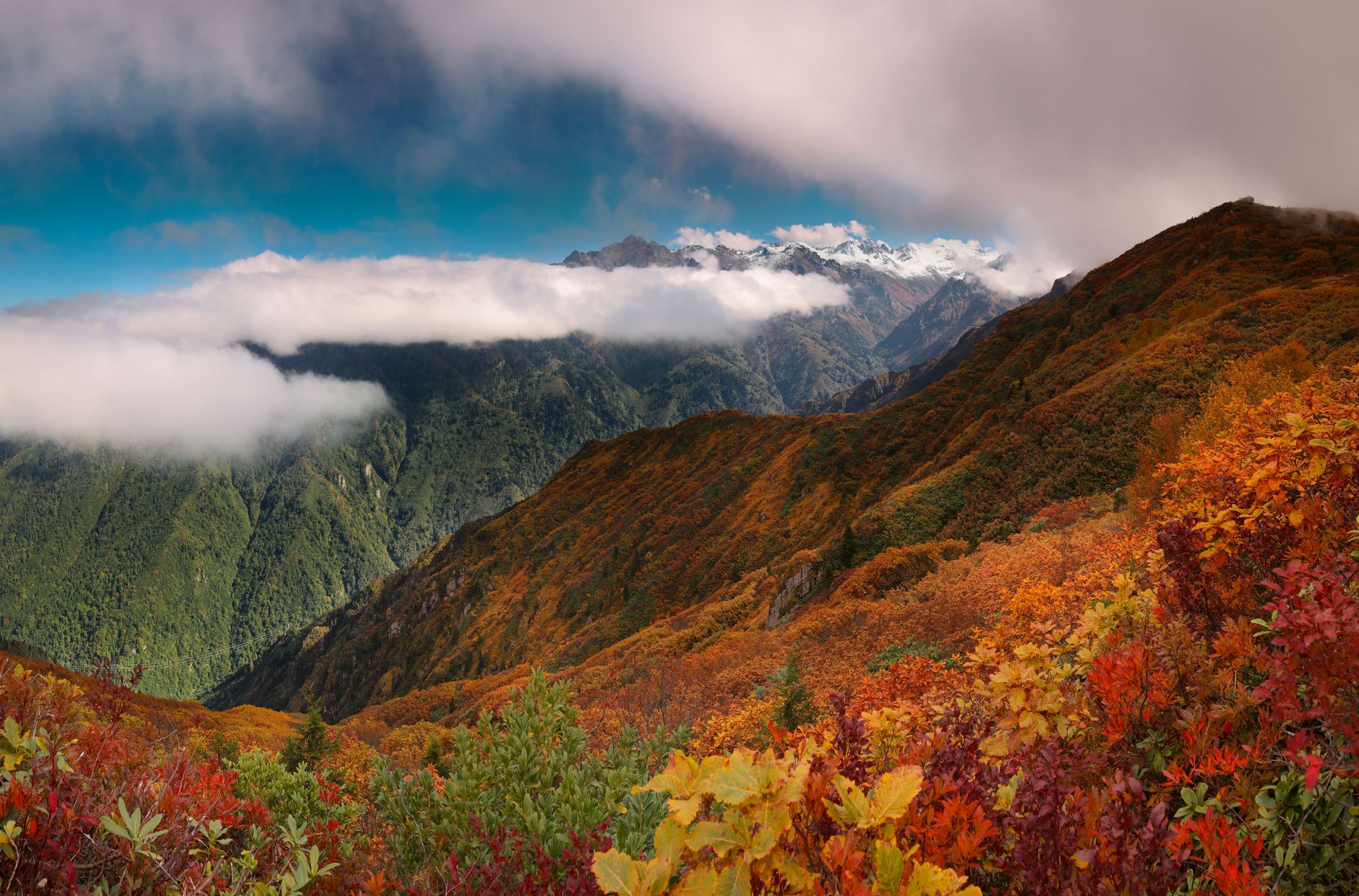
Yoshimine-dera, a sprawling temple complex on the western hills of Kyoto, offers stunning panoramic views of the city below, especially vibrant during autumn. Founded in 1029, it served as a retreat for imperial family members, including Emperor Go-Ichijo. Its most famous feature is the 'Yuryu no Matsu' or 'Pine of Happiness,' a natural pine tree that extends horizontally for over 37 meters. The temple grounds, ablaze with autumn leaves, provide a spiritual journey through history and nature, away from the city's hum.
7. The Elegant Imperial Residence
Manshu-in, Japan
Once an imperial residence, this elegant temple features a refined garden reflecting the aesthetics of its noble patrons.
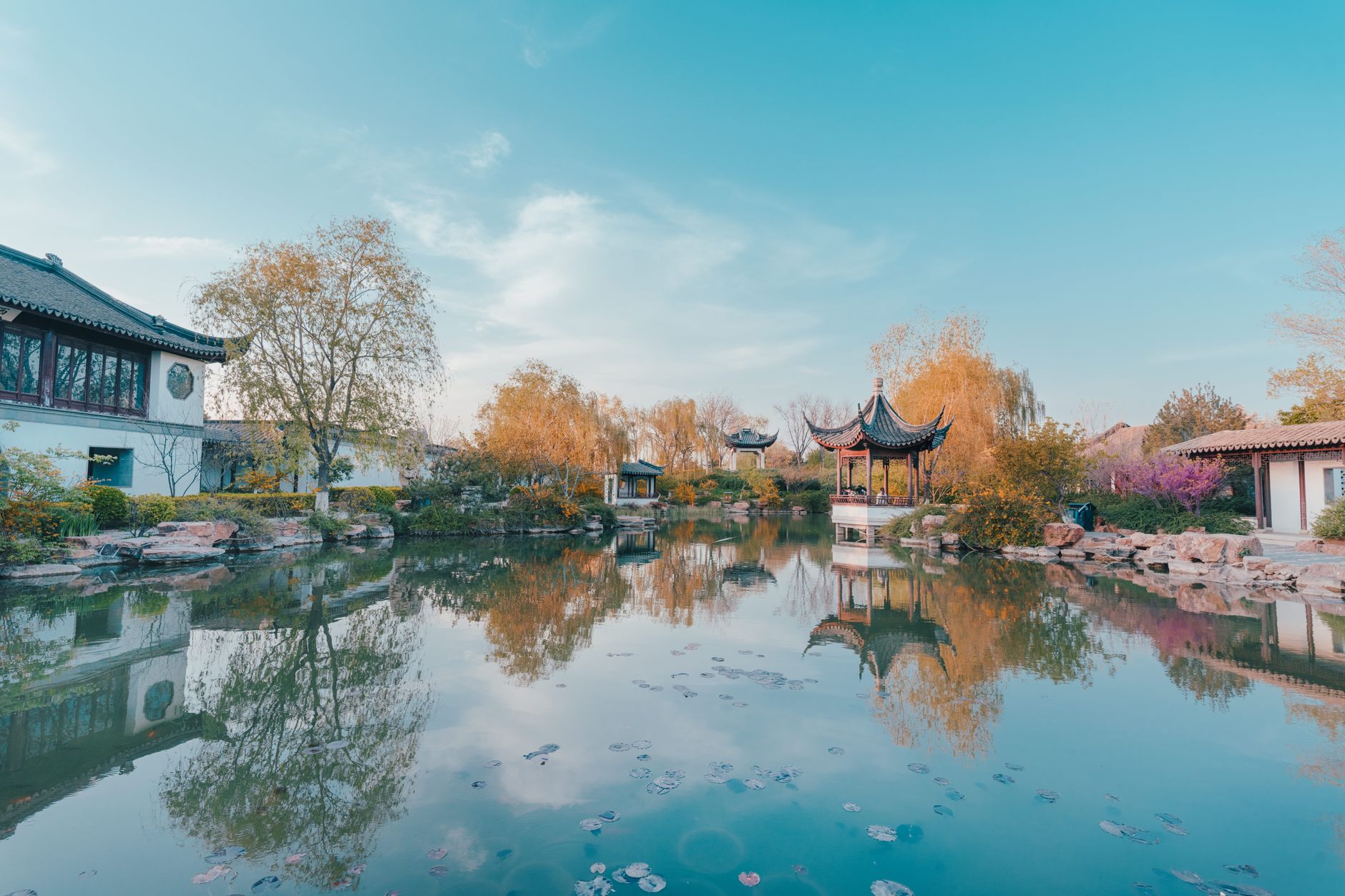
Manshu-in, an exquisite monzeki temple (a temple whose head priest was a member of the imperial family), exudes a quiet elegance. Its karesansui garden, attributed to Kobori Enshu, is a masterpiece of delicate design, featuring meticulously pruned pines, raked gravel, and moss, all framed by vibrant autumn maples. The temple’s architecture itself is a treasure, offering a glimpse into the sophisticated tastes of the imperial court. It provides a serene and less crowded opportunity to experience classical Japanese garden art.
8. Maple Temple's Crimson Approach
Kōmyō-ji, Japan
This temple, located slightly outside Kyoto's core, is celebrated for its spectacular 'Momiji参道' (maple approach) path.
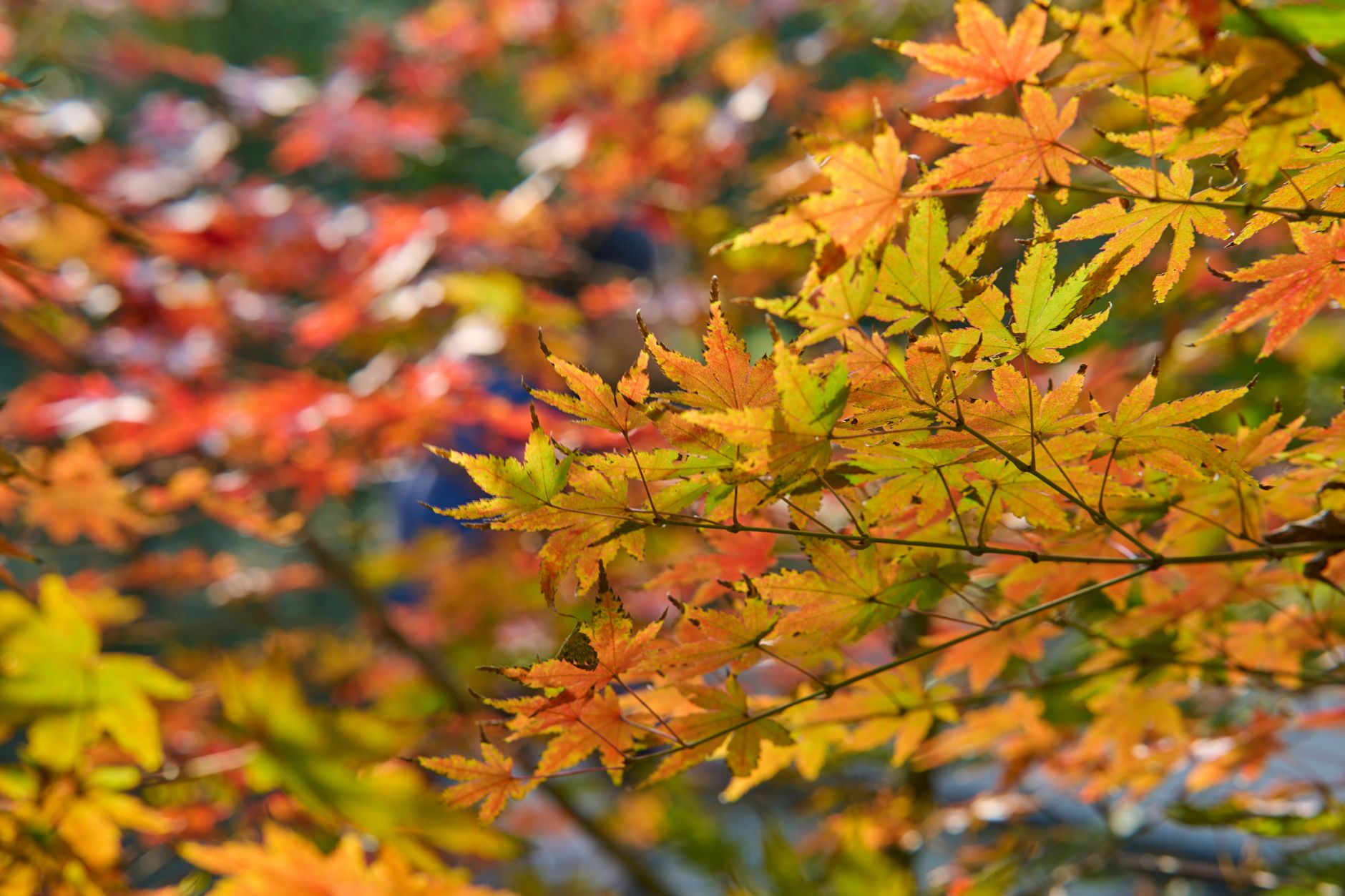
Kōmyō-ji, affectionately known as the 'Maple Temple,' is a Tendai sect temple situated in Nagaokakyo, a short journey from central Kyoto. While not within the immediate city, its slightly removed location means fewer crowds and a more immersive experience. The temple is especially famous for its long, winding approach path, lined with hundreds of maple trees that turn a breathtaking crimson in late autumn. Walking beneath this canopy of brilliant red and orange leaves is an unforgettable seasonal pilgrimage, a truly hidden gem for fall foliage.
Frequently asked questions
When is the best time to see autumn leaves in Kyoto?
The best time to witness Kyoto's autumn leaves is typically from mid-November to early December. Peak foliage can vary slightly each year depending on weather conditions, so it's always a good idea to check local forecasts closer to your travel dates for the most accurate timing.
How can I avoid crowds when visiting Kyoto in autumn?
To avoid crowds, focus on visiting lesser-known temples and gardens, like those mentioned in this list. Also, consider going early in the morning right after opening, or later in the afternoon before closing. Weekdays are generally less crowded than weekends.
Are there any specific etiquette rules for visiting Japanese gardens?
Yes, common etiquette includes removing your shoes before entering temple buildings, staying on designated paths, refraining from touching plants, and keeping noise levels down to maintain a peaceful atmosphere. Photography is generally allowed but be mindful of other visitors and any specific signs.
How can AllTours.ai help me explore these hidden gardens?
AllTours.ai enhances your exploration by providing instant audio tours. Simply point your phone camera at a landmark or landscape in these gardens, and the app will narrate its unique history, geology, and cultural significance in your preferred language, revealing stories you might otherwise miss.
Related guides
Photography via Pexels. AllTours.ai is an AI audio tour guide — point your camera at any landscape and hear its story.