June 4, 2026 · 5 min read
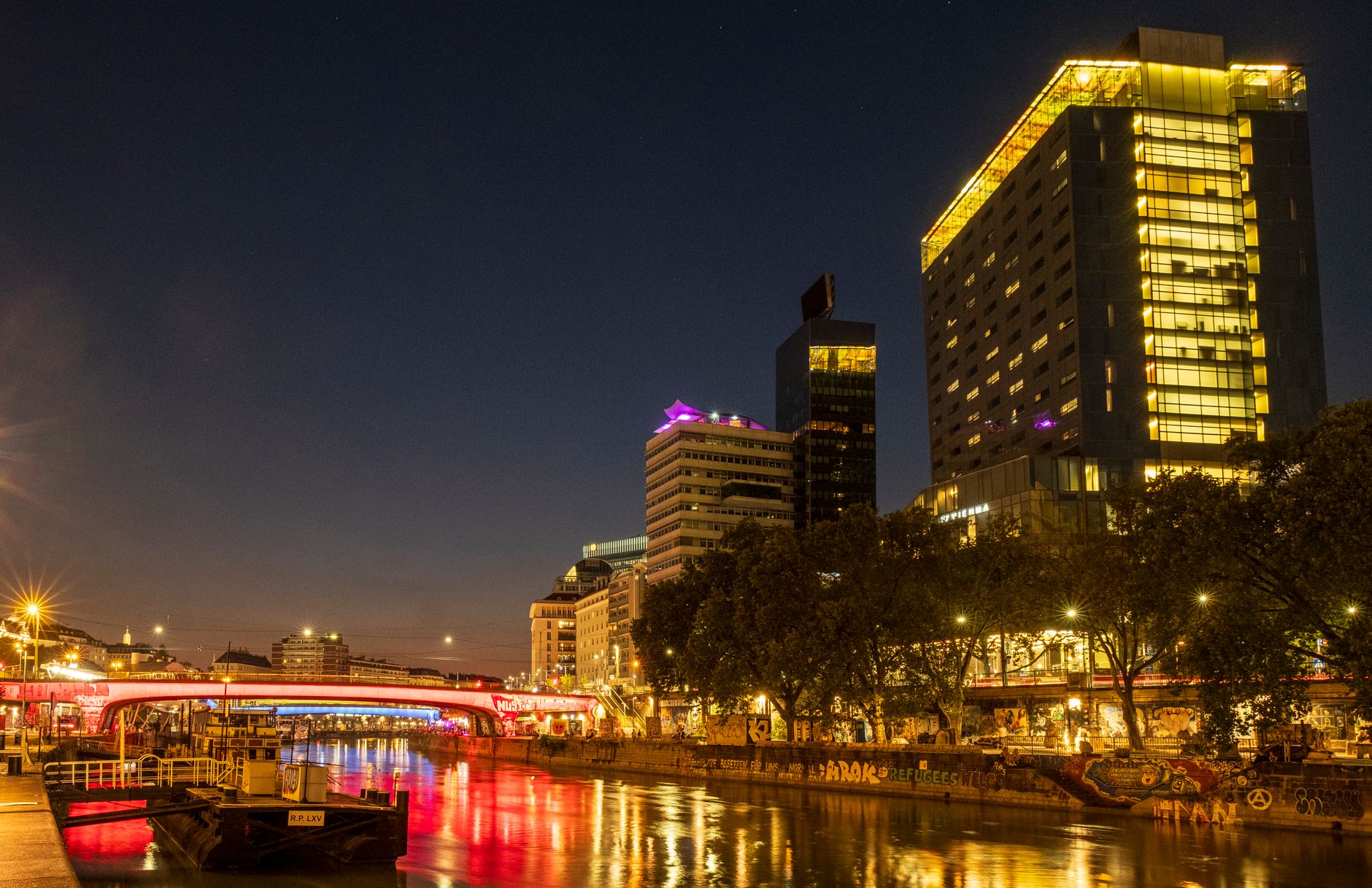
Vienna often conjures images of imperial palaces, grand boulevards, and the waltz. The magnificent Ringstrasse, with its opulent buildings and world-class museums, forms the city's iconic face, drawing millions to its well-trodden paths. Yet, beyond this glittering facade lies a different Vienna, one rich with untold stories, quirky architecture, and poignant histories waiting to be uncovered.
This other Vienna isn't always found on the main tourist maps. It's a city of quiet corners, artistic rebellion, and forgotten tales, revealing layers of human experience from ancient Roman times to modern counter-culture. Step away from the crowds and discover the genuine heartbeat of a city that constantly reinvents itself while honoring its complex past.
1. The Colorful Anti-Grid Manifesto
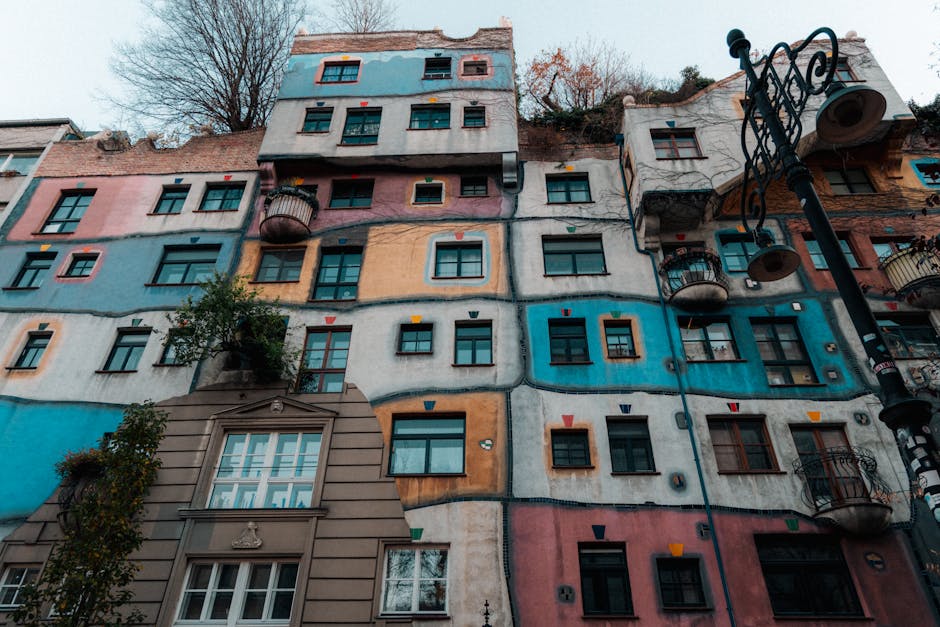
Hundertwasserhaus, Vienna, Austria
This vibrant apartment building was designed without a single straight line, a deliberate rebellion against conventional architecture.
Friedensreich Hundertwasser, the visionary artist, believed straight lines were "godless and immoral." His architectural masterpiece, the Hundertwasserhaus, showcases this philosophy with undulating floors, mismatched windows, and a forest of trees growing from balconies and rooftops. Completed in 1986, it's a living art piece where every tenant has the right to design the exterior around their window, creating a constantly evolving, organic facade. It stands as a joyful, colorful protest against rigid urban planning.
2. Gold Dome of Healing and Art
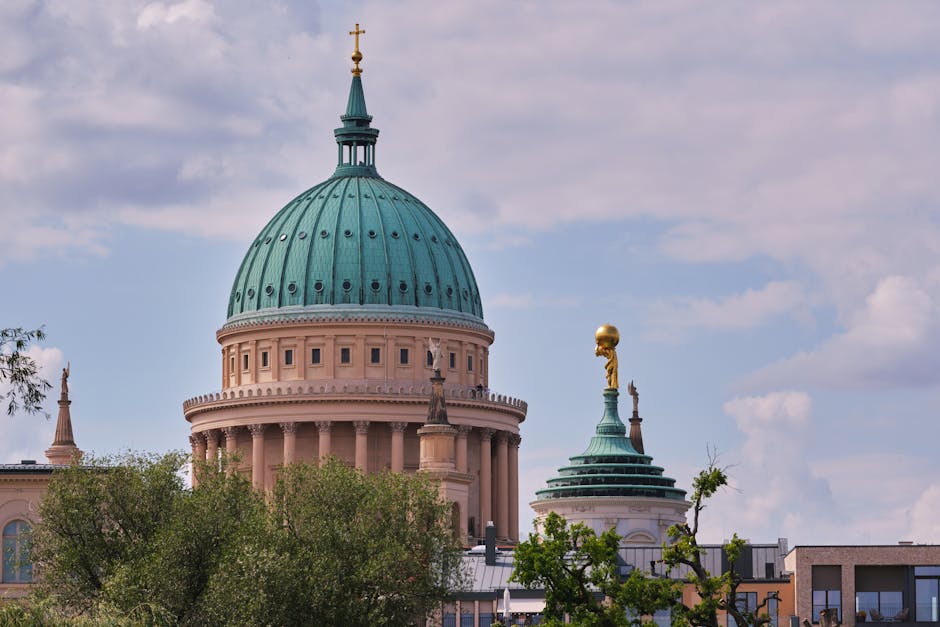
Kirche am Steinhof (Otto Wagner Church), Vienna, Austria
Perched atop a hill, this stunning Art Nouveau church was built inside a psychiatric hospital to bring spiritual comfort to its patients.
Otto Wagner's Kirche am Steinhof, completed in 1907, is a breathtaking example of Secessionist architecture. Its gilded dome and marble interior radiate a serene beauty, designed with the specific needs of its former psychiatric hospital patients in mind: rounded corners to prevent self-harm, separate entrances for male and female patients, and minimal religious iconography to avoid overstimulation. It stands as a testament to the belief that beauty and thoughtful design could contribute to healing, even in a setting dedicated to mental health.
3. Chasing Spies in Vienna's Underworld
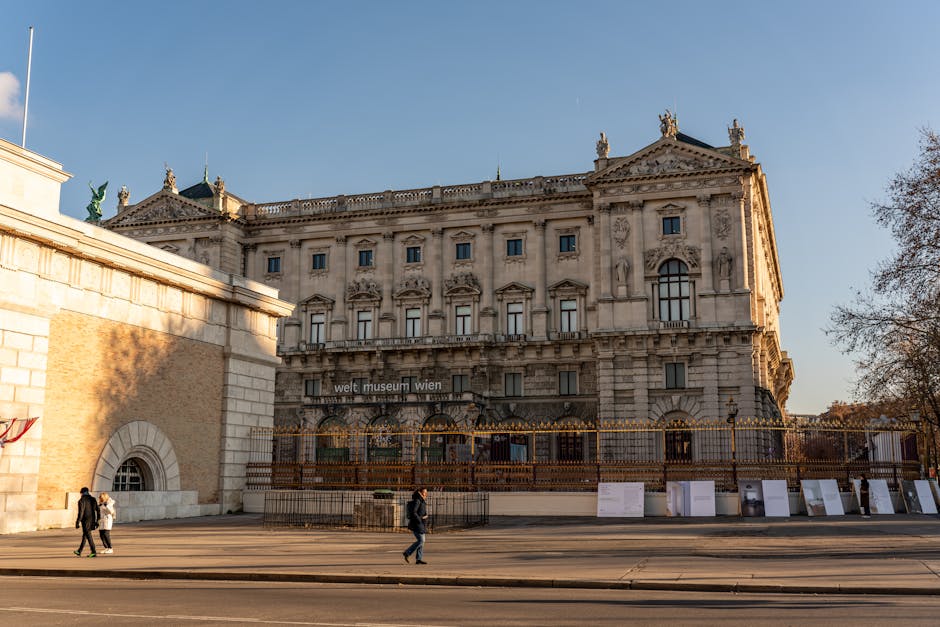
Third Man Museum (Dritte Mann Museum), Vienna, Austria
This museum offers a unique journey into the shadowy world of post-war Vienna, culminating in an actual tour through the city's historic sewers.
Dedicated to the iconic 1949 film noir, "The Third Man," this private museum meticulously reconstructs the movie's atmosphere with original props, posters, and fascinating historical context of Allied-occupied Vienna. Beyond the film's artifacts, the museum's true gem is its connection to the city's real sewers – the famous setting for the movie's climax. While the museum itself doesn't offer the sewer tour, it's the gateway to understanding the city's underground, which can be explored via separate official tours that descend into the very passages where Orson Welles' character, Harry Lime, was pursued.
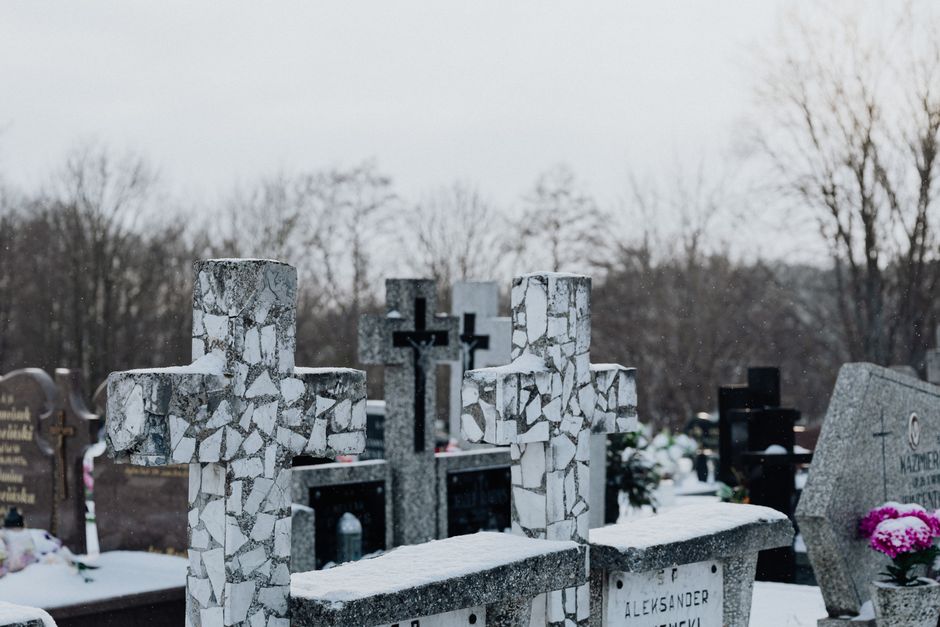
4. The Danube's Final Resting Place
Friedhof der Namenlosen (Cemetery of the Nameless), Vienna, Austria
This melancholic cemetery is the final resting place for hundreds of unidentified individuals washed ashore from the Danube River between 1840 and 1940.
On the quiet outskirts of Vienna, near the old harbor of Albern, lies the Friedhof der Namenlosen. For a century, the swift currents of the Danube carried the bodies of the unknown – suicides, accident victims, or those who simply vanished upstream – to this remote bank. Local fishermen would retrieve them and ensure a respectful burial. The simple, iron crosses and weathered grave markers evoke a profound sense of forgotten lives, creating a deeply moving and reflective space far from the city's bustle, where annual commemorations still honor these lost souls.
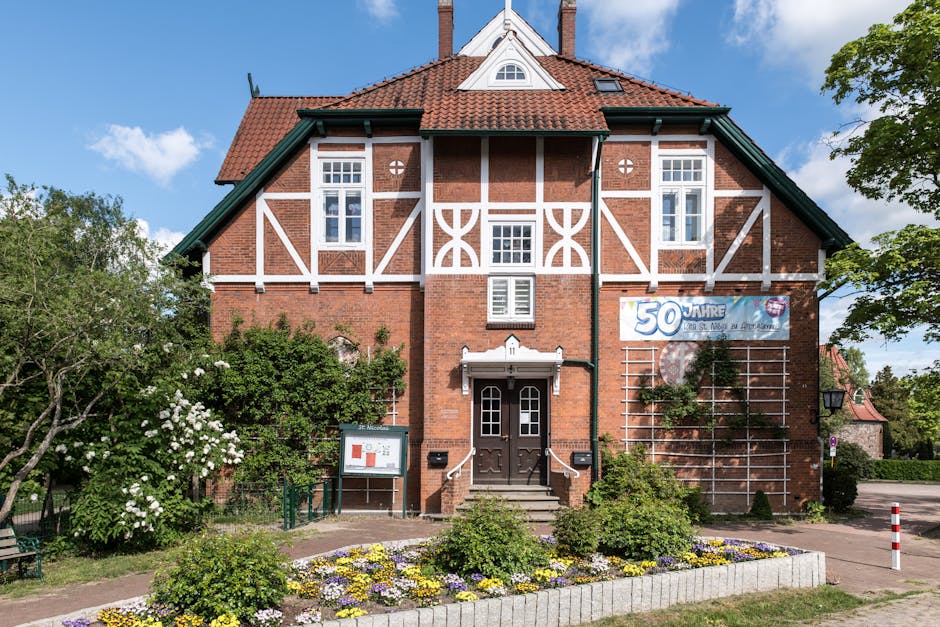
5. Europe's First Psychiatric Museum
Narrenturm (Fool's Tower), Vienna, Austria
Housed in Europe's first purpose-built psychiatric hospital, this cylindrical tower now displays a macabre collection of pathological anatomy specimens.
The Narrenturm, or "Fool's Tower," was built in 1784 as part of Vienna's General Hospital, designed for the containment and study of the mentally ill. Its unique circular design with individual cells radiating from a central corridor was revolutionary for its time. Today, it hosts the Pathological-Anatomical Federal Museum, showcasing a chilling array of preserved human organs, skeletons, and medical curiosities. It offers a stark, unflinching look into the history of medicine and disease, a world away from Vienna's gilded palaces, prompting reflection on the past understanding of the human body and mind.
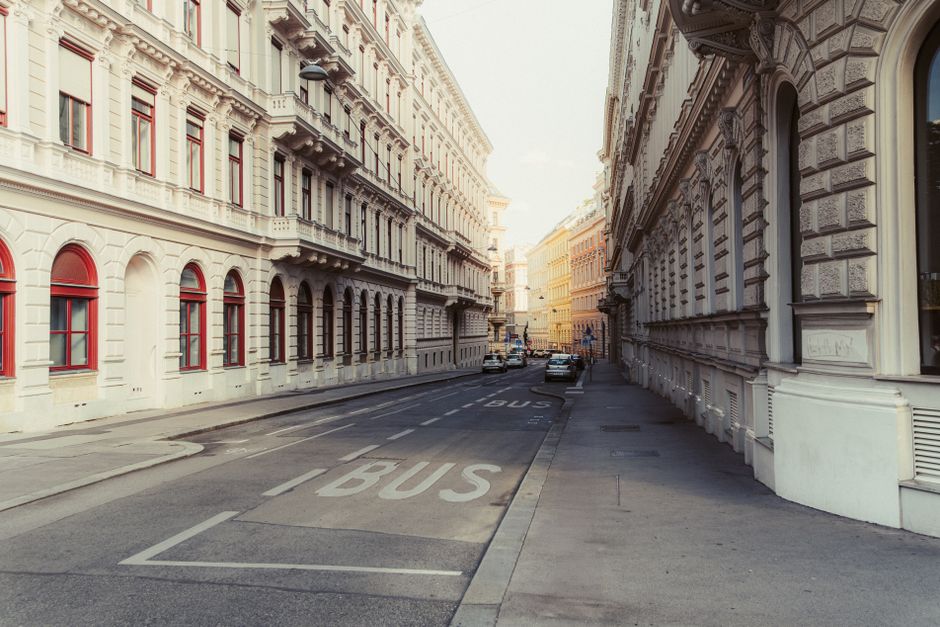
6. Biedermeier Charm and Artisan Spirit
Spittelberg Quarter, Vienna, Austria
This historic district, tucked away from the Ringstrasse, preserves the intimate scale and artistic flair of 19th-century Biedermeier Vienna.
While the Inner City boasts imperial grandeur, the Spittelberg Quarter offers a glimpse into a more modest, yet equally charming, past. Its narrow cobblestone streets, hidden courtyards, and beautifully preserved Biedermeier houses create a village-like atmosphere. Once a working-class district, it has transformed into a hub for artisans, independent boutiques, and cozy restaurants. The area truly comes alive during its famous Christmas market, but year-round it invites leisurely strolls, offering a quiet, authentic Viennese experience far from the main tourist circuits.
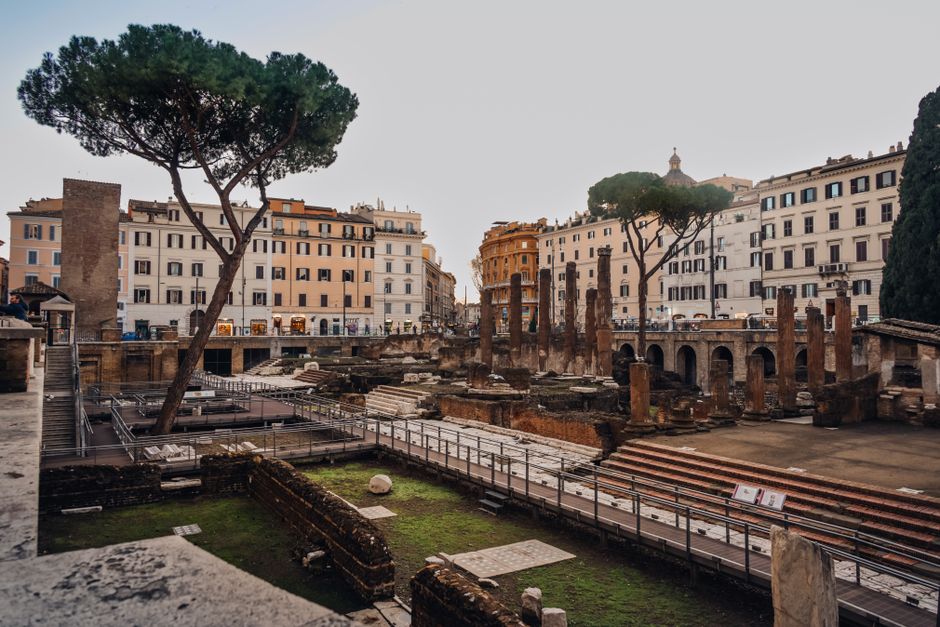
7. Roman Traces Beneath Imperial Grandeur
Römische Ausgrabungen Michaelerplatz, Vienna, Austria
Directly under the bustling Michaelerplatz, the remains of the ancient Roman military camp of Vindobona offer a forgotten layer of Vienna's deep history.
Few realize that modern Vienna sits atop the ancient Roman fortress of Vindobona. At Michaelerplatz, right in front of the Hofburg Palace, a glass-covered archaeological site allows visitors to peer down into the foundations of a Roman officer's house and parts of the military encampment. These excavations provide a tangible link to Vienna's origins over 2,000 years ago, showcasing the remains of heating systems, walls, and even a Roman street. It's a subtle yet powerful reminder that beneath the Habsburgs' imperial legacy lies a much older, foundational story.
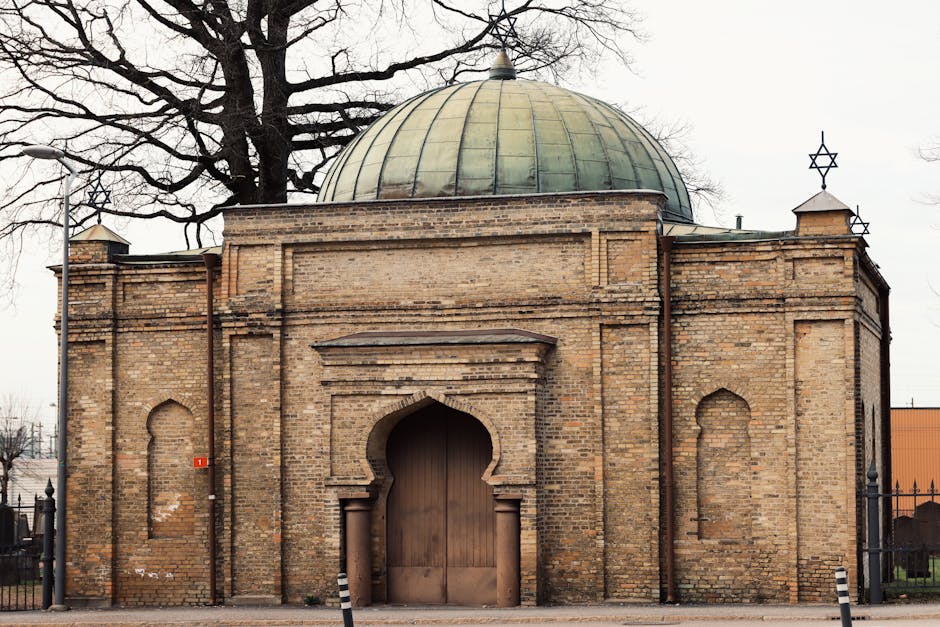
8. The Forgotten Forest of Stones
Zentralfriedhof, Old Jewish Section (Tor 4), Vienna, Austria
Within Vienna's vast Central Cemetery lies an overgrown, forgotten Jewish section where nature reclaims ancient gravestones, creating a hauntingly beautiful landscape.
While the Zentralfriedhof is famous for its musician graves and Art Nouveau church, its Old Jewish Section (Tor 4) offers a profoundly different experience. Largely abandoned after WWII, this section has been allowed to return to nature, with ivy creeping over crumbling stones and trees growing through family plots. It's a place of quiet contemplation, a poignant testament to a vibrant community tragically lost. The sense of history, decay, and resilience of nature creates a unique atmosphere, making it a powerful, overlooked corner of one of Europe's largest cemeteries.
Frequently asked questions
What are some truly unique things to do in Vienna off the beaten path?
Beyond the palaces, consider exploring the Spittelberg Quarter for Biedermeier charm, visiting the Friedhof der Namenlosen for a poignant historical experience, or delving into medical history at the Narrenturm. These spots offer a deeper, more personal connection to Vienna's diverse past.
How can I find the Roman ruins in Vienna?
The most accessible Roman ruins are at Michaelerplatz, directly in front of the Hofburg Palace. A public viewing area with glass covers allows you to see the excavations of the ancient Roman military camp, Vindobona, right under your feet.
Is the Hundertwasserhaus open to visitors?
The Hundertwasserhaus is a private apartment building, so you cannot enter the residences. However, you can admire its unique exterior from the street. For an interior experience of Hundertwasser's work, visit the nearby Kunst Haus Wien, a museum also designed by him.
How does the AllTours.ai app help me explore these hidden gems?
AllTours.ai is an AI audio tour guide app designed to enhance your exploration. Simply point your phone camera at a landmark or landscape, and the app will narrate its history, geology, and culture in your language, providing rich, contextual stories for places like Vienna's hidden gems.
Self-guided audio tours
Walk these places stop by stop — free five-stop story tours you can take at your own pace:
Photography via Pexels. AllTours.ai is an AI audio tour guide — point your camera at any landscape and hear its story.