September 16, 2026 · 4 min read
When news of a food outbreak spreads, it's natural to feel a pang of worry, especially for travelers. The question 'What are restaurants doing about the lettuce outbreak?' isn't just about avoiding a specific ingredient; it's about finding peace of mind and still enjoying the vibrant culinary landscape our world offers.
The good news? Many of the world's most fascinating food traditions naturally lean towards dishes that are cooked, fermented, or preserved, offering delicious and inherently safer dining experiences. Forget the salad bar for a moment and journey with us to seven incredible, lesser-known destinations where hearty, historically rich meals are the star.

1. Matera's Ancient Earthy Plates
Matera, Italy
This UNESCO World Heritage site is famous for its 'sassi' – ancient cave dwellings – and a 'cucina povera' that tells a story of survival and resourcefulness.
Matera's culinary heritage is rooted in necessity, born from centuries of life in its unique cave city. 'Cucina povera' (peasant cooking) here means hearty, slow-cooked dishes like 'crapiata' (a legume and grain soup), 'peperoni cruschi' (crispy fried peppers), and robust pasta with local vegetables, often dried or preserved. These dishes, designed to sustain, rarely feature fresh, raw greens prominently, making them a delicious and historically authentic choice.
2. San Juan Chamula's Ritual Flavors
San Juan Chamula, Mexico
In this indigenous Tzotzil Maya town, ancient beliefs intertwine with Catholicism, and Coca-Cola is sometimes used in spiritual cleansing rituals.
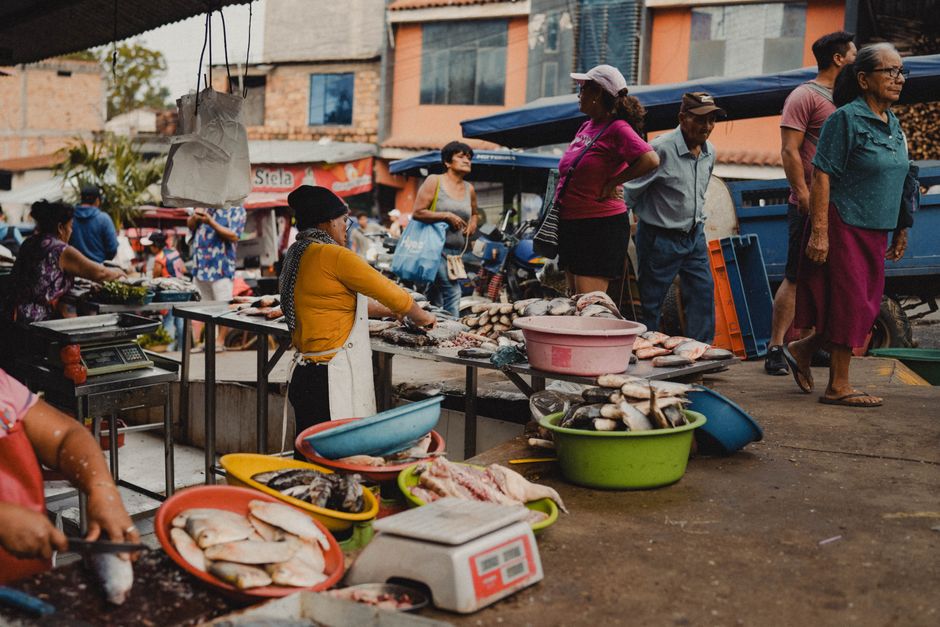
Dining in San Juan Chamula offers a deep dive into traditional Mayan cooking, far removed from typical tourist fare. Expect robust, deeply flavored dishes built around corn, beans, and locally sourced meats, all cooked thoroughly. Tamales, 'atole' (a warm corn-based drink), and hearty stews often featuring mole or pibil techniques are staples. The emphasis on slow cooking and traditional preparation makes these meals not only culturally rich but also inherently safe from concerns tied to raw ingredients.

3. Chefchaouen's Blue-Hued Tagines
Chefchaouen, Morocco
The 'Blue Pearl' of Morocco isn't just visually striking; its vibrant indigo walls traditionally kept mosquitoes away and reflected summer heat.
In Chefchaouen, the culinary scene revolves around the tagine – a slow-cooked stew named after the earthenware pot it's prepared in. These flavorful dishes, brimming with tender meats, vegetables, and aromatic spices, are cooked for hours over low heat, ensuring safety and incredible depth of flavor. Other staples include 'harira' (a hearty lentil soup) and 'tanjia' (a slow-cooked lamb dish), all served piping hot and reflecting centuries of Moroccan culinary tradition without relying on raw greens.
4. Viscri's Saxon Village Sustenance
Viscri, Transylvania, Romania
This picturesque Saxon village, a UNESCO site, gained international fame when Prince Charles purchased and restored a traditional house here.
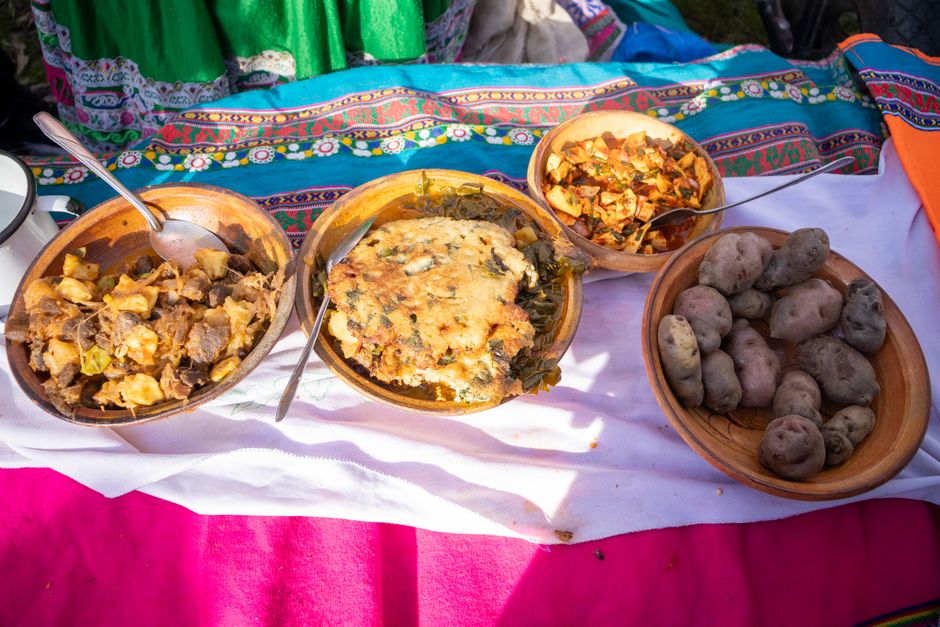
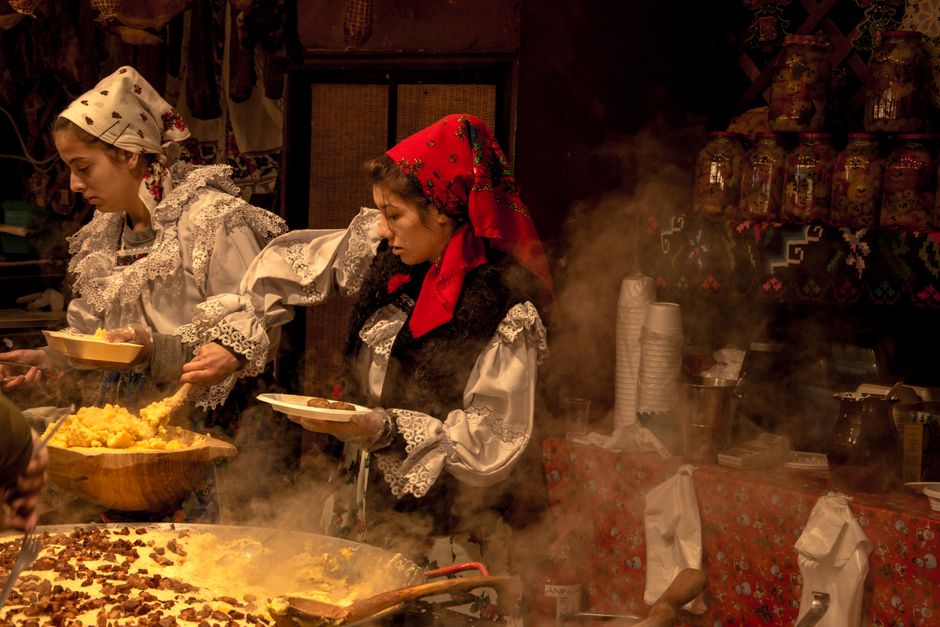
Viscri's charm lies in its untouched authenticity, and its food reflects this. Here, meals are hearty, traditional, and often prepared using methods passed down through generations. Think slow-cooked goulash, 'sarmale' (cabbage rolls), polenta with local cheese, and robust stews made with foraged mushrooms or game. Pickled vegetables and homemade preserves are common accompaniments, meaning your plate is filled with thoroughly cooked or preserved ingredients, offering comfort and safety.

5. Svalbard's Arctic Survival Bites
Svalbard, Norway
Home to the Global Seed Vault, a 'doomsday' archive safeguarding the world's plant diversity, this Arctic archipelago offers extreme landscapes.
Dining in Svalbard is a testament to resourceful Arctic living, where fresh produce is a luxury. Local cuisine focuses on what can be preserved, caught, or grown in greenhouses. Expect delicious, hearty stews featuring reindeer or seal, cured fish, and root vegetables like potatoes and turnips. Even 'polar bread' is a staple. These robust, cooked meals are designed to provide warmth and sustenance in a harsh climate, making them inherently safe and uniquely Svalbardian.
6. Gjirokastër's Stone City Spreads
Gjirokastër, Albania
A UNESCO World Heritage site known as the 'City of Stone,' Gjirokastër is famed for its unique Ottoman-era architecture and dramatic fortress.
In the winding cobbled streets of Gjirokastër, the cuisine reflects centuries of Balkan and Ottoman influence, prioritizing rich, cooked dishes. 'Qifqi' (rice balls fried with mint), 'byrek' (savory pies filled with meat or cheese), and 'fergesë' (a stew of peppers, tomatoes, and cottage cheese) are local favorites. Stuffed vegetables, slow-cooked lamb, and hearty soups dominate the menus, offering deeply flavorful and thoroughly prepared meals that are a safe bet for any traveler.

7. Isle of Skye's Wild Larder
Isle of Skye, Scotland
This dramatic Scottish island is famed for its rugged landscapes, from the mystical Fairy Pools to the otherworldly Old Man of Storr.
The Isle of Skye's remote beauty is matched by its hearty, traditional cuisine. Given its wild larder, the focus is on robust, cooked dishes that stand up to the elements. Think fresh, pan-seared or smoked seafood (oysters, mussels, salmon), venison stews, traditional haggis, and Cullen Skink (a creamy smoked haddock soup). Vegetables are often roasted or boiled, ensuring a safe and satisfying meal that celebrates the island's natural bounty and rich culinary heritage.
Frequently asked questions
What measures are restaurants taking to ensure food safety during outbreaks?
Restaurants are typically increasing vigilance, enhancing staff training on food handling, and sourcing ingredients from suppliers with robust safety protocols. Many will temporarily remove or substitute ingredients implicated in outbreaks, or offer alternatives and communicate their safety practices openly.
How can I identify safe dining options while traveling, beyond just avoiding salads?
Look for establishments with high local ratings, busy kitchens (indicating fresh turnover), and open preparation areas. Prioritize cooked dishes, especially those that are boiled, roasted, or fried. Exploring local specialties that are inherently cooked, like stews, curries, or grilled meats, is often a great strategy.
Are there specific cuisines or regions that naturally offer safer dining choices during fresh produce concerns?
Many traditional cuisines, particularly those from colder climates or with long histories of food preservation (fermentation, curing, slow-cooking), naturally emphasize cooked ingredients. Examples include hearty Eastern European stews, many Asian stir-fries and soups, and South American grilled meats and corn-based dishes.
How can AllTours.ai help me discover these unique culinary stories?
AllTours.ai brings the hidden narratives of places right to your phone. Simply point your camera at a landmark, a bustling market, or even the entrance to a traditional eatery, and the app narrates its history, geology, and culture in your language, offering context that enriches your dining and travel experience.
Related guides
Photography via Pexels. AllTours.ai is an AI audio tour guide — point your camera at any landscape and hear its story.