September 21, 2026 · 5 min read
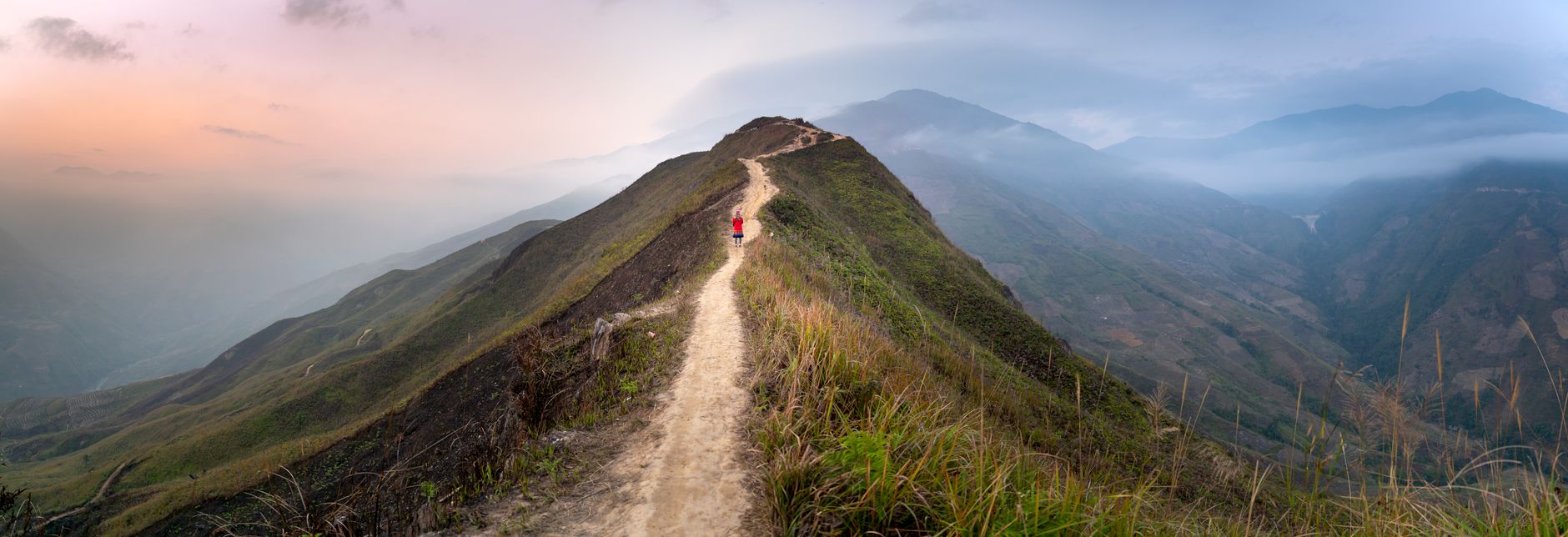
Venturing into the wild offers unparalleled beauty and a profound connection to nature. Yet, these experiences often come with the responsibility of sharing the landscape with its original inhabitants: wildlife. While iconic parks draw crowds, some of the most profound encounters happen in lesser-known locales, places where ecosystems remain largely undisturbed and animals roam with greater freedom.
Understanding local wildlife behavior and adopting respectful practices are not just good etiquette; they are essential for your safety and the animals' well-being. From the ancient geological wonders of Colorado to the unique ecosystems of Florida, these often-overlooked spots offer incredible opportunities for exploration, provided you know how to navigate them safely and thoughtfully.
1. The Canyon That Defies Logic
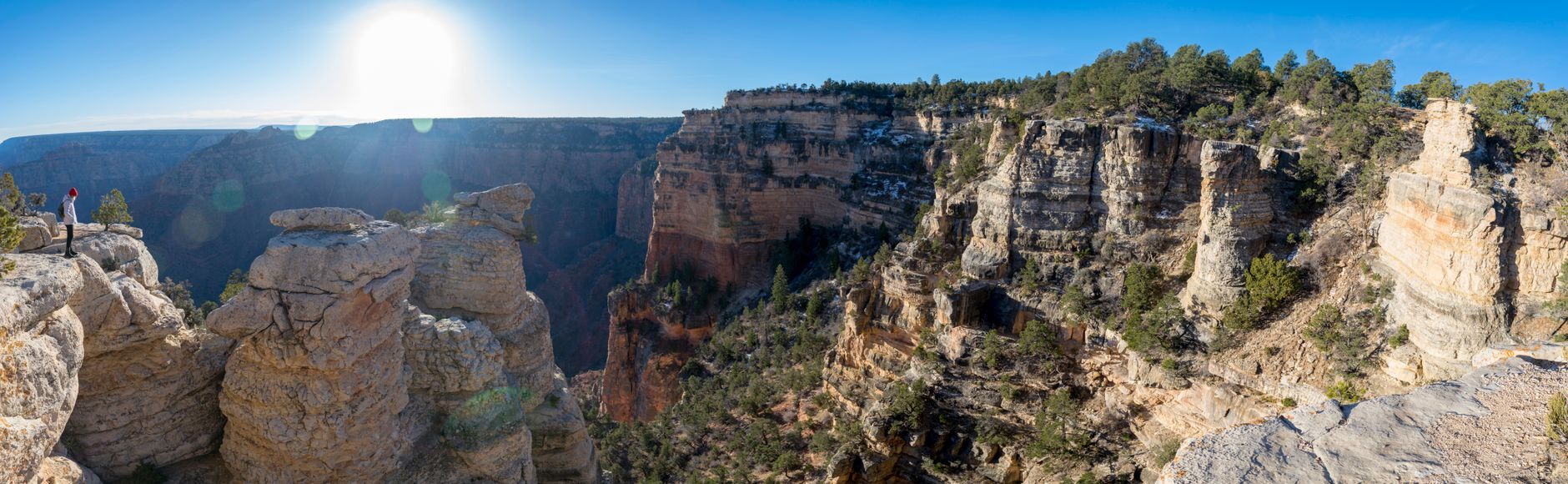
Unaweep Canyon, Colorado, USA
This unique canyon defies geological norms, as two rivers flow in opposite directions from its center, a rare phenomenon known as a 'canyon of two rivers'.
Unaweep Canyon cuts through the Uncompahgre Plateau, an ancient uplifted block of Earth's crust. Unlike most canyons carved by a single river, Unaweep's unusual hydrology sees the East Creek flowing east and the West Creek flowing west, originating from a central divide. This geological anomaly has long puzzled scientists, with theories ranging from ancient fault lines to pre-glacial river captures. The canyon's rugged terrain and diverse habitats support a range of wildlife, including black bears, mountain lions, bighorn sheep, and peregrine falcons, making respectful observation crucial.
2. Where Hoodoos Guard Ancient Secrets
Bisti/De-Na-Zin Wilderness, New Mexico, USA
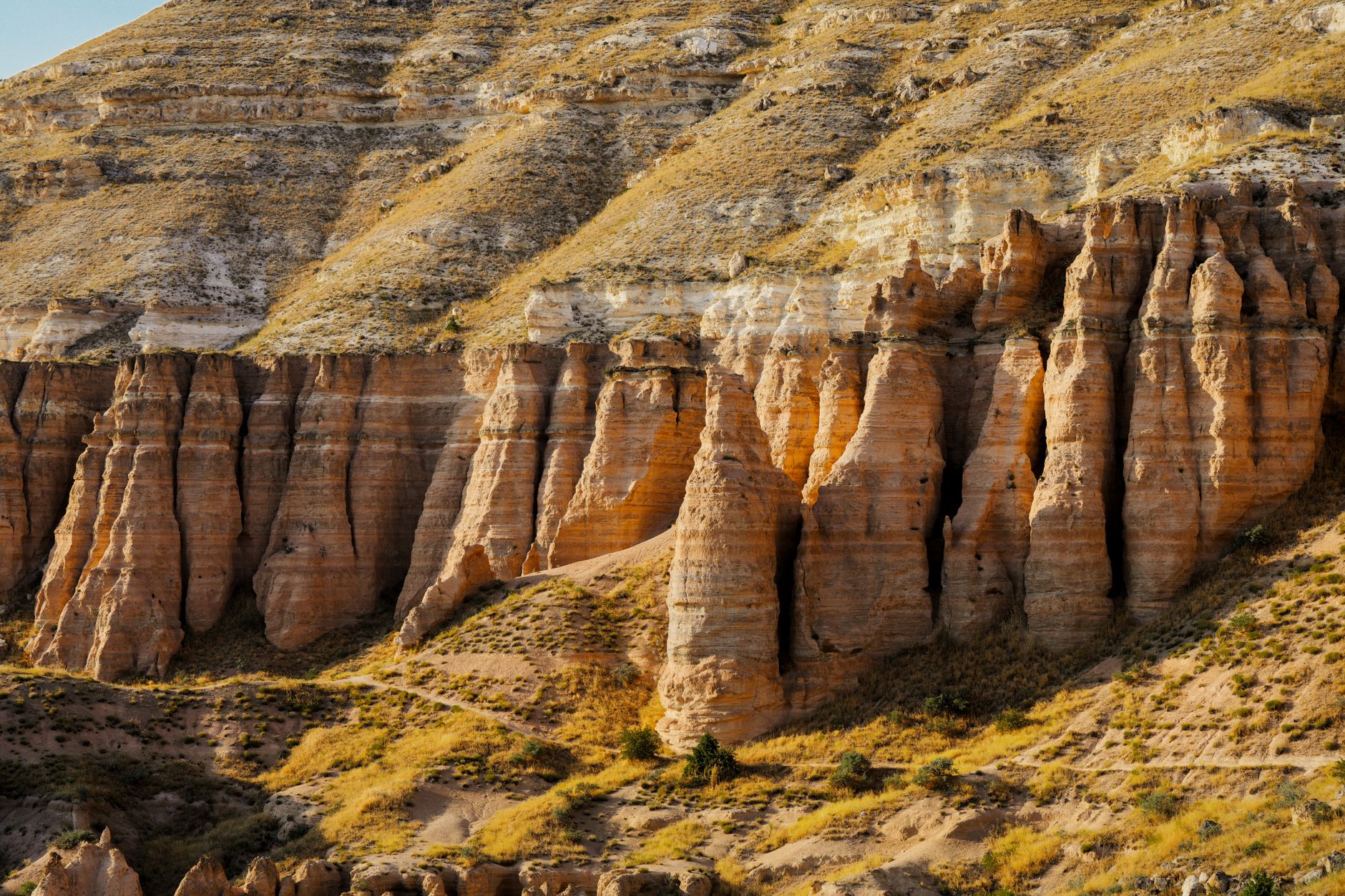
This remote badlands wilderness was once a vast coastal swamp, leaving behind a surreal landscape of petrified wood and bizarre rock formations called hoodoos.
The Bisti/De-Na-Zin Wilderness is a stark, otherworldly landscape in northwestern New Mexico, formed from the remnants of a Cretaceous sea and ancient swamps. Over millions of years, erosion has sculpted petrified wood, coal, and sandstone into bizarre hoodoos, spires, and mushroom-like formations. This stark beauty is home to desert wildlife like coyotes, various lizards, and raptors, who blend seamlessly into the muted tones of the badlands. Hikers here often feel a profound sense of isolation and wonder, tracing paths through geological time.
3. The Valley Born of Collapse
Gros Ventre Wilderness, Wyoming, USA
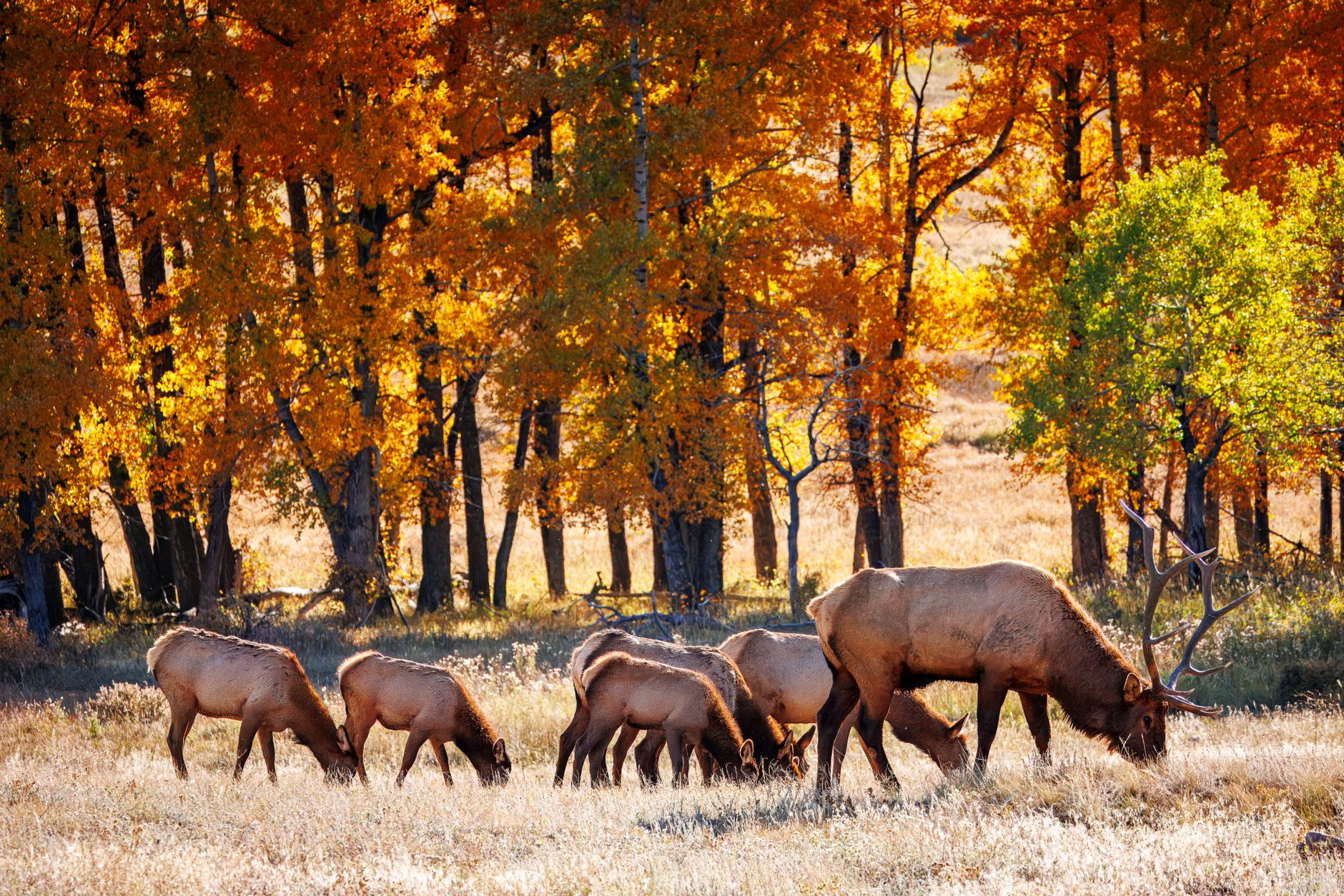
This wilderness area was dramatically shaped by the largest historical landslide in North America, the Gros Ventre Slide, which occurred in 1925 and created a massive natural dam and lake.
The Gros Ventre Wilderness in western Wyoming is a rugged, mountainous region adjacent to Grand Teton National Park, but significantly less visited. Its defining feature is the scar of the 1925 Gros Ventre Slide, a colossal natural event where an entire mountainside collapsed, damming the Gros Ventre River and forming Lower Slide Lake. This dynamic landscape is a critical corridor for the Jackson Hole elk herd and home to grizzly bears, black bears, moose, and wolves. The geological instability and rich wildlife population make it a compelling, yet challenging, place to explore.
4. The Grand Canyon of the East
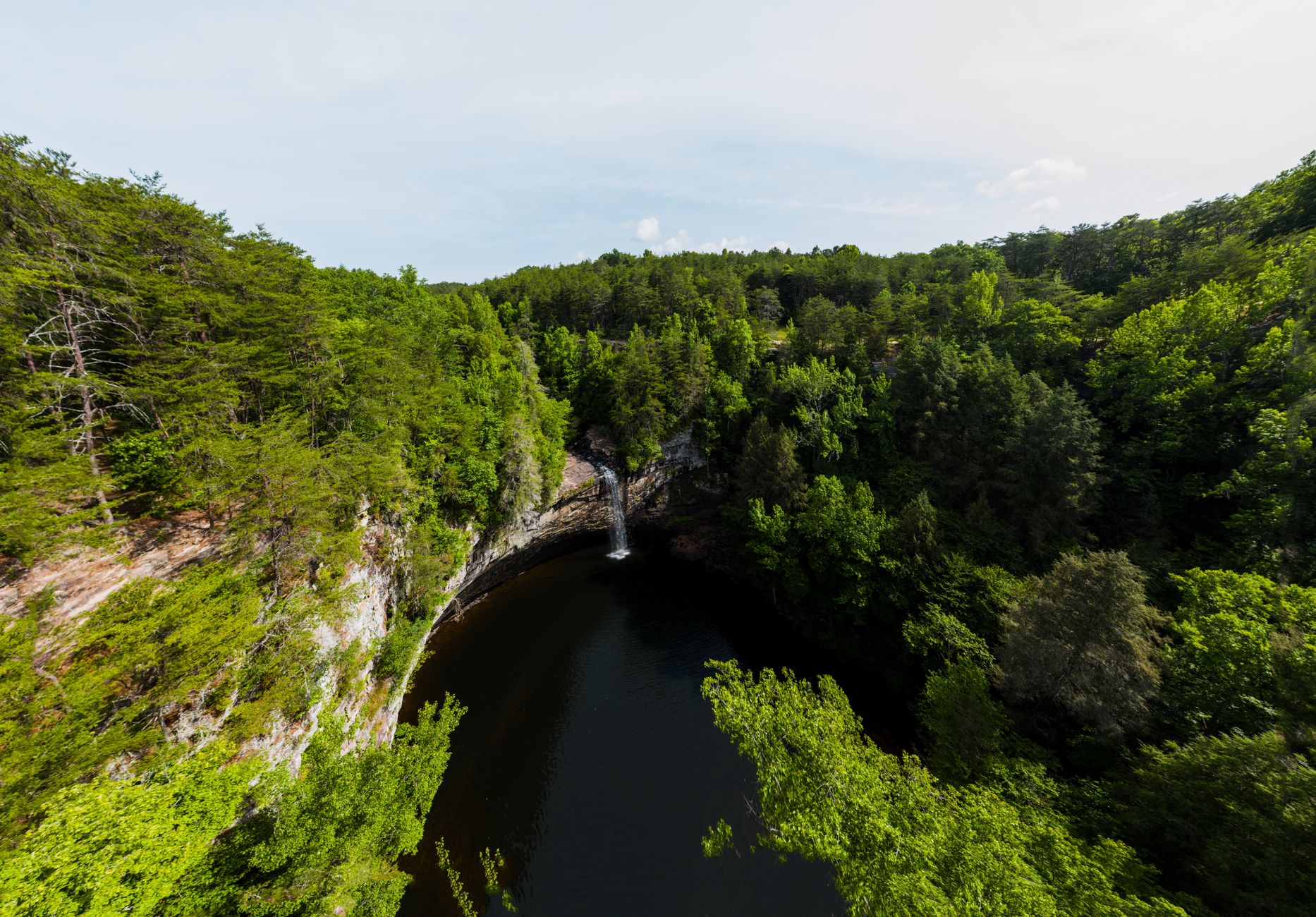
Linville Gorge Wilderness, North Carolina, USA
Known as the 'Grand Canyon of the East,' this wilderness holds one of the few remaining old-growth forests in the eastern United States, clinging to steep, rugged slopes.
Linville Gorge Wilderness is a 12-mile-long canyon carved by the Linville River, offering some of the most challenging and rewarding hiking in the Appalachian Mountains. Its designation as a wilderness area means trails are minimally maintained, creating a truly wild experience. This deep chasm supports a diverse ecosystem, including black bears, bobcats, venomous snakes like rattlesnakes and copperheads, and rare plant species. The steep, unforgiving terrain demands careful planning and awareness, making it a prime example of a place where wildlife encounters are a real possibility.
5. Where Wild Horses Roam Ancient Glaciers
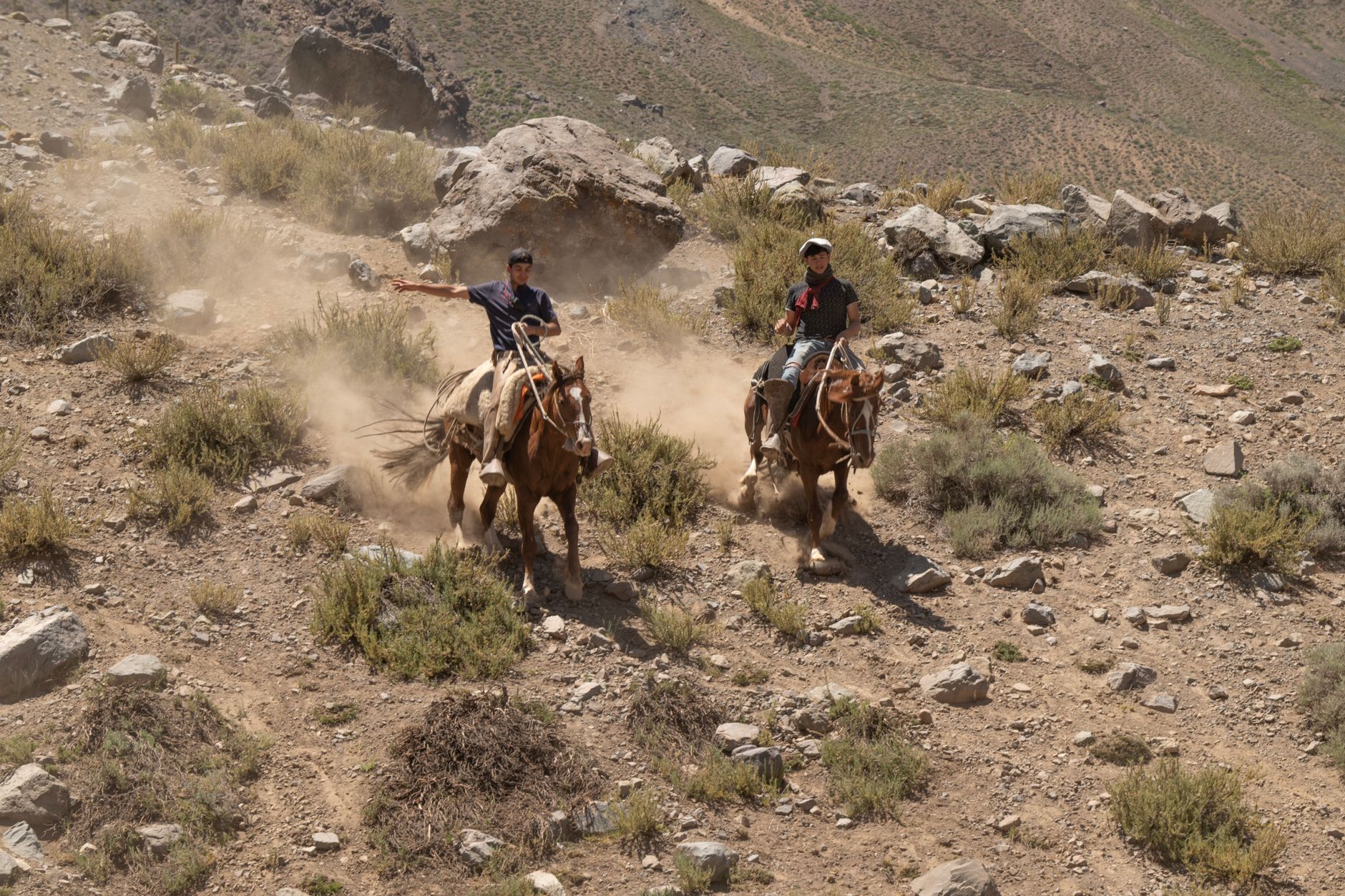
Steens Mountain Wilderness, Oregon, USA
Steens Mountain is a colossal fault-block mountain, rising abruptly from the high desert and featuring glaciated valleys where herds of wild horses roam freely.
Rising nearly a mile above the surrounding Alvord Desert, Steens Mountain is a monolithic fault-block structure, one of the largest in North America. Its eastern face drops dramatically into the desert, while the western flank slopes gently upwards. The mountain bears the scars of ancient glaciers, with U-shaped valleys and cirques. This rugged landscape is home to wild horses, a distinct herd with unique genetics, along with bighorn sheep, mule deer, and various raptors. The vast, open spaces and dramatic elevation changes offer a remote hiking experience where solitude and wildlife sightings are common.
6. Florida's Floating Forests and Ancient Oaks
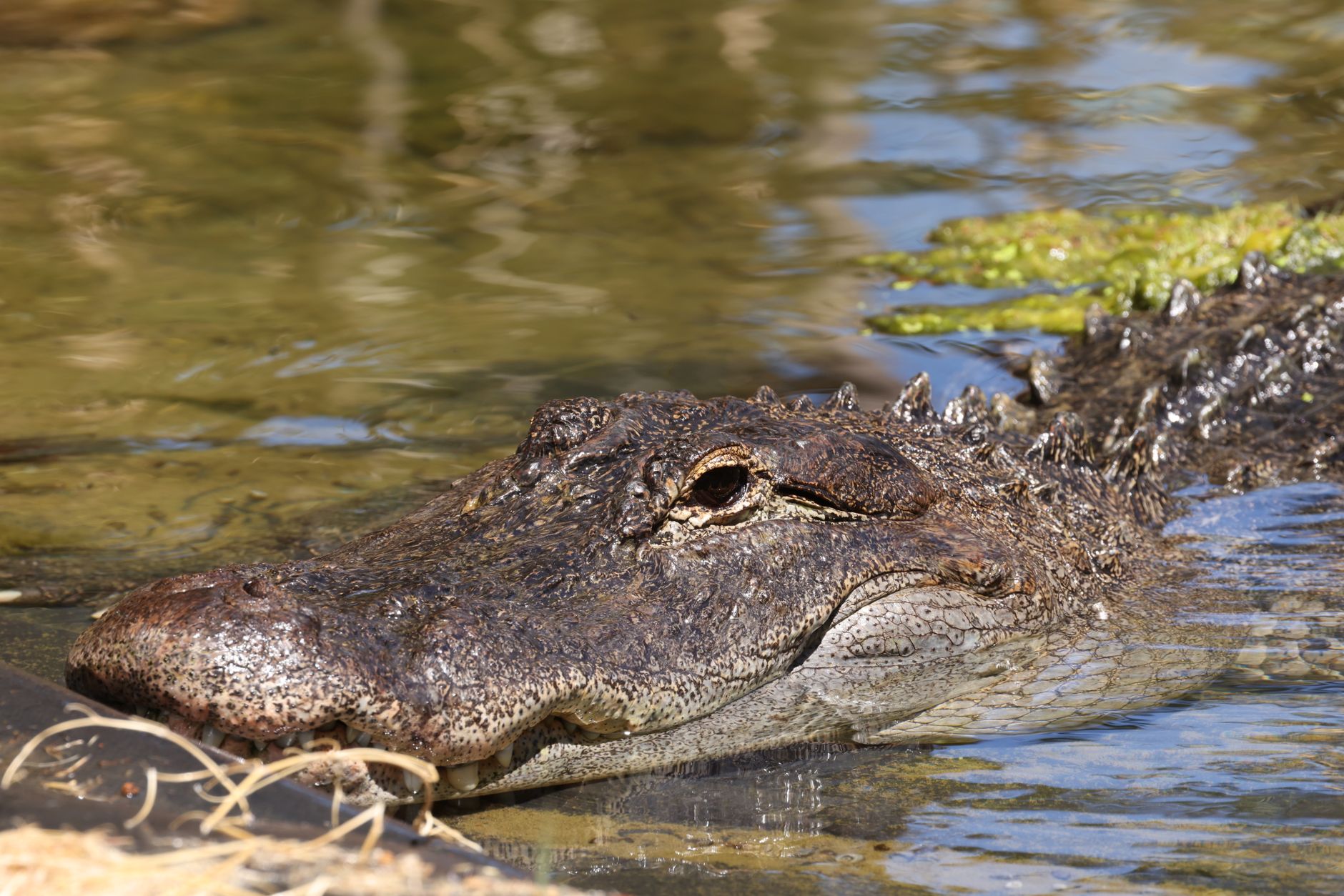
Myakka River State Park, Florida, USA
Myakka River State Park features 'tree islands' — unique floating masses of vegetation — and a canopy walkway allowing visitors to experience an ancient oak hammock from above.
Myakka River State Park is one of Florida's oldest and largest state parks, preserving a diverse landscape of wetlands, prairies, and pinelands. The park's namesake river winds through expansive floodplain marshes, where unique 'tree islands' drift and shift with the water levels. Alligators are abundant in the river and its adjacent wetlands, alongside wild pigs, deer, and a spectacular array of birdlife. The park's canopy walkway offers a rare perspective into an ancient oak hammock, allowing visitors to observe wildlife from an elevated vantage point.
7. Kauai's Hidden Rainforest Heart
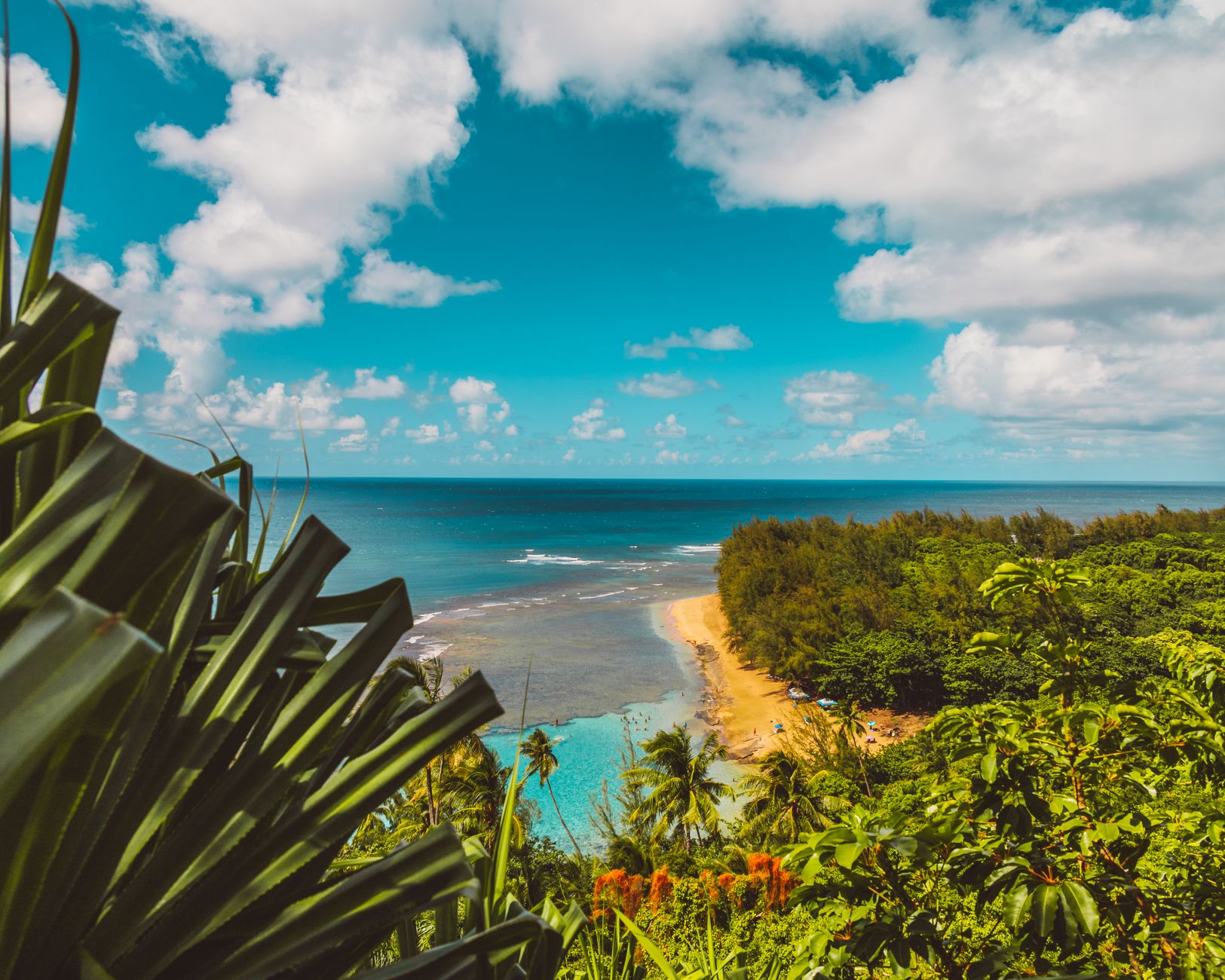
Na Pali-Kona Forest Reserve, Kauai, Hawaii, USA
Beyond Kauai's famous coastline lies a remote, mountainous rainforest reserve protecting native Hawaiian ecosystems and remnants of ancient agricultural practices.
While the Nā Pali Coast is world-renowned, the interior Na Pali-Kona Forest Reserve offers a different kind of Hawaiian wilderness experience. This vast, rugged rainforest encompasses deep valleys and steep ridges, often shrouded in mist. It's a critical habitat for many endemic Hawaiian birds, some of which are endangered, and is also home to wild pigs and goats. The reserve contains remnants of ancient Hawaiian agricultural terracing, a testament to the ingenuity of early inhabitants. Navigating these interior trails requires respect for both the fragile ecosystem and the potential for encountering animals in their natural, dense habitat.
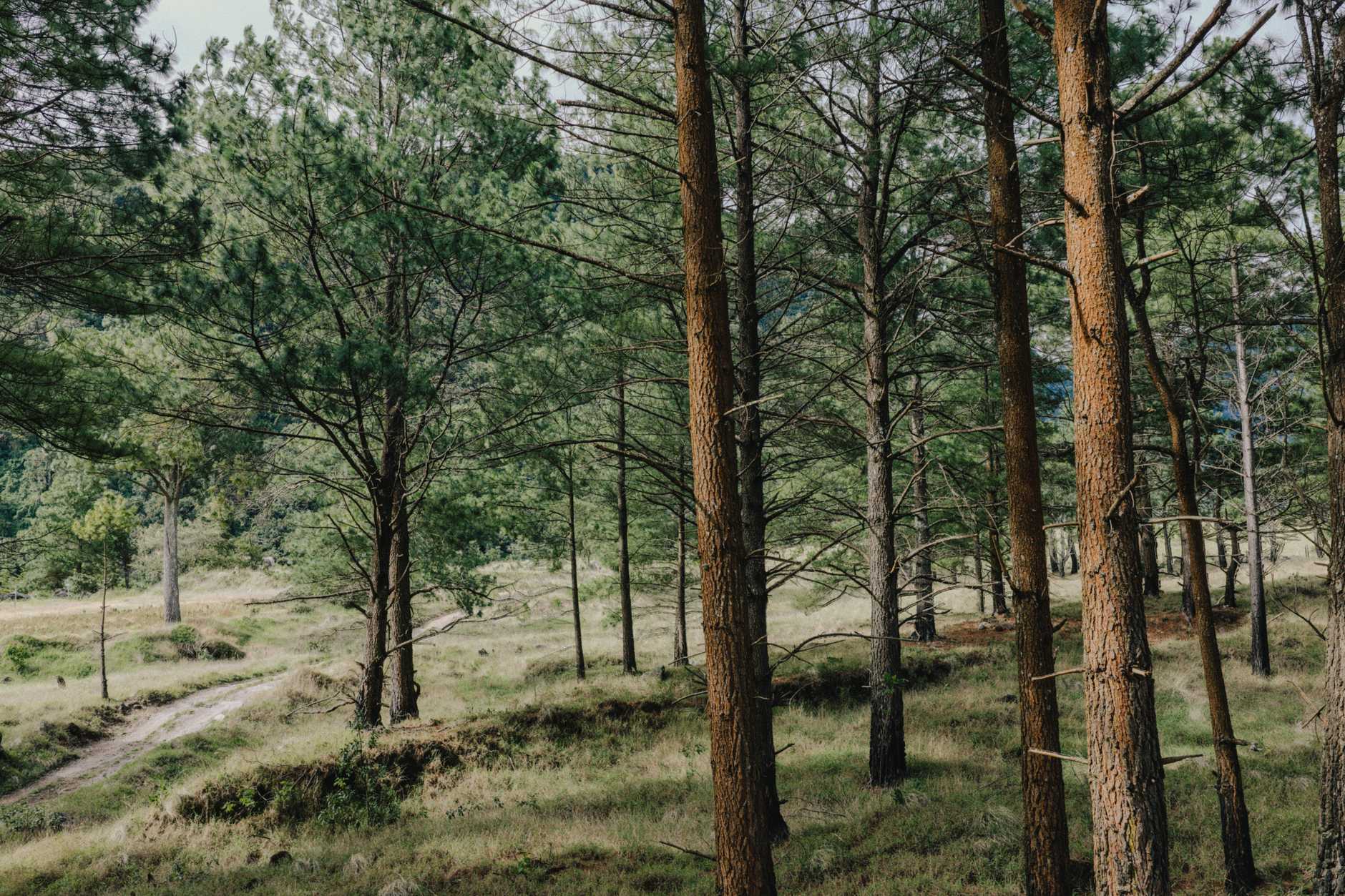
8. The Path of the Longleaf Pine
Pinhoti Trail, Alabama & Georgia, USA
A lesser-known long-distance trail, the Pinhoti meanders through some of the last remaining old-growth longleaf pine forests in the Southeast, a critical habitat for diverse wildlife.
The Pinhoti Trail, a significant portion of the Eastern Continental Divide Trail, stretches over 330 miles through Alabama and Georgia. Unlike its more famous Appalachian sibling, the Pinhoti offers a quieter, more intimate journey through diverse ecosystems, including resilient longleaf pine forests that once covered vast swaths of the Southeast. These forests are vital for species like the gopher tortoise and red-cockaded woodpecker. Hikers may encounter black bears, white-tailed deer, and various snake species, including rattlesnakes. Its less crowded nature means a greater chance for solo encounters with the wild.
Frequently asked questions
What should I do if I encounter a bear on a trail?
If you encounter a bear, remain calm. Make yourself look as large as possible, speak in a low, assertive voice, and back away slowly. Do not run, as this might trigger a chase response. If it's a grizzly, play dead; if it's a black bear, fight back if attacked.
How can I avoid surprising wildlife while hiking?
Make noise by talking or wearing a bear bell, especially in dense vegetation or around blind corners, to alert animals to your presence. Stay on marked trails to avoid disturbing habitats, and always keep dogs on a leash to prevent them from chasing or provoking wildlife.
What gear is essential for wildlife safety on hikes?
Carry bear spray and know how to use it, especially in bear country. A whistle can help deter animals or signal for help. Always have a first-aid kit, plenty of water, and a fully charged phone, even if service is spotty.
How can AllTours.ai help me learn more about these places?
AllTours.ai enhances your exploration by narrating the history, geology, and culture of the landscape you're experiencing. Simply point your phone camera at any landmark or natural feature, and the app will provide context and stories in your language, turning every view into a richer learning experience.
Related guides
Self-guided audio tours
Walk these places stop by stop — free five-stop story tours you can take at your own pace:
Photography via Pexels. AllTours.ai is an AI audio tour guide — point your camera at any landscape and hear its story.