July 20, 2026 · 4 min read
Massachusetts is often celebrated as the cradle of American liberty, a state rich with iconic landmarks that tell the story of a nation's birth. But beyond the well-trodden paths of Boston's Freedom Trail and Plymouth Rock, lies a deeper, more intricate tapestry of history waiting to be uncovered.
From daring social experiments to industrial revolutions and tales of extraordinary survival, these lesser-known sites offer a profound glimpse into the events and beliefs that shaped not only Massachusetts, but the very fabric of American culture. Prepare to step off the usual tourist map and discover the surprising stories that truly define this historic state.
1. The Mill Girls' Revolutionary Vision
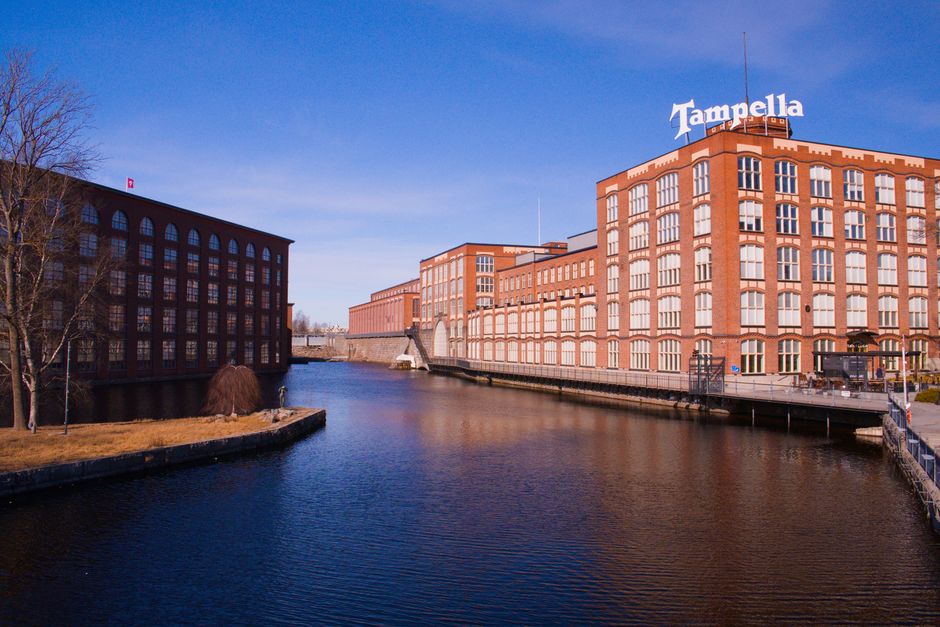
Lowell National Historical Park, USA
Lowell's textile mills weren't just about industry; they pioneered a unique social experiment where young women lived in supervised boarding houses and formed America's first industrial labor movement.
In the early 19th century, Lowell became a booming center of textile production, drawing thousands of young women from rural New England farms. Unlike the grim factory towns of Europe, Lowell's mill owners offered a 'boarding house system' that provided moral supervision, educational opportunities, and a sense of community. These 'Lowell Mill Girls' quickly developed a strong collective identity, publishing their own literary magazines and famously organizing some of America's first industrial protests against wage cuts and harsh conditions.
2. America's First Garden Cemetery
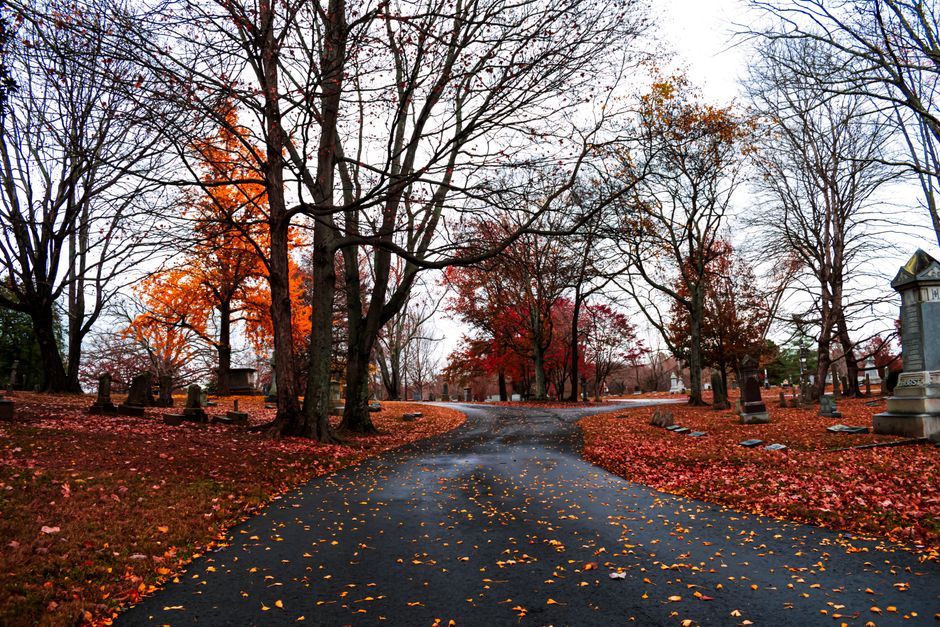
Mount Auburn Cemetery, Cambridge/Watertown, USA
Mount Auburn wasn't just a burial ground; it was America's first 'rural cemetery,' designed as a vast public park for the living to enjoy nature, art, and quiet contemplation, sparking a national movement.
Before Mount Auburn's creation in 1831, urban cemeteries were often overcrowded and unkempt. This revolutionary landscape combined horticulture, architecture, and art in a serene, park-like setting, offering a tranquil escape from the bustling city. Its winding paths, picturesque ponds, and diverse tree collection invited the public for leisure and reflection, making it a popular destination for picnics and strolls. The success of Mount Auburn inspired the creation of garden cemeteries across the country, fundamentally changing how Americans viewed both death and public green spaces.
3. The Utopian Experiment that Failed
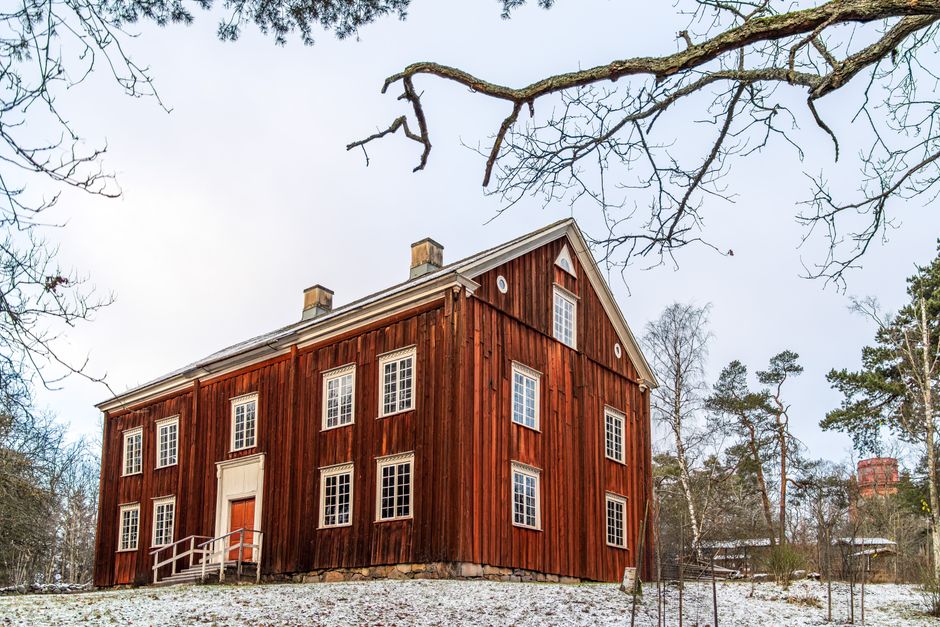
Fruitlands Museum, Harvard, USA
This secluded farm was once the site of a radical transcendentalist commune founded by Louisa May Alcott's father, Bronson Alcott, where residents attempted to live purely off the land without animal labor or conventional comforts.
In 1843, Bronson Alcott, a prominent transcendentalist and educational reformer, established Fruitlands with a vision of creating a self-sufficient, vegetarian community free from the corruptions of industrial society. Residents, including a young Louisa May Alcott, eschewed animal products, refused to use animal labor, and wore linen clothing. Despite their lofty ideals, the commune struggled with practicalities, particularly farming, and lasted only seven months before dissolving due to ideological clashes and the harsh New England winter. Today, the preserved farmhouse offers a fascinating look into this ambitious, albeit short-lived, social experiment.
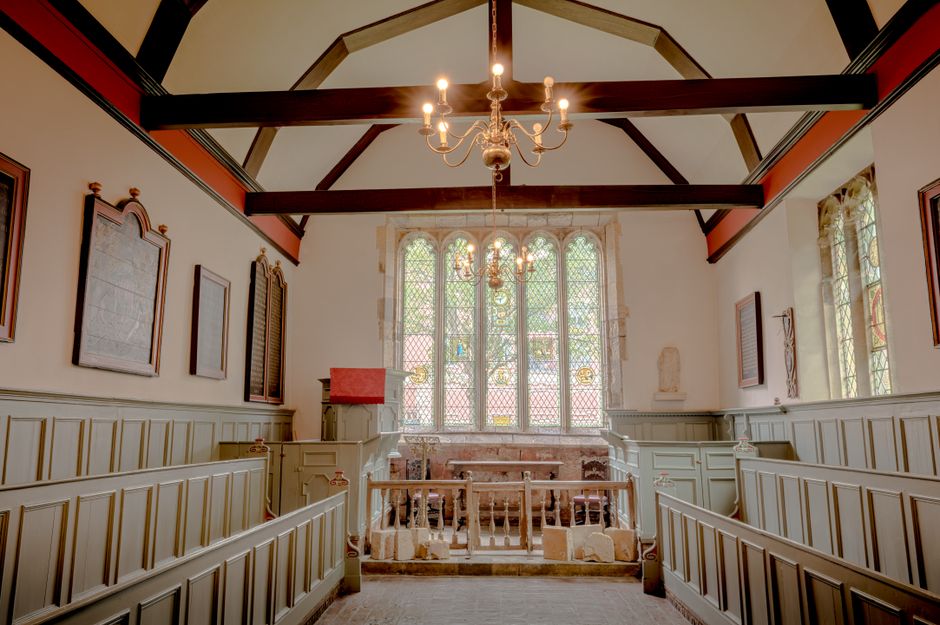
4. The Shipwrights' Sacred Roof
Old Ship Church, Hingham, USA
Built in 1681, this is the oldest continually used wooden church in America, featuring a remarkable 'ship's hull' roof constructed by local shipwrights who applied their maritime expertise to sacred architecture.
The Old Ship Church stands as a testament to early colonial ingenuity and the pervasive influence of the sea on New England life. Its distinctive hammerbeam roof, resembling an inverted ship's hull, was not just an aesthetic choice; it was a structural necessity crafted by master shipbuilders. This unique construction method allowed for a wide, open interior space without needing central support pillars, reflecting both the community's maritime heritage and their desire for an unencumbered worship area. The church continues to hold services, making it a living piece of American history.
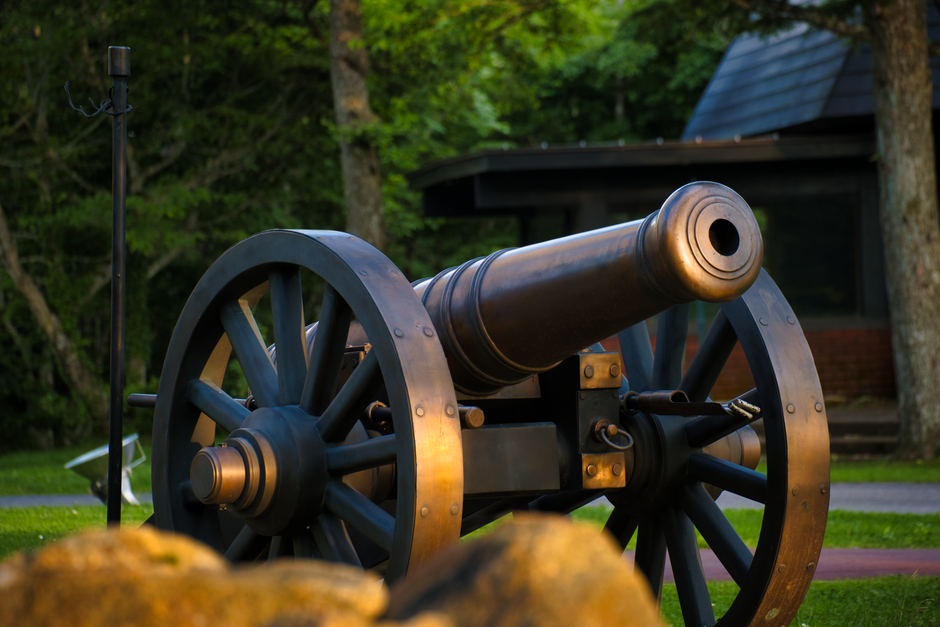
5. Birthplace of American Industry
Saugus Iron Works National Historic Site, Saugus, USA
This wasn't just any blacksmith shop; it was North America's first successful integrated iron works, a sophisticated 17th-century industrial complex that laid the foundation for the continent's manufacturing future.
Established in 1646, the Saugus Iron Works was a marvel of colonial engineering, bringing together a blast furnace, forge, rolling and slitting mill, and even a quarter-ton water wheel. Here, European iron-making technology was adapted to the New World, transforming raw bog iron into tools, nails, and household items essential for colonial survival and growth. The site operated for nearly 30 years, demonstrating the economic potential of American resources and skill. Today, a meticulously reconstructed complex allows visitors to witness the ingenuity of these early industrial pioneers.
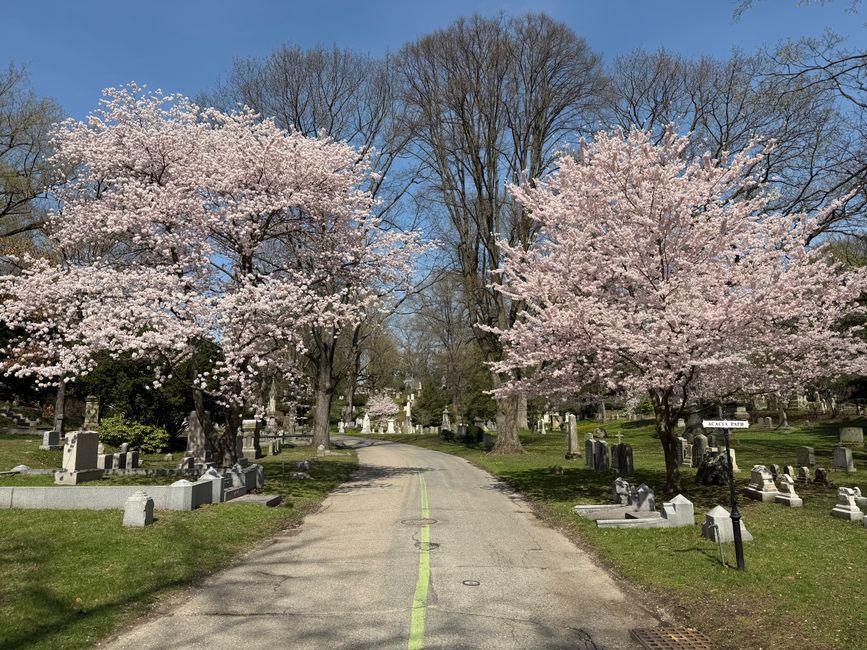
6. Half-Hanged Mary's Haunting Tale
Mary Webster's Grave, Hadley, USA
In 1684, Mary Webster was accused of witchcraft and hanged by an angry mob in Hadley, but miraculously survived the ordeal, living another 14 years – a chilling true story that inspired Margaret Atwood's famous poem.
Mary Webster, an elderly widow living in Hadley, endured a life marked by hardship and suspicion. When local residents began falling ill, she was branded a witch, a common accusation in the superstitious colonial era. After being 'tried' by the townspeople, she was hanged from a tree. However, when her family cut her down hours later, she was still alive. This incredible tale of survival against injustice, and the lingering questions about what truly happened, makes her grave a poignant reminder of the darker chapters of New England's history and the power of human resilience.
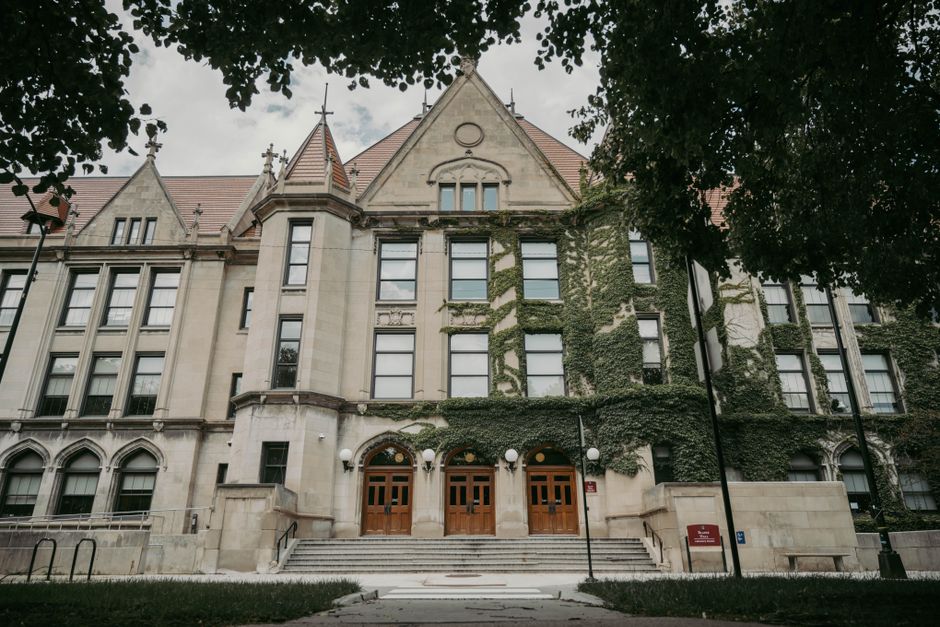
7. The First Public School for All
The Mather School, Dorchester, USA
Founded in 1639, Dorchester's Mather School holds the distinction of being the first public elementary school in North America, predating Harvard College and demonstrating an early commitment to universal education.
While often overshadowed by more famous colonial institutions, the Mather School represents a groundbreaking step in American education. Established by the Dorchester town meeting, it was designed to provide elementary instruction for all children, boys and girls alike, regardless of their family's wealth or status. This pioneering vision laid the groundwork for the public school system that would eventually become a cornerstone of American democracy. Though the original building is long gone, the spirit of its mission continues, marking Dorchester as a true birthplace of accessible public learning.
Frequently asked questions
What is unique about Massachusetts' historical sites?
Massachusetts offers a unique blend of early colonial, Revolutionary War, and industrial history. Unlike some states, its historical sites often reveal the daily lives, social experiments, and profound intellectual movements that shaped the earliest American society, not just battles and founding fathers.
Are there historical sites in Massachusetts beyond Boston and Plymouth?
Absolutely. While Boston and Plymouth are iconic, much of Massachusetts' rich history lies in its smaller towns and rural areas. Places like Lowell, Deerfield, and Hingham offer unique insights into early American industry, colonial life, and maritime culture, often with fewer crowds.
How did Massachusetts' early history influence American culture?
Massachusetts' early history profoundly influenced American culture through its Puritan work ethic, commitment to public education, democratic town meeting traditions, and its role as a hotbed for social reform and intellectual movements like Transcendentalism. These foundational elements continue to shape American values and institutions today.
How can AllTours.ai help me explore these historical sites?
AllTours.ai enhances your exploration by transforming your phone into an AI-powered audio tour guide. Simply point your camera at any landmark or landscape, and the app will narrate its history, geology, and culture in your preferred language, bringing these fascinating stories to life as you stand right in front of them.
Related guides
Photography via Pexels. AllTours.ai is an AI audio tour guide — point your camera at any landscape and hear its story.