September 22, 2026 · 4 min read
Travel often reveals stories of resilience and reinvention. Beyond the postcard-perfect vistas lie places that have overcome significant economic decline, repurposing their heritage and forging entirely new identities. These aren't always the glittering metropolises you hear about; sometimes, the most profound transformations occur in unexpected corners of the world.
From industrial powerhouses that adapted to post-industrial realities to remote islands that found new purpose through art, these cities and regions offer compelling narratives of how vision, innovation, and community spirit can completely revamp an economy. Prepare to be surprised by these lesser-known gems that have rewritten their own futures.
1. From Shipyards to Seaside Stage
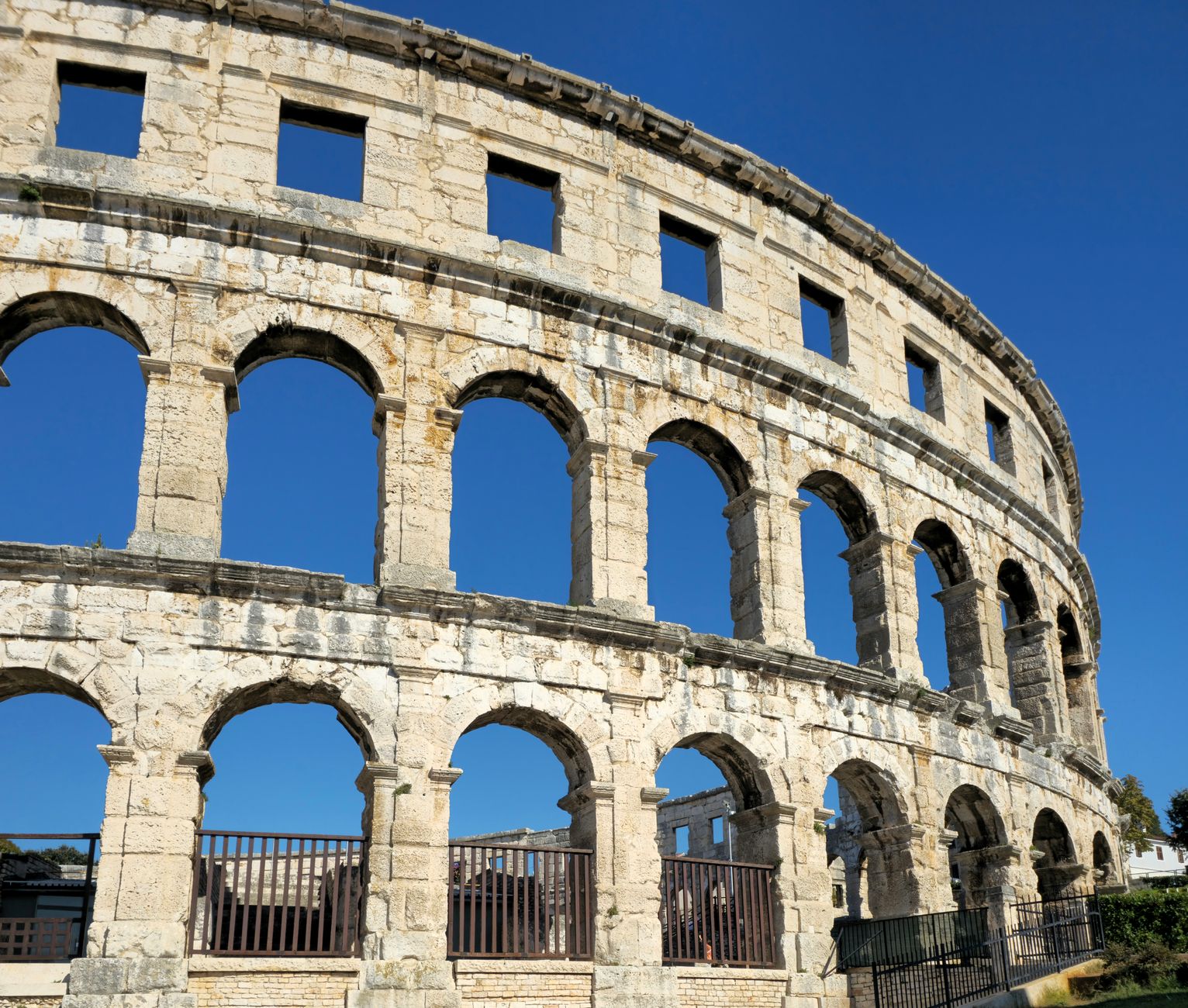
Pula, Croatia
This ancient Roman city, once a major shipbuilding hub, now uses its colossal amphitheater for concerts instead of gladiatorial contests.
Pula's economy historically revolved around its deep-sea port and shipbuilding industry, particularly the Uljanik shipyard which dominated the city for over 160 years. As this industry faced global challenges, Pula pivoted to tourism and cultural events. Its remarkably preserved Roman Arena, one of the largest surviving in the world, now hosts international music festivals and film screenings, drawing visitors who explore its rich history alongside its revitalized coastal charm.
2. The Ruhr's Green Transformation
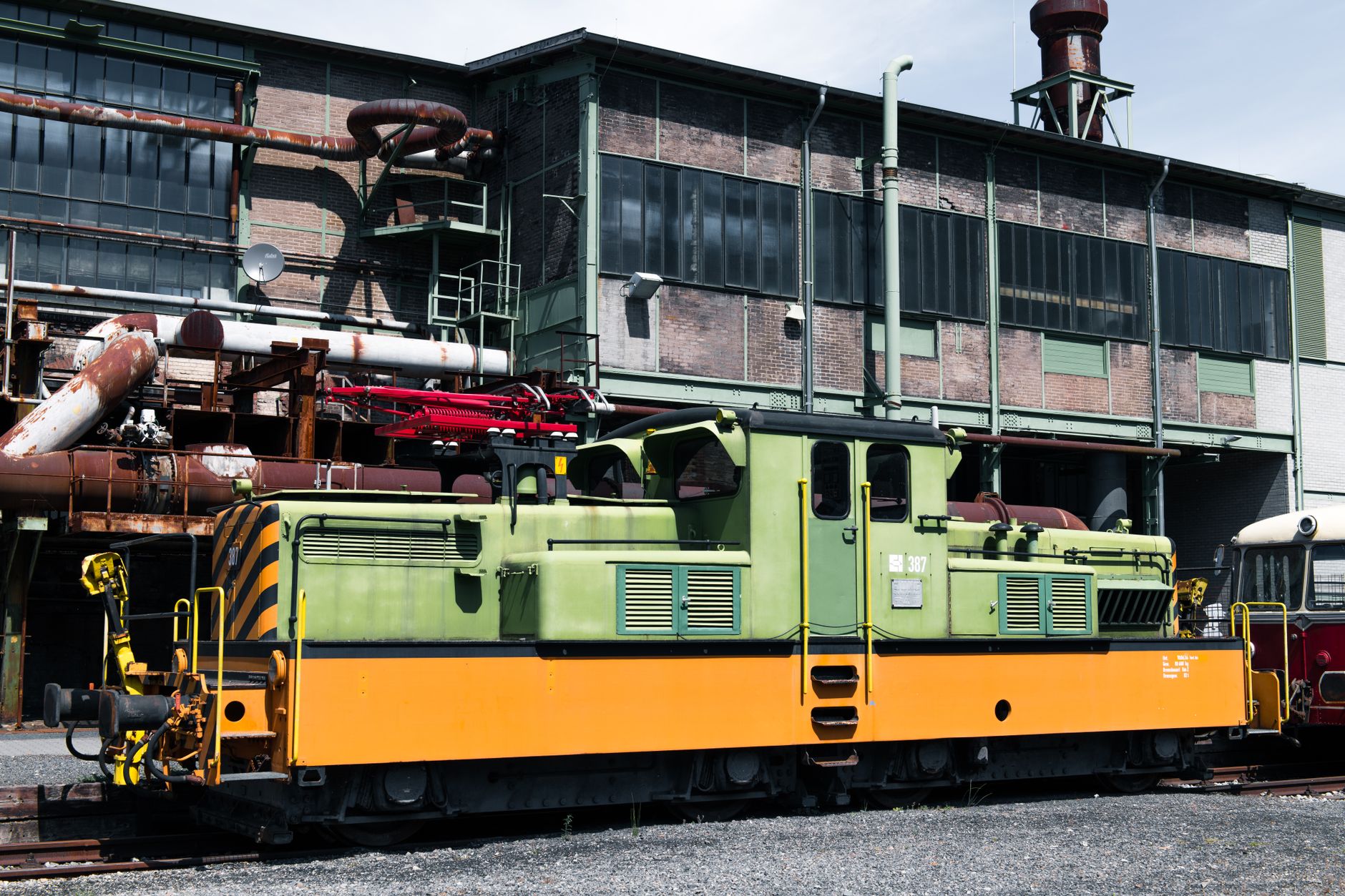
Essen, Germany
Once the heart of Germany's coal and steel industry, this city transformed its industrial relics into stunning cultural spaces and green zones.
Essen, nestled in the Ruhr Valley, was synonymous with coal mining and steel production, fueling Germany's industrial might for centuries. Facing the decline of heavy industry, the city embarked on a profound transformation. The Zollverein Coal Mine Industrial Complex, a UNESCO World Heritage site, is now a vibrant cultural center housing museums, design schools, and event spaces, showcasing a successful shift towards culture, education, and green urban development.
3. From Tar to Tech
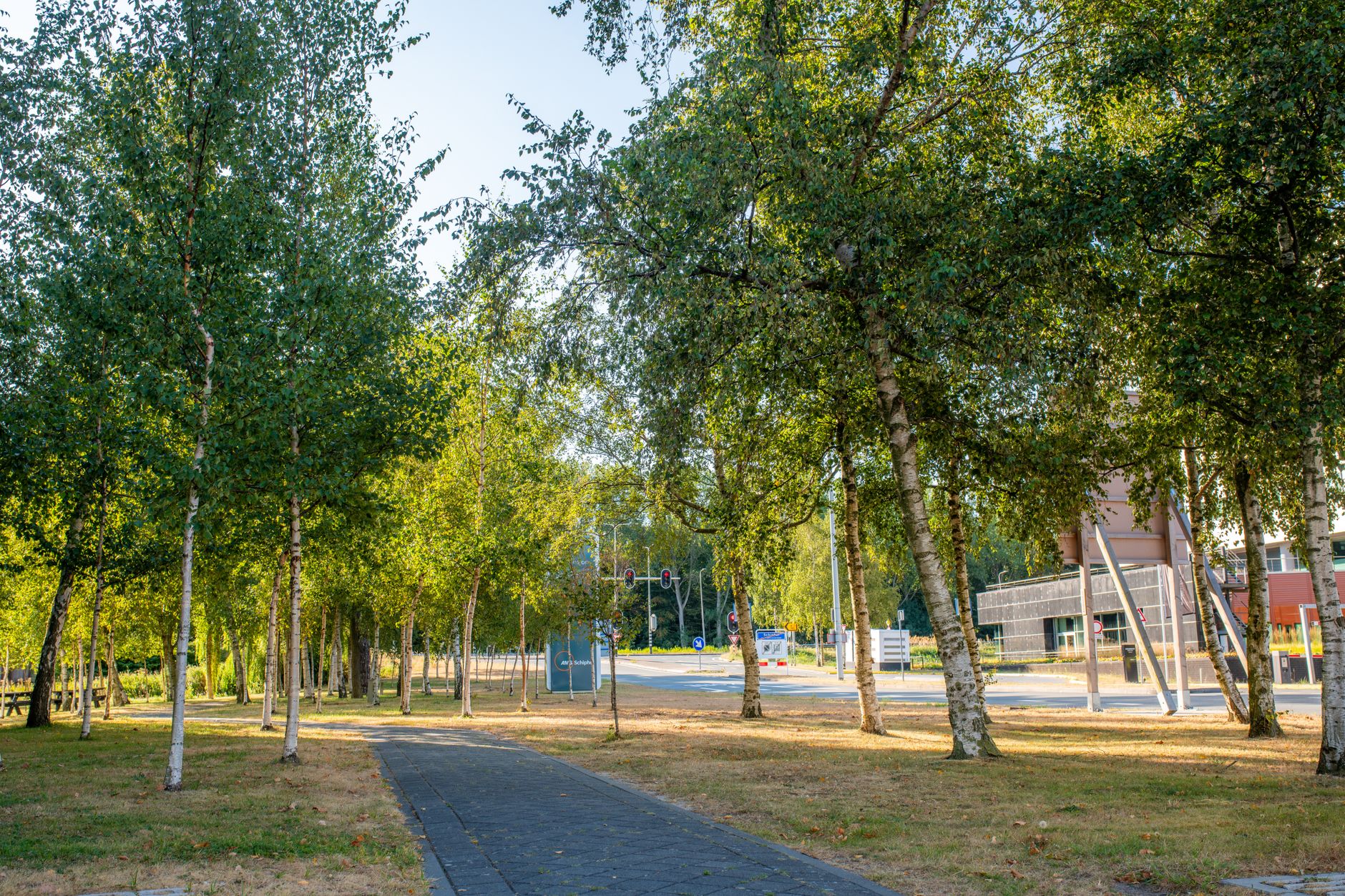
Oulu, Finland
This northern Finnish city, historically known for tar burning and salmon fishing, is now a global leader in 5G technology and wireless innovation.
For centuries, Oulu's economy was tied to its location on the Gulf of Bothnia, exporting tar and salmon. The city experienced a dramatic shift in the late 20th century, becoming a major technology hub, especially in wireless communications. Home to the University of Oulu and a thriving startup scene, it's often called the 'Wireless Valley,' demonstrating how a remote northern city can transition from traditional industries to cutting-edge digital innovation.
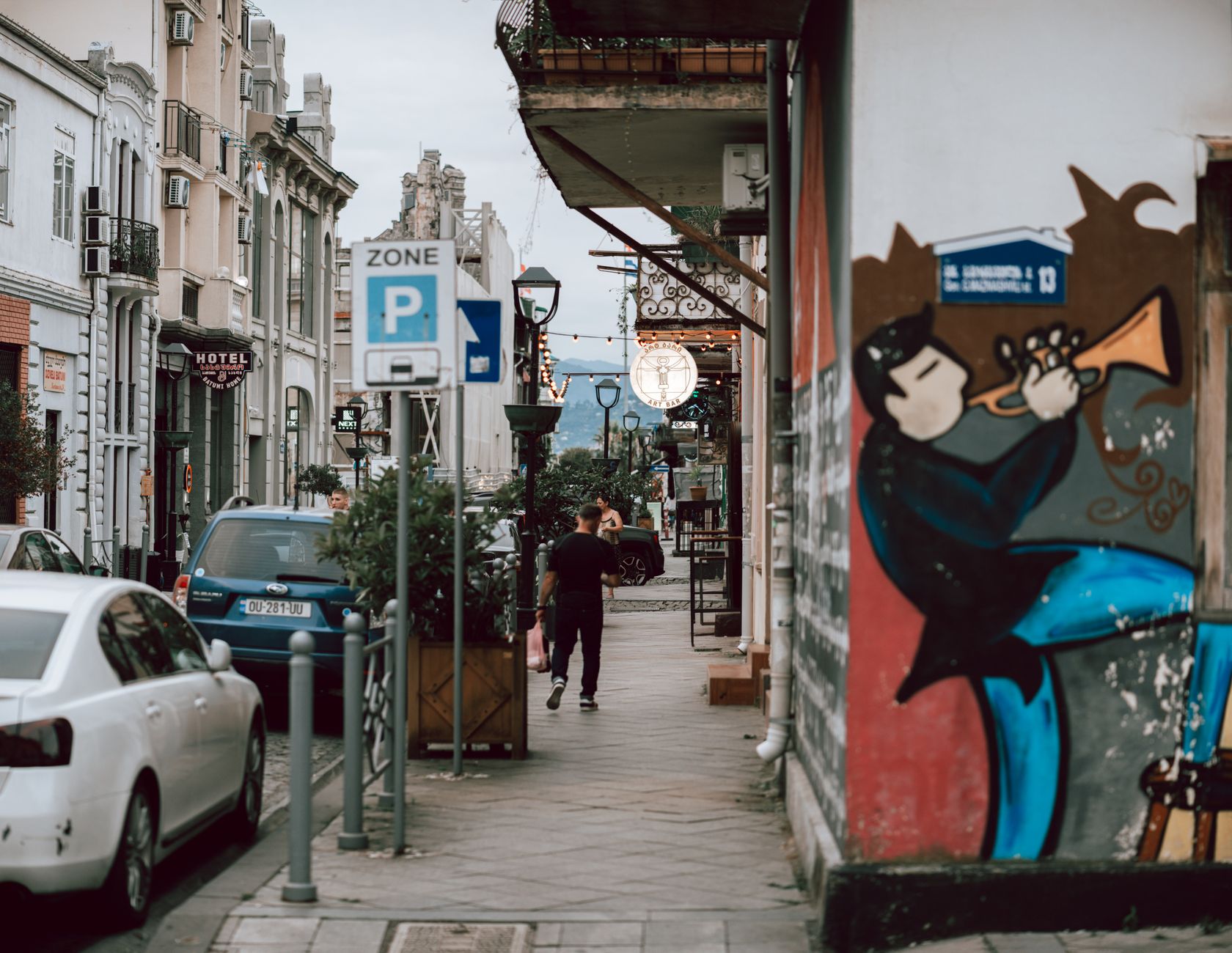
4. Panama Canal's Unintended Legacy
Valparaíso, Chile
This once-bustling Pacific port city saw its fortunes decline with the opening of the Panama Canal, only to reinvent itself through art and heritage tourism.
Valparaíso was a vital port city, a compulsory stop for ships traversing the Americas before the Panama Canal's completion. When the canal opened in 1914, much of its maritime traffic vanished, leading to economic hardship. However, its unique urban design of colorful hillside houses, historic funiculars, and bohemian culture gained UNESCO World Heritage status. Today, its vibrant street art, artistic community, and stunning views attract travelers seeking an authentic Chilean experience.

5. Jute, Jam, and Journalism to Design
Dundee, Scotland
Once a major industrial city famous for its 'three Js,' Dundee has transformed into a UNESCO City of Design and a hub for creative industries.
Dundee's industrial heritage was built on jute production, marmalade manufacturing, and publishing. Following significant decline in these sectors, the city initiated an ambitious waterfront regeneration project. The opening of the V&A Dundee, Scotland's first design museum, was a pivotal moment, cementing its new identity. The city now fosters a thriving video game development scene and a vibrant cultural quarter, proving that design and innovation can drive urban renewal.
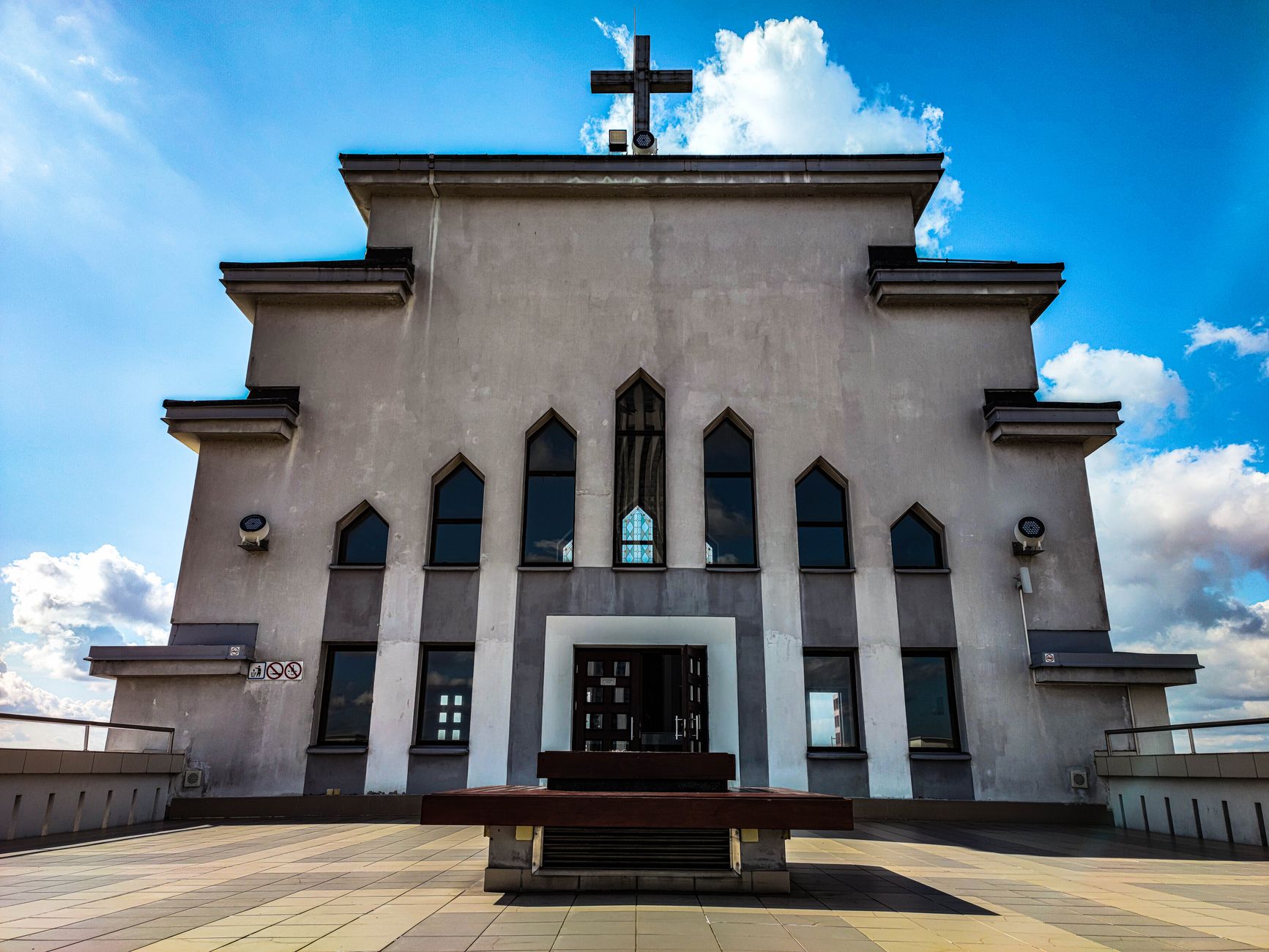
6. Lithuania's Modernist Revival
Kaunas, Lithuania
This city, once an industrial center during Soviet rule, has rediscovered its interwar modernist architectural heritage to become a European Capital of Culture.
Kaunas served as Lithuania's temporary capital during the interwar period, leading to a boom in unique modernist architecture. Under Soviet occupation, its identity shifted to an industrial hub. After regaining independence, Kaunas has embraced its rich architectural legacy, earning European Heritage Label status for its modernist movement. Designated a European Capital of Culture, the city now thrives on its vibrant arts scene, universities, and a growing recognition of its unique urban fabric.
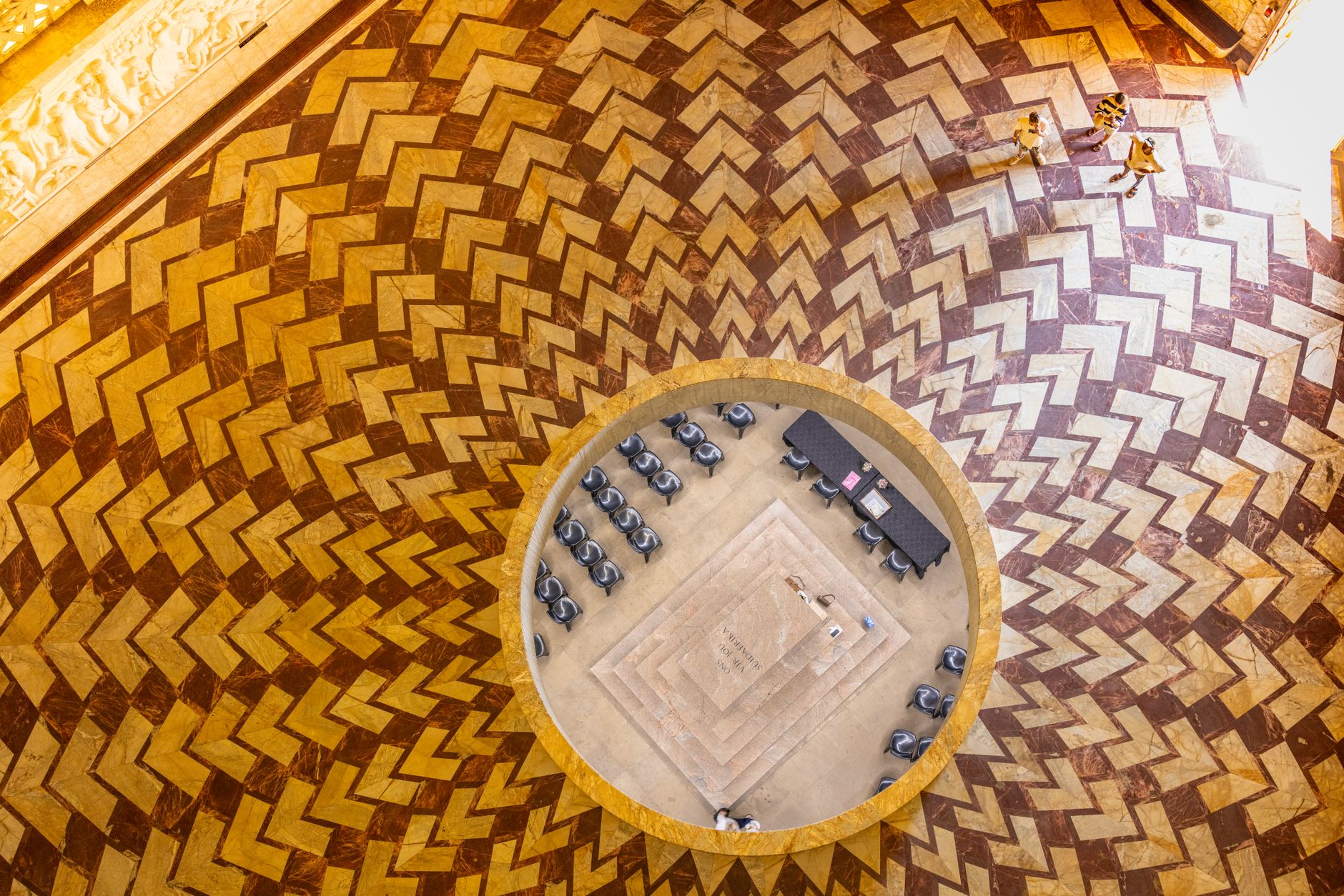
7. Art Island's Quiet Revolution
Naoshima, Japan
A remote island once reliant on fishing and a copper refinery, Naoshima has become a world-renowned destination for contemporary art and architecture.
Naoshima, part of Japan's Setouchi Inland Sea, faced economic decline as its fishing industry waned and its copper refinery became less active. The island's transformation began in the 1980s with the Benesse Art Site Naoshima project, integrating contemporary art museums, outdoor sculptures, and unique architectural interventions into the natural landscape. This initiative has not only revitalized the local economy through art tourism but also preserved the island's unique charm, attracting visitors from across the globe.
Frequently asked questions
What often drives cities to completely revamp their economy?
Economic revamps are often triggered by the decline of traditional industries (like manufacturing or mining), geopolitical shifts, or environmental challenges. A city's ability to adapt, invest in new sectors like technology or tourism, and leverage its unique cultural or historical assets is key to successful transformation.
Are these transformations always successful?
No, not all economic transformations are equally successful or without challenges. They often require significant long-term investment, strong political will, and community engagement. Some cities face ongoing struggles with gentrification, job displacement, or maintaining their original character amidst rapid change.
How long does it typically take for a city to see economic transformation?
The timeline for economic transformation can vary widely, often taking decades rather than years. Initial policy changes and infrastructure projects might show early results, but a complete shift in a city's economic identity and job market can be a generational effort, requiring sustained effort and adaptability.
How can AllTours.ai help me explore these transformed places?
AllTours.ai enhances your travel experience by providing instant audio guides. Simply point your phone camera at a landmark or landscape in any of these revitalized locations, and the app will narrate its fascinating history, geology, and cultural significance in your language, bringing its story of transformation to life.
Related guides
Self-guided audio tours
Walk these places stop by stop — free five-stop story tours you can take at your own pace:
Photography via Pexels. AllTours.ai is an AI audio tour guide — point your camera at any landscape and hear its story.