July 9, 2026 · 4 min read
Most travelers picture burgers, fries, and perhaps a hot dog when they think of American food. While these staples certainly have their place, the real culinary landscape of the United States is far more varied and surprising, shaped by centuries of immigration, ingenuity, and regional isolation. Venture off the beaten path, and you'll find a tapestry of dishes that locals cherish daily, each with a unique story.
Forget the tourist traps and generic diners. We're diving deep into the heartland, the forgotten corners, and the communities where food traditions run deep. From the comfort foods born of necessity to the fusion dishes crafted by new arrivals, these are the authentic tastes of America that often go overlooked but are essential to understanding its diverse culture and history.
1. The Humble, Hearty Runza
Lincoln, Nebraska, USA
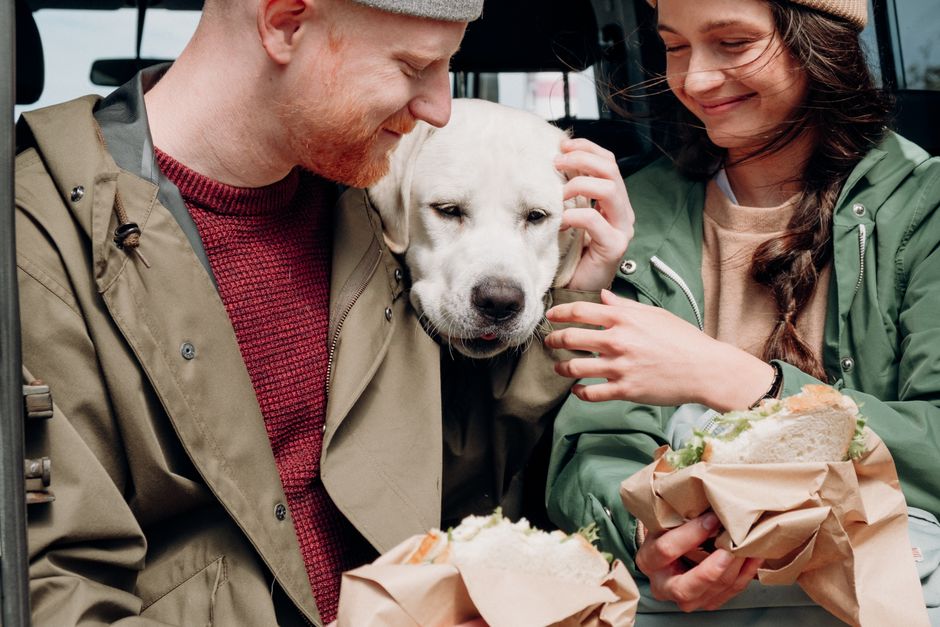
This savory baked pastry, a staple in Nebraska, traces its origins directly back to German-Russian immigrants seeking to adapt their traditional cuisine.
The Runza, a yeast dough pocket filled with ground beef, cabbage or sauerkraut, and onions, is an iconic fast-food item across Nebraska. Its roots lie with German immigrants from Russia who settled in the Great Plains in the late 19th century, bringing with them recipes like the 'bierock.' The Runza chain, founded in Lincoln in 1949, popularized this hearty, portable meal, making it a beloved regional comfort food.
2. Scrapple: A Pennsylvania Dutch Legacy
Reading Terminal Market, Philadelphia, Pennsylvania, USA
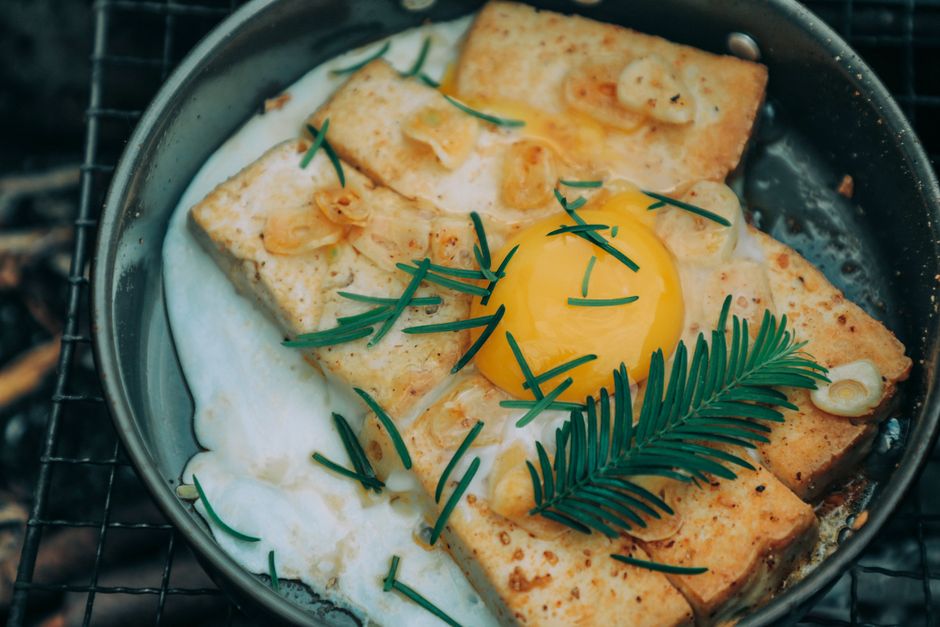
This breakfast meat, a blend of pork trimmings and cornmeal, embodies a centuries-old tradition of frugal, nose-to-tail eating by Pennsylvania Dutch settlers.
Often sliced and fried until crispy, scrapple is a breakfast favorite in Pennsylvania and surrounding Mid-Atlantic states. It originated with German immigrants, known as Pennsylvania Dutch, who used all parts of the hog after butchering, combining pork offal with cornmeal and spices to create a filling, economical dish. You'll find it proudly served in diners and markets, like Philadelphia's historic Reading Terminal Market, a testament to its enduring cultural significance.
3. The Fiery Green Chile Cheeseburger
Hatch, New Mexico, USA
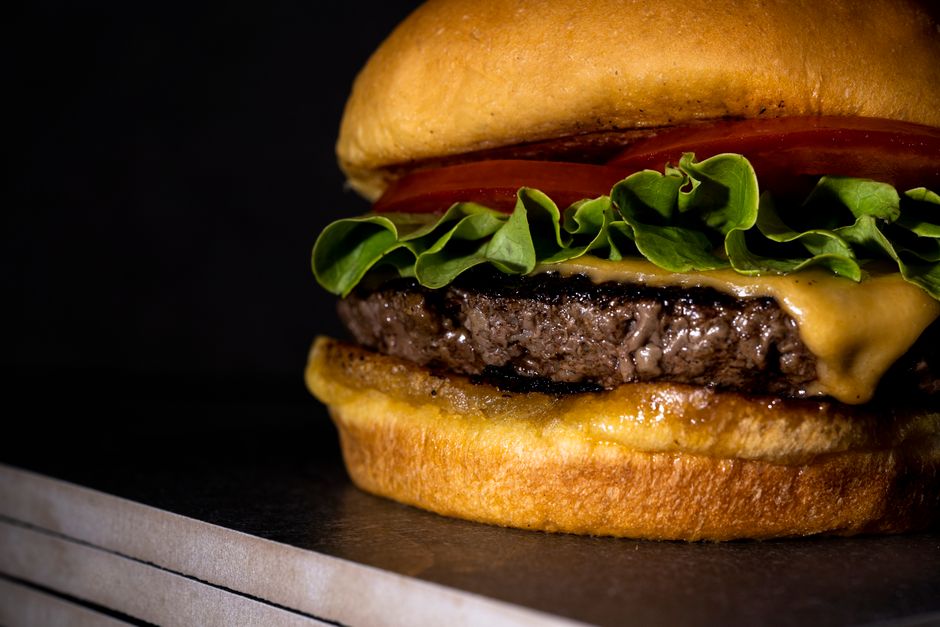
More than just a topping, the specific green chile from Hatch, New Mexico, gives this burger a unique, smoky kick born from the region's specific agricultural terroir.
In New Mexico, the green chile cheeseburger isn't just a meal; it's a regional obsession. What makes it special is the Hatch green chile, grown exclusively in the Hatch Valley. The area's unique climate and soil impart a distinct smoky, earthy flavor to the chiles when roasted, which then elevates a simple cheeseburger into a culinary icon. Locals eagerly await harvest season each year for the freshest batches.
4. Cincinnati's Chili 'Ways'
Cincinnati, Ohio, USA
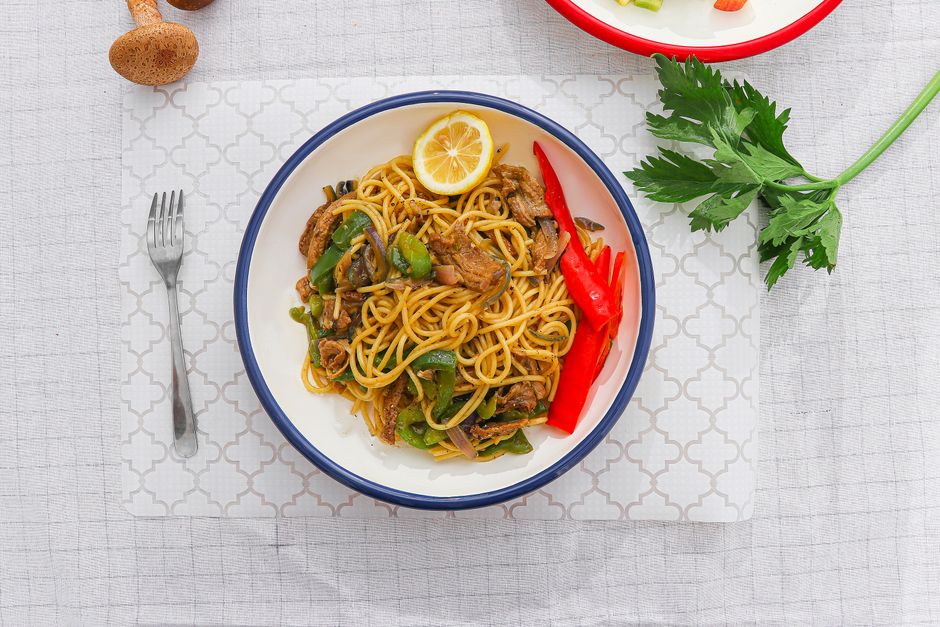
This uniquely spiced, meat-sauce chili, often served over spaghetti, was invented by Macedonian immigrant restaurateurs adapting their homeland's flavors.
Cincinnati Chili bears little resemblance to traditional Texas chili. Created by Greek and Macedonian immigrants in the early 20th century, it's a Mediterranean-spiced meat sauce, typically served in 'ways': Two-Way (chili on spaghetti), Three-Way (add cheese), Four-Way (add onions or beans), or Five-Way (add both). Skyline Chili and Gold Star Chili are the most famous purveyors, making it a daily fixture for many Cincinnatians.
5. The Original Fried Pickle
Atkins, Arkansas, USA
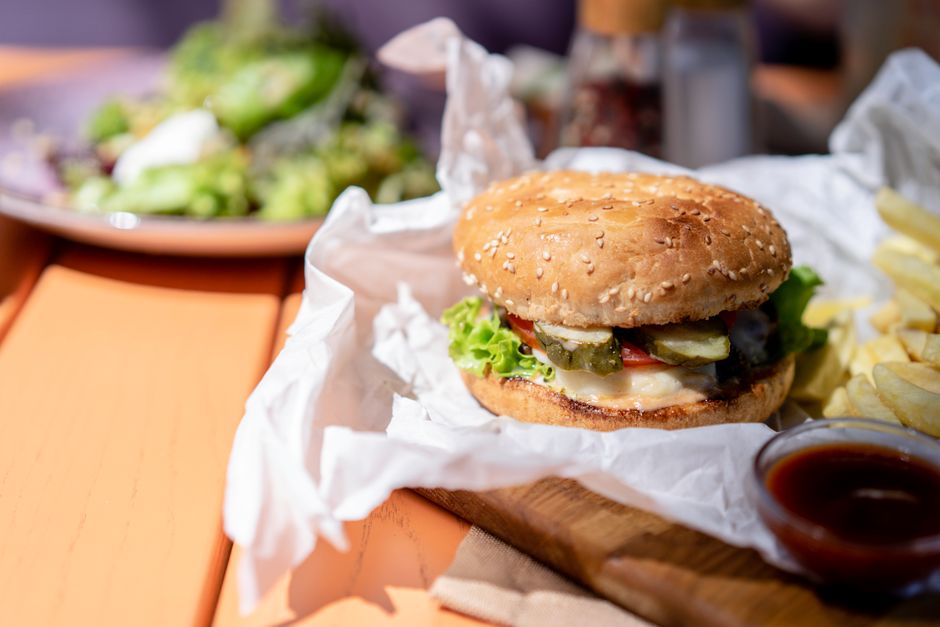
The now-ubiquitous bar snack of fried pickles was first conceived in 1963 at a specific small-town drive-in, a testament to Southern ingenuity.
Before it became a menu staple across America, the fried pickle was born in Atkins, Arkansas. In 1963, Bernell 'Fatman' Austin, owner of the Duchess Drive-In, deep-fried pickle slices as a promotional item during the annual Atkins Pickle Fest. The salty, tangy crunch of the battered and fried pickle quickly caught on, becoming a local hit before spreading nationwide. Visit Atkins, and you'll taste a piece of culinary history.
6. The Legendary Hot Brown Sandwich
Louisville, Kentucky, USA
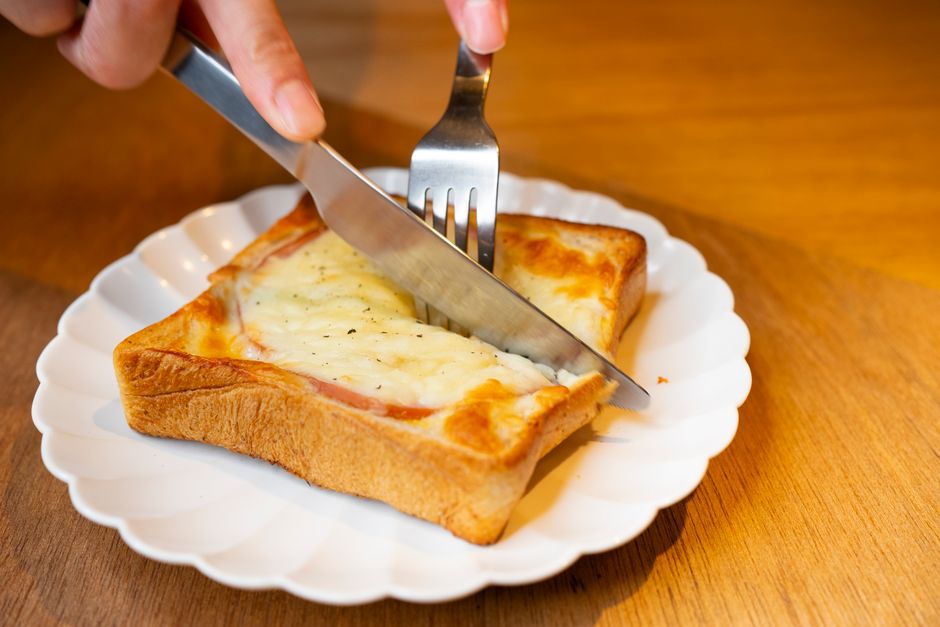
This open-faced turkey and bacon sandwich, smothered in Mornay sauce, was invented at a specific hotel to satisfy late-night dancers' appetites.
The Hot Brown was created in 1926 by Chef Fred Schmidt at The Brown Hotel in Louisville. After elaborate dinner dances, patrons grew tired of ham and eggs, so Schmidt devised a rich, open-faced sandwich of roasted turkey and bacon, topped with a delicate Mornay sauce, baked until golden. It quickly became a regional classic, a decadent and satisfying meal that still draws visitors to its place of origin.
7. Navajo Fry Bread: A Symbol of Resilience
Window Rock, Arizona, USA
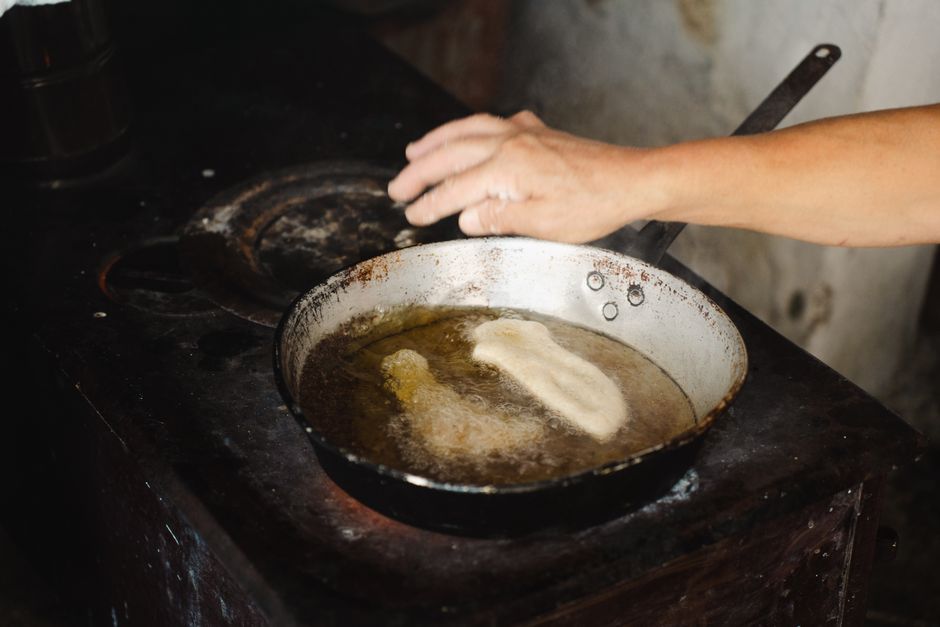
More than just food, fry bread holds a complex history for the Navajo people, originating from government rations during forced displacement.
Fry bread, a simple dough fried until puffy and golden, is a foundational food for many Native American tribes, particularly the Navajo. Its origins are poignant: it was created from flour, sugar, salt, and lard provided by the U.S. government when the Navajo people were forcibly relocated during the 'Long Walk' of the 1860s. Today, it symbolizes resilience and cultural identity, often served with savory toppings like chili or as a sweet treat with honey.
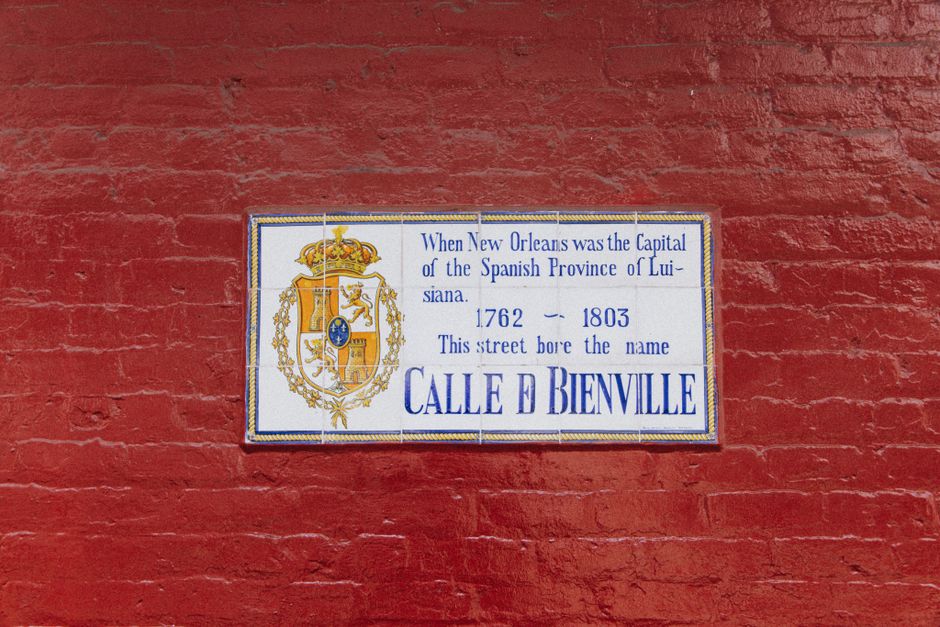
8. Lafayette's Soulful Gumbo
Lafayette, Louisiana, USA
The specific techniques and ingredients of Cajun gumbo in Lafayette tell a story of West African, French, and Native American culinary fusion.
While New Orleans gumbo is famous, the heart of Cajun gumbo lies further west, in towns like Lafayette. Here, gumbo is often darker, richer, and built on a deep roux, with chicken and sausage being common proteins, distinct from the tomato-based Creole versions. Its complex flavors echo the blend of cultures that shaped Louisiana: West African okra, French roux, and Native American filé powder all contribute to this iconic, soulful stew, a daily comfort for many.
Frequently asked questions
What's the difference between Cajun and Creole food?
Cajun cuisine developed in rural Louisiana by descendants of French Acadians, often characterized by rustic, one-pot meals with a 'holy trinity' of onion, celery, and bell pepper. Creole cuisine, found more in urban New Orleans, blends French, Spanish, African, and Caribbean influences, often incorporating tomatoes and more refined sauces.
Are there many regional fast food chains in the US?
Yes, beyond the national giants, the US has numerous beloved regional fast-food chains that often specialize in local favorites. Examples include In-N-Out Burger on the West Coast, Whataburger in the South, and Culver's in the Midwest, each offering a distinct local flavor and loyal following.
How do immigrants influence American food today?
Immigrants have continuously shaped American cuisine, introducing new ingredients, techniques, and dishes that become integrated into the national palate. From Italian-American pasta to Mexican tacos and Vietnamese pho, these contributions create a vibrant, evolving food scene and offer a taste of diverse cultures across the country.
How can I learn more about the history of these foods on my travels?
AllTours.ai is an AI audio tour guide app that can help. Simply point your phone camera at a landmark, landscape, or even a local eatery, and the app will narrate its history, geology, and cultural significance, including the stories behind its unique foods, directly in your language.
Related guides
Photography via Pexels. AllTours.ai is an AI audio tour guide — point your camera at any landscape and hear its story.