September 1, 2026 · 4 min read
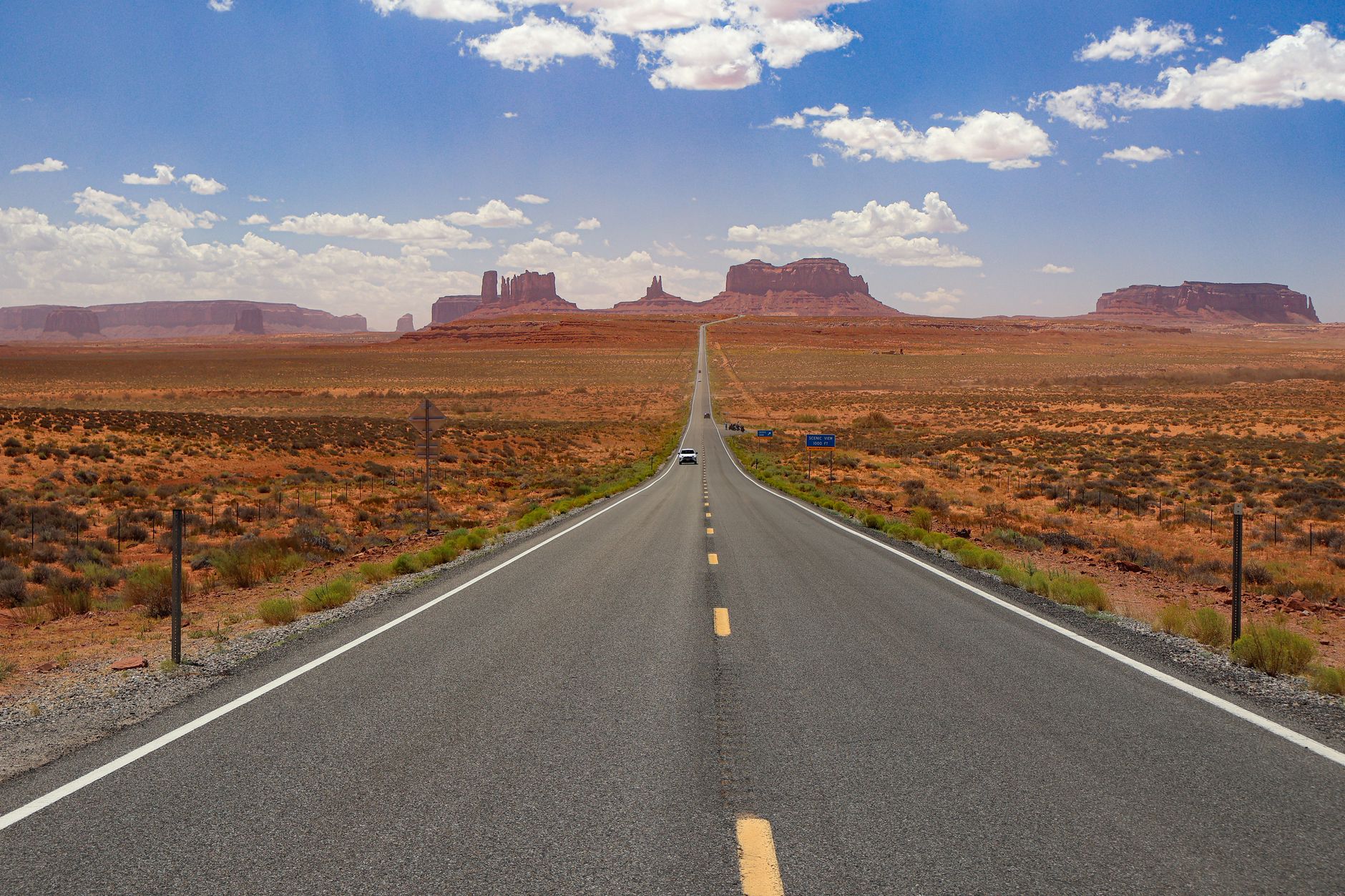
The open road in the United States offers a kind of freedom that few other travel experiences can match. Forget the passport lines, currency exchanges, and language barriers often associated with international trips. Here, vast landscapes and diverse cultures unfold right outside your window, all within the comfort and familiarity of a single nation.
Road tripping across the U.S. isn't just about covering miles; it's about unlocking a tapestry of stories, from ancient civilizations to geological marvels, many of which remain remarkably off the beaten path. This guide focuses on the biggest advantages of road tripping in the U.S. by highlighting extraordinary, lesser-known destinations that reveal America’s astonishing depth, far beyond the typical tourist hotspots.
1. A Lost American Metropolis
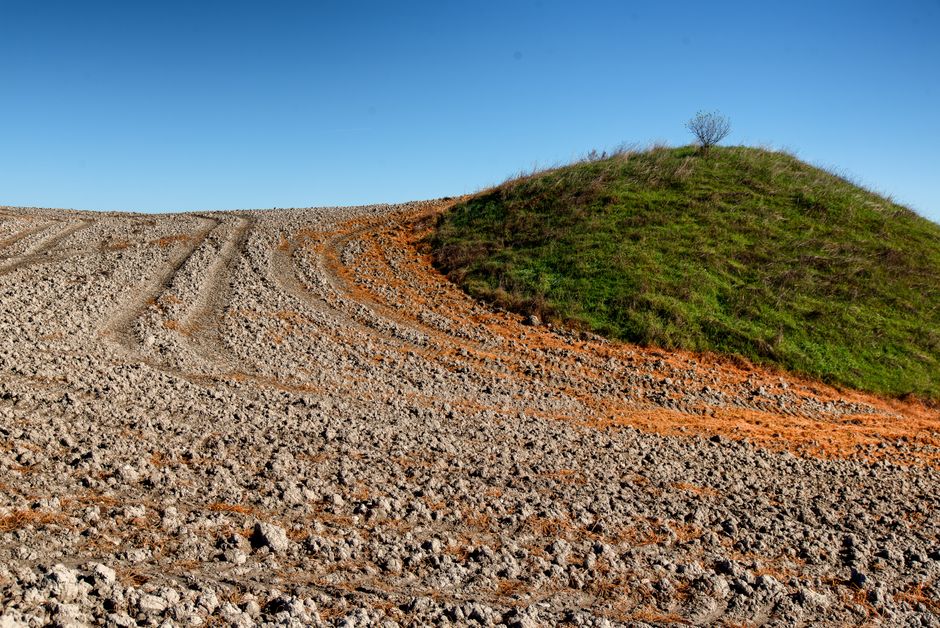
Cahokia Mounds State Historic Site, Illinois, USA
Near modern-day St. Louis, an ancient city once thrived with a larger population than London in 1250 AD.
Long before European contact, Cahokia was the largest pre-Columbian urban center north of Mexico, home to a sophisticated Mississippian culture that peaked around 1050-1200 AD. Its monumental earthen mounds, including the colossal Monks Mound, were constructed without the aid of wheels or pack animals, showcasing remarkable engineering and social complexity. This UNESCO World Heritage site offers a profound glimpse into a powerful, forgotten civilization.
2. Where Time is Written in Stone
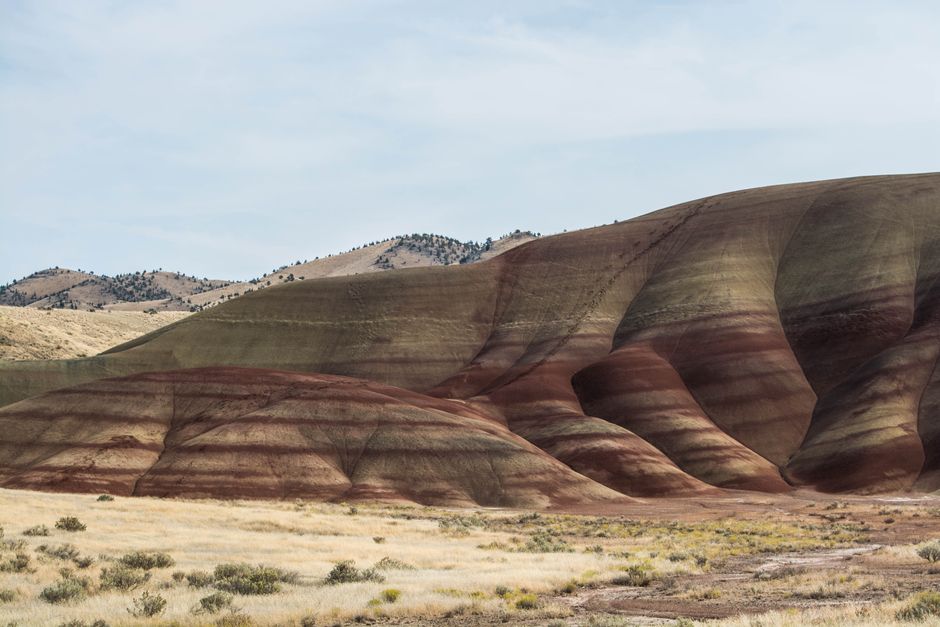
John Day Fossil Beds National Monument, Oregon, USA
In Oregon, you can see layers of Earth that reveal 50 million years of continuous fossil history, including ancient horses the size of dogs.
The John Day Fossil Beds are a global treasure trove, meticulously documenting dramatic climatic and evolutionary changes over tens of millions of years. Its iconic Painted Hills unit displays vibrant, undulating strata, each color representing a different geological era and the volcanic ash that preserved these ancient ecosystems. From tiny, primitive horses to saber-toothed cats, this monument offers an unparalleled journey through Earth's deep past.
3. An Alien Lake of Towers
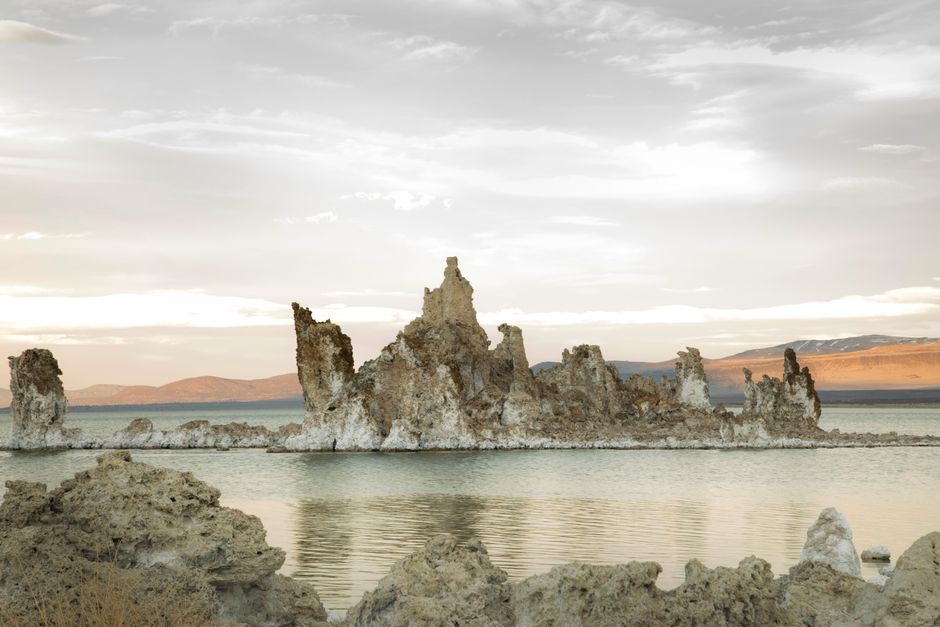
Mono Lake Tufa State Natural Reserve, California, USA
This ancient saltwater lake in California is home to bizarre limestone formations that look like alien cities and supports an entire ecosystem of brine shrimp.
Mono Lake is a unique terminal lake, where water flows in but only leaves by evaporation, concentrating salts and minerals to create an incredibly alkaline environment. Its iconic "tufa towers" are columns of calcium carbonate formed when freshwater springs bubble up through the lake's mineral-rich water. This surreal landscape is a critical nesting and feeding ground for millions of migratory birds, sustained by the lake's abundant brine shrimp and alkali flies.

4. Kayaking Through Freshwater Caves
Apostle Islands National Lakeshore, Wisconsin, USA
In Lake Superior, you can kayak through sea caves carved into sandstone cliffs, then explore lighthouses on remote islands.
The Apostle Islands offer a unique freshwater sea kayaking experience, with intricate sandstone sea caves sculpted by centuries of waves and ice along the shorelines of its twenty-one islands. These islands are also home to a collection of historic lighthouses, each with its own story of maritime history and the challenges of navigation on the vast, often treacherous, waters of Lake Superior. It’s a glimpse into a wild, beautiful corner of the Great Lakes.
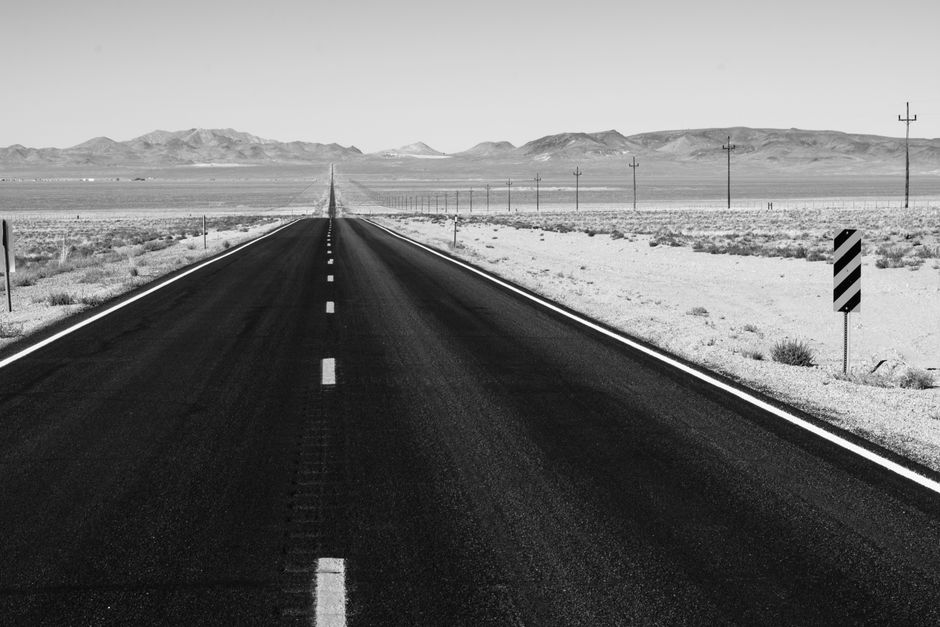
5. America's Loneliest Road
US Route 50 (Nevada section), USA
There's a stretch of highway across Nevada famously dubbed "The Loneliest Road in America," where you can drive for hours without seeing another car, passing ghost towns and ancient petroglyphs.
US Route 50 in Nevada earned its moniker from Life magazine in 1986, yet it offers a profound sense of discovery. This remote stretch cuts through vast high desert, connecting small towns, defunct mining camps, and remnants of the Pony Express trail. It's a journey through stark beauty and deep solitude, offering unexpected glimpses into Nevada's rugged frontier past and a chance to truly disconnect.
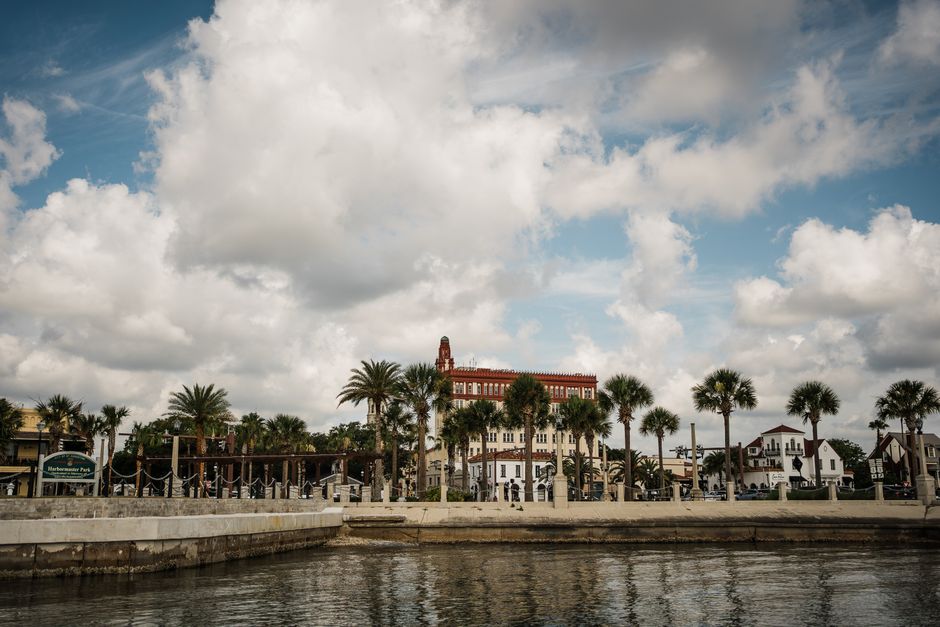
6. The Nation's Oldest Continuously Inhabited City
St. Augustine, Florida, USA
In Florida, you can walk streets older than Plymouth Rock, exploring a city founded by Europeans almost 60 years before the Pilgrims landed.
St. Augustine, founded by the Spanish in 1565, holds the distinction of being the oldest continuously inhabited European-established settlement in the United States. Its majestic Castillo de San Marcos, a coquina stone fort, resisted sieges for centuries. The city's historic district preserves narrow cobblestone streets, Spanish colonial architecture, and tales of pirates, empires, and early American life, offering a deep dive into centuries of U.S. history.
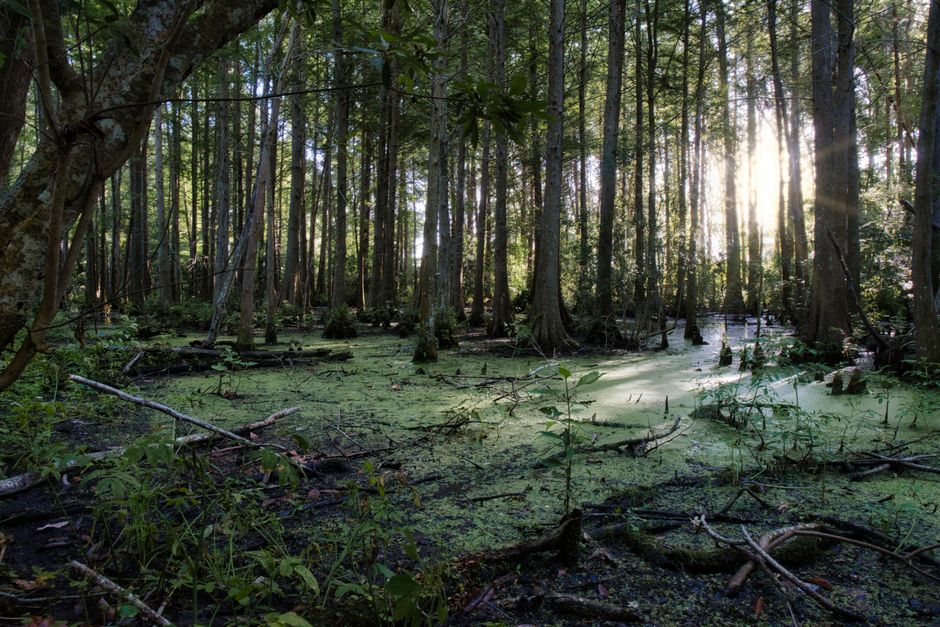
7. The Land of the Trembling Earth
Okefenokee Swamp National Wildlife Refuge, Georgia/Florida, USA
This vast "Land of the Trembling Earth" is North America's largest blackwater swamp, where islands float and you can paddle through cypress forests taller than skyscrapers.
The Okefenokee Swamp is a unique wetland ecosystem known for its dark, tannin-stained waters and "trembling earth" — mats of vegetation so thick they support trees and human weight, yet can move. Home to thousands of alligators, diverse birdlife, and a maze of waterways, this primordial landscape offers an immersive experience into one of the continent's wildest, most untouched natural wonders.
Frequently asked questions
What's the best time of year for a U.S. road trip?
Spring and fall generally offer the most pleasant weather across the contiguous U.S., avoiding extreme summer heat or winter cold. However, specific regions have optimal seasons; for example, the Southwest is ideal in spring, while New England shines in autumn.
How much should I budget for a U.S. road trip?
A mid-range U.S. road trip often costs between $100-$200 per person per day, covering gas, accommodation, food, and activities. This can vary widely depending on your choices, from camping and cooking your meals to staying in hotels and dining out.
What are some essential apps for a U.S. road trip?
Navigation apps like Google Maps or Waze are crucial. For finding gas, try GasBuddy. For accommodation, apps like Airbnb or Booking.com are helpful. For finding unique places and their stories, consider specialized travel guide apps.
How does AllTours.ai enhance a road trip experience?
AllTours.ai transforms your phone into an AI audio tour guide. Simply point your camera at any landscape or landmark, and the app narrates its history, geology, and culture in your language, bringing even the most obscure roadside attractions to life with rich, contextual stories.
Related guides
Photography via Pexels. AllTours.ai is an AI audio tour guide — point your camera at any landscape and hear its story.