July 30, 2026 · 4 min read
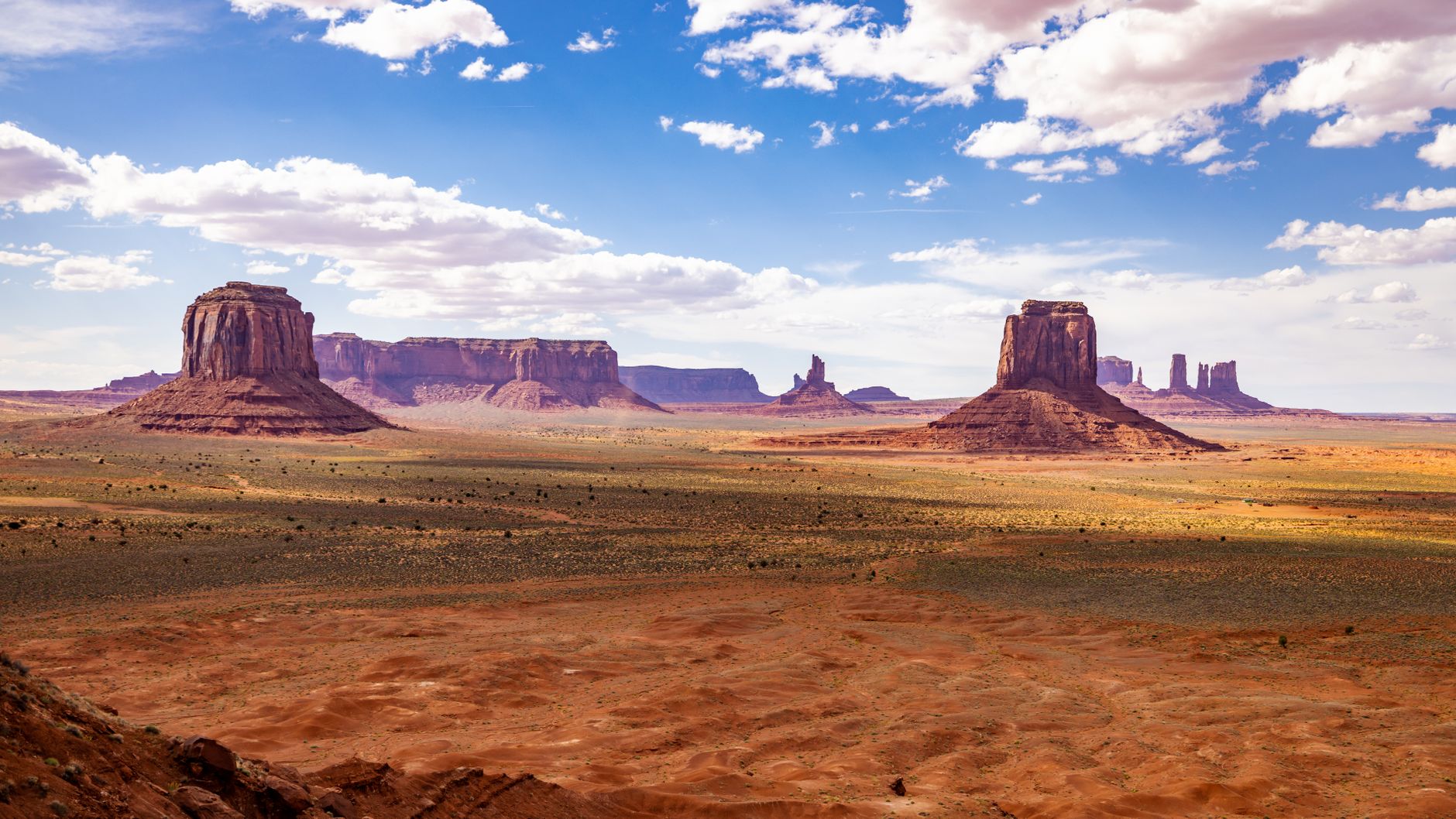
For many travelers, the dream of visiting every national park unit is an alluring one, often conjuring images of iconic peaks, geysers, and grand canyons. While these popular destinations offer undeniable splendor, the true challenge — and the deepest reward — lies in venturing beyond the well-trodden paths.
The biggest obstacles aren't always crowds or logistics. They're often finding the truly overlooked, understanding their profound stories, and appreciating the diverse, often subtle, beauty of sites that don't always scream for attention. These are the places that hold America's most unexpected histories, ecologies, and cultures, waiting for curious eyes to discover their depth.
1. The Vanished Land Bridge
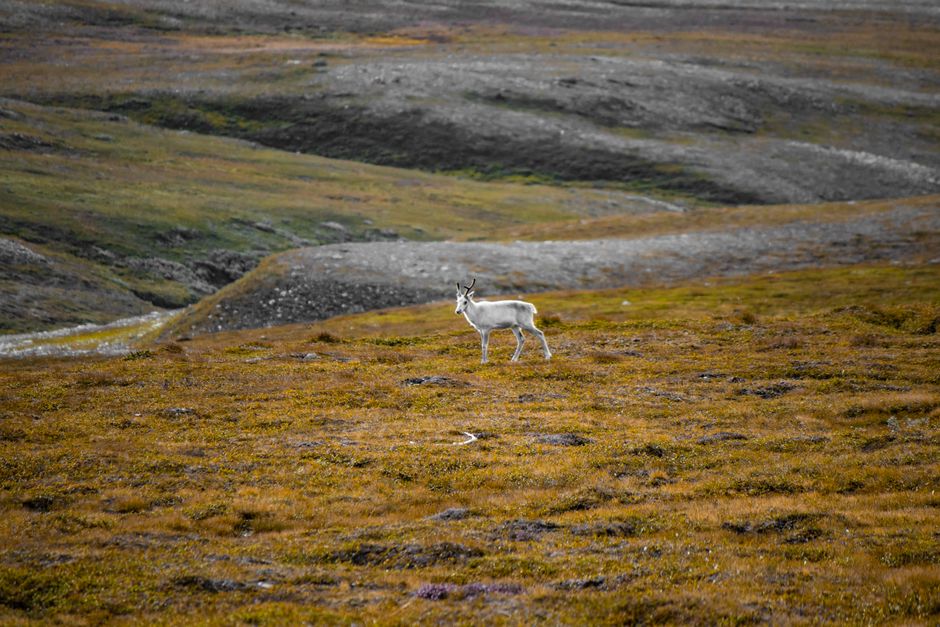
Bering Land Bridge National Preserve, USA
This vast preserve in remote Alaska safeguards a frozen landscape that was once a crucial land bridge connecting two continents.
Before it was submerged by rising sea levels, the Bering Land Bridge was a vast, ice-free grassland, teeming with woolly mammoths and saber-toothed cats, and serving as a crucial pathway for early humans migrating from Asia to North America. Today, much of it lies underwater, but the preserve offers a glimpse into this ancient world through its volcanic landscapes, hot springs, and abundant Arctic wildlife. Its sheer remoteness is its greatest challenge and its deepest allure.
2. Mysterious Earth Animal Mounds
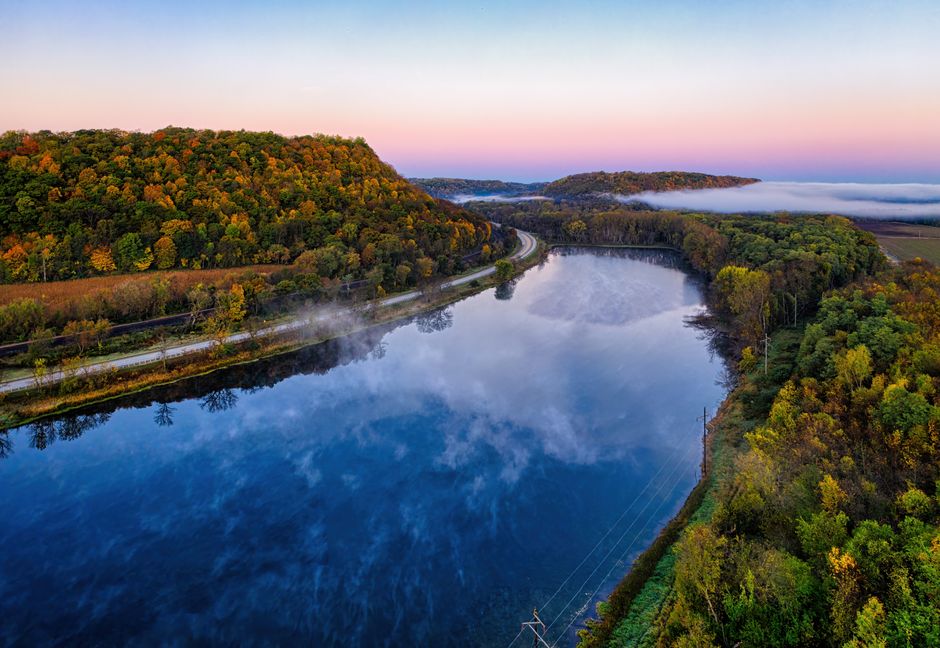
Effigy Mounds National Monument, USA
Hidden in the forested bluffs of Iowa, ancient indigenous peoples shaped the earth into hundreds of ceremonial animal figures.
Over a thousand years ago, the Woodland peoples meticulously constructed over 200 earthen mounds, many sculpted into the forms of bears, birds, and other animals. These sacred sites, often aligned with celestial events, were not merely burial grounds but places of profound spiritual significance. Their subtle presence can be easily overlooked, demanding a slower, more contemplative visit to truly appreciate the craftsmanship and cultural importance of these ancient earthworks.
3. Ancient Forts and Shell Cities
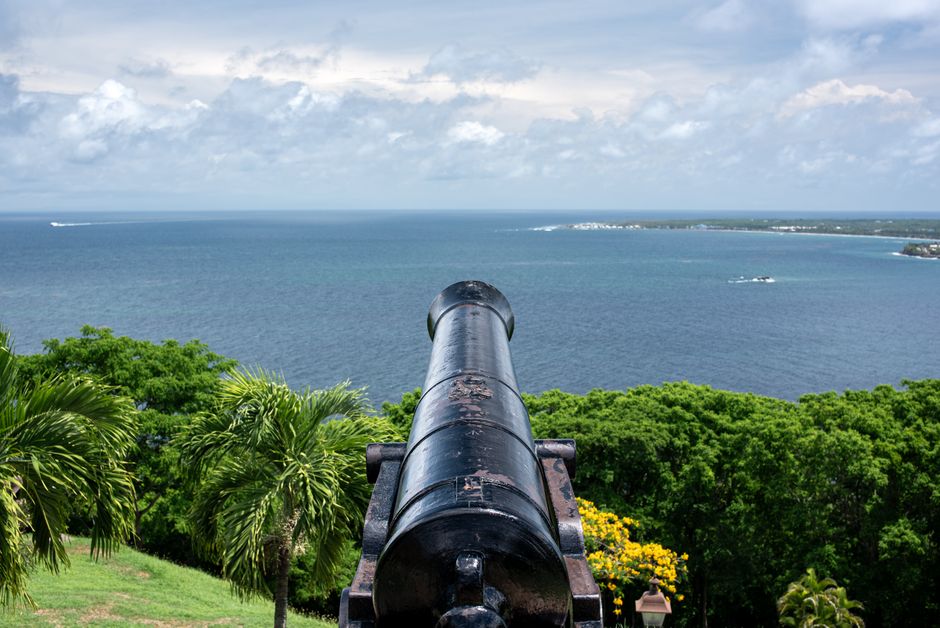
Timucuan Ecological and Historic Preserve, USA
This sprawling Florida preserve tells the story of early European colonial clashes and 6,000 years of Indigenous life, all amidst a vibrant coastal wetland.
More than just a nature preserve, Timucuan protects the site of Fort Caroline, a 16th-century French Huguenot fort, and vast shell middens — ancient refuse piles of oyster and clam shells — created by the Timucua people that literally formed small mountains. Exploring its dispersed historical sites and navigating its dense coastal hammocks and salt marshes reveals layers of human history intertwined with a rich, unique ecosystem, a challenge for those accustomed to single, grand landmarks.
4. The Pliocene Horse Graveyard
Hagerman Fossil Beds National Monument, USA
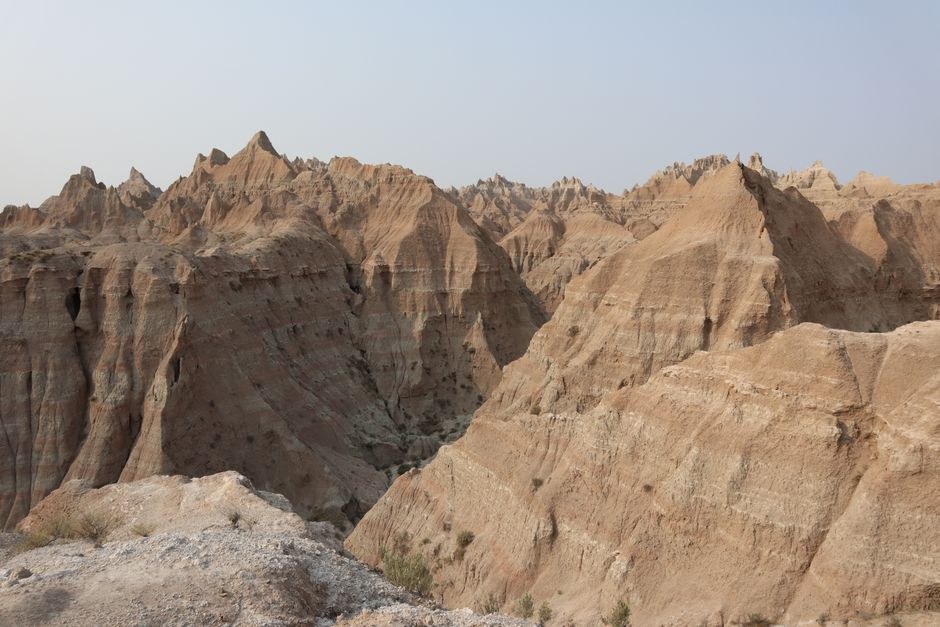
Deep in Idaho's arid landscape lies one of the world's richest Pliocene fossil sites, revealing an ancient horse's lineage.
Millions of years ago, a vast floodplain here was home to a diverse array of animals, including the Hagerman Horse, an early ancestor of modern horses. Today, the landscape is a series of dramatic badlands, where thousands of well-preserved fossils from 3.5 million years ago have been unearthed. The challenge here is not just its remote location, but recognizing that these seemingly barren hills hold the keys to understanding deep time and the evolution of species on Earth.
5. The Bird-Shaped Earthlodge
Ocmulgee Mounds National Historical Park, USA
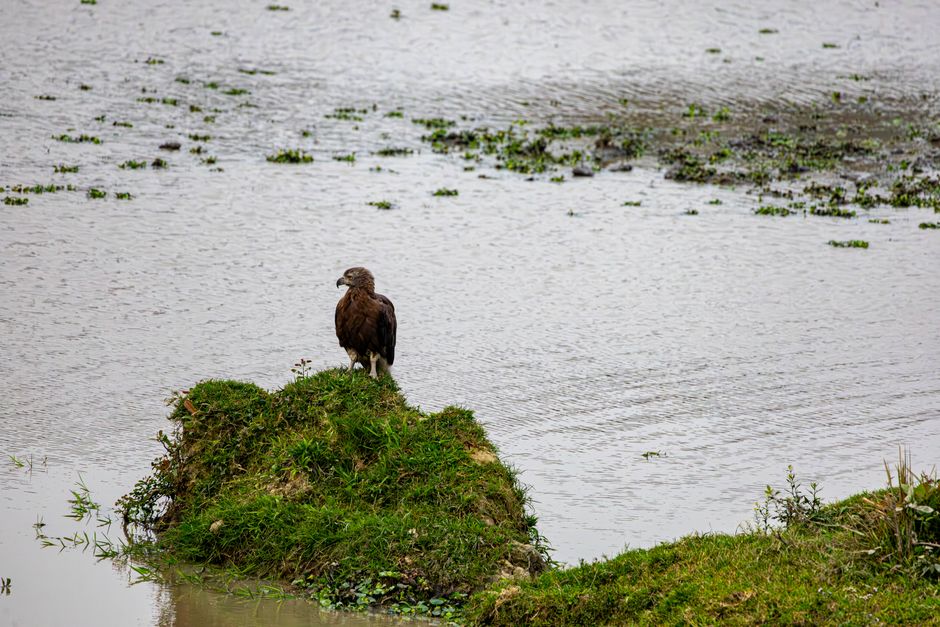
In central Georgia, ancient Mississippian culture left behind monumental earth mounds and a unique ceremonial earthlodge with a bird-shaped clay floor.
Ocmulgee Mounds preserves over 17,000 years of human habitation, culminating in the Mississippian culture's impressive ceremonial mounds and an intact Earthlodge. Inside this lodge, a meticulously crafted clay floor, shaped like a bird, served as a meeting place for community leaders over a millennium ago. Visiting requires an appreciation for the subtle power of earthworks and a willingness to step into a past where the land itself was shaped by spiritual belief and community gathering.
6. Wilderness Gifted by Bees
Katahdin Woods and Waters National Monument, USA
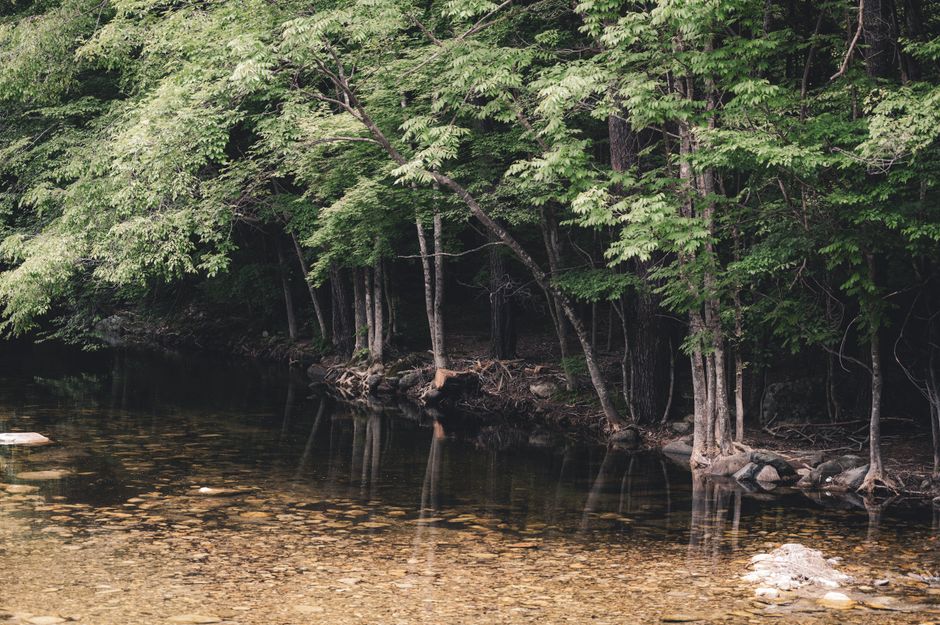
This sprawling Maine wilderness, a gift from the co-founder of Burt's Bees, offers rugged beauty and some of the darkest night skies on the East Coast.
Relatively new to the NPS system, Katahdin Woods and Waters protects vast forests, pristine rivers, and majestic mountains in northern Maine. It was generously donated by Roxanne Quimby, co-founder of Burt's Bees, with the vision of preserving its wild character and dark skies. The challenge here is its raw, untamed nature – requiring self-reliance and a true love for rugged, less-developed outdoor experiences, far from visitor centers and paved roads.
7. The Sacred, Isolated Peninsula
Kalaupapa National Historical Park, USA
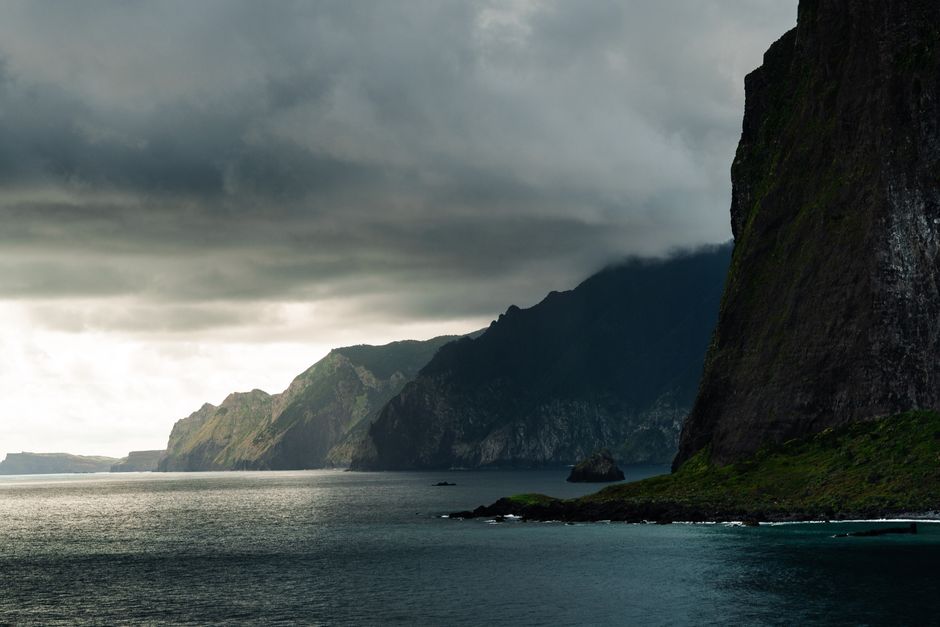
Accessible only by permit, this stunningly beautiful but tragically isolated Hawaiian peninsula was once a place of forced exile for those afflicted with Hansen's disease.
Nestled beneath towering sea cliffs on Molokaʻi, Kalaupapa's breathtaking natural beauty belies its somber history. From 1866 to 1969, it served as a forced settlement for people with Hansen's disease (leprosy). The stories of resilience, faith, and the humanitarian work of figures like Father Damien are deeply moving. The challenge of visiting lies in its extreme isolation, strict access requirements, and the emotional weight of its past, making it a profoundly impactful, yet difficult, journey.

8. A Scar on the Landscape
Tule Lake National Monument, USA
Amidst the natural beauty of northern California, this site preserves the stark remains of a World War II Japanese American incarceration camp.
Tule Lake stands as a powerful, somber reminder of a dark chapter in American history. It was one of ten War Relocation Authority camps, and later the only segregation center, where Japanese Americans deemed 'disloyal' were incarcerated during WWII. Visiting requires confronting the uncomfortable truths of civil liberties violations and racial prejudice. The challenge is not physical, but emotional, demanding reflection on justice and the fragility of rights within a landscape that silently bears witness to immense suffering.
Frequently asked questions
How many units are in the National Park System?
The National Park System encompasses more than 420 units across all 50 states, the District of Columbia, and U.S. territories. These units include national parks, monuments, preserves, historical parks, battlefields, seashores, recreation areas, and more, each with unique significance.
What is the best way to discover lesser-known national parks and NPS units?
To find underrated gems, look for units classified as National Monuments, National Preserves, or National Historical Parks, as these often have fewer visitors than the iconic National Parks. Research their specific historical, cultural, or ecological significance, and don't be afraid to venture to more remote regions or states with fewer 'big name' parks.
Are all National Park Service units free to enter?
No, not all NPS units are free. While many smaller sites and some larger ones do not charge an entrance fee, the 100 most popular sites do. These fees help fund park operations, maintenance, and visitor services. Annual passes, like the America the Beautiful Pass, can offer significant savings if you plan to visit multiple fee-charging parks.
How can the AllTours app help me explore these unique places?
AllTours.ai is designed to bring the hidden stories of any landscape to life. Simply point your phone camera at a monument, a historical marker, a geological feature, or even a distant horizon, and the app will instantly narrate its history, geology, and cultural significance in your preferred language. It's like having a personal expert guide revealing the overlooked details and deeper narratives of every place you visit.
Related guides
Photography via Pexels. AllTours.ai is an AI audio tour guide — point your camera at any landscape and hear its story.