September 8, 2026 · 4 min read
Imagine looking at a familiar map and seeing a beloved landmark renamed overnight by presidential decree. While the U.S. President holds significant power, the authority to rename geographical features is a complex web of history, executive orders, public sentiment, and federal boards. It's rarely a simple signature, and often, what's declared on paper isn't what sticks in the hearts and minds of people.
This tension between official designation and common usage has shaped countless places across the continent. Beyond the grand pronouncements, there are often forgotten battles, quiet acts of defiance, and surprising historical twists that explain why some names endure and others fade into obscurity. Join us as we explore some lesser-known examples where the question of naming authority played out in fascinating ways.
1. The Cape That Reverted
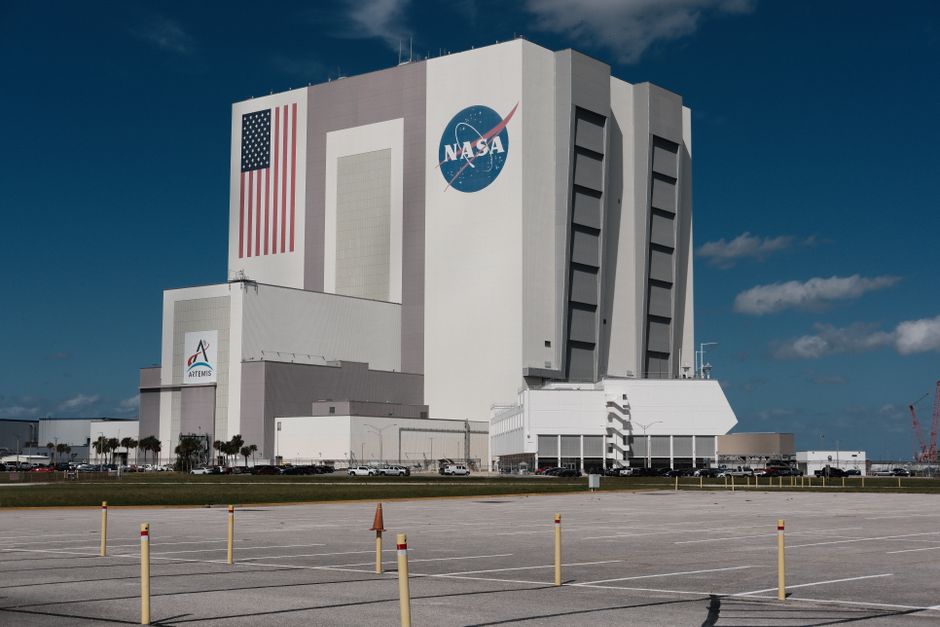
Cape Canaveral, Florida, USA
A sitting President once renamed America's space hub, only for the original name to return years later.
In 1963, following the assassination of President John F. Kennedy, President Lyndon B. Johnson issued an executive order to rename Cape Canaveral to Cape Kennedy. While the adjacent space center retained 'Kennedy Space Center,' locals and historians fiercely advocated for the return of 'Canaveral,' an ancient Spanish name with deep regional roots. The U.S. Board on Geographic Names officially restored 'Cape Canaveral' in 1973, demonstrating how even a presidential decree can be overturned by strong public sentiment and federal review processes.
2. A Century-Long Naming Battle
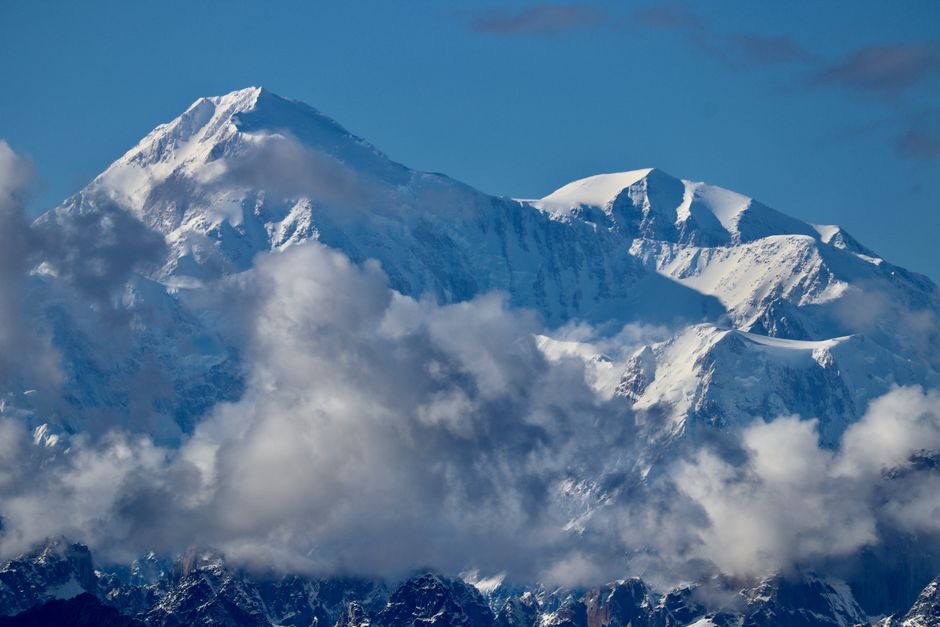
Denali, Alaska, USA
America's tallest peak was officially 'Mount McKinley' for over a century, despite a local indigenous name existing for millennia.
For thousands of years, the Koyukon Athabascan people called the majestic peak 'Denali,' meaning 'the high one.' However, in 1896, a gold prospector named it after then-presidential candidate William McKinley. This official name, Mount McKinley, was formally adopted by the U.S. Board on Geographic Names. Alaska formally requested restoration of 'Denali' in 1975, but the change was blocked in Congress for decades due to opposition from Ohio politicians (McKinley's home state). Finally, in 2015, Secretary of the Interior Sally Jewell, using executive authority, officially restored the name Denali, honoring the long-standing wishes of Alaskans and indigenous communities.
3. The First Monument's Lingering Debate
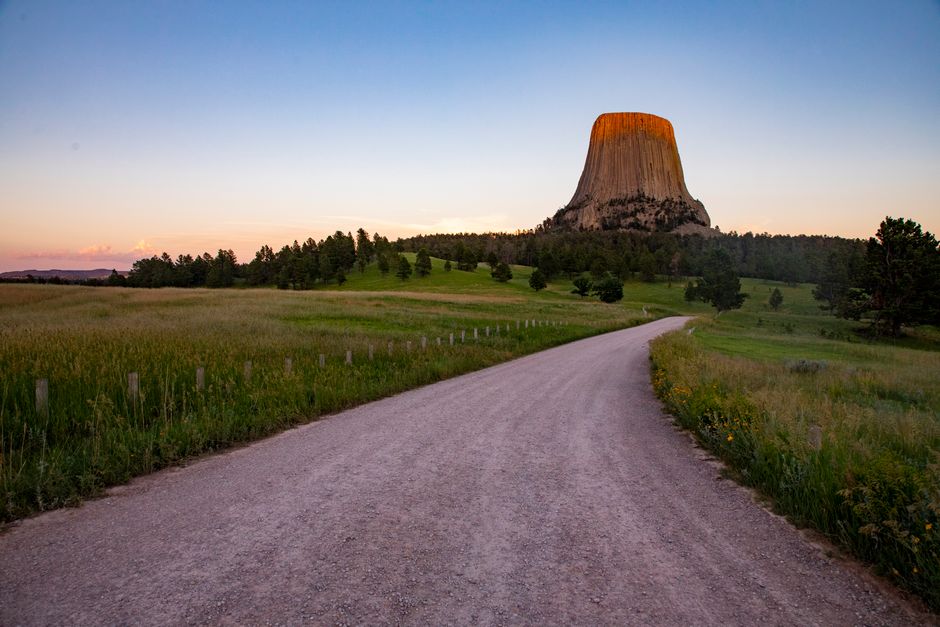
Devils Tower, Wyoming, USA
The first U.S. National Monument bears a name fiercely debated since its designation by Theodore Roosevelt.
Designated by President Theodore Roosevelt in 1906, Devils Tower's name has been a point of contention. Lakota and other Plains tribes know it as 'Bear Lodge Butte' or similar names, reflecting its sacred status and original indigenous identity. The current name, 'Devils Tower,' is widely believed to stem from a misinterpretation by an early expedition. Despite ongoing efforts by tribal groups to restore 'Bear Lodge,' the name 'Devils Tower' remains the official designation, illustrating the enduring power of initial federal proclamations even when challenged by deep cultural and historical arguments.
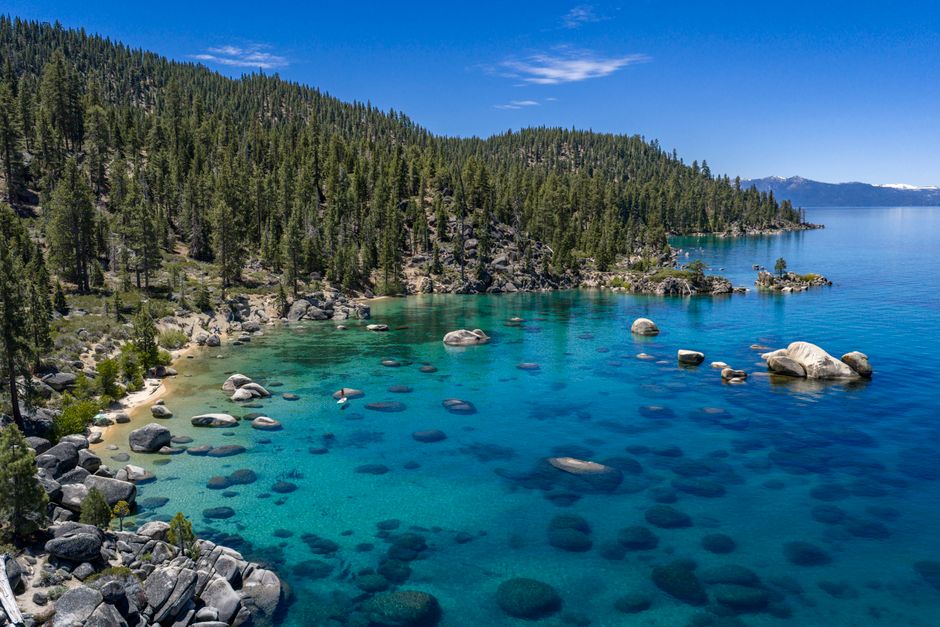
4. From Governor to Indigenous Tongue
Lake Tahoe, California/Nevada, USA
This iconic lake was once officially named 'Lake Bigler' by a state legislature, a name that eventually faded in favor of a local indigenous term.
For a period in the mid-19th century, the California State Legislature officially named the lake 'Lake Bigler' after a former governor. However, the Washo people's term 'Tahoe,' meaning 'edge of the lake' or 'water in the big place,' was already in widespread popular use among locals and in printed materials. Newspapers and residents consistently used 'Tahoe.' Eventually, the U.S. Board on Geographic Names, recognizing the overwhelming public and historical usage, officially adopted 'Lake Tahoe,' demonstrating how a popular, culturally significant name can override official, politically motivated designations.
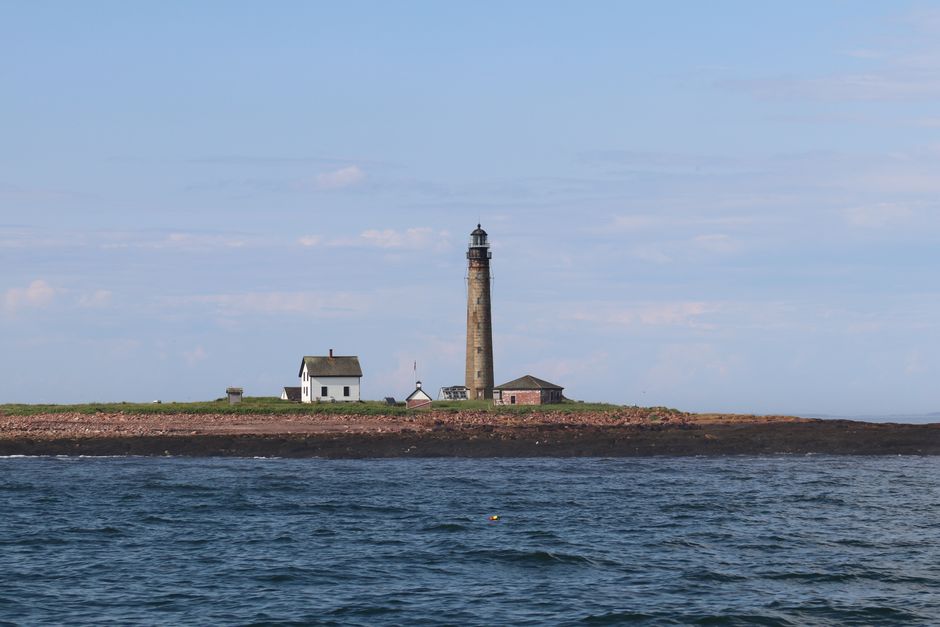
5. The Island of Shifting Identities
Saint Croix Island, Maine, USA
A tiny island on the U.S.-Canada border was once renamed by two nations, only for its original name to resurface.
This small island in the St. Croix River estuary holds immense historical significance as the site of an early French attempt at colonization in 1604. For centuries, its identity was closely tied to the river. During heated boundary disputes between the U.S. and Great Britain (later Canada), the island was sometimes referred to by other names, reflecting national claims and surveying efforts. Eventually, through international commission decisions and the dedicated work of historical societies, the name 'Saint Croix Island' was officially recognized, affirming its historical significance over fluctuating political designations.
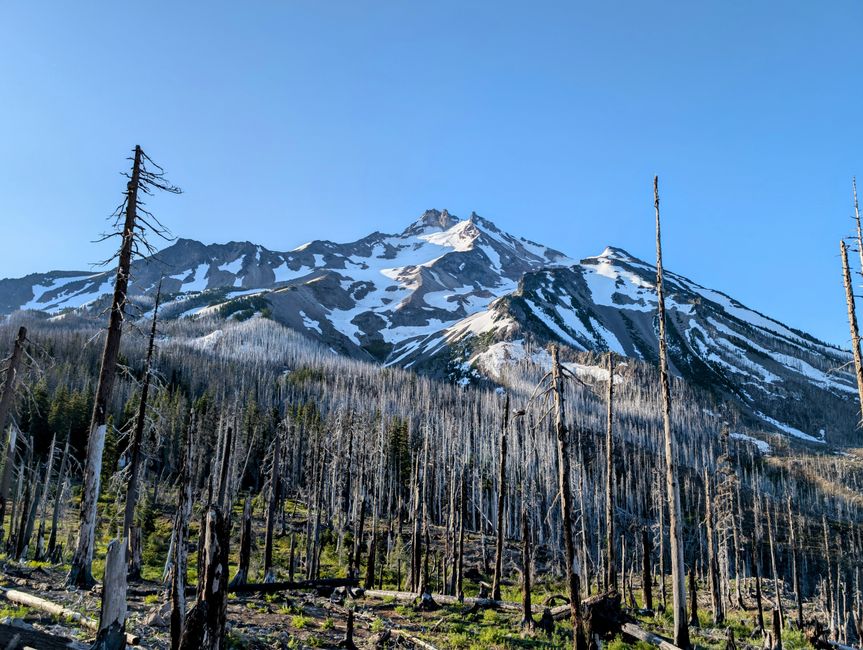
6. A Presidential Tribute's Endurance
Mount Jefferson, Oregon, USA
Named by a presidential expedition, this volcano's original name was nearly lost to a forgotten local claim.
Mount Jefferson was named by the Lewis and Clark Expedition in 1805, directly honoring President Thomas Jefferson. Despite this early and authoritative federal naming, local settlers later referred to it as 'Mount Vancouver' for a period, after the British explorer. However, the official designation, stemming from the federally sanctioned expedition, ultimately prevailed. This case highlights how early federal exploration and presidential tribute can establish a name that endures, even against regional popular usage, due to its deep historical and governmental backing.
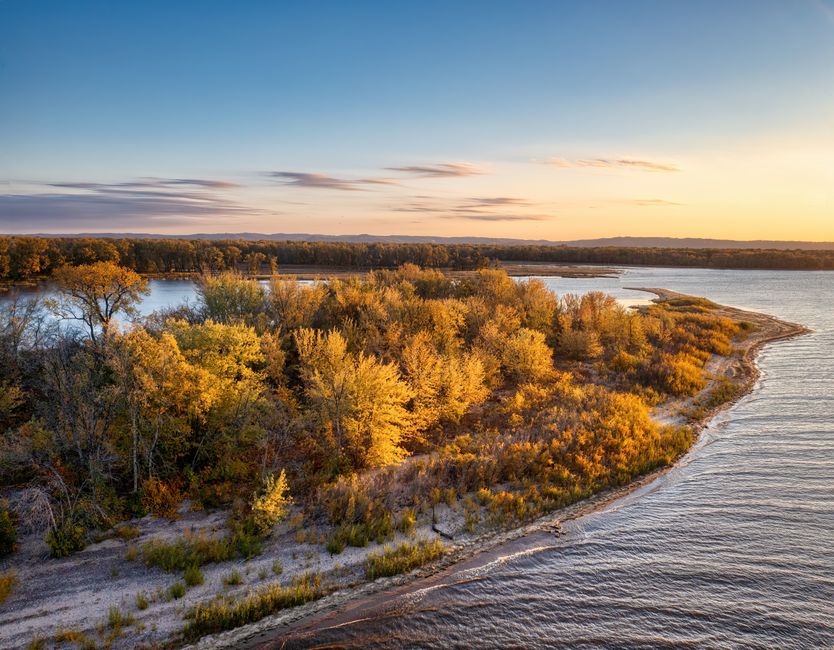
7. The Brief 'Great Lake'
Lake Champlain, New York/Vermont, USA & Quebec, Canada
A lake shared by two U.S. states and Canada briefly became a 'Great Lake' by presidential declaration, then reverted within hours.
In 1998, President Bill Clinton signed a bill that, for a few hours, officially designated Lake Champlain as the 'sixth Great Lake.' This move, intended to make the lake eligible for federal research funds typically reserved for the Great Lakes, sparked immediate public outcry and ridicule. Geographically and hydrologically, Lake Champlain is distinct from the Great Lakes. Facing intense backlash and acknowledging the scientific and public consensus, the designation was swiftly rescinded by Congress the very next day. This demonstrates how even presidential approval can be rapidly overturned when it clashes with established geographical understanding and overwhelming public opinion.
Frequently asked questions
Who has the ultimate authority to rename places in the U.S.?
The U.S. Board on Geographic Names (BGN), established by executive order, is the primary federal authority for naming and renaming geographical features within the United States. While presidents can issue proclamations or executive orders, the BGN often makes final decisions, balancing historical usage, local preference, and other factors.
Can a President unilaterally rename a major geographical feature like Lake Ontario?
While a President can issue an executive order or proclamation, such a change for a prominent feature like Lake Ontario would likely face significant legal challenges, public outcry, and resistance from state and local governments. The BGN would also weigh in, and congressional action might be required for a permanent effect, especially for shared or international features like Lake Ontario.
Why do some official name changes fail to gain public acceptance?
Public acceptance often hinges on deep-rooted historical usage, cultural significance, and local identity. If a new name doesn't resonate or feels imposed, people will continue using the familiar name. This sustained public usage can eventually lead to official reversion, as seen in many historical cases where popular names ultimately prevailed over decreed ones.
How can AllTours.ai help me discover the stories behind place names?
AllTours.ai lets you point your phone camera at any landscape or landmark. Our AI instantly identifies it and narrates its unique history, geology, and culture in your language. Discover the true stories behind how places got their names, who tried to change them, and why they matter, all as you explore the world around you.
Related guides
Photography via Pexels. AllTours.ai is an AI audio tour guide — point your camera at any landscape and hear its story.