September 15, 2026 · 4 min read
Every traveler seeks that unique connection, that place that truly captures their imagination and stays with them long after the journey ends. It's not always the bustling city square or the postcard-perfect beach. Often, it's the obscure, the mysterious, the place with a story so compelling it feels like a secret whispered just to you.
So, what brand has your loyalty when it comes to seeking out truly unforgettable travel experiences? We believe it's the places that defy expectation, hidden gems that reveal astonishing chapters of history, geology, or culture. Forget the usual suspects; prepare to have your curiosity sparked by these lesser-known wonders.
1. The Crystal Giants Beneath the Chihuahua Desert
Naica, Chihuahua, Mexico
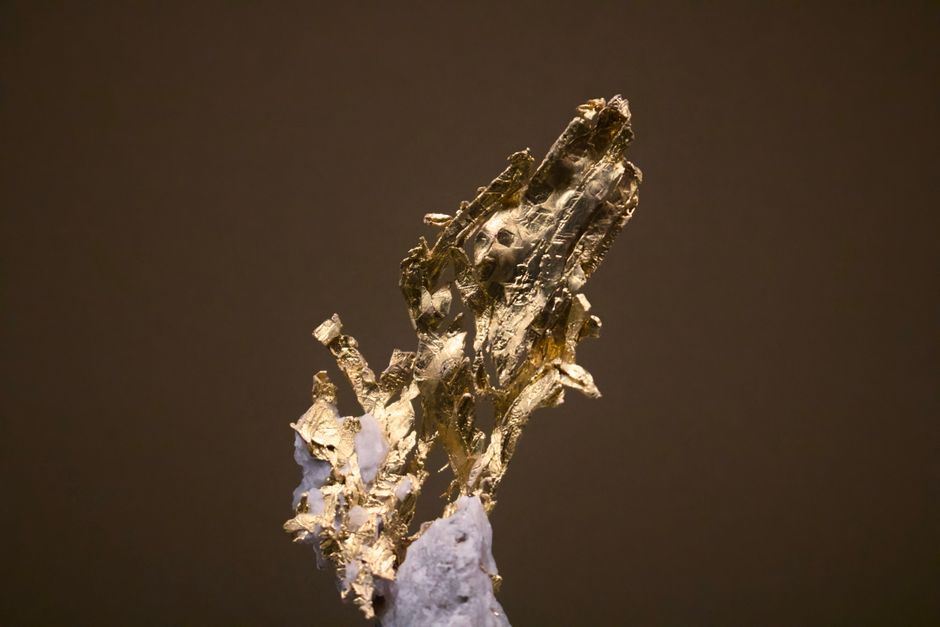
Deep beneath a Mexican silver mine, explorers found a cave filled with the largest natural crystals ever discovered, some as long as telephone poles.
The Cave of Crystals at Naica is home to selenite crystals reaching over 39 feet in length, formed over hundreds of thousands of years in extreme heat and humidity. These colossal formations thrive in a geothermal environment, making the cave too dangerous for unsuited human exploration due to its 136°F temperature and 90-100% humidity. Access is highly restricted to preserve the delicate environment and for scientific study.
2. India's Abandoned Haunted City
Bhangarh, Rajasthan, India
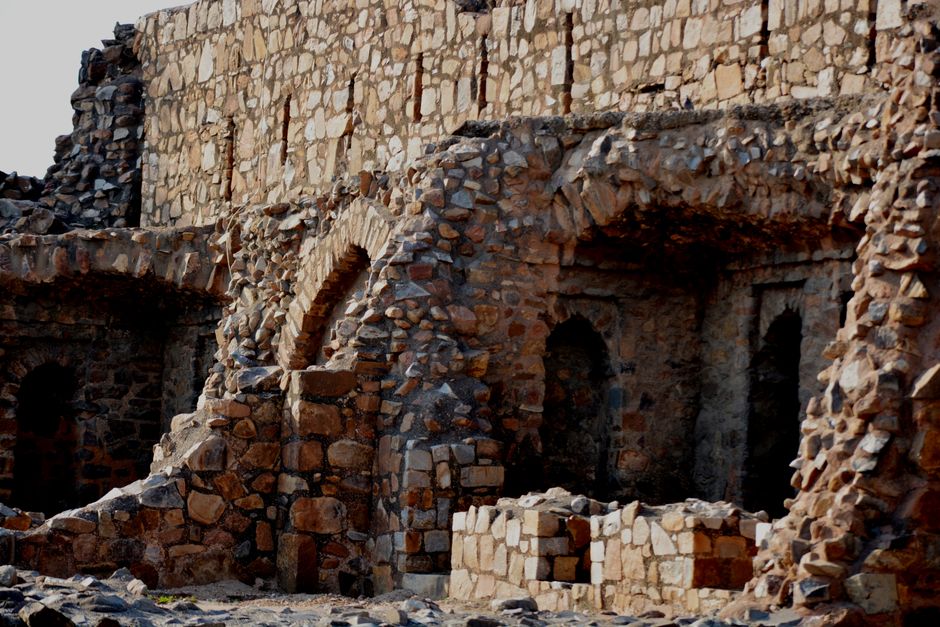
In the desolate Aravalli hills lies an ancient city, deserted overnight, with local lore claiming it's cursed and no one can stay after sunset.
Bhangarh Fort is an eerie ghost town, built in the 17th century and mysteriously abandoned. Legends attribute its downfall to a sorcerer's curse, leading to the sudden departure of its inhabitants. Today, the Archaeological Survey of India forbids entry between sunset and sunrise, adding to its mystique. The ruins include temples, palaces, and a market, all standing silent amidst the tales of spirits and supernatural occurrences.
3. The Petrified Forest of Ancient Dunes
Namib-Naukluft National Park, Namibia
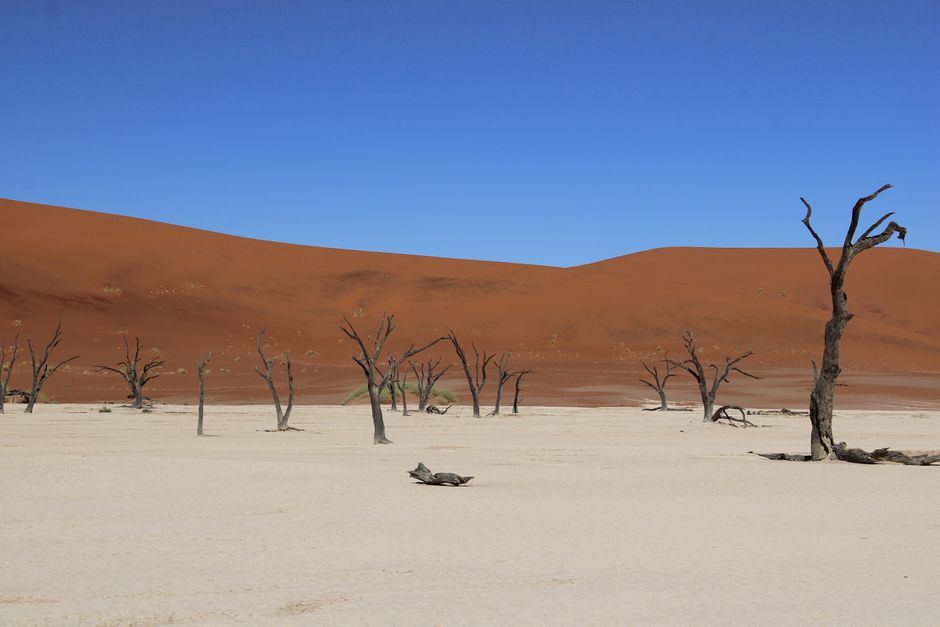
Amidst towering orange dunes in Namibia, a white clay pan holds the skeletal remains of camel thorn trees that died over 900 years ago but never decayed.
Deadvlei is a striking white clay pan, a former oasis, surrounded by the highest sand dunes in the world. When the Tsauchab River changed course, the trees died from lack of water. The arid climate prevented their decomposition, leaving behind a surreal landscape of dark, petrified trees against the vibrant orange dunes and stark white ground. It's a powerful visual testament to geological and climatic change over centuries.
4. The Mystery of the Moving Rocks
Death Valley National Park, California, USA
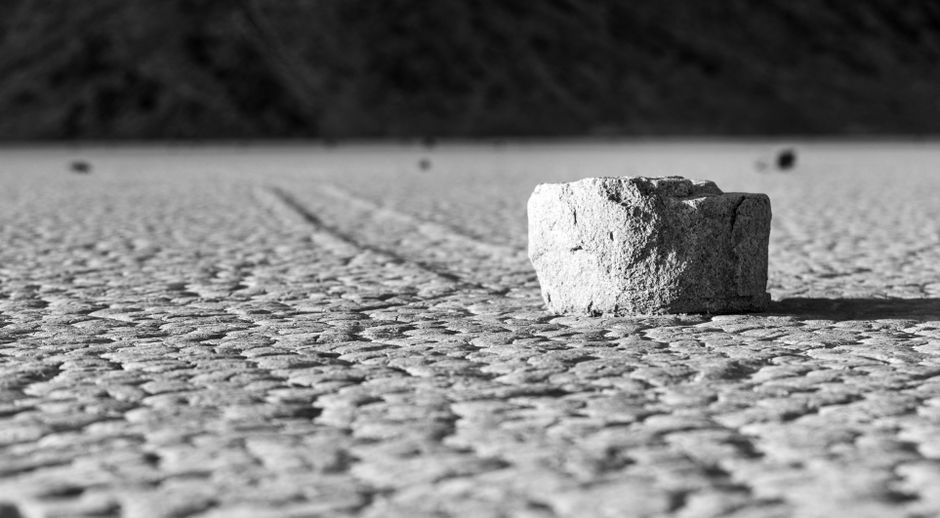
On a remote dry lakebed in Death Valley, rocks weighing hundreds of pounds mysteriously slide across the ground, leaving long tracks in their wake, a phenomenon unexplained for decades.
Racetrack Playa is famed for its "sailing stones," which appear to move on their own, carving trails across the flat desert floor. For years, scientists debated the cause. It was finally discovered in 2014 that specific conditions—thin sheets of ice forming, then melting into floating panels under light winds—push the rocks along the muddy surface. This rare combination of elements creates a truly unique geological spectacle.
5. The Flaming Crater That Never Stops Burning
Derweze, Ahal Province, Turkmenistan
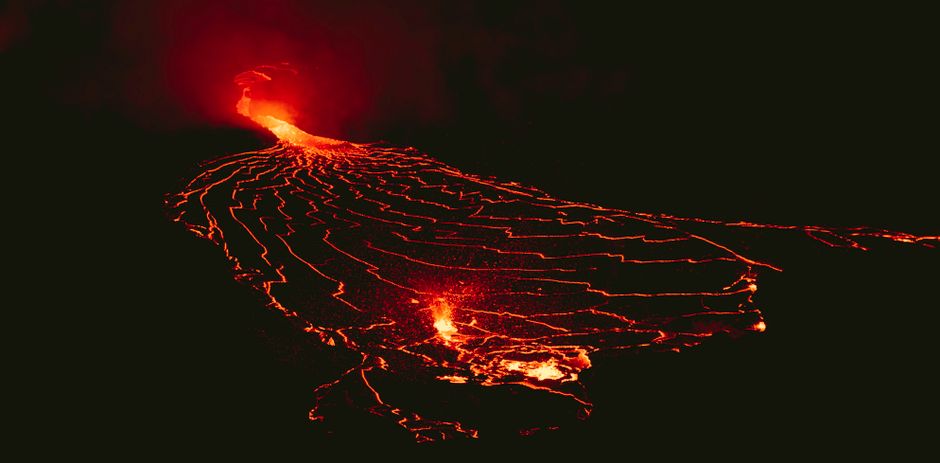
In the Karakum Desert, a massive fiery crater has been burning continuously for over 50 years, a man-made gateway to an underground gas reserve.
The Darvaza Gas Crater, colloquially known as the "Door to Hell," was created in 1971 when Soviet geologists, drilling for natural gas, accidentally caused a cavern to collapse. To prevent the spread of methane gas, they decided to burn it off, expecting it to last a few weeks. Five decades later, the crater still burns, a spectacular and eerie sight, fueled by the vast underground natural gas deposits.
6. The Ghost City Frozen in Time
Famagusta, Northern Cyprus
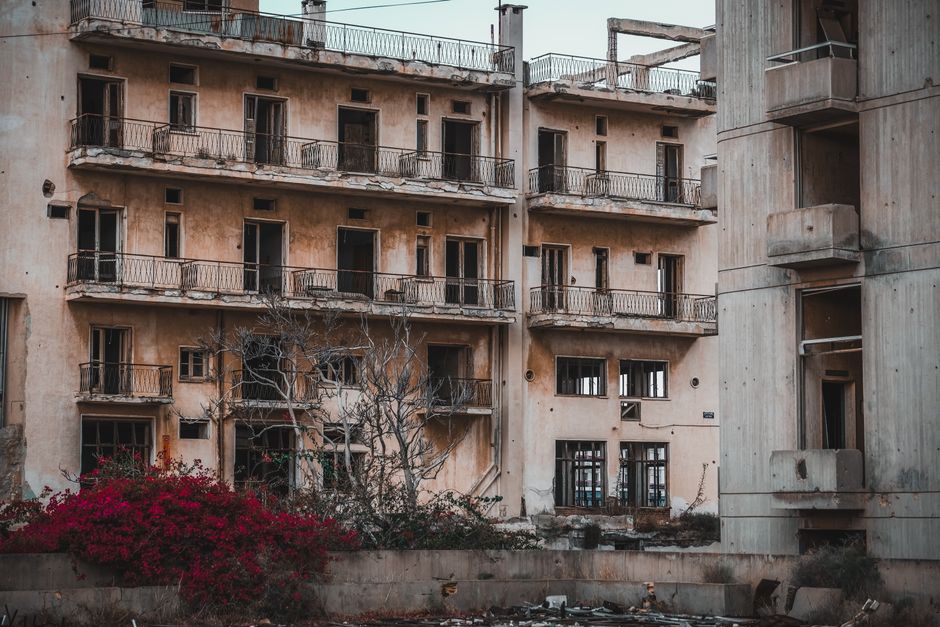
Once a glamorous Mediterranean resort, this entire city has been fenced off and abandoned since 1974, its hotels and beaches slowly decaying as if time stopped.
Varosha, a southern quarter of Famagusta, was a popular tourist destination until the Turkish invasion of Cyprus in 1974. Its inhabitants fled, and the area was sealed off, becoming a buffer zone. Decades later, high-rise hotels stand empty, shops are frozen with display mannequins, and overgrown vegetation reclaims streets, offering a stark visual reminder of political conflict and lost prosperity. It's a poignant and unsettling historical snapshot.
7. The Cathedral of Bats and Ancient Forests
Gunung Mulu National Park, Sarawak, Malaysia
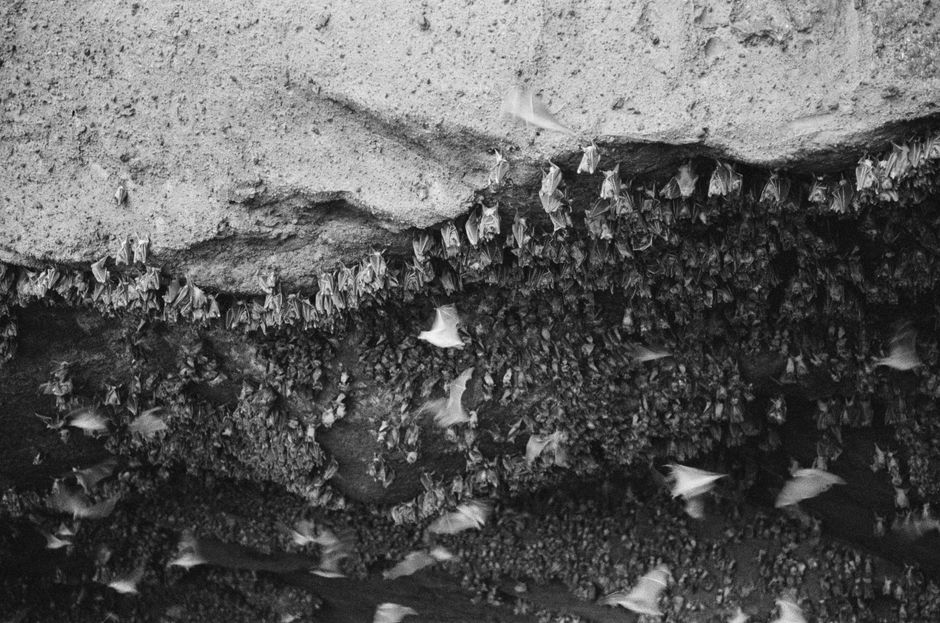
Deep within Borneo's rainforest, one of the world's largest cave passages hosts millions of bats whose nightly exodus creates a swirling, living cloud.
The Mulu Caves, particularly Deer Cave, are immense, capable of housing several Boeing 747s. These vast limestone caverns are home to an estimated three million bats, who emerge each evening in spectacular formations, creating a mesmerizing aerial display as they hunt insects. The caves are part of a UNESCO World Heritage site, showcasing incredible biodiversity and geological formations within the ancient rainforest.
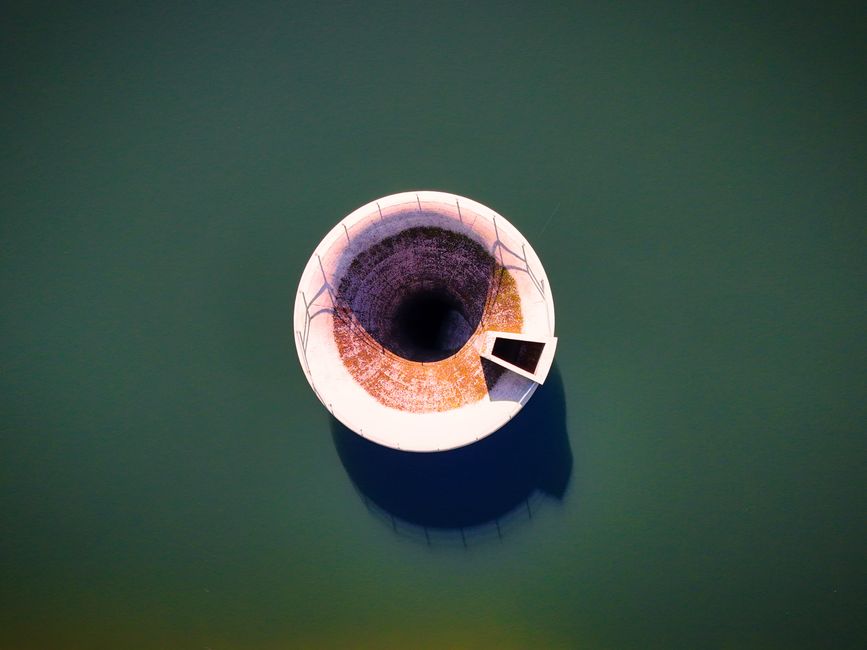
8. The Eye of the Sahara
Ouadane, Mauritania
In the middle of the Sahara Desert, a colossal, perfectly circular geological formation, visible only from space, puzzles scientists about its true origin.
The Richat Structure, or the "Eye of the Sahara," is a deeply eroded dome, about 25 miles (40 kilometers) in diameter, revealing concentric rings of different rock types. Initially thought to be an impact crater, closer study suggests it's a symmetrical dome that has been exposed by erosion. Its striking circular shape and vast scale make it a prominent landmark for astronauts and a fascinating geological enigma on Earth.
Frequently asked questions
What are some truly unique travel destinations?
Truly unique destinations are often those off the well-worn tourist path, offering distinct geological formations, unusual historical narratives, or rare cultural phenomena. Think ancient ghost cities, burning craters, or deserts where rocks move on their own. These places provide a deeper sense of discovery.
How do I find lesser-known travel spots?
Finding lesser-known spots requires research beyond typical travel guides. Look for local blogs, specialized forums, and scientific publications about geology or anthropology. Sometimes, even satellite imagery can reveal intriguing formations that hint at fascinating places.
Why is it important to visit places with a story?
Visiting places with a rich story transforms a simple trip into an immersive experience. Understanding the history, culture, or geological forces that shaped a location provides context, deepens appreciation, and connects you more profoundly to the world around you. It turns sightseeing into learning and wonder.
How does AllTours.ai help me explore these unique places?
AllTours.ai uses AI to turn your phone into a personal audio tour guide. Simply point your camera at any landmark, landscape, or even a specific plant, and the app instantly narrates its history, geology, and cultural significance in your preferred language, bringing even the most obscure locations to life.
Related guides
Photography via Pexels. AllTours.ai is an AI audio tour guide — point your camera at any landscape and hear its story.