June 30, 2026 · 4 min read
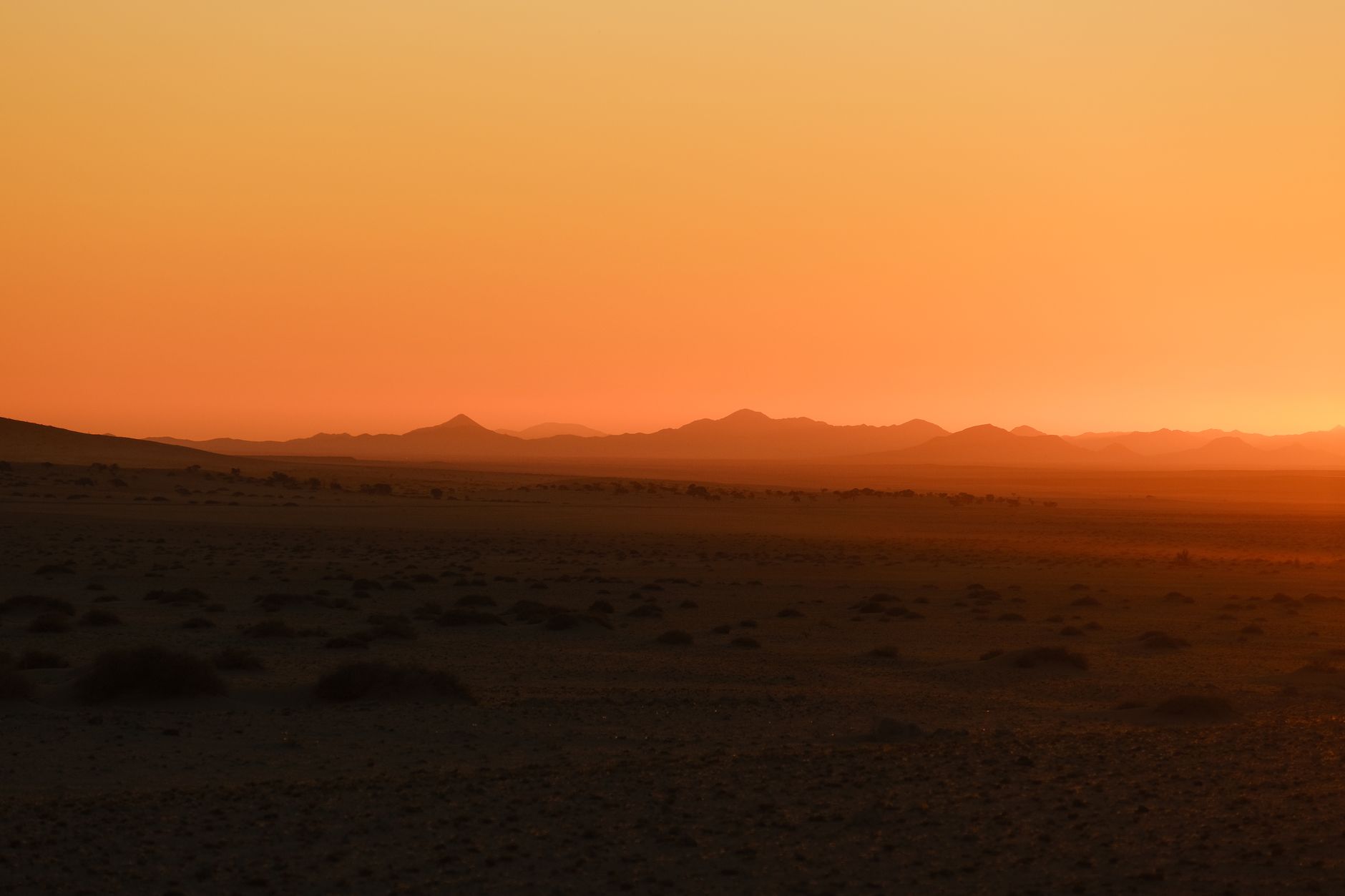
Sometimes, the urge to explore burns so bright it feels like your car is on fire, ready to rocket you to the far corners of the Earth. But instead of a literal inferno, we're talking about that blazing desire for discovery, for places that challenge your perceptions and ignite your senses. Forget the crowded landmarks; the real magic often lies where few have ventured.
This guide takes you off the well-trodden path to seven extraordinary locations where the Earth itself seems to pulse with forgotten histories, bizarre geologies, and vibrant cultures. These are spots that will not only satisfy your burning curiosity but also leave you with stories that defy belief.
1. The Door to Hell
Derweze, Turkmenistan
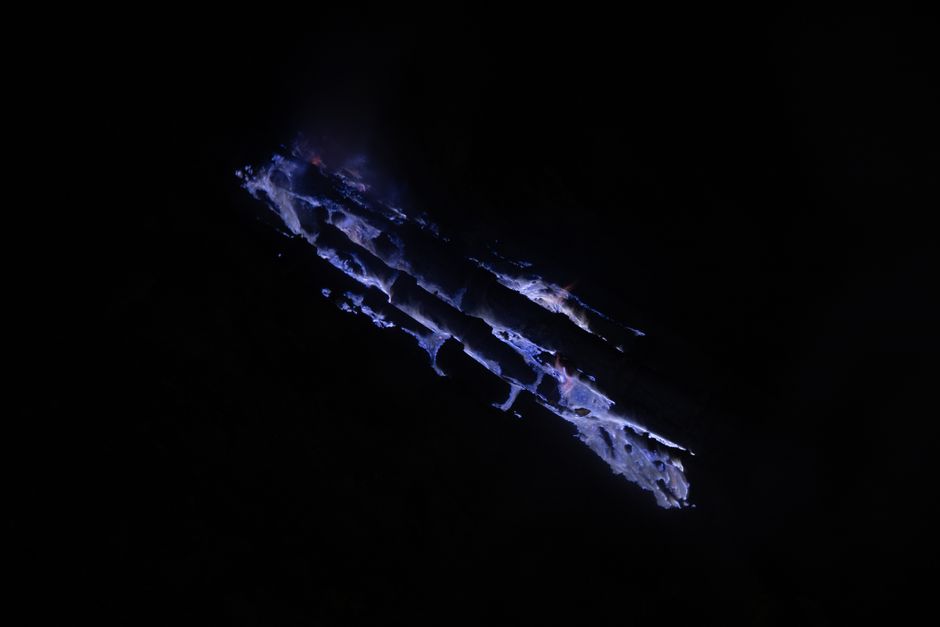
A Soviet drilling accident created a fiery pit that has been burning for over five decades.
In 1971, Soviet geologists drilling for natural gas accidentally punctured a cavern, causing the ground to collapse and release methane. To prevent the spread of toxic gas, they decided to burn it off, expecting it to extinguish in weeks. Over fifty years later, the crater still burns, a mesmerizing, dangerous spectacle in the Karakum Desert, visible for miles at night.
2. The Hottest Place on Earth
Afar Region, Ethiopia
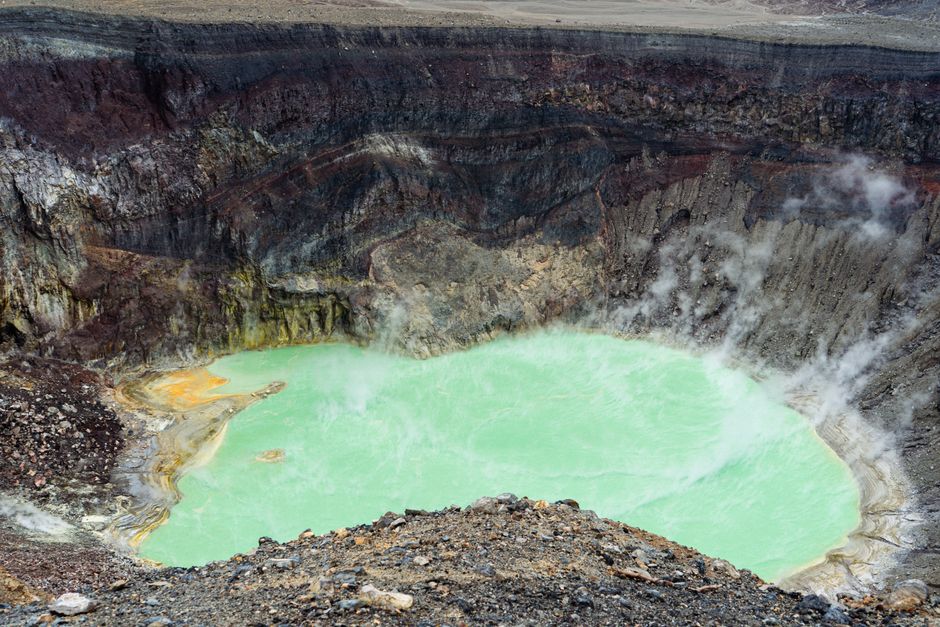
Experience an alien landscape of sulfurous hot springs, acid pools, and salt flats in one of Earth's lowest and hottest places.
The Danakil Depression is a geological marvel where three tectonic plates meet, creating intense volcanic activity. Temperatures routinely exceed 120°F (50°C), while vibrant yellow and green sulfur formations bubble alongside acidic hot springs. It’s a surreal, harsh environment that feels more like another planet than Earth, home to unique extremophile organisms.
3. The Petrifying Lake
Arusha Region, Tanzania
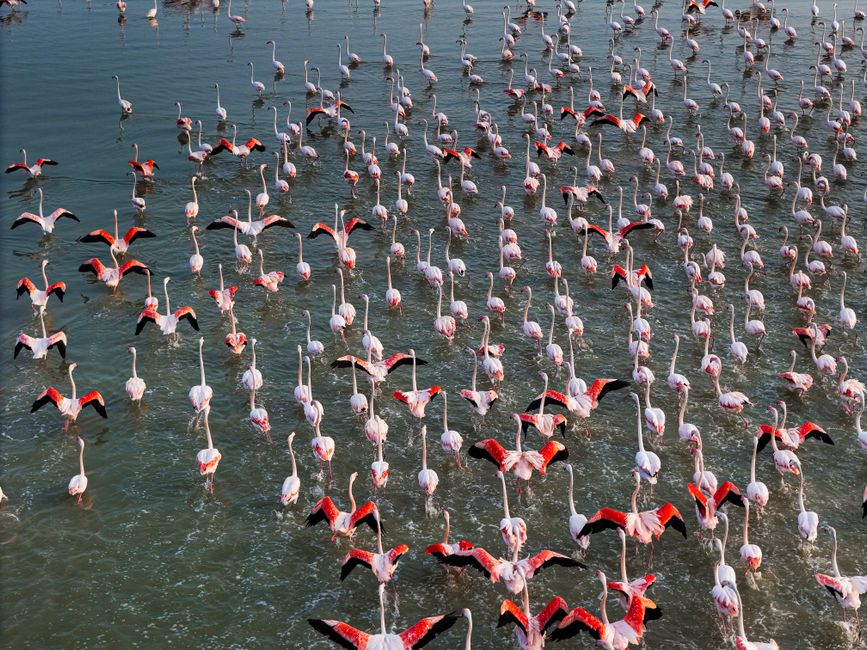
This vibrant red lake turns animals to stone, yet is a vital breeding ground for flamingos.
Lake Natron is an alkaline salt lake in northern Tanzania, notorious for its intensely high pH levels (up to 10.5) and temperatures that can reach 140°F (60°C). Its extreme conditions, caused by volcanic ash from the Great Rift Valley, lead to calcification of animals that attempt to drink or bathe in its waters, effectively 'petrifying' them. Despite its deadly nature, it's the only regular breeding ground for East Africa's lesser flamingos, who thrive on its spirulina algae.
4. The Alien Archipelago
Socotra, Yemen
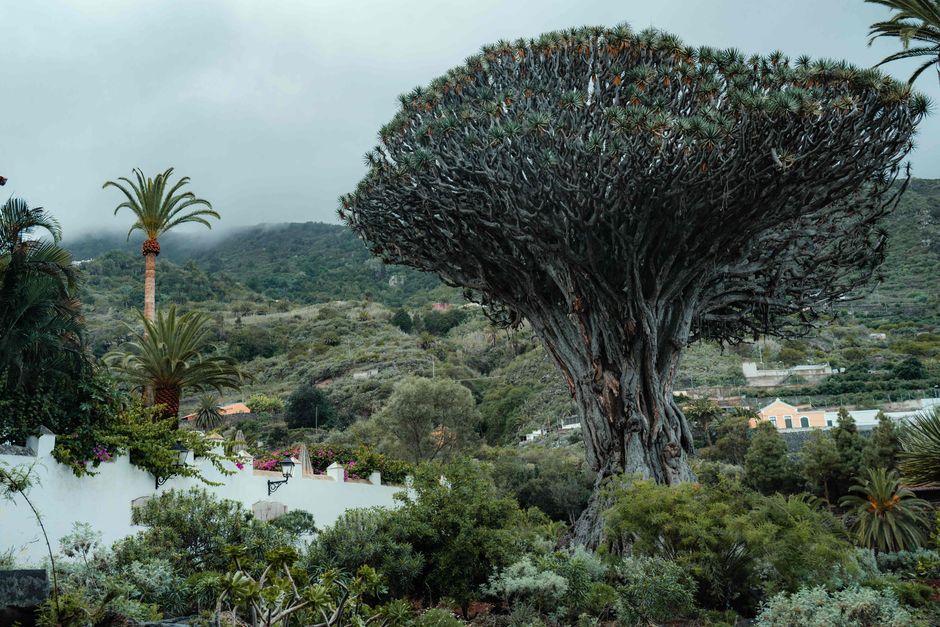
Discover a remote island where a third of its plant life is found nowhere else on Earth, including the iconic Dragon's Blood Tree.
Often called the 'Galapagos of the Indian Ocean,' Socotra's extreme isolation has fostered unique biodiversity. Its most famous inhabitant is the Dragon's Blood Tree, with its umbrella-shaped canopy and crimson sap. The island's landscapes feature dramatic mountains, white sand beaches, and otherworldly flora that seem transplanted from a science fiction film, a testament to millions of years of evolutionary divergence.
5. The Volcanic Village
Izu Islands, Japan
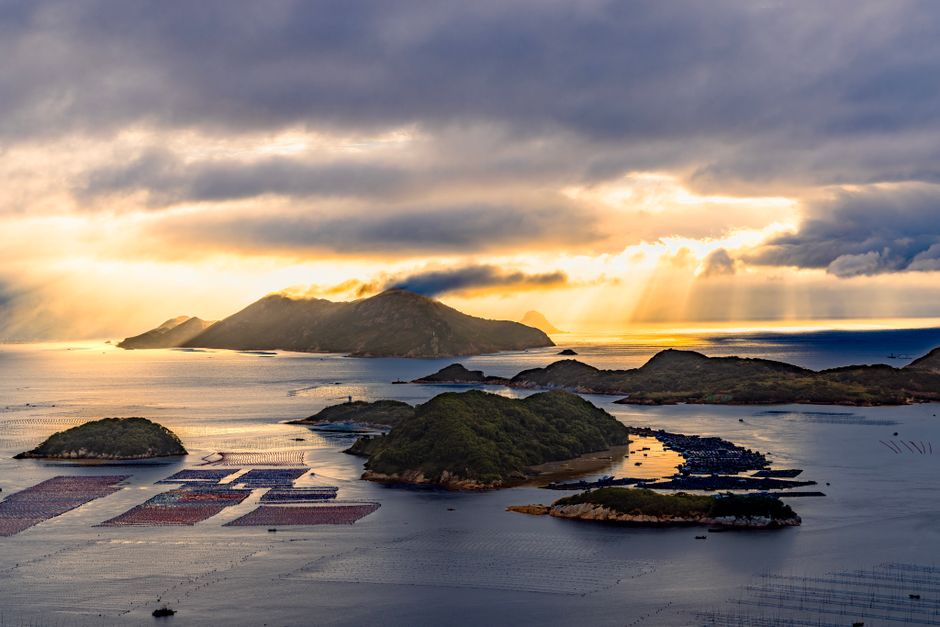
A tiny, remote Japanese island that is itself a massive volcanic crater, with a smaller, active volcano inside it.
Aogashima is a visually stunning island, part of the Izu archipelago, characterized by its unique geological formation: a caldera within a larger caldera. Fewer than 200 residents live on this isolated isle, making their homes on the outer rim and within the inner crater. The main attraction is the inner volcanic cone, which still emits steam, providing natural saunas and geothermal heat for the small community.
6. The Eye of the Sahara
Ouadane, Mauritania
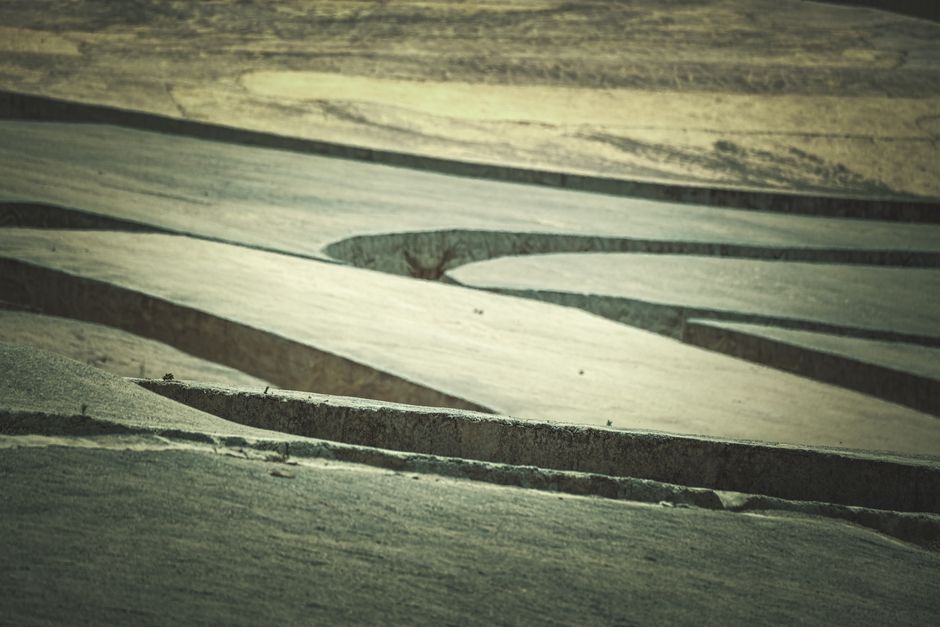
A vast, circular geological formation in the Sahara Desert, once thought to be an impact crater, now believed to be a deeply eroded dome.
Visible from space, the Richat Structure, or 'Eye of the Sahara,' spans nearly 30 miles (50 km) in diameter. Its concentric rings of varying rock types create a striking bullseye pattern. Initially puzzling scientists, it is now understood to be an exposed dome of uplifted rock, eroded over millions of years, revealing its layered geological history in spectacular fashion. It serves as an unmistakable landmark for astronauts.
7. The Accidental Rainbow Geyser
Gerlach, Nevada, USA
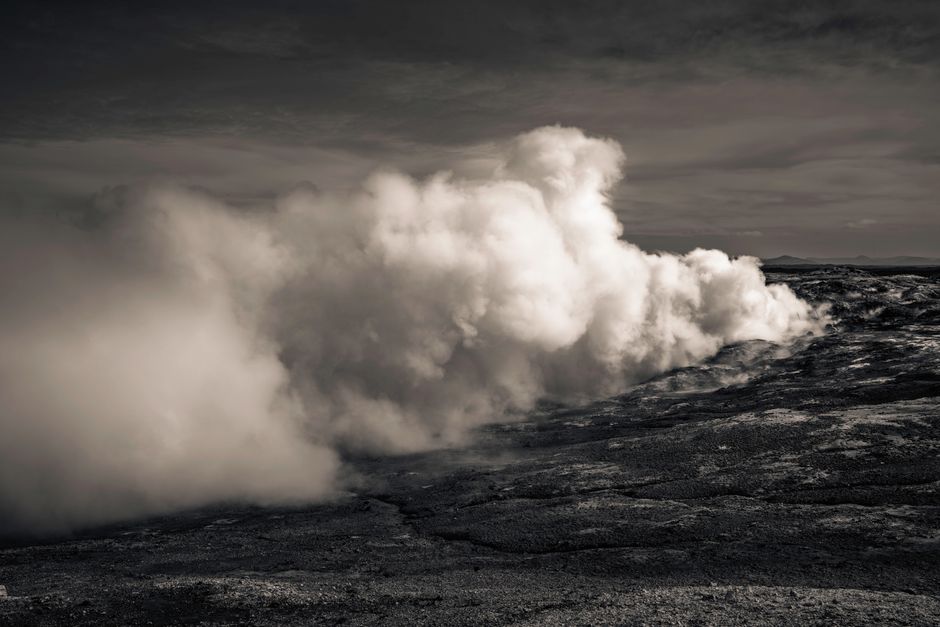
An unintentional drilling accident in the desert created a vibrant, constantly growing geothermal marvel.
Fly Geyser is a surreal, multi-colored geyser formed accidentally in 1964 during a well-drilling attempt. The well was either improperly capped or abandoned, allowing geothermal water to escape. Over decades, mineral deposits, including thermophilic algae, built up, creating a series of mounds and pools in brilliant hues of red, green, and orange. Located on private land, it remains a secluded, almost magical sight in the high desert.
Frequently asked questions
What are some truly unique travel destinations off the beaten path?
Beyond the usual tourist spots, consider the perpetually burning Derweze Gas Crater in Turkmenistan, the otherworldly Danakil Depression in Ethiopia, or Socotra Island in Yemen with its unique Dragon's Blood Trees. These places offer unparalleled experiences that few travelers encounter.
How do I find places with unusual geological features?
Many of Earth's most striking geological features are found in remote or tectonically active regions. Look for locations near volcanic zones, rift valleys, or ancient seabed exposures. Satellite imagery can also reveal formations like Mauritania's Richat Structure, offering clues to hidden wonders.
Is it safe to visit extremely hot or volcanic areas?
Visiting such areas requires careful planning and often local guides. The Danakil Depression, for instance, demands respect for its extreme heat and volatile conditions. Always prioritize safety, follow local advice, and be prepared for harsh environments with appropriate gear and hydration.
How can AllTours.ai enhance my exploration of these unique places?
AllTours.ai transforms your phone into an AI audio tour guide. Simply point your camera at any landmark or landscape, and the app instantly narrates its history, geology, and culture in your language, offering deep insights into even the most obscure locations without needing internet.
Related guides
Photography via Pexels. AllTours.ai is an AI audio tour guide — point your camera at any landscape and hear its story.