
July 24, 2026 · 4 min read
The question, "What country is more 'European', Argentina or the USA?" is an intriguing one, often sparking lively debates among travelers and historians alike. Both nations are vast melting pots, shaped profoundly by waves of European immigration and colonial legacies. Yet, their European influences manifest in distinct, often surprising ways.
To truly compare, we must look beyond the obvious urban centers and delve into lesser-known corners where European heritage has imprinted itself onto the landscape, culture, and history. Here, we explore specific, real places in both Argentina and the USA, each with a unique story that sheds light on their 'European' character.

1. A Welsh Outpost in Patagonia
Gaiman, Chubut, Argentina
Find a slice of Wales, complete with traditional tea houses and Welsh spoken on the streets, unexpectedly nestled in Argentine Patagonia.
In the remote Chubut Valley, Gaiman stands as a testament to an extraordinary 19th-century migration. In 1865, Welsh settlers arrived, seeking to preserve their language and culture away from British influence. Today, the town proudly maintains its Welsh heritage, celebrated through its distinctive architecture, annual Eisteddfod festivals, and numerous 'te galés' (Welsh tea houses) where visitors can enjoy traditional cakes and scones.

2. The Sunken Spa Town
Villa Epecuén, Buenos Aires Province, Argentina
Discover an entire resort town, once a bustling European-style spa, that was swallowed by a lake and then eerily reappeared.
Villa Epecuén was a glamorous spa town built by German immigrants in the 1920s, famous for its hypersaline waters believed to have therapeutic properties, attracting thousands of European visitors. In 1985, an unprecedented flood caused the nearby Lago Epecuén to overflow, submerging the entire town under 30 feet of saltwater. Decades later, as the waters receded, an apocalyptic landscape of skeletal trees and ghostly ruins emerged, a haunting reminder of its European past.
3. Jesuit Grandeur in Córdoba
Estancia Santa Catalina, Córdoba, Argentina
Witness the enduring grandeur of a Jesuit estancia, a testament to colonial European ambition and indigenous labor in the heart of Argentina.
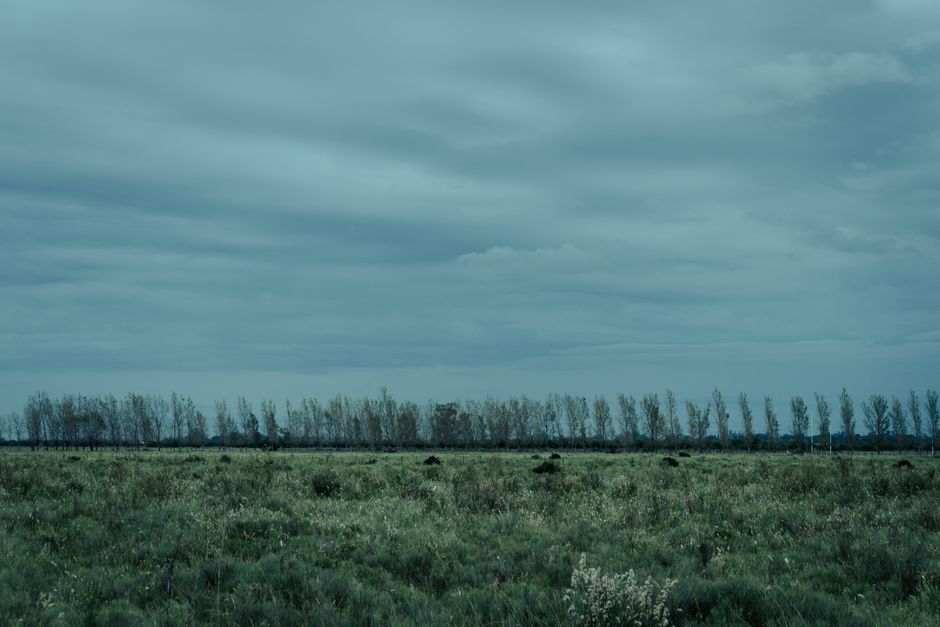
Part of the UNESCO World Heritage Jesuit Block, Estancia Santa Catalina is a magnificent example of 17th-century colonial European architecture and organization. The Jesuits established these vast self-sufficient complexes with churches, residences, and workshops, blending European agricultural techniques with indigenous labor. Its grand Baroque church and cloister stand as a powerful, less-visited symbol of the profound and complex European imprint on Argentina's interior.

4. Gaucho Rhythms in the Wetlands
Colonia Carlos Pellegrini, Corrientes, Argentina
Explore a remote wetland town where a unique gaucho culture, shaped by Jesuit missions and European ranching techniques, thrives amidst stunning wildlife.
Nestled on the edge of the vast Iberá Wetlands, Colonia Carlos Pellegrini is a gateway to one of South America's most impressive ecosystems. Its character is deeply rooted in the gaucho tradition, which itself is a unique blend of indigenous knowledge and European horsemanship and cattle ranching brought by early Spanish and Jesuit settlers. This remote town offers a glimpse into a rural Argentina where European methods adapted to the local environment, creating a distinct, resilient culture.
5. A German Monastic Experiment
Ephrata Cloister, Pennsylvania, USA
Step into a monastic community in Pennsylvania where German celibate Pietists lived a life of strict devotion, creating their own hymnal and unique Fraktur art.
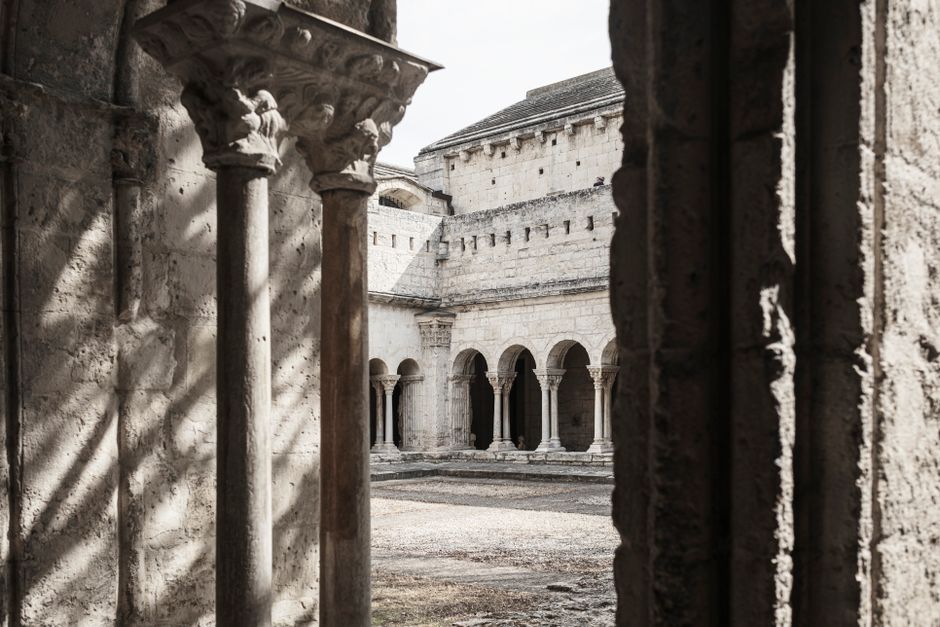
Founded in 1732 by German Protestant immigrants, Ephrata Cloister was a radical communal society dedicated to spiritual purity, celibacy, and self-sufficiency. Its unique Germanic architecture, distinctive script (Fraktur), and a printing press that produced some of the earliest books in America reflect a fervent European religious movement transported to the New World. The surviving buildings offer a rare window into an ascetic, intellectually rich European-inspired communal life.
6. Iowa's Communal German Villages
Amana Colonies, Iowa, USA
Explore a network of seven villages in Iowa where German communal living traditions thrived for decades, leaving a unique architectural and cultural legacy.
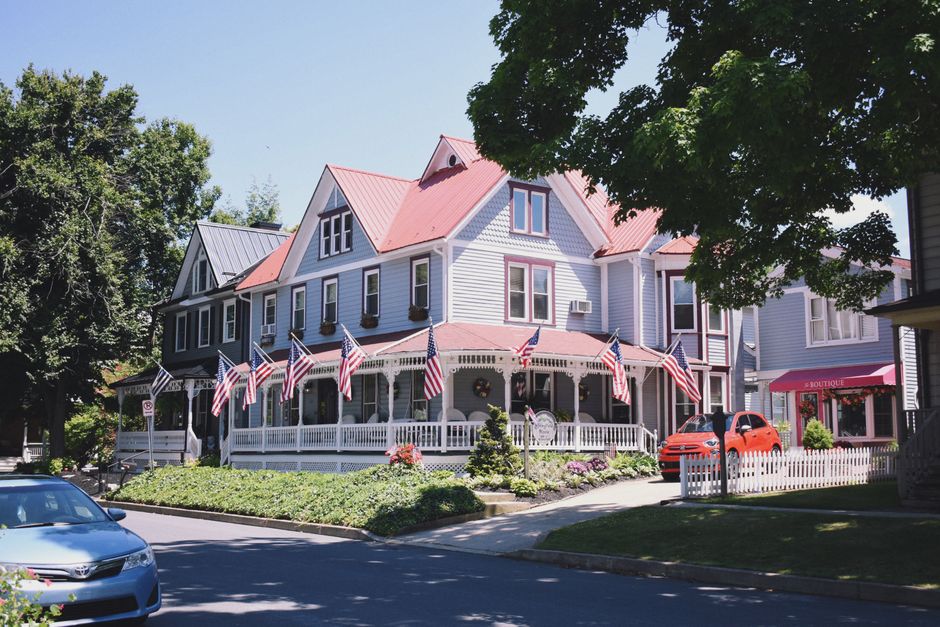
The Amana Colonies are a group of seven villages settled by German Pietists in the mid-19th century, who lived a communal life based on shared property and self-sufficiency. For nearly 80 years, they produced everything they needed, from wool to furniture, maintaining their language and customs. Though the communal system formally ended in 1932, the villages retain a distinct German character, evident in their architecture, food, and craft traditions.

7. Greece on the Gulf Coast
Tarpon Springs, Florida, USA
Witness a vibrant Greek community in Florida, founded by sponge divers who brought their traditions, cuisine, and language directly from the Aegean Sea.
In the late 19th and early 20th centuries, Greek immigrants, many from the Dodecanese islands, established a thriving sponge diving industry in Tarpon Springs. They brought with them their culture, language, and Orthodox faith, creating a community so authentically Greek that it feels like a piece of the Aegean transported to Florida. Visitors can explore the historic sponge docks, visit the stunning St. Nicholas Cathedral, and savor traditional Greek cuisine.
8. Louisiana's French Creole Cradle
Natchitoches, Louisiana, USA
Wander through the oldest permanent settlement in the Louisiana Purchase, a town where French Creole traditions run deeper than in New Orleans.
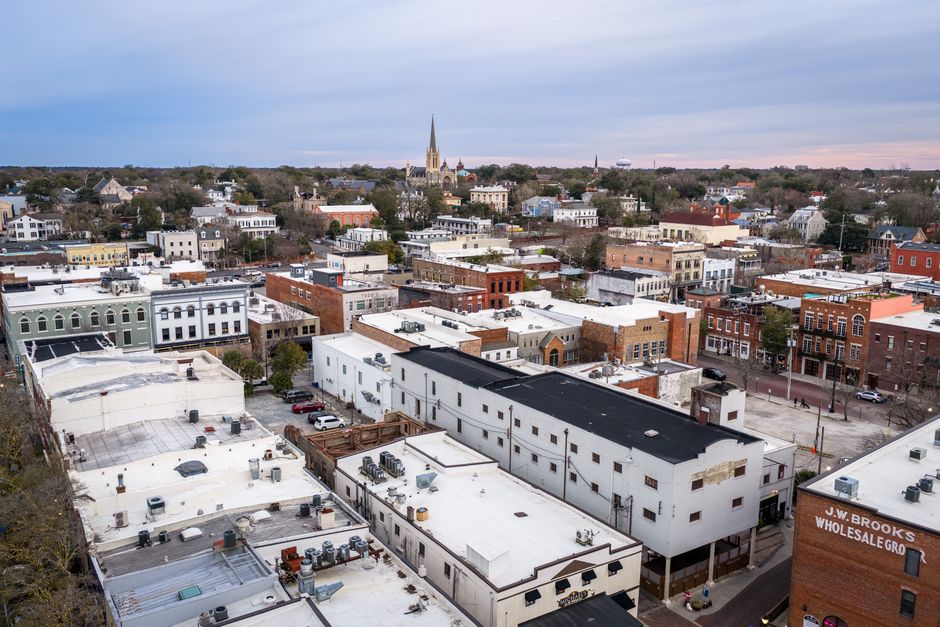
Established as a French trading post in 1699, Natchitoches predates New Orleans and served as a vital link between French and Spanish territories. Its unique history fostered a deep French Creole culture, distinct from other parts of Louisiana. The town's historic district, nestled along the Cane River, boasts charming French colonial and Victorian architecture, preserving a slice of early European-American history often overshadowed by its more famous southern neighbors.
Frequently asked questions
Which US cities feel most European?
Many US cities have European influences, but some stand out for their strong cultural legacies. Places like St. Augustine, Florida, with its Spanish roots, or New Orleans, Louisiana, famous for its French and Spanish Creole heritage, offer distinct European flavors. Boston, Massachusetts, also retains a walkable, historic feel reminiscent of older European cities.
What are the main European influences in Argentina?
Argentina's European influences are primarily from Spain and Italy, due to massive immigration waves in the 19th and 20th centuries. This is evident in the language (Rioplatense Spanish), cuisine (pasta, pizza, gnocchi are staples), architecture, and a strong café culture. Other influences include German, Welsh, and French communities, though less widespread.
Is Buenos Aires like a European city?
Buenos Aires is often called the "Paris of South America" due to its wide boulevards, grand Belle Époque architecture, vibrant café culture, and sophisticated arts scene. Its strong European immigrant heritage, particularly from Italy and Spain, has shaped its cosmopolitan character, making it feel distinctly European, especially in neighborhoods like Recoleta and San Telmo.
How does the AllTours.ai app enhance travel to these European-influenced places?
The AllTours.ai app brings the deep history and culture of these fascinating locations to life. Simply point your phone camera at a landmark, building, or even a natural landscape, and the app will instantly narrate its story—its European connections, unique local history, geology, or cultural significance—all in your preferred language, making every step an immersive discovery.
Related guides
Photography via Pexels. AllTours.ai is an AI audio tour guide — point your camera at any landscape and hear its story.