September 14, 2026 · 5 min read
The United Kingdom often feels familiar to American visitors, sharing a language and many cultural touchstones. Yet, beneath this surface familiarity lie countless subtle distinctions in daily life, historical perspective, and the very concept of 'space' – how it's used, valued, and experienced. From the ancient pathways carved by glaciers to the meticulously planned communities of the industrial age, Britain offers a nuanced tapestry of cultural differences.
Beyond London's iconic landmarks and the well-trodden paths of Edinburgh, a deeper understanding of these differences emerges in lesser-known corners. Here, you'll find places that challenge expectations about scale, history, and community, revealing the unique fabric of British life. Forget the usual tourist spots; these seven destinations offer a glimpse into the truly distinct aspects of UK culture and space.
1. The Unseen Force of Ancient Ice
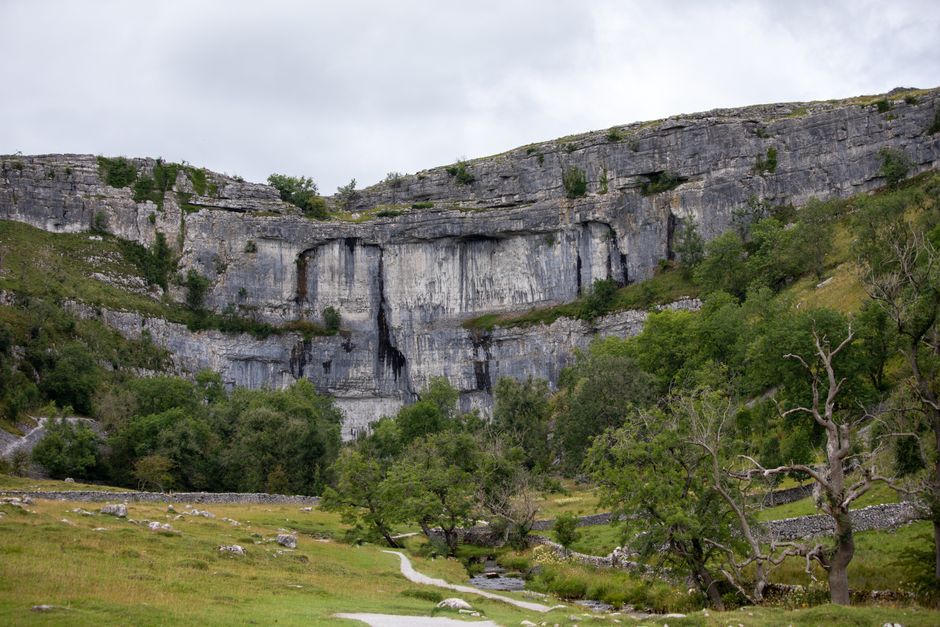
Malham Cove, Yorkshire Dales, England
A colossal, curved limestone cliff in the Yorkshire Dales holds the secret to a magnificent waterfall that vanished over 10,000 years ago.
Malham Cove is a dramatic natural amphitheater, a towering 260-foot high, 980-foot wide wall of white limestone. This immense structure was carved by a powerful waterfall at the end of the last Ice Age, which has since retreated underground. Today, visitors can walk atop the 'limestone pavement,' a unique grid of clints and grikes, formed by millennia of erosion, offering a glimpse into geological time scales that shape the very land.
2. A Soap King's Utopia
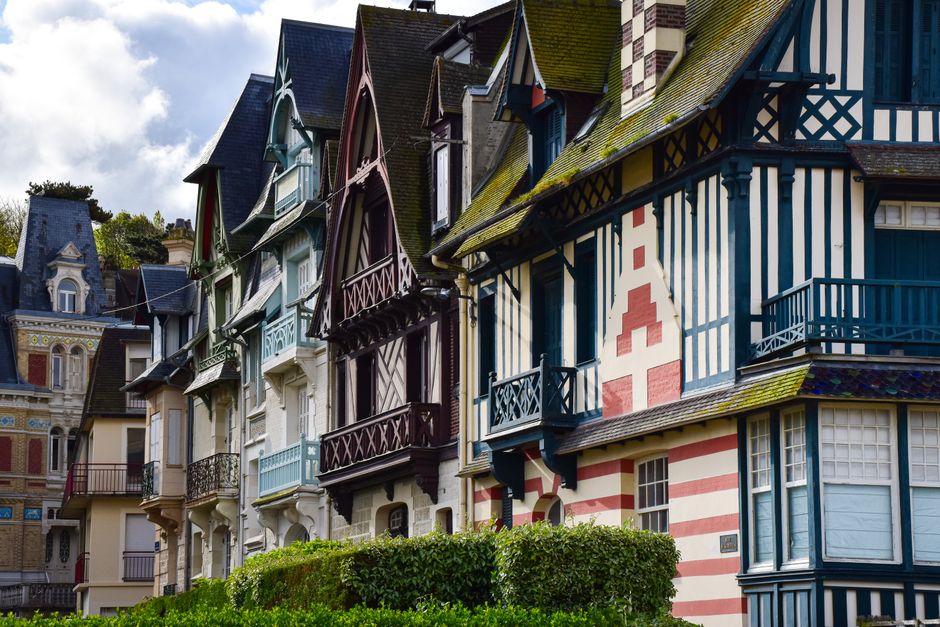
Port Sunlight, Wirral, England
This picturesque village was purpose-built by a Victorian soap magnate as a utopian vision for his factory workers, complete with cultural amenities and unique architecture.
In 1888, William Hesketh Lever began building Port Sunlight for the employees of his Lever Brothers (later Unilever) soap factory. Beyond providing healthy, affordable housing, Lever invested in schools, a hospital, concert halls, and an art gallery, believing that improved living conditions would foster a better workforce and community. The village's distinctive architecture, varied styles, and meticulously maintained gardens reflect a unique approach to urban planning and social welfare, a stark contrast to the sprawling industrial cities of the era.
3. Britain's Teeny-Tiny Home
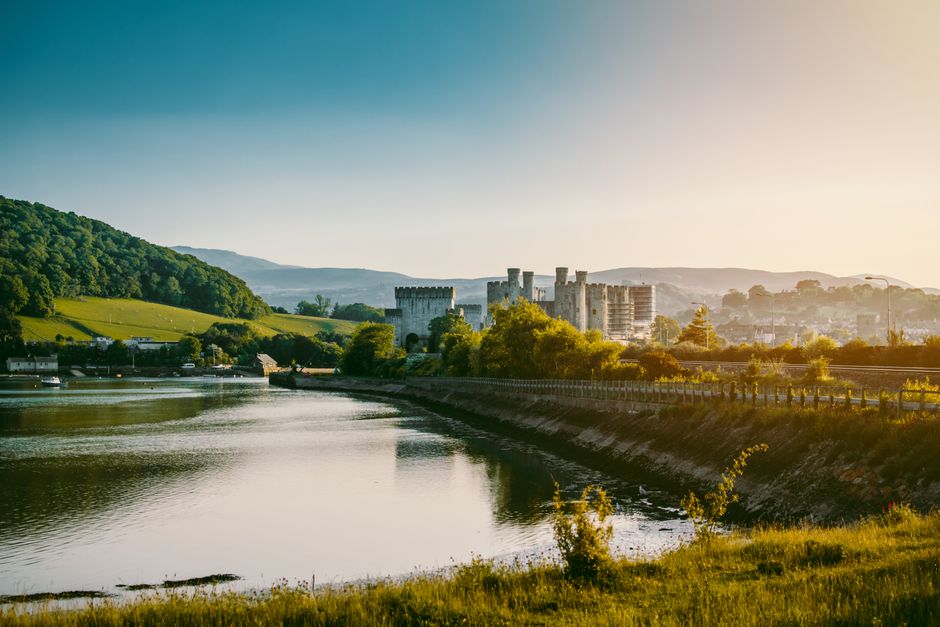
The Smallest House in Great Britain, Conwy, Wales
Squeeze into a bright red house that’s barely 10 feet tall, a testament to efficiency and a quirky piece of local history.
Nestled on the quayside in Conwy, this diminutive dwelling, also known as Quay House, measures just 10 feet in height and 6 feet wide. It was continuously inhabited from the 16th century until 1900, when its last resident, a local fisherman named Robert Jones (who was 6 feet 3 inches tall), was forced to move out due to local council regulations deeming it unfit for human habitation. Today, visitors can step inside this minuscule home, gaining a unique perspective on historic living spaces and the British appreciation for the charmingly quaint.
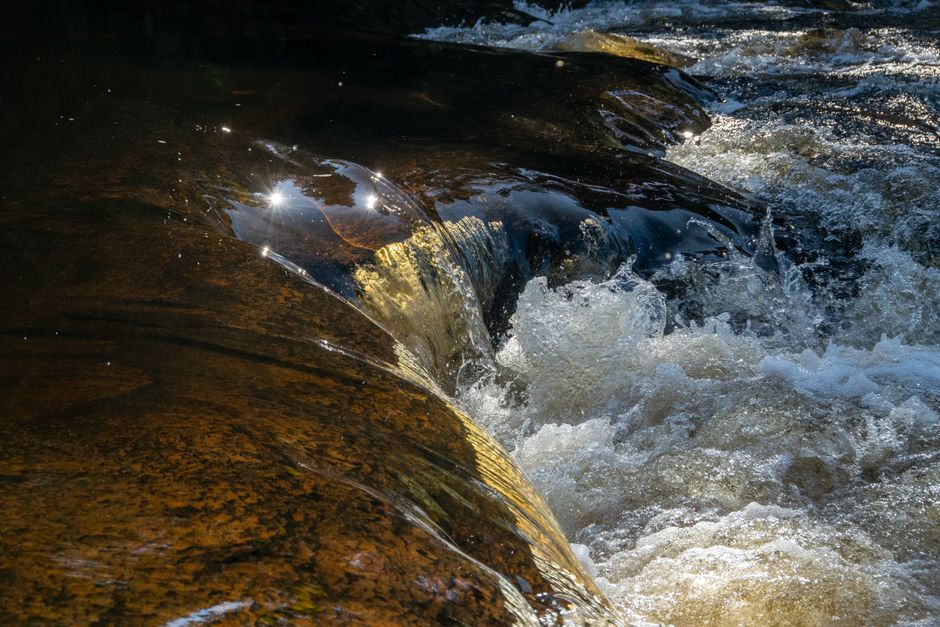
4. The Poet's Waterfall
Aira Force Waterfall, Lake District, England
A dramatic waterfall in the Lake District whose surrounding landscape was deliberately shaped to inspire 18th-century Romantic poets and tourists.
While the Lake District boasts many natural wonders, Aira Force stands out for its deliberate landscaping. In the late 18th and early 19th centuries, the Howard family, owners of the surrounding estate, planted thousands of native and exotic trees to frame the 65-foot waterfall, creating picturesque views. This 'improving' of nature was designed to enhance the sublime experience for visitors and inspire the Romantic poets, including William Wordsworth, who frequently visited and wrote about the area. It showcases a particular cultural approach to appreciating and interacting with natural beauty.
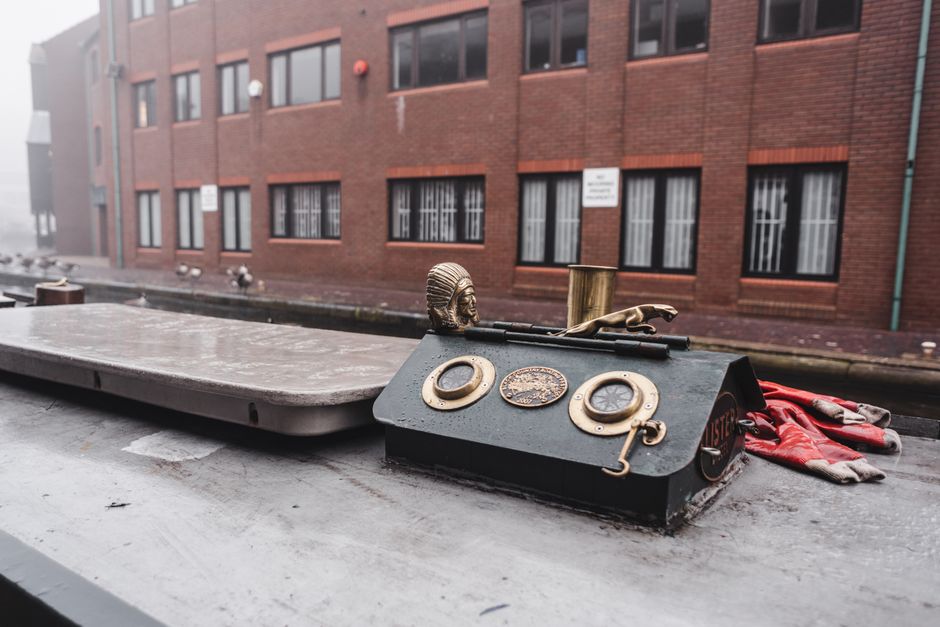
5. A Glimpse into Victorian Finality
The Coffin Works, Birmingham, England
Step into a perfectly preserved Victorian factory that produced ornate coffin fittings, frozen in time as its last owners simply locked up and left in 1998.
The Newman Brothers Coffin Works operated in Birmingham's historic Jewellery Quarter for over 100 years, producing some of the world's finest coffin furniture, including fittings for the funerals of Winston Churchill and the Queen Mother. When the factory closed in 1998, its owners simply walked away, leaving tools, machinery, and ledgers exactly as they were. Now a museum, it offers an astonishingly authentic insight into Victorian industrial life, the intricate craftsmanship of a forgotten trade, and a different cultural perspective on death and memorialization.
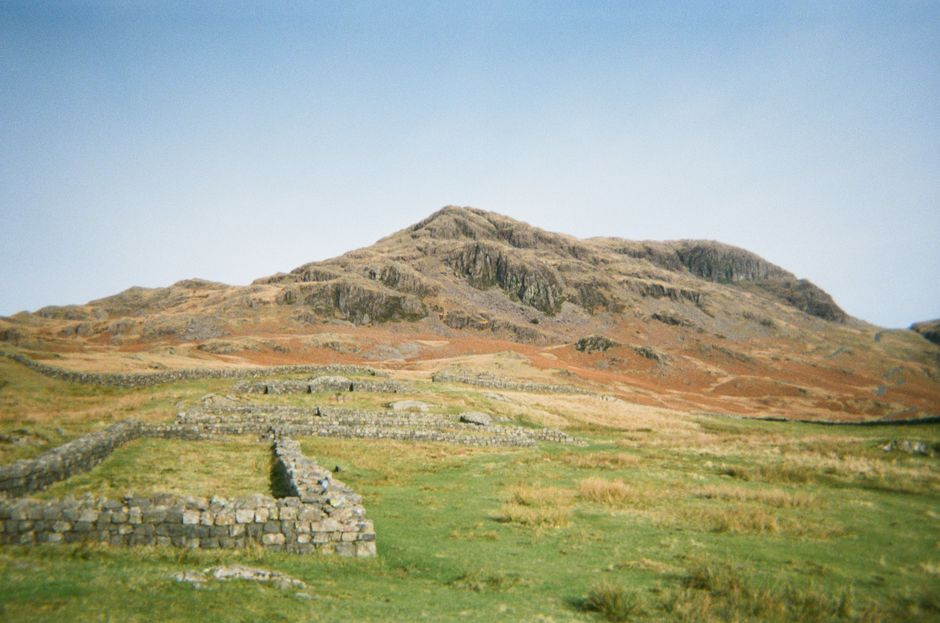
6. Rome's Remote Frontier
Hardknott Roman Fort, Lake District, England
Perched impossibly high on a remote mountain pass in the Cumbrian fells are the dramatic remains of a Roman fort, a testament to their ambition in unforgiving landscapes.
Built between 120 and 138 AD, Hardknott Fort (Mediobogdum) was one of the most remote outposts of the Roman Empire in Britain. Situated at over 800 feet above sea level, commanding views over the Hardknott Pass and Eskdale, it housed a cohort of around 500 soldiers. The fort's isolated location and the sheer effort involved in its construction and maintenance highlight the Roman military's incredible logistical capabilities and their determination to control even the most rugged British territories, offering a stark contrast to modern concepts of accessible travel and settlement.
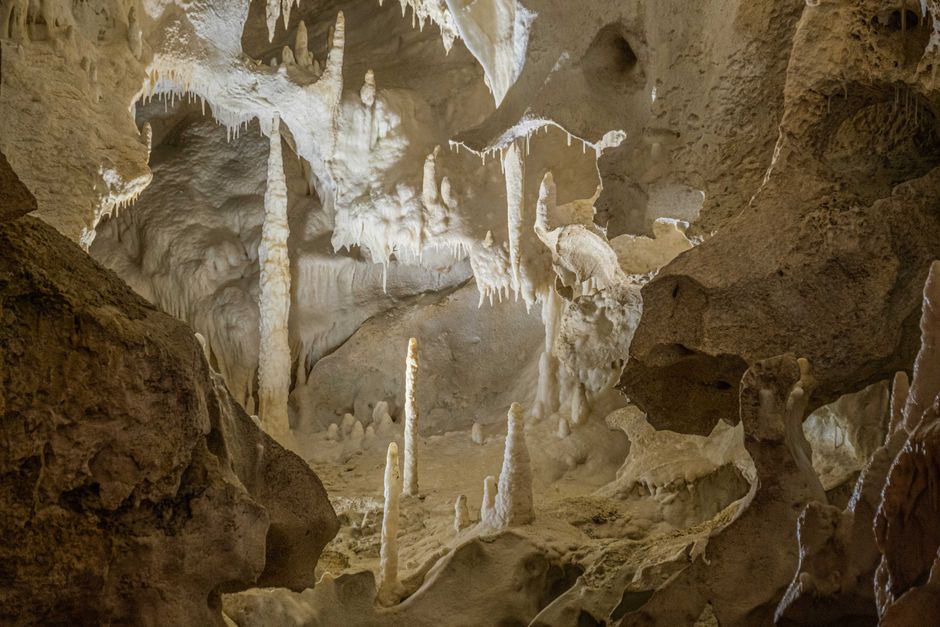
7. Deep Time in the Caverns
Kents Cavern, Torquay, England
Explore a labyrinth of prehistoric caves that served as a shelter for early humans for hundreds of thousands of years, revealing Britain's deep ancient past.
Kents Cavern is one of the most important Stone Age archaeological sites in Europe. Evidence found within its extensive cave system, including tools and fossil remains, shows continuous human occupation dating back over 400,000 years, making it one of the oldest known human habitation sites in Britain. Beyond the impressive geological formations, the caves offer a profound connection to our earliest ancestors and the megafauna of the Ice Age, a timeline far predating the medieval history often associated with the UK.
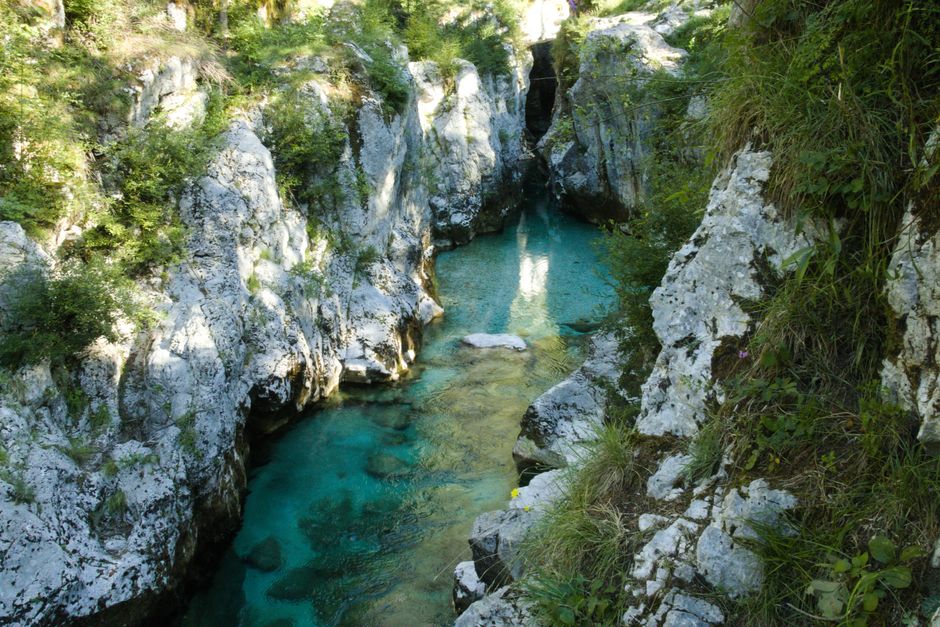
8. Ice Age Art and Ancient Shelters
Creswell Crags, Derbyshire, England
Discover a dramatic limestone gorge riddled with caves, where Britain's only authenticated Ice Age cave art was discovered, depicting animals from 13,000 years ago.
Creswell Crags is a unique limestone gorge on the border of Derbyshire and Nottinghamshire, home to a series of caves that were occupied by Neanderthals and early modern humans during the last Ice Age. Most significantly, it is the site of Britain's only authenticated Ice Age cave art, including engravings of birds and bison, dating back around 13,000 years. This offers a rare glimpse into the artistic and spiritual lives of our ancient ancestors and how they used these natural shelters, providing a deep historical context far beyond castles and cathedrals.
Frequently asked questions
What are some common cultural differences in daily interactions in the UK vs. US?
Americans might notice a greater emphasis on politeness and indirect communication in the UK. Queuing (lining up) is a deeply ingrained social rule, and 'sorry' is used much more frequently, often as a light apology or even to get attention. Personal space can also feel slightly closer, especially in urban areas and on public transport.
How do driving and public transport differ in the UK?
Driving is on the left side of the road, and cars are generally smaller. Roads, particularly in rural areas or older towns, can be much narrower than in the US, with frequent roundabouts. Public transport, especially trains, is extensive and often preferred for inter-city travel, whereas buses are common for local journeys.
What should Americans know about UK tipping etiquette?
Tipping is less expected and generally lower than in the US. In restaurants, a 10-15% service charge might be added automatically, or you can leave a similar amount if it's not. For drinks at a pub, tipping isn't common. Taxis might be rounded up to the nearest pound. Always check if a service charge is already included before adding more.
How can I learn more about these unique UK places as I travel?
To dive deeper into the stories of these and countless other unique UK locations, the AllTours.ai app is an invaluable tool. Simply point your phone camera at any landmark or landscape, and the app will narrate its history, geology, and cultural significance in your preferred language, transforming your exploration into a rich, informative journey.
Related guides
Photography via Pexels. AllTours.ai is an AI audio tour guide — point your camera at any landscape and hear its story.