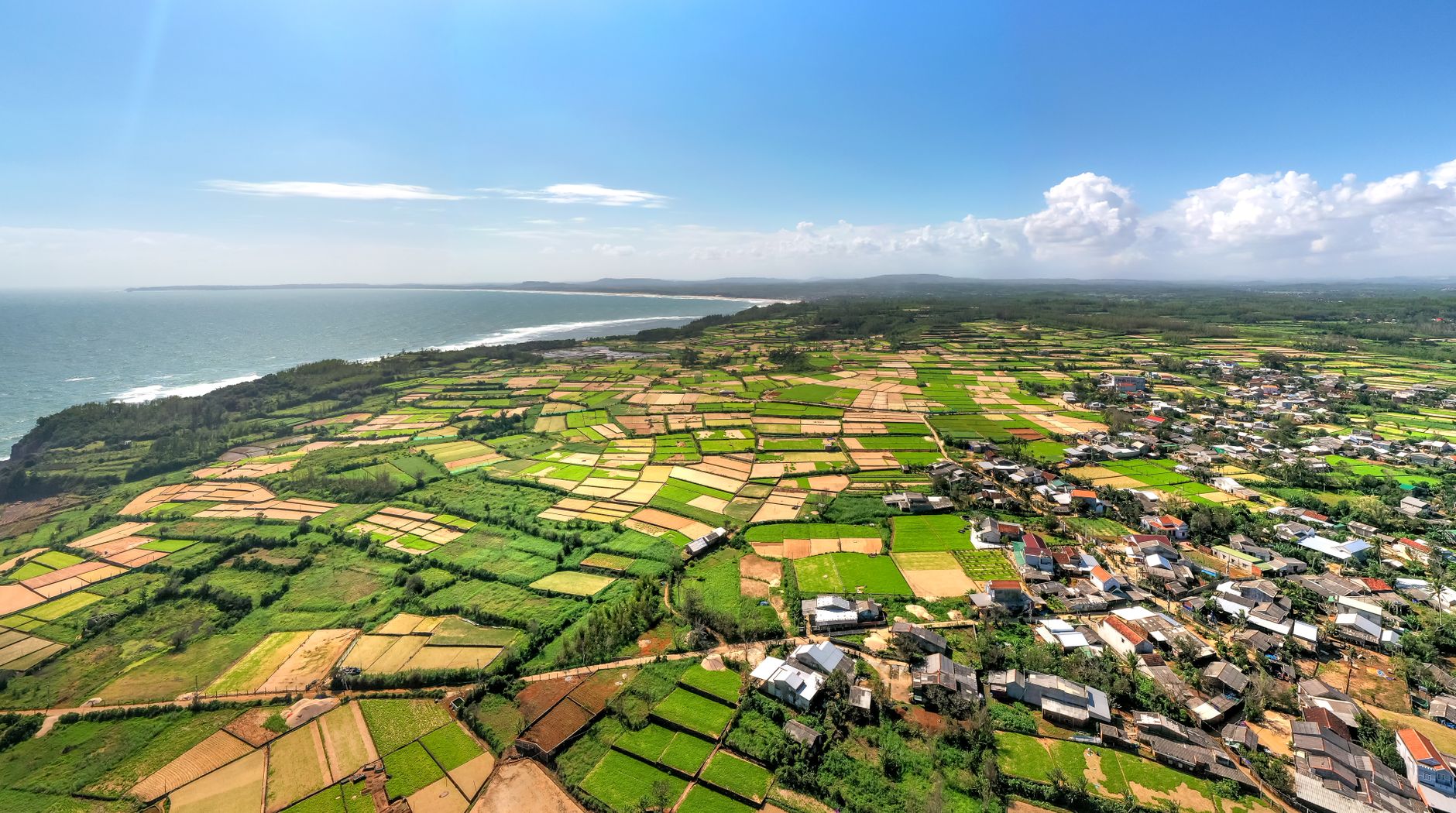
September 2, 2026 · 4 min read
The image of a hammerhead shark often conjures visions of a formidable predator chasing down swift fish or stealthy rays. But what truly sustains these ocean giants? Their unique head shape isn't just for hydrodynamics; it's a finely tuned sensory platform, allowing them to detect prey hidden beneath the sand or camouflaged in rocky crevices.
Beyond the obvious, a hammerhead's diet reveals a fascinating world of smaller, often overlooked creatures. These crucial food sources thrive in some of the planet's most intriguing, yet lesser-known, marine ecosystems. Join us as we explore the surprising meals on a hammerhead's menu, and the vivid, unique places where these crucial prey species play their part in the ocean's intricate story.
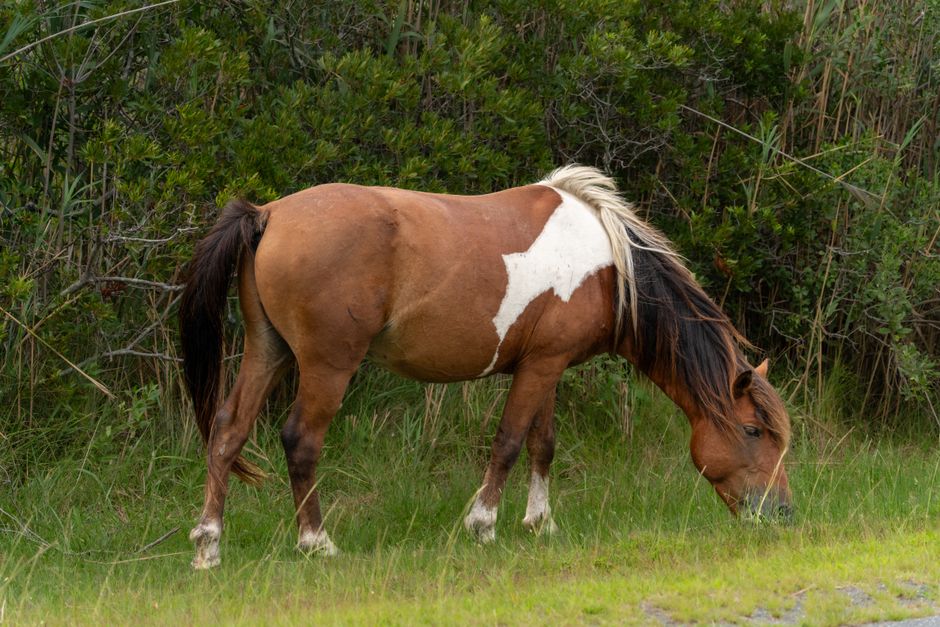
1. The Ghost Crab's Sandy Kingdom
Assateague Island, Maryland/Virginia, USA
Beyond wild horses, this dynamic barrier island holds secrets of ancient tides and scurrying scavengers.
Assateague is a dynamic barrier island, constantly reshaped by ocean currents and wind. Its unique geology creates vast stretches of intertidal zones and dunes, making it a prime habitat for ghost crabs and blue crabs. These crustaceans play a vital role in the island's ecosystem, often overlooked in favor of its famous wild ponies, yet they form a critical food source for many predators, including opportunistic sharks.
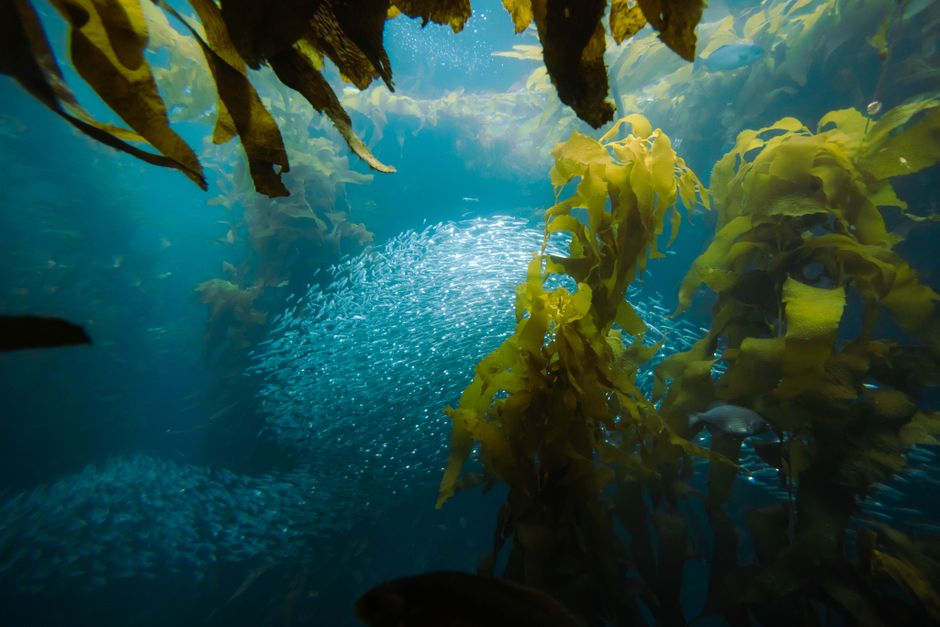
2. Octopus Lairs in Volcanic Grottos
Channel Islands National Park, California, USA
Dive into a realm of ancient volcanic islands where intelligent cephalopods master the art of camouflage.
This remote archipelago off Southern California is a marine biodiversity hotspot, formed by millions of years of tectonic activity and volcanic eruptions. Its dramatic underwater topography, riddled with caves and kelp forests, creates perfect hunting grounds and hiding spots for various octopus species. These clever invertebrates, often on the menu for larger marine predators like hammerheads, are masters of disguise, blending seamlessly with the rugged seafloor and rocky crevices.
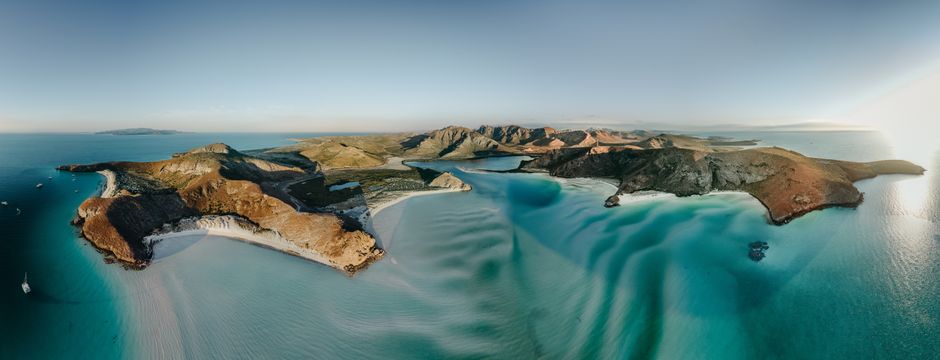
3. The Desert Island's Deep-Sea Feast
Isla Espíritu Santo, Baja California Sur, Mexico
Where arid desert meets the deep blue, the Sea of Cortez reveals a vibrant underwater drama of squid and predator.
A UNESCO World Heritage site, Isla Espíritu Santo is a jewel in the Sea of Cortez, a body of water Jacques Cousteau called 'the world's aquarium.' Its proximity to deep ocean trenches and nutrient-rich upwellings creates an ideal environment for vast schools of squid, including the formidable Humboldt squid. These cephalopods are a cornerstone of the marine food web, attracting a host of pelagic predators, including large hammerhead sharks, who patrol the vibrant waters around this volcanic island.
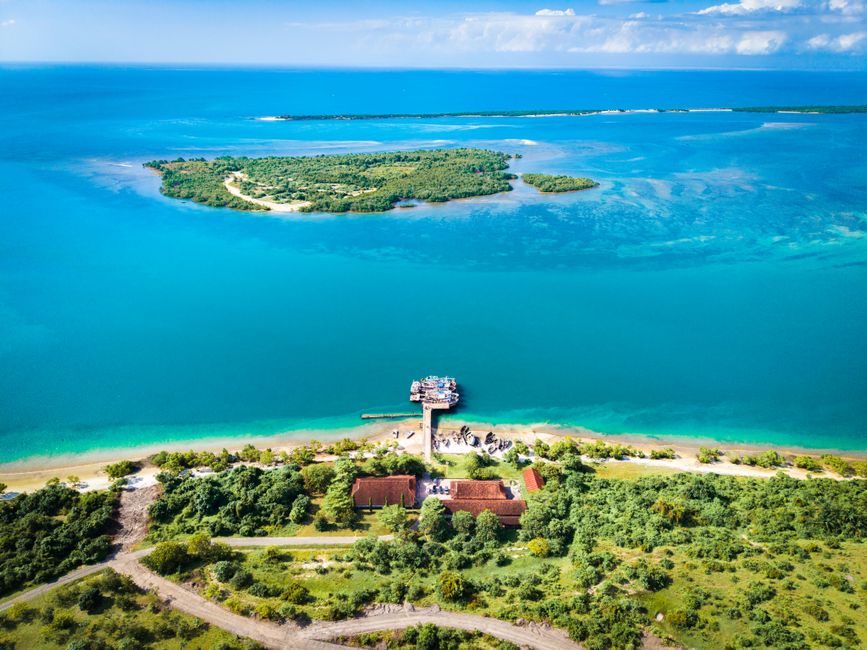
4. Fort Jefferson's Spiny Guardians
Dry Tortugas National Park, Florida, USA
A formidable 19th-century fort guards not just a strategic harbor, but a thriving kingdom of spiny lobsters.
Located 70 miles west of Key West, Dry Tortugas is a cluster of seven small islands, famous for Fort Jefferson, an unfinished coastal fortress. The surrounding shallow waters and pristine coral reefs, protected as a national park, are a crucial habitat for large populations of Caribbean spiny lobsters. These nocturnal crustaceans, with their impressive antennae, are a significant part of the reef ecosystem and a prime target for a variety of marine predators, including hungry hammerheads venturing into the shallows.
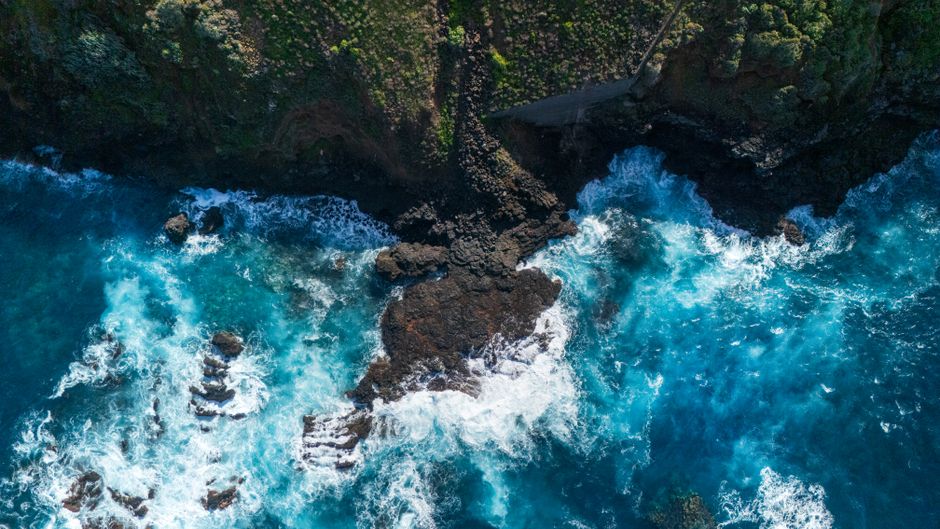
5. Volcanic Reefs and Urchin Gardens
Lord Howe Island, New South Wales, Australia
This crescent-shaped volcanic remnant, a UNESCO gem, hosts a unique reef ecosystem teeming with sea urchins.
Formed by a massive shield volcano millions of years ago, Lord Howe Island is a remote, crescent-shaped paradise with a strictly limited number of visitors. Its isolated location has fostered a unique blend of tropical and temperate marine species, including an abundance of sea urchins that graze on the algae covering its pristine coral reefs. These often-overlooked echinoderms are a vital part of the reef's health and provide a readily available food source for predators with specialized feeding techniques, such as the bottom-foraging hammerheads.
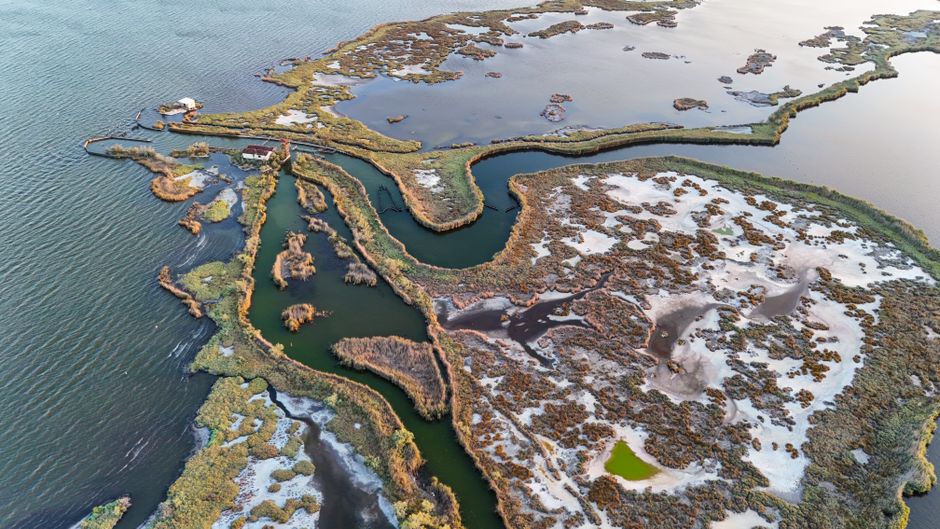
6. Gullah-Geechee Marshes, Crab Country
Sapelo Island, Georgia, USA
Explore a historic Gullah-Geechee island where vast salt marshes hum with life, particularly millions of tiny fiddler crabs.
One of Georgia's barrier islands, Sapelo is largely undeveloped, home to a small Gullah-Geechee community and a marine research institute. Its extensive salt marsh estuaries are among the most productive ecosystems on Earth, teeming with life, notably an astounding density of fiddler crabs. These small, charismatic crustaceans, with their oversized claws, play a critical role in the marsh's health, filtering sediment and providing a rich, accessible food source for countless species, from migratory birds to marine predators navigating the tidal creeks.
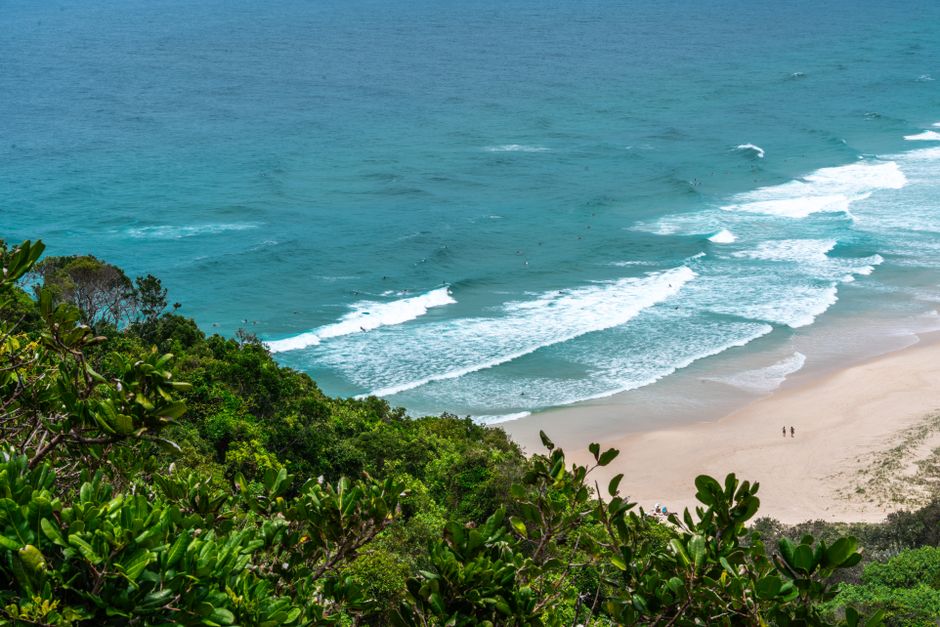
7. Cuttlefish Chameleons of White Sands
Jervis Bay, New South Wales, Australia
Renowned for its dazzlingly white sands, this bay also hides intelligent cuttlefish, masters of disguise.
Jervis Bay boasts some of the whitest sands in the world, contrasting with its vibrant underwater ecosystems. This large marine park is a meeting point of warm and cool currents, fostering incredible biodiversity, including a healthy population of various cuttlefish and squid species. These intelligent cephalopods, known for their rapid color changes and complex hunting strategies, navigate the seagrass beds and rocky reefs, making them a significant part of the local food web and a compelling sight for any marine observer.
Frequently asked questions
Are hammerhead sharks dangerous to humans?
While large and powerful, hammerheads are generally shy and not considered a major threat to humans. Most encounters are non-aggressive, and attacks are extremely rare, usually occurring when the shark feels provoked or confused.
How do hammerhead sharks find their prey?
Hammerheads possess specialized sensory capabilities, including excellent vision and highly developed electroreceptors (ampullae of Lorenzini) on their broad, flattened heads. This allows them to detect the electrical impulses of prey, even when buried in sand.
What are the main threats to hammerhead shark populations?
Overfishing, particularly for their fins in the illegal shark fin trade, is the primary threat. Habitat degradation, bycatch in other fisheries, and climate change also contribute to the decline of several hammerhead species, many of which are endangered or critically endangered.
How can AllTours.ai enhance my exploration of these unique places?
AllTours.ai brings the stories of these places to life. Simply point your phone camera at a landmark or landscape, and the app narrates its history, geology, and culture in your language, offering a deeper understanding of both the visible and the hidden wonders.
Related guides
Photography via Pexels. AllTours.ai is an AI audio tour guide — point your camera at any landscape and hear its story.