September 19, 2026 · 4 min read
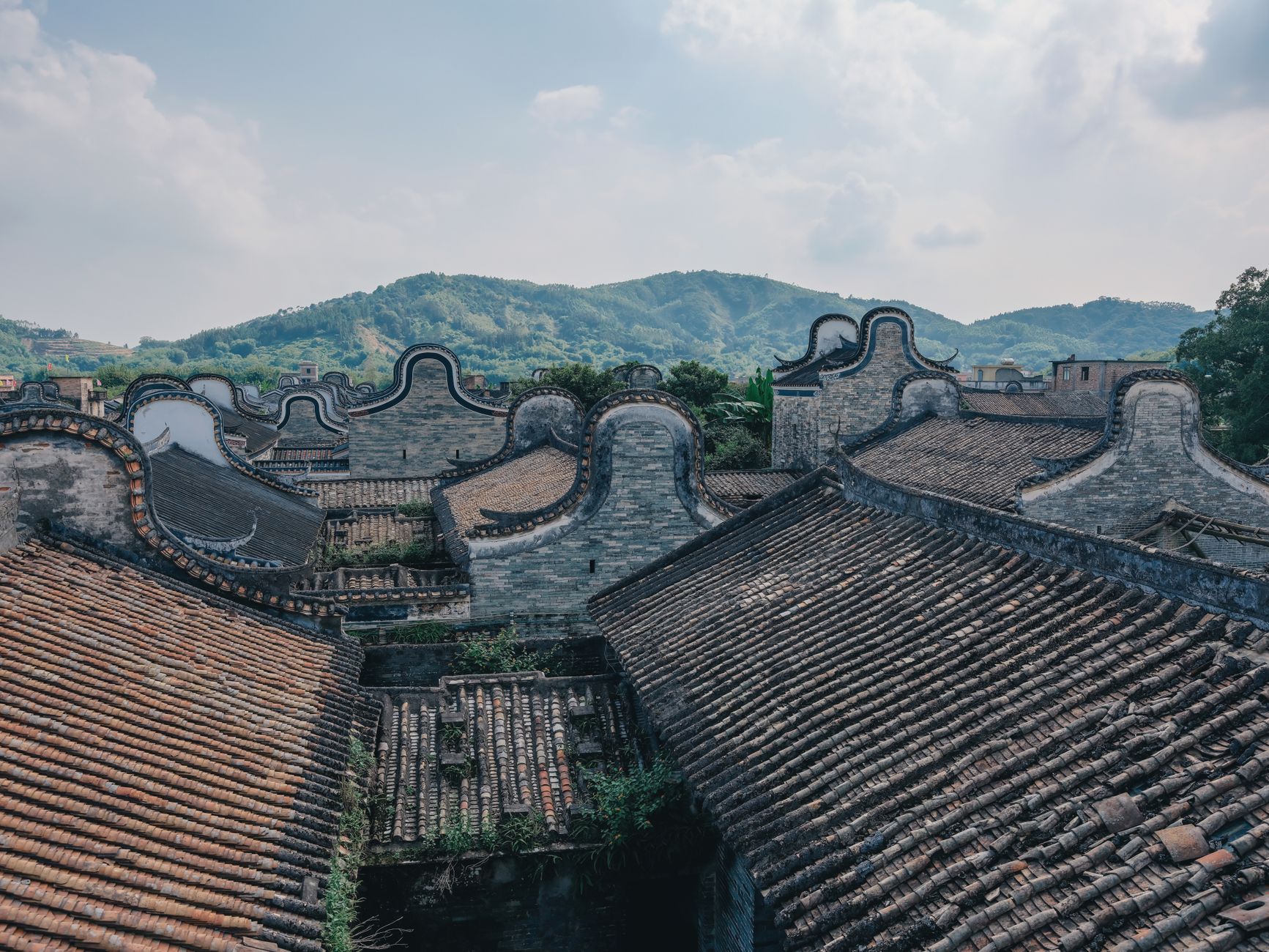
The question 'What food could you eat every day without getting tired of it?' often sparks debates about comfort foods and personal preferences. But what if the answer wasn't just a dish, but an entire cultural experience, deeply rooted in history, geology, and a way of life? Beyond the usual culinary hotspots, there are places where food isn't just sustenance; it's a living story.
Imagine meals shaped by high-altitude living, ingenious preservation techniques, or ancient traditions passed down through generations. These are the flavors that captivate not just the palate, but the mind, offering a profound connection to a place. We've journeyed off the beaten path to uncover dishes so compelling, you might just find yourself longing for them daily.
1. Svaneti's Warrior Bread
Svaneti, Georgia
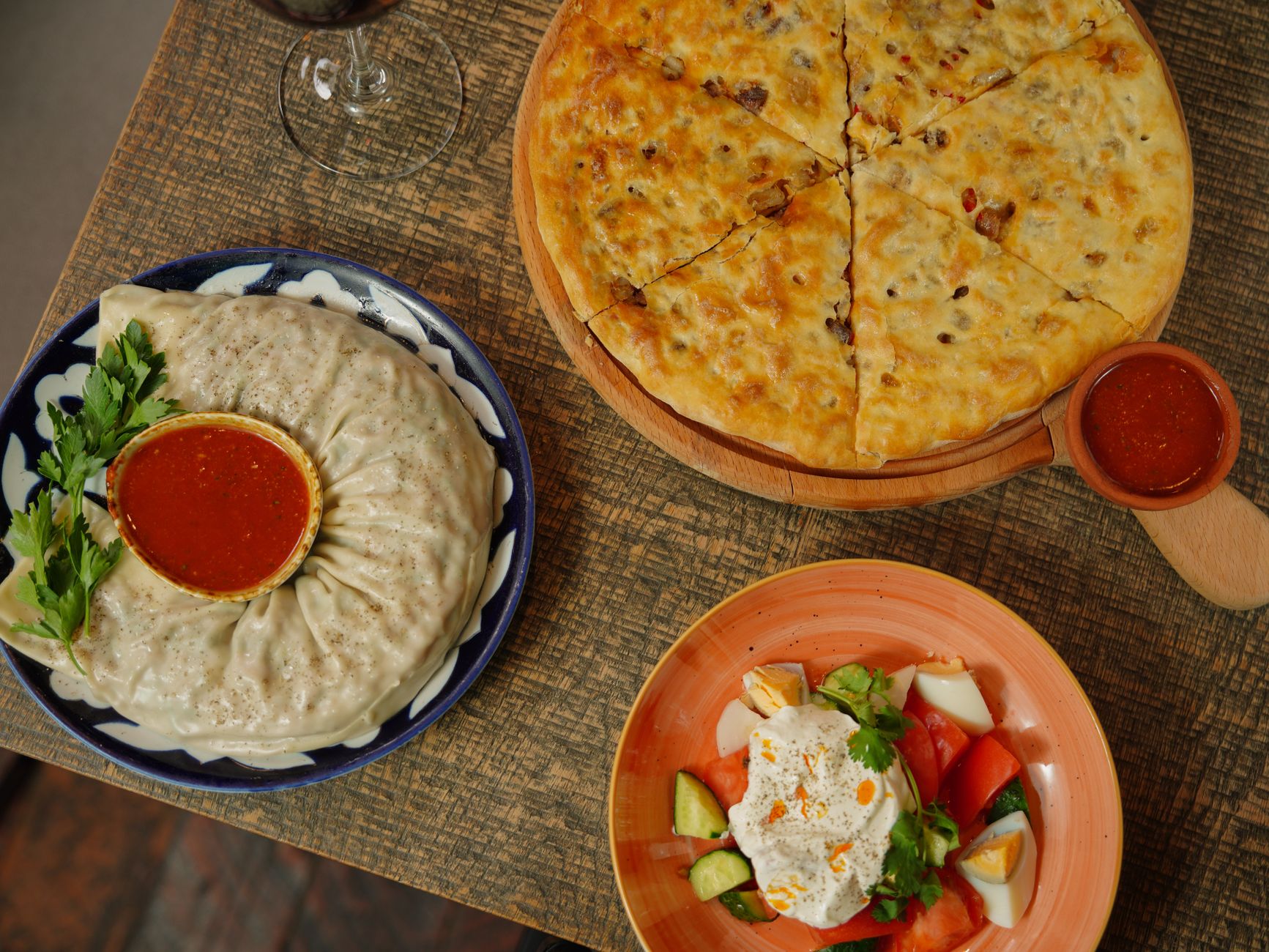
This ancient meat-filled bread from Georgia's highest mountains was once the staple of fierce Svan warriors.
High in the Caucasus, the isolated Svaneti region developed a cuisine as resilient as its people. Kubdari, a savory bread stuffed with spiced minced meat (often lamb or beef), reflects this heritage. The unique blend of local spices, including svanuri marili (Svan salt), gives it a distinct flavor. Historically, it was a nourishing, portable meal for the Svan guards who protected their mountain passes, a tradition still celebrated today.
2. Typhoon-Forged Banana Stalk Bites
Batanes Islands, Philippines
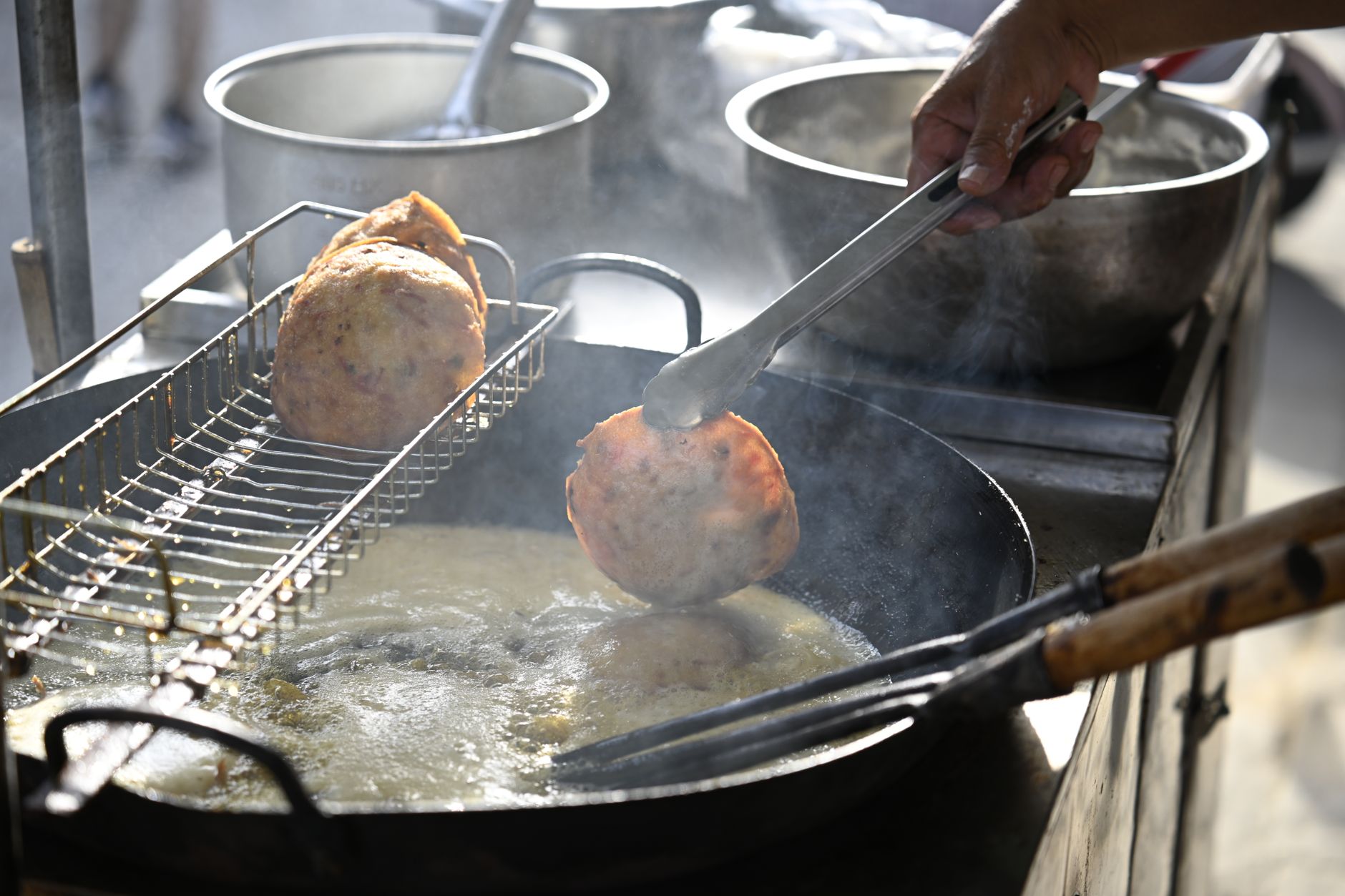
In the Philippines' northernmost, typhoon-battered islands, locals ingeniously transform banana stalks into a unique, nourishing meatball.
The remote Batanes islands, frequently hit by typhoons, have fostered a resilient culture and a resourceful cuisine. 'Uvud' refers to the soft, edible core of a banana stalk, which is finely chopped, mixed with ground pork or fish, and seasoned before being fried or stewed. This dish is a testament to the Ivatan people's ability to thrive in a challenging environment, utilizing every part of the plants available to them for sustenance and flavor.
3. Asturian Mountain Hearth Stew
Asturias, Spain
This hearty bean stew from Spain's rugged north has ancient Celtic roots and sustained generations of mountain dwellers through harsh winters.
Nestled between the Cantabrian Mountains and the Bay of Biscay, Asturias is known for its lush green landscapes and robust cuisine. Fabada Asturiana, a rich stew featuring large white beans (faba de la Granja), chorizo, blood sausage, and pork shoulder, is its culinary cornerstone. Its origins are shrouded in peasant tradition, providing essential calories and warmth. The specific local beans, cultivated in the region's unique climate, are crucial to its creamy texture and distinctive flavor.

4. Sardinia's Music Paper Bread
Nuoro, Sardinia, Italy
Known as "music paper bread," this wafer-thin flatbread from Sardinia's interior was designed by shepherds for weeks-long journeys across ancient landscapes.
In the rugged heart of Sardinia, specifically around the Nuoro province, pane carasau is more than just bread; it's a cultural icon. This incredibly thin, crisp flatbread, sometimes called carta da musica, was traditionally baked by shepherds. Its low moisture content allowed it to be stored for months without spoiling, making it the perfect companion for their long sojourns. Today, it's enjoyed plain, moistened with water and oil, or topped with various ingredients, reflecting centuries of resilient Sardinian life.
5. Hokkaido's Indigenous Soul Stew
Hokkaido, Japan
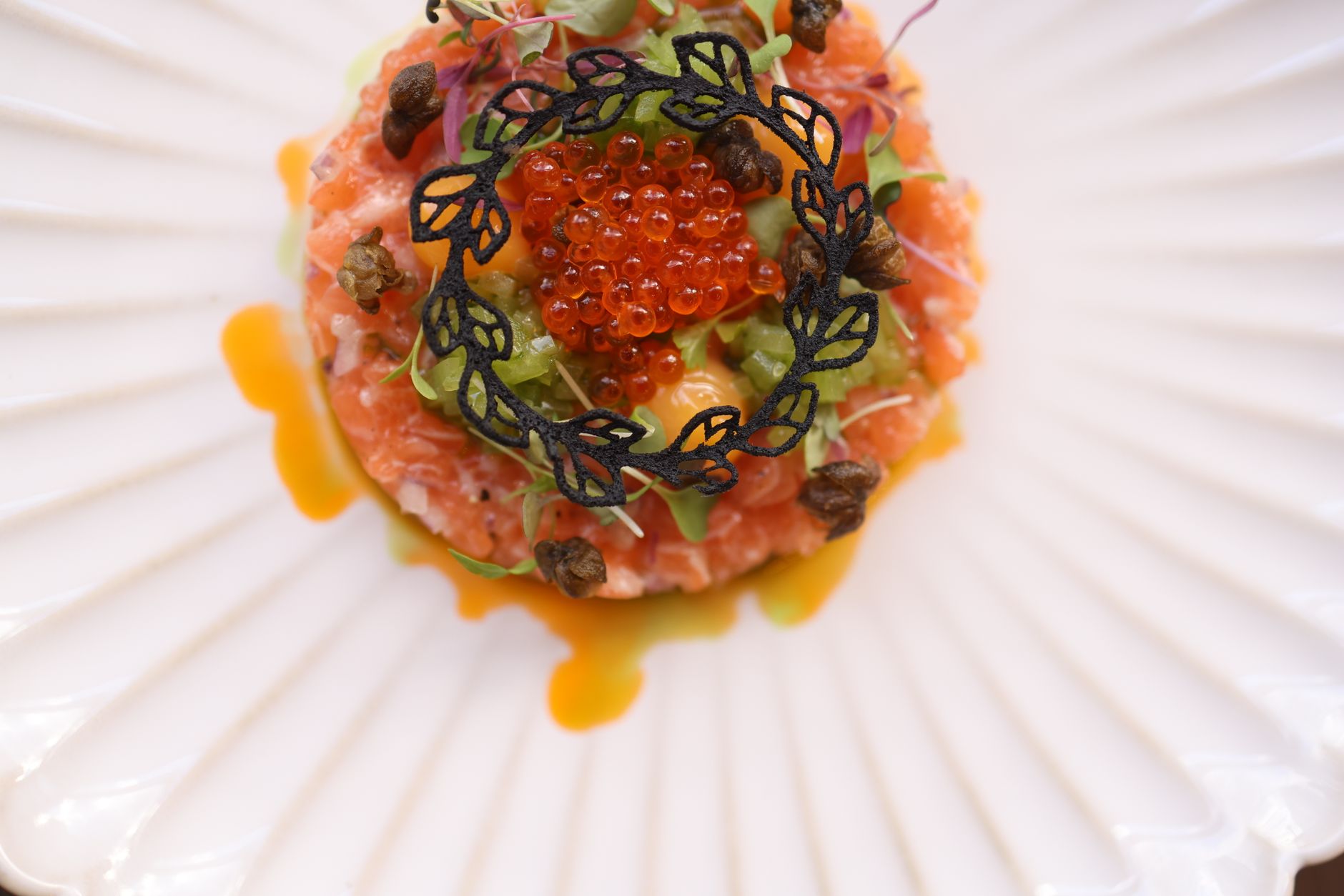
This ancient, nourishing stew is a cornerstone of Ainu cuisine, reflecting the indigenous people's deep spiritual connection to Hokkaido's natural bounty.
The Ainu, the indigenous people of Hokkaido, Japan, have a distinct culinary heritage centered on foraging, hunting, and fishing. Ohaw is a traditional clear broth stew, typically featuring seasonal wild vegetables, forest mushrooms, fish (like salmon), or venison. Its simplicity belies a profound respect for nature and the ingredients it provides, reflecting the Ainu philosophy of kamuy (deities) in everything. It’s a taste of a culture that harmonizes deeply with its environment.
6. Alentejo's Bread & Garlic Wisdom
Alentejo, Portugal
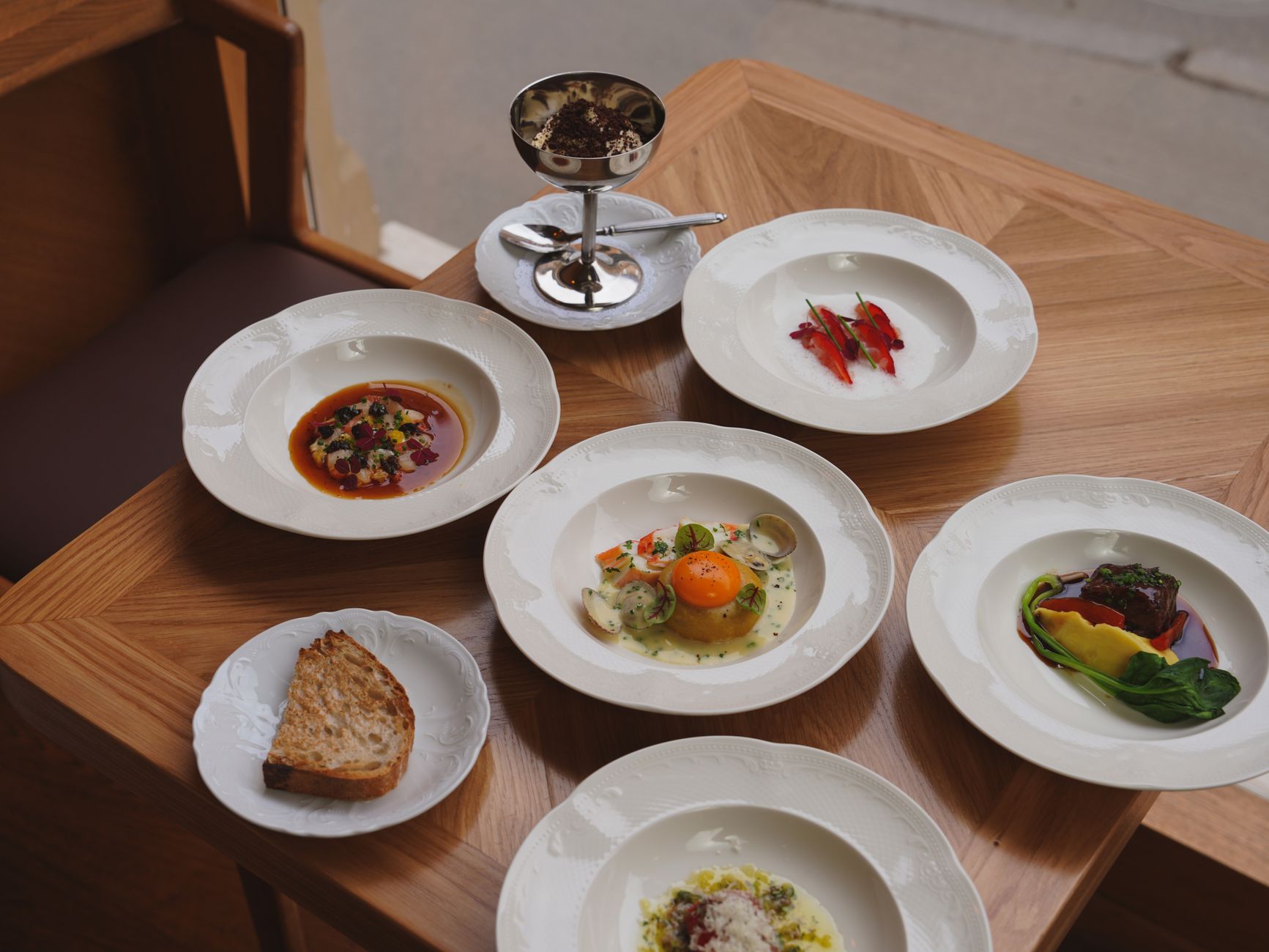
This humble bread soup from Portugal's vast Alentejo plains transforms stale bread into a flavorful, ancient delicacy.
Alentejo, a region of rolling plains and cork oak forests in south-central Portugal, is celebrated for its rustic, flavorful cuisine. Açorda Alentejana is a prime example of its ingenuity: a simple "soup" made by pouring boiling water or broth over slices of stale bread, seasoned generously with garlic, cilantro, and olive oil, often topped with a poached egg. This dish originated as a staple for peasants, making the most of available ingredients and reflecting centuries of Roman and Moorish culinary influences in its aromatic profile.
7. Bhutan's Fiery Cheese Embrace
Phobjikha Valley, Bhutan
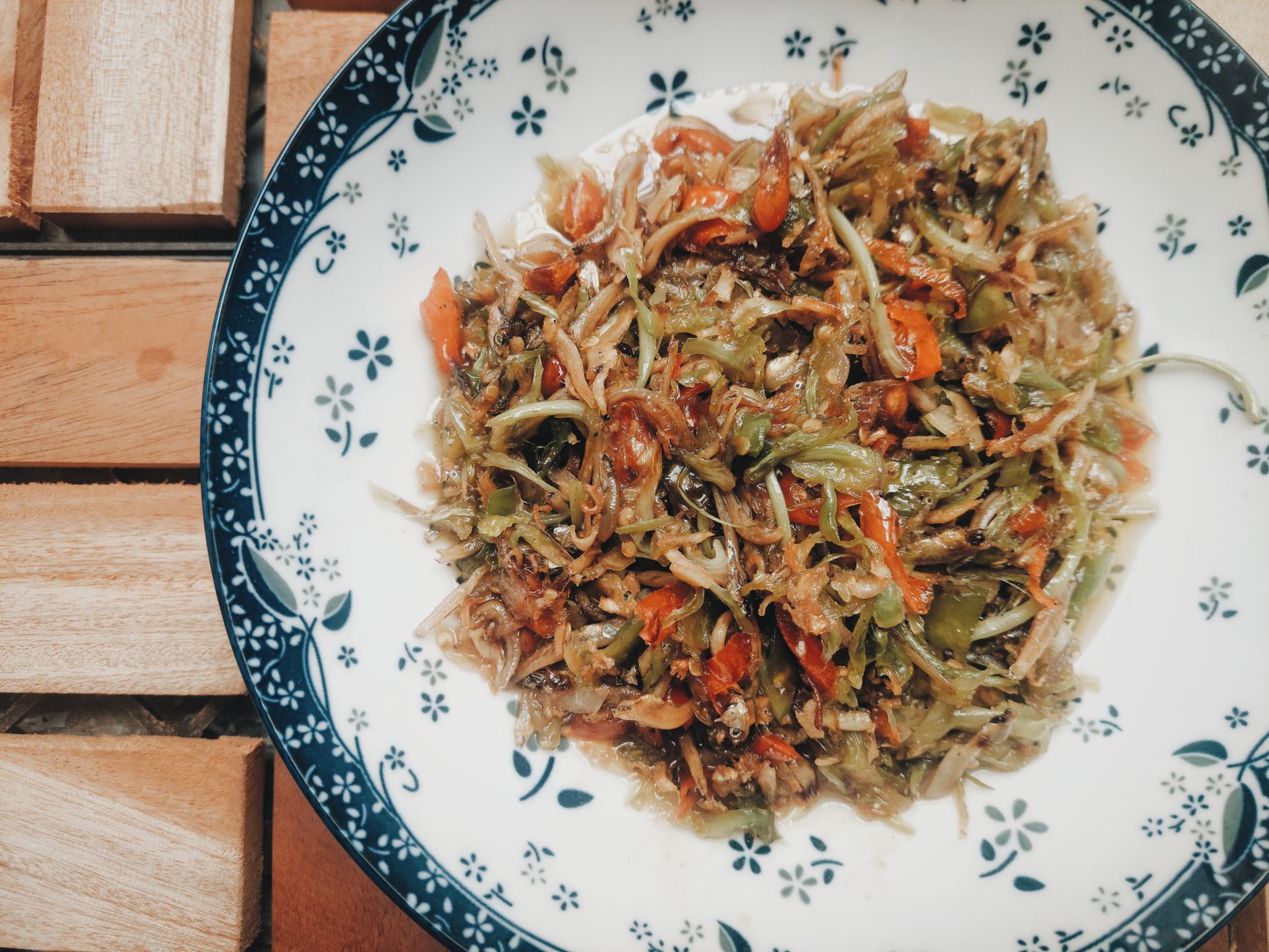
Bhutan's national dish, Ema Datshi, is a unique chili and cheese stew where chilies are considered a vegetable, not just a spice.
In the serene Phobjikha Valley, a vast U-shaped glacial valley in central Bhutan, Ema Datshi is a daily ritual. This creamy stew combines fiery local chilies (ema) and traditional yak cheese (datshi), often with potatoes or mushrooms. Unlike many cuisines where chilies are a condiment, here they are the star, providing substance and heat. It's a dish that perfectly embodies Bhutanese comfort and resilience in the high altitudes, and a true taste of the Dragon Kingdom.

8. Tigray's Barley Dumpling Tradition
Tigray Region, Ethiopia
This unique dish from Ethiopia's northern Tigray region features barley dumplings traditionally eaten communally with a stick, not cutlery.
In the dramatic highlands of Ethiopia's Tigray region, Tihlo offers a distinct culinary experience. It consists of small, firm balls made from roasted barley flour, served with a spicy stew (often shiro or meat sauce) and local cheese. What makes it particularly unique is the traditional way of eating: using a special wooden stick to spear a dumpling and dip it into the sauce, reflecting an ancient, communal dining custom unique to this area. It's a taste of Tigray's deep-rooted history and agricultural heritage.
Frequently asked questions
What makes these "lesser-known" foods so special?
These dishes are often deeply intertwined with specific regional histories, unique local ingredients, and distinct cultural practices that haven't been widely globalized. They offer a more authentic and profound taste of a place than widely popular tourist fare.
Are these dishes difficult to find for travelers?
While not typically found on mainstream restaurant menus, many of these dishes are staples in their local regions. Seeking out family-run eateries, village markets, or local festivals is often the best way to experience them authentically.
How do locals eat these foods daily without getting tired of them?
For many cultures, these dishes aren't just food; they are sustenance, comfort, and a connection to heritage. Variations in preparation, seasonal ingredients, or the social ritual of eating them keep them fresh and vital in daily life.
How can AllTours.ai help me discover these unique places and their stories?
AllTours.ai uses AI to provide instant audio tours. Simply point your phone camera at a landmark or landscape, and the app will narrate its history, geology, and cultural significance in your language, helping you uncover the hidden stories behind places and their unique culinary traditions.
Related guides
Photography via Pexels. AllTours.ai is an AI audio tour guide — point your camera at any landscape and hear its story.