July 18, 2026 · 4 min read
The best travel experiences aren't always found on a postcard. Often, the most profound 'entrees' into a destination's true character are hidden gems, places that offer a rich tapestry of history, geology, or culture without the usual crowds or price tags. These are the spots that spark genuine curiosity and offer a unique window into the world.
If you're wondering what is an inexpensive classic entree to a truly memorable journey, look no further. We've curated a list of extraordinary, lesser-known places, each with a specific, vivid story waiting to be uncovered. Forget the usual tourist trails; prepare to be surprised.
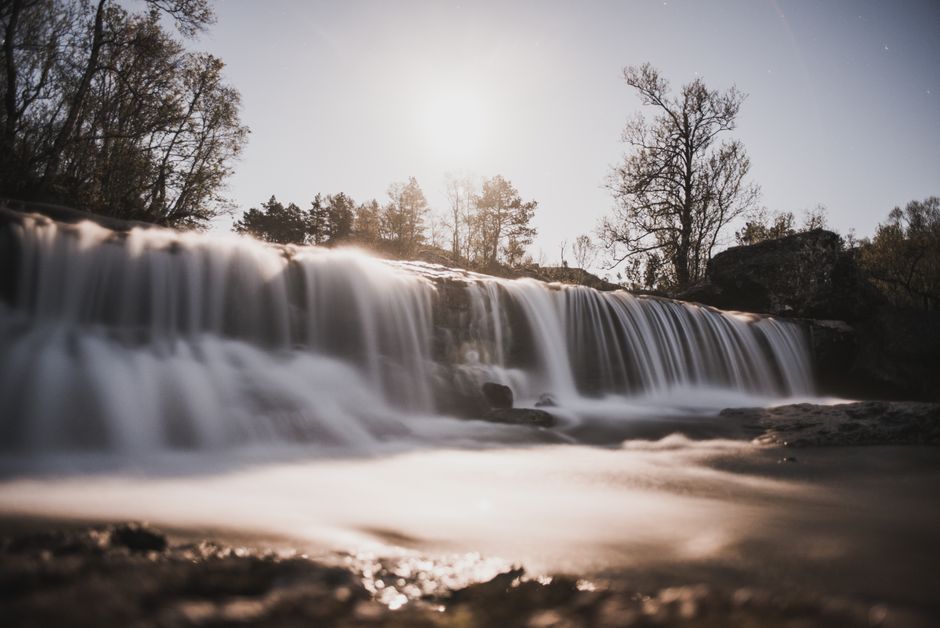
1. Europe's Widest Waterfall
Kuldīga, Latvia
Europe's widest waterfall, Ventas Rumba, was once a unique fishing spot where locals literally caught salmon mid-air.
At 249 meters across but only 1.8-2.2 meters high, the Ventas Rumba isn't about height, but sheer scale. Historically, during spring spawning, salmon leap against the falls. Ingenious locals would place wicker baskets or even build stone weirs on the waterfall's ledges to catch them, a tradition that earned Kuldīga fame as a 'salmon capital.' Today, it's a tranquil natural wonder, still attracting fish and curious travelers.
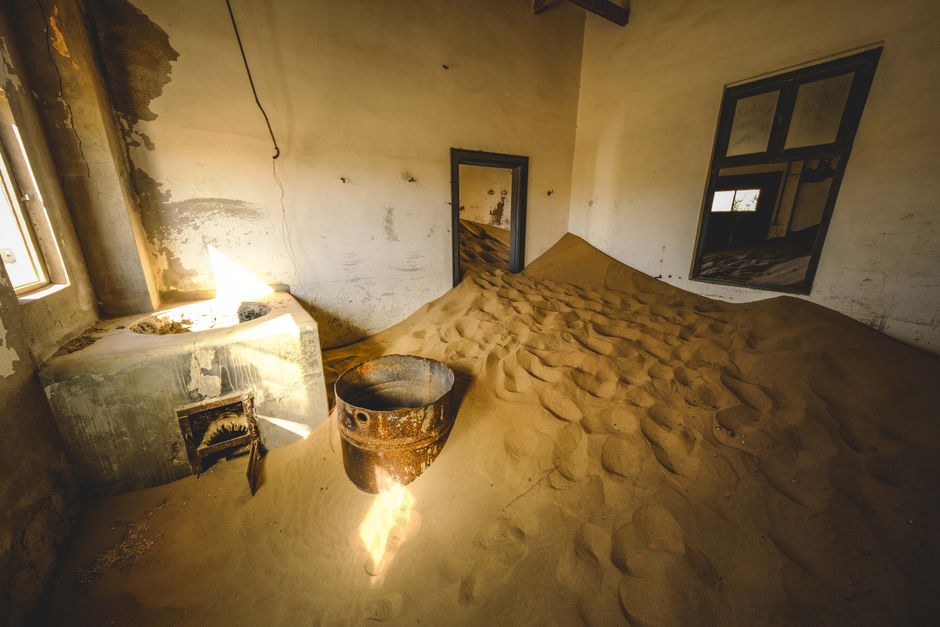
2. The Diamond Ghost Town
Kolmanskop, Namibia
This abandoned German diamond mining town is slowly being reclaimed by the Namib Desert, with houses eerily half-filled with sand.
Once a bustling, opulent settlement in the early 20th century, Kolmanskop provided its German inhabitants with European luxuries like a casino, bowling alley, and ice factory, all fueled by the nearby diamond fields. As diamond prices dropped and richer deposits were found elsewhere, the town was deserted by the 1950s. Today, visitors can walk through houses where dunes spill through doorways and windows, creating a surreal landscape where nature silently reclaims human ambition.
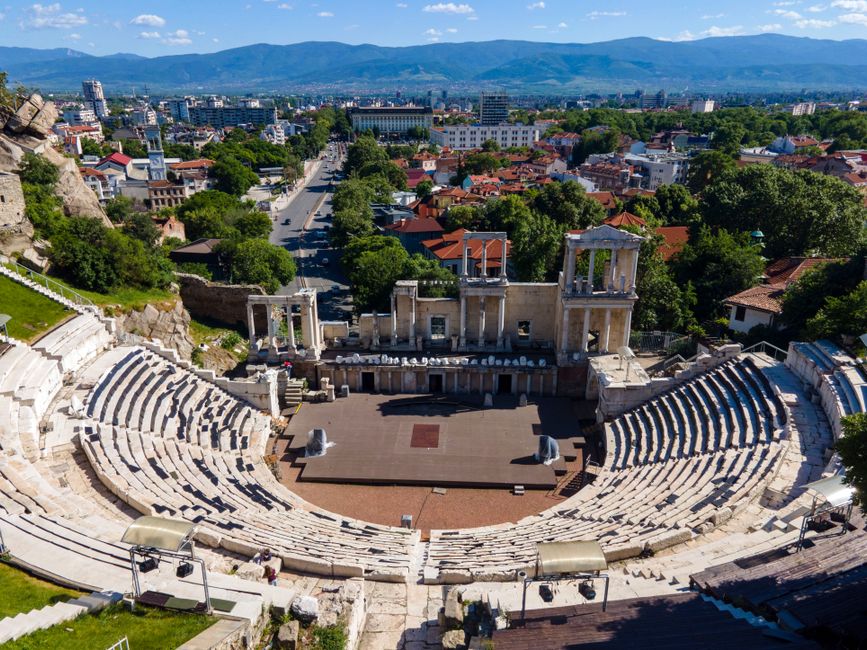
3. The Living Roman Theatre
Plovdiv, Bulgaria
Plovdiv, one of Europe's oldest continuously inhabited cities, still uses its ancient Roman amphitheater for concerts and events today.
Built in the 1st century AD, the Roman Theatre of Philippopolis was once buried for centuries, only dramatically rediscovered after a landslide in the 1970s. This remarkably preserved structure, capable of seating thousands, now stands as a vibrant cultural heart of modern Plovdiv. It's not a relic behind glass, but a living testament to history, hosting operas, plays, and festivals, allowing visitors to experience ancient grandeur alongside contemporary life.
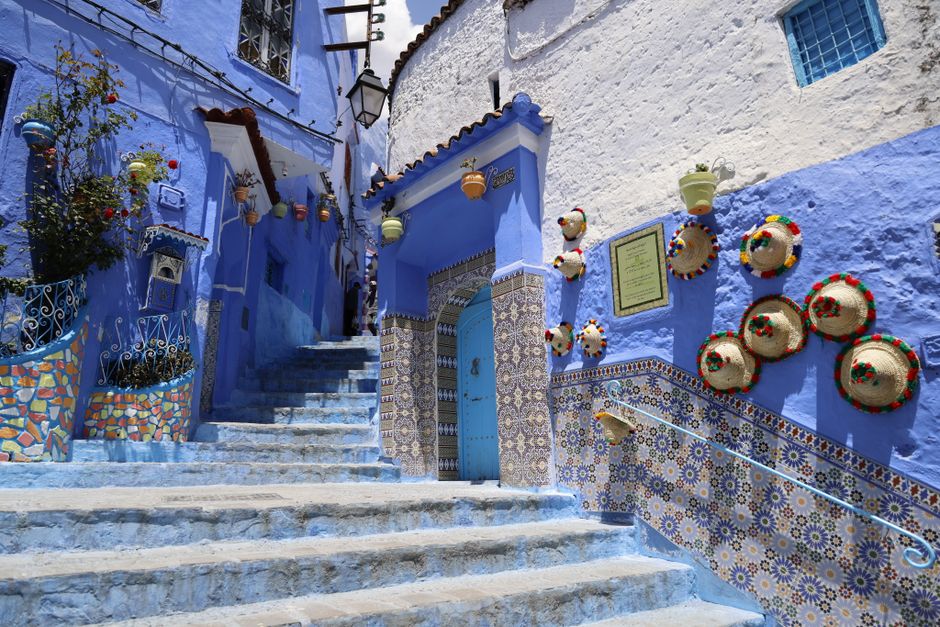
4. The Blue City's Hidden History
Chefchaouen, Morocco
The famous blue hue of Chefchaouen's buildings may trace back to 15th-century Jewish refugees, not just aesthetics.
While many theories explain Chefchaouen's iconic blue walls – from repelling mosquitoes to symbolizing the sky and ocean – a compelling historical theory points to Jewish refugees who settled here after fleeing the Spanish Inquisition in 1492. In Judaism, blue is a sacred color, representing the heavens and God's presence. These newcomers painted their homes blue, a tradition that was later embraced and maintained by the local Muslim population, creating the stunning visual identity we see today.
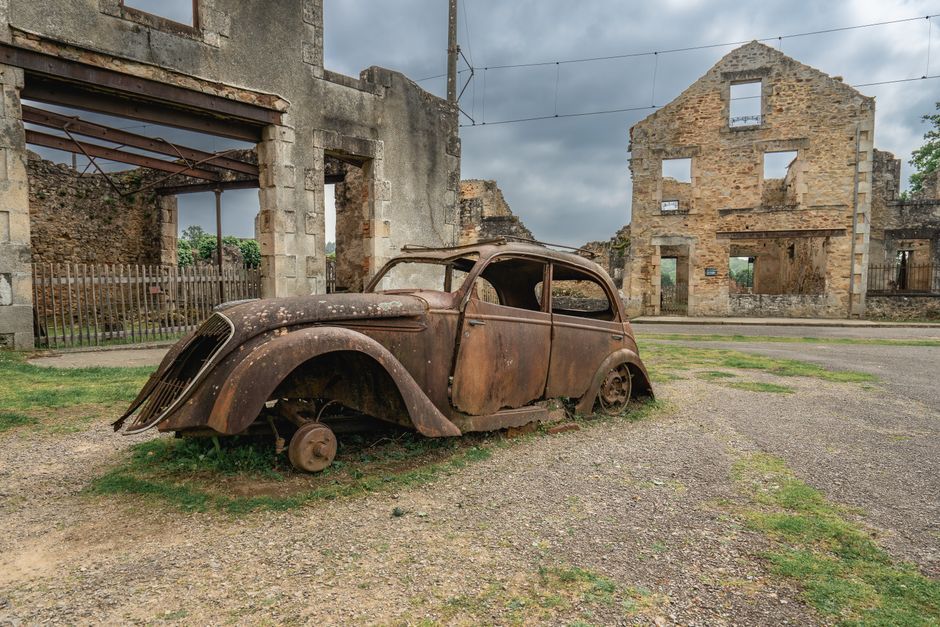
5. A Village Frozen in Time
Oradour-sur-Glane, France
This French village stands exactly as it was left on June 10, 1944, a stark, preserved memorial to a horrific WWII massacre.
On that devastating day, Nazi SS troops surrounded Oradour-sur-Glane, massacred 642 inhabitants – men, women, and children – and then burned the village to the ground. French President Charles de Gaulle decreed that the village should remain untouched as a permanent memorial. Walking through its silent, ruined streets, past rusted sewing machines, abandoned cars, and the shell of its church, offers a profoundly moving and chilling glimpse into one of the war's darkest episodes.
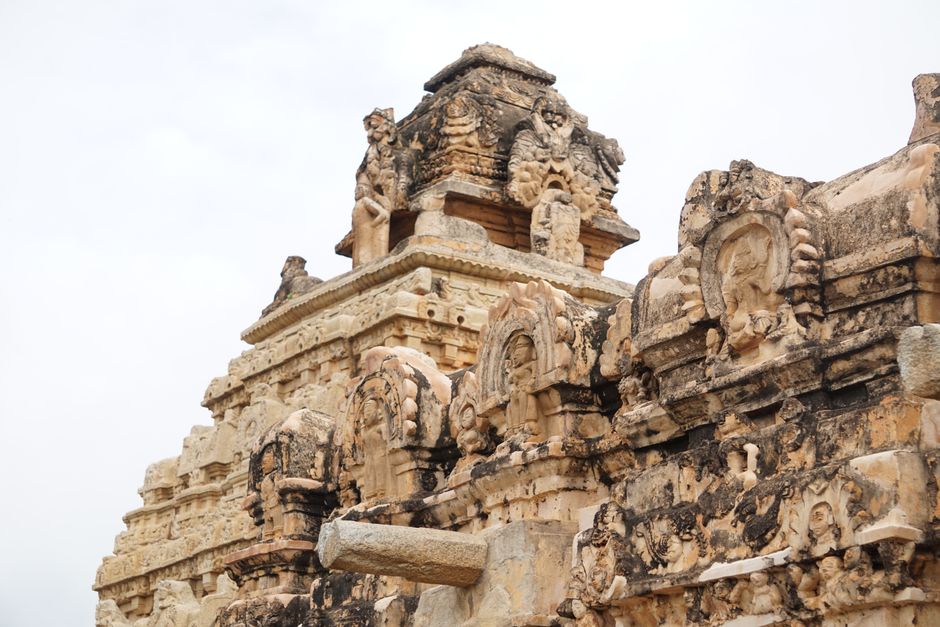
6. Ancient India's Camera Obscura
Hampi, India
Inside Hampi's Virupaksha Temple, a tiny hole acts as a natural camera obscura, projecting an inverted image of the main tower.
The majestic Virupaksha Temple, part of the UNESCO World Heritage Site of Hampi, holds a secret of ancient Indian ingenuity. In one of its dark chambers, a small aperture on a wall works like a pinhole camera. Light passing through it projects a perfectly inverted, real-time image of the temple's towering gopuram onto the opposite wall. This sophisticated optical effect, centuries old, demonstrates an advanced understanding of light and vision by its builders, long before modern photography.
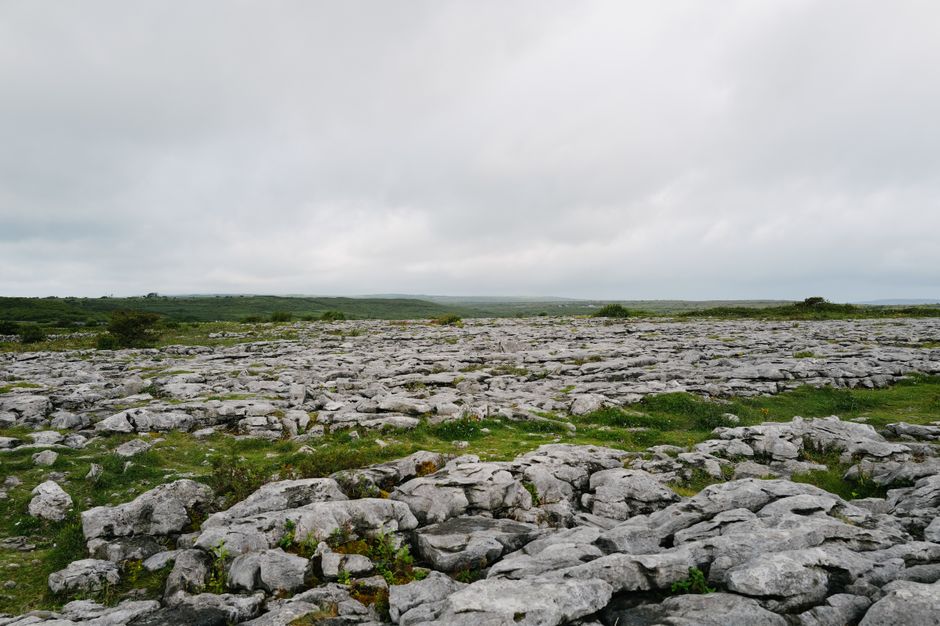
7. Ireland's Lunar Landscape
County Clare, Ireland
The Burren is a vast, treeless expanse of cracked limestone pavement where Arctic, Alpine, and Mediterranean plants remarkably thrive side-by-side.
This surreal, almost lunar landscape in County Clare is a geological marvel. Its expansive, glaciated limestone pavement, crisscrossed by deep fissures (grykes), creates a unique microclimate. Within these sheltered cracks, an extraordinary botanical phenomenon occurs: plants typically found in Arctic, Alpine, and Mediterranean regions grow together. This bizarre coexistence, alongside ancient megalithic tombs and stone forts, makes the Burren a captivating, wild corner of Ireland unlike any other.
Frequently asked questions
What makes a travel destination "underrated"?
An underrated destination often offers unique cultural or natural experiences without the massive crowds and commercialization of more famous spots. These places provide a more authentic and often more affordable way to connect with local life and history, offering rich discoveries for the curious traveler.
How can I find truly local, inexpensive experiences?
Beyond popular guidebooks, delve into local blogs, community forums, or talk to residents. Look for public markets, free walking tours, or historical markers and parks that don't charge admission. These often reveal the true "entree" to a place's character without a high price tag.
Are these lesser-known places safe to visit?
Generally, yes, but like any travel, it's wise to research current local conditions and safety advisories for your specific destination. Lesser-known spots often have strong community ties. Practicing standard travel safety precautions, like being aware of your surroundings, is always recommended.
How does AllTours.ai help me explore these places?
AllTours.ai transforms your phone into a personal AI audio tour guide. Simply point your camera at any landmark, landscape, or even a local street scene, and the app instantly narrates its history, geology, and culture in your preferred language. It's like having a local expert whisper fascinating stories directly into your ear, bringing every corner of a destination to life.
Related guides
Photography via Pexels. AllTours.ai is an AI audio tour guide — point your camera at any landscape and hear its story.