July 20, 2026 · 4 min read
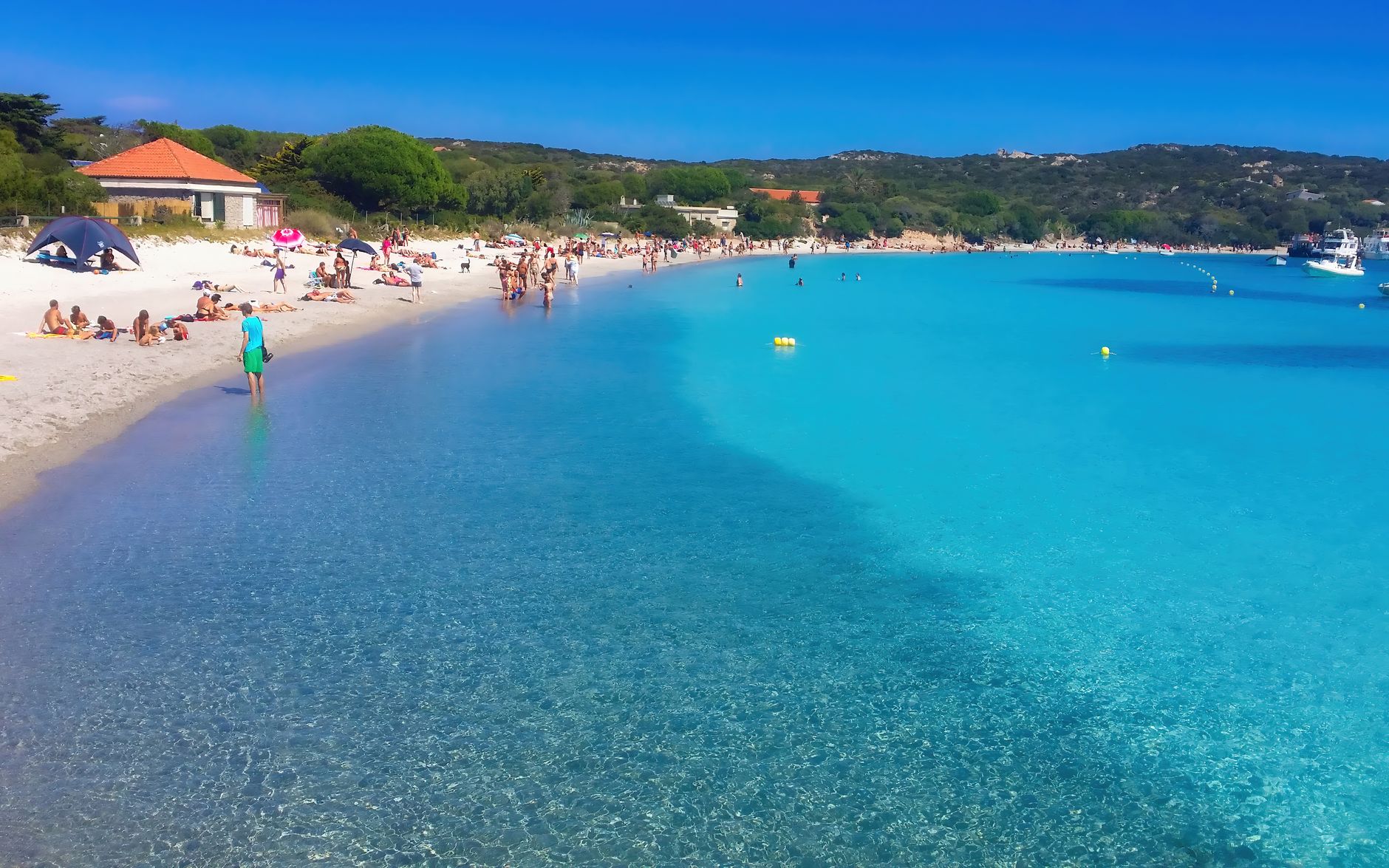
La Pelosa Beach in Sardinia is undeniably breathtaking. Its impossibly turquoise, shallow waters and fine, white sand feel like a slice of the Caribbean dropped into the Mediterranean. But this paradise comes with a catch: to preserve its delicate ecosystem, a reservation is now required. This unique measure sparks curiosity: what truly makes this stretch of coast so special that it demands such protection?
While La Pelosa's beauty is undeniable, Sardinia's northwest coast offers far more than just famous sands. Venture beyond the well-trodden paths, and you'll uncover a rich tapestry of history, geology, and culture. From ancient ruins to industrial ghost towns, the stories embedded in this landscape are as captivating as the views. Here are some of the lesser-known wonders waiting to surprise you.
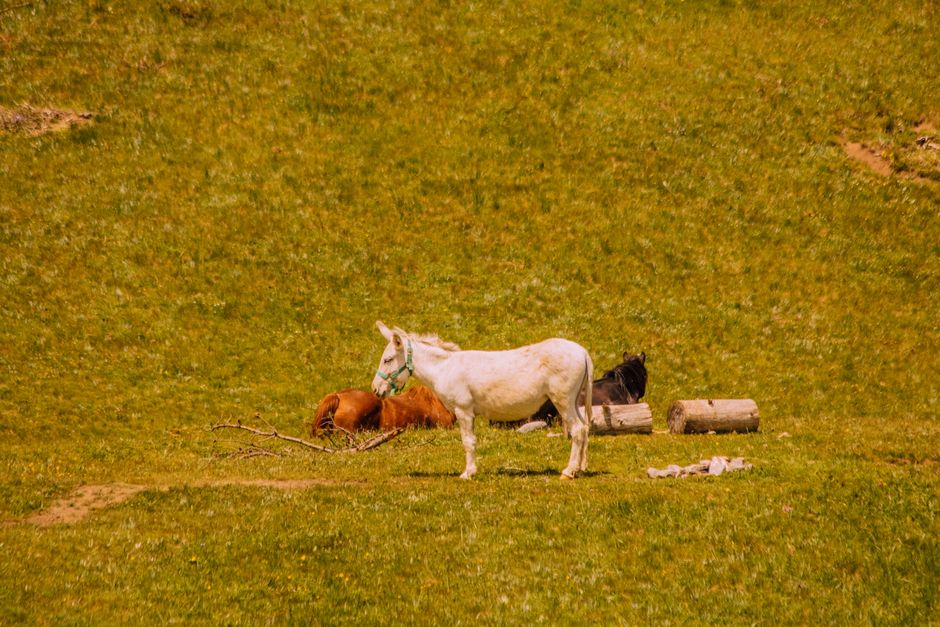
1. Asinara Island: The Island of White Donkeys and Dark Secrets
Asinara Island, Sardinia, Italy
This pristine island, now a national park, once served as a maximum-security prison and a quarantine station, isolating it from the mainland for centuries.
For over a century, Asinara was off-limits, first as a lazaretto for infectious diseases, then as Italy's most formidable prison, housing dangerous criminals and even mafia bosses. This forced isolation inadvertently preserved its unique ecosystem, allowing rare species like the albino donkey to thrive. Today, visitors can explore abandoned prison structures and enjoy untouched nature, understanding how human history shaped its wild beauty.
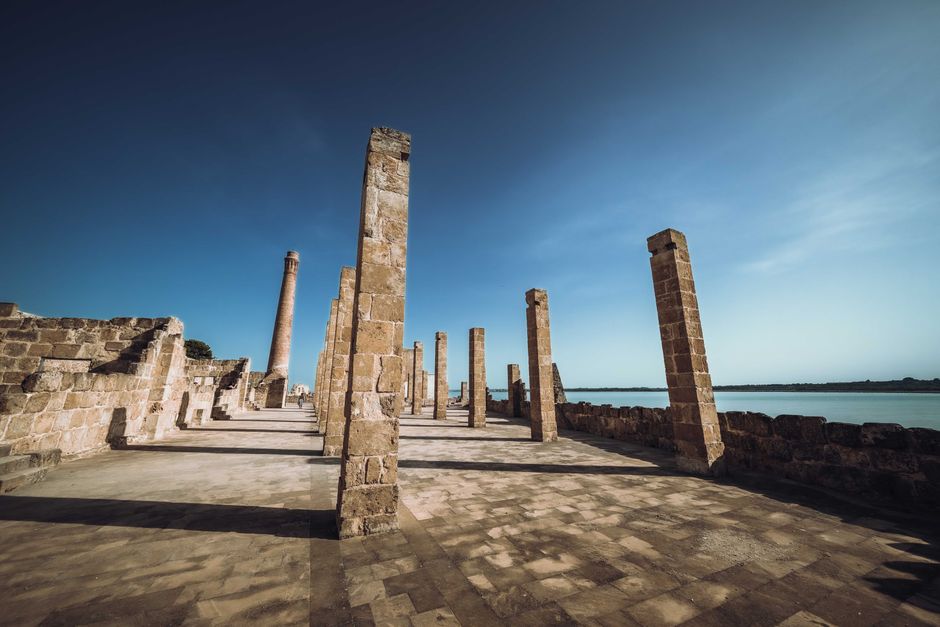
2. The Silent Sentinels of Tonnara di Stintino
Stintino, Sardinia, Italy
The historic "tonnara" of Stintino isn't just an old building; it's a testament to the ancient and brutal tradition of tuna fishing that shaped the local community for generations.
Before tourism became its lifeblood, Stintino thrived on the "mattanza," the traditional tuna slaughter. The Tonnara, with its vast warehouses and complex system of nets, was the heart of this industry. Fishermen would guide migrating tuna through a series of underwater chambers to a final "death chamber," a ritual both economic necessity and deeply cultural. The abandoned structures whisper tales of hard labor, communal life, and the sea's bounty.
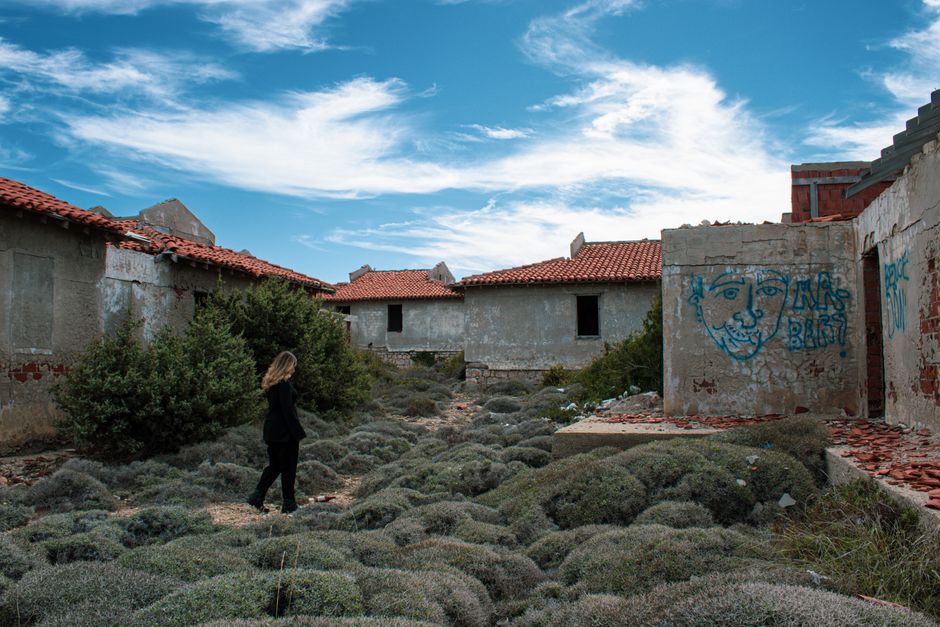
3. Argentiera: A Ghost Town Born from Silver
Argentiera, Sardinia, Italy
This seemingly deserted village is a relic of Sardinia's rich mining past, where the pursuit of silver transformed a remote coast into a bustling, if harsh, industrial hub.
The name Argentiera directly translates to "silver mine," and for centuries, this was a vibrant center of extraction. Miners toiled in challenging conditions, extracting lead, zinc, and silver that powered European industry. The village flourished with housing, schools, and services, only to be abandoned as the mines became unprofitable in the mid-20th century. Today, its decaying buildings and machinery stand as a poignant open-air museum, a stark reminder of a vanished way of life.
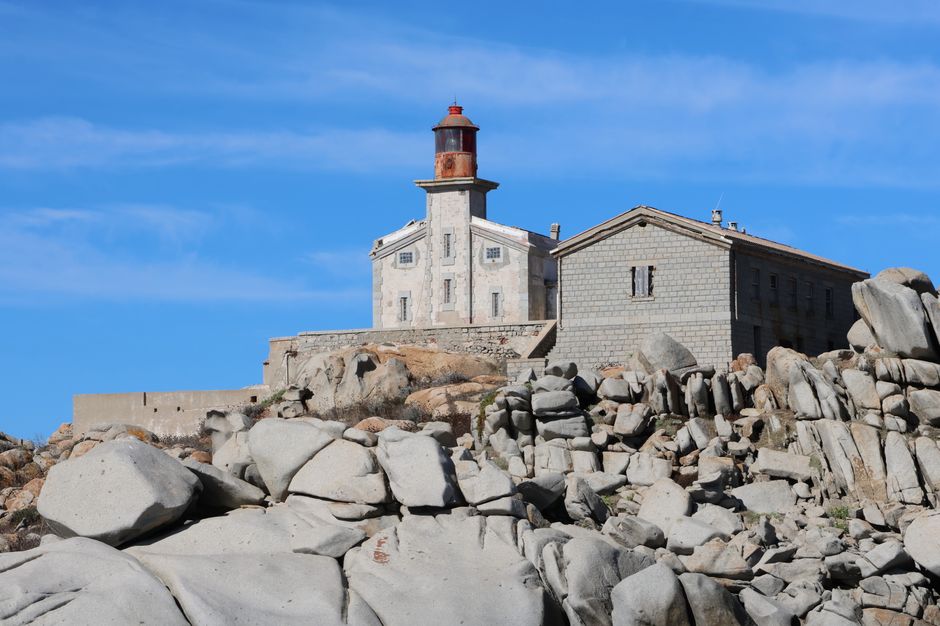
4. Capo Falcone Tower: A Lookout Against Barbary Pirates
Stintino, Sardinia, Italy
Perched dramatically on a promontory, this ancient Aragonese watchtower was not just a scenic viewpoint, but a crucial defense against relentless pirate raids.
Built in the 16th century, the Torre del Falcone was part of a comprehensive coastal defense system designed to protect Sardinia from Ottoman and Barbary corsairs. Its strategic position offered panoramic views over the sea and the "passage of the tuna" – a vital economic route. Watchmen would light signal fires to warn inland villages of approaching danger. Standing there, one can almost hear the alarms and imagine the constant vigilance required to safeguard the island.
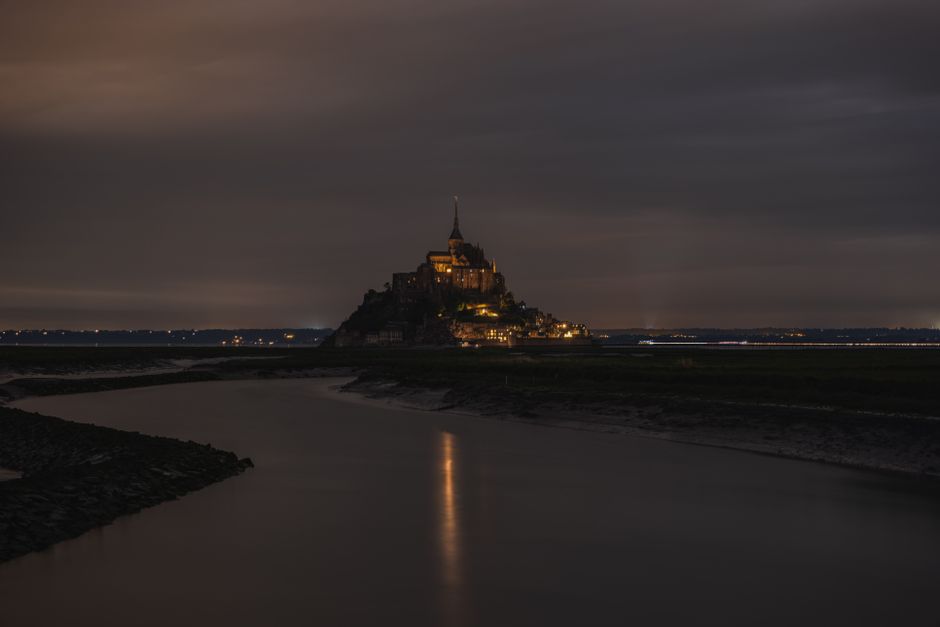
5. Monte d'Accoddi: Sardinia's Prehistoric Ziggurat
Sassari, Sardinia, Italy
This extraordinary prehistoric altar structure, predating the Nuragic civilization, is unique in Europe, resembling the ancient ziggurats of Mesopotamia.
Dating back over 4,000 years, Monte d'Accoddi is a monumental stone platform, built by a mysterious pre-Nuragic culture. Its stepped structure, with a ramp leading to a flat top, served as a sacred altar or temple. Archaeologists have found evidence of rituals, sacrifices, and astronomical observations conducted here. Its architectural resemblance to Mesopotamian ziggurats continues to puzzle and intrigue, suggesting ancient, far-reaching cultural connections that defy easy explanation.
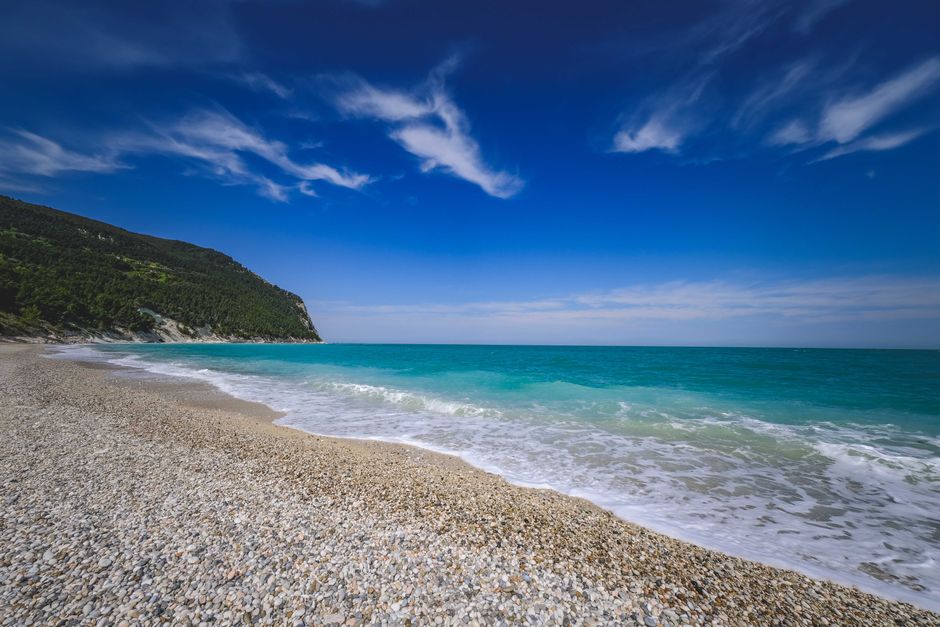
6. Spiaggia di Ezzi Mannu: The Beach of Rice Grains
Stintino, Sardinia, Italy
Unlike the fine sands of La Pelosa, this wilder beach boasts unique quartz pebbles, resembling grains of rice, polished smooth by centuries of wave action.
Ezzi Mannu offers a striking geological contrast to its famous neighbor. Its distinctive "rice grain" pebbles are not sand but tiny, rounded fragments of quartz, washed down from inland mountains and meticulously shaped by the sea. This unique composition gives the beach a captivating sparkle and a soothing sound as the waves retreat. It's a testament to the slow, powerful forces of nature, creating a different kind of natural beauty away from the crowds.
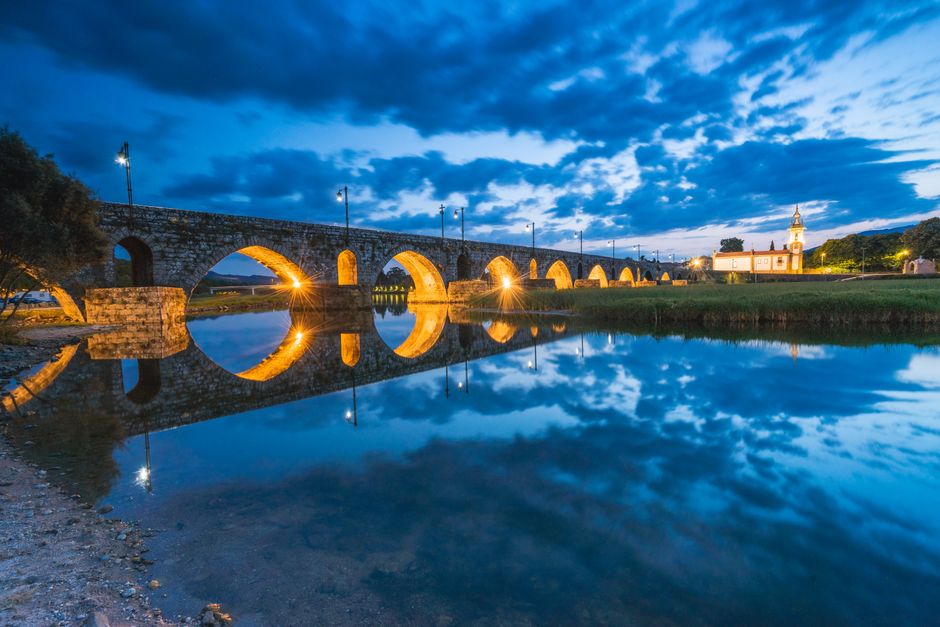
7. Ponte Romano of Porto Torres: A Roman Legacy Still Standing
Porto Torres, Sardinia, Italy
This impressive Roman bridge, built almost 2,000 years ago, is not merely a ruin but a testament to ancient engineering, still actively used today.
Spanning the Rio Mannu river, the Ponte Romano was a vital artery of the ancient Roman city of Turris Libisonis (modern Porto Torres). Constructed with five sturdy arches of local limestone, it facilitated trade and military movement. What makes it truly remarkable is its endurance; after two millennia, it remains largely intact and continued to serve as a functional bridge for pedestrian traffic until recent restoration. It stands as a living monument, connecting Sardinia's deep past with its present.
Frequently asked questions
Why does La Pelosa Beach require a reservation?
La Pelosa Beach introduced a reservation system to protect its fragile ecosystem from over-tourism. The incredibly fine, white sand and unique shallow turquoise waters were being eroded and damaged by the sheer volume of visitors. The system helps manage visitor numbers, preserving the beach's pristine condition for future generations.
What is the best time of year to visit La Pelosa Beach and avoid crowds?
To best experience La Pelosa Beach without the peak season crowds, consider visiting during the shoulder months of May, early June, or September. The weather is still warm and pleasant, but the influx of tourists is significantly lower than in July and August, making reservations easier to secure and the beach more enjoyable.
Are there other beautiful beaches near Stintino that don't require reservations?
Yes, while La Pelosa is iconic, the Stintino area offers other stunning beaches that often don't require reservations. Spiaggia delle Saline, known for its fine white sand and old salt pans, and Spiaggia di Ezzi Mannu, with its unique rice-grain quartz pebbles, are excellent alternatives, offering beautiful scenery and a more relaxed atmosphere.
How can I learn more about the history and culture of these unique Sardinian places while I'm there?
The best way to dive deeper into the stories of Sardinia's landscapes and landmarks is with an AI audio tour guide like AllTours.ai. Simply point your phone camera at a landmark, and the app instantly narrates its history, geology, and culture in your language, turning every view into a captivating discovery.
Related guides
Photography via Pexels. AllTours.ai is an AI audio tour guide — point your camera at any landscape and hear its story.