September 23, 2026 · 4 min read
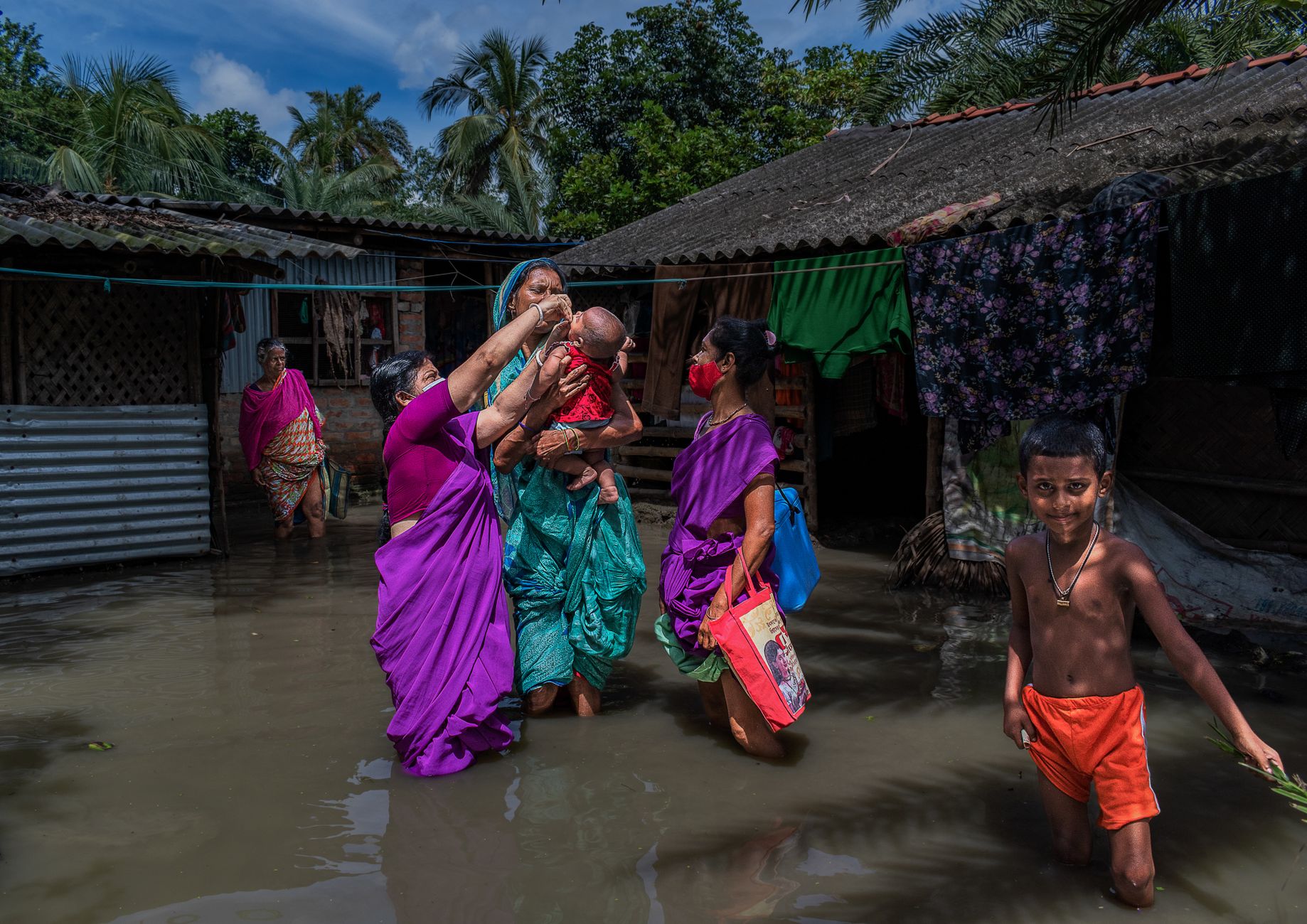
The question "What is the best economy for reducing poverty?" often sparks debates about grand theories and national policies. But what if the most insightful answers aren't found in textbooks, but in the vibrant, resilient communities scattered across our world? Beyond the headlines, countless places offer unique, often overlooked, models of prosperity.
These are not always the richest nations, but places where local ingenuity, communal spirit, and a deep connection to their environment have forged economies that prioritize people and planet. Join us on a journey to discover surprising examples where communities have redefined wealth, built robust local systems, and uplifted their members from hardship.

1. An Island's Electric Revolution
Isle of Eigg, Scotland
After centuries of absentee landlords, this remote Scottish island bought itself out, transforming its economy with community-owned renewable energy.
In 1997, the 90-odd residents of Eigg successfully completed a community buyout, ending a long history of landlord disputes. They then established Eigg Electric, a company owned by the islanders, providing 24-hour electricity primarily from wind, hydro, and solar power. This move not only slashed utility costs but also fostered a vibrant local economy and reversed population decline.

2. Typhoon-Proof Prosperity
Batanes Islands, Philippines
In this remote Philippine archipelago, communities build homes strong enough to withstand typhoons and cultivate a unique self-sufficient economy.
The Ivatan people of Batanes have developed a distinct culture adapted to their harsh, typhoon-prone environment. Their traditional stone houses, built with thick walls and thatched roofs, are architectural marvels designed for resilience. The local economy revolves around traditional farming, fishing, and a strong communal spirit called 'yaru,' where neighbors help each other, ensuring everyone's well-being.

3. Last Stand of Gullah Geechee
Sapelo Island, Georgia, USA
One of America's last intact Gullah Geechee communities fights to preserve its ancestral land and unique West African heritage against modern development.
Hog Hammock, on Sapelo Island, is the last Gullah Geechee community in Georgia, descendants of enslaved West Africans who maintained a distinct culture. For generations, they have lived off the land and sea, preserving their language, crafts, and traditions. The community actively works to protect their property from external development pressures, showcasing a deep-rooted economic and cultural resilience against modern encroachment.
4. The Enduring Oasis Economy
Faiyum Oasis, Egypt
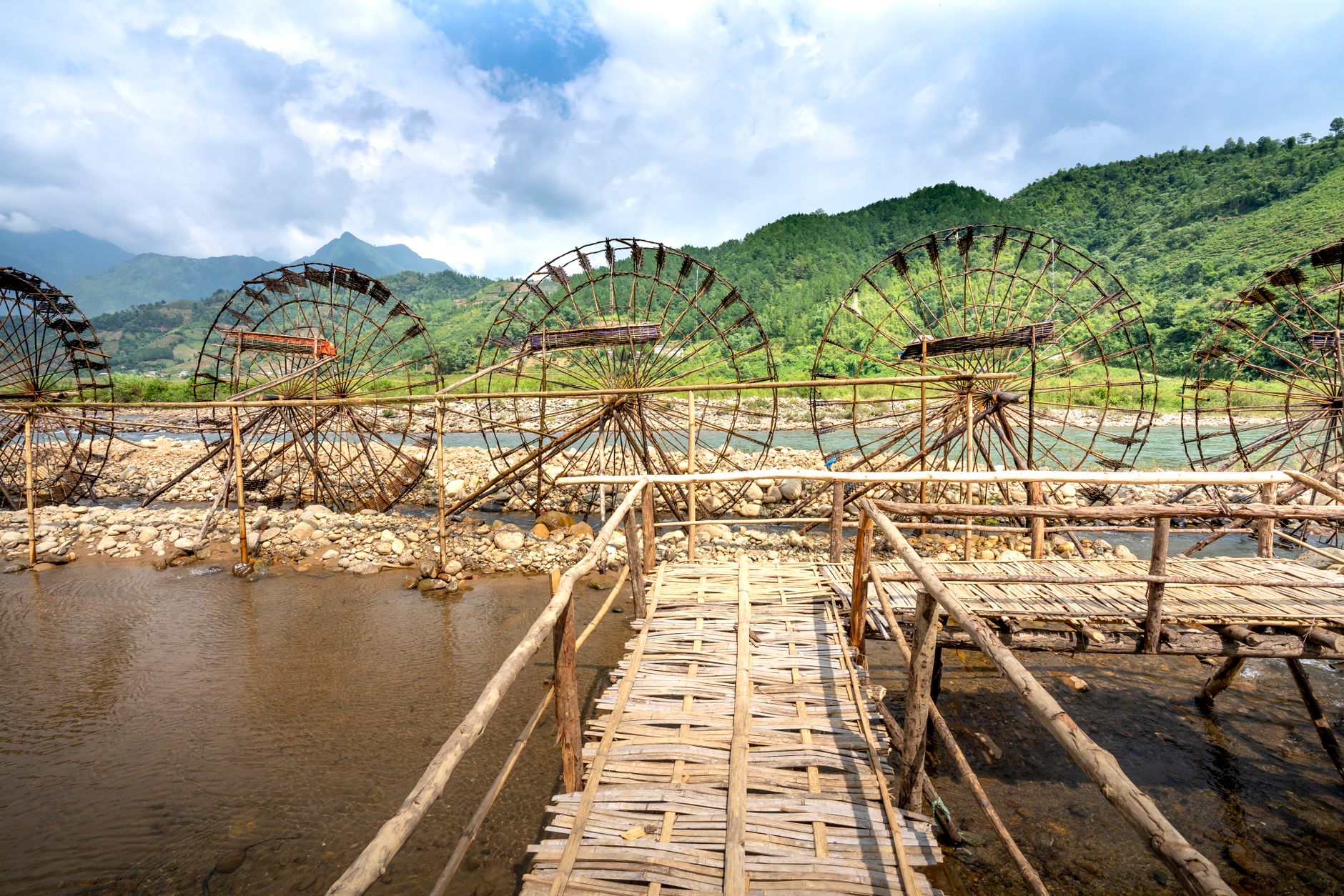
This ancient Egyptian oasis thrives on a millennia-old irrigation system of waterwheels, sustaining agriculture in the desert with ingenious, low-tech solutions.
The Faiyum Oasis is unique in Egypt, fed by a branch of the Nile that flows into a natural depression, creating Lake Qarun. For thousands of years, the local economy has been sustained by agriculture, relying on an intricate network of canals and ancient waterwheels (saqiyas) that lift water to fields. This enduring system demonstrates how traditional, localized technology can create a remarkably stable and self-sufficient economy in a challenging environment.
5. Asia's Cleanest, Community-Run Village
Mawlynnong, Meghalaya, India
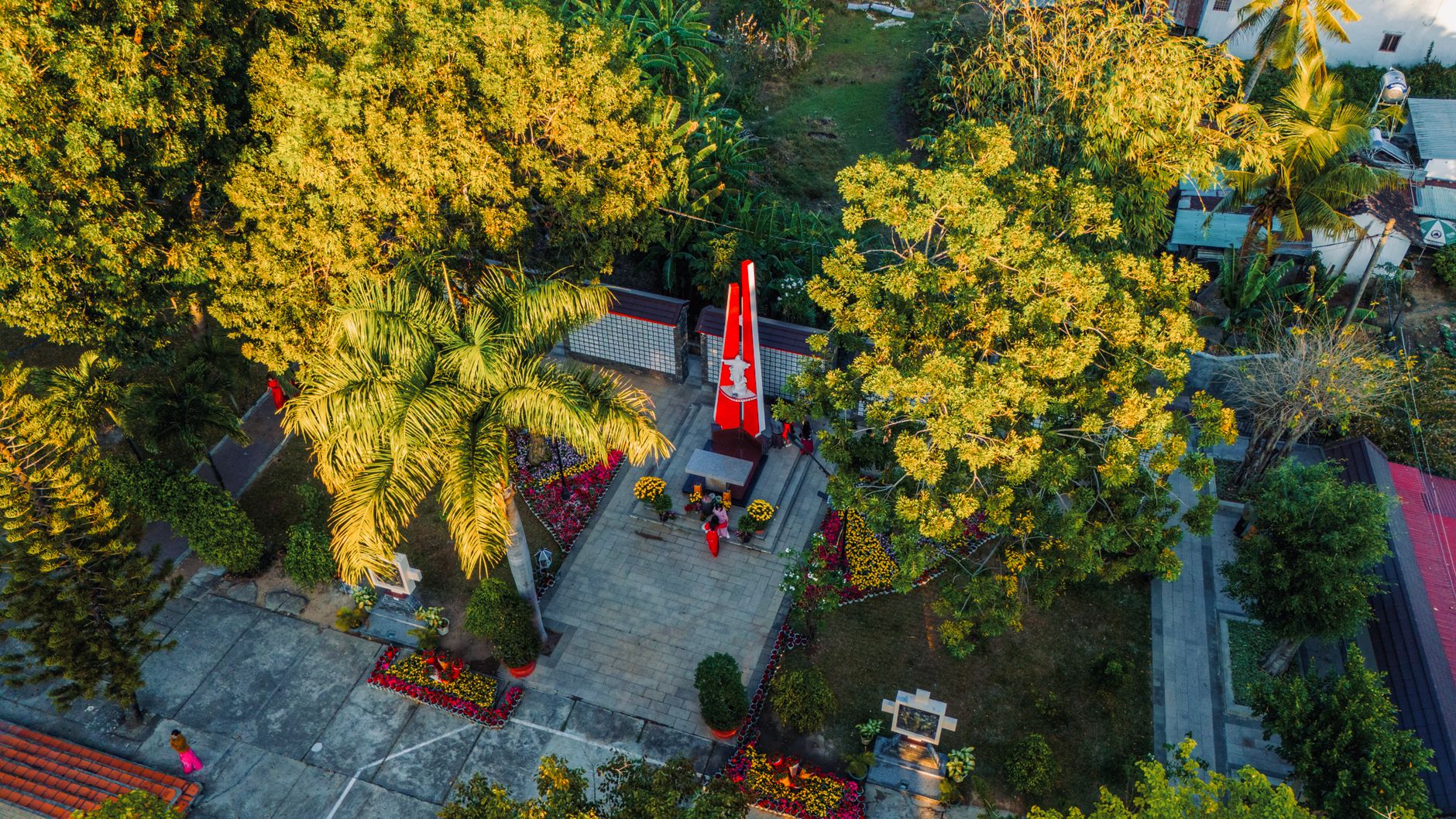
Hailed as Asia's cleanest village, this community sustains itself through ecotourism and a unique collective effort rooted in its matrilineal Khasi traditions.
Mawlynnong, nestled in the East Khasi Hills, is renowned for its impeccable cleanliness and sustainable living practices. The local economy is driven by ecotourism, with villagers collectively maintaining their environment and offering homestays. This success is deeply tied to the Khasi community's matrilineal structure and strong emphasis on communal responsibility, where decisions benefit the entire village, fostering shared prosperity.

6. Roof of the World Resilience
Ladakh, India
In the "Roof of the World," traditional Buddhist communities sustain vibrant local economies by blending ancient farming with responsible tourism and handicraft cooperatives.
High in the Himalayas, Ladakh's communities have developed a resilient economy based on traditional barley farming, yak herding, and a deep spiritual connection to their land. While tourism is growing, many local initiatives focus on sustainable development, promoting homestays, local crafts, and preserving unique cultural practices. This balanced approach helps distribute wealth, prevent exploitation, and maintain community well-being in a challenging high-altitude environment.

7. The Zapotec Weaving Legacy
Teotitlán del Valle, Oaxaca, Mexico
This Zapotec village sustains a thriving economy entirely on handwoven rugs, using ancestral techniques and natural dyes passed down through generations.
Teotitlán del Valle is famous for its intricate wool rugs, woven on traditional Zapotec looms. The entire village economy revolves around this craft, with families working together to produce masterpieces. Crucially, they use natural dyes extracted from local plants, insects, and minerals, maintaining an environmentally sustainable practice while creating high-value products. This collective expertise ensures economic stability and cultural preservation.
Frequently asked questions
What makes a local economy resilient against poverty?
Resilient local economies often feature strong community cohesion, diversified local production, and sustainable resource management. They prioritize local ownership, shared benefits, and adapt traditional knowledge to modern challenges, fostering independence from external market fluctuations.
How do communities balance tourism with poverty reduction?
Responsible tourism can be a powerful tool for poverty reduction when managed by the community. This involves ensuring fair wages, supporting local businesses, preserving cultural heritage, and minimizing environmental impact. Direct engagement of locals in tourism planning helps distribute benefits equitably.
Are traditional economies always better for reducing poverty?
Not always, but traditional economies often contain valuable lessons in sustainability, resourcefulness, and community support that can be adapted. When blended with modern innovations and fair trade practices, these models can offer robust pathways to poverty reduction that maintain cultural identity and environmental health.
How can I learn more about the unique economies of these places?
Exploring these unique destinations in person is the best way to understand their economies. When you're there, AllTours.ai can be your personal guide. Just point your phone camera at a landmark or landscape, and the app will narrate its history, geology, and culture, revealing the stories behind its local economy in your language.
Related guides
Photography via Pexels. AllTours.ai is an AI audio tour guide — point your camera at any landscape and hear its story.