September 13, 2026 · 4 min read
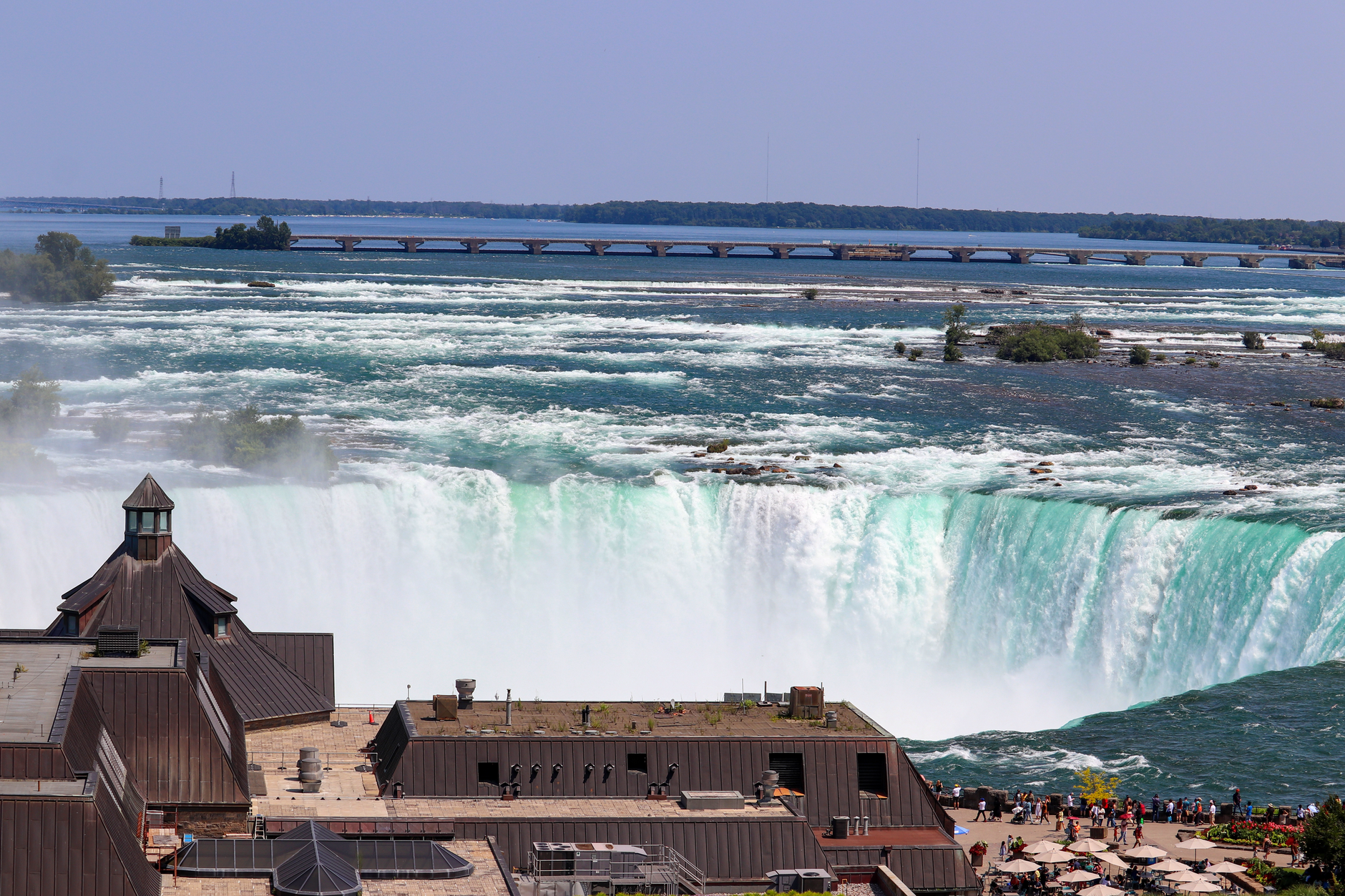
Niagara Falls looms large in the imagination, a thunderous natural wonder. When planning a visit, a common question arises: What is the best side of Niagara Falls, namely the Canadian or American? While both offer unique perspectives, the Canadian side is often lauded for its iconic panoramic views of both the Horseshoe and American Falls. But beyond the famous viewpoints, the Niagara region holds a treasury of less-explored spots, each with a genuine story waiting to be heard.
This guide ventures beyond the postcard-perfect vistas to uncover the historical, geological, and cultural layers that often go unnoticed. From battle-scarred forts to engineering marvels, these are the places where the true depth of Niagara's character reveals itself, inviting a curious traveler to look closer and listen more intently.
1. The Ancient Edge of Niagara Glen
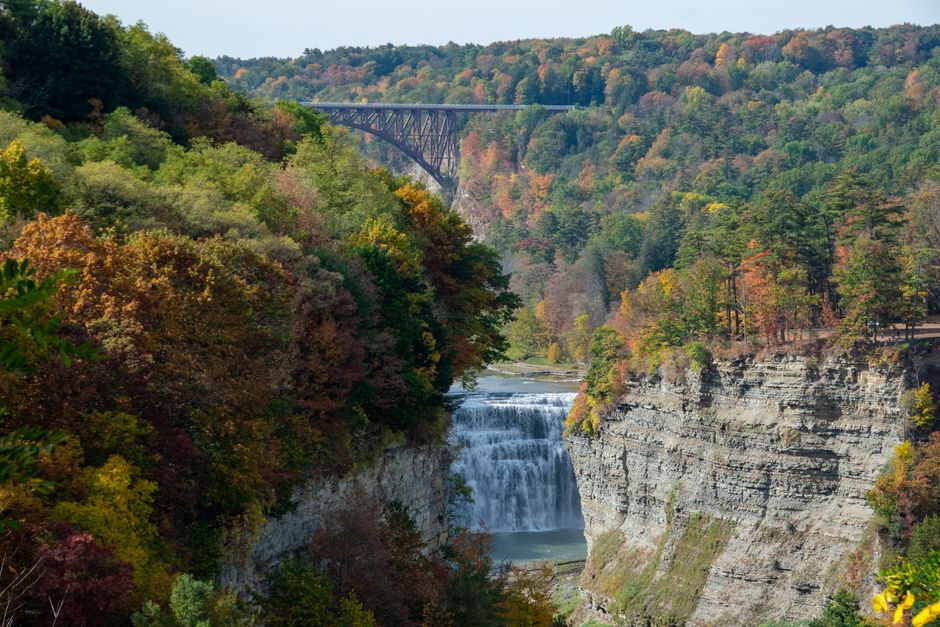
Niagara Glen Nature Centre, Ontario, Canada
Beneath the famous Whirlpool Rapids lies an ancient riverbed, home to plants found nowhere else in the region.
The Niagara Glen is a unique geological marvel, carved by the powerful Niagara River over millennia. Here, the river once flowed at a much higher level, leaving behind a pristine Carolinian forest and a unique microclimate. Descend into the gorge via rugged trails and discover massive boulders, evidence of the river's immense erosive power, and a rare collection of plants, some dating back to the last ice age, thriving in this protected environment.
2. Old Fort Erie's Bloody Past
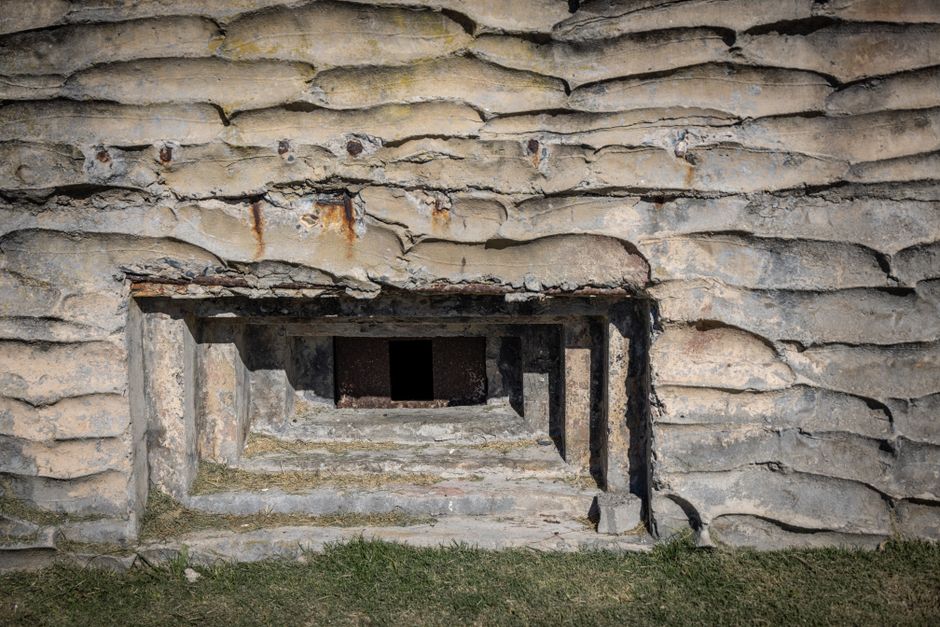
Fort Erie, Ontario, Canada
This historic stone fort holds the grim distinction of being the bloodiest battlefield in Canadian history.
Overlooking Lake Erie, Old Fort Erie was a pivotal site during the War of 1812. The fort witnessed intense fighting, including a brutal 51-day siege in 1814 that resulted in thousands of casualties. Walking its grounds offers a stark reminder of the strategic importance of the Niagara River and the sacrifices made to control this vital waterway. Original barracks and earthworks stand as testament to a violent chapter in North American history.
3. Ships Climbing the Welland Canal
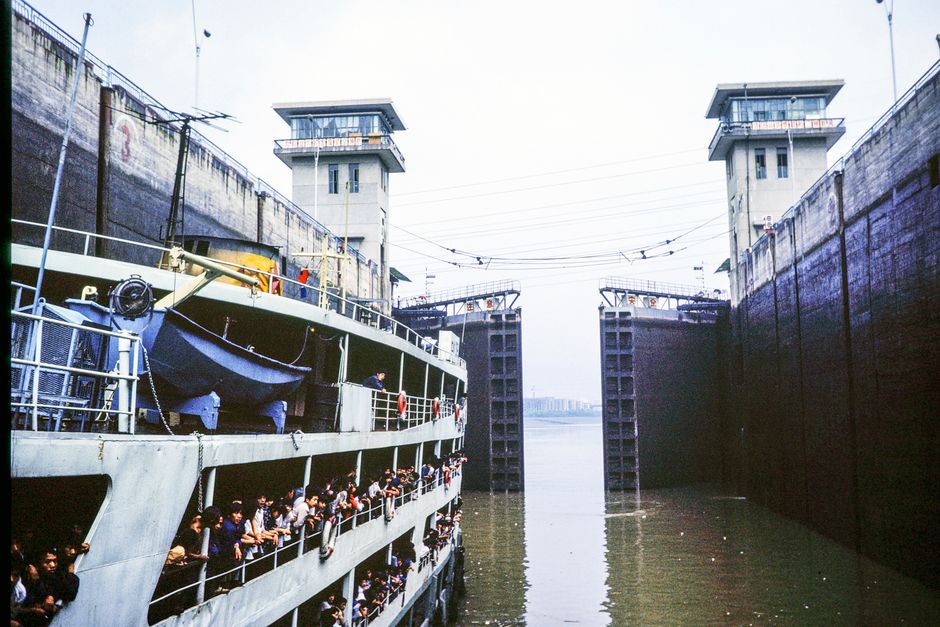
Welland Canal Lock 3 Viewing Centre, St. Catharines, Ontario, Canada
Witness massive freighters 'climb' a mountain of water, an engineering feat that connects the Great Lakes.
While not directly at the falls, the Welland Canal is an indispensable part of the Niagara region's story. It allows ships to bypass the falls, connecting Lake Ontario to Lake Erie. At Lock 3, visitors can stand mere feet from enormous cargo ships as they are raised or lowered over 46 feet in a matter of minutes. This marvel of hydraulic engineering dramatically illustrates humanity's ambition to tame and connect waterways.
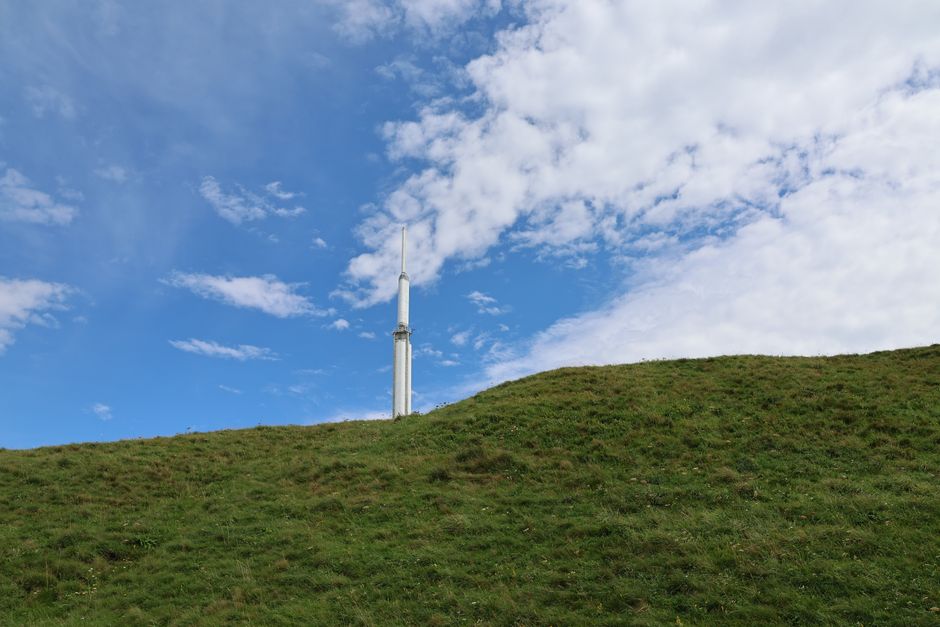
4. Queenston Heights: Brock's Last Stand
Queenston Heights Park, Queenston, Ontario, Canada
This scenic park marks the site of a critical War of 1812 battle where a revered British general made his final heroic stand.
Perched high above the Niagara River, Queenston Heights offers breathtaking views and a poignant historical narrative. It was here, in 1812, that Major General Sir Isaac Brock led British and Canadian forces against an American invasion, ultimately losing his life but securing a vital victory. His towering monument stands as a sentinel, commemorating his sacrifice and offering a panoramic vista of the Niagara Escarpment and the surrounding landscape.
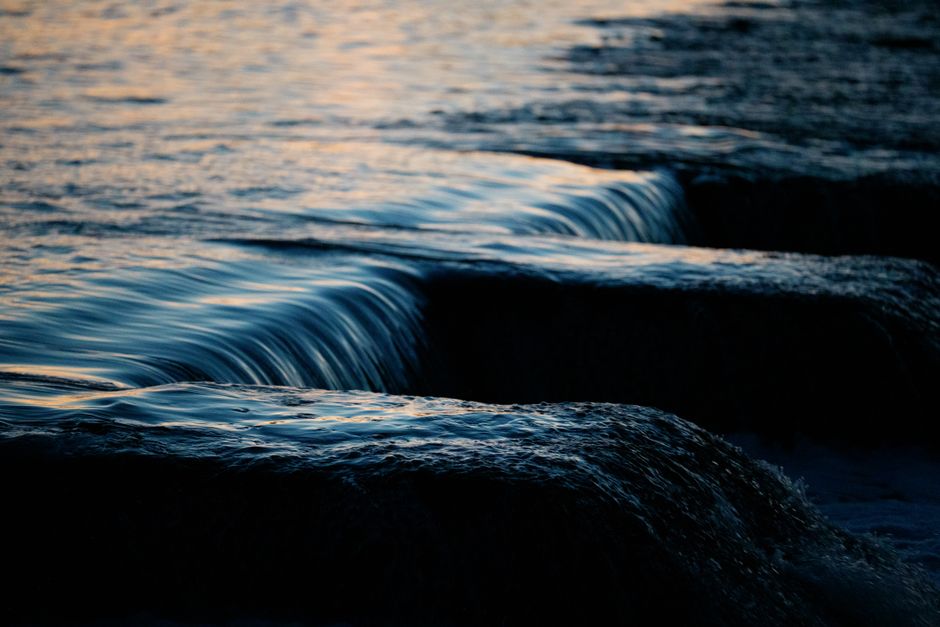
5. Dufferin Islands' Miniature Cascades
Dufferin Islands Park, Niagara Falls, Ontario, Canada
Tucked away near the main falls, these man-made islands feature a series of tranquil, miniature waterfalls and ponds.
Often overlooked by those rushing to the Horseshoe Falls, Dufferin Islands offers a peaceful retreat. Created in the early 20th century to manage water flow for hydroelectric power, these interconnected islands are crisscrossed by walking paths and small bridges. They boast dozens of tiny, natural-looking waterfalls and quiet ponds, providing a serene contrast to the roaring main falls. During winter, the islands transform into a magical wonderland for the Winter Festival of Lights.
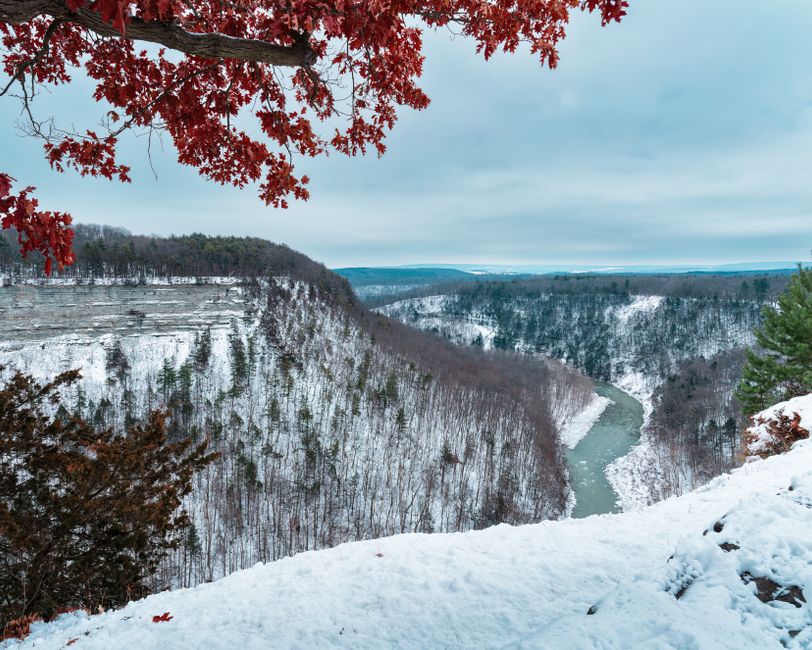
6. Devil's Hole Massacre Site
Devil's Hole State Park, Niagara Falls, New York, USA
This rugged gorge, downstream from the falls, was the site of a brutal ambush during the French and Indian War.
While on the American side, Devil's Hole State Park reveals a different, darker side of Niagara's history. In 1763, during Pontiac's Rebellion, Seneca warriors ambushed a British convoy here, pushing soldiers and supplies into the gorge. The 'Devil's Hole Massacre' was one of the deadliest attacks on a British convoy in colonial history. Today, the park offers challenging hikes with stunning views of the Whirlpool and gorge, amidst the echoes of a violent past.
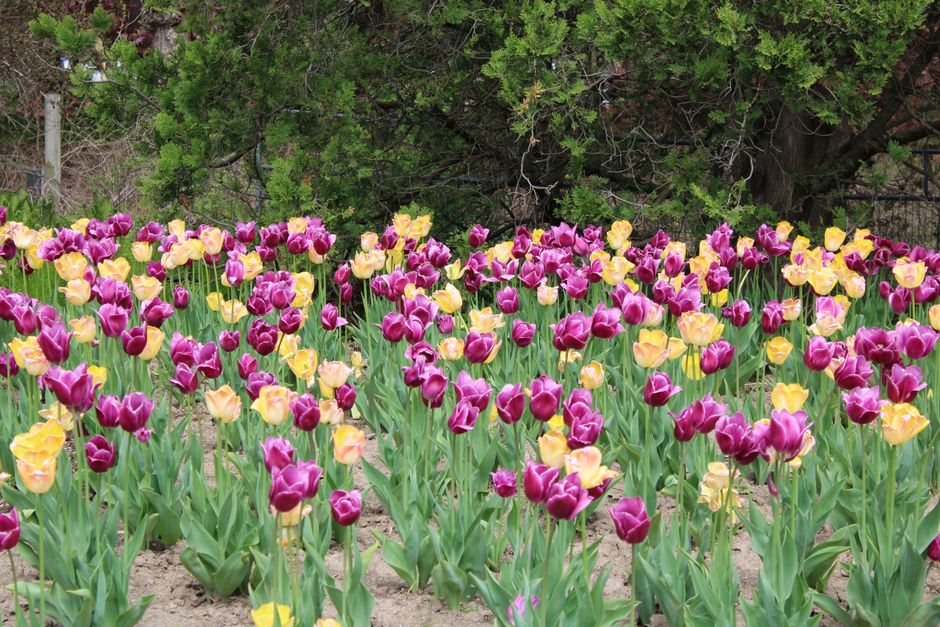
7. Niagara Parks School of Horticulture
Niagara Parks Botanical Gardens, Niagara Falls, Ontario, Canada
Discover a living classroom where future horticulturists cultivate stunning gardens, often overlooked by visitors.
Adjacent to the butterfly conservatory, the Niagara Parks School of Horticulture operates within the beautiful Niagara Parks Botanical Gardens. This 99-acre site is not just a collection of exquisite flora but a working institution. Students tend meticulously designed gardens, including a renowned rose garden with over 2,400 roses. It's a testament to the region's commitment to natural beauty and education, offering a quiet, fragrant escape.
Frequently asked questions
What is the best side of Niagara Falls for views?
For panoramic views that encompass both the Horseshoe Falls and the American Falls, the Canadian side is generally considered superior. Its elevated position along the Niagara Parkway offers expansive vistas and excellent photo opportunities, particularly near Table Rock Centre.
Does the Maid of the Mist boat cruise cross the international boundary or allow disembarkation on the other side?
No, the Maid of the Mist operates exclusively from the American side of Niagara Falls and does not cross the international boundary. Similarly, Hornblower Niagara Cruises (the Canadian equivalent) operates only from the Canadian side. Neither cruise offers a dinner dance option, nor do they allow passengers to disembark on the opposite side of the border.
When is the best time of year to visit Niagara Falls?
The best time to visit depends on your preferences. Summer (June-August) offers warm weather, full attractions, and evening fireworks, but also the largest crowds. Spring and Fall (April-May, September-October) provide pleasant weather, fewer crowds, and beautiful foliage. Winter transforms the area into a frozen wonderland with the Winter Festival of Lights, offering a unique, quieter experience.
How can AllTours.ai help me explore places like Niagara Falls?
AllTours.ai enhances your travel experience by providing instant audio tours. Simply point your phone camera at any landscape, landmark, or point of interest—whether it's a historic fort, a unique geological formation, or a significant monument—and the app will narrate its history, geology, and culture directly into your language, offering deeper insights into the places you visit.
Related guides
Photography via Pexels. AllTours.ai is an AI audio tour guide — point your camera at any landscape and hear its story.