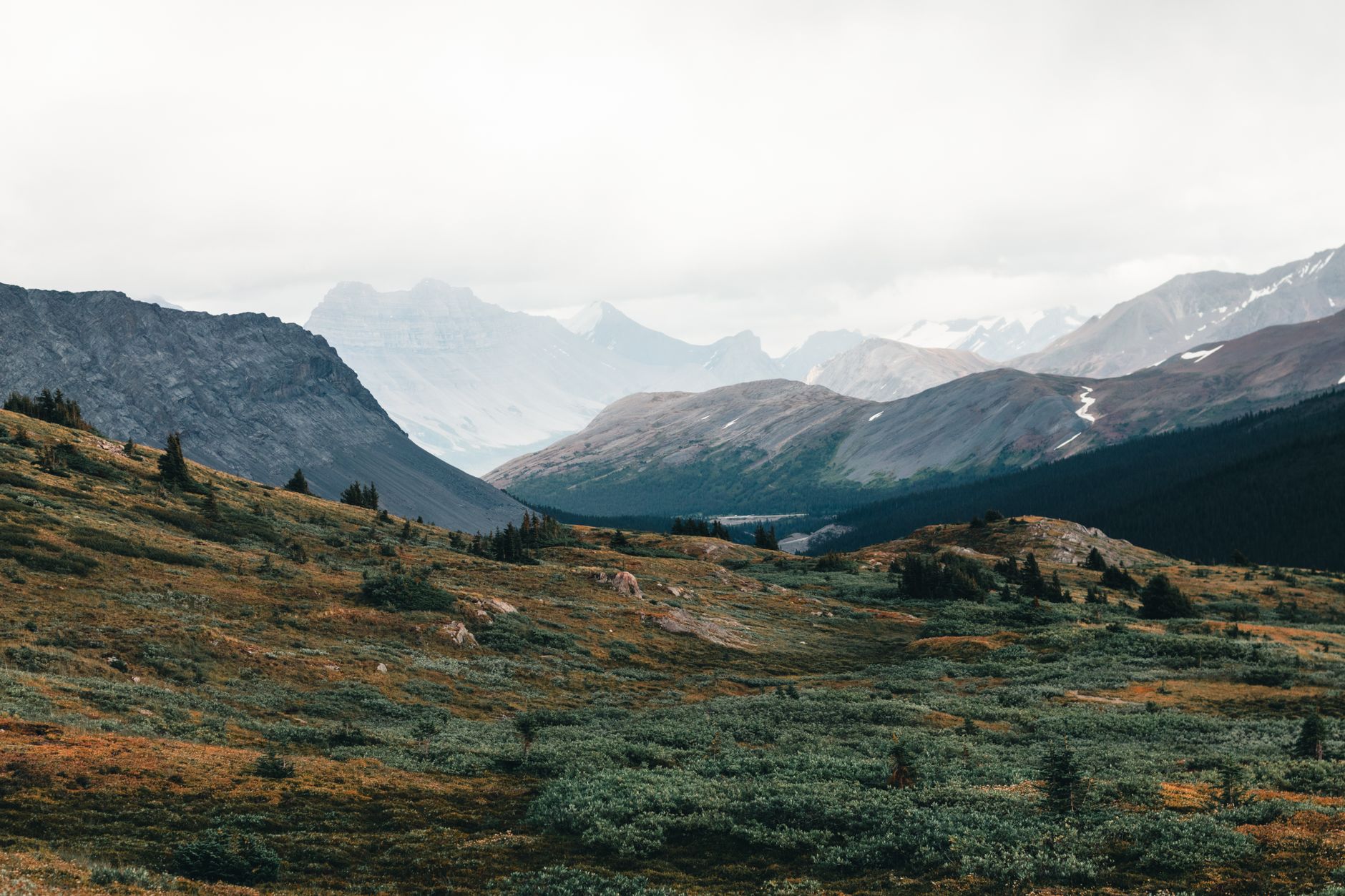
July 31, 2026 · 4 min read
Most travelers assume the hardest thing about hiking and mountaineering is sheer physical endurance. While muscles will burn and lungs will ache, the true test often lies in unexpected challenges: the psychological grit, the unforgiving environment, or the sheer technicality of a path less traveled.
Forget the well-trodden paths. The world is full of obscure trails and lesser-known routes that demand more than just strong legs. They ask for a keen mind, a resilient spirit, and an appreciation for the wild's unpredictable nature. Here are some of those places, each with a unique, profound difficulty.
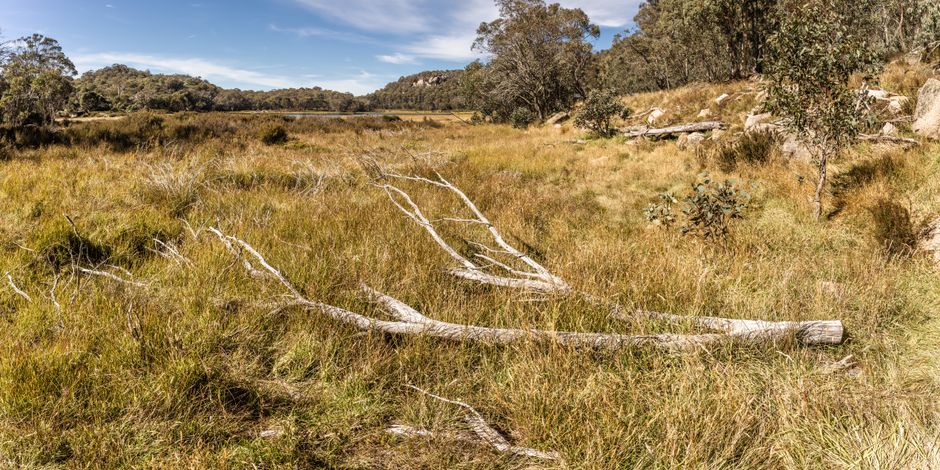
1. The Disorienting Maze
The Labyrinth, Mount Barney National Park, Australia
Deep within Mount Barney, a section known as 'The Labyrinth' is a notorious maze of ancient ferns and giant boulders where trails vanish and compasses can lie.
Mount Barney is one of Queensland's most rugged and remote peaks. The Labyrinth, on its southern flank, is less a trail and more a route-finding puzzle through dense rainforest. Hikers navigate a jumble of house-sized boulders, thick vegetation, and hidden crevices, where the canopy overhead blocks GPS signals and the ground itself seems to shift, making it incredibly easy to lose your way even for experienced trekkers.
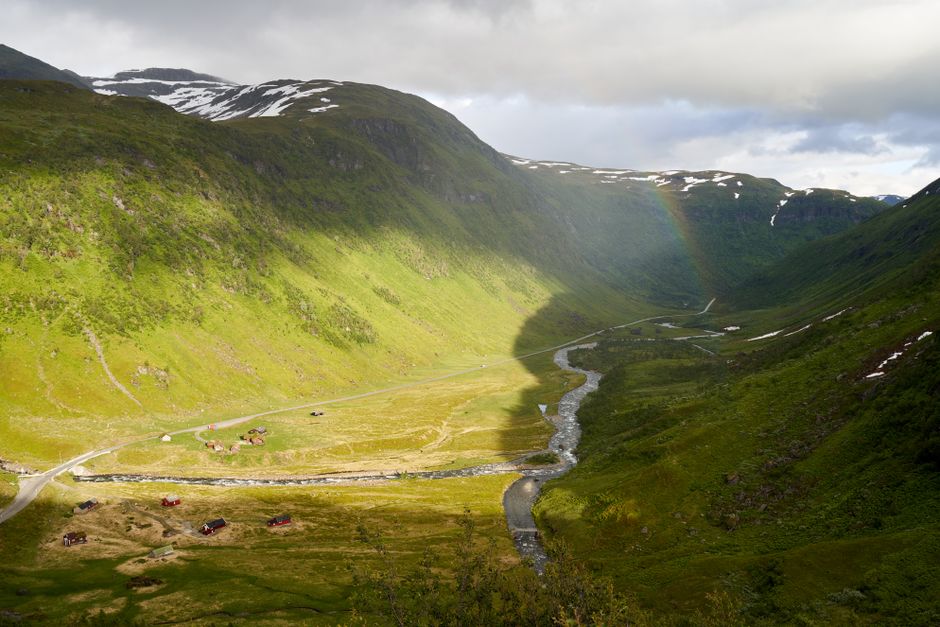
2. The Unbridged Wild
Kungsleden (Kvikkjokk-Jäkkvik section), Sweden
While Kungsleden is Sweden's most famous trail, its southern stretches challenge hikers with extreme remoteness and multiple unbridged river crossings that require self-reliance.
The Kungsleden, or 'King's Trail,' offers diverse landscapes, but the section between Kvikkjokk and Jäkkvik in the Arctic Circle is notably untamed. Hikers face long stretches between mountain huts, numerous significant river crossings that often lack bridges and swell with rain, demanding careful wading or even rowboat usage. This isolation and the necessity to manage natural obstacles without assistance make it a profound test of wilderness skills.
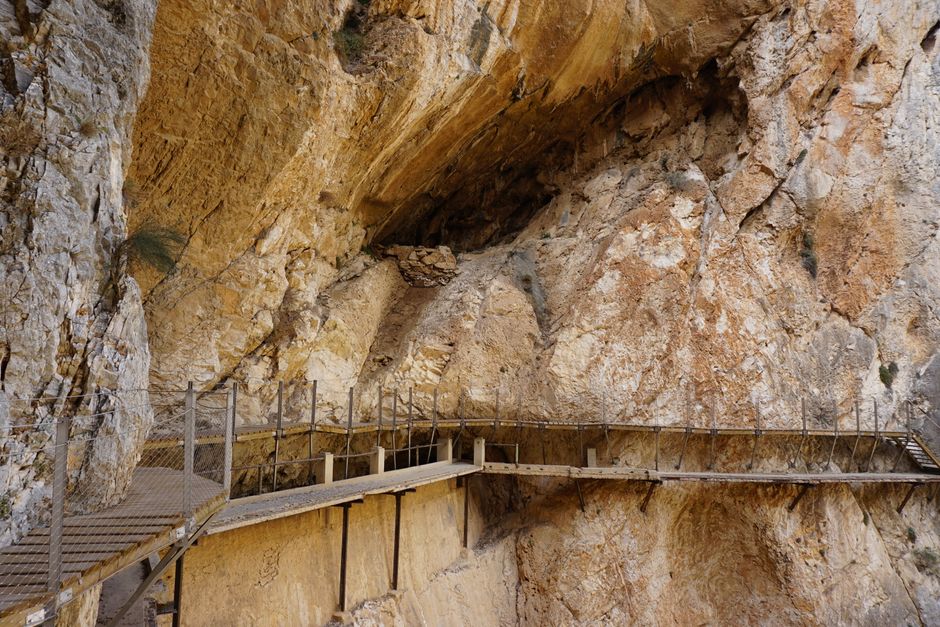
3. The Hand-Carved Peril
Ruta del Cares (original path context), Picos de Europa, Spain
The 'Divine Gorge' path was not built for tourists, but painstakingly hand-carved into sheer limestone cliffs by miners and hydroelectric workers, often without safety gear, to transport supplies.
Today, the Ruta del Cares is a popular day hike, but its origins reveal a staggering human effort. In the early 20th century, workers blasted and chiseled this narrow path into vertical rock faces to maintain a canal for a hydroelectric dam. They endured dizzying heights and perilous conditions, hundreds of meters above the Cares River, demonstrating immense fortitude and a stark understanding of danger for a vital lifeline.
4. The Vertical Ascent
Drakensberg Traverse (Chain Ladders), South Africa
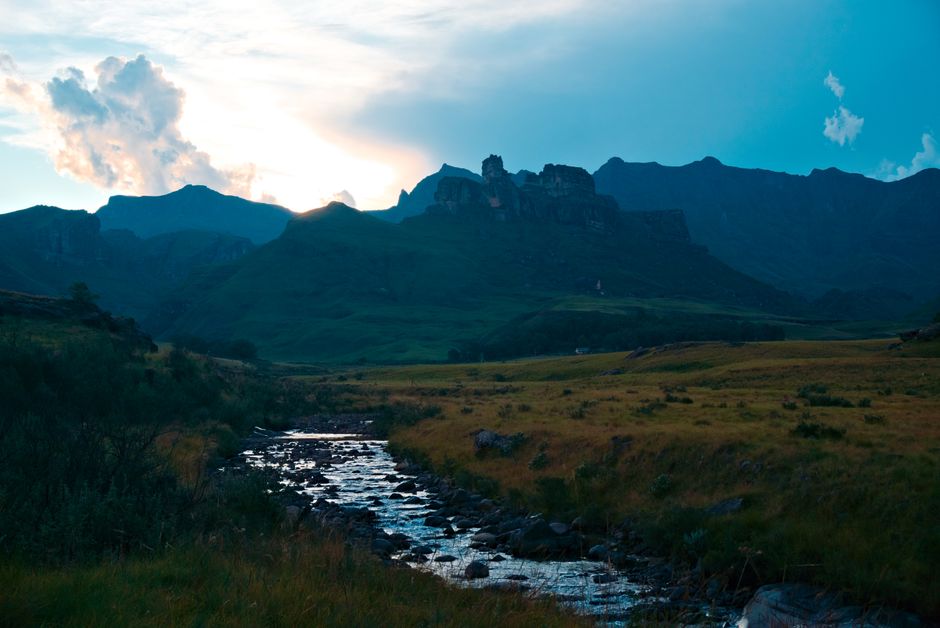
Ascending to the Drakensberg escarpment often involves navigating the Chain Ladders, a series of bolted chains dangling over a 2,000-foot sheer drop.
The iconic Drakensberg Traverse is a multi-day journey across South Africa's highest mountain range. One of its most famous and daunting sections is the Chain Ladders, literal chains secured to the rock face that provide the only access to the plateau for many routes. This ascent demands a significant head for heights, substantial upper body strength, and the ability to maintain composure when sudden weather changes, like icy winds or rain, sweep through the exposed cliff face.
5. The Relentless Grind
Devil's Path, Catskill Mountains, USA
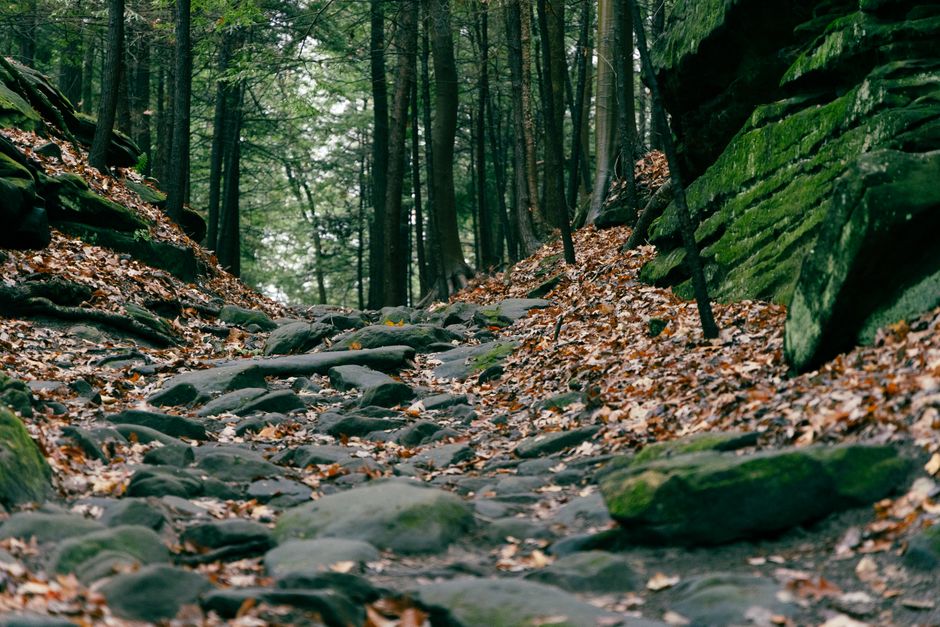
Named by early settlers, the 'Devil's Path' in the Catskills is renowned for its relentless, steep ascents and descents over multiple peaks, earning its infernal moniker.
Considered one of the toughest day hikes in the Eastern United States, the Devil's Path is less about altitude and more about the sheer, unforgiving grade. It traverses six major peaks, with constant, brutal elevation changes, often involving hand-over-foot rock scrambles and precarious descents over loose scree. It's a grueling test of endurance and mental fortitude, a continuous battle against gravity on a relatively short but intensely difficult route.

6. The Crumbling Ramparts
The Great Wall of China (Jiankou Section), China
Beyond the restored tourist sections, parts of the Great Wall are crumbling ruins, reclaimed by nature, offering perilous climbs over collapsing battlements and overgrown paths.
While sections like Badaling are manicured, the Jiankou section of the Great Wall presents a starkly different challenge. Here, the ancient bricks are crumbling, watchtowers are collapsing, and dense vegetation overgrows the path. Hikers face steep, unprotected drops and unstable footing as they navigate the unrestored ramparts that snake along precipitous ridges. It's a dangerous, raw encounter with history that demands extreme caution and respect for the decaying structure.
7. The Glacial Wilderness
Cirque de Gavarnie (beyond the falls), Pyrenees, France
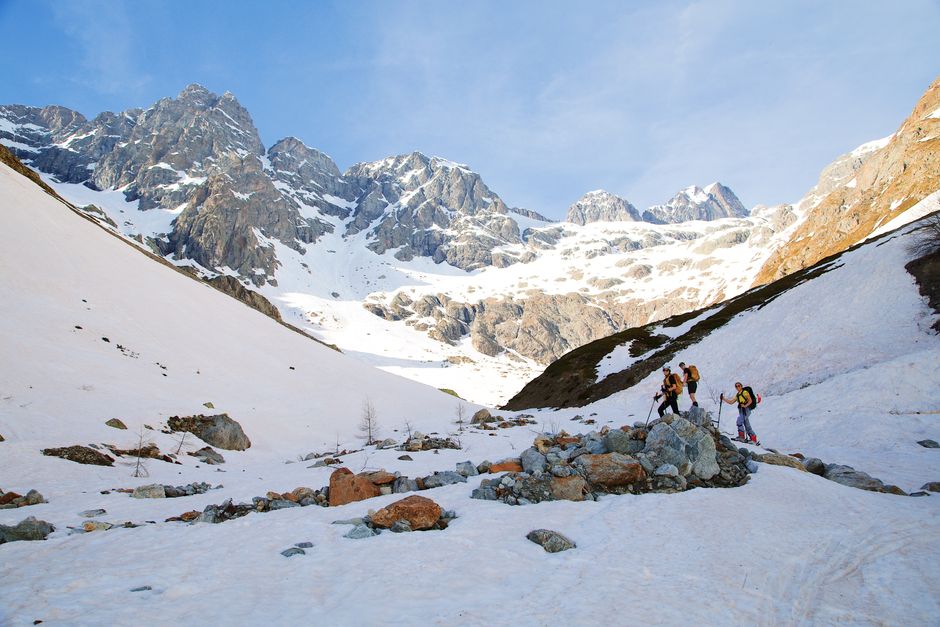
Beyond the famous waterfall, venturing deeper into the Cirque de Gavarnie reveals a true high-alpine wilderness where the landscape shifts with glacial melt and sudden, disorienting fog.
Most visitors stop at the impressive Gavarnie Falls. However, the true challenge lies in ascending further into the cirque, towards destinations like the Brèche de Roland. This involves navigating unstable scree fields, crossing often snow-covered glacial moraines, and contending with rapid weather changes characteristic of high-alpine environments. Dense fog can roll in quickly, making route-finding extremely difficult in a landscape carved by ancient ice, demanding precise navigation and preparedness.
Frequently asked questions
What's the most common difficulty hikers face?
Beyond physical fitness, the most common difficulty hikers face is often navigation. Trails can become obscure, weather can reduce visibility, and unexpected obstacles can force route changes, requiring strong map-reading and decision-making skills.
How do unpredictable weather conditions impact mountaineering?
Unpredictable weather is a major factor, especially in higher elevations. Sudden changes can bring extreme cold, heavy rain or snow, high winds, or dense fog, leading to hypothermia, reduced visibility, and treacherous footing. This demands constant vigilance and the ability to adapt plans quickly.
What mental challenges arise during long hikes?
Mental challenges include dealing with isolation, fear of the unknown, and the sheer monotony of repetitive movement. Perseverance through discomfort, managing self-doubt, and maintaining focus in challenging situations are crucial for success on long or difficult trails.
How can AllTours.ai help adventurers explore challenging terrains?
AllTours.ai enhances your exploration by providing instant context to your surroundings. As you navigate these complex landscapes, simply point your camera, and the app will narrate the history, geology, and cultural significance of the features around you, helping you understand the very challenges you're facing in your own language.
Related guides
Photography via Pexels. AllTours.ai is an AI audio tour guide — point your camera at any landscape and hear its story.