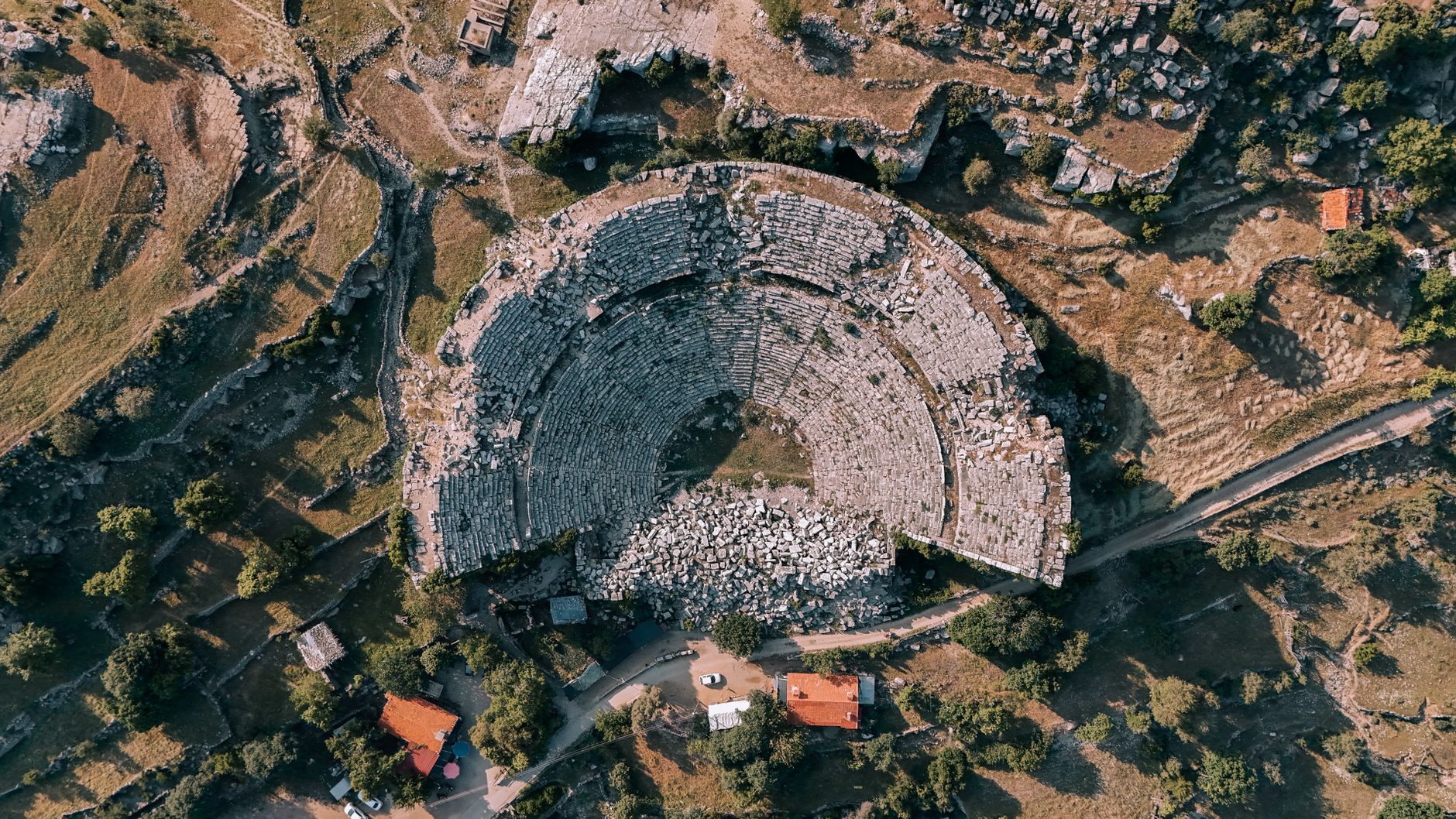
September 17, 2026 · 4 min read
When you search for "What is the healthiest breakfast you can eat every day?" you’ll likely find lists of oats, fruits, and lean proteins. While physical nourishment is vital, what about the kind of breakfast that feeds your mind, sparks your imagination, and nourishes your spirit? We believe the healthiest breakfast isn't found on a plate, but in the discovery of the world's most surprising places.
True sustenance comes from curiosity, from unraveling the hidden stories of our planet. These are the places that offer a 'breakfast' of wonder, a first meal of discovery that sets your mind alight for the day, and for a lifetime. Forget the usual tourist traps; these destinations offer profoundly enriching experiences far beyond the beaten path.
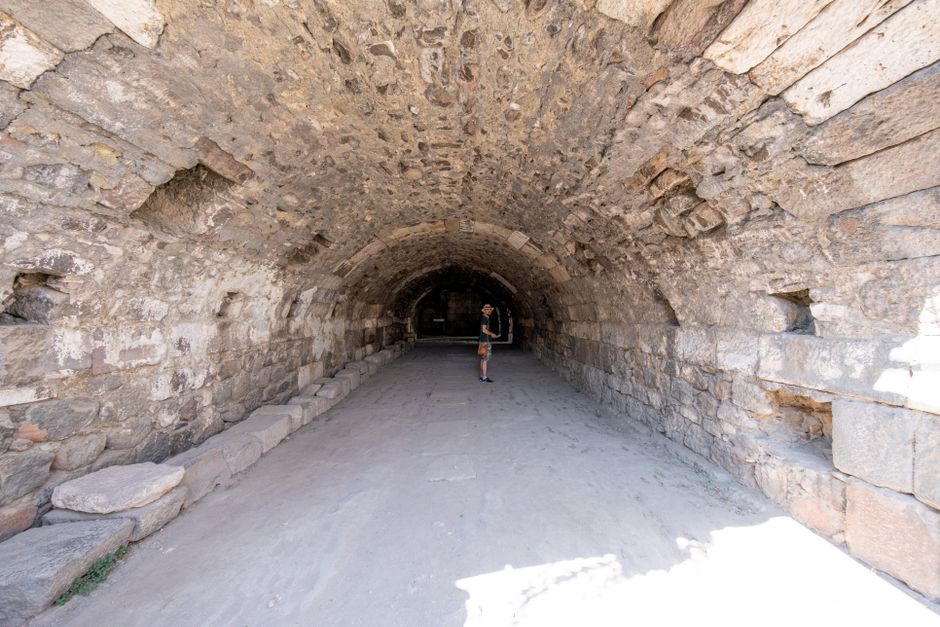
1. The City Beneath the Earth
Derinkuyu, Turkey
Imagine an entire ancient city, complete with churches and stables, meticulously carved eight levels deep beneath the earth.
Beneath the Cappadocian plains lies Derinkuyu, one of the largest excavated underground cities. Built perhaps by the Phrygians, it was expanded by early Christians to escape persecution, offering refuge for thousands of people and their livestock. This subterranean marvel includes ventilation shafts, wells, stables, and even wine presses, allowing inhabitants to survive sieges for months.
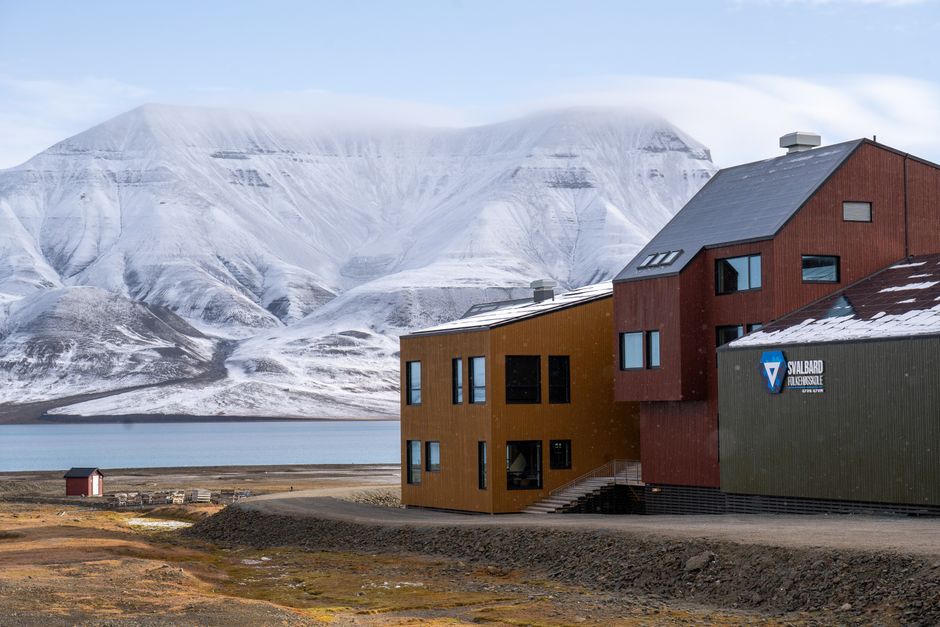
2. Humanity's Last Supper
Svalbard, Norway
Deep inside an Arctic mountain, a stark concrete wedge guards the future of human food supply against global catastrophe.
Carved into the permafrost of a remote Norwegian island, the Svalbard Global Seed Vault is a secure backup facility for the world's crop diversity. Designed to withstand natural disasters and even nuclear war, it stores millions of seed samples, ensuring that humanity retains the genetic material for essential food crops. It's a stark, monumental symbol of our fragile future.
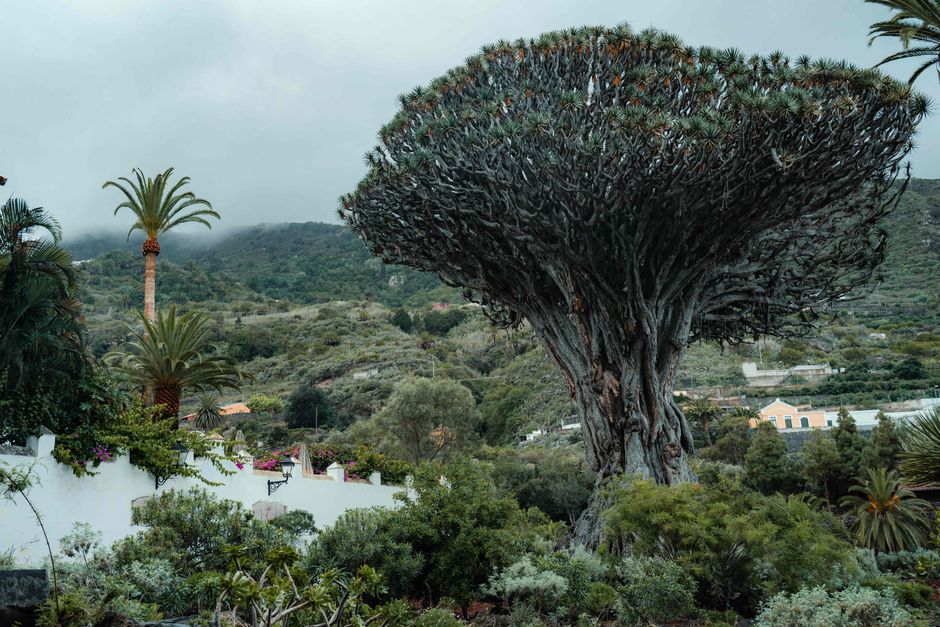
3. Trees That Bleed Red
Socotra Island, Yemen
On an island so isolated, its trees look like they belong on another planet, and many species exist nowhere else on Earth.
Often dubbed the "Galapagos of the Indian Ocean," Socotra's extreme isolation has cultivated a landscape found nowhere else. Its most iconic resident is the Dragon's Blood Tree (*Dracaena cinnabari*), named for its crimson sap, which resembles blood. This ancient, otherworldly tree and many other endemic plants create a surreal ecosystem, a living fossil from a forgotten age.
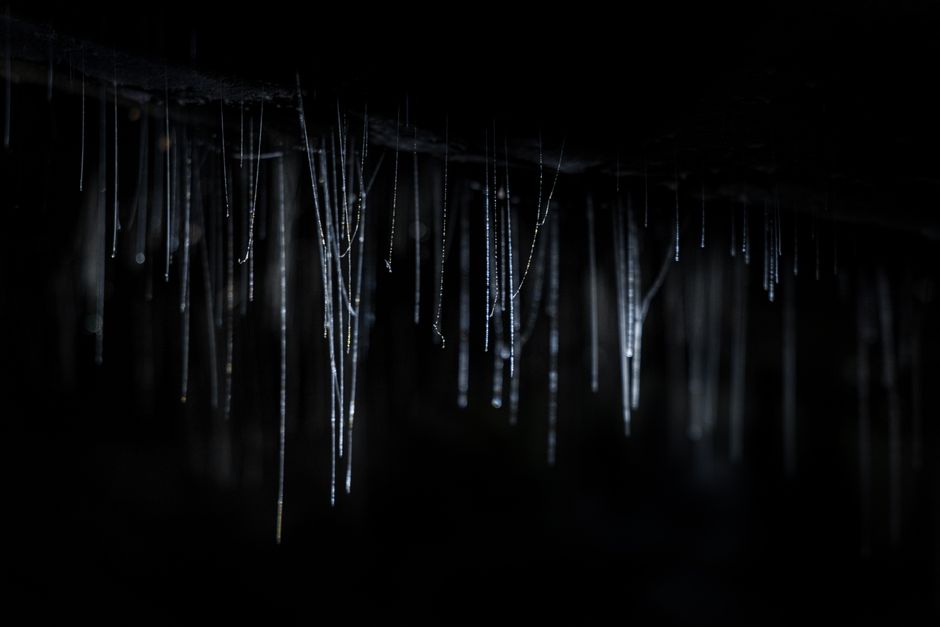
4. A Starry Night Underground
Waitomo, New Zealand
Glide silently through a pitch-dark cave, lit only by millions of tiny living lights creating an ethereal subterranean sky.
The Waitomo Glowworm Caves offer a surreal experience as you drift by boat through a cavern illuminated by countless *Arachnocampa luminosa*. These unique New Zealand glowworms dangle silken threads, using their bioluminescence to lure insects into a sticky trap. The effect is like gazing up at a galaxy of tiny, shimmering stars, a natural spectacle of predator and prey.
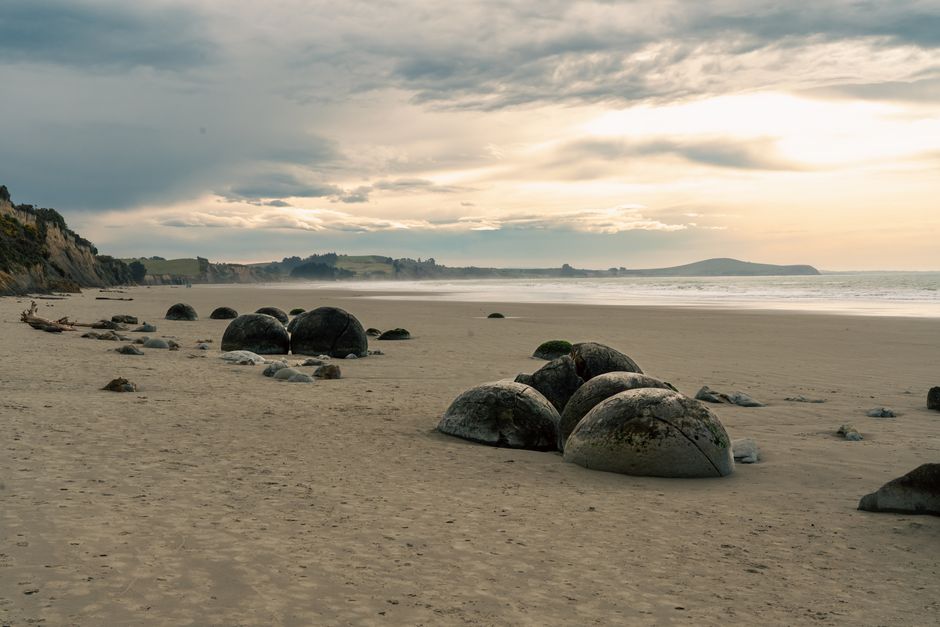
5. Giant Marbles of the Coast
Koekohe Beach, New Zealand
Scattered along a remote beach are perfectly spherical, colossal boulders, some weighing several tons, formed by ancient geological processes.
On New Zealand's Koekohe Beach, dozens of unusually large and spherical boulders emerge from the sand, looking like giant marbles or petrified dinosaur eggs. These concretions formed millions of years ago in ancient seabed mud, slowly hardening around a central core. Māori legend attributes them to food baskets washed ashore from a shipwrecked canoe, adding a mythical layer to their geological mystery.
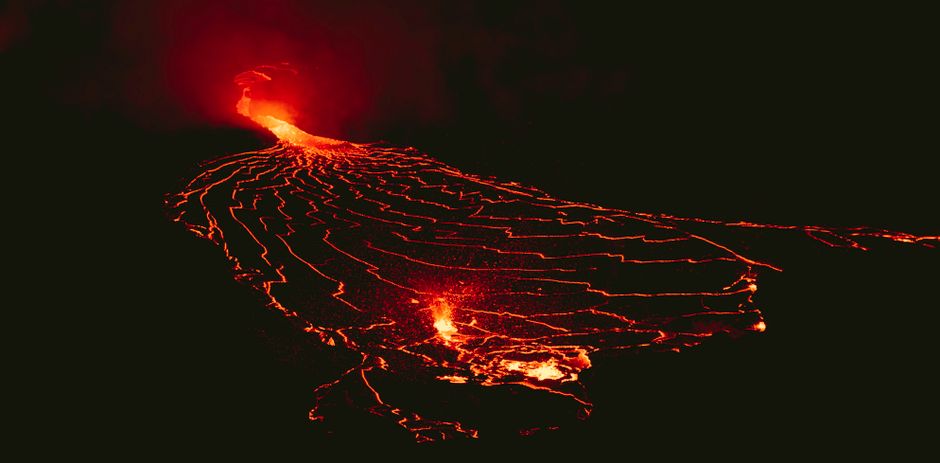
6. The Crater That Won't Die
Darvaza, Turkmenistan
In the middle of the Karakum Desert, a fiery crater has been burning continuously for over fifty years, an accidental inferno.
The Darvaza Gas Crater, ominously known as the "Door to Hell," is a natural gas field collapsed into a cavern, which Soviet geologists set alight in 1971 to prevent methane spread. They expected it to burn out in weeks; it's still burning today. This mesmerizing, fiery pit in the vast Karakum Desert is a testament to human miscalculation and nature's enduring power, glowing orange against the desert night.
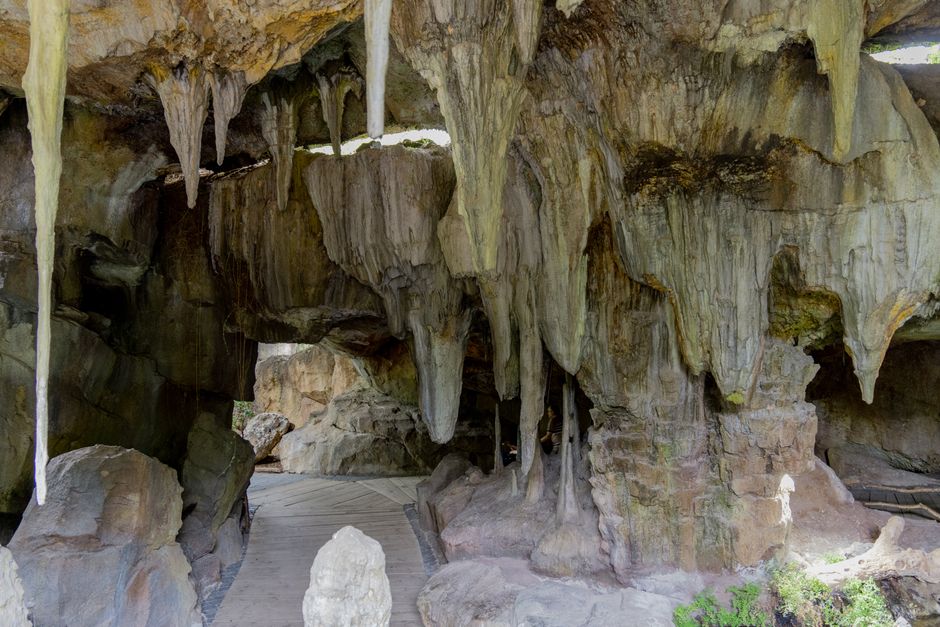
7. Whispers of the Ice Age Artists
Vallon-Pont-d'Arc, France
Step back 36,000 years to witness the oldest and most stunning cave art ever discovered, rendered with breathtaking precision by Ice Age humans.
While the original Chauvet Cave is closed to preserve its delicate art, the Grotte Chauvet 2 Ardèche replica offers an immersive journey into the Paleolithic era. It showcases incredibly sophisticated paintings of mammoths, cave lions, rhinos, and bears, demonstrating artistic mastery far beyond previous assumptions. This art, dating back over 36,000 years, offers a profound connection to our ancient ancestors.
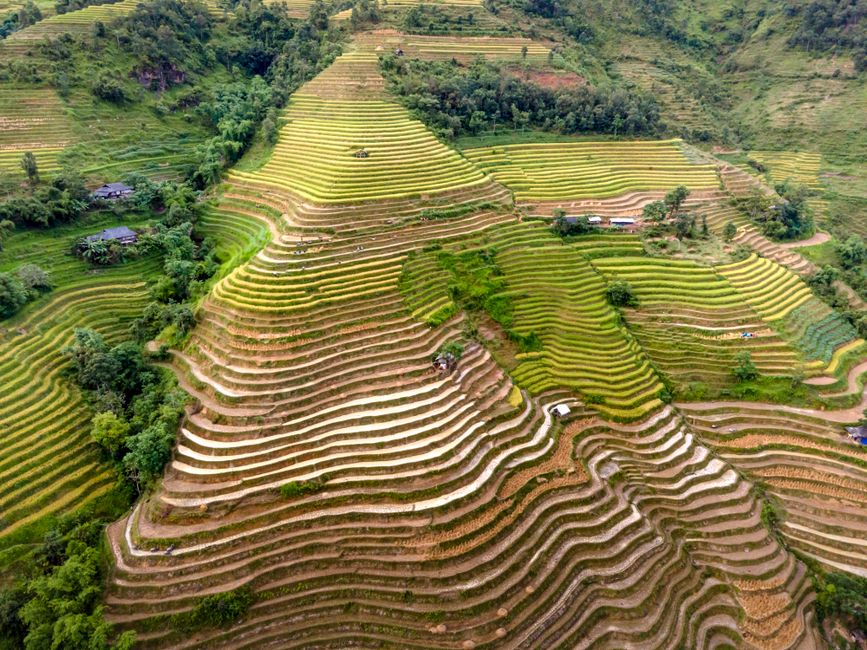
8. Stairways to the Sky
Banaue, Philippines
Forged by hand over two millennia, these colossal rice terraces climb up the mountainsides like giant, verdant staircases.
Often called the "Eighth Wonder of the World," the Banaue Rice Terraces were meticulously carved into the mountains of Ifugao by indigenous ancestors using only primitive tools, over 2,000 years ago. An intricate, gravity-fed irrigation system channels water from mountain springs and rainforests above, creating a sustainable agricultural marvel that continues to feed communities and awe visitors with its sheer scale and ingenuity.
Frequently asked questions
What makes a breakfast truly healthy for travelers?
A truly healthy breakfast for travelers goes beyond nutrition; it nourishes the mind and ignites curiosity. Experiences that expand your worldview, connect you with unique cultures, or reveal geological wonders provide intellectual sustenance that lasts long after the meal.
How can I find unique travel experiences that go beyond typical tourist spots?
Researching local history, geology, and culture before you travel is key. Look for places mentioned in local folklore, geological surveys, or historical archives, rather than just popular travel blogs. Engaging with local communities can also unveil hidden gems.
Is it possible to experience these remote places responsibly and sustainably?
Absolutely. Prioritize local guides and businesses, minimize your environmental impact by staying on marked paths and packing out all waste, and respect local customs and traditions. Supporting community-based tourism initiatives often ensures a more responsible visit.
How can AllTours.ai enhance my exploration of these lesser-known sites?
AllTours.ai acts as your personal AI-powered guide. Simply point your phone camera at a landmark, landscape, or even an unusual plant, and the app instantly narrates its history, geology, or cultural significance in your language. It’s like having an expert companion revealing the hidden stories of every place you visit.
Related guides
Photography via Pexels. AllTours.ai is an AI audio tour guide — point your camera at any landscape and hear its story.