
August 30, 2026 · 4 min read
Most travelers view airports as mere transit points, necessary evils between home and destination. But what if the airport itself was part of the adventure? What if, beyond the bustling terminals and duty-free shops, some airfields held stories as captivating as the places they serve?
We're looking beyond the usual contenders to uncover lesser-known, truly surprising airports. These aren't just runways; they are windows into unique histories, geological wonders, and fascinating cultures, often in the most unexpected corners of the globe.

1. Landings on the Edge of Ice
Qaqortoq, Greenland
Many Greenlandic 'airports' are actually heliports, vital links in a land without roads, flying over icebergs and fjords.
Qaqortoq, a colorful town in South Greenland, relies on a heliport carved into its rugged landscape. With no roads connecting settlements, helicopters are lifeblood, ferrying everything from mail to medical supplies. The journey itself is breathtaking, offering aerial views of a coastline dotted with icebergs calved from ancient glaciers, revealing Greenland's raw, untamed beauty.
2. The Cold War's Outpost in the Aleutians
Shemya Island, Alaska, USA
This remote Aleutian island airport was a top-secret Cold War listening post, a crucial strategic point just miles from Russia.
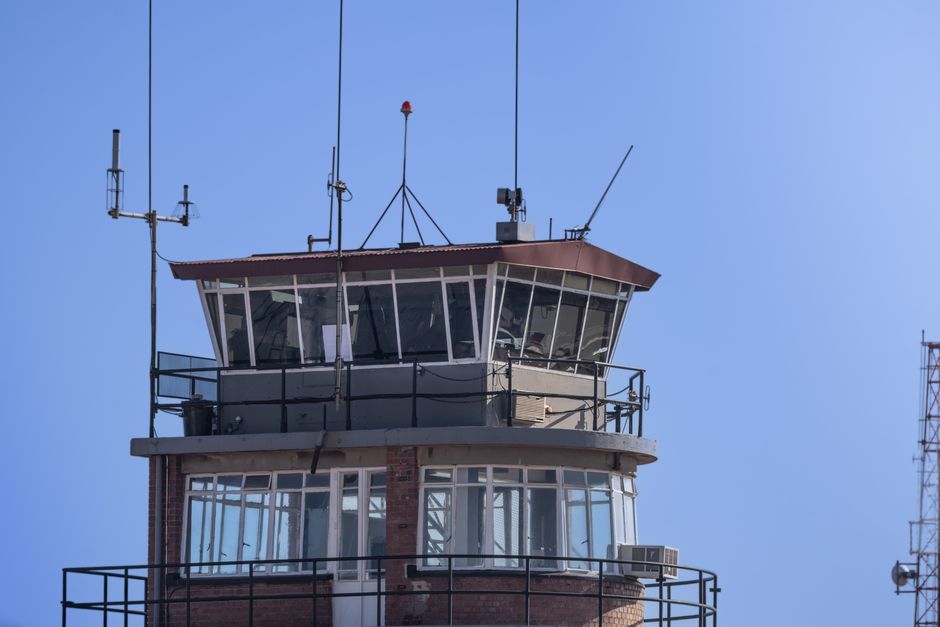
In the desolate Aleutian chain, Shemya Island’s Eareckson Air Station feels like the edge of the world. Once a clandestine hub during the Cold War, its long runway was built to monitor Soviet activity across the Bering Sea. The island's harsh, treeless landscape and persistent fog shroud it in an eerie silence, a stark reminder of its past as a lonely sentinel in a forgotten conflict.

3. Where Magellan Met His End
Cebu, Philippines
The airport stands on Mactan Island, site of Ferdinand Magellan's demise, a pivotal moment in global exploration.
Mactan-Cebu isn't just a bustling gateway to the Visayas; it's steeped in history. In 1521, Ferdinand Magellan, attempting to circumnavigate the globe, met his end here at the hands of Lapu-Lapu, a local chieftain. While the modern airport buzzes with travelers, the island itself whispers tales of first encounters, cultural clashes, and the fierce defense of sovereignty, long before runways were even imagined.

4. Gateway to the Arctic Seed Vault
Svalbard, Norway
The world's northernmost commercial airport is the entry point to a global doomsday seed vault, buried deep within a permafrost mountain.
Arriving at Longyearbyen Airport is an immediate immersion into the High Arctic. Beyond its role as the world's northernmost commercial airport, it's the closest hub to the Svalbard Global Seed Vault. This "doomsday vault" preserves millions of plant seeds in the permafrost, a vital backup for humanity's food supply. The landscape outside the terminal is stark, dominated by glaciers and mountains, where polar bears roam and the midnight sun or polar night dictates life.

5. The Journey to Samoa's Sleeping Giant
Savai'i, Samoa
This small airport is the main gateway to Savai'i, Samoa's larger, less developed island, known as the "Sleeping Giant" for its ancient volcanic landscapes and traditional villages.
Maota Airport serves Savai'i, a Samoan island that feels a world away from bustling tourist hubs. Known as the "Sleeping Giant," Savai'i is characterized by its dramatic volcanic terrain, lava fields, and pristine, undeveloped beaches. The airport itself is modest, a simple welcome to an island where ancient traditions thrive, and the pace of life slows to the rhythm of the ocean, offering a glimpse into authentic Polynesian culture.

6. A WWII Base in the Fjords
Narsarsuaq, Greenland
This airport was a critical American airbase during WWII, nicknamed "Bluie West One," a vital stopover for transatlantic flights.
Narsarsuaq Airport, located deep within a Greenlandic fjord, holds significant WWII history. Originally established by the US as "Bluie West One," it served as a crucial refueling and staging point for aircraft crossing the Atlantic. Today, remnants of its military past can still be seen, contrasting with the serene natural beauty of the surrounding ice-strewn waters and towering mountains, a testament to its strategic importance in a global conflict.

7. Napoleon's Remote Island Gateway
Saint Helena
Opened only in 2017, this airport provides access to the incredibly remote island where Napoleon Bonaparte lived out his final exile.
Saint Helena Airport is a triumph of engineering and a gateway to one of the world's most isolated inhabited islands. Its construction was a monumental task, finally connecting this remote British territory to the world by air in 2017. The island is most famous as the place of Napoleon Bonaparte's final exile and death. Landing here feels like stepping back in time, with rugged landscapes and a unique blend of British colonial history and South Atlantic charm.
8. Barefoot Island Hopper
Caye Caulker, Belize
A tiny, no-frills airstrip serving a laid-back Caribbean island famous for its "go slow" motto and proximity to the Belize Barrier Reef.
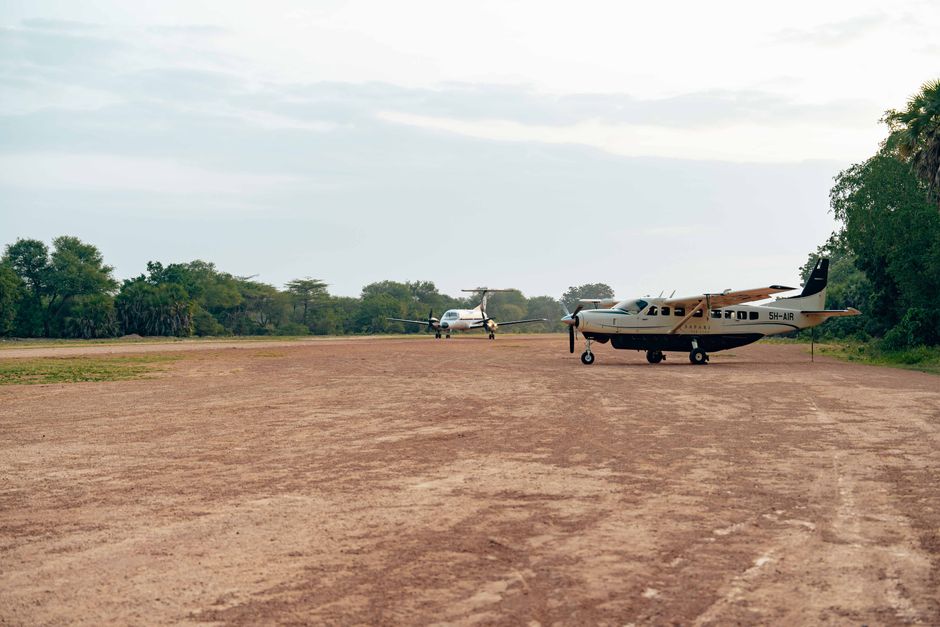
Caye Caulker Airport is less an airport and more a grassy patch with a small shed, perfectly embodying the island's relaxed "Go Slow" philosophy. Flying in on a tiny propeller plane, you land just steps from turquoise waters and sandy streets, where golf carts are the primary mode of transport. It’s the quintessential entry to this idyllic Caribbean caye, a short hop from the vibrant marine life of the Belize Barrier Reef.
Frequently asked questions
What makes an airport "interesting" beyond its size?
An interesting airport often has a unique location, a compelling history, or serves as a gateway to a distinct cultural or natural experience. It's about the stories it tells and the journey it facilitates, not just its passenger numbers.
Are small, remote airports safe?
Yes, all commercial airports, regardless of size or remoteness, operate under strict international safety regulations. While some may present unique pilot challenges due to terrain or weather, the pilots flying into them are specially trained and certified for those conditions.
How can I find lesser-known airports with unique stories?
Researching specific regions known for extreme geography, isolated communities, or significant historical events often uncovers fascinating airfields. Look beyond major international hubs to regional and domestic airports in places like island nations, polar regions, or mountainous areas.
How can AllTours.ai help me discover these places?
AllTours.ai turns your phone into an AI audio tour guide. Simply point your camera at any landscape or landmark around these interesting airports—or any destination—and the app will narrate its history, geology, and culture in your language, bringing its unique stories to life as you explore.
Related guides
Photography via Pexels. AllTours.ai is an AI audio tour guide — point your camera at any landscape and hear its story.