July 17, 2026 · 5 min read
Travel often brings delightful culinary surprises, but sometimes, a familiar dish from home returns as a pale imitation. Many English classics, beloved for their comfort and history, can be utterly transformed – and not for the better – when prepared far from their roots. If you've ever wondered why your abroad-sourced fish and chips just don't hit the mark, or why a 'Full English' feels distinctly lacking, you're not alone.
The truth is, understanding what makes these dishes truly special means exploring the places that shaped them. Beyond the usual tourist circuits, England's lesser-known towns and landscapes hold the secrets to these culinary traditions. These are the spots where the geology, the local culture, and centuries of history converge to create flavours and experiences that can't be replicated. Join us as we journey to uncover the authentic spirit of some of England's most misunderstood dishes.
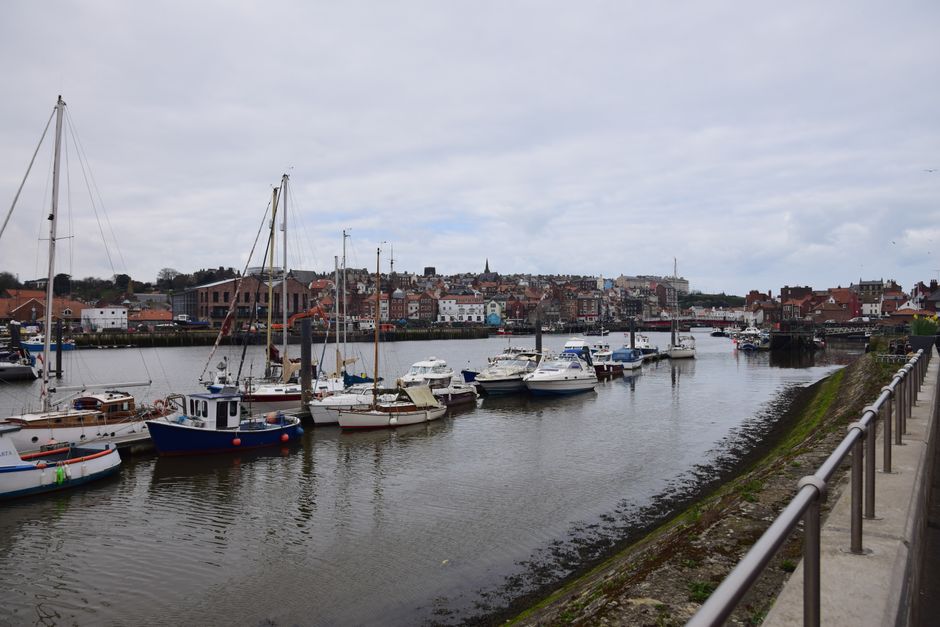
1. Whitby's Coastal Catch
Whitby, North Yorkshire, England
Whitby's distinctive dark sands conceal jet, a fossilized wood used for mourning jewellery, and its coastal waters once fueled Captain Cook's global explorations, shaping the very fish markets that fed its early chippies.
Whitby's fishing heritage runs deep, far beyond its popular fish and chip shops. The town's harbour was the birthplace of Captain Cook's exploration vessels, built from local oak. These voyages not only mapped the world but also influenced global trade, including the very fish species that became staples. The rugged coastline, sculpted by ancient geological forces, still yields prime catches, a far cry from the often-frozen, mass-produced fish served elsewhere that often spoils the true taste of English fish and chips.
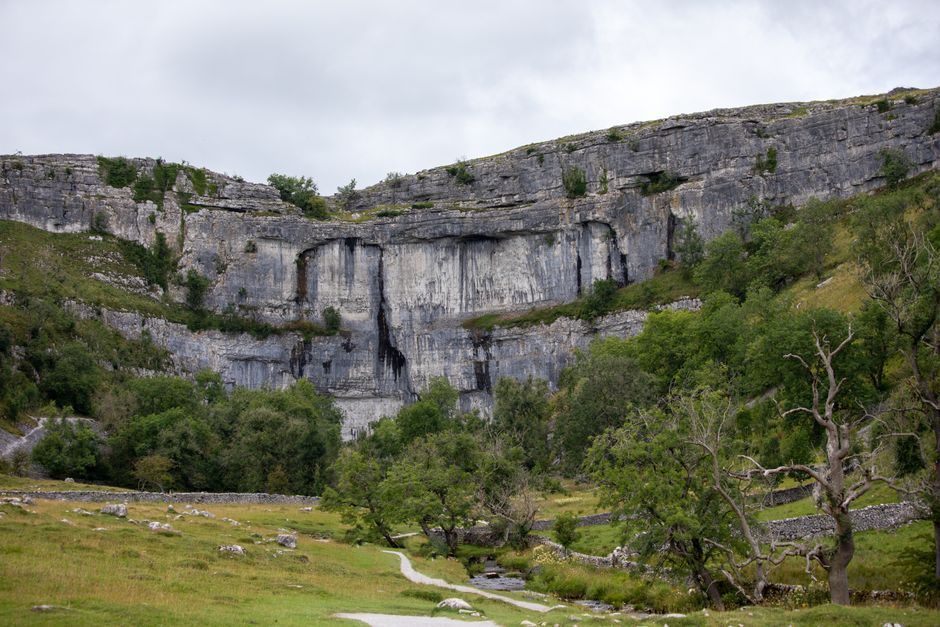
2. Malham Cove's Limestone Legacy
Malham, North Yorkshire, England
Malham Cove, a dramatic limestone amphitheatre, offers a geological spectacle carved by a glacial meltwater waterfall, hinting at the rugged landscape that birthed the hardy ingredients for a true Yorkshire pudding.
The dramatic limestone cliffs of Malham Cove, an ancient glacial scar, speak to the wild, windswept landscapes of the Yorkshire Dales. This challenging terrain fostered a resilient agricultural tradition, where farmers raised robust cattle and grew hardy grains. The simple, yet ingenious Yorkshire pudding, originally cooked beneath roasting meat to catch the drippings, reflects this resourcefulness, a world away from the bland, mass-produced versions found abroad that often ruin a Sunday roast.

3. Pateley Bridge's Artisanal Pies
Pateley Bridge, North Yorkshire, England
Pateley Bridge, nestled in the unique geological landscape of Nidderdale, once a hub for lead mining, quietly preserves artisanal food traditions that demand skill and local ingredients, much like a perfectly crafted pork pie.
Pateley Bridge, often overlooked, sits in Nidderdale, a designated Area of Outstanding Natural Beauty. This region, shaped by ancient glacial movements and dotted with former lead mines, fostered a self-sufficient community. Local butchers and bakers here still uphold generations-old recipes, where the quality of the pork, the richness of the pastry, and the precise setting of the jelly in a traditional pork pie are matters of deep pride, far removed from factory-made imitations that often fall flat abroad.

4. Clovelly's Cliffside Cream
Clovelly, Devon, England
Clovelly, a car-free, cobbled fishing village clinging to a 400-foot cliff, has preserved its unique heritage for centuries, mirroring the timeless tradition of a perfectly baked scone served with clotted cream.
Clovelly, a truly unique Devon village, is a living museum, its steep, cobbled street descending to a tiny harbour. For generations, goods were transported by donkeys, and fishing boats brought in fresh catches. This isolated existence fostered a strong sense of community and a reliance on local produce. The rich clotted cream, a staple of a proper cream tea, originated from dairy farms thriving in Devon's lush pastures, a stark contrast to the often-synthetic versions found overseas that spoil the delicate balance of a scone.
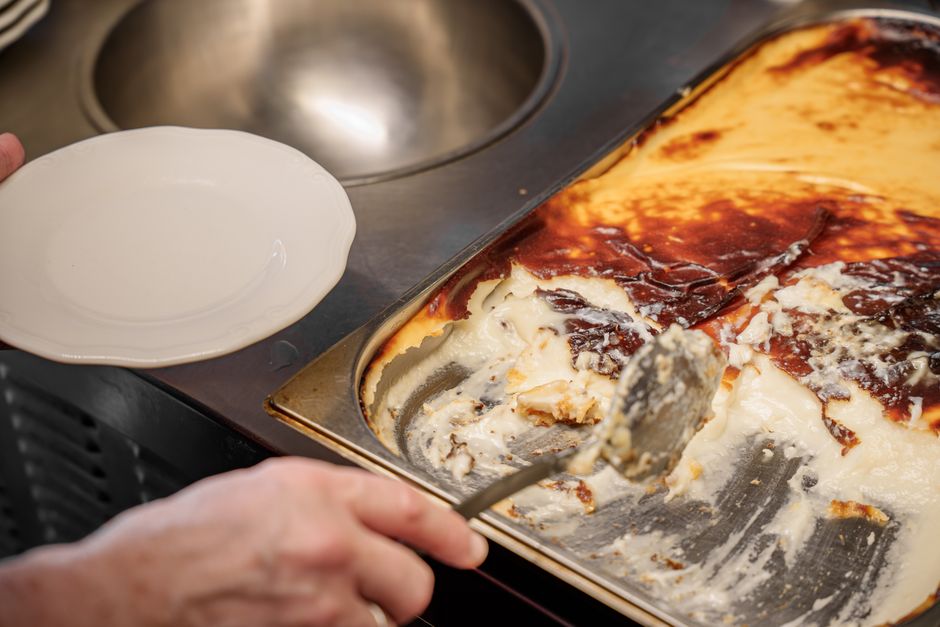
5. Bakewell's Accidental Delight
Bakewell, Derbyshire, England
Bakewell, nestled in the Peak District, is the accidental birthplace of the Bakewell Pudding, a delicious mistake from a 19th-century cook, a story often confused with its later, more common tart cousin.
The true Bakewell Pudding, distinct from the widely known Bakewell Tart, was reputedly created by accident in the 1860s when a cook misunderstood a recipe for a tart. This simple, rustic pudding, with its flaky pastry and almond filling, became a local delicacy. The town itself, a gateway to the dramatic gritstone edges and limestone dales of the Peak District, reflects a history of resourceful cooking, where local ingredients and a touch of serendipity created enduring culinary traditions often lost in foreign imitations that miss the mark.
6. Swaledale's Heritage Breakfast
Swaledale, North Yorkshire, England
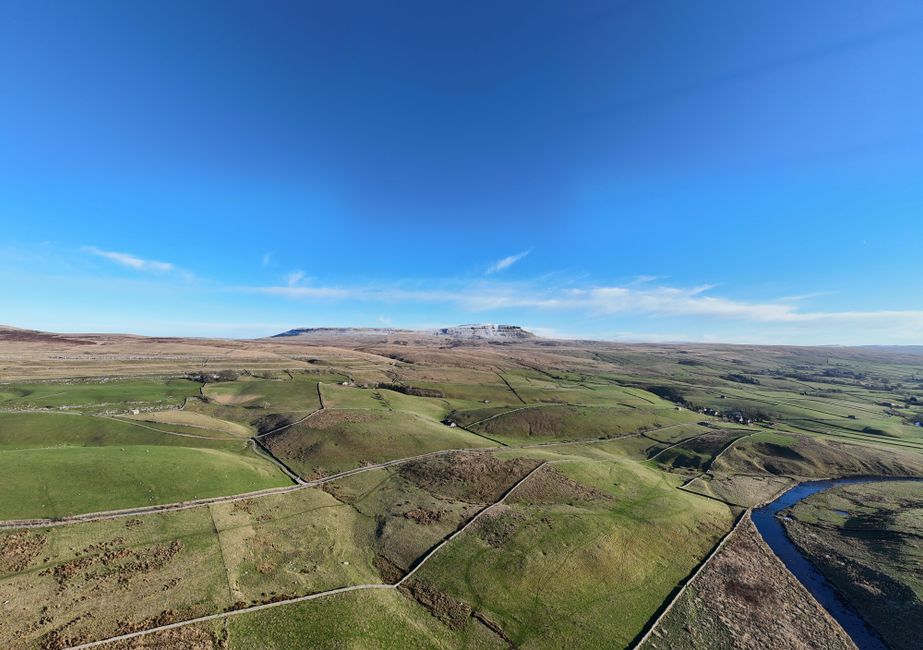
Swaledale, a remote valley in the Yorkshire Dales, where drystone walls crisscross ancient hay meadows, maintains traditional farming practices that yield exceptional local produce, including heritage pork for true English breakfast staples.
Swaledale, famed for its hardy sheep and distinctive drystone walls, is a testament to centuries of traditional farming. Here, in these isolated valleys, small-scale producers often rear heritage pig breeds, allowing them to forage naturally. This dedication results in sausages and bacon with unparalleled flavour and texture, a world apart from the mass-produced, bland offerings often found claiming to be an 'English breakfast' abroad, where the quality of the meat is often the first casualty.
7. Bradford's Spice Revolution
Bradford, West Yorkshire, England
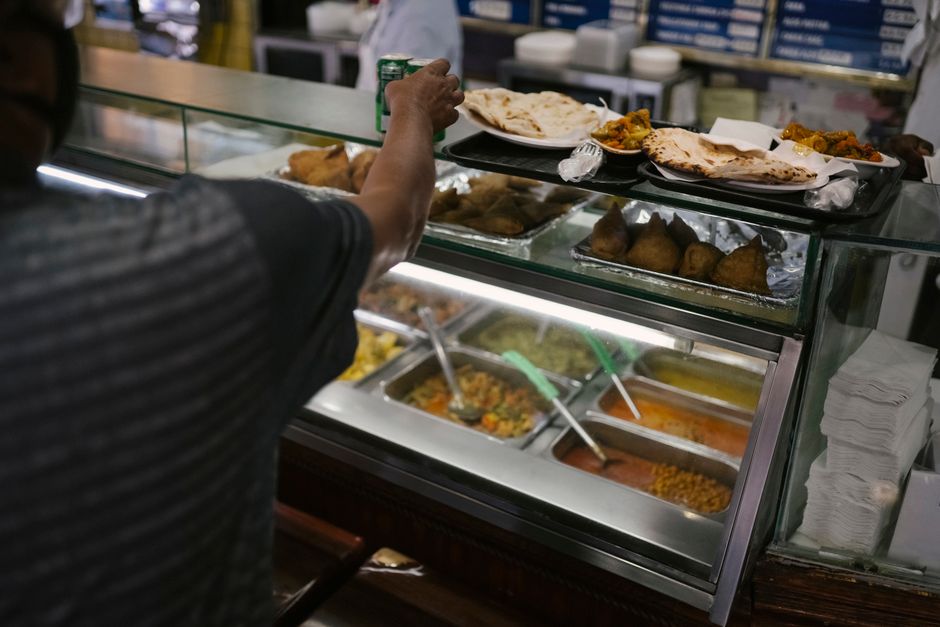
Bradford, a former industrial powerhouse, developed its distinctive curry culture through generations of South Asian immigration, evolving unique spice blends and cooking techniques far removed from generic overseas interpretations.
Bradford, a city forged in the industrial revolution, has a deep and vibrant curry heritage, often winning the 'Curry Capital of Britain' title. Its South Asian communities, arriving from the mid-20th century, established restaurants that adapted traditional recipes to local tastes and available ingredients, creating dishes like the iconic Karahi (Balti-style in other areas) with its rich, deeply spiced gravies. This culinary evolution, rooted in specific community history and ingredient innovation, offers a complexity rarely found in the simplified, often sweet, versions presented as 'English curry' abroad.

8. Port Isaac's Seafood Secret
Port Isaac, Cornwall, England
Port Isaac, a picturesque fishing village with a history of pilchard fishing dating back centuries, exemplifies the resourcefulness and fresh catches that underpin a truly authentic English fish pie.
Port Isaac, a charming village clinging to Cornwall's rugged north coast, has been a working fishing port for generations. Its narrow, winding streets lead down to a harbour where small boats still land daily catches of crab, lobster, and various fish. This direct access to fresh, diverse seafood is crucial for a proper fish pie, where the quality of the fish, rather than just quantity, defines the dish. The village's history of relying on the sea for sustenance shaped a culinary tradition where every ingredient was valued, a stark contrast to bland, generic fish pies that often disappoint when made with lesser ingredients abroad.
Frequently asked questions
Why do English dishes often taste different when made abroad?
The distinct taste of English dishes often relies on specific local ingredients, traditional cooking methods passed down through generations, and even the unique historical or geological context of their origin. When these factors are missing or substituted abroad, the dish can lose its authentic flavour and character.
What makes a truly authentic English breakfast, beyond the ingredients?
Beyond high-quality sausages, bacon, and eggs, an authentic English breakfast embodies a sense of local produce and a hearty tradition. It's often about the care in preparation, the regional nuances in ingredients like black pudding or potato cakes, and the breakfast's role as a substantial start to a day, reflecting the agricultural and industrial history of its region.
Are there significant regional variations in English cuisine?
Absolutely. English cuisine is far from monolithic. From the rich dairy traditions of Devon and Cornwall to the robust meat and pudding culture of Yorkshire, and the distinct curry styles of northern industrial cities, each region boasts unique dishes and preparations shaped by its local produce, climate, and historical communities.
How can I discover the deeper stories of these places and their food while traveling?
To truly connect with the history, geology, and culture behind these destinations and their dishes, consider using a smart audio guide. AllTours.ai allows you to simply point your phone camera at any landmark or landscape, and the app will narrate its unique story in your language, offering insights you might otherwise miss.
Related guides
Photography via Pexels. AllTours.ai is an AI audio tour guide — point your camera at any landscape and hear its story.