
September 20, 2026 · 4 min read
Marbella is famous for its vibrant summer energy, sun-drenched beaches, and buzzing nightlife. Millions flock here for the high season, creating an unforgettable atmosphere. But for those who call this stretch of the Costa del Sol home, the true magic often unfurls when the last of the summer crowds have gone.
When autumn leaves turn and winter sunshine graces the coast, Marbella settles into a quieter rhythm. This is when the heart of the region truly reveals itself, offering a chance to connect with its ancient past, unique natural beauty, and local charm without the usual bustling backdrop. It’s a completely different, deeply rewarding experience.

1. Ancient Mosaics of Daily Life
Roman Villa of Rio Verde, Marbella, Spain
Beneath a quiet field near a modern river, a remarkably preserved Roman villa offers a vivid glimpse into daily life from centuries past.
Discovered in the 1960s, the Roman Villa of Rio Verde boasts some of the finest mosaic floors in Andalusia. These intricate pavements depict not grand battles or emperors, but scenes of domestic life: kitchen utensils, seafood, and even a detailed Medusa head. Walking among these ruins in the quiet season allows you to truly appreciate the artistry and imagine the lives of the wealthy Roman family who once resided here, far from any modern distraction.
2. Shifting Sands and Coastal Ecology
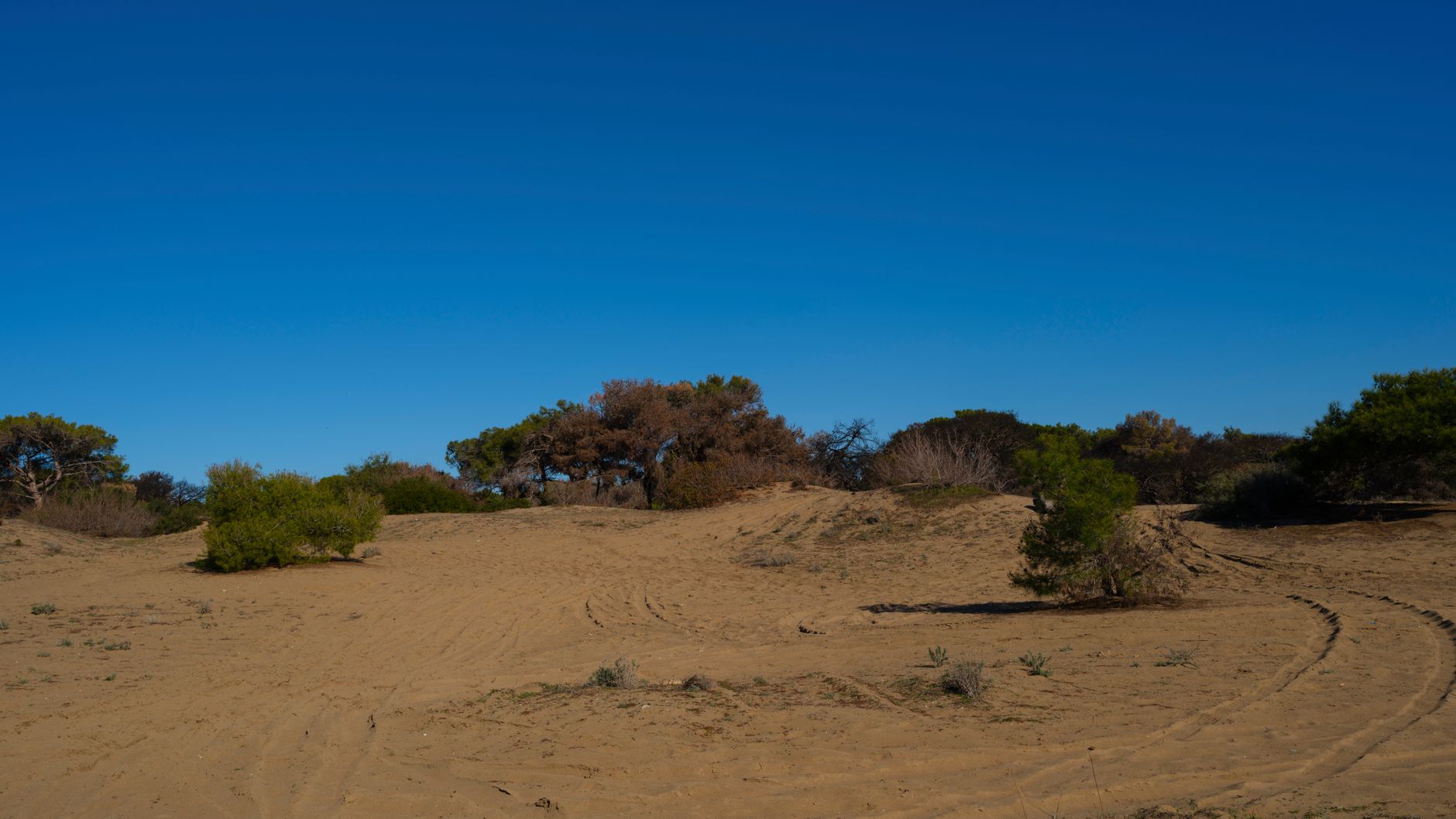
Dunas de Artola (Cabopino Beach), Marbella, Spain
Along a stretch of Marbella's coast lies a protected natural monument where golden sand dunes shift with the wind, creating a unique mini-desert ecosystem by the sea.
The Dunas de Artola are a rare example of well-preserved coastal dunes in Andalusia, home to unique flora adapted to this harsh, salty environment. These shifting sands are constantly sculpted by the elements, protecting the native vegetation and providing a habitat for various bird species. Visiting in the cooler months reveals the raw, untamed beauty of this landscape, a stark natural contrast to the manicured golf courses and resorts nearby.
3. Watchtower Against Pirates
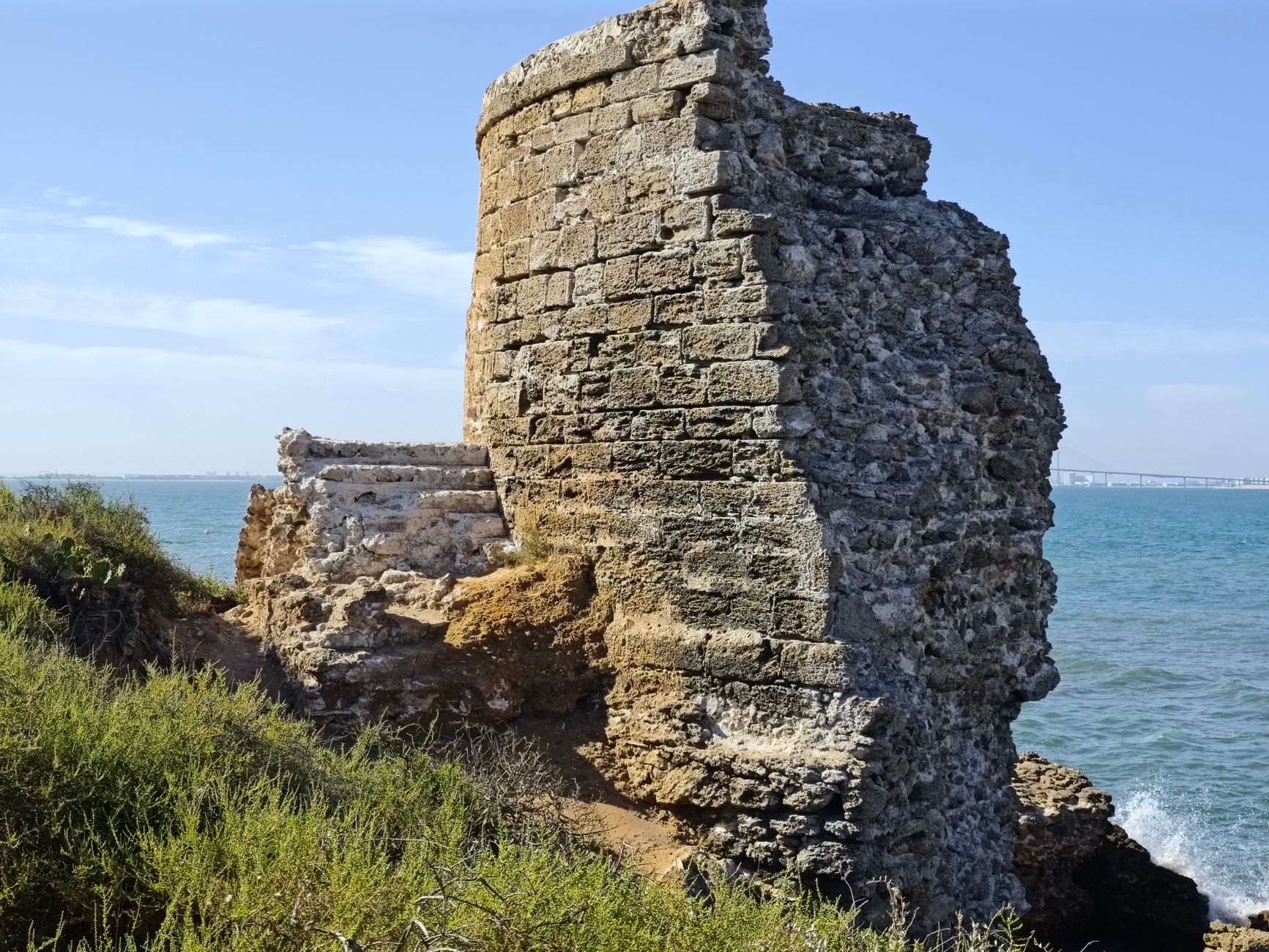
Torre Ladrones (Cabopino), Marbella, Spain
A solitary, ancient watchtower on the beach once formed part of a vast coastal defense network against Berber pirate raids.
The Torre Ladrones, or "Thieves' Tower," is one of the oldest and tallest watchtowers along the Costa del Sol, dating back to the Islamic era. Its strategic position allowed guards to spot approaching pirate ships and light beacons to warn inland villages. In the quiet season, with the sea breeze as your only companion, you can almost hear the echoes of lookouts and imagine the desperate signals sent across the dark coastline, guarding against threats from the Mediterranean.
4. Neolithic Echoes in the Hills
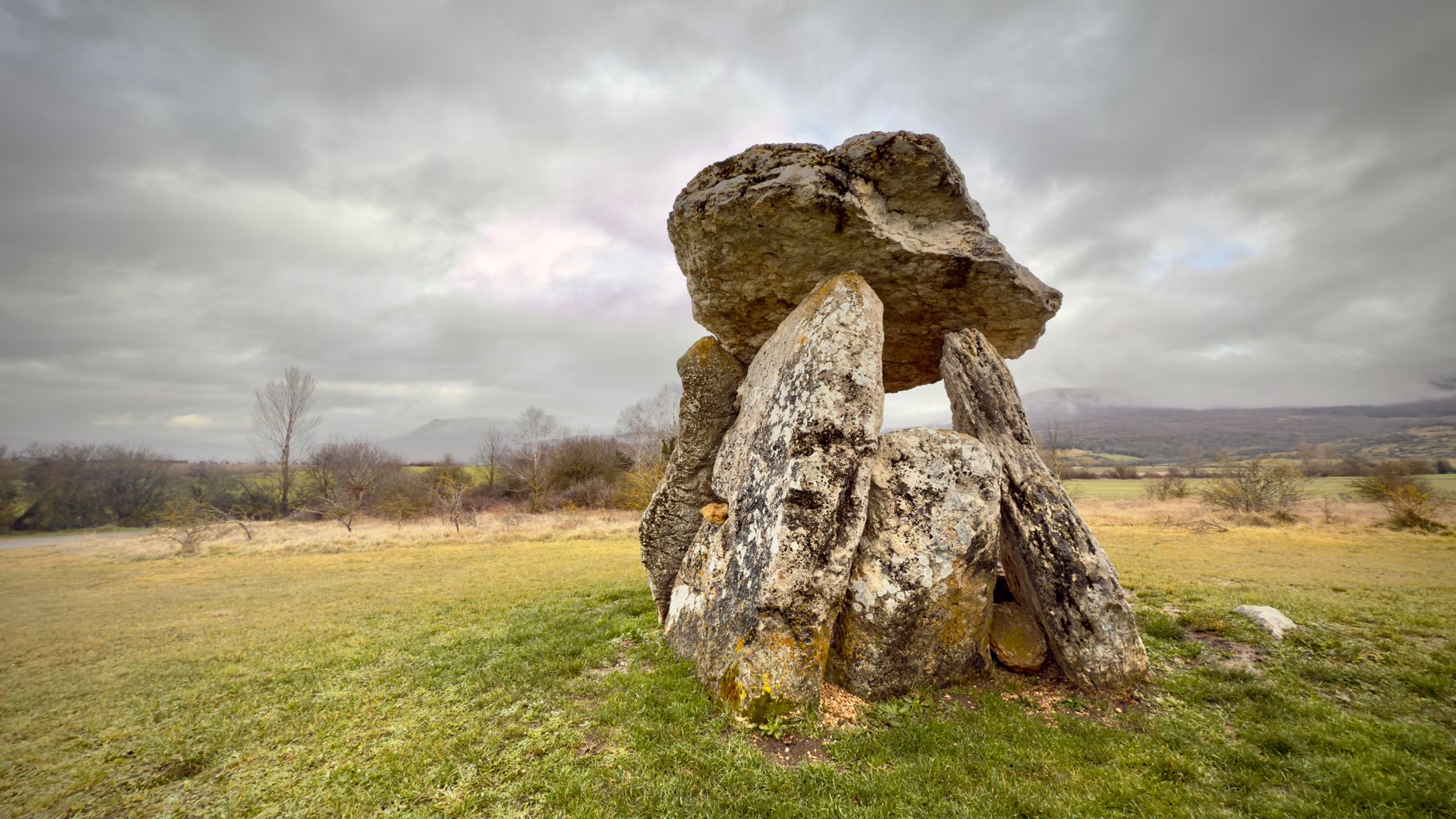
Dolmens de Corominas, Estepona, Spain
Tucked away in the hills near Estepona, five well-preserved Neolithic burial mounds offer a tangible link to prehistoric communities that lived here over 5,000 years ago.
The Dolmens de Corominas represent one of the most significant megalithic sites in Andalusia. These circular burial chambers, some with intricate stone corridors, were constructed by early farming communities. Inside, archeologists found tools, pottery, and human remains, painting a picture of life and death in the region long before any recorded history. A visit here in the low season provides a profound sense of continuity, connecting you to the very first inhabitants of this land.
5. Moorish Water Engineering Marvel
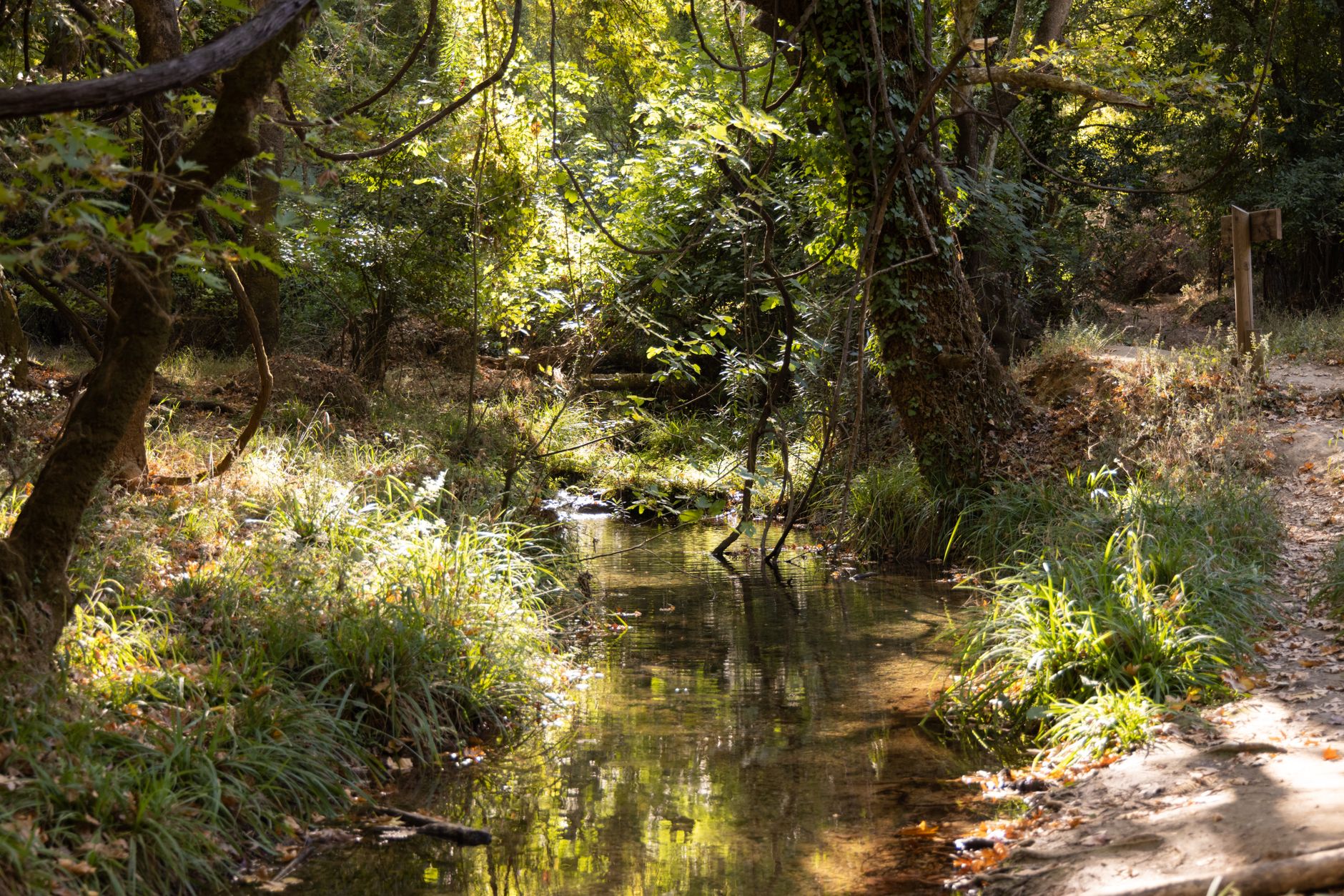
Acequia del Guadalmina, Benahavís, Spain
A hidden path follows an ancient irrigation channel, carved by hand into the rockface centuries ago, showcasing ingenious Moorish engineering.
The Acequia del Guadalmina is a testament to the advanced hydraulic knowledge of the Moors who once ruled Andalusia. This narrow water channel, often clinging precariously to cliffs, diverted water from the Guadalmina River to irrigate fields and supply villages like Benahavís. Walking alongside it, especially when the surrounding hills are lush from winter rains, offers a glimpse into a sustainable agricultural past and the remarkable effort required to tame the landscape for survival.
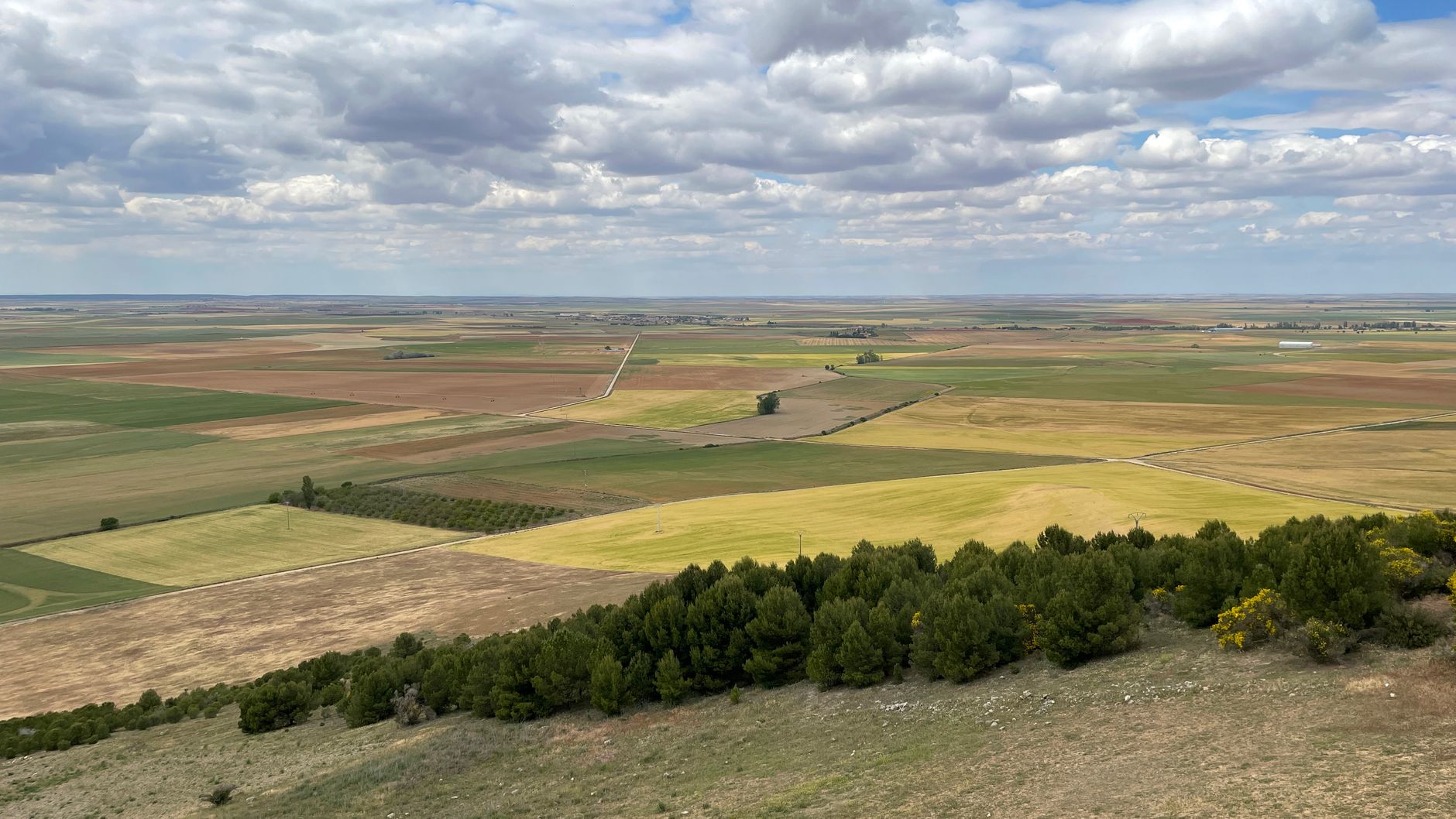
6. Vistas from an Ancient Hunting Ground
Mirador de Juanar, Ojén, Spain
From a mountain pass once part of a royal hunting estate, sweeping views stretch from the Sierra Blanca peaks down to the African coast on clear days.
The Mirador de Juanar, located in the Sierra Blanca mountains just above Ojén, offers a dramatic shift from the coastal plain. This area was historically a royal hunting reserve, known for its deer and ibex. In the crisp air of the off-season, the panoramic vistas are truly breathtaking, revealing the rugged beauty of the interior and, on exceptionally clear days, the faint outline of the Rif Mountains in Morocco across the Strait of Gibraltar. It’s a profound reminder of the region’s geographical position.
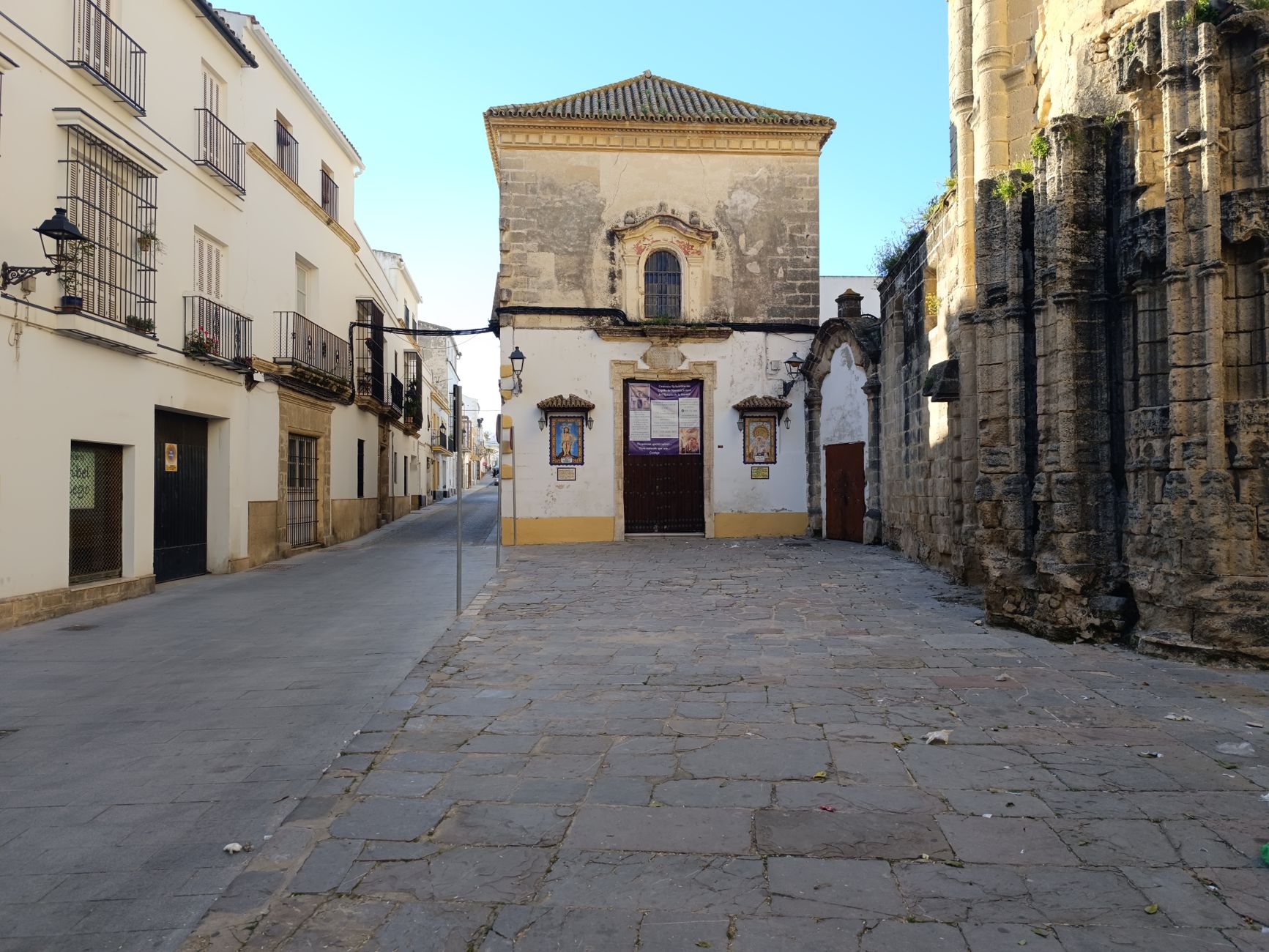
7. A Quiet Place of Devotion
Ermita de San Pedro Alcántara, Marbella, Spain
This unassuming 19th-century hermitage stands as a quiet testament to local faith and community, far from Marbella's glitz.
The Ermita de San Pedro Alcántara is a small, whitewashed chapel that served as the spiritual heart of the nascent San Pedro Alcántara agricultural colony. Built in 1895, it predates much of the modern development that defines Marbella today. Visiting this simple, serene place in the off-season allows for a moment of quiet reflection, connecting you to the foundational history of the local community and their enduring traditions, a world away from the luxury yachts and high-end boutiques.
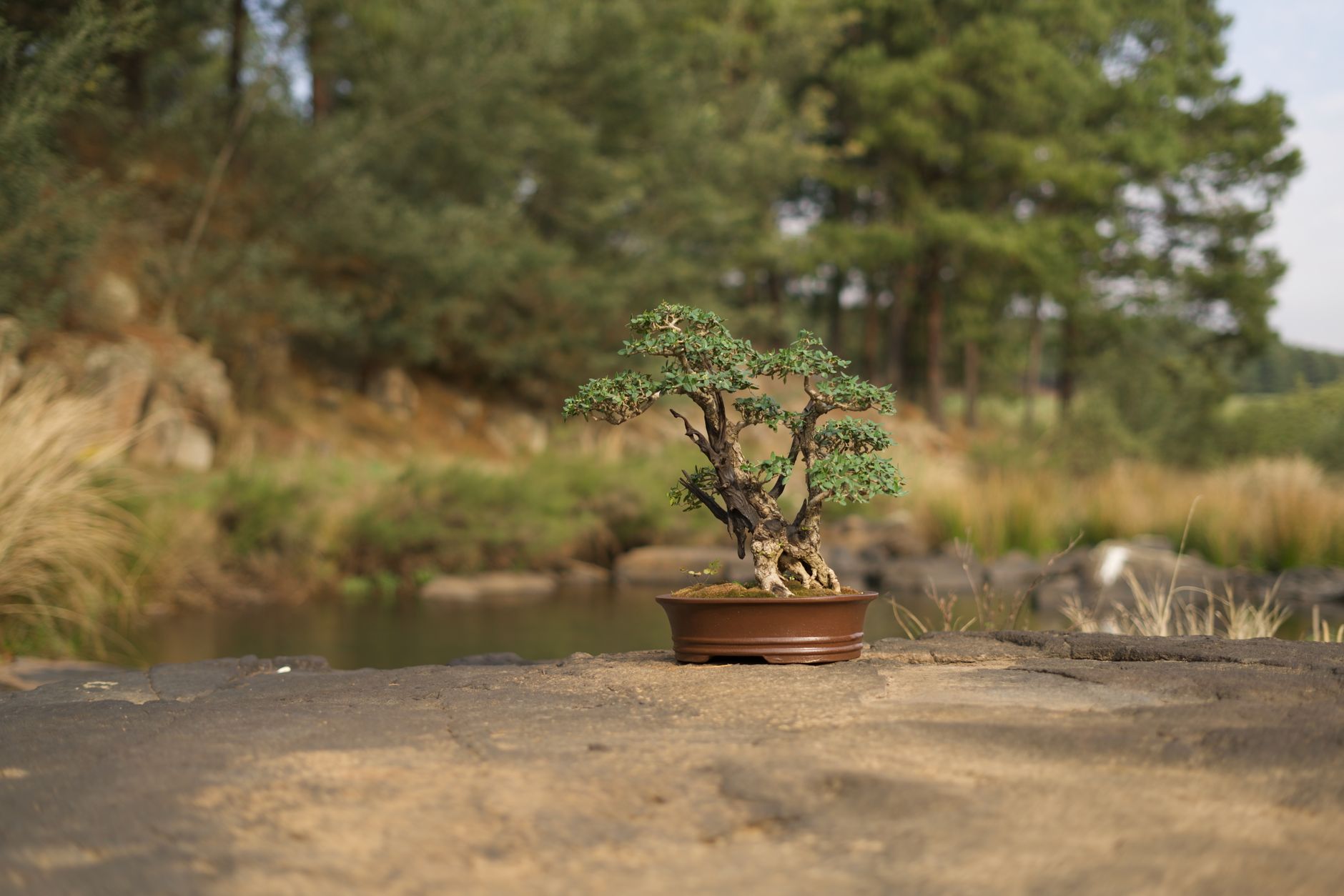
8. Miniature Worlds in an Urban Oasis
Parque de la Represa & Bonsai Museum, Marbella, Spain
Within an unexpected urban park, a tranquil museum houses one of Europe's most significant collections of miniature trees, some hundreds of years old.
The Parque de la Represa offers a peaceful escape in the heart of Marbella, crisscrossed by a calm stream. Its true gem is the Museo del Bonsái, home to an astounding collection of bonsai trees, including ancient olive trees and junipers meticulously sculpted over generations. In the quieter months, strolling through this serene garden, you can appreciate the intricate artistry and patience embodied in these living sculptures, a unique cultural experience that contrasts sharply with the vibrant energy of the city's main attractions.
Frequently asked questions
When is the best time to visit Marbella to avoid crowds?
The ideal time to experience Marbella without the summer crowds is during the shoulder seasons (April-May, late September-October) or the quieter winter months (November-March). The weather remains mild and pleasant, perfect for exploring.
Is Marbella still vibrant during the off-season?
While quieter than summer, Marbella retains its charm and many local restaurants, shops, and attractions remain open. You'll find a more authentic, relaxed atmosphere, with a focus on local life rather than tourist activities.
What's the weather typically like in Marbella during winter?
Marbella enjoys one of Europe's mildest winters, with average daytime temperatures often hovering around 16-18°C (61-64°F) and plenty of sunshine. While evenings are cooler, it's generally pleasant enough for outdoor activities.
How can the AllTours.ai app enhance my off-season exploration of Marbella?
The AllTours.ai app is your perfect companion for discovering Marbella's hidden depths. Simply point your phone camera at a landmark, a ruin, or even a unique geological feature, and the app will instantly narrate its history, cultural significance, and fascinating facts in your preferred language, enriching your understanding of these quieter, profound places.
Related guides
Photography via Pexels. AllTours.ai is an AI audio tour guide — point your camera at any landscape and hear its story.