July 15, 2026 · 4 min read
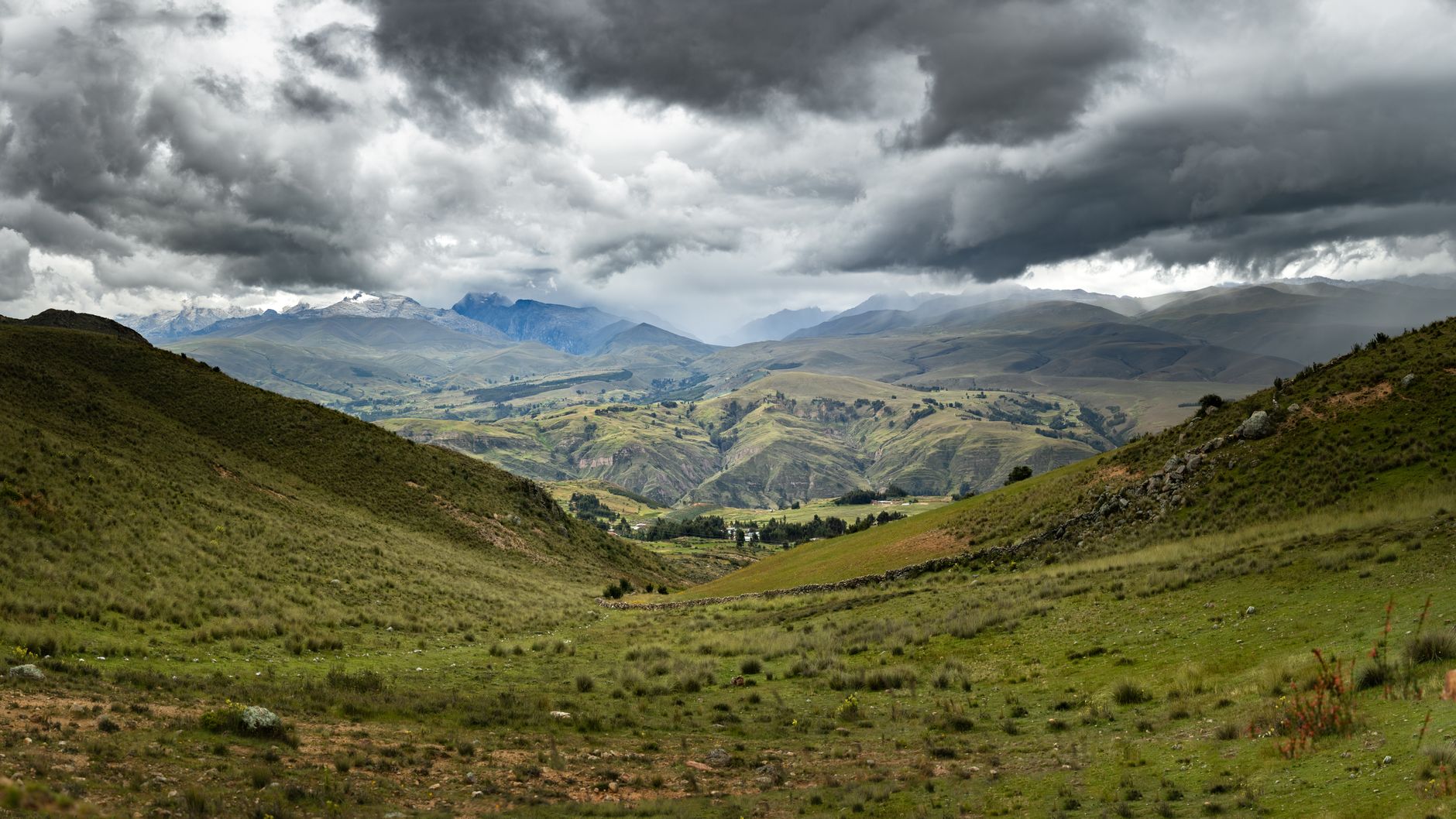
When someone asks, 'What is your favorite weekend lunch?', most people picture a plate of food. But for us, the true feast is found in discovery – a midday adventure that nourishes the mind and sparks wonder. It’s about uncovering places that challenge what you thought possible, far from the well-trodden tourist paths.
This isn't about Michelin stars or trendy cafes. It's about the kind of 'lunch' that leaves you with stories for a lifetime: a vista that sings, a forest that bends, or a crater that breathes fire. Prepare to add some truly extraordinary destinations to your travel wishlist, each with a surprising tale waiting to be told.
1. The Ocean's Own Orchestra
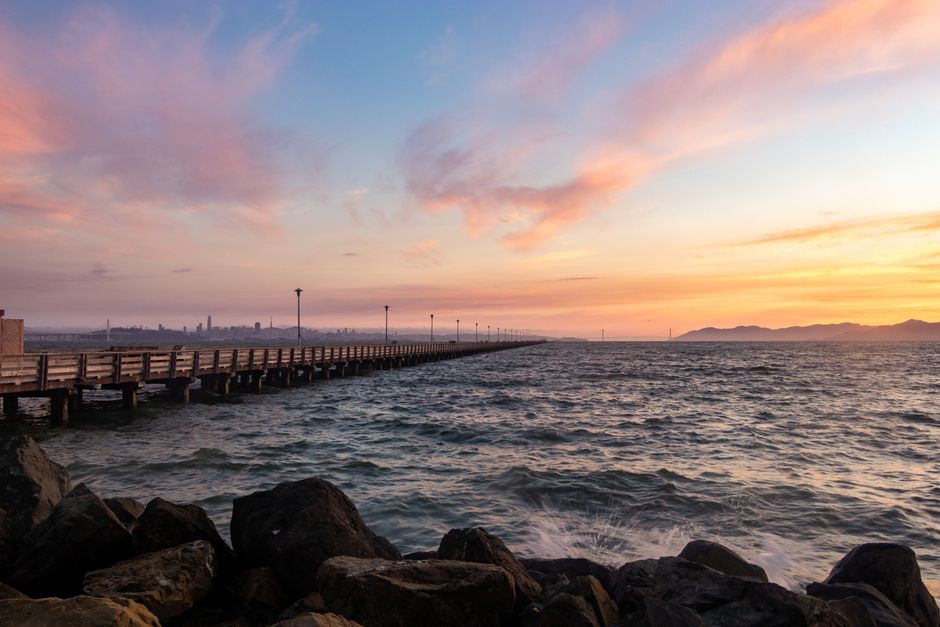
The Wave Organ, San Francisco, USA
This unusual sculpture uses the natural rhythm of the ocean to create haunting, ethereal music.
Perched on a jetty in the San Francisco Bay, the Wave Organ is an acoustic sculpture activated by the tides. As waves roll in and out beneath the structure, they push water into 25 different PVC and concrete pipes, generating subtle, resonant sounds that mimic deep sighs, gurgles, and whispers. It's a serene, often overlooked spot offering a unique sensory experience, far from the city's usual bustle.
2. The World's Oldest Temple
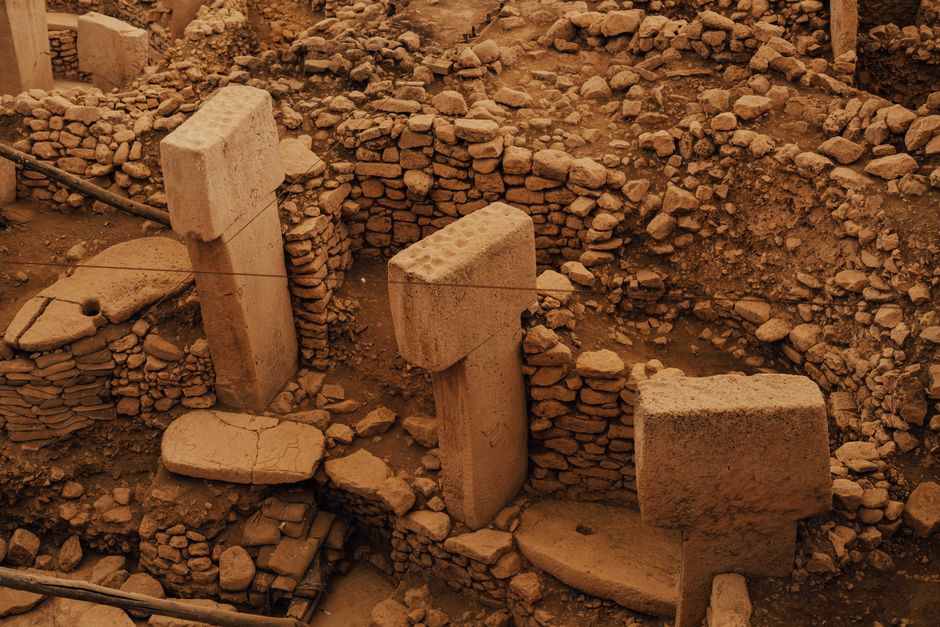
Göbeklitepe, Turkey
Predating Stonehenge and the Egyptian Pyramids by thousands of years, this site rewrites the story of human civilization.
High on a remote hill in southeastern Turkey lies Göbeklitepe, an archaeological marvel dating back to the Pre-Pottery Neolithic period. Its monumental T-shaped pillars, intricately carved with animals and abstract symbols, suggest complex societal organization and religious practices long before the advent of agriculture or settled life. It challenges the conventional view that monumental architecture only emerged after farming, hinting that spiritual belief might have driven early human settlement.
3. The Desert's Moving Stones
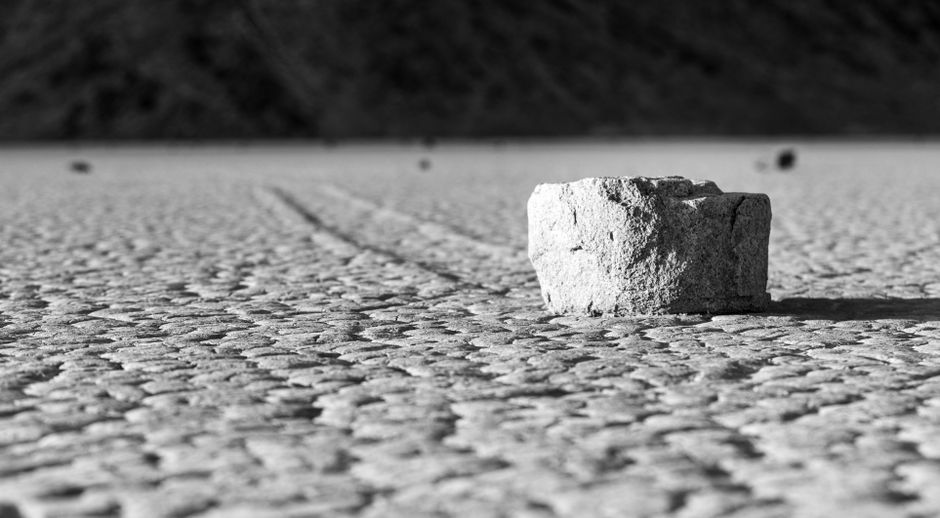
Racetrack Playa, Death Valley National Park, USA
On this dry lakebed, rocks weighing hundreds of pounds mysteriously slide across the surface, leaving long trails behind them.
Racetrack Playa is a flat, dry lakebed famous for its 'sailing stones' – large rocks that move across the desert floor without human or animal intervention, leaving distinct tracks. For decades, the phenomenon was a mystery. Research now points to a unique combination of conditions: rare winter rains create a shallow pond, which then freezes into thin ice sheets. As temperatures rise, the ice cracks, and strong winds push the ice rafts, carrying the embedded rocks along the slick mud beneath.
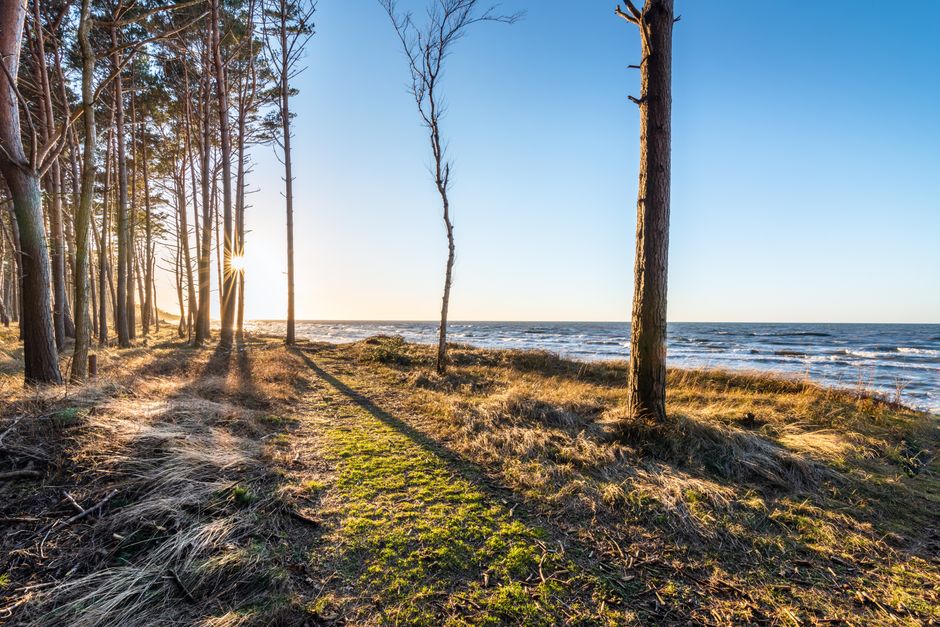
4. The Crooked Forest
Gryfino, Poland
A grove of pine trees here all bend at a dramatic, uniform 90-degree angle just above the ground, then curve upwards.
In a small corner of western Poland, the 'Krzywy Las' or Crooked Forest captivates with its bizarre appearance. Around 400 pine trees, planted in the 1930s, each have a distinct C-shaped bend near their base, making them appear to be bowing. The exact cause of this deformation remains a mystery. Theories range from intentional human cultivation for furniture or shipbuilding, to unique gravitational pull, or even heavy snow accumulation during their early growth. It's an eerie, silent testament to an unsolved natural puzzle.
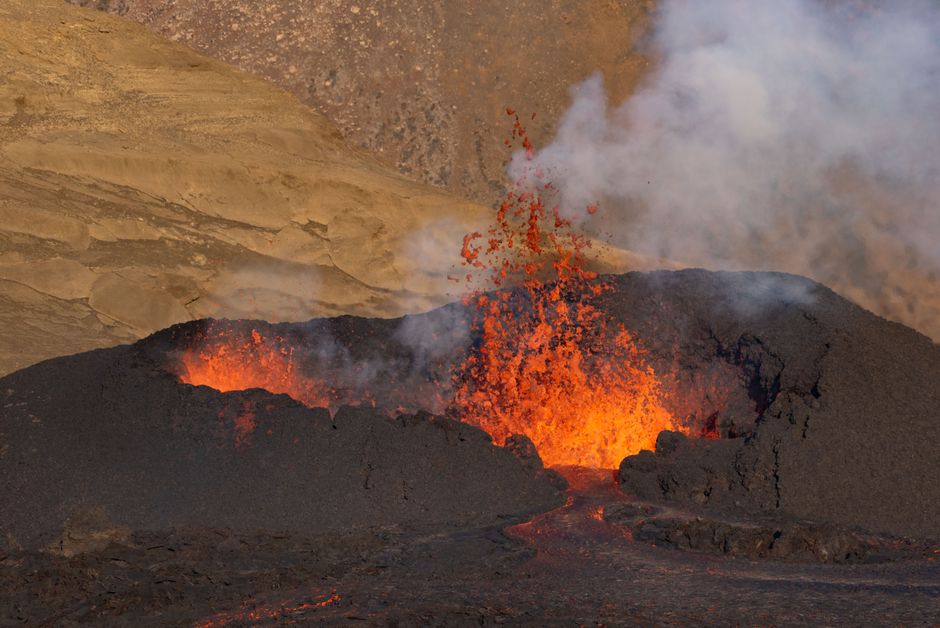
5. The Door to Hell
Darvaza Gas Crater, Turkmenistan
This massive desert crater has been burning continuously for over five decades, creating an unearthly glow.
The Darvaza Gas Crater, aptly nicknamed the 'Door to Hell,' is a natural gas field that collapsed into a wide crater in 1971. Soviet geologists reportedly set it alight to burn off dangerous methane gases, expecting it to extinguish in weeks. Instead, it has been burning ever since, a fiery spectacle in the Karakum Desert. The perpetual flames, especially vivid at night, make it a surreal and awe-inspiring destination that feels like a portal to another world.
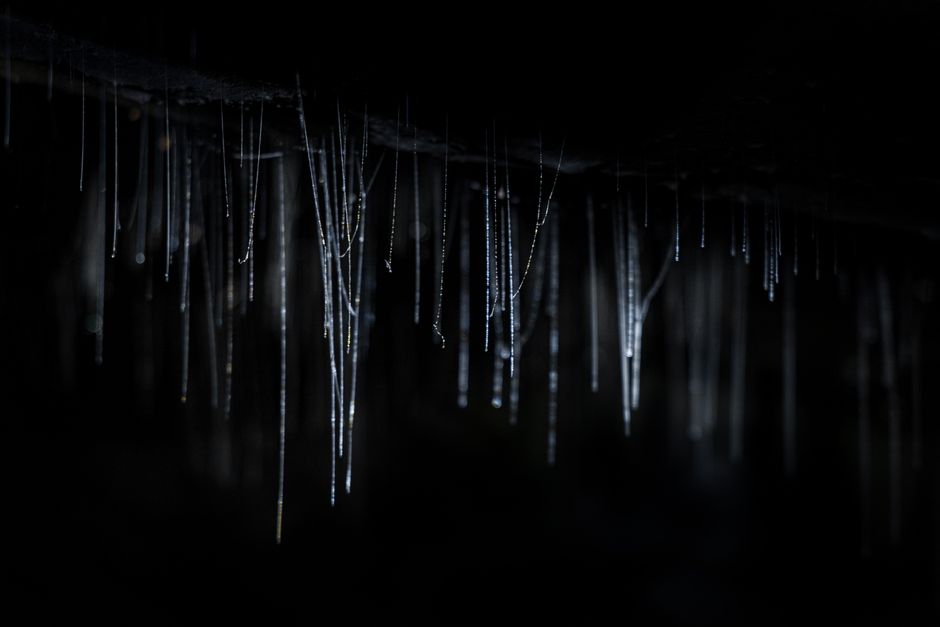
6. The Cave of Living Lights
Waitomo Glowworm Caves, New Zealand
Thousands of tiny glowworms illuminate a vast underground cave system, creating a starry sky beneath the earth.
The Waitomo Glowworm Caves offer a truly magical experience. Deep beneath the surface, a unique species of glowworm (Arachnocampa luminosa) adheres to the cave ceilings, emitting a bioluminescent light. As you glide silently by boat through the darkness, the cave roof above transforms into a twinkling galaxy, a breathtaking natural light show. These creatures use their light to attract prey to sticky silk threads, an ingenious part of this ancient limestone ecosystem.
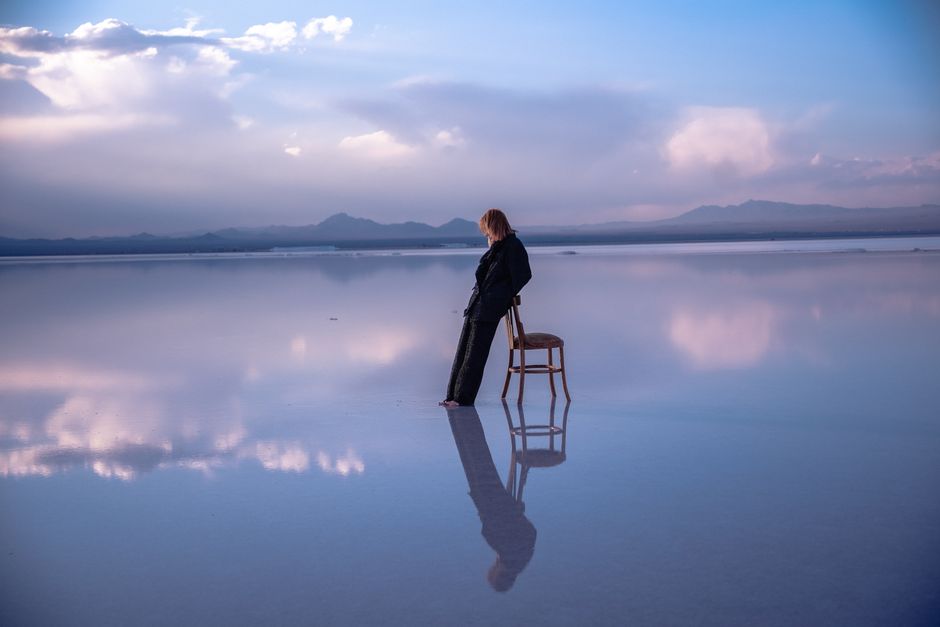
7. The Salt Flat Mirror
Salar de Uyuni, Bolivia
The world's largest salt flat transforms into a colossal mirror after rain, reflecting the sky perfectly.
Salar de Uyuni is an otherworldly expanse of dazzling white salt, stretching over 10,000 square kilometers. It's the remnant of a prehistoric lake and contains an estimated 10 billion tons of salt, along with the world's largest lithium reserves. During the rainy season, a thin layer of water transforms the entire flat into a colossal, reflective surface, blurring the horizon and creating a stunning illusion of walking on clouds. It’s an optical wonder unlike anywhere else on Earth.
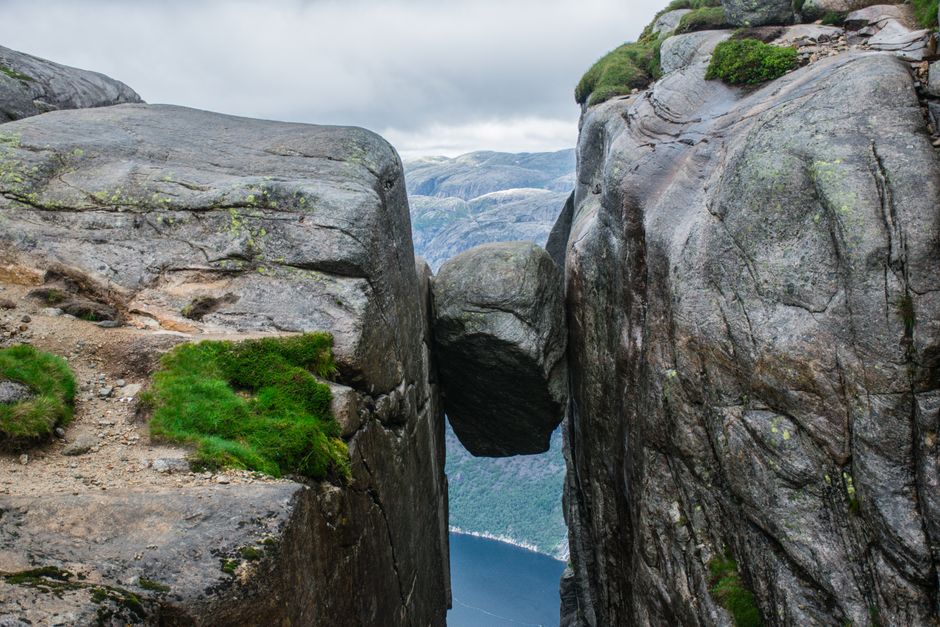
8. The Boulder Suspended Between Cliffs
Kjeragbolten, Kjerag Mountain, Norway
A five-cubic-meter boulder is wedged precariously in a mountain crevice, thousands of feet above the fjord.
Kjeragbolten is one of Norway's most iconic and daring natural wonders: a massive glacial erratic boulder suspended perfectly in a 1,000-meter-deep (3,280 ft) crevice on the Kjerag mountain. Reaching it involves a challenging hike, but standing on the boulder offers an unparalleled adrenaline rush and breathtaking views of the Lysefjord below. Geologists believe the boulder was deposited during the last ice age, then became wedged as the ice retreated, creating this astonishing, gravity-defying spectacle.
Frequently asked questions
How do I find these lesser-known spots beyond the tourist trail?
Discovering truly unique locations often requires research beyond typical travel guides. Look for local blogs, specialized travel forums, and geological or historical society websites. Sometimes, the best tips come from talking to locals once you're in a region.
Is it safe to visit remote or less-trafficked natural wonders?
Safety is paramount. Always research current conditions, local regulations, and potential hazards. Consider hiring a local guide, informing others of your itinerary, and ensuring you have appropriate gear, provisions, and emergency communication. Some places might require permits or have specific access rules.
What's the best time of year to experience these unique natural phenomena?
The ideal time varies greatly by location. For the Salar de Uyuni's mirror effect, visit during the rainy season (Dec-Apr). For the Wave Organ, any high tide works, but calm weather enhances the sounds. Always check seasonal weather patterns and local advice for each specific destination to optimize your visit.
How does AllTours.ai enhance my exploration of unique places like these?
AllTours.ai brings the stories of these incredible places to life. Simply point your phone camera at a landscape or landmark, and the app instantly narrates its rich history, fascinating geology, and vibrant culture in your preferred language, turning every view into a deep, engaging discovery.
Related guides
Photography via Pexels. AllTours.ai is an AI audio tour guide — point your camera at any landscape and hear its story.