
July 30, 2026 · 4 min read
The inherent risks of live performance, like an archery accident during a circus act in New York, often spark a deeper curiosity about the unexpected dangers that have shaped our past. Beyond the specific incident, it prompts us to consider the hidden hazards that lie beneath the surface of familiar landscapes and the profound lessons they offer.
Many places, often overlooked, hold incredible true stories of human ingenuity, resilience, and the unforeseen consequences of our actions. These are the sites where danger, whether natural or man-made, left an indelible mark, teaching us about public safety, environmental impact, and the relentless march of time.
1. The Quarantine Island's Tragic Legacy
North Brother Island, New York, USA
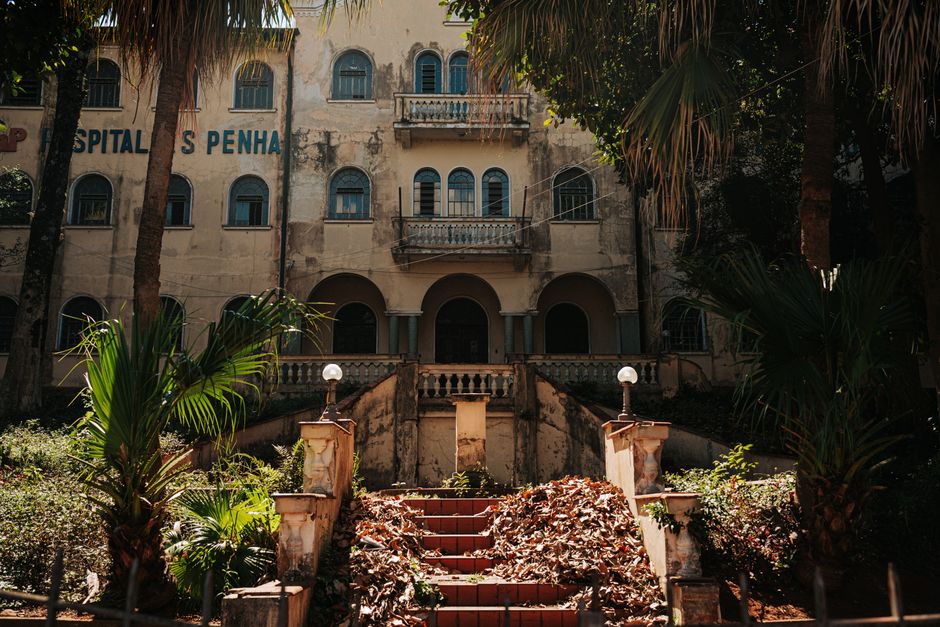
This abandoned island in the East River holds the somber history of New York City's deadliest maritime disaster and a famous isolated patient.
North Brother Island served as a quarantine facility for over a century, most notably housing 'Typhoid Mary' Mallon. In 1904, the island became the site of the General Slocum steamboat fire, which killed over a thousand people, mostly women and children from Little Germany. The tragedy exposed severe safety oversights and led to significant reforms in maritime regulations, a stark lesson in public safety and negligence.

2. A Beach Built on Forgotten Trash
Dead Horse Bay, Brooklyn, New York, USA
Discover a unique New York City beach where waves churn up bottles, bones, and debris from a century-old landfill.
Once a dumping ground for horse carcasses and other city waste, Dead Horse Bay is a testament to the city's past, and a lesson in environmental impact. The bay’s shores are constantly eroding, revealing layers of glass bottles, old shoes, and animal bones from the former rendering plants and landfills that operated here until the 1930s. It’s a strange, fossilized landscape of urban archaeology, reminding us how our waste endures.
3. The Town Burning Beneath Our Feet
Centralia, Pennsylvania, USA
A small town in Pennsylvania has been slowly consumed by an underground coal mine fire burning continuously for over sixty years.
In 1962, a trash fire ignited an exposed coal seam in Centralia, leading to an inferno that still rages beneath the town today. The residents were eventually relocated, leaving behind a ghost town with smoking fissures and sinking ground, a chilling lesson about the unforeseen, long-term consequences of industrial activity and the difficulty of containing a true environmental disaster. The abandoned roads and eerie quiet are a powerful reminder of nature's relentless power.
4. The Ghost of a Grand Hotel
Catskill Mountains, New York, USA
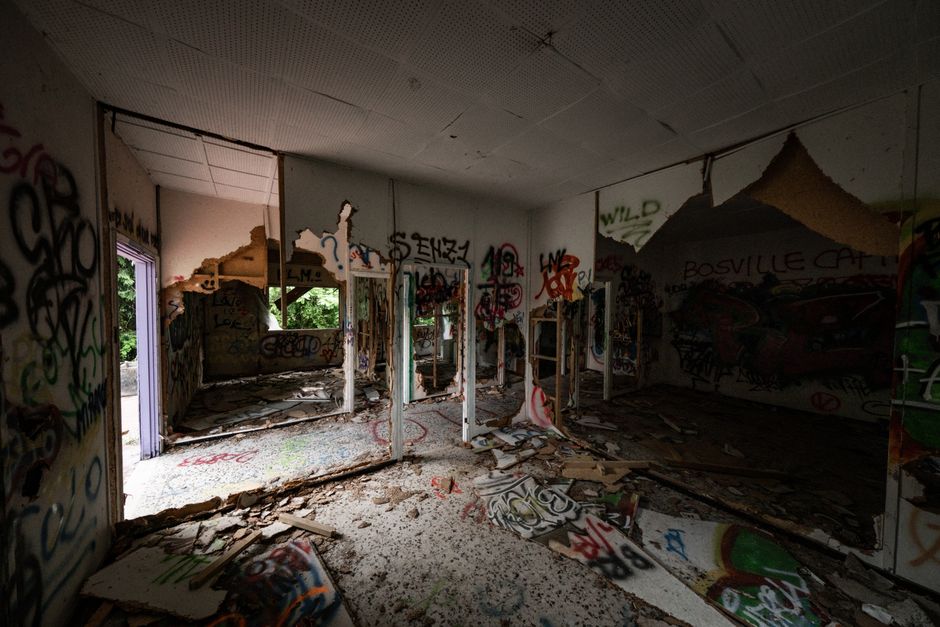
The site of a legendary 19th-century hotel that twice burned down and was finally demolished, leaving only its stunning vista.
Perched atop a cliff overlooking the Hudson Valley, the Catskill Mountain House was once America's first grand resort hotel. It burned down in 1924, was rebuilt, and burned again in 1941. Eventually, the state acquired the land and deliberately razed the remains in 1963. The empty precipice now offers the same breathtaking views that captivated artists and presidents, serving as a silent lesson on impermanence and the forces of both nature and human choice that shape a landscape.
5. Brooklyn's Toxic Waterway
Gowanus Canal, Brooklyn, New York, USA
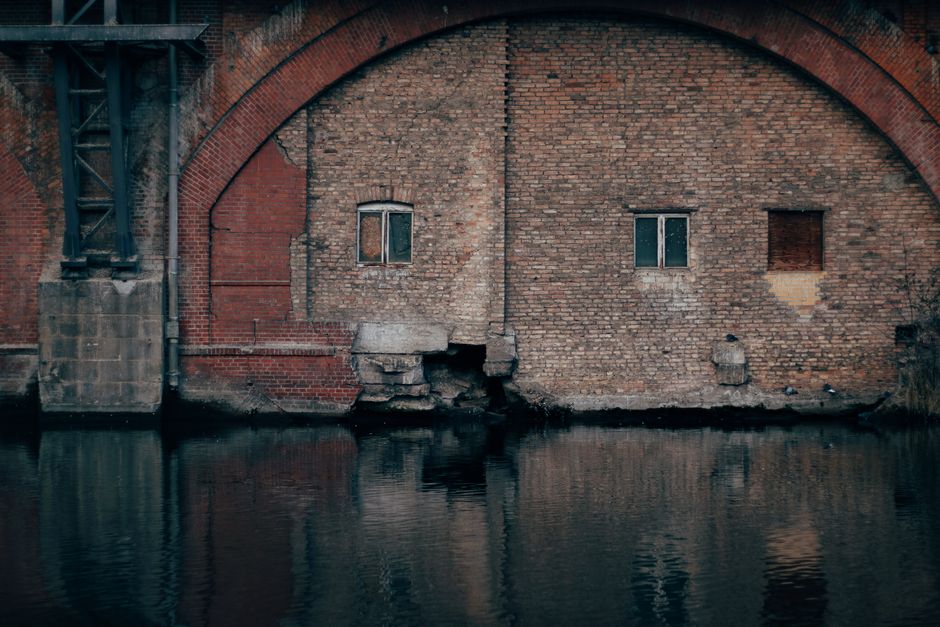
Beneath the picturesque surface of this historic Brooklyn canal lies a century of industrial pollution, earning it Superfund site status.
The Gowanus Canal, once a vital industrial artery, became one of America's most polluted waterways, a stark lesson in the long-term environmental cost of unregulated industry. Known for its 'black mayonnaise' sludge of coal tar, heavy metals, and PCBs, the canal has been undergoing a massive cleanup effort for decades. Its ongoing restoration reveals the complex challenges of urban renewal and environmental justice, and the enduring legacy of human impact on our natural resources.
6. Hidden Chambers Beneath an Icon
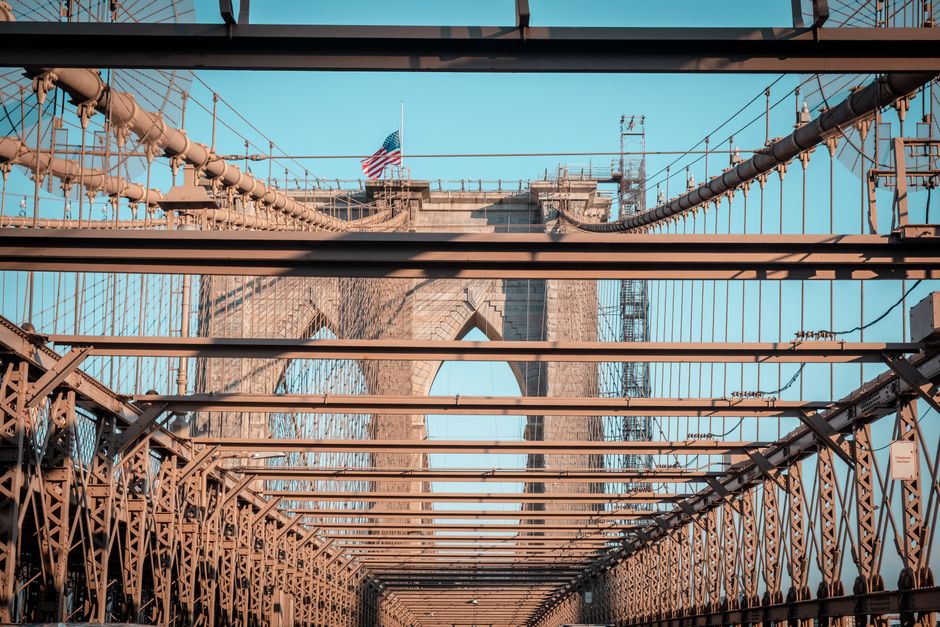
Brooklyn Bridge, New York, USA
Explore the surprising, often overlooked chambers beneath the Brooklyn Bridge, once used for wine storage and even a missile shelter.
The massive stone anchorages of the Brooklyn Bridge were not just structural supports; they contained cavernous vaults rented out for various purposes, including wine storage due to their cool, dark conditions. During the Cold War, one was even designated as a fallout shelter. These hidden spaces, built with immense human labor and facing the dangers of early engineering, offer a lesson in ingenuity, resourcefulness, and the unexpected ways monumental structures integrate with urban life.
7. Water Through the Walls
Ossining, New York, USA
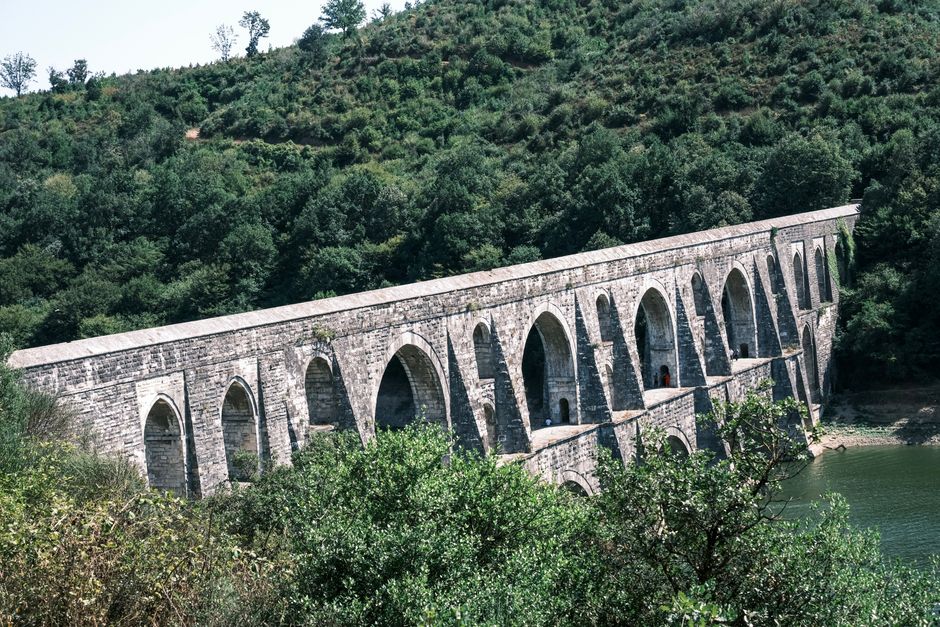
A vital part of New York City's 19th-century water supply literally runs through the grounds of the infamous Sing Sing Correctional Facility.
The Old Croton Aqueduct, an engineering marvel that brought fresh water to New York City in the 1840s, passes directly through the perimeter of Sing Sing Prison. This unusual arrangement meant that aqueduct workers sometimes had to enter the prison grounds, facing unique security and logistical challenges. It’s a compelling lesson in the intertwined nature of public infrastructure and societal institutions, highlighting the historical dangers and creative solutions required to build and maintain essential services.
Frequently asked questions
What was the circus archery accident in New York?
While specific details about a prominent circus archery accident in New York are not widely documented as a major historical event, such incidents in performance arts underscore the inherent risks of live entertainment and the constant need for stringent safety protocols to protect both performers and audiences from unexpected dangers.
Are there any hidden dangers still present in old New York City infrastructure?
Many parts of old New York City infrastructure, while resilient, carry historical challenges. Subterranean networks, abandoned tunnels, and contaminated industrial sites, like the Gowanus Canal, remind us of past construction methods and environmental practices that posed different kinds of risks, some of which require ongoing management.
How can I find lesser-known historical sites and stories in New York?
To uncover lesser-known historical sites, explore local historical society archives, municipal records, and community-specific blogs. Off-the-beaten-path trails, forgotten industrial areas, and even local cemeteries can reveal fascinating, often surprising, stories missed by mainstream guides.
How does the AllTours.ai app help me discover these places?
The AllTours.ai app transforms your phone into an AI audio tour guide. Simply point your camera at any landscape, building, or landmark, and the app will narrate its history, geology, and cultural significance in your language, bringing to life the hidden stories and lessons embedded in the world around you.
Related guides
Photography via Pexels. AllTours.ai is an AI audio tour guide — point your camera at any landscape and hear its story.