July 30, 2026 · 5 min read
Life is full of unexpected turns, where precision can fail, and the unforeseen can unravel even the most meticulously planned performances. While the idea of an 'archery accident' might spark thoughts of immediate, dramatic failure, history is replete with moments where seemingly minor events or overlooked details led to profound, lasting consequences.
Beyond the well-trodden paths and famous landmarks, countless places hold stories of hidden risks, surprising discoveries, and the quiet lessons etched into their very landscapes. These are the narratives of forgotten disasters, geological enigmas, and human ingenuity or folly that offer a deeper understanding of our world.

1. New York's Forgotten Quarantine Island
North Brother Island, USA
Just off the Bronx coast lies an abandoned island with a dark past, once home to 'Typhoid Mary' and the site of a devastating maritime disaster.
This small island in the East River served as a quarantine hospital for over 80 years, isolating patients with diseases like smallpox and tuberculosis. It was here that Mary Mallon, known as 'Typhoid Mary,' spent decades in forced isolation. In 1904, the island also became the tragic site of the General Slocum steamboat fire, one of New York City's worst maritime disasters, claiming over a thousand lives. Today, it's a bird sanctuary, its decaying hospital buildings slowly reclaimed by nature.
2. The Town Above a Perpetual Fire
Centralia, Pennsylvania, USA
Beneath this almost-ghost town, a coal mine fire has been burning uncontrollably for over 60 years, turning roads into smoke vents and forcing most residents to flee.
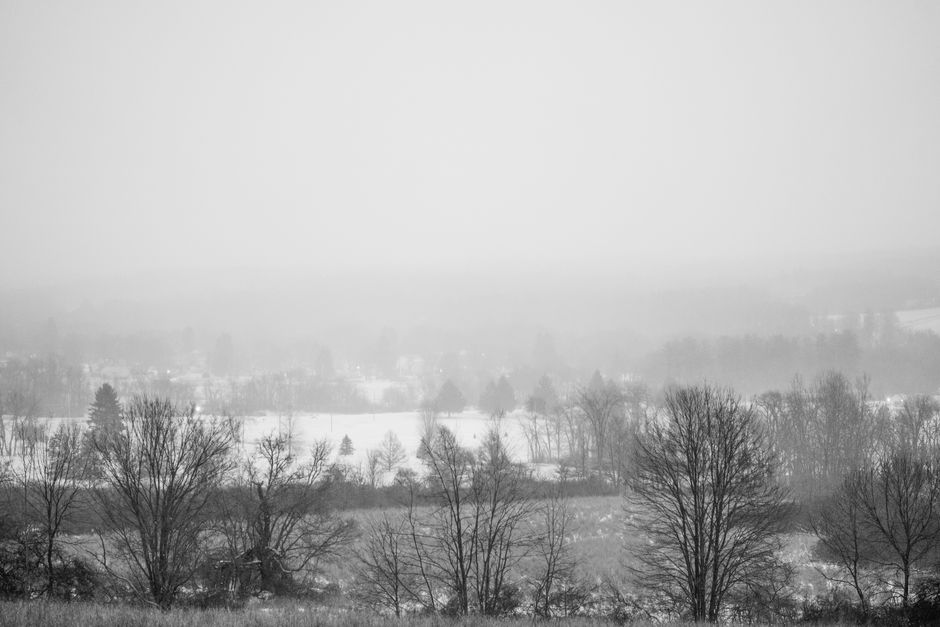
In 1962, a trash fire ignited an exposed coal seam in Centralia, Pennsylvania. What began as a local problem soon escalated into an underground inferno that continues to burn today, estimated to have enough fuel for another 250 years. The town's population dwindled from over a thousand to just a handful, as toxic gases and collapsing ground made life impossible. Visitors can still see steam rising from cracks in the ground and warning signs about the unstable terrain, a stark reminder of an unseen, persistent danger.
3. Ohio's Ancient Earthwork Mystery
Serpent Mound, Ohio, USA
This massive, winding effigy mound, stretching over a quarter-mile, was built by ancient cultures for reasons still debated by archaeologists.
Carved into the landscape of southern Ohio, Serpent Mound is the largest effigy mound in the world, depicting a serpent with an oval head. While some attribute it to the Adena culture, others believe the Fort Ancient culture constructed it, potentially aligning with astronomical events like solstices and lunar phases. Its precise purpose—whether ceremonial, calendrical, or symbolic—remains a captivating archaeological puzzle, offering a glimpse into the sophisticated worldview of its ancient creators.
4. The Musical Boulder Field
Ringing Rocks Park, Pennsylvania, USA
In a quiet corner of Pennsylvania, a field of ordinary-looking boulders produces distinct, bell-like tones when struck with a hammer.
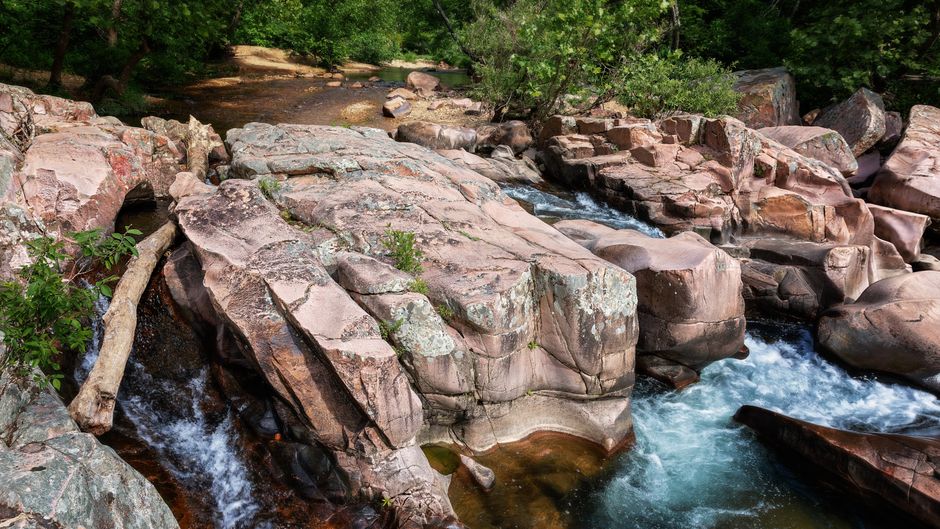
Ringing Rocks Park in Upper Black Eddy features a unique geological phenomenon: a vast field of diabase boulders that resonate with metallic, bell-like sounds when struck. Scientists are still unsure of the exact cause, though theories range from the rock's specific mineral composition and internal stresses to its unique weathering patterns. This natural 'lithophone' invites visitors to bring their own hammers and create impromptu musical performances, transforming a mundane landscape into an interactive soundscape.
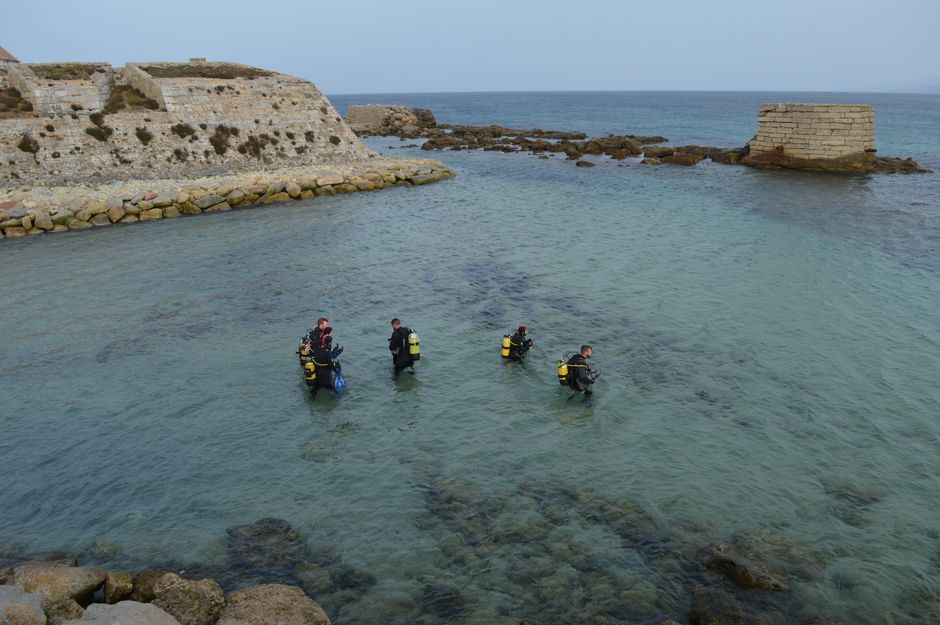
5. The Sunken Pirate City
Port Royal, Jamaica
Once known as the 'Wickedest City on Earth,' this notorious pirate haven was swallowed by the sea in a devastating 17th-century earthquake.
In its heyday, Port Royal was a bustling, lawless port notorious for its buccaneers, rum, and rampant debauchery. However, on June 7, 1692, a massive earthquake struck, causing two-thirds of the city to liquefy and slide into Kingston Harbour, taking thousands of lives and much of its wealth with it. Today, it's one of the best-preserved underwater archaeological sites in the Americas, offering a unique time capsule of 17th-century colonial life, submerged in a single, catastrophic event.
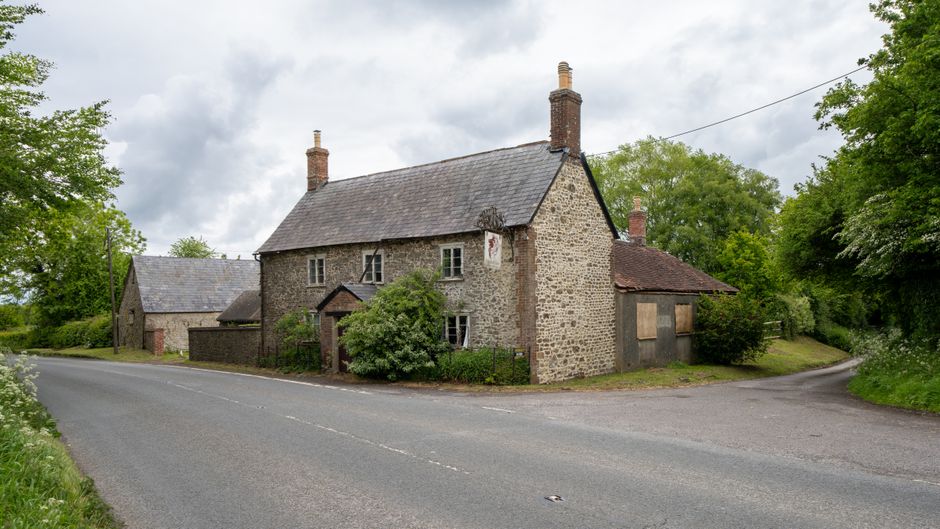
6. Britain's Ghost Village of War
Tyneham, Dorset, UK
This picturesque English village was permanently evacuated during World War II for military training and remains frozen in time, its residents never allowed to return.
In December 1943, the villagers of Tyneham received notices that they had to leave their homes by Christmas Eve so the area could be used for D-Day training exercises. They were promised they could return after the war, but the village and surrounding land were never handed back to the public. Today, Tyneham is part of an army firing range, accessible only on specific dates. Visitors can walk through the eerily preserved remains of the church, schoolhouse, and cottages, offering a poignant glimpse into a community sacrificed for the war effort.
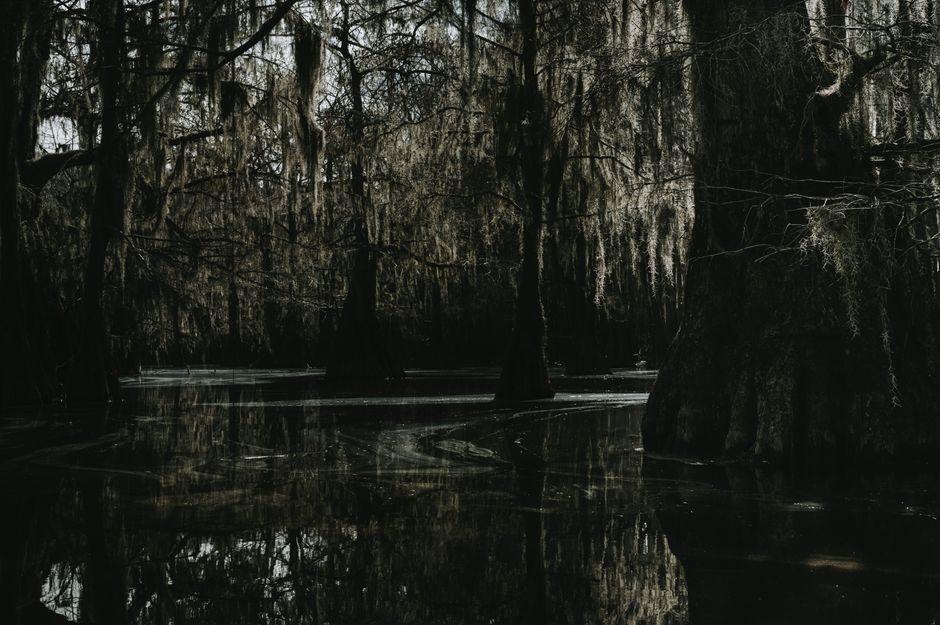
7. The Swamp of Secrets and Sanctuary
Great Dismal Swamp, USA
This vast, forbidding wetland, once deemed impenetrable, served as a crucial refuge for runaway slaves and a site of hidden communities.
Spanning parts of Virginia and North Carolina, the Great Dismal Swamp was a formidable natural barrier, making it an ideal sanctuary for 'Maroons'—escaped slaves who formed self-sufficient communities deep within its treacherous terrain. These settlements, often built on elevated 'islands' within the swamp, allowed them to maintain freedom for generations. The swamp's dense foliage, venomous snakes, and challenging environment hid these communities from slave catchers, making it a critical, yet dangerous, landscape in American history.
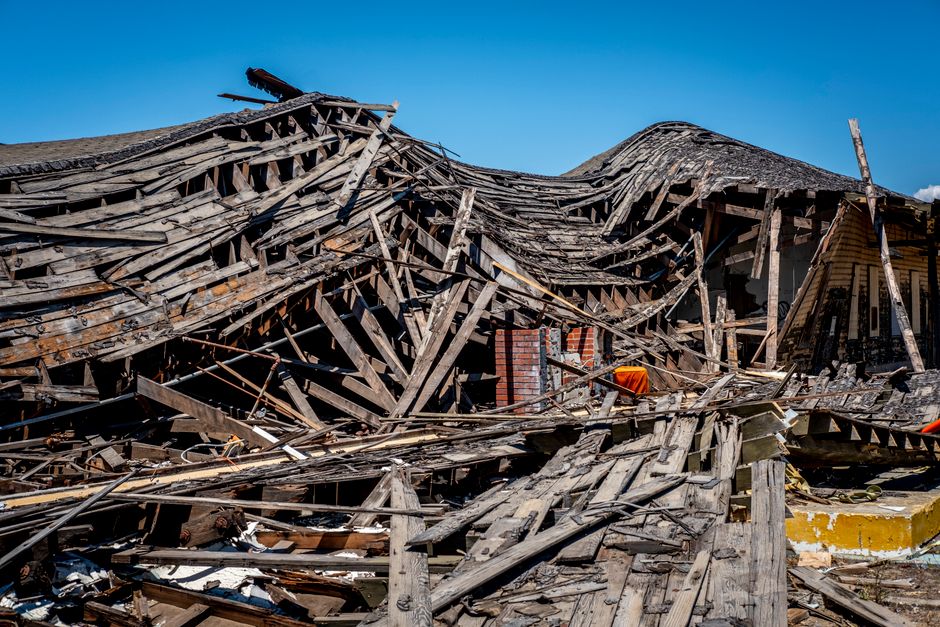
8. California's Forgotten Engineering Blunder
St. Francis Dam Disaster Site, California, USA
The ruins of this massive dam mark the spot of one of America's greatest civil engineering failures, unleashing a catastrophic flood that claimed hundreds of lives.
Completed in 1926 as a crucial part of Los Angeles's water supply, the St. Francis Dam collapsed catastrophically just two years later, on March 12, 1928. The failure, attributed to geological instability in the canyon walls that the dam was built upon, released a 100-foot-high wall of water that surged through the Santa Clara River Valley, killing an estimated 400-600 people. Today, only scattered remnants of the concrete structure remain, a stark and somber reminder of the immense power of water and the dire consequences of overlooked geological warnings.
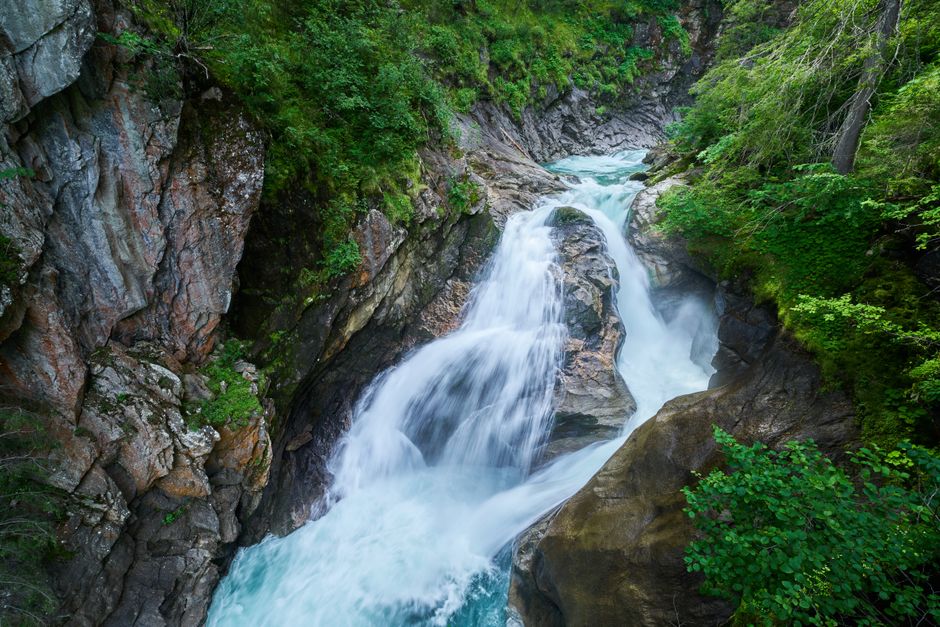
9. The Waterfall Where Half the River Vanishes
Judge C.R. Magney State Park, Minnesota, USA
At this unique waterfall, the Brule River splits, with one half plunging into Lake Superior and the other disappearing into a mysterious pothole, its destination unknown.
The Devil's Kettle is a geological enigma in northern Minnesota. Here, the Brule River cascades over a rock face, but halfway down, the flow divides. One stream continues its journey to Lake Superior, while the other vanishes into a deep pothole, seemingly without an outlet. Attempts to trace the water using dyes or ping-pong balls have failed, leading to ongoing speculation about an elaborate underground river system or a hidden basaltic tube. This captivating mystery makes for a truly unique natural wonder.
Frequently asked questions
Why do some historical events seem to be forgotten more than others?
Historical events can be forgotten due to a lack of documentation, remote locations, or being overshadowed by larger, more publicized occurrences. Sometimes, the narratives are simply lost over time or intentionally suppressed.
What is the significance of visiting sites of past disasters?
Visiting disaster sites offers a tangible connection to history, fostering empathy and providing valuable lessons in engineering, environmental stewardship, and human resilience. It reminds us of both human fallibility and the power of nature.
How can I find lesser-known historical sites when I travel?
Research local historical societies, check specialized travel blogs, or look for geological and natural wonders in less-trafficked regions. Often, the most compelling stories are found off the main tourist paths.
How can the AllTours.ai app help me discover these hidden stories?
AllTours.ai is an AI audio tour guide app designed to reveal the unseen layers of any place. Simply point your phone camera at a landscape or landmark, and the app narrates its history, geology, and culture in your preferred language, uncovering the hidden stories around you.
Related guides
Photography via Pexels. AllTours.ai is an AI audio tour guide — point your camera at any landscape and hear its story.