July 30, 2026 · 4 min read
The image of an archery accident, a moment of misplaced precision and unforeseen consequence, often sparks a visceral understanding of risk. It’s a vivid reminder that even with skill, the unexpected can occur, transforming a planned act into an unplanned event. But what if we applied this lens of precision, risk, and hidden outcomes to the world around us, beyond the circus tent?
Every landscape, every structure, every seemingly ordinary spot holds lessons about meticulous design, the dangers of miscalculation, or the surprising forces of nature and human ingenuity. Many of these stories are not found on the well-trodden tourist paths, but in the forgotten corners, the unassuming marvels, and the places where history’s careful hand (or sudden slip) left an indelible mark.
1. New York's Underground River
Old Croton Aqueduct Trail, USA
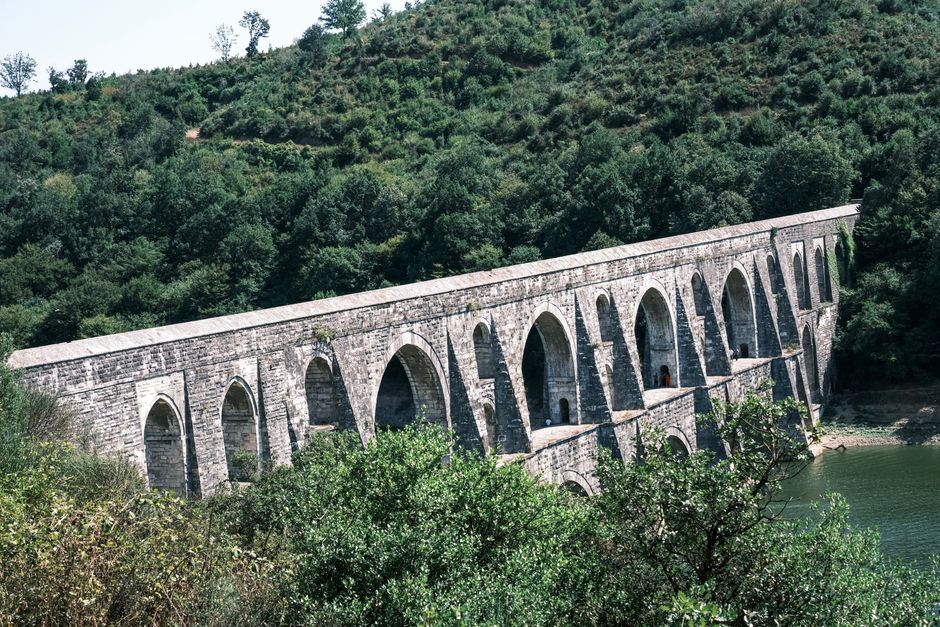
Beneath the leafy trails of Westchester County runs a secret, centuries-old engineering marvel that once quenched New York City’s thirst.
The Old Croton Aqueduct, completed in 1842, is a largely hidden triumph of 19th-century engineering. This brick conduit stretches 41 miles, carrying water from the Croton River to Manhattan with a precise, consistent gradient, defying the era's technological limitations. Its construction was fraught with the danger of tunnel collapses and disease, demanding incredible precision and risking the lives of countless laborers to build New York’s first reliable clean water source. Today, its surface trail offers glimpses into this vital, unseen history.
2. Ancient Geometric Earthworks
Poverty Point World Heritage Site, USA
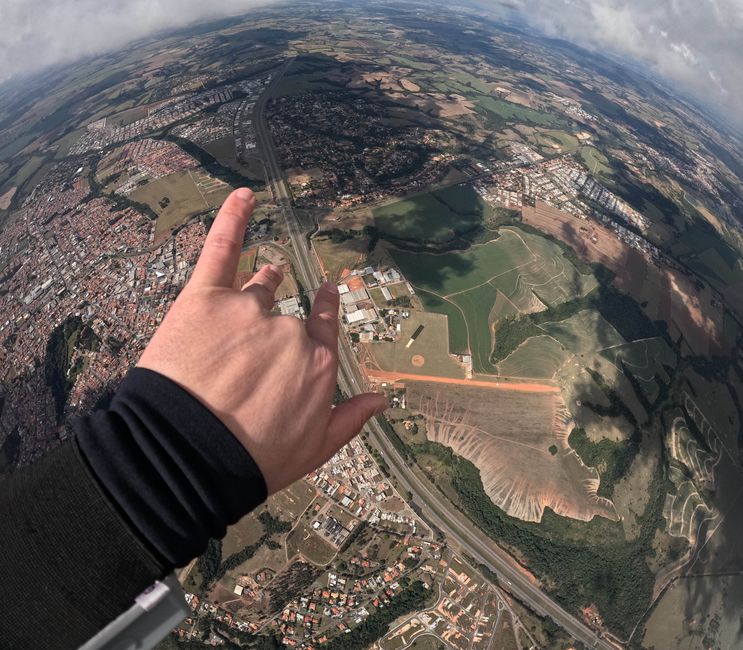
Thousands of years before modern surveying, an ancient culture in Louisiana built earthworks so geometrically precise they still baffle archaeologists.
Poverty Point, a UNESCO World Heritage Site in northeastern Louisiana, features an elaborate complex of earthen ridges and mounds constructed by indigenous peoples around 1700 to 1100 BCE. These monumental structures include six concentric, C-shaped ridges and several large mounds, all aligned with remarkable accuracy to cardinal directions and celestial events. The sheer scale and precise geometry of Poverty Point demonstrate a sophisticated understanding of engineering and astronomy, revealing a profound yet mysterious ancient society.
3. The Acoustic Anomaly Dam
Monea Dam (Whispering Wall), Australia
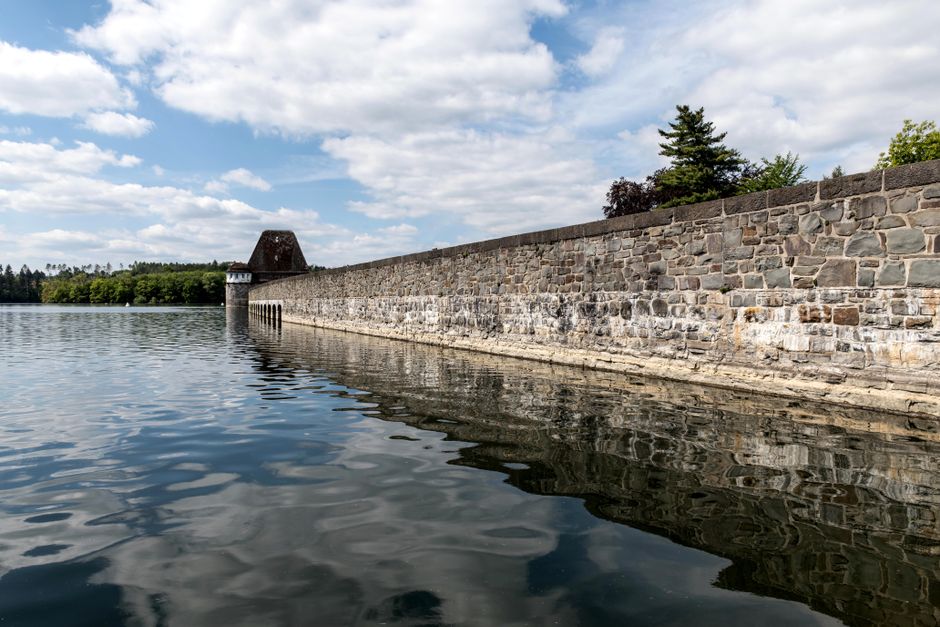
A curved dam in Australia possesses an unintended acoustic property, allowing a whisper to travel over 140 meters from one end to the other.
Just north of Adelaide, South Australia, the Monea Dam, colloquially known as the 'Whispering Wall,' is a testament to the surprising effects of precise architectural geometry. Its unique parabolic arch, designed for structural integrity, inadvertently creates an incredible acoustic phenomenon. A faint whisper uttered at one end of the wall can be heard clearly by someone standing at the opposite end, over 140 meters away. This unforeseen consequence of engineering showcases how subtle design elements can yield remarkable, almost magical, results.
4. Australia's Balancing Boulders
Karlu Karlu (Devil's Marbles), Australia
Giant, perfectly rounded granite boulders appear to defy gravity, precariously balanced in the Australian outback for millions of years.
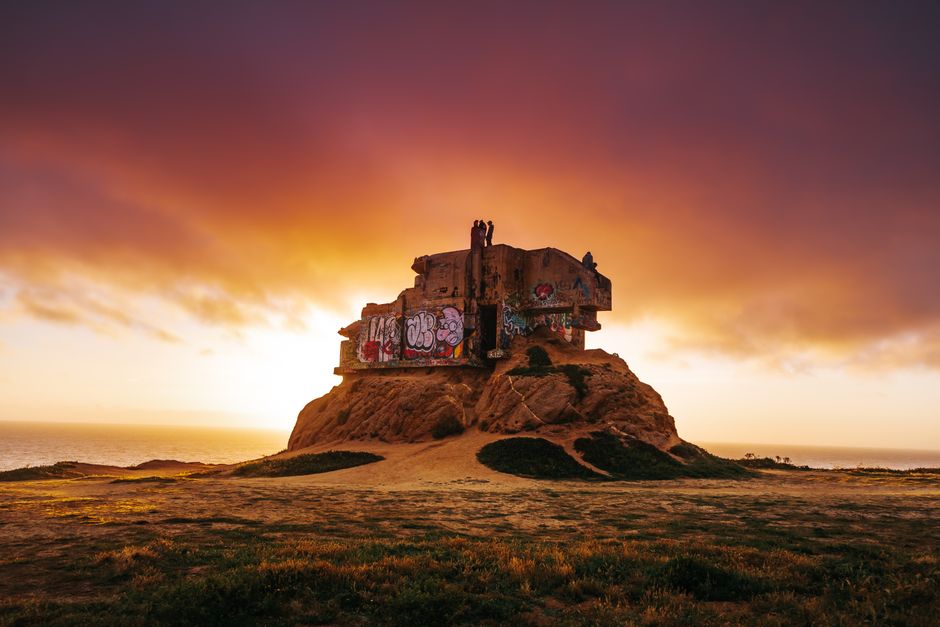
Karlu Karlu, or the Devil's Marbles, in Australia's Northern Territory, is a sacred site to the Warumungu Aboriginal people and a geological marvel. These massive, naturally formed granite boulders, some up to six meters in diameter, are the result of millions of years of weathering and erosion. They are often seen balanced atop one another or resting in seemingly impossible positions, a testament to the slow, precise forces of nature and the delicate equilibrium that can be maintained over eons. Each 'marble' tells a story of geological time and balance.
5. The Treacherous Salt Flats
Great Salt Lake Desert, USA
Beyond the famed Bonneville Salt Flats lies a vast, starkly beautiful desert hiding ancient lakebeds and deceptive, perilous terrain.
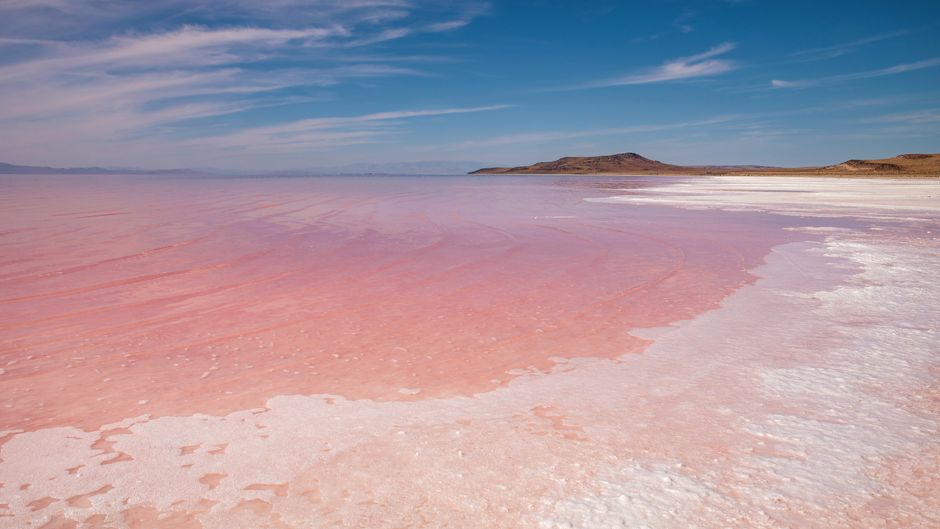
The Great Salt Lake Desert in Utah, particularly the areas beyond the famous speedway of the Bonneville Salt Flats, is an immense, desolate expanse. This ancient lakebed, now largely dry, is characterized by extreme temperatures and a seemingly flat surface that belies treacherous, hidden mudflats beneath a thin salt crust. Navigating this environment requires meticulous planning and a deep respect for its hidden dangers, as a slight misjudgment can quickly lead to being stranded in one of North America's most remote and unforgiving landscapes.
6. The Unforgiving Arctic Wilderness
Gates of the Arctic National Park, USA
One of America’s least visited national parks, this vast Alaskan wilderness demands absolute precision for survival, offering profound lessons in humility.
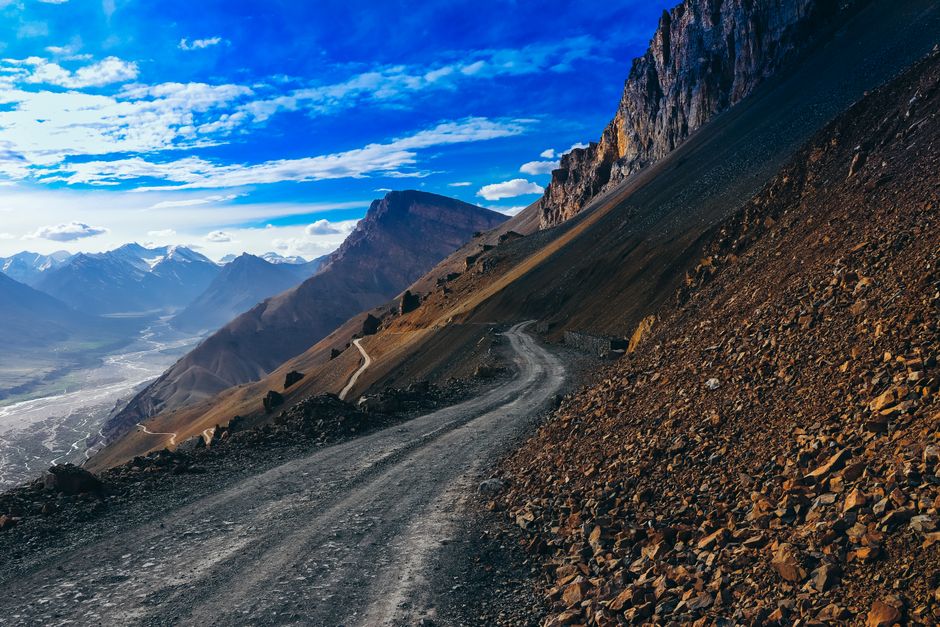
Gates of the Arctic National Park in Alaska is a monumental, roadless wilderness, largely defined by the rugged Brooks Range. With no established trails or facilities, every journey through its valleys and over its mountain passes requires meticulous planning, precise navigation, and a deep understanding of the unforgiving environment. A slight misjudgment of weather, river crossings, or supplies can have severe consequences, making every decision a critical lesson in precision and risk management against nature's raw, untamed power.
7. The Enigmatic Underwater Road
Bimini Road, Bahamas
Beneath the turquoise waters off Bimini lies a mile-long formation of eerily straight and rectangular stone blocks, sparking ancient mysteries.
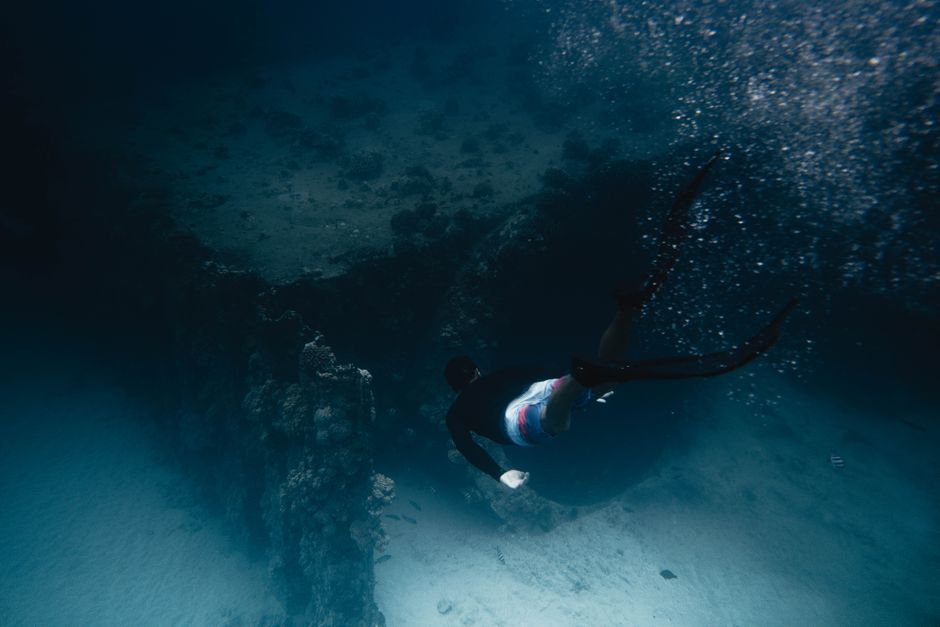
The Bimini Road, an underwater rock formation off the coast of North Bimini in the Bahamas, is a striking example of nature's, or perhaps something else's, precise geometry. Composed of remarkably straight, parallel lines of large, rectangular limestone blocks, it stretches for almost a mile. While geologists largely attribute it to natural coastal erosion and fracturing, its uncanny resemblance to an ancient pavement or wall has fueled theories of a sunken city or lost civilization. It challenges observers to discern between natural precision and deliberate design.
Frequently asked questions
What makes a place 'lesser-known' but significant?
Lesser-known places often hold profound historical, geological, or cultural significance that isn't widely publicized. They might be remote, require specific knowledge to appreciate, or simply overshadowed by more famous landmarks, yet offer unique insights into our world.
How can I find these hidden gems when I travel?
Researching local history, consulting specialized travel blogs, or looking for sites of scientific or cultural interest rather than just popular tourist attractions can reveal many hidden gems. Local guides are also invaluable resources for uncovering these spots.
Are these locations difficult to access?
Some lesser-known spots, particularly those in wilderness areas like national parks, may require more planning or physical effort to reach. Others might be tucked away in plain sight, requiring only a keen eye and a curious mind to discover their stories.
How does the AllTours app help explore these unique places?
AllTours.ai uses AI to identify landmarks or landscapes you point your phone camera at, then narrates its history, geology, and culture in your language. It's like having a local expert instantly reveal the hidden stories and significance of even the most obscure locations.
Related guides
Photography via Pexels. AllTours.ai is an AI audio tour guide — point your camera at any landscape and hear its story.