August 1, 2026 · 5 min read
The story of a New York circus's archery accident often brings to mind the sudden, the unexpected, and the profound lessons hidden within moments of peril or miscalculation. While the bright lights of the big top might have faded, the world is full of places where similar themes of risk, consequence, and unforeseen events have shaped their very essence.
Beyond the well-trodden tourist paths, countless lesser-known locations hold vivid tales of precision, error, human endeavor, and nature's raw power. These are not just destinations; they are historical classrooms, geological textbooks, and cultural archives waiting to reveal their secrets and offer perspectives far richer than any single event.
1. The Sentinel's Perch
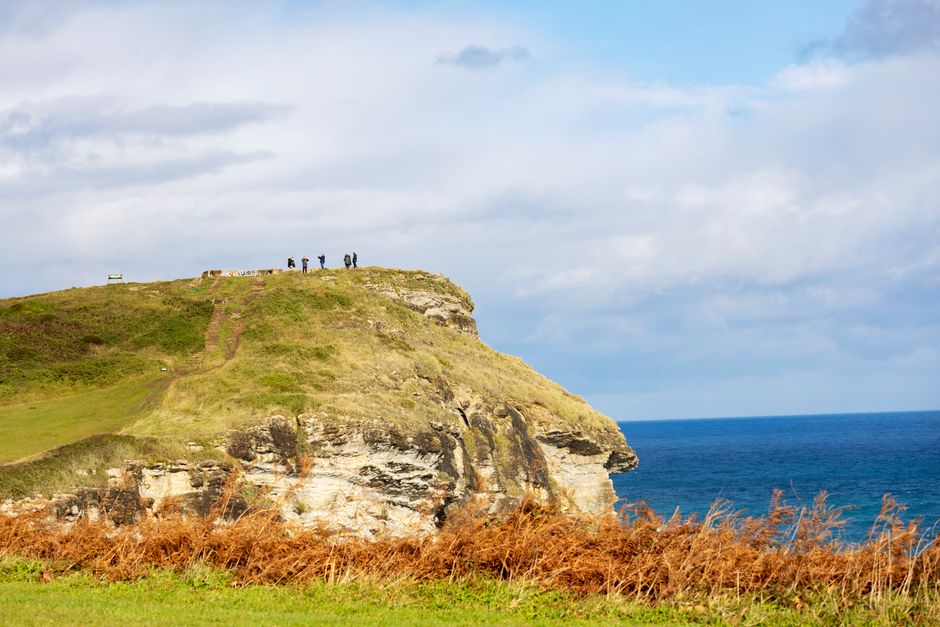
Vrooman's Nose, New York, USA
A unique geological formation near New York holds centuries of local lore and a vantage point for understanding human interaction with the land.
This prominent shale cliff in rural Schoharie County isn't just a scenic overlook; it's a natural landmark steeped in local history, from Revolutionary War sightings to Native American legends. Its distinctive profile, resembling a human nose, has long served as a silent observer, witnessing the unfolding of local events and the subtle shifts in the landscape below. The sheer drop-off offers a stark reminder of natural forces shaping the terrain, much like an unexpected event can reshape a life.
2. The Town That Smolders
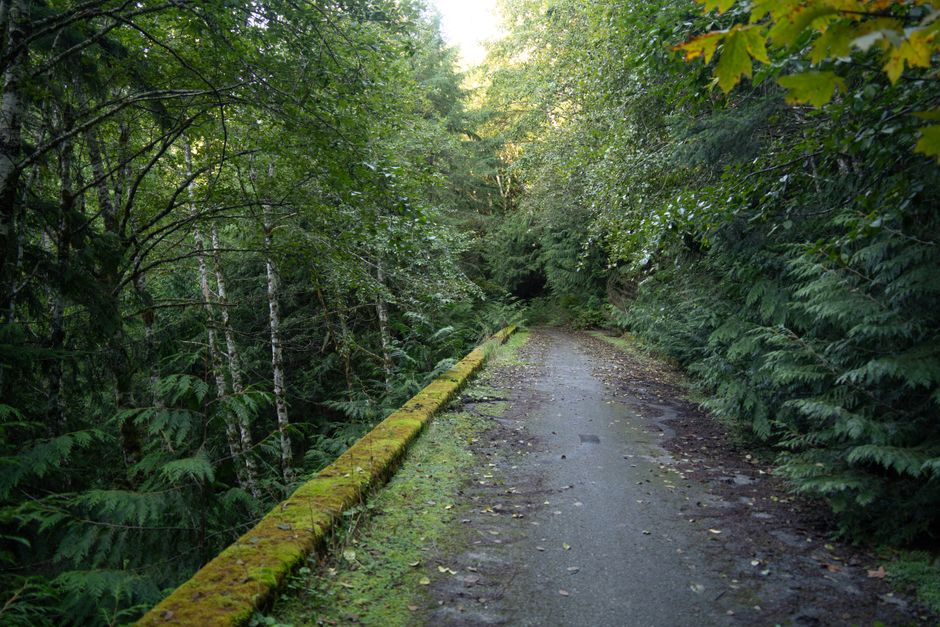
Centralia, Pennsylvania, USA
A seemingly ordinary town in Pennsylvania has been slowly consumed by an underground coal mine fire burning for over six decades, creating an eerie, enduring legacy.
What started as a small, controlled burn in a landfill near Centralia in the 1960s ignited an exposed coal seam, leading to an uncontrolled underground inferno that continues to burn to this day. This slow-motion disaster forced the abandonment of the town, leaving behind a surreal landscape of buckling roads, steaming vents, and a handful of defiant residents. Centralia stands as a stark testament to the unforeseen, long-term consequences of a seemingly minor oversight, a permanent scar on the land and a cautionary tale.
3. The Swamp's Hidden World
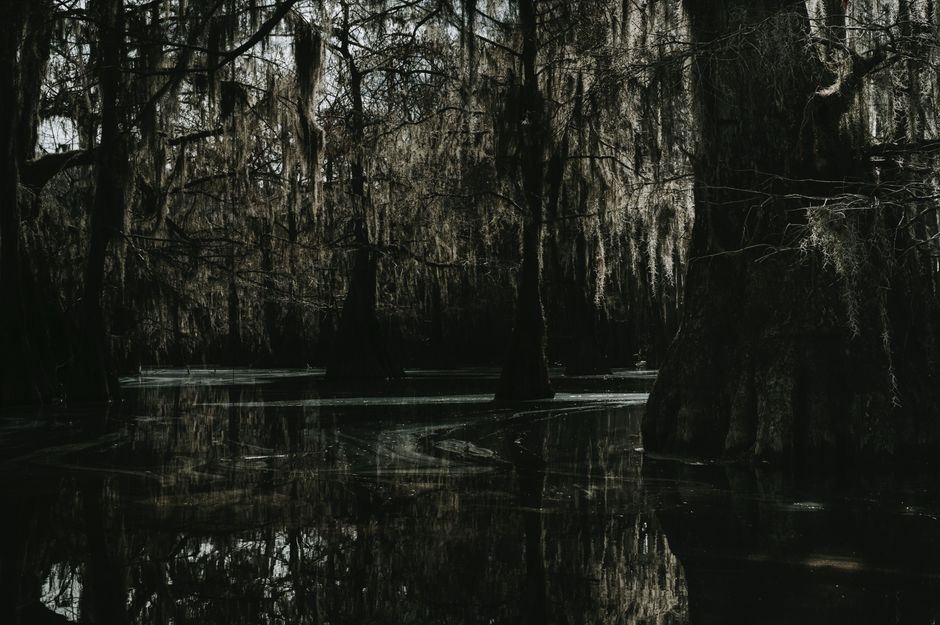
Great Dismal Swamp, Virginia/North Carolina, USA
This vast, foreboding wetland once served as a sanctuary for those fleeing slavery and persecution, a complex ecosystem holding a hidden history of resilience.
Far from being merely a mosquito-ridden marsh, the Great Dismal Swamp was a critical haven for thousands of "Maroons"—runaway slaves and Native Americans—who forged communities deep within its treacherous interior for centuries. Its dense cypress forests, boggy terrain, and labyrinthine waterways offered both formidable protection and profound challenges. This landscape embodies the ingenuity and sheer will to survive against overwhelming odds, where the environment itself became a silent accomplice in the pursuit of freedom.
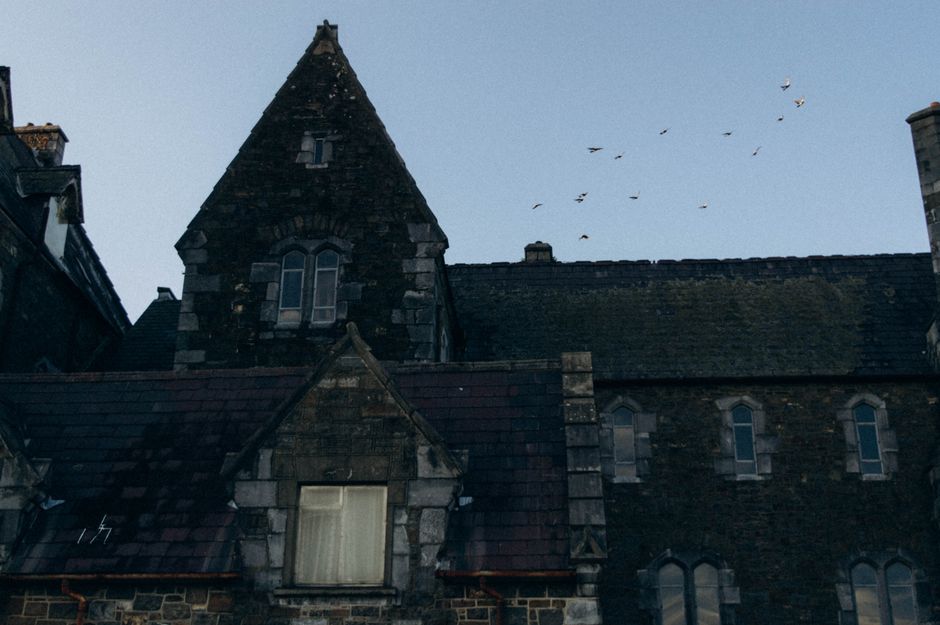
4. The Monk's Oceanic Anchor
Skellig Michael, Ireland
On a remote, jagged rock island off Ireland's coast, an ancient monastic settlement clings precariously, defying the wild Atlantic for centuries.
Skellig Michael is a UNESCO World Heritage site, a dramatically isolated island where early Christian monks built beehive huts and a monastery in the 6th century. Their daily lives were a testament to extreme asceticism and incredible architectural skill, enduring fierce gales and the isolation of the sea. The climb up its steep, ancient stone steps is a journey into a past where faith and fortitude allowed humans to thrive in one of the most inhospitable yet breathtaking environments imaginable, a fragile existence sustained by immense dedication.
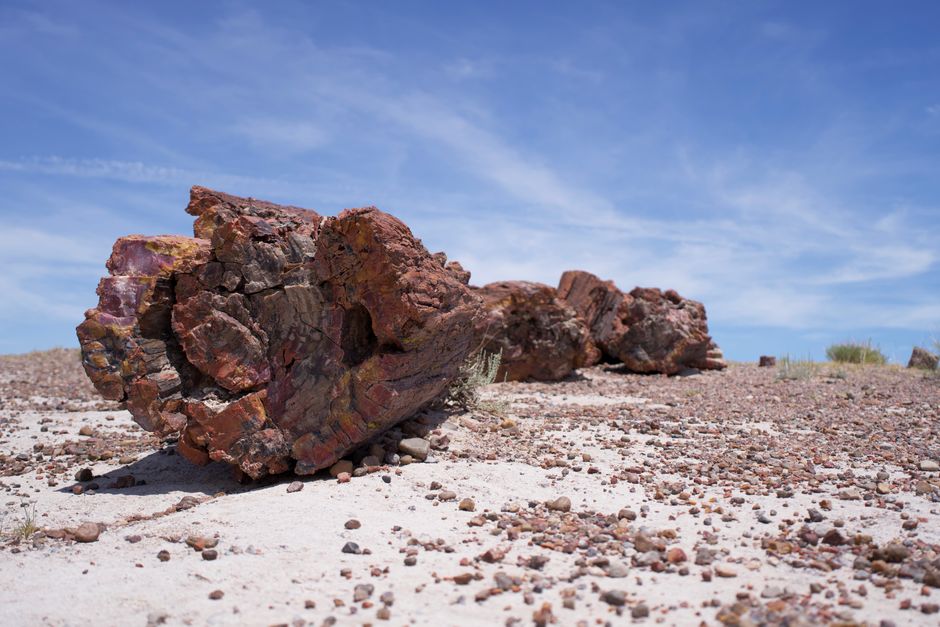
5. Stone Trees of Time
Petrified Forest National Park, Arizona, USA
A desert landscape in Arizona holds a forest where every tree has turned to stone, a stunning geological transformation millions of years in the making.
The Petrified Forest is not just a collection of ancient logs; it's a vivid display of Earth's slow, powerful processes. Millions of years ago, these trees were swept away by floods and buried rapidly under volcanic ash and sediment, cutting off oxygen. Over eons, groundwater rich in silica permeated the wood, replacing organic material with quartz crystals, turning every cell into stone. It's a profound lesson in deep time, illustrating how nature's "accidents" can create breathtaking, permanent masterpieces on a scale humans can barely comprehend.

6. The Goddess's Sacred Grotto
Phra Nang Cave, Railay Beach, Thailand
Within a stunning sea cave on Thailand's Railay Beach lies an unexpected shrine dedicated to a fertility goddess, adorned with thousands of phallic offerings.
Phra Nang Cave, nestled amidst towering limestone cliffs and turquoise waters, is more than just a beautiful natural wonder. It's a sacred site where local fishermen and boatmen have for centuries left offerings to the Princess Goddess, Phra Nang, seeking safe passage and bountiful catches. The cave's unique feature is its collection of carved wooden phalluses, symbols of fertility and prosperity, believed to appease the goddess. This cultural practice reveals a deep spiritual connection to the sea and an ancient belief system intertwined with the daily risks of maritime life.
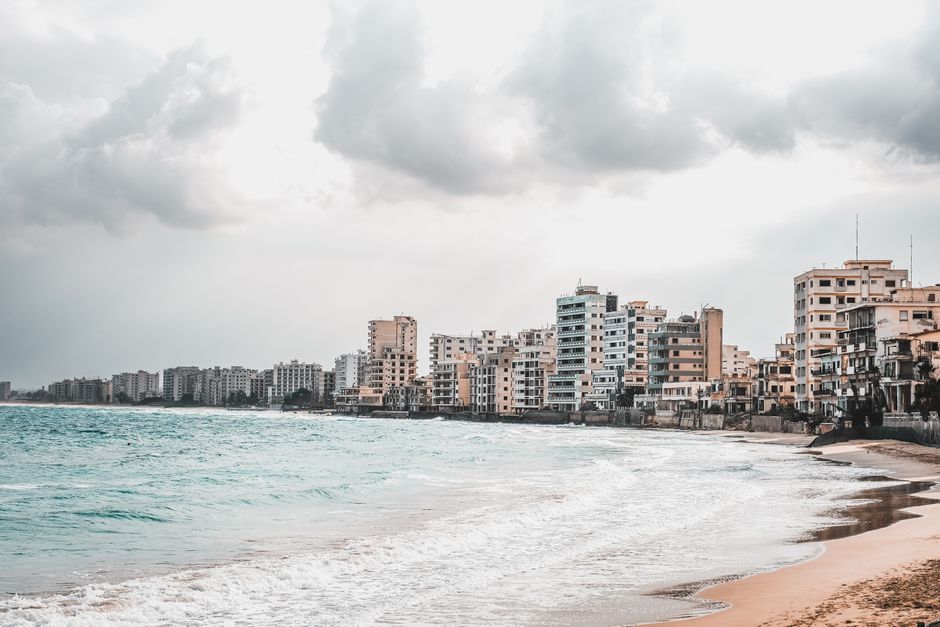
7. The Abandoned Resort
Varosha, Famagusta, Cyprus
An entire resort district on the Cypriot coast has stood eerily abandoned and untouched since 1974, a ghost city frozen in the midst of a holiday boom.
Once a bustling tourist hotspot with luxury hotels and pristine beaches, Varosha was suddenly evacuated during the Turkish invasion of Cyprus in 1974. The area was fenced off and has remained uninhabited, effectively sealed from the world for nearly five decades. Clothes still hang in shop windows, cars rust in showrooms, and hotels stand empty, a haunting tableau of a life abruptly interrupted. Varosha is a poignant, tangible lesson in the devastating and lasting consequences of conflict, where a vibrant community transformed into a silent monument overnight.
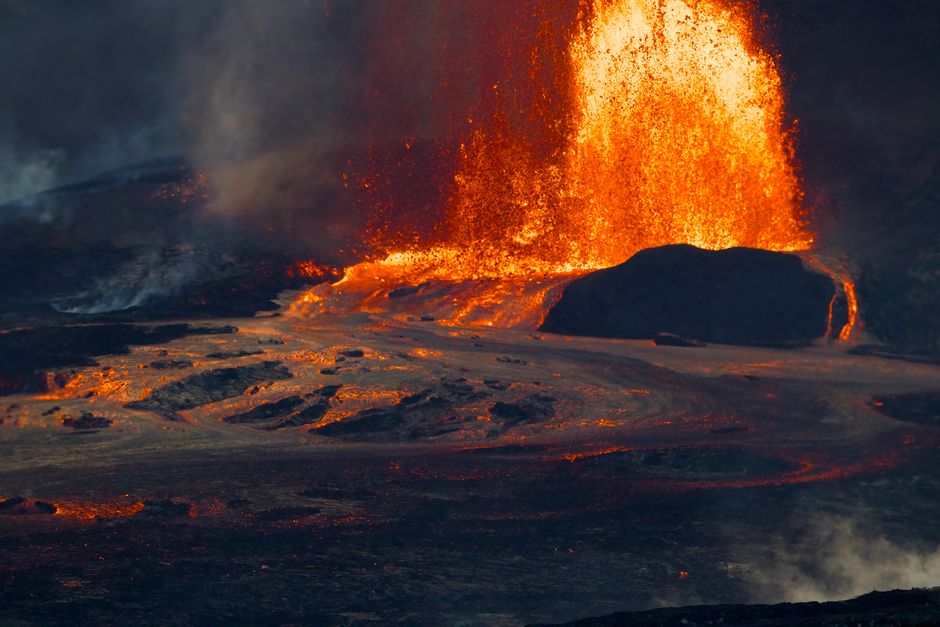
8. The Door to Hell
Darvaza Gas Crater, Turkmenistan
In the Karakum Desert, a massive crater has been burning continuously for over fifty years, an accidental inferno dubbed the "Door to Hell."
This fiery chasm originated in 1971 when Soviet geologists, drilling for natural gas, accidentally punched into a cavern filled with gas. To prevent the spread of methane, they decided to burn it off, expecting it to last only a few weeks. Five decades later, the crater continues to blaze, a dramatic, unintended consequence of human exploration. Its perpetual flame is a stark reminder of the unpredictable power of geological forces and the long-term impact of human intervention, transforming a scientific miscalculation into an awe-inspiring, infernal spectacle.
Frequently asked questions
What happened during the archery accident in New York?
While specific details of an archery accident during a New York circus performance are varied and often anecdotal, such events typically highlight the inherent risks of live acts involving precision and danger. They serve as historical reminders of the need for rigorous safety protocols and the unpredictable nature of human-led spectacle.
How do historical events like accidents offer lessons for travelers?
Historical incidents, whether grand or seemingly minor, often reveal deeper truths about human nature, ingenuity, or the power of natural forces. By exploring the sites where these events unfolded, travelers gain a richer context, understanding the consequences of actions, the resilience of communities, and the unique character of a place shaped by its past.
Where can I find more lesser-known historical sites to visit?
Beyond popular landmarks, many fascinating historical sites are hidden in plain sight or tucked away in remote corners. Seek out local heritage societies, regional history museums, or specialized travel blogs focusing on off-the-beaten-path destinations. These resources often highlight places with compelling stories that are overlooked by mainstream tourism.
How does the AllTours.ai app help me discover these hidden stories?
The AllTours.ai app transforms your phone into an AI-powered audio tour guide. Simply point your camera at any landscape, landmark, or point of interest, and the app uses its AI to identify what you're seeing. It then instantly narrates its history, geology, and cultural significance in your preferred language, bringing even the most obscure locations to life with vivid, detailed stories.
Related guides
Photography via Pexels. AllTours.ai is an AI audio tour guide — point your camera at any landscape and hear its story.